Famous Small Towns Legends
Every little town carries its own legends. Ones that get shared from parents to kids, murmured during late-night talks under blankets, told again near flickering flames outdoors.
They stick to spots on the map – like a certain overpass, a crumbling farmhouse, or a lonely highway most folks avoid after dark. Doesn’t matter if they’re true; these yarns still color how people view their neighbors and where they grew up.
Some myths come from actual happenings – stories stretched further with each retelling. A few emerge straight out of shared dreams, stepping in when records go quiet.
What counts isn’t whether they’re true, but what they show about what folks dread, wish for, or hold dear.
The Mothman of Point Pleasant
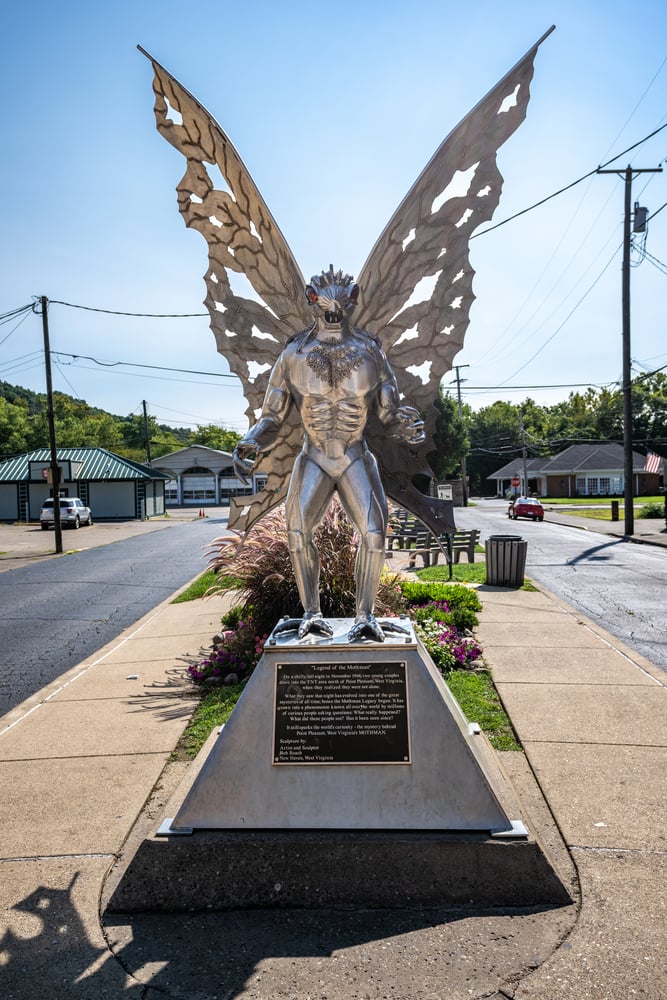
Point Pleasant, West Virginia became famous for sightings of a winged creature in the 1960s. Witnesses described something tall with glowing red eyes and wings like a moth.
The encounters started in November 1966 and continued for about a year. Then the Silver Bridge collapsed in December 1967, killing 46 people, and the sightings stopped.
Some locals connected the creature to the tragedy, suggesting it appeared as a warning or omen. Others saw it as a harbinger of doom that caused the disaster.
The town now hosts an annual festival celebrating the legend, and a statue of the Mothman stands downtown. The story gained new life through books and movies, but for residents, it remains tied to one of the darkest days in their community’s history.
The Jersey Devil’s Pine Barrens

The Pine Barrens of New Jersey span over a million acres of forest, and somewhere in those woods lives the Jersey Devil. According to legend, a woman named Mother Leeds gave birth to her thirteenth child in 1735.
The baby transformed into a creature with hooves, a forked tail, bat wings, and a horse-like head before flying up the chimney and disappearing into the forest.
Sightings have continued for centuries. Witnesses report hearing strange screams in the woods and finding unusual tracks.
In 1909, a wave of reported encounters swept through several New Jersey towns, causing schools to close and workers to stay home. The creature even supposedly appeared at a social club in Philadelphia.
The legend persists because the Pine Barrens remain wild and isolated, the kind of place where imagination fills the empty spaces between towns.
Resurrection Mary’s Hitchhiking Route

Outside Chicago, drivers on Archer Avenue sometimes pick up a young woman in a white dress. She asks for a ride, gives an address, then vanishes from the car before reaching her destination.
The pattern repeats so often that locals know the ghost as Resurrection Mary.
The story connects to Resurrection Cemetery, which sits along the same road. Different versions identify her as a woman killed in a car accident in the 1930s after leaving a dance at the Willowbrook Ballroom.
She appears most often near the cemetery gates, and some drivers claim she leaves handprints on their car doors. The ballroom still operates today, and the legend has become part of the local identity.
Whether you believe it or not, drivers along Archer Avenue know the story and watch for her on foggy nights.
Sleepy Hollow’s Headless Horseman
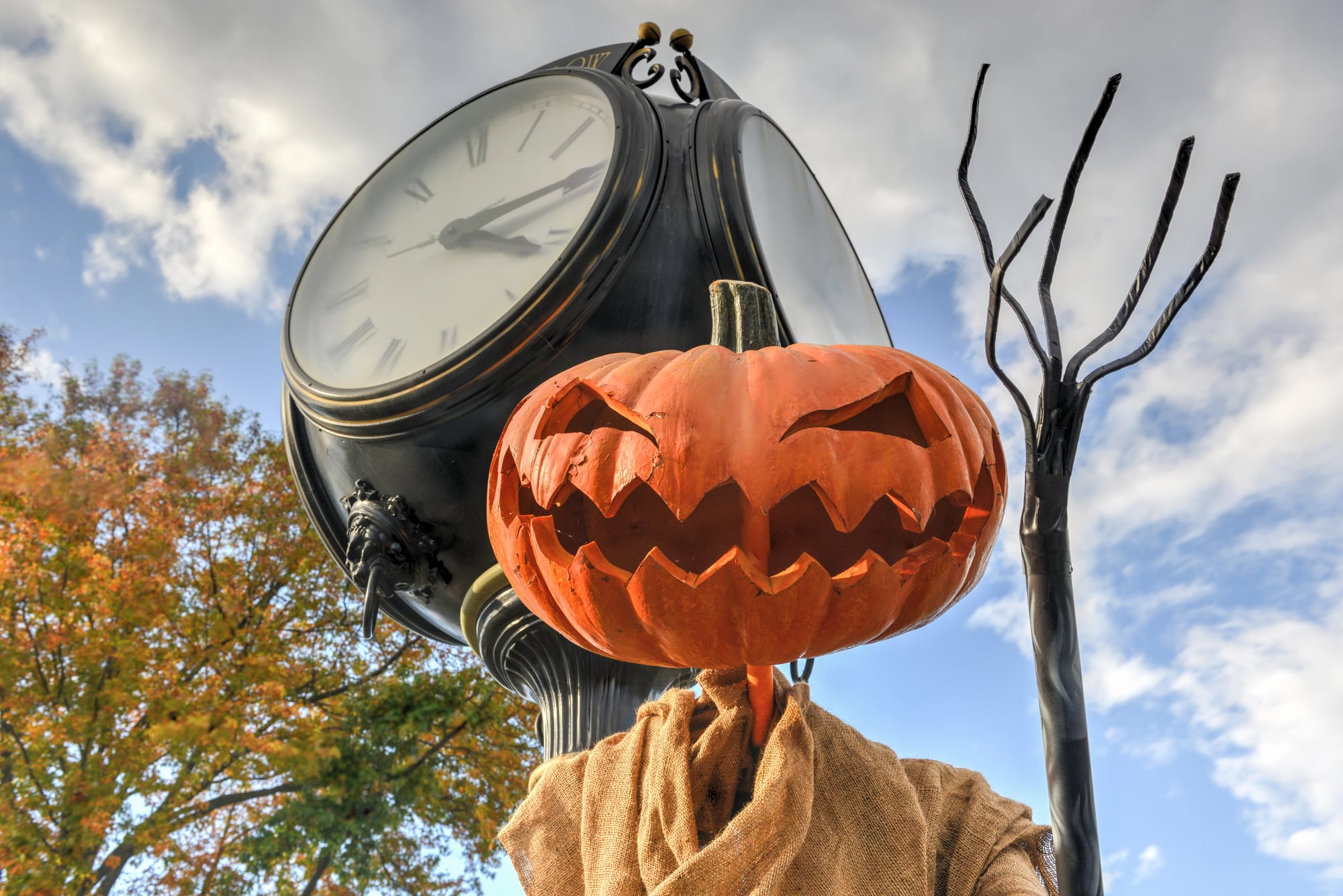
Washington Irving wrote “The Legend of Sleepy Hollow” in 1820, but he based his story on local folklore from Tarrytown, New York. The tale features Ichabod Crane, a schoolteacher pursued by a headless rider through the woods.
Irving drew on Dutch settler stories and Revolutionary War history to create his version.
The real Sleepy Hollow Cemetery exists, and visitors can tour it today. The town changed its name from North Tarrytown to Sleepy Hollow in 1996, fully embracing the legend.
Every October, tourists flood in for haunted tours and Halloween celebrations. The story resonates because it taps into older European folklore about headless riders while grounding itself in American colonial history.
The line between Irving’s fiction and local legend has blurred so much that many people don’t know where one ends and the other begins.
The Beast of Bray Road

Elkhorn, Wisconsin gained attention in the 1990s for sightings of a wolf-like creature walking on two legs. Witnesses reported seeing it near Bray Road, a rural stretch outside town.
The descriptions matched classic werewolf imagery—a creature covered in fur, with a wolf’s head, standing over six feet tall.
A local newspaper reporter named Linda Godfrey investigated the accounts and published articles about the encounters. Her reporting brought national attention to the small farming community.
Some residents took the sightings seriously, while others dismissed them as misidentified dogs or bears. The legend draws on old European werewolf traditions but places them in modern American farmland.
Bray Road itself remains an ordinary country road, the kind you’d drive without a second thought—unless you know the stories.
The Bunny Man Bridge
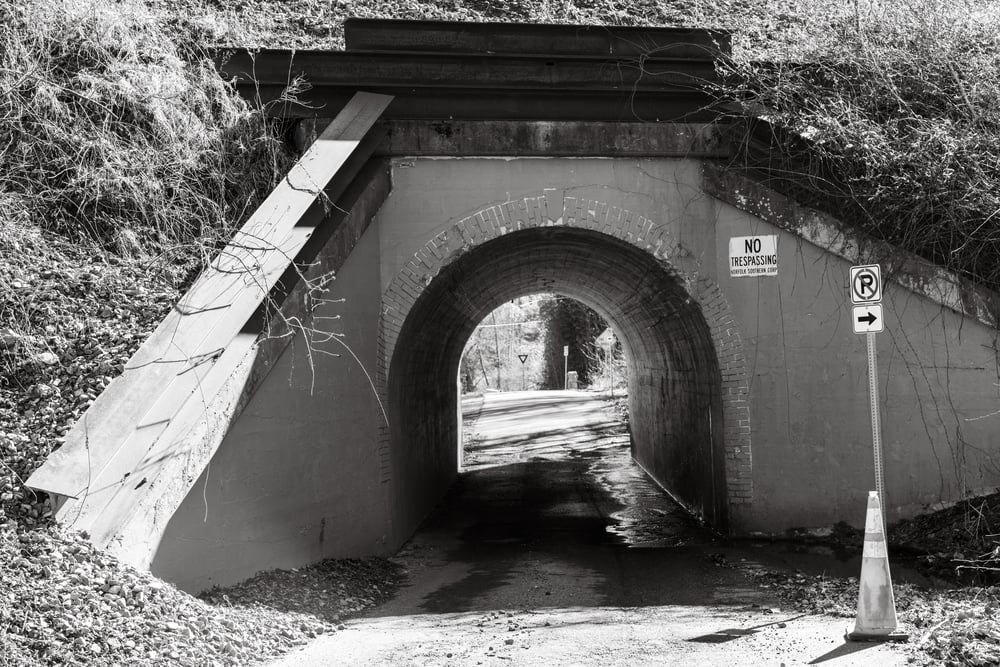
Clifton, Virginia has a railroad overpass known locally as Bunny Man Bridge. The legend tells of a man in a rabbit costume who attacks people near the tunnel, usually with an ax.
Different versions of the story place the origins in various decades, but most agree the attacks happen around Halloween.
The tale evolved from two reported incidents in 1970 where someone in a rabbit suit threw objects at people. From those mundane encounters, the legend grew darker and more violent.
Local teenagers dare each other to visit the bridge at night, and the area draws curious visitors every October. The original incidents were likely pranks, but the story took on a life of its own, fed by rumors and embellishment.
The bridge itself looks unremarkable during the day, but at night, knowing the legend, it transforms into something unsettling.
The Paulding Light Mystery

Paulding, Michigan sits in the Upper Peninsula, and just outside town, people gather at night to watch strange lights appear in the distance. The Paulding Light, also called the Dog Meadow Light, has been reported since the 1960s.
Witnesses describe a bright glow that appears down a power line corridor, sometimes moving, sometimes stationary, changing colors from white to red.
Explanations range from paranormal to scientific. Some say it’s the ghost of a railroad worker killed on the tracks.
Others claim it’s swamp gas or reflected car headlights from a distant highway. Scientists who studied the phenomenon suggested the lights come from vehicles on US Highway 45, several miles away, with atmospheric conditions creating a mirage effect.
Believers reject these explanations and continue to visit. The town erected a sign marking the viewing spot, acknowledging the legend without endorsing any particular interpretation.
The Texarkana Phantom Killer

In 1946, someone attacked eight people in Texarkana, a town that straddles the Texas-Arkansas border. Five died.
The killer wore a white hood and struck at night, targeting couples in parked cars or isolated homes. Police never caught the person responsible, and the attacks stopped as suddenly as they began.
The case became known as the Phantom Killer or the Moonlight Murders. A movie in 1976 called “The Town That Dreaded Sundown” turned the real crimes into legend, mixing facts with fiction.
For people who lived through it, the fear was real and the mystery remains unsolved. The legend persists because the killer was never identified, leaving the community without closure.
Unlike purely folkloric legends, this one has police files and newspaper archives, making it harder to dismiss but no easier to explain.
The Watseka Wonder Possession

Watseka, Illinois entered legend through a case of alleged spirit possession in 1877. A teenage girl named Lurancy Vennum began having seizures and claiming to communicate with spirits.
Another local girl, Mary Roff, had died years earlier after suffering similar symptoms. Lurancy began acting like Mary, recognizing Mary’s family members and recalling specific memories from Mary’s life.
The case attracted attention from spiritualists and researchers interested in the afterlife. Some saw it as proof of reincarnation or spirit possession.
Doctors diagnosed it as a mental illness. Lurancy eventually recovered and lived a normal life, but the episode became known as the Watseka Wonder.
The town’s historical society maintains records of the case, and it remains one of the better-documented possession stories in American folklore. Whether supernatural or psychological, it shows how unusual events in small towns become part of the permanent record.
Pope Lick Monster’s Trestle
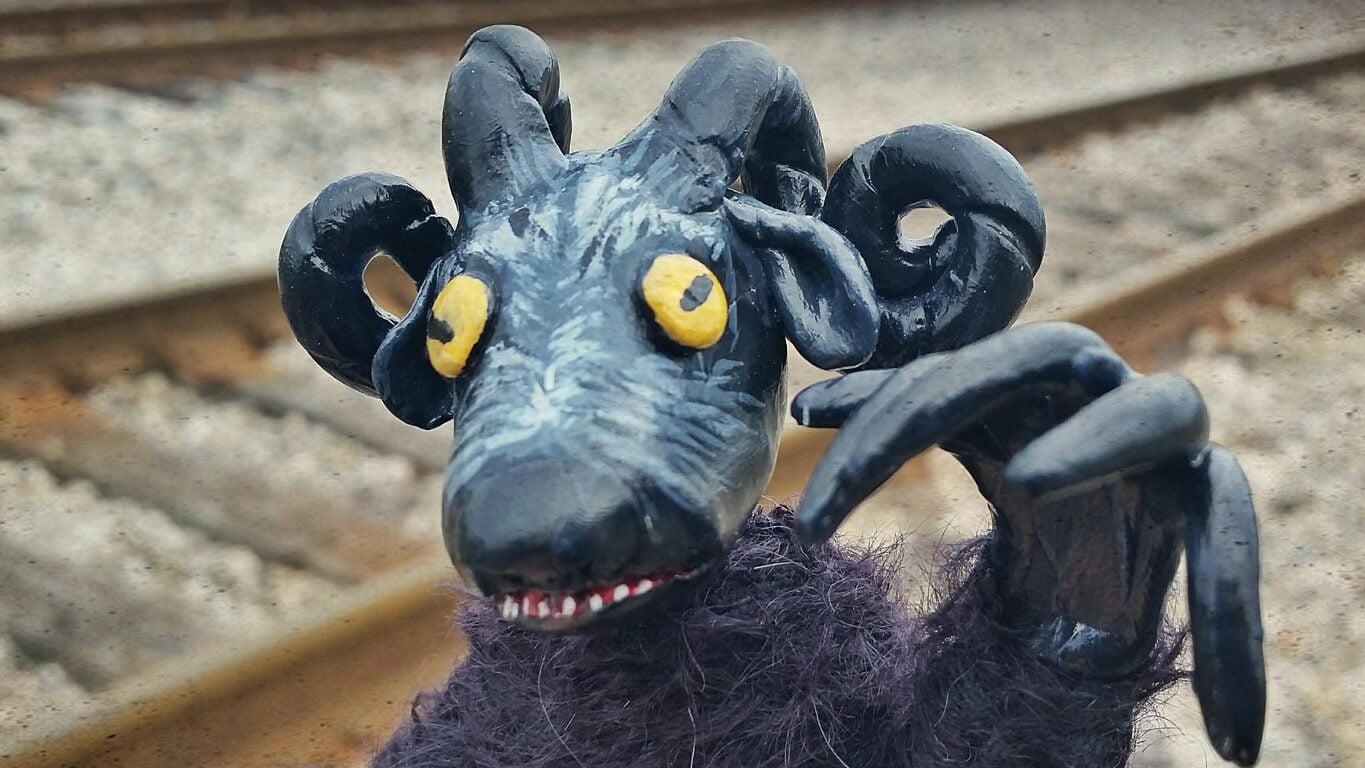
Louisville, Kentucky has a railroad trestle at Pope Lick Creek, and local legend warns of a creature that lives there. Descriptions vary—some say it’s part man and part goat, others describe it more like a sheep with human features.
The monster supposedly uses hypnosis or voice mimicry to lure people onto the trestle, where passing trains kill them.
The legend has led to real tragedies. Several people have died on the trestle over the years, either hit by trains or falling while trying to escape them.
The creature itself is folklore, but the danger is real. Trains still use the bridge, and trespassing there remains illegal and genuinely hazardous.
The legend serves as a warning wrapped in supernatural dressing, a way to keep people away from a legitimately dangerous structure.
The Curse of Dudleytown

Dudleytown, Connecticut was a small settlement established in the 1740s. It never grew large and was abandoned by the early 1900s.
After the residents left, stories began circulating about a curse on the land. The tales claimed unusual numbers of deaths, insanity, and misfortune plagued families who tried to live there.
Historians who studied the town’s records found no evidence of abnormally high tragedy rates. The community simply failed economically, as many small settlements did.
But the legend of a cursed village proved more interesting than mundane abandonment. The site became private property, and owners tired of trespassers posted no entry signs.
The restriction only made the legend grow stronger—if nothing was wrong, why keep people out? The ruins have mostly disappeared into the forest now, but the stories remain more visible than any physical evidence ever was.
The Bell Witch of Adams

Adams, Tennessee became famous for a haunting that occurred in the early 1800s. The Bell family claimed a malevolent spirit tormented them, making strange sounds, moving objects, and physically attacking family members.
The entity reportedly spoke, identifying itself as Kate and targeting family patriarch John Bell, who died during the haunting period.
The case attracted attention at the time, including from Andrew Jackson, who supposedly visited the farm. Accounts spread through oral tradition and later written records, though details vary depending on the source.
The story includes elements common to poltergeist cases—unexplained noises, objects moving, physical manifestations. Whether the events happened as described or grew through retelling, the Bell Witch became part of American folklore.
The area now draws tourists interested in paranormal history, and several books have attempted to document or explain what happened.
The Lake Shawnee Curse
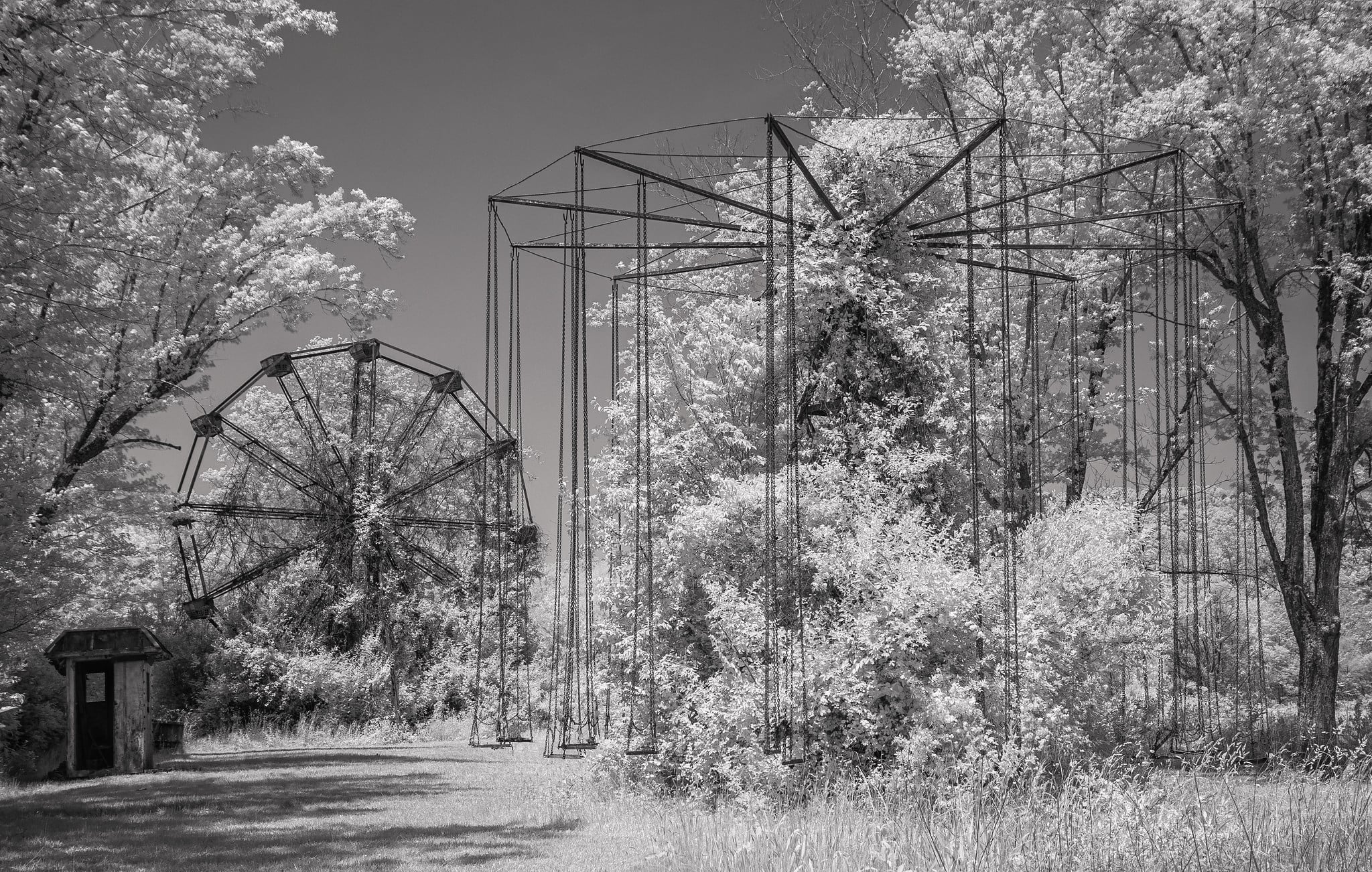
Lake Shawnee Amusement Park in West Virginia operated as a small family park in the mid-1900s. The location had a darker history—it was built on the site where a settler family was attacked in the 1780s, and children died in conflicts with Native American tribes.
After the park opened, accidents occurred, including the deaths of two children in separate incidents.
The park closed in 1966 and fell into disrepair. The combination of the tragic history and the abandoned rides created the perfect setting for ghost stories.
Tours of the property report paranormal activity, though skeptics attribute the claims to suggestion and the eerie atmosphere of rusted playground equipment. The land itself carries documented historical tragedy, which lends weight to the supernatural claims, even if the connection between past events and present hauntings remains unproven.
Roanoke’s Lost Colony Shadow

While not exactly a small town legend in the traditional sense, the Lost Colony of Roanoke casts a long shadow over North Carolina’s Outer Banks communities. The colony disappeared sometime between 1587 and 1590, leaving only the word “CROATOAN” carved into a post.
No one knows what happened to the settlers.
The mystery has generated countless theories—they integrated with local tribes, they were killed, they moved inland, they died from disease or starvation. Small towns in the region incorporated the legend into their identities, with historical sites, outdoor dramas, and tourist attractions built around the vanished colonists.
The legend endures because it represents a fundamental mystery at the root of American colonial history. The lack of resolution keeps the story alive, with each generation offering new explanations for where the colonists went and why they left no clear trace.
Stories That Outlast Their Origins

Small town myths stick around since they do more than just entertain. Yet they highlight actual risks, building closeness among neighbors who repeat them.
Also, these tales add depth to spots people care about deeply. Where does the monster show up?
That spot turns into something bigger – loaded with memory and weight.
Those tales morph every time someone shares them, shaped by fresh worries or today’s headlines. Take a myth from the 1800s – it pops up now with bits stolen from films, viral posts, or fears we feel right now.
The main idea still shows through, yet small parts evolve so it doesn’t feel outdated. Because they can bend like that, these stories stick around even after old-town facts get forgotten.
Some towns lean into their myths, turning ghost tales into cash flow. Yet a few back off, uneasy over fame or fearing odd crowds.
Still, those tales stick around anyway – too baked in to erase, too gripping to ditch. They tap into what really counts: how folks see who they are and where they live – not by facts alone, but through whispers, common faith, yarns that hit harder when believed.
More from Go2Tutors!

- The Romanov Crown Jewels and Their Tragic Fate
- 13 Historical Mysteries That Science Still Can’t Solve
- Famous Hoaxes That Fooled the World for Years
- 15 Child Stars with Tragic Adult Lives
- 16 Famous Jewelry Pieces in History
Like Go2Tutors’s content? Follow us on M