15 Notable Aviation Security Incidents in History
Aviation security hasn’t been built in a day — it’s been hammered into place by moments of fear, shock, and sheer disbelief. Hijackings that made headlines. Breaches that exposed gaping pits. Disasters that forced airlines and governments to rethink the basics. Here’s a list of 15 aviation security incidents that didn’t just make the news — they changed the way we fly, shaping the rules and routines we live with every time we step into an airport.
D.B. Cooper Hijacking
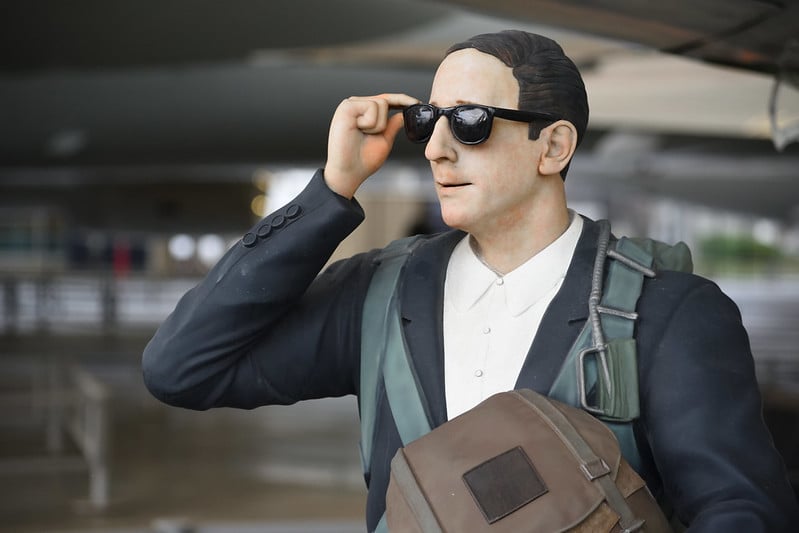
On November 24, 1971, a man in a business suit boarded Northwest Orient Flight 305 with a plan straight out of a thriller. He showed a flight attendant what looked like a bomb, demanded $200,000 and four parachutes, then parachuted into a stormy night over southwestern Washington.
And then? Nothing. Cooper was never found. The FBI chased leads for decades — one of its longest investigations ever. His oddly polite manners (he ordered bourbon and soda mid-crime) made him an unlikely folk anti-hero, but the case also revealed something staggering: boarding a plane without serious screening was far too easy back then.
September 11 Attacks
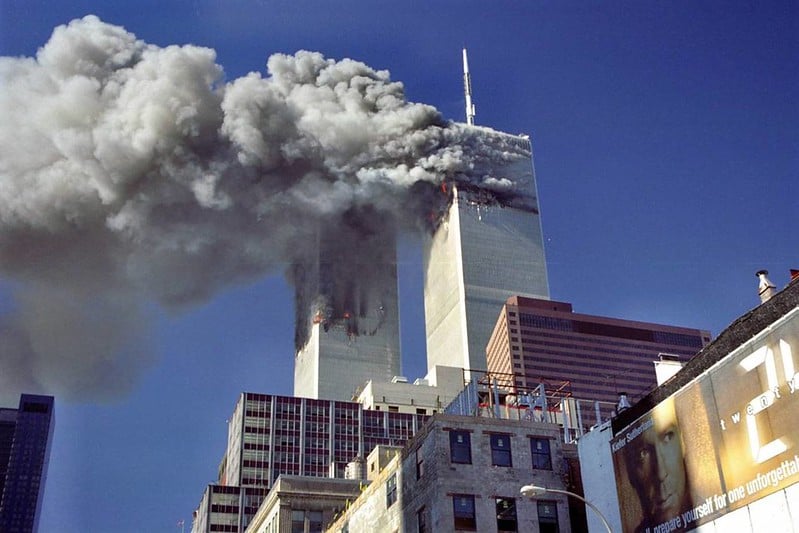
The four coordinated hijackings on September 11, 2001, redrew the map for global aviation security. Terrorists armed with box cutters took control of commercial aircraft, flying them into the World Trade Center and the Pentagon. United Flight 93, the fourth plane, went down in Pennsylvania after passengers fought back.
Nearly 3,000 people died. The Transportation Security Administration was created almost overnight, replacing a patchwork of mostly private security with strict, federally managed protocols — ones that still govern passenger screening today.
Entebbe Raid
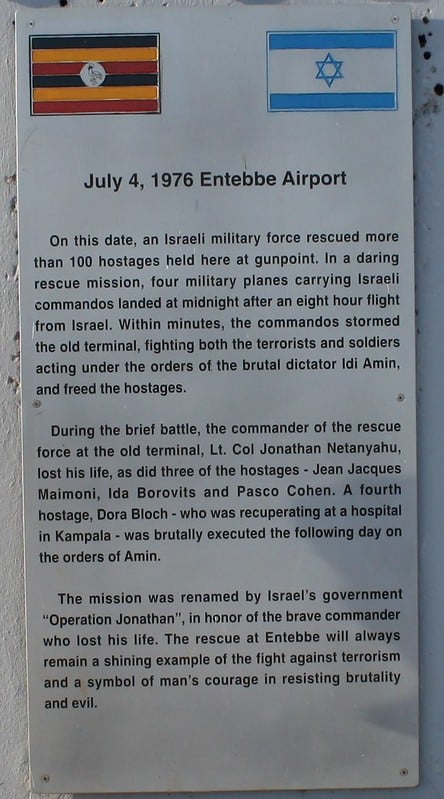
In 1976, Air France Flight 139 was hijacked by Palestinian and German terrorists and diverted to Entebbe Airport in Uganda. The hijackers separated Jewish and Israeli passengers from the others, holding 106 people hostage while demanding the release of imprisoned terrorists.
What followed was pure precision. Israeli commandos flew 2,500 miles, stormed the terminal, and freed nearly everyone. Only three hostages and one Israeli soldier were killed. The operation proved that distance and borders weren’t barriers to a determined rescue mission.
Lockerbie Bombing
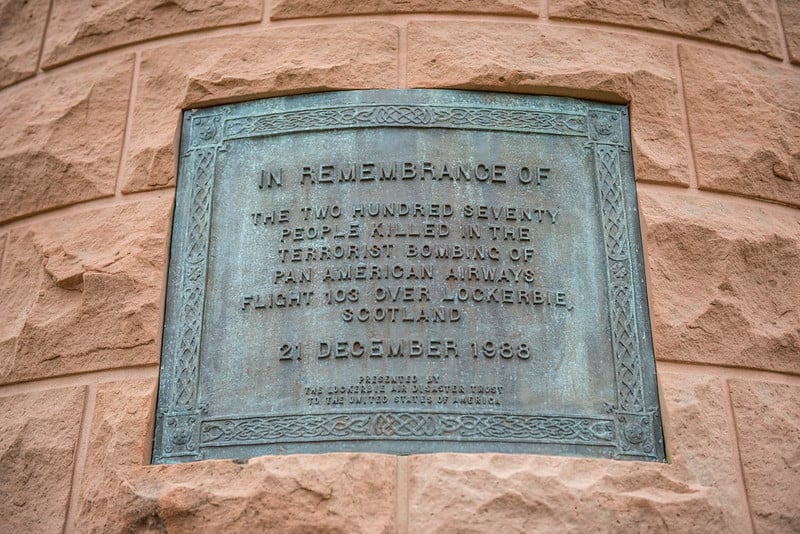
Pan Am Flight 103 exploded over Lockerbie, Scotland, on December 21, 1988, killing 259 people on board and 11 on the ground. A bomb hidden inside a radio-cassette player — almost an antique-sized gadget by today’s standards — had been placed in the cargo hold by Libyan agents.
The investigation was massive, crossing borders and lasting years. It led to sweeping changes in baggage screening and passenger-bag matching. Still, justice came slowly, underscoring just how messy international aviation terrorism cases can be.
Shoe Bomber Incident
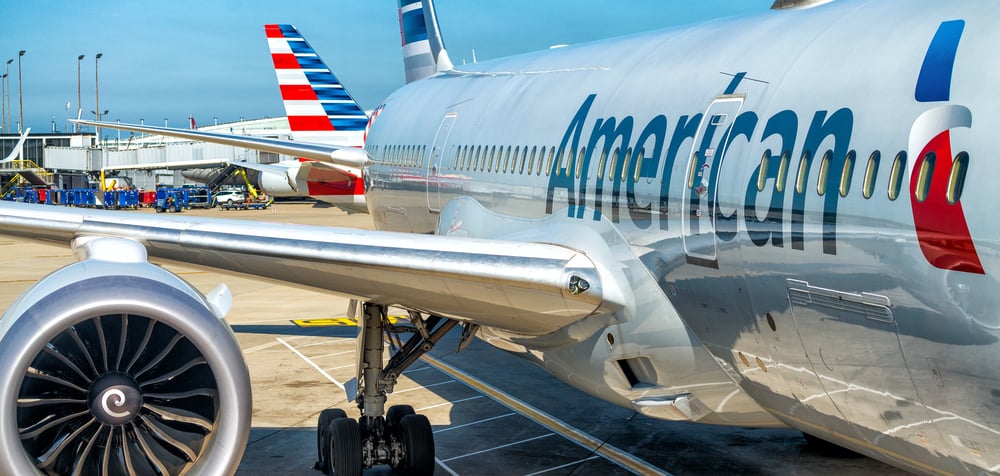
— Photo by jovannig
On December 22, 2001, Richard Reid tried to ignite explosives hidden in his shoes on American Airlines Flight 63 from Paris to Miami. Passengers and crew overpowered him before he could succeed.
And just like that, millions of travellers found themselves pulling off their shoes at airport security. The incident was a stark reminder that new concealment tricks could emerge anytime, forcing security to adapt fast.
Underwear Bomber
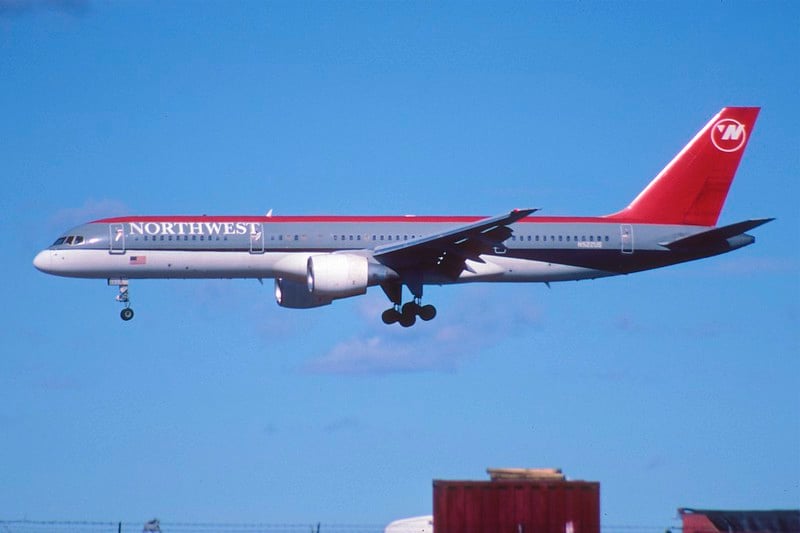
Christmas Day, 2009 — Umar Farouk Abdulmutallab tried to detonate plastic explosives sewn into his underwear aboard Northwest Flight 253 to Detroit. The device fizzled, burning his legs and alerting passengers, who stopped him.
It prompted airports to roll out full-body scanners and pushed intelligence agencies to work more closely together. A grim holiday reminder that terrorists were still innovating in unsettling ways.
Hijacking of TWA Flight 847
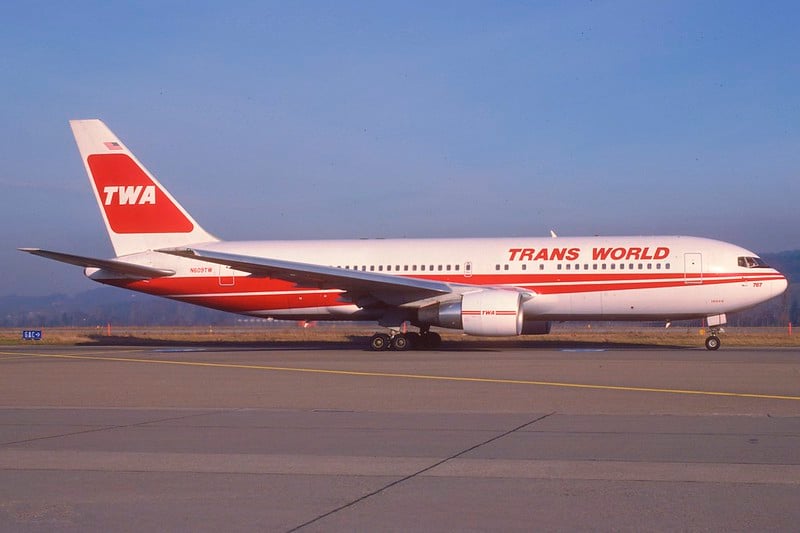
In June 1985, Hezbollah militants hijacked TWA Flight 847 after leaving Athens. For 17 days, the plane bounced between Beirut and Algiers. Passengers were beaten, and U.S. Navy diver Robert Stethem was murdered, his body dumped on the tarmac.
Media coverage was relentless — almost like a grim reality series. The crisis revealed how hijackings could drag on for weeks, becoming tangled in international politics rather than ending in hours.
Munich Airport Shooting
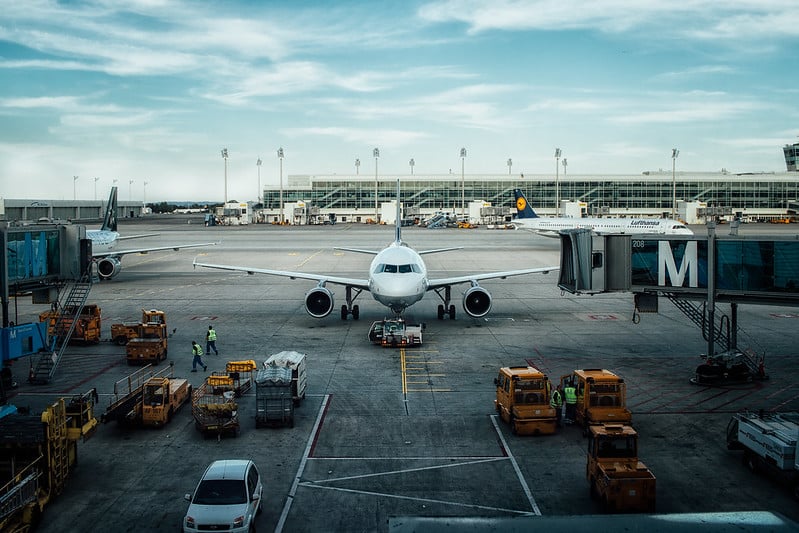
July 5, 2002 — a gunman opened fire at the El Al ticket counter in Munich Airport, killing two people before being shot by an Israeli security guard.
This was a targeted attack on Israel’s national airline, showing that even the check-in area could be a danger zone. It reinforced the need for armed security at key airline counters, especially in politically tense climates.
Liquid Bomb Plot
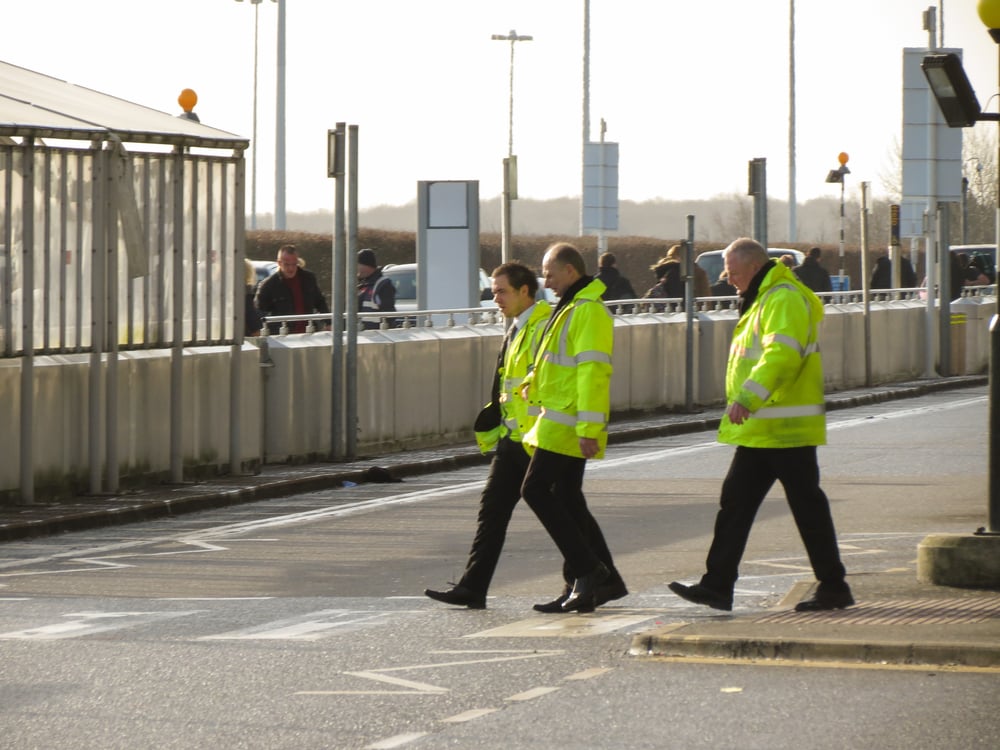
In August 2006, UK authorities uncovered a plot to blow up multiple transatlantic flights using liquid explosives mixed on board. The plan targeted flights from Britain to the U.S. and Canada.
The fallout? A worldwide ban on large amounts of liquid in carry-on bags — the 3-1-1 rule we still live with. Proof that even a foiled plot can permanently reshape travel routines.
Daniel Sheppard Incident
— Photo by Hackman
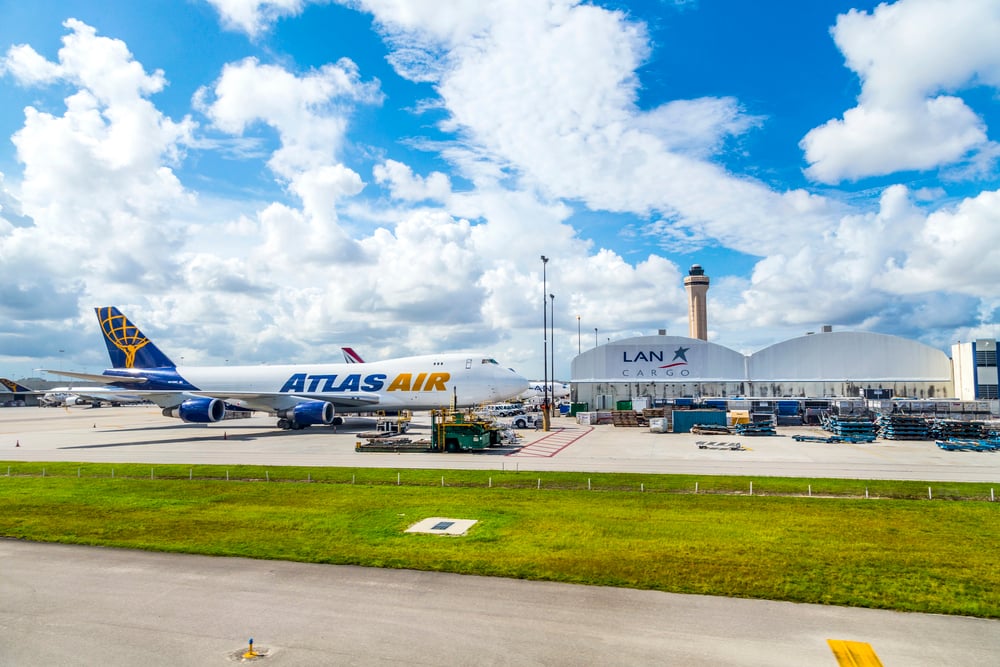
In 2000, Daniel Sheppard simply climbed over a fence at Miami International Airport and boarded a Delta flight to New York — without a ticket. The crew spotted him mid-flight.
Pretty humiliating for airport security. The breach led to tighter perimeter controls and raised a worrying question: how many others had slipped through unnoticed?
Air India Flight 182
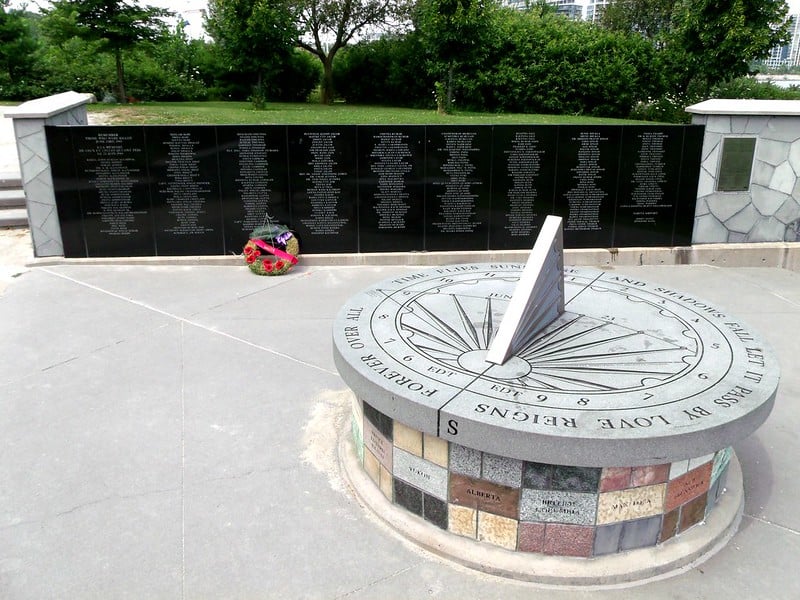
On June 23, 1985, Air India Flight 182 exploded over the Atlantic, killing all 329 aboard. Sikh extremists had planted bombs in checked bags — part of a coordinated attack that also hit Tokyo’s Narita Airport.
The tragedy revealed major weaknesses in baggage checks. Even so, prosecutions took decades, showing how hard it is to untangle terrorism cases that cross jurisdictions.
LAX Shooting
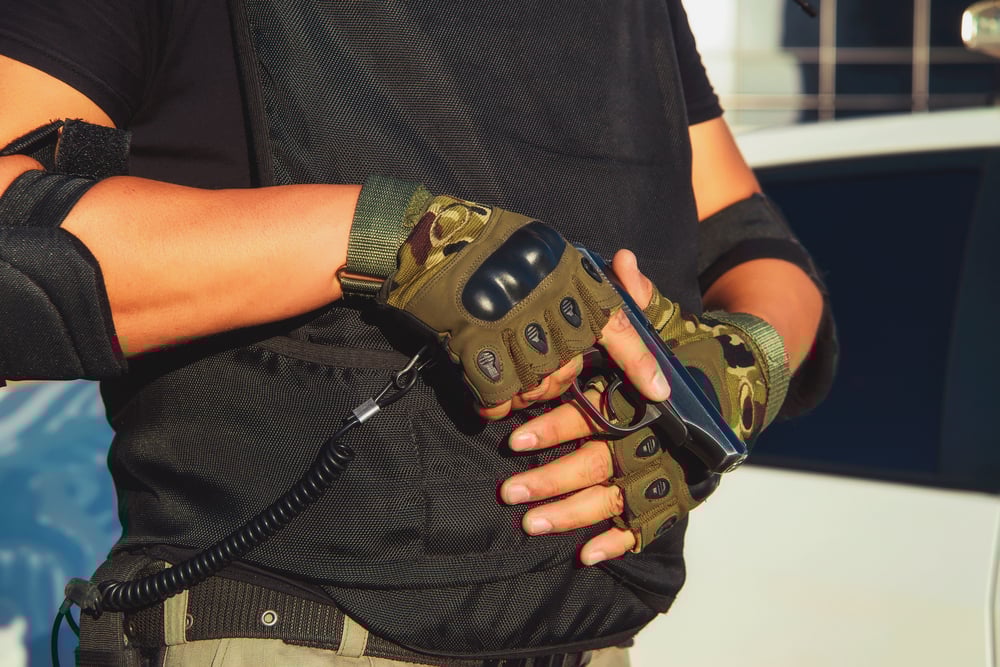
November 1, 2013 — gunman Paul Ciancia opened fire at a TSA checkpoint in LAX’s Terminal 3, killing officer Gerardo Hernandez and wounding others.
The attack shut down parts of the airport for hours and raised big questions about checkpoint layout and emergency response. And it proved that targeting security staff could cripple airport operations without even touching a plane.
Brussels Airport Bombing
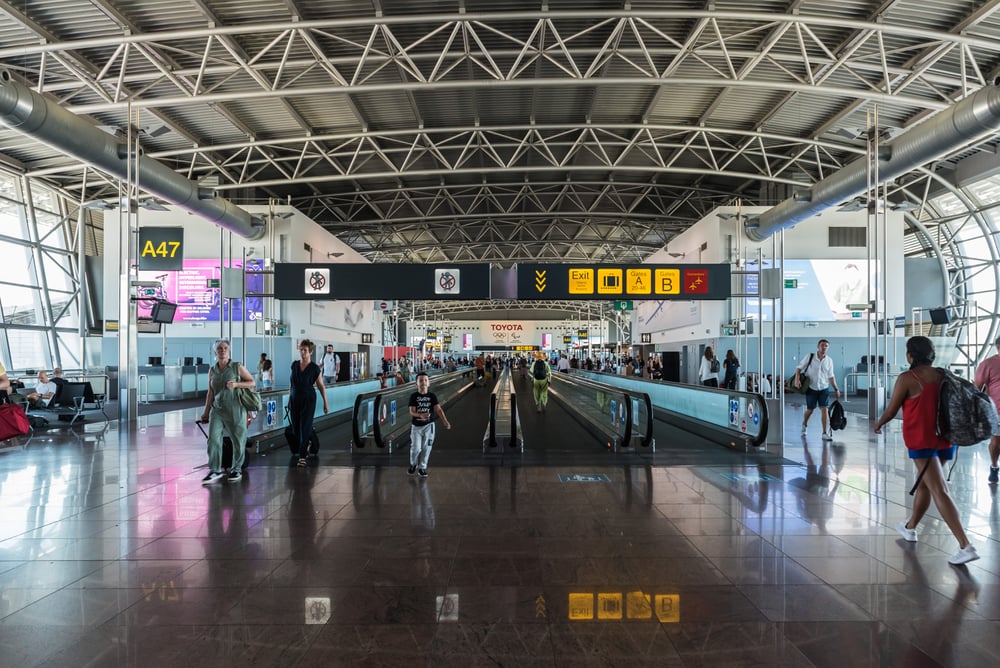
— Photo by wlerooy
On March 22, 2016, bombers struck Brussels Airport’s departure hall, killing 16 and injuring over 140. Coordinated blasts also hit the city’s metro.
The attack happened in the “landside” — before security. It sparked a rethink of how public areas are secured, showing that the space before the checkpoint can be just as vulnerable as the aircraft itself.
Achille Lauro Connection

The Achille Lauro hijacking in 1985 was at sea, but it spilled into the skies. After the cruise ship drama, the hijackers boarded an Egyptian airliner — intercepted mid-air by U.S. jets and forced to land in Italy.
It was a strange crossover between maritime and aviation security, tangled with multi-country jurisdiction headaches that took months to settle.
EgyptAir Hijacking
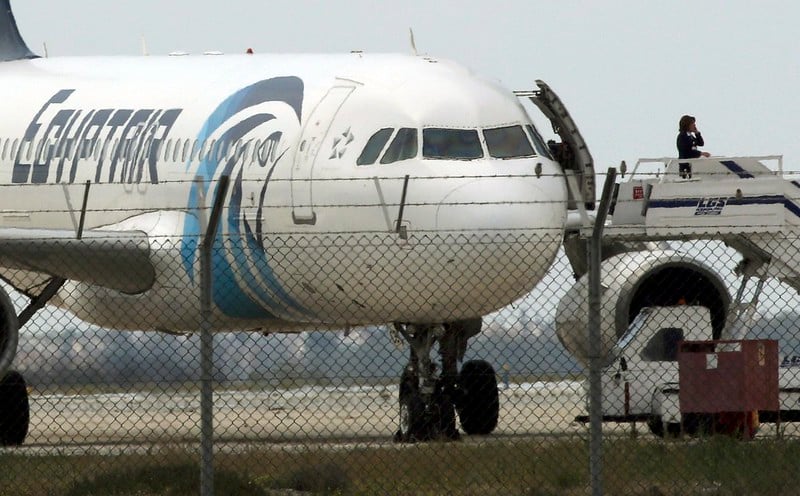
March 2016 — Seif Eldin Mustafa hijacked EgyptAir Flight 181 using a fake belt, diverting it to Cyprus. The standoff ended peacefully after hours.
Turns out, it was a personal matter, not political. Still, it showed how even a fake threat could cause huge disruption, and it kept security experts on edge about screening gaps.
The Weight of Memory
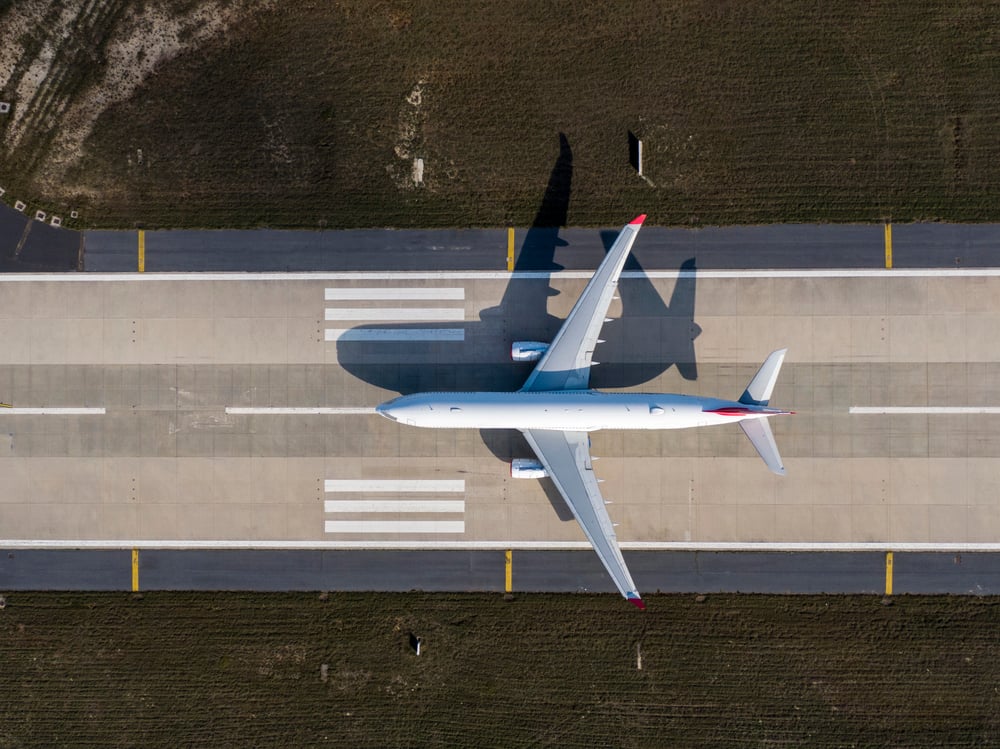
Every one of these incidents left a mark. They shifted aviation from a laid-back experience to one where vigilance is constant. The lessons learned were often costly — measured in lives, trust, and freedom — but they built the layered security we navigate today.
More from Go2Tutors!

- 16 Historical Figures Who Were Nothing Like You Think
- 12 Things Sold in the 80s That Are Now Illegal
- 15 VHS Tapes That Could Be Worth Thousands
- 17 Historical “What Ifs” That Would Have Changed Everything
- 18 TV Shows That Vanished Without a Finale
Like Go2Tutors’s content? Follow us on MSN.



