Rulers Who Died in Embarrassing Ways
Power often gets a kinder story over time. As years pass, rough moments blur, complex people become clean lines on charts, awkward truths shrink into small print at the bottom of pages.
Victories in battle, monuments raised, family lines started – these stick around. The tangled bits? They tend to fade. Yet dying rarely lets things stay tidy.
Some leaders died in ways that mocked everything they had built. Not every ending involved bloodshed or spectacle.
Instead, many finished quietly – tripped by chance, caught in silliness, undone by routine. The contrast stuck: power reduced to something ordinary, even clumsy.
A glance at some leaders whose endings showed how quickly control can slip away. What followed was anything but graceful.
Power held firm during their lives – yet crumbled fast when they died. Their exits made clear that authority offers no shield against indignity.
Moments after death, grand titles meant little. The body tells its own story, one empire cannot change.
Henry II of France
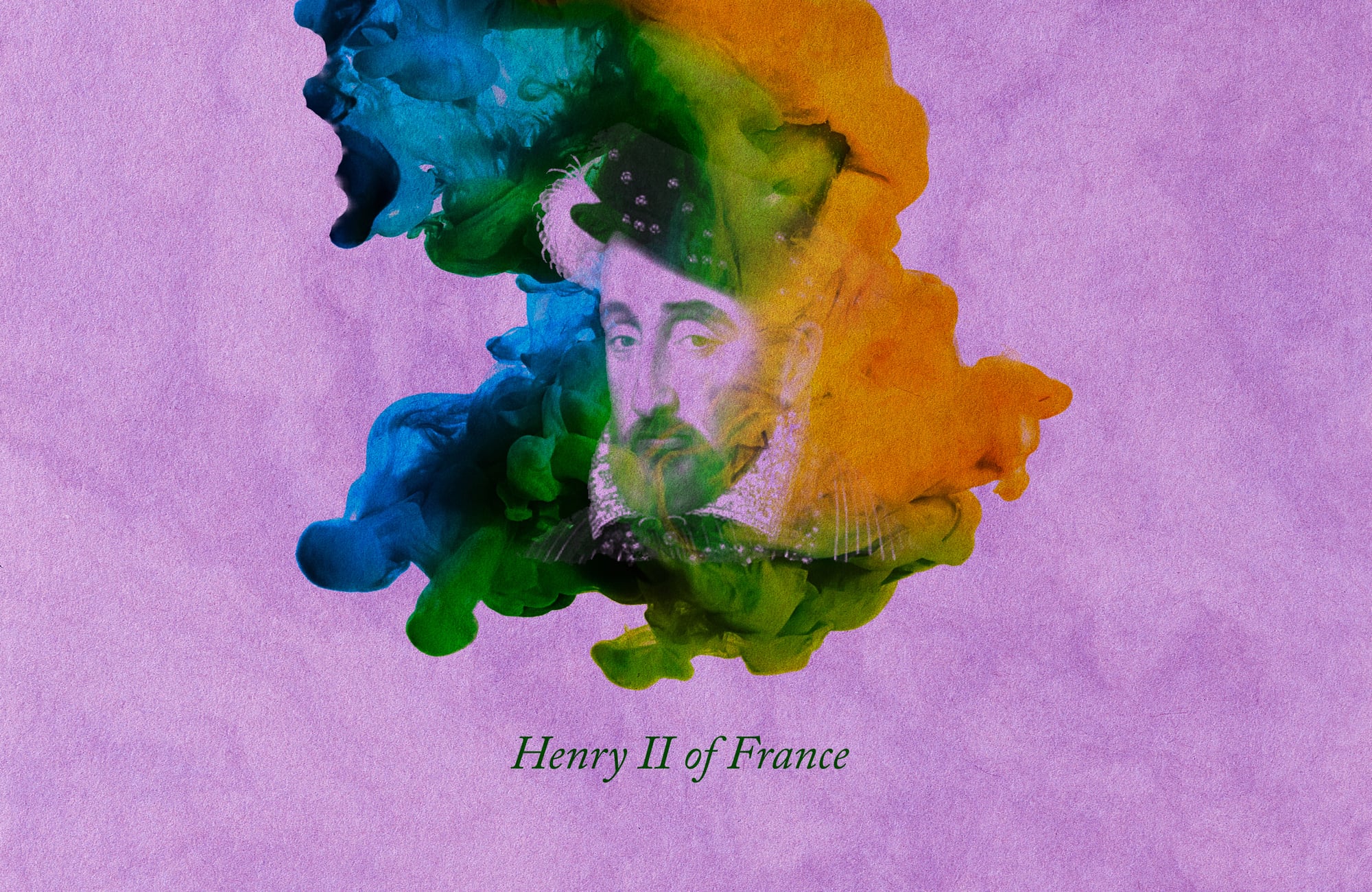
Big and strong, Henry II spent years showing kings should fight like knights. His body built for battle, he rode hard in tourneys where crowds watched closely.
Not mere play, these clashes proved power through steel and speed. In every tilt of the lance, authority took shape beneath helmets and dust.
Back then, peace after years at odds with Spain sparked festivities – Paris hosted a grand contest to mark it. Though he’d done fine already, Henry pushed ahead again, even when others hesitated.
Mid-charge, the rival’s spear snapped violently; shards flew straight toward the king’s eyes and skull. After that came endless hours of pain, doctors helpless against what had been set in motion.
It struck everyone as strange. This ruler had lived through years of battle, yet tripped up in a ritual built to display power – something safe, something staged.
Adolf Frederick
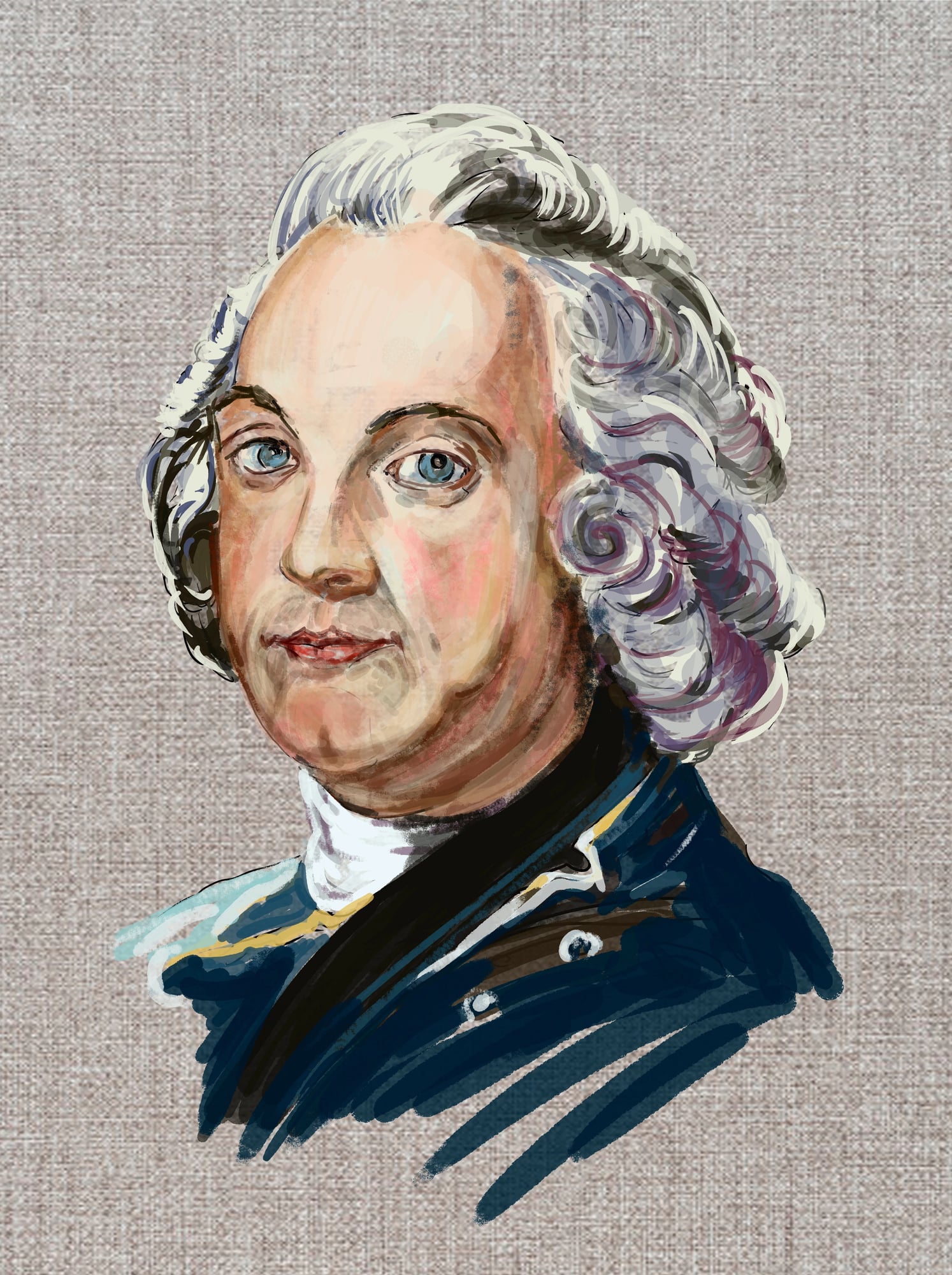
A king who walked carefully, Adolf Frederick held the throne while real decisions came from lawmakers. Though never cruel nor bold, he moved slowly through limits that grated on him every day.
It was how it ended, though – what people remember most, not what filled those years before.
That winter month in 1771, the king ate far more than usual – course after course piling up on his plate. Not long following, sickness struck hard; then came death.
Even though today’s versions often stretch facts thin, records from back then confirm one truth – he had eaten too much. A ruler collapsing due to gluttony felt wrong somehow, out of step with how kings were supposed to carry themselves.
Yet people kept telling it, since it made royalty seem less distant, oddly close.
George II
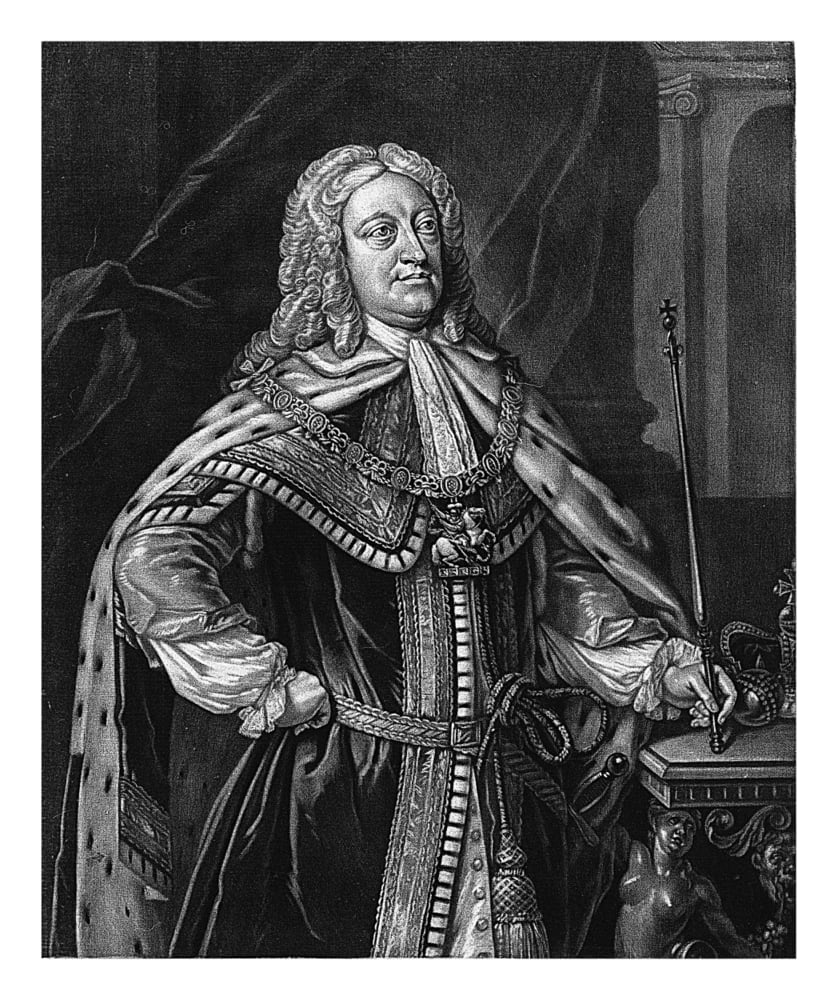
George II embodied a traditional image of kingship rooted in discipline and military leadership. He took pride in being the last British monarch to lead troops in battle, a fact frequently highlighted by supporters eager to emphasize his resolve.
Publicly, he projected steadiness and authority during a period of imperial expansion.
His death, by contrast, occurred in a setting entirely removed from public ceremony. One morning in 1760, the king collapsed suddenly during a private moment in his residence.
The cause was swift and unavoidable, but the setting quickly became the focus of whispered commentary. While courtiers avoided dwelling on the specifics, the contrast between battlefield command and solitary domestic vulnerability lingered.
That disconnect is what ensured his death remained quietly memorable.
Alexander I of Greece
Alexander I’s reign was shaped by forces far beyond his control. Installed under foreign pressure during World War I, he ruled while exiled from much of his own family and isolated within his court.
His authority was fragile, and his personal life offered little escape from political tension.
In 1920, while walking on the grounds of his estate, Alexander was bitten by a monkey kept on the property. What initially seemed minor developed into a severe medical crisis.
Despite treatment, complications followed, and he died within weeks. The shock rippled beyond Greece, altering succession plans and political alliances.
Still, it was the sheer randomness of the event that captured attention. A king navigating international diplomacy met his end through an encounter no one could have planned for.
Charles II of England
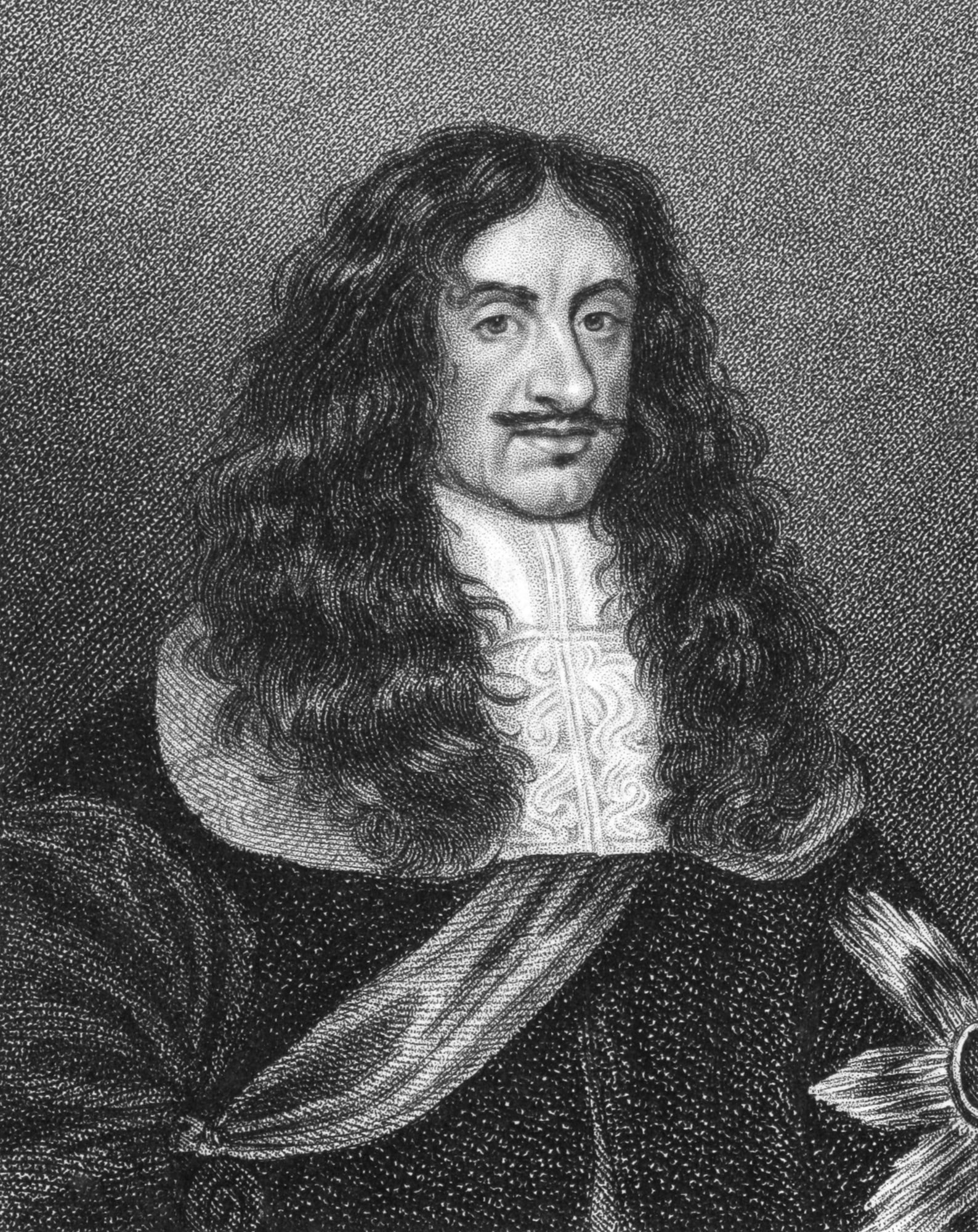
Charles II rebuilt the English monarchy after years of civil war and republican rule. His court was vibrant, theatrical, and deliberately relaxed compared to the severity of the previous era.
Known for his wit and easy charm, he carefully shaped an image of resilience and renewal.
When Charles fell ill in 1685, that image unraveled quickly. Physicians applied a relentless series of treatments typical of the time, leaving the king exhausted and surrounded by confusion rather than calm authority.
Despite his weakening state, Charles retained enough presence of mind to comment on the length of his dying process. The remark, dry and self-aware, revealed a ruler acutely conscious of how undignified the scene had become.
Even so, it reinforced the human intelligence that defined him in life.
William the Conqueror
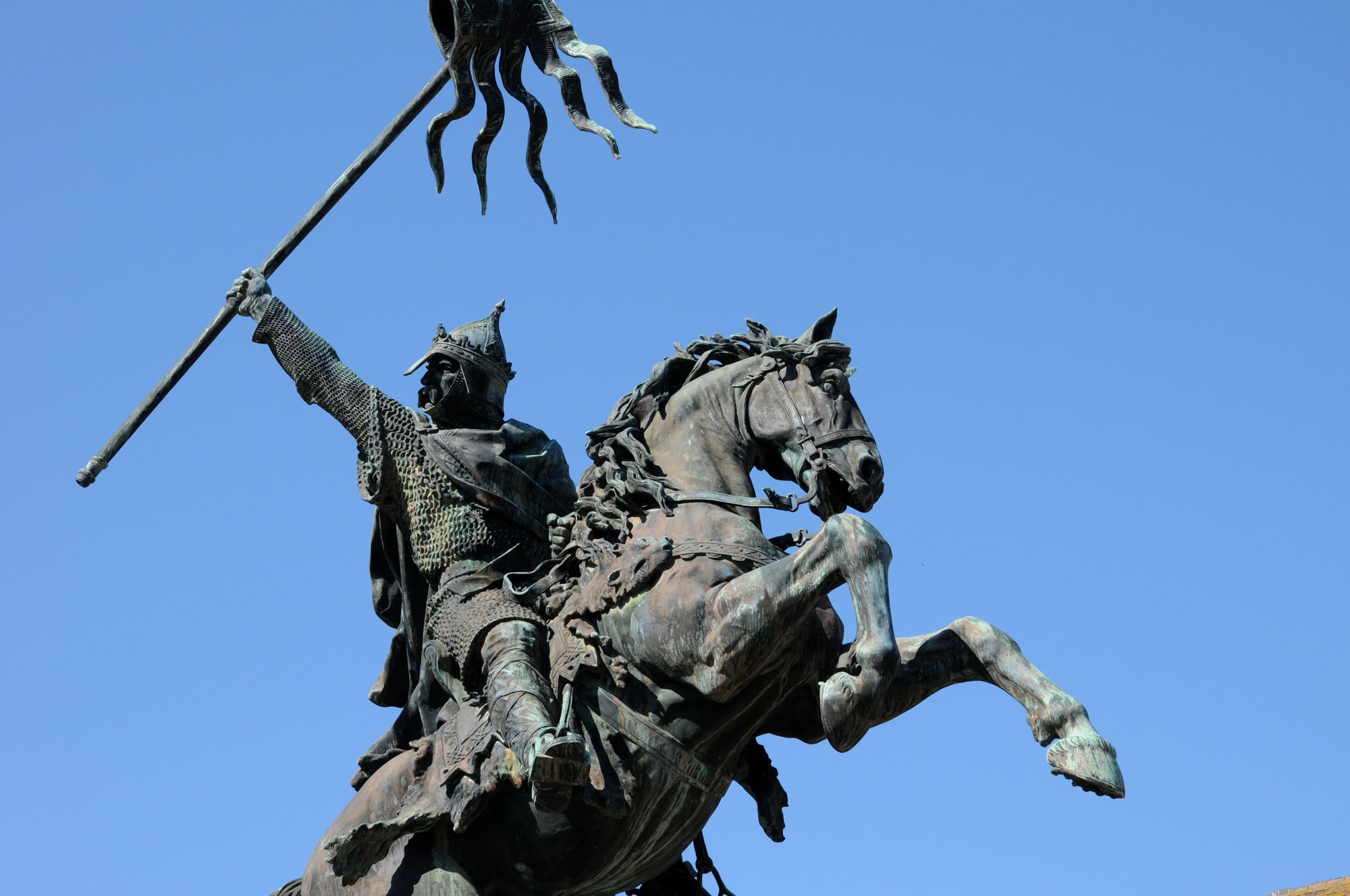
Fighting carved his path, then power held it steady. Victory at Hastings opened a kingdom, yet holding it took years of unyielding grip.
Rulers came and went, but none stamped authority quite like the duke who crossed the sea.
Yet near the end, things turned sore and clumsy. Wounds from battle had drained his strength, while stories of his passing spoke more of collapse than glory.
What followed felt just as off-kilter. During the funeral, the tomb rejected his coffin, a misfit noted by those standing close.
That glitch chipped at the grand image he built, showing how bones ignore banners. Even giants bend when the body quits.
Ivan the Terrible
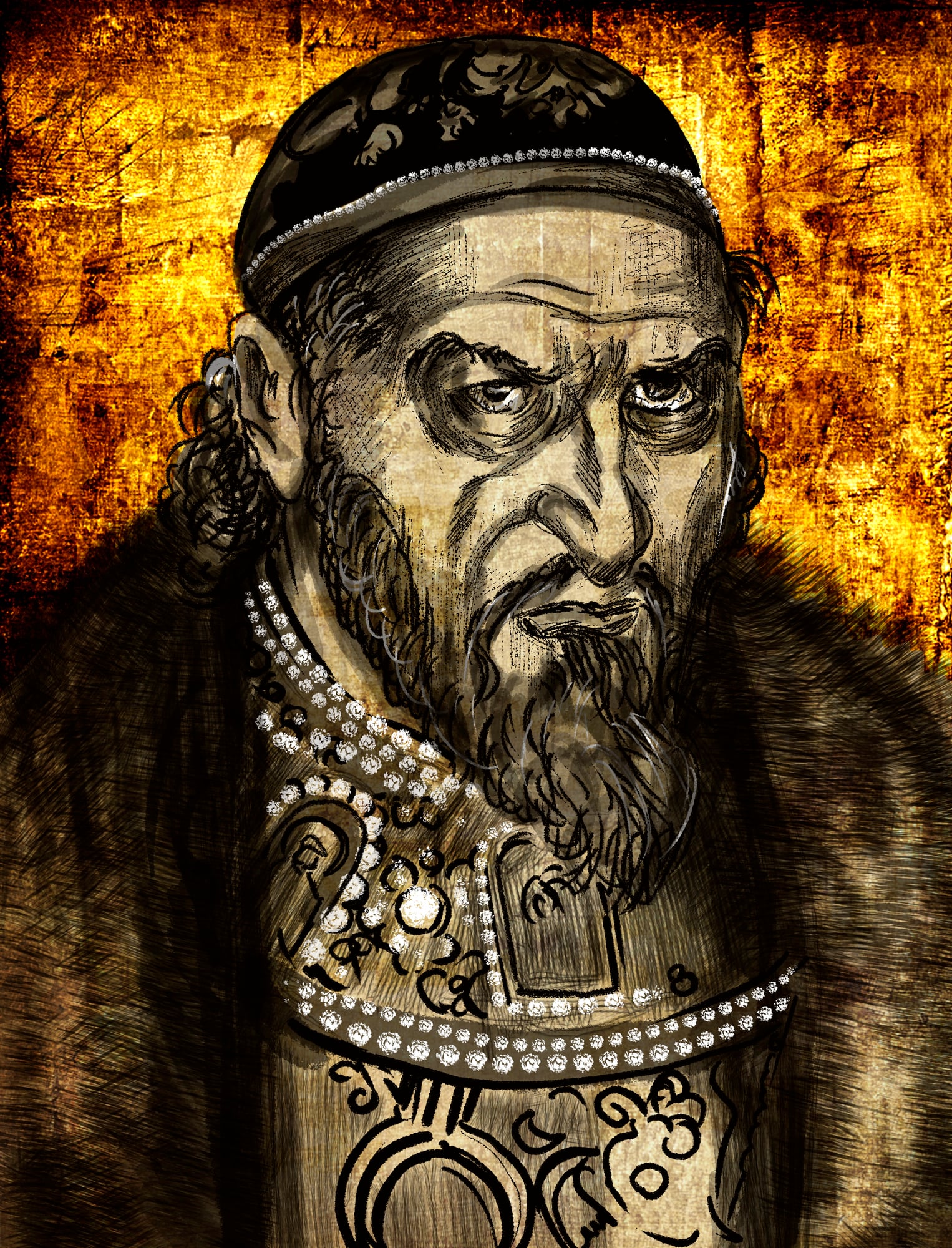
Ivan IV cultivated fear as a political tool. His reputation for volatility and cruelty became central to his authority, reinforcing the idea that the ruler himself was an unpredictable force.
He demanded obedience through spectacle and intimidation.
In his final hours, Ivan collapsed while engaged in a routine activity inside his residence. Despite his fearsome image, death arrived quietly and without ceremony.
For a ruler who thrived on terror, the lack of drama was striking. Chroniclers noted the anticlimax, aware that the end failed to match the persona he had constructed.
That disconnect ensured his death remained part of the broader conversation about his reign.
Why These Stories Still Matter
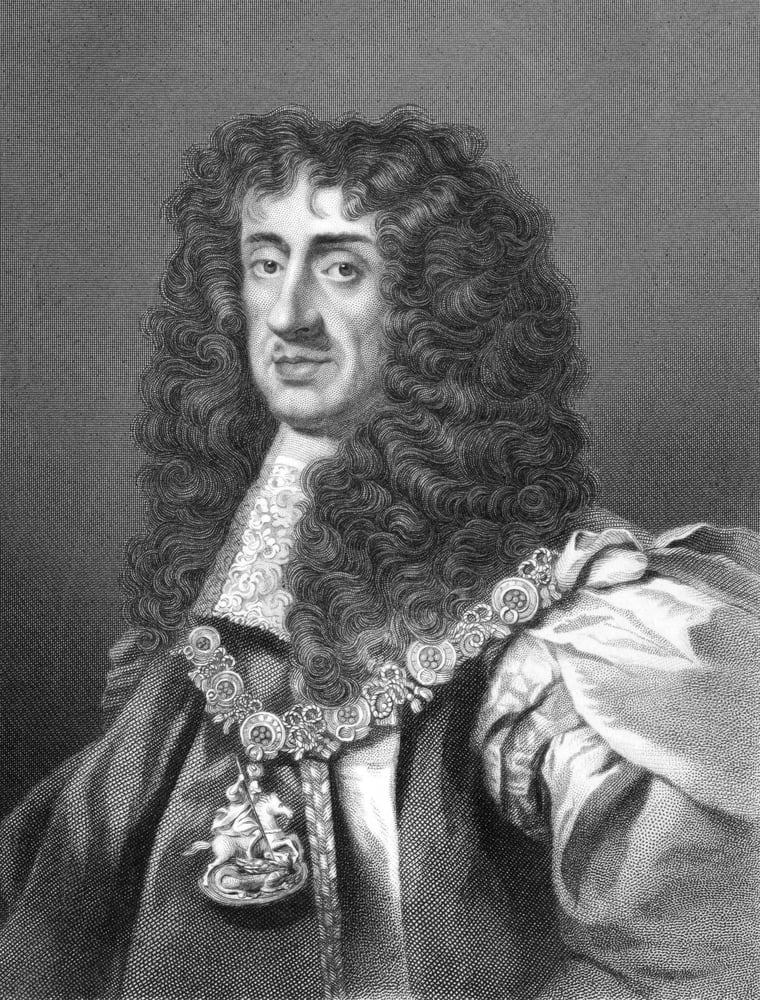
Stillness follows when power’s mask slips – sudden, uninvited. Figures who seem untouchable spend lifetimes building walls of image, layer by careful layer.
Yet a single misstep, a shift in wind, undoes it all without warning.
Nowhere else do we see such soft truths as in what slips through our fingers. Though power carves timelines into stone, it cannot stretch the body beyond its breaking point.
Once flags fade and names dissolve, it’s still those raw last breaths pulling yesterday near today.
More from Go2Tutors!

- The Romanov Crown Jewels and Their Tragic Fate
- 13 Historical Mysteries That Science Still Can’t Solve
- Famous Hoaxes That Fooled the World for Years
- 15 Child Stars with Tragic Adult Lives
- 16 Famous Jewelry Pieces in History
Like Go2Tutors’s content? Follow us on MSN.



