Rules of Etiquette from the 1800s That Would Shock People Today
There’s something almost theatrical about the way people conducted themselves in the 1800s. Every gesture carried weight, every meal had a prescribed choreography, and the distance between polished and scandalous was measured in inches — sometimes literally.
What’s striking isn’t just how rigid the rules were, but how sincerely people believed that following them was the difference between civilization and collapse. Flip through any Victorian etiquette manual today and you’ll find yourself somewhere between baffled and quietly amused, wondering how anyone got through a dinner party without a flowchart.
Gloves Were Not Optional
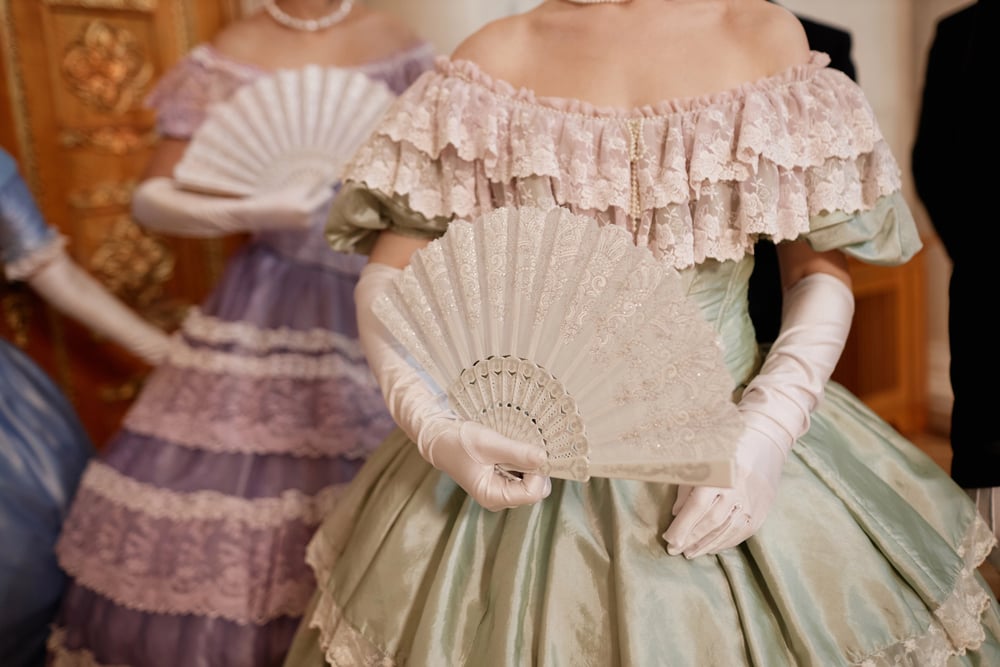
Gloves weren’t a cold-weather accessory in the 1800s — they were armor. A woman who appeared in public without them was understood to be making a statement, and not a flattering one.
Bare hands suggested either poverty or indifference to reputation, and in polite society, both amounted to the same scandal.
Women Could Not Walk Alone in Public

The rules around a woman moving through public space unescorted were genuinely suffocating. A respectable woman — particularly in urban Victorian England and its American counterparts — was expected to be accompanied by a chaperone, a husband, a relative, or at minimum another woman, because the alternative: appearing alone on a city street, was interpreted as an advertisement for availability rather than independence.
So the world outside the front door was, for many women, effectively gated behind other people’s schedules. And that was considered protection, not confinement.
Calling Cards Were a Whole System
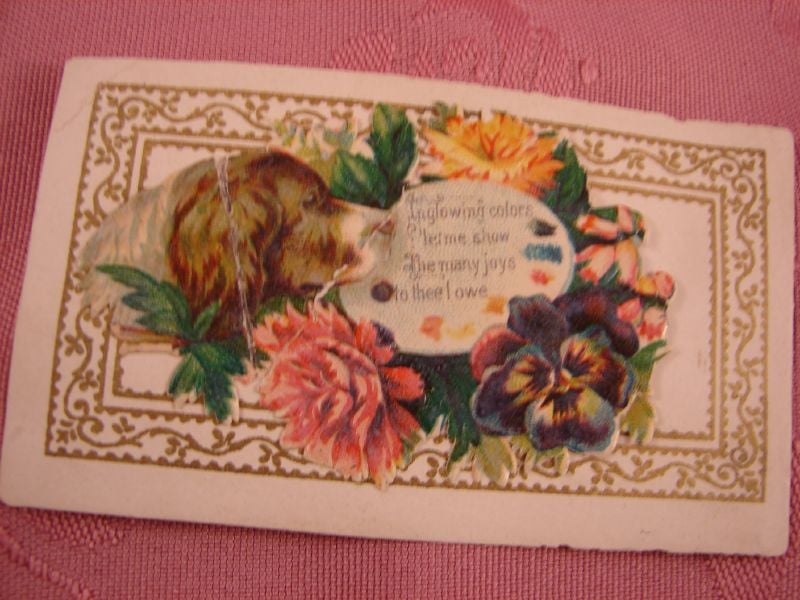
Calling cards operated like a 19th-century social algorithm, except the consequences of getting it wrong were social rather than digital. Leaving a card at someone’s home — folded in specific corners to indicate specific intentions, whether a personal visit, a condolence, or a farewell — required a working knowledge of an unspoken code that most people learned through observation rather than instruction.
Get the fold wrong and the message was garbled. Get it right and a whole relationship could be opened or closed without a single spoken word.
Men Tipped Their Hats to Everyone
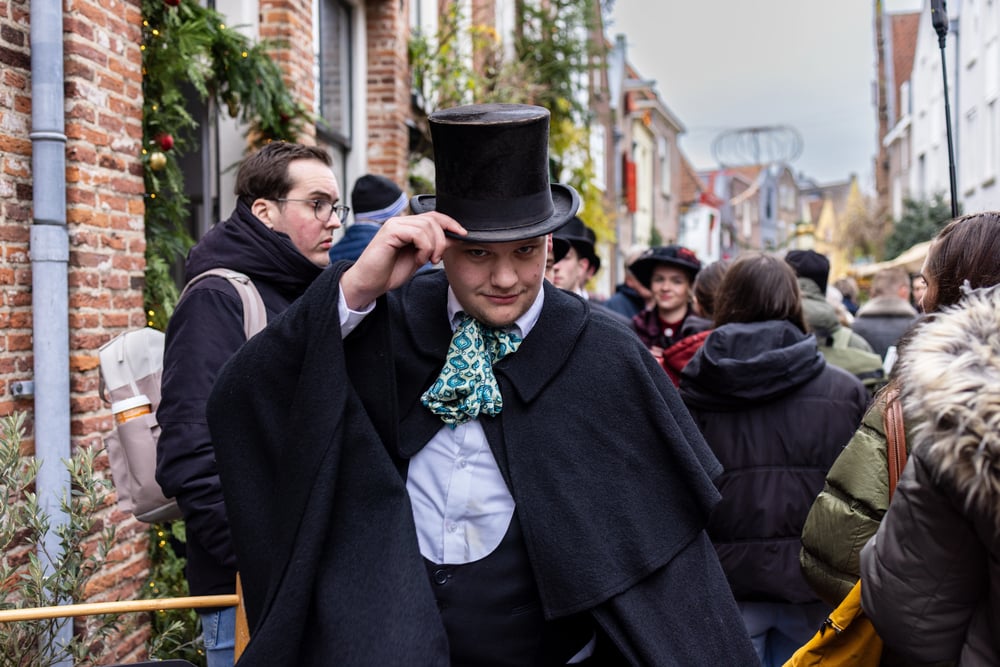
Hat-tipping wasn’t just a greeting — it was grammar. The exact gesture communicated your relationship to the person, your social standing relative to theirs, and whether you considered them worth acknowledging at all.
A full removal of the hat signaled deep respect; a slight lift acknowledged acquaintance; ignoring someone entirely was its own deliberate statement. Men who failed to master the system weren’t considered rude so much as illiterate.
Elbows on the Table Were a Moral Failing

Dining etiquette in the 1800s treated the dinner table like a stage, and elbows were the one prop guaranteed to ruin the performance. Etiquette writers of the period — people like Catherine Beecher and her contemporaries — framed proper posture at meals not merely as good manners but as evidence of character, the idea being that a person who couldn’t discipline their elbows probably couldn’t discipline much else.
It sounds absurd now. It was entirely serious then.
You Could Not Refuse a Dance
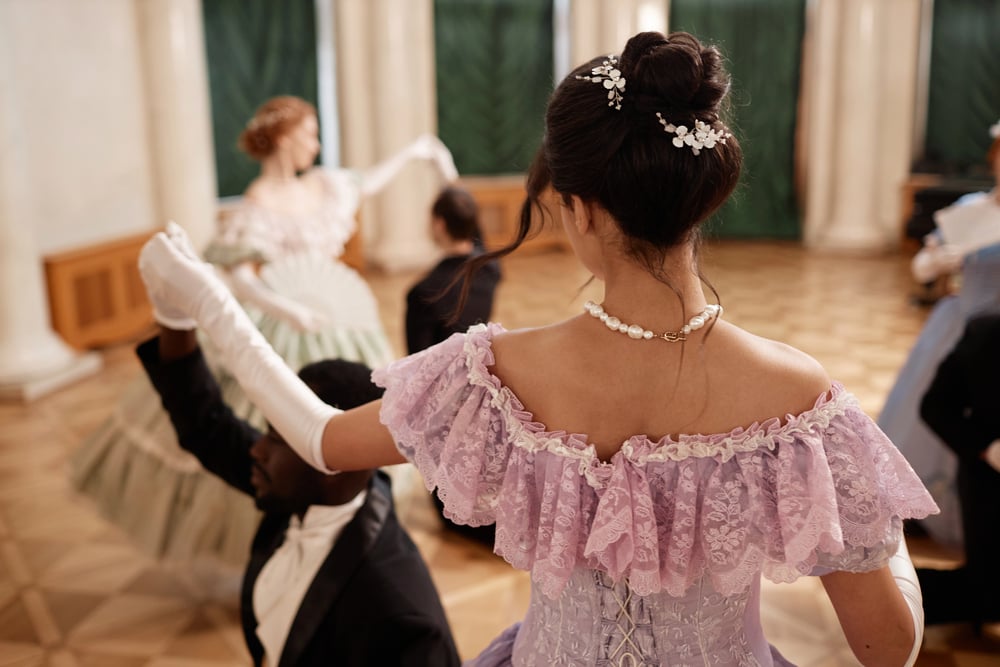
At a formal event, declining a dance from someone after you’d already accepted a dance with someone else that evening was considered a direct insult — the kind that required an explanation. The logic, such as it was, held that your card was either full or it wasn’t, and selectively filling it exposed the lie.
Women navigated this by filling dance cards strategically before the evening began, like chess players thinking three moves ahead before the music started.
Mourning Had a Dress Code With a Timeline
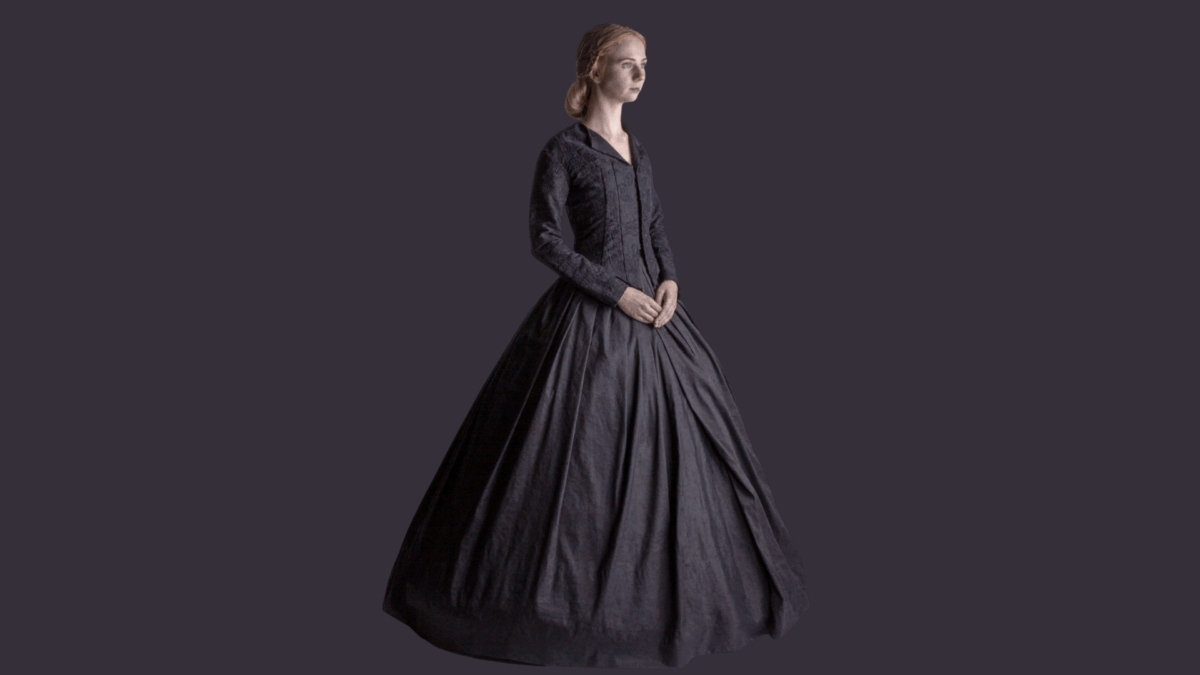
Grief in the Victorian era came with a schedule. A widow was expected to wear full black — heavy wool crepe, no jewelry except jet, no silk because it caught the light — for two years following her husband’s death, then gradually lighten through shades of gray and lavender in what was called “half-mourning.”
The rules were softer for widowers, because of course they were. Breaking the mourning dress too early was read as disrespect for the dead and, by extension, disrespect for everyone who was watching.
Soup Had to Be Sipped from the Side of the Spoon

This one feels almost deliberately obscure, like a test designed to catch people out. Soup was to be sipped from the side of the spoon — not the tip — and the spoon was to be moved away from the body in the bowl rather than toward it.
The reasoning given in etiquette manuals involved avoiding spillage, but the real function was filtration: anyone who hadn’t been taught the rule was immediately identifiable. Which was precisely the point.
Whispering in Company Was an Insult
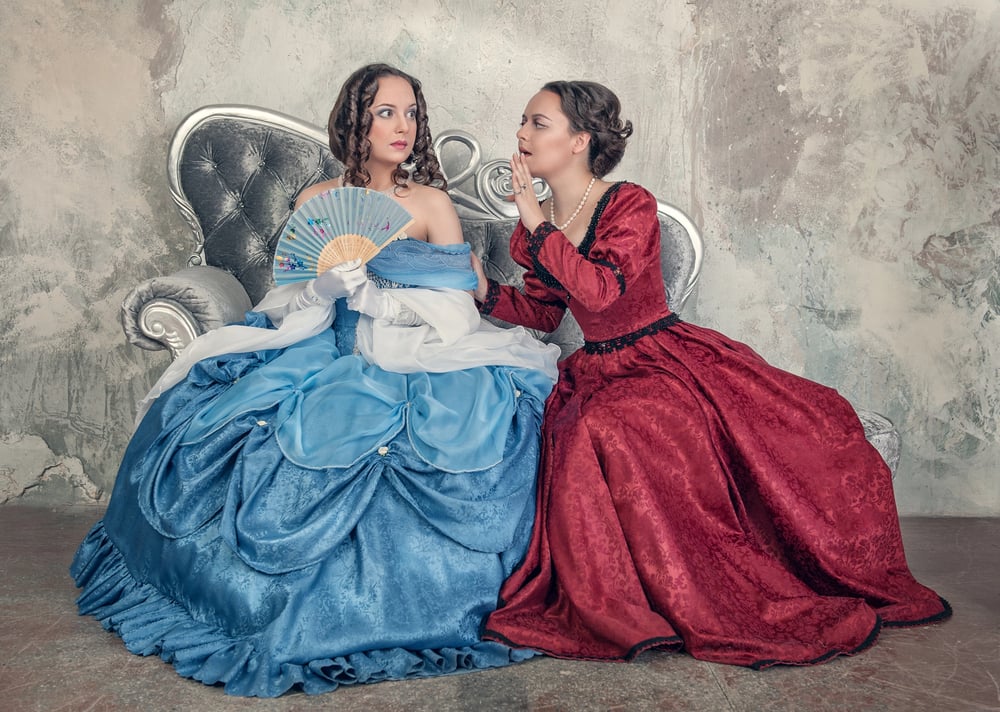
Whispering to someone in a room full of people was considered one of the more deliberate social offenses available to a person. The etiquette was unambiguous: if something couldn’t be said aloud in the present company, it shouldn’t be said at all until the present company was gone.
A whisper implied a secret, and a secret implied that someone in the room wasn’t trusted. Which was rude, even if they weren’t.
Letters Required Specific Paper and Ink Colors
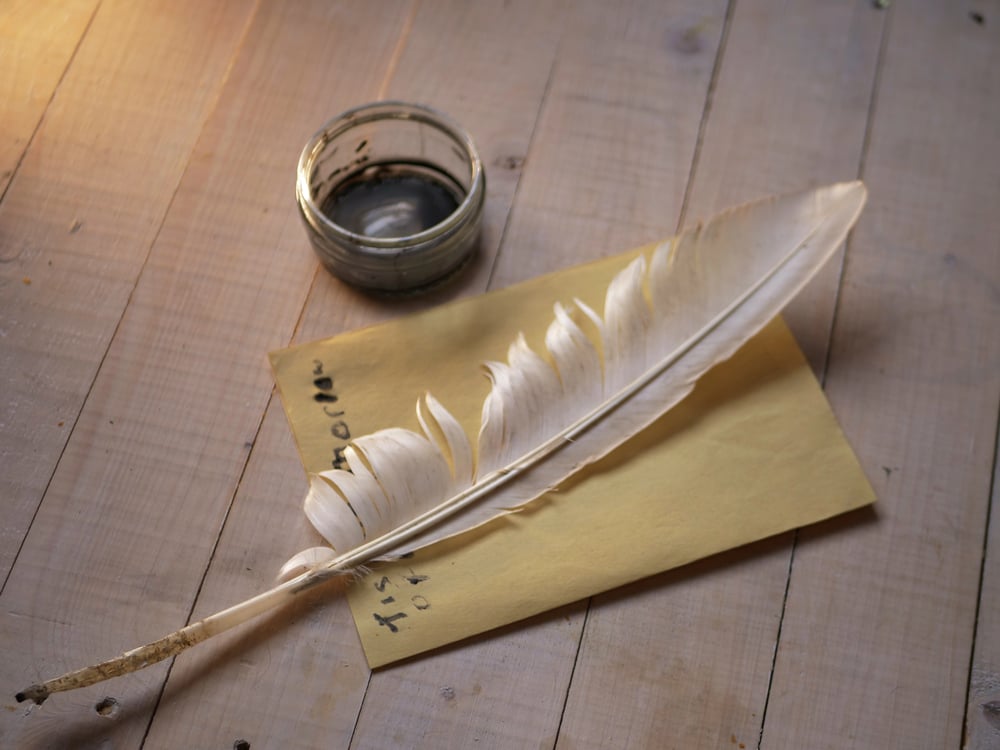
Letter-writing wasn’t just about what you said — the medium sent its own message before anyone read a word. Black ink on white or cream paper was standard; colored ink suggested eccentricity at best.
During periods of mourning, black-bordered stationery was expected, with the border’s width reflecting how recent the loss was and narrowing over time as the prescribed grief period elapsed. Writing a condolence note on the wrong paper was a small failure, but it was noticed.
Men and Women Could Not Be Alone Together Unchaperoned
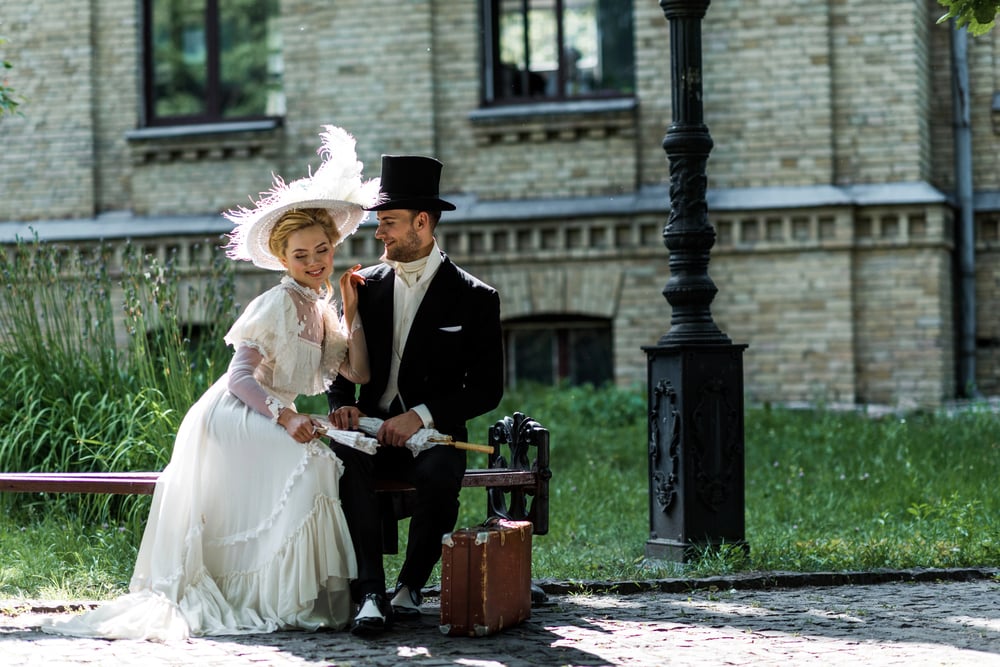
The chaperone rule extended beyond public streets and into private homes with almost absurd precision. An unmarried man and woman left alone in a parlor, even briefly, even with the door open, could become the subject of serious social speculation.
The assumption wasn’t that something would necessarily happen — it was that the appearance of something happening was itself damaging enough to require prevention. Appearances, in the 1800s, were not distinct from reality. They were the only reality that mattered publicly.
Introductions Followed a Strict Hierarchy
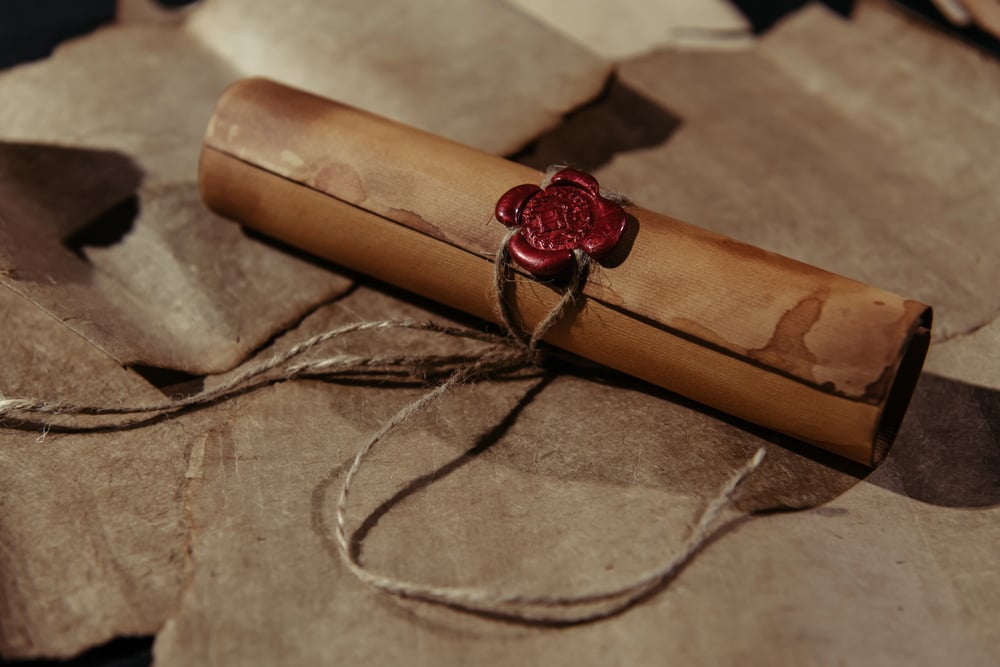
Being introduced to someone was not a casual exchange — it was a structured ceremony with a correct order that, if violated, communicated either ignorance or contempt. A man was always presented to a woman, never the reverse.
A younger person was presented to an older one. A person of lower social standing was presented to one of higher standing. Introducing people in the wrong direction implied you had the hierarchy backward, and in a culture built on hierarchy, that was not a small mistake.
Arriving Late to Dinner Was Unforgivable
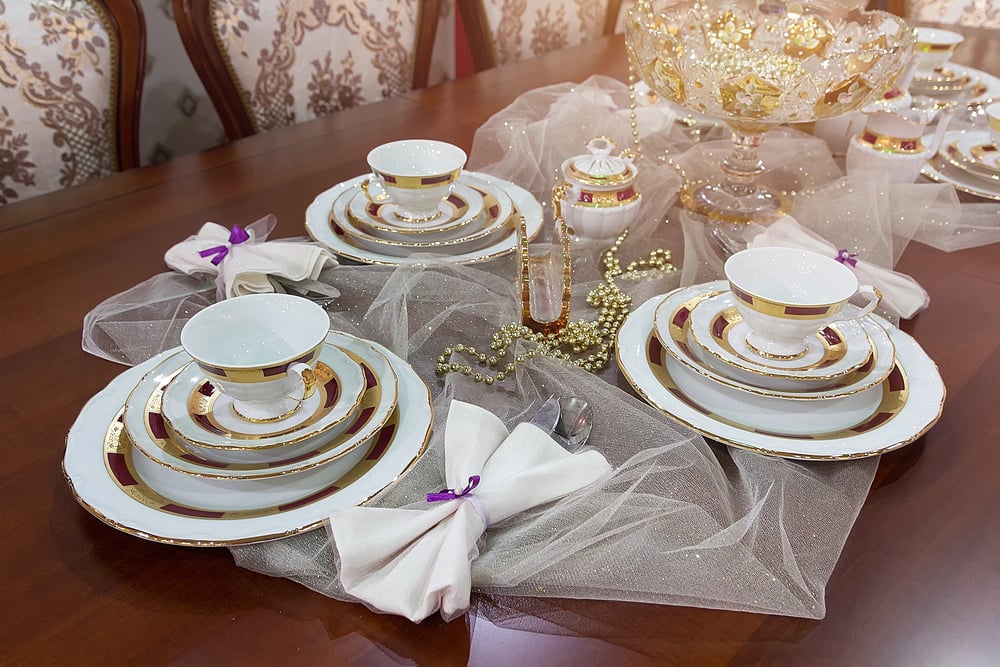
Dinner guests in the 19th century were expected at the exact appointed hour — not a polite ten minutes after, not a breathless five minutes before. Arriving late after the host had already led guests to the dining room was the kind of breach that didn’t evaporate over dessert.
Some etiquette manuals suggested the late guest simply not be admitted at all, which feels extreme until you consider that formal dinners were choreographed events where every seat, every course, and every conversational pairing had been arranged in advance. One missing piece disrupted everything.
Ladies Could Not Initiate Conversation With Strangers
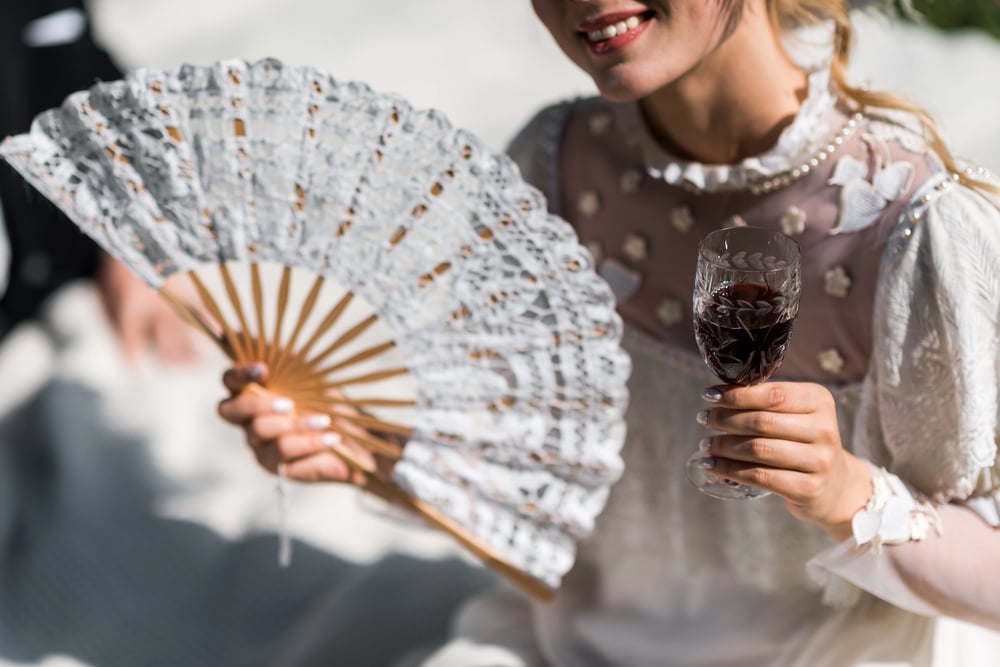
A woman who introduced herself to a stranger — or who spoke first to someone she hadn’t been formally introduced to — was violating one of the more stubborn etiquette rules of the period. The introduction had to come through a mutual acquaintance, and until it did, the polite behavior was to remain functionally invisible to the other person even if you were standing three feet away.
It’s the social equivalent of two computers that can’t connect without a specific handshake protocol, except the stakes were your reputation rather than your data.
The Finger Bowl Was Not Optional Decoration
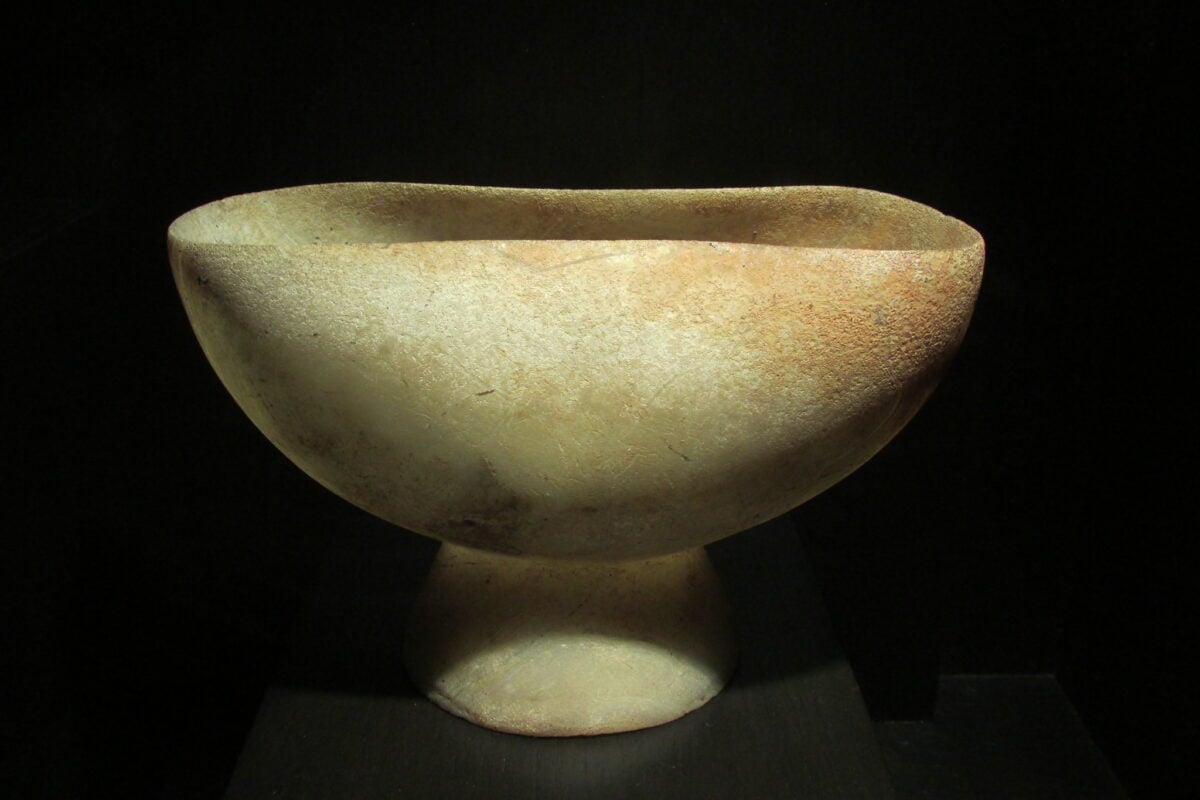
Finger bowls appeared at formal dinners toward the end of the meal, containing slightly warm water sometimes scented with lemon or flower petals, and the correct use of them was another quiet test. You dipped the fingertips — not the full hand — dried them on the napkin, and moved the bowl to the side.
Drinking from it, ignoring it, or treating it as decoration all communicated something. Legend holds that Queen Victoria once drank from hers to spare a guest the embarrassment of having done so first, which says everything about the pressure the thing carried.
Eye Contact Had Its Own Rules
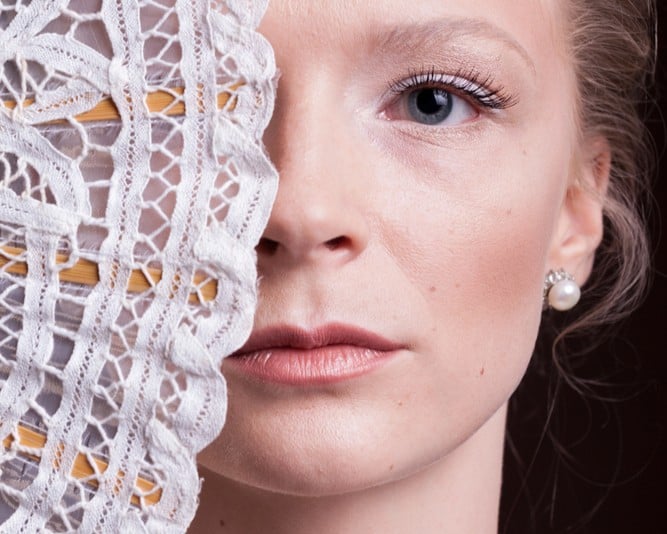
Sustained eye contact between strangers — especially across gender lines — was considered presumptuous at best and threatening at worst. A respectable woman in public was expected to keep her gaze directed downward or forward, not scanning the room, not meeting the eyes of passersby.
Men were held to a slightly looser standard but were still expected to know the difference between a polite glance of acknowledgment and a stare that demanded explanation. Looking too long at someone was understood as a declaration of something — they just didn’t always agree on what.
Dancing With the Same Partner Too Often Was Scandalous
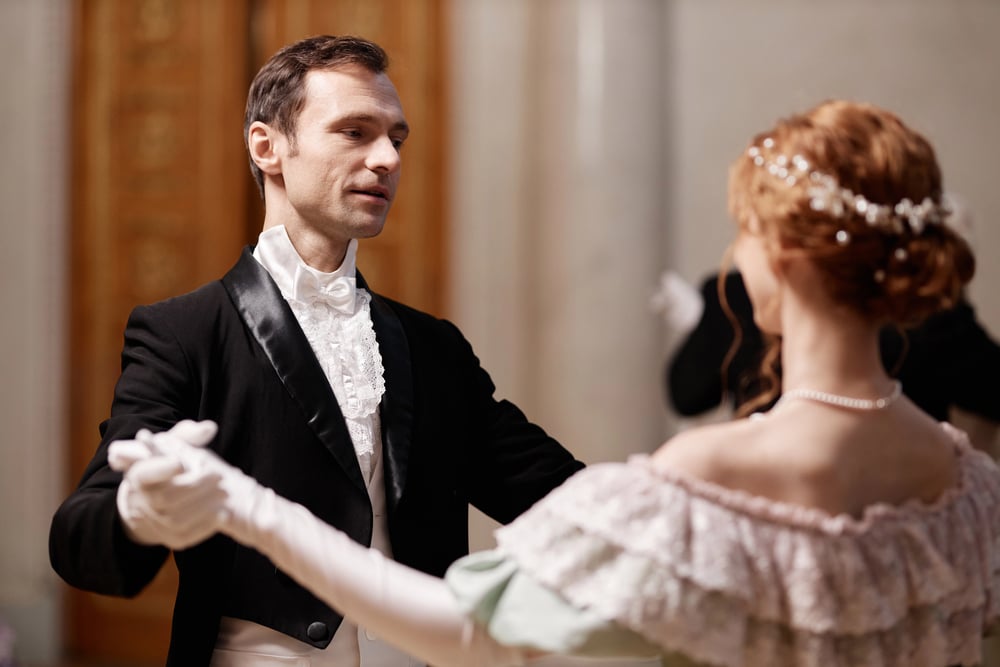
Two dances with the same partner in an evening was already pushing it. There was a statement.
And the statement wasn’t flattering — it implied a degree of attachment that, in the absence of an announced engagement, read as improper familiarity for the woman and presumption for the man. Chaperones monitored dance cards specifically for this pattern, like early-warning systems for attachment forming faster than the social contract permitted.
Complimenting the Food Was Considered Crude
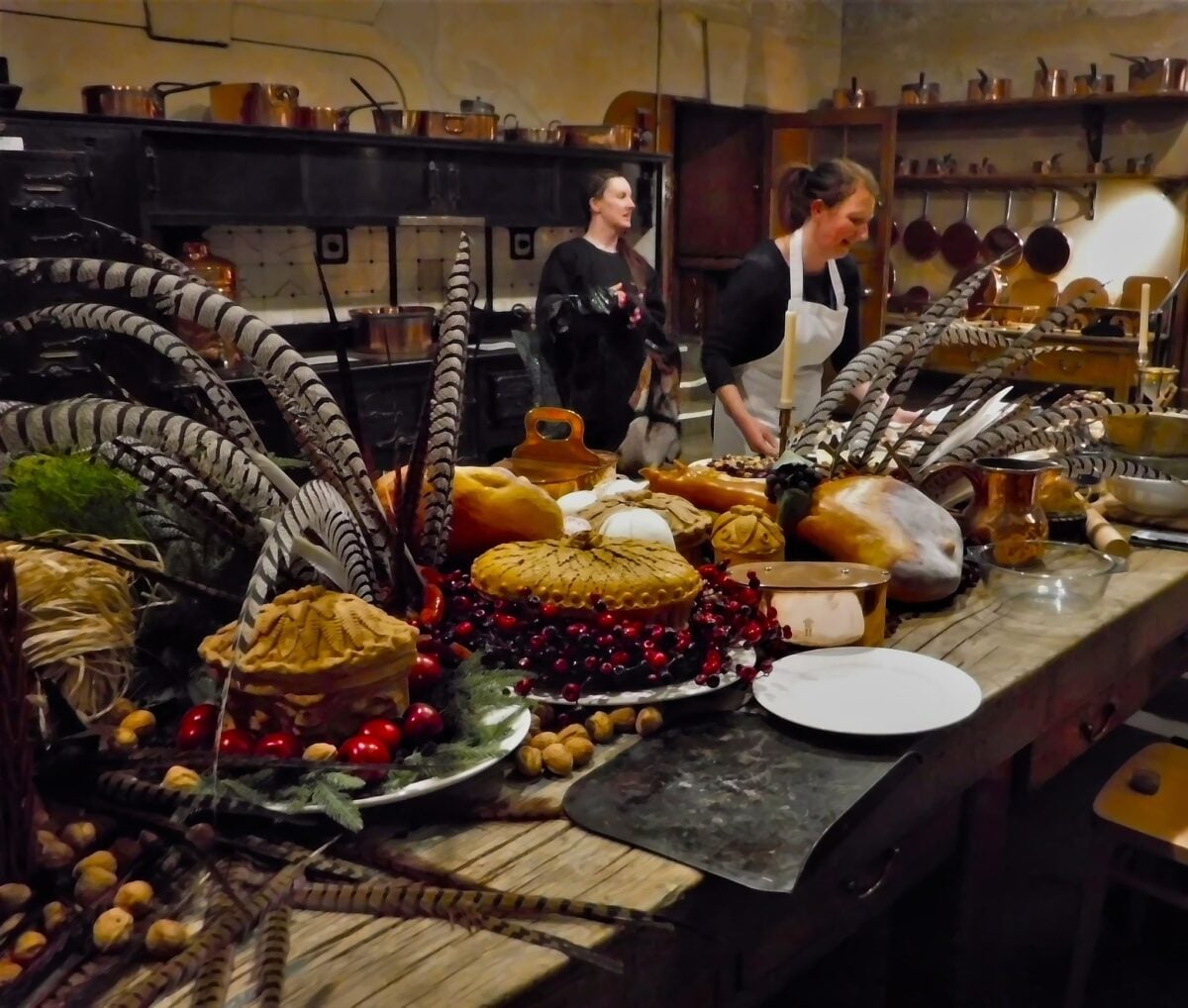
Praising the food at a dinner party — enthusiastically, anyway — was thought to suggest an unseemly preoccupation with physical appetite, which placed you uncomfortably close to other unseemly physical preoccupations that polite people didn’t discuss. A mild, general acknowledgment of a pleasant meal was permissible.
Rhapsodizing over the roast was not. The host was there to be praised for the company and the occasion, not the menu.
Laughter Had Volume Limits
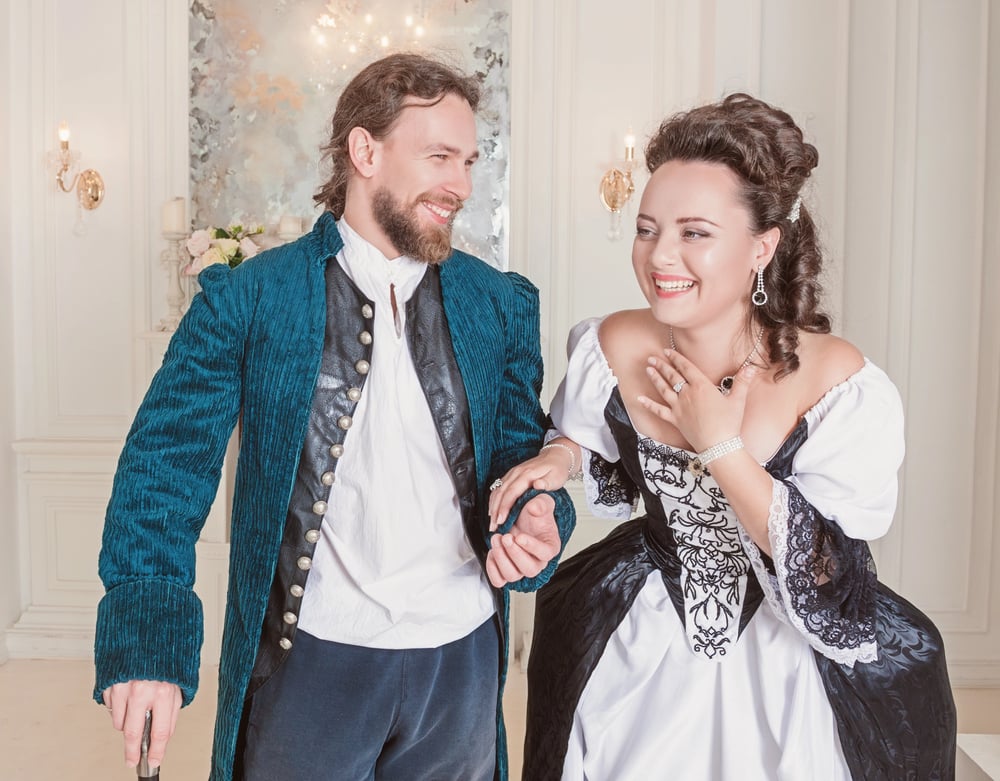
Loud laughter in public was, for women especially, explicitly discouraged in etiquette guides of the period. The correct expression of amusement was a smile, possibly a quiet laugh — contained, controlled, over quickly.
A woman who laughed openly and loudly was described in Victorian etiquette literature using words like “boisterous” and “unrefined,” which in that context functioned less as adjectives and more as verdicts. Men had slightly more latitude, though even they were cautioned against anything that might be heard from the next room.
Children Were Seen, Not Heard, and Barely Seen
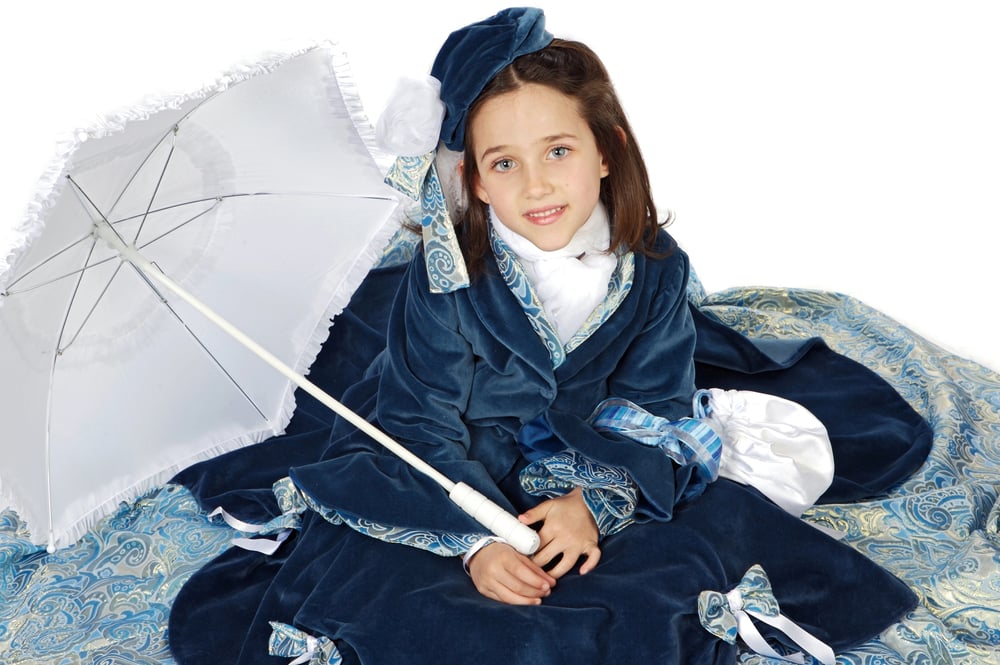
The Victorian approach to children in social settings was less a parenting philosophy and more a containment strategy. Children were presented to guests, displayed briefly as evidence of a healthy household, and then removed — to the nursery, to another floor, to anywhere that wasn’t the drawing room where adults were conducting adult conversation.
Speaking to a guest without being addressed first was the kind of offense that was corrected visibly and immediately. The goal wasn’t cruelty; it was the production of a particular kind of adult.
A Lady’s Ankles Were Not for Public Viewing
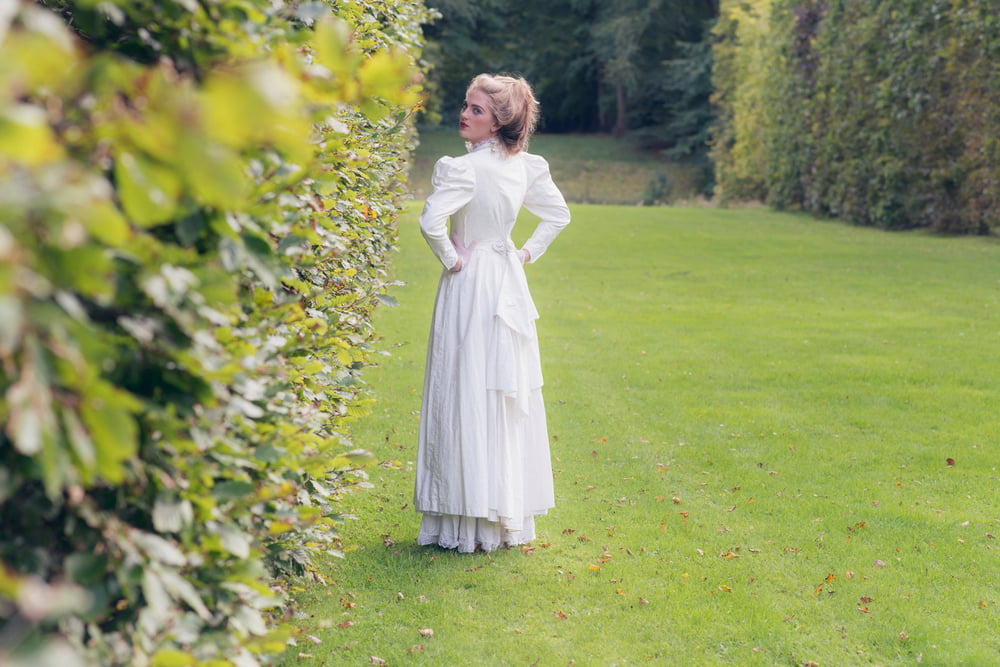
The ankle, in 1800s etiquette, carried a freight of symbolism entirely disproportionate to its anatomical significance. A woman whose skirt rose enough to expose her ankles while walking was cause for commentary — the kind of sideways, pointed commentary that Victorian society specialized in. Skirts were designed with this in mind, and the hoopskirt and crinoline existed partly as structural insurance against accidental exposure.
The irony is that fashion eventually pivoted hard enough that the same society that policed ankles would, within a few decades, be adjusting to hemlines at the knee.
Men Could Not Smoke in the Presence of Ladies
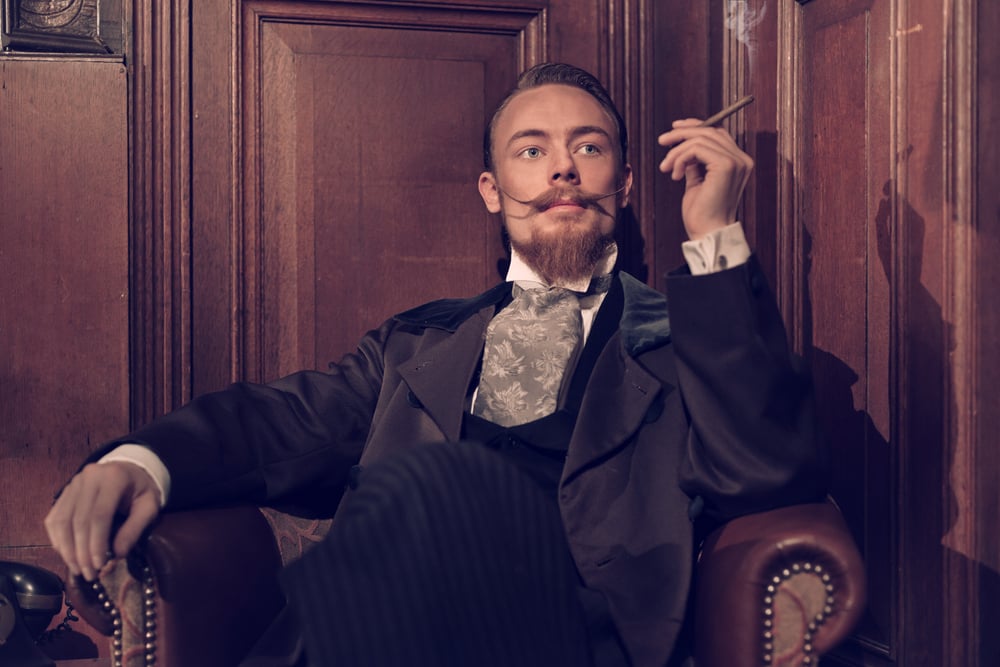
The rules around pipes, cigars, and other forms of cig were codified enough that many wealthy households included a designated room specifically so men could indulge without subjecting women to the practice. Lighting up in mixed company without asking permission was a genuine breach — not a minor one.
The request itself was a formality; the point was the acknowledgment that you needed permission at all. A man who simply lit up without asking had, in the language of the era, made himself comfortable at someone else’s expense.
Wearing Colors Too Soon After a Death Was Noticed

— Photo by rabbit75_dep
The mourning dress system extended beyond the immediate family to include anyone in the social circle of the deceased, and the expectations — though less severe — were still present. Appearing at a social event in bright colors shortly after a notable death in the community read as either ignorance or indifference, and neither reflected well.
The correct response was muted tones, a degree of social withdrawal, and a visible acknowledgment that something had happened. Color, in that context, was shorthand for emotional investment — or the lack of it.
Silence Was a Social Skill
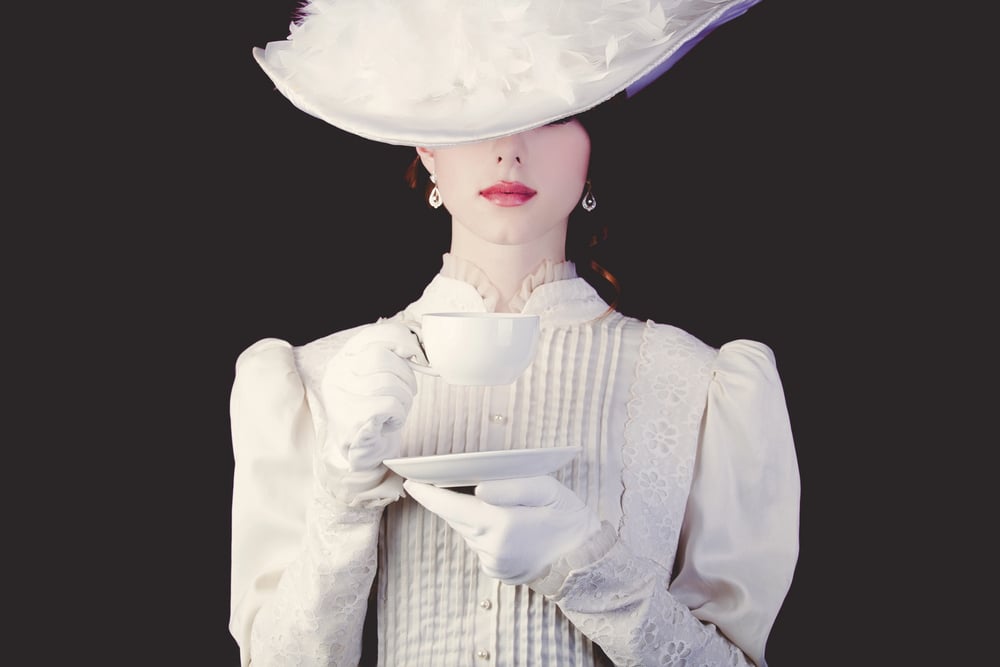
Sustaining comfortable silence in conversation was considered a mark of refinement in the 1800s — the ability to pause, to listen, to not fill every gap with words — rather than awkwardness to be managed. Modern social anxiety around silence would have read to a Victorian as a kind of desperation, a sign that someone wasn’t comfortable enough in their own company to sit quietly in someone else’s.
It’s the one rule on this list that arguably held up better than most.
When the Rules Were the Reality
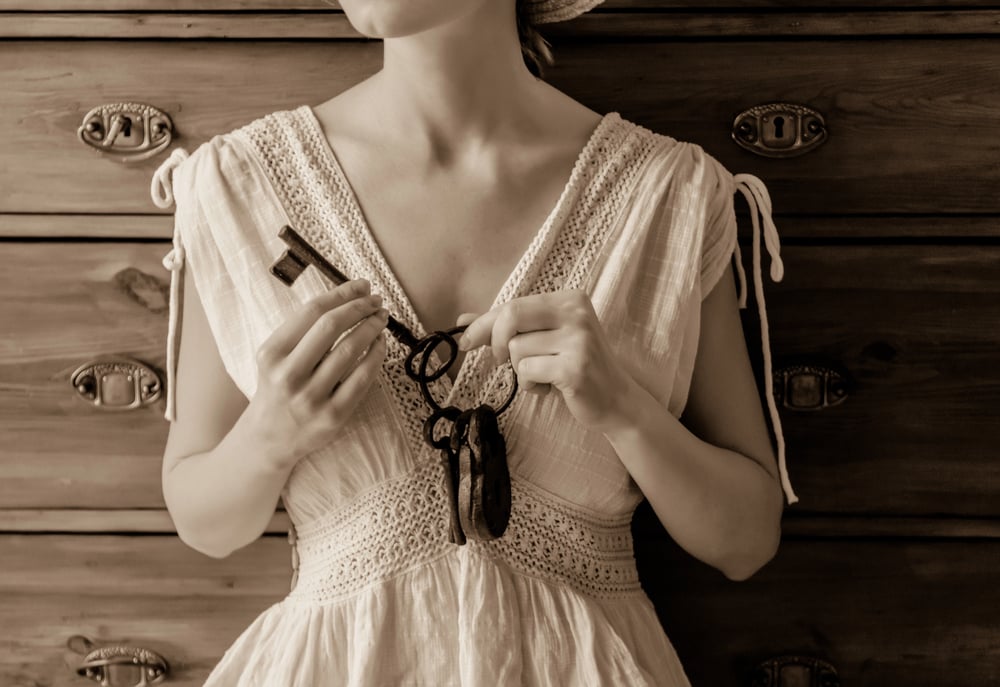
It would be easy to look at this list and feel superior — to treat Victorian etiquette as a museum exhibit, something preserved behind glass for its oddity value. But every era has its own elaborate, largely unspoken code for signaling who belongs and who doesn’t, and people in 2124 will almost certainly compile their own version of this article about the things that seem perfectly normal right now.
The Victorians weren’t uniquely rigid; they were just more honest about writing the rules down. Which is, when you think about it, at least a little admirable.
More from Go2Tutors!

- The Romanov Crown Jewels and Their Tragic Fate
- 13 Historical Mysteries That Science Still Can’t Solve
- Famous Hoaxes That Fooled the World for Years
- 15 Child Stars with Tragic Adult Lives
- 16 Famous Jewelry Pieces in History
Like Go2Tutors’s content? Follow us on MSN.