Top Assets In The World
When people think about wealth and value, their minds usually jump to money sitting in a bank account. But the real story of global wealth is much bigger and more interesting than that.
Assets come in all shapes and sizes, from the land beneath our feet to the companies that shape daily life. Some of these assets are worth more than entire countries’ economies, and understanding what they are gives a clearer picture of where true value lives in the modern world.
Here are some of the most valuable assets that exist on the planet today.
Global Real Estate Holdings
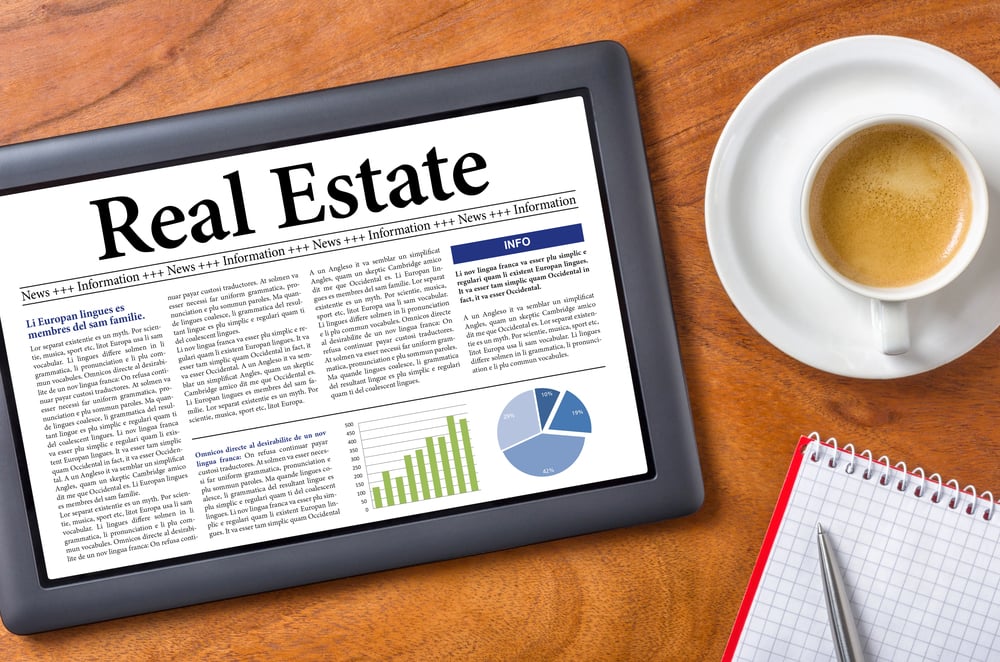
Real estate stands as the single largest asset class in the world, worth somewhere around $326 trillion. That number is hard to wrap your head around, but it includes every home, office building, shopping center, and piece of land across the globe.
Property values in cities like New York, London, and Hong Kong drive up the total significantly. A single square foot in Manhattan can cost more than an entire house in other parts of the country, which shows just how location affects value.
The World’s Stock Markets
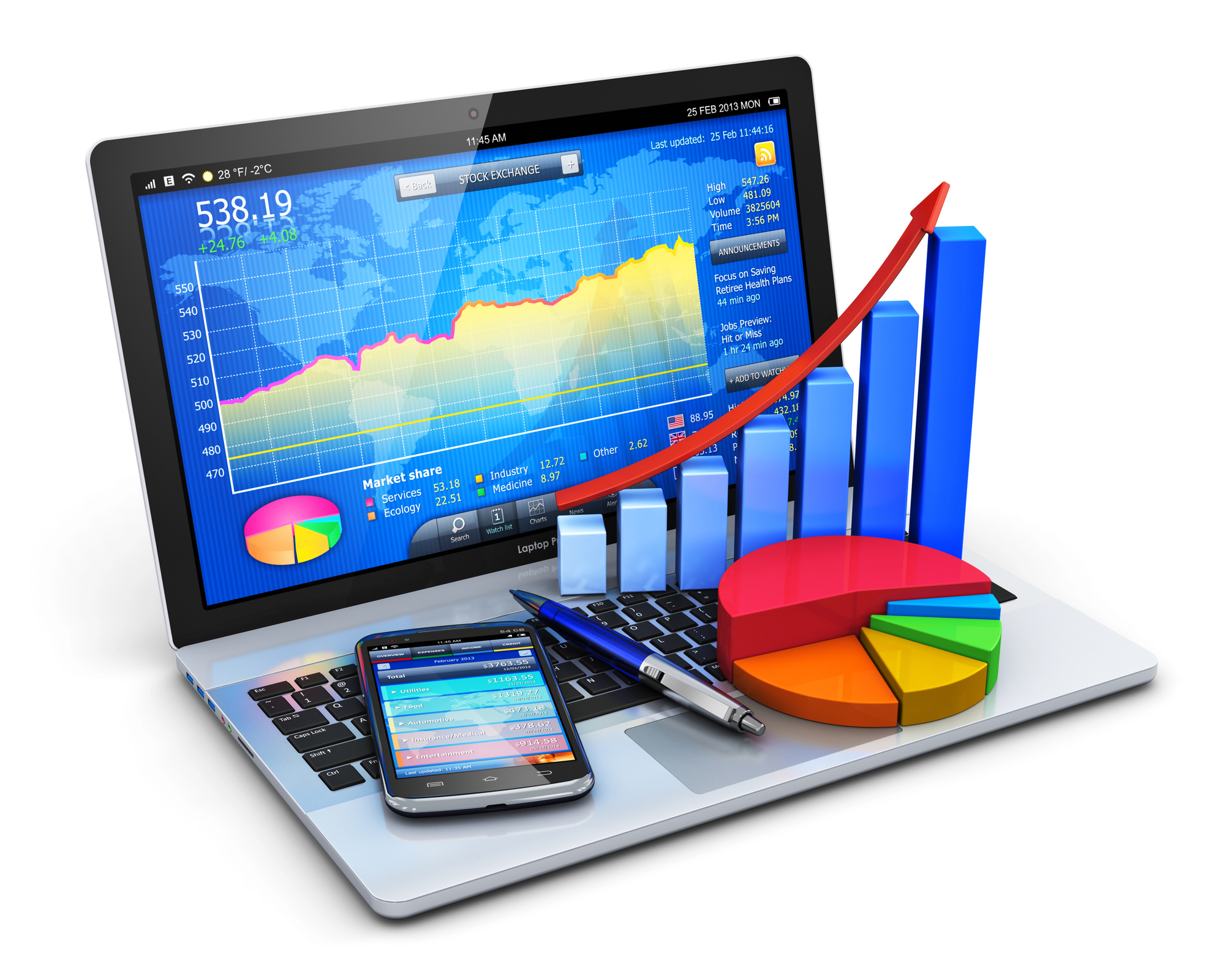
Public companies traded on stock exchanges represent about $100 trillion in total value. This includes giants like Apple, Microsoft, and Saudi Aramco, along with thousands of smaller companies.
Stock markets let regular people own tiny pieces of these businesses, which wasn’t always possible throughout history. The value goes up and down every single day based on how well companies perform and what investors think about the future.
Gold Reserves
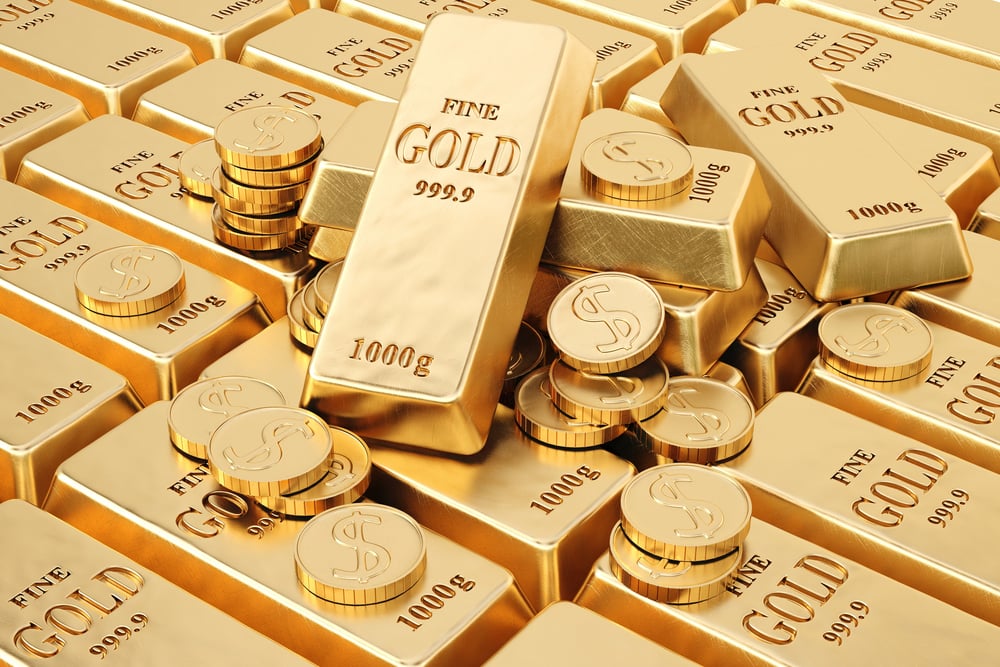
Gold has been valuable for thousands of years, and that hasn’t changed even in the digital age. All the gold ever mined is worth approximately $13 trillion at current prices.
Central banks hold massive amounts of gold as a backup for their currencies, and the United States keeps the largest official stockpile at Fort Knox and other facilities. People still buy gold jewelry, coins, and bars because it holds value even when paper money doesn’t.
Oil and Natural Gas Reserves
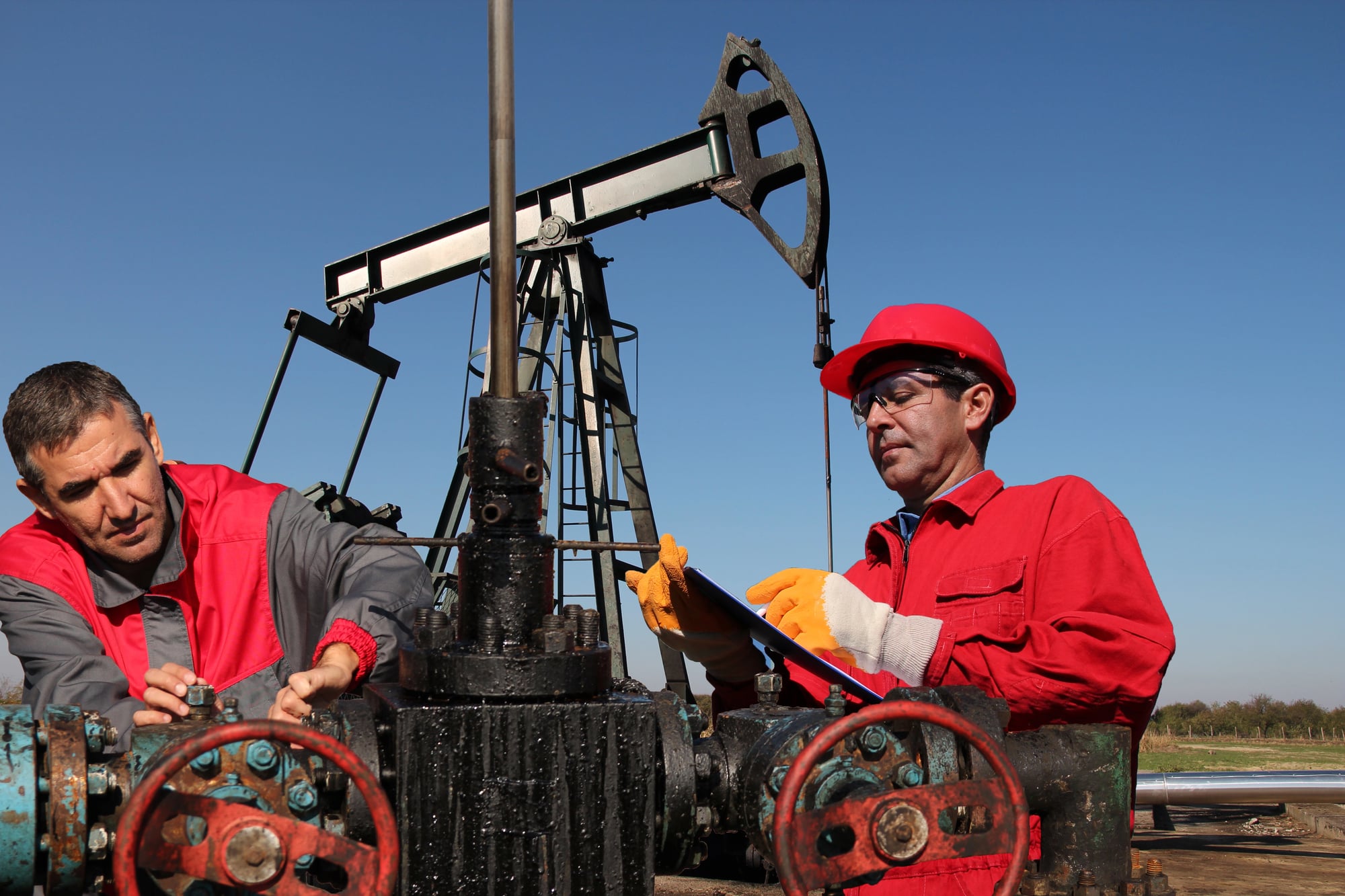
The oil still sitting underground in proven reserves is worth trillions of dollars, though the exact number changes with oil prices. Countries like Saudi Arabia, Venezuela, and Russia control massive amounts of these energy resources.
Even with the push toward renewable energy, the world still runs mostly on oil and natural gas for transportation, heating, and electricity. The value of these reserves affects global politics and economics every single day.
U.S. Treasury Bonds
The United States government has issued about $27 trillion in debt through Treasury bonds, which makes it one of the world’s largest single assets. These bonds are considered among the safest investments because the U.S. has never defaulted on its debt.
Countries, companies, and individual investors all buy Treasury bonds as a way to protect their money. The interest rates on these bonds affect everything from mortgage rates to credit card payments.
The Federal Reserve’s Balance Sheet
The Federal Reserve holds around $7 trillion in assets, mostly government bonds and mortgage-backed securities. This might sound abstract, but it’s basically money the Fed created to buy financial assets and keep the economy stable.
During the 2008 financial crisis and the COVID-19 pandemic, the Fed dramatically increased these holdings to prevent economic collapse. The size of this balance sheet directly impacts inflation, interest rates, and the value of the dollar.
China’s Foreign Exchange Reserves
China holds over $3 trillion in foreign currency reserves, mostly in U.S. dollars. This massive pile of money gives China significant influence in global finance and helps stabilize its own currency.
The country built up these reserves through decades of running trade surpluses, basically selling more stuff to other countries than it bought from them. Other countries also keep foreign reserves, but none come close to China’s total.
Global Infrastructure
Roads, bridges, airports, power plants, and water systems around the world are worth an estimated $79 trillion. These assets don’t get as much attention as stocks or real estate, but modern life would stop without them.
Governments and private companies constantly spend money maintaining and upgrading infrastructure because it wears out over time. Some experts argue that the world needs to spend trillions more on infrastructure just to keep up with growing populations and aging systems.
Intellectual Property and Patents
The value of patents, trademarks, copyrights, and trade secrets is incredibly hard to measure, but estimates put it at over $5 trillion globally. A single patent for a life-saving drug can be worth billions of dollars to a pharmaceutical company.
Tech companies like Apple and Google base much of their value on intellectual property rather than physical assets. This kind of value didn’t really exist a few hundred years ago, but now it’s one of the most important types of wealth.
Agricultural Land
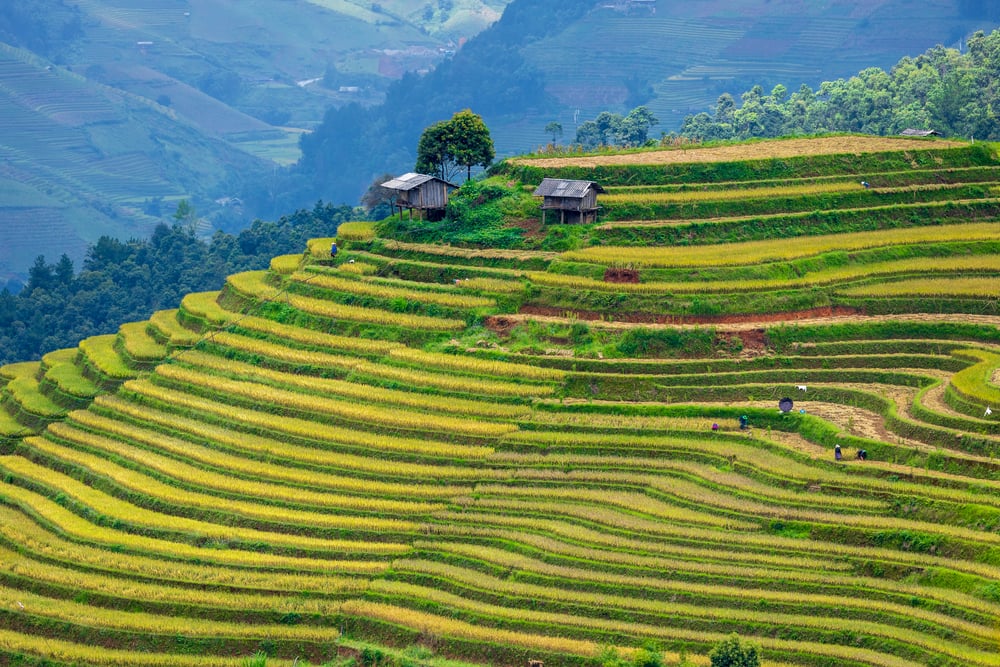
Farmland across the world is worth approximately $27 trillion, and it’s becoming more valuable as populations grow. This isn’t just about the land itself but also about its ability to produce food, which everyone needs to survive.
Major agricultural regions like the American Midwest, Brazil’s interior, and Ukraine’s plains are incredibly valuable because of their fertile soil. Investors have started buying farmland as a long-term asset because people will always need to eat.
Corporate Debt
Companies around the world have issued roughly $13 trillion in bonds, which represents money they’ve borrowed from investors. This debt finances everything from new factories to research and development.
Investment-grade corporate bonds are considered relatively safe, while junk bonds carry more risk but pay higher interest rates. The corporate debt market is essential for business growth and economic expansion.
Pension Fund Assets

Pension funds globally hold about $56 trillion in assets to pay future retirement benefits. These funds invest in stocks, bonds, real estate, and other assets to grow their money over time.
Public employee pensions in the United States alone are worth trillions, though many face funding shortfalls. The performance of these funds directly affects whether millions of people can retire comfortably or need to keep working.
Cryptocurrency Market
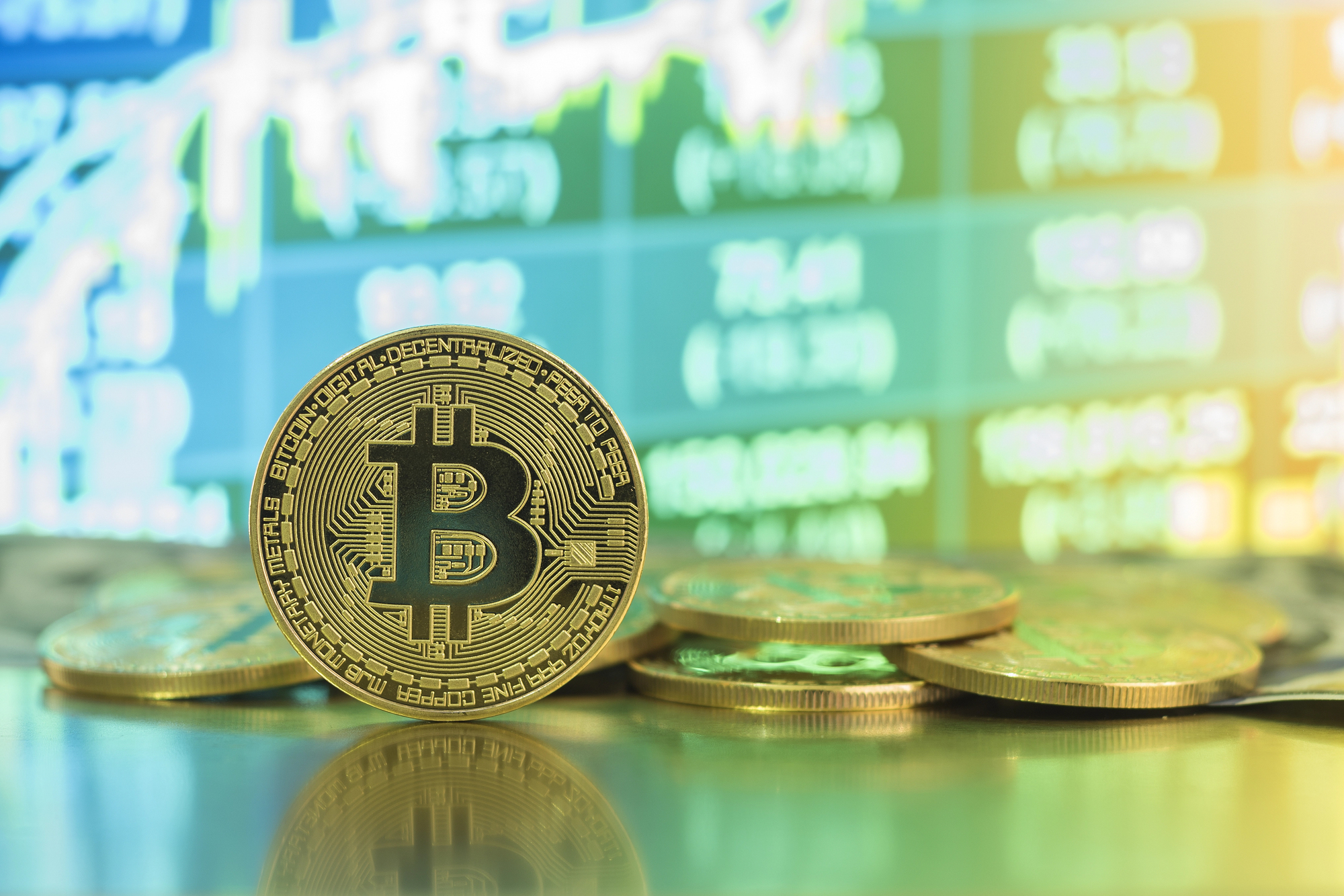
Bitcoin, Ethereum, and thousands of other cryptocurrencies have a combined market value that hovers around $2 trillion, though it changes dramatically. This asset class barely existed 15 years ago but has grown into a significant part of the financial system.
Some people see cryptocurrencies as the future of money, while others think they’re overvalued speculation. Either way, enough people and institutions now hold crypto that it counts as a major global asset.
Private Equity Holdings
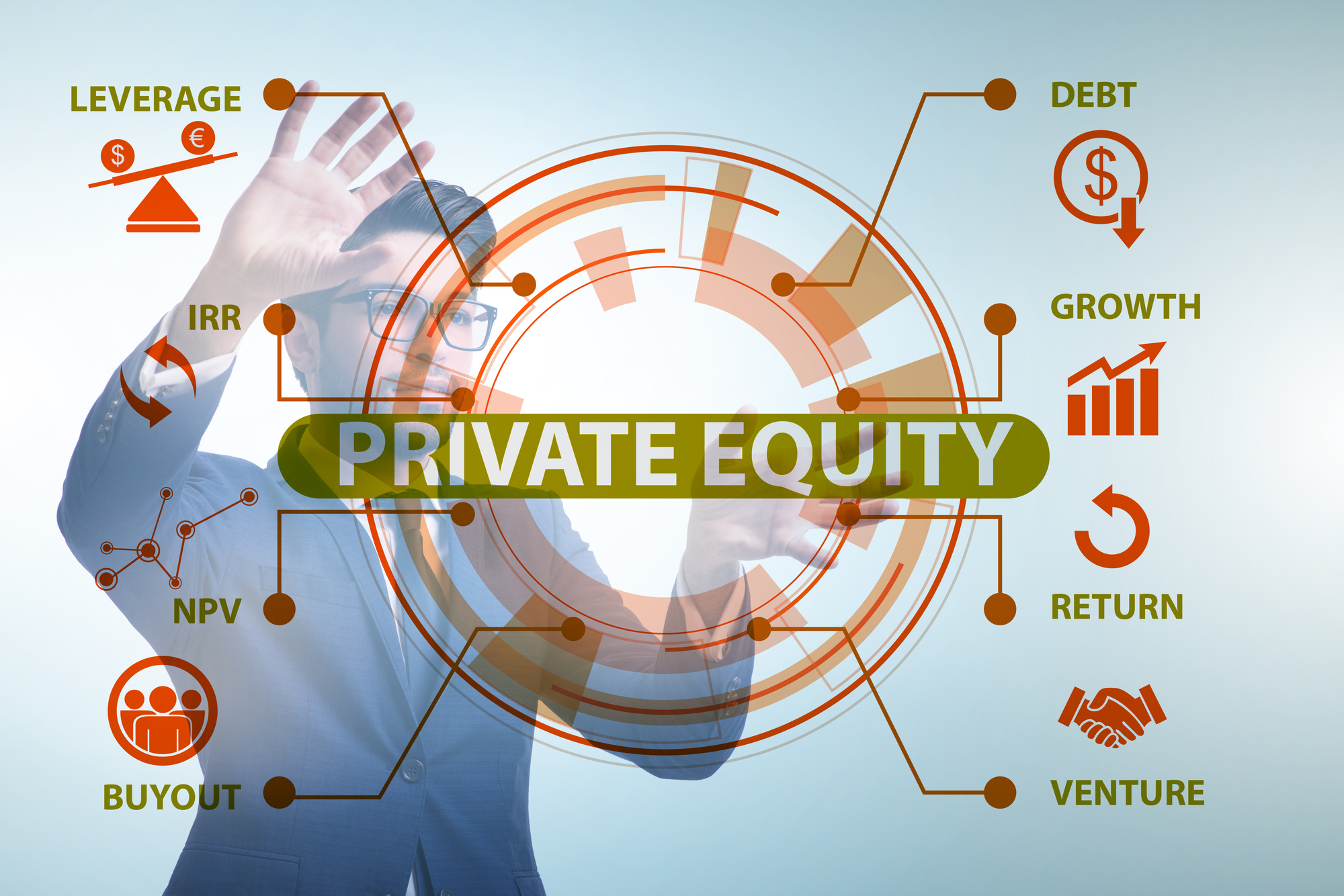
Private equity firms control about $5 trillion in assets, buying companies that aren’t traded on public stock markets. These firms often buy struggling businesses, restructure them, and sell them for a profit years later.
Private equity has become controversial because critics say it sometimes hurts workers and communities, while supporters argue it makes businesses more efficient. The industry has grown massively over the past few decades and now touches everything from grocery stores to healthcare.
Forest and Timber Resources
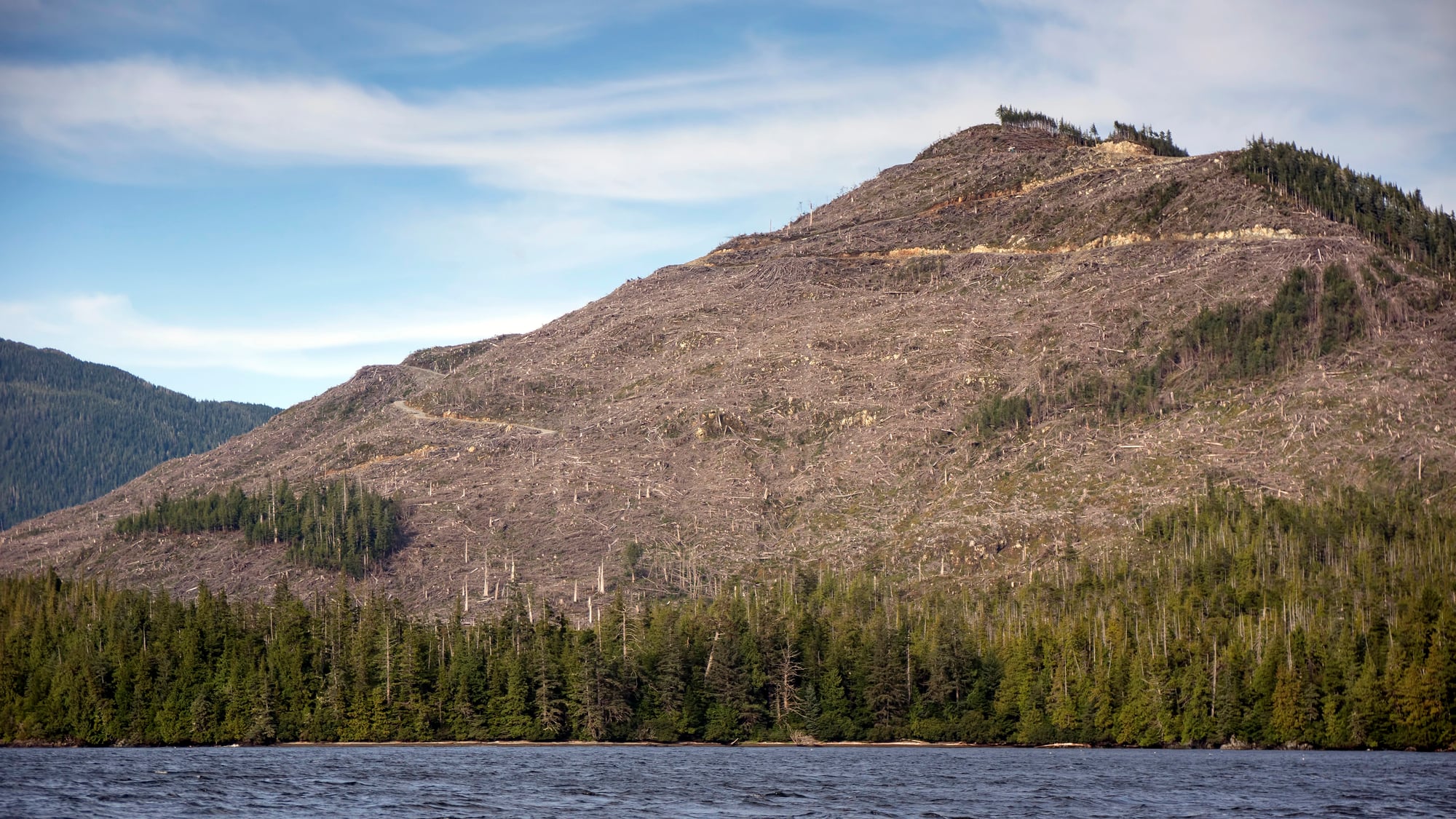
Forests around the globe hold immense worth – not just through wood but by shaping cleaner air. Though businesses tap certain woods for construction or paper, those uses only tell part of the story.
What happens quietly – like trapping carbon or sheltering animals – also counts, even if price tags stay unclear. While some nations count trees like reserves in a vault, others overlook what grows beyond profit margins.
Sovereign Wealth Funds
Some nations hold vast pools of money called sovereign wealth funds – together totaling eleven trillion dollars – meant to grow their national savings. From faraway Oslo comes the biggest one, fueled by profits when crude oil changes hands across continents.
This giant Norwegian pot claims roughly one point five percent of every company you can buy on global stock exchanges today. Instead of spending windfalls fast, these accounts stretch value ahead, often decades, helping those who come later.
Oil flows might fade yet leave behind lasting portfolios because capital moves beyond borders looking for steady gain.
Why These Assets Matter Now
How things are spread around affects who gets ahead, chances people have, even regular routines – often behind the scenes. When a few hold the top-rated resources, they tend to steer big outcomes without much noise.
Seeing what truly holds worth makes headlines on markets or laws feel less like chaos. Next moment you hear talk of riches or cash flow, think beyond vaults full of notes – imagine linked parts forming something wider than numbers alone show.
More from Go2Tutors!

- The Romanov Crown Jewels and Their Tragic Fate
- 13 Historical Mysteries That Science Still Can’t Solve
- Famous Hoaxes That Fooled the World for Years
- 15 Child Stars with Tragic Adult Lives
- 16 Famous Jewelry Pieces in History
Like Go2Tutors’s content? Follow us on MSN.



