12 Canceled TV Shows That Were Too Controversial for Their Time
Television has always reflected society’s evolving values and boundaries. While many shows successfully push boundaries, others cross invisible lines that networks, advertisers, or audiences simply won’t tolerate. These bold productions often challenge prevailing norms, tackle taboo subjects, or present perspectives that society isn’t ready to embrace.
Here is a list of 12 television shows that were canceled primarily because they were considered too controversial for the era in which they aired.
Soap

ABC’s satirical soap opera mockery ran from 1977 to 1981 but faced enormous backlash before even airing. The show featured one of television’s first openly gay characters and tackled subjects like adultery, religious questioning, and mental illness.
Advertisers pulled support following pressure from religious groups, and ABC stations refused to air it in some markets. Despite critical acclaim and loyal viewership, the controversy ultimately led to its premature cancellation after four seasons.
Ellen

While Ellen DeGeneres later became a daytime television staple, her 1990s sitcom ‘Ellen’ was canceled shortly after the groundbreaking ‘Puppy Episode’ where both DeGeneres and her character came out as gay. ABC added parental advisories to episodes following her character’s coming out.
Major advertisers like JCPenney and Chrysler pulled their support. The show’s ratings declined amid the controversy, leading to its cancellation in 1998, just one year after the historic episode.
Playboy’s Penthouse

Hugh Hefner’s 1959 talk show on TV seemed harmless by modern standards but shocked 1960s America by having white and black guests socializing alongside each other in the midst of the civil rights movement. The variety show brought integrated entertainment into the living room when racial segregation was still mandated by law in most states.
Southern market local TV stations refused to show the show, sponsors shunned the scandalous format, and it was canceled after two seasons.
TV Nation

Michael Moore’s satirical news magazine show ran briefly on NBC in 1994 before moving to Fox for one more season. The series featured provocative segments like ‘Health Care Olympics’ comparing international medical systems and dispatched a ‘Corporate Crime Fighting Chicken’ to confront executives.
Its biting critique of corporate America, health insurance companies, and political figures made advertisers uncomfortable. Despite winning an Emmy, the show’s controversial approach to news proved too risky for networks dependent on corporate advertising.
Lou Grant
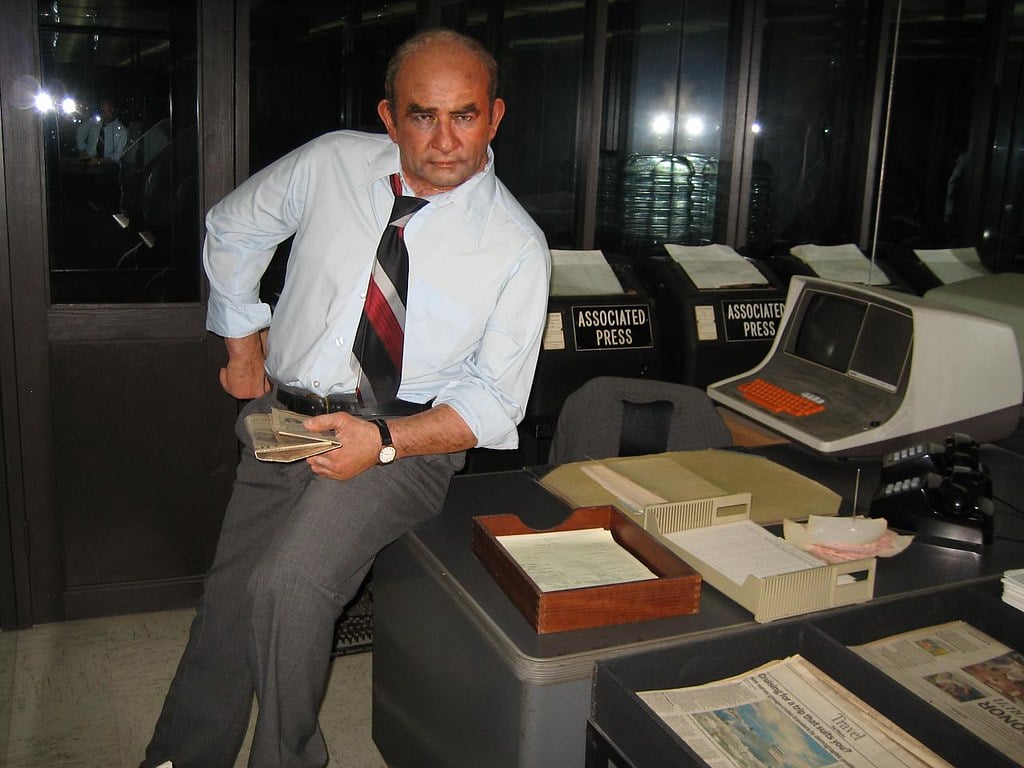
This drama starring Ed Asner ran for five successful seasons on CBS before an abrupt cancellation in 1982 despite solid ratings. The show regularly tackled controversial topics like nuclear power, gay rights, and mental illness.
Many believe the real reason for cancellation was Asner’s outspoken political activism, particularly his support for leftist causes in Central America that opposed Reagan administration policies. The controversy highlighted the sometimes blurry line between actors’ personal politics and network tolerance.
Action
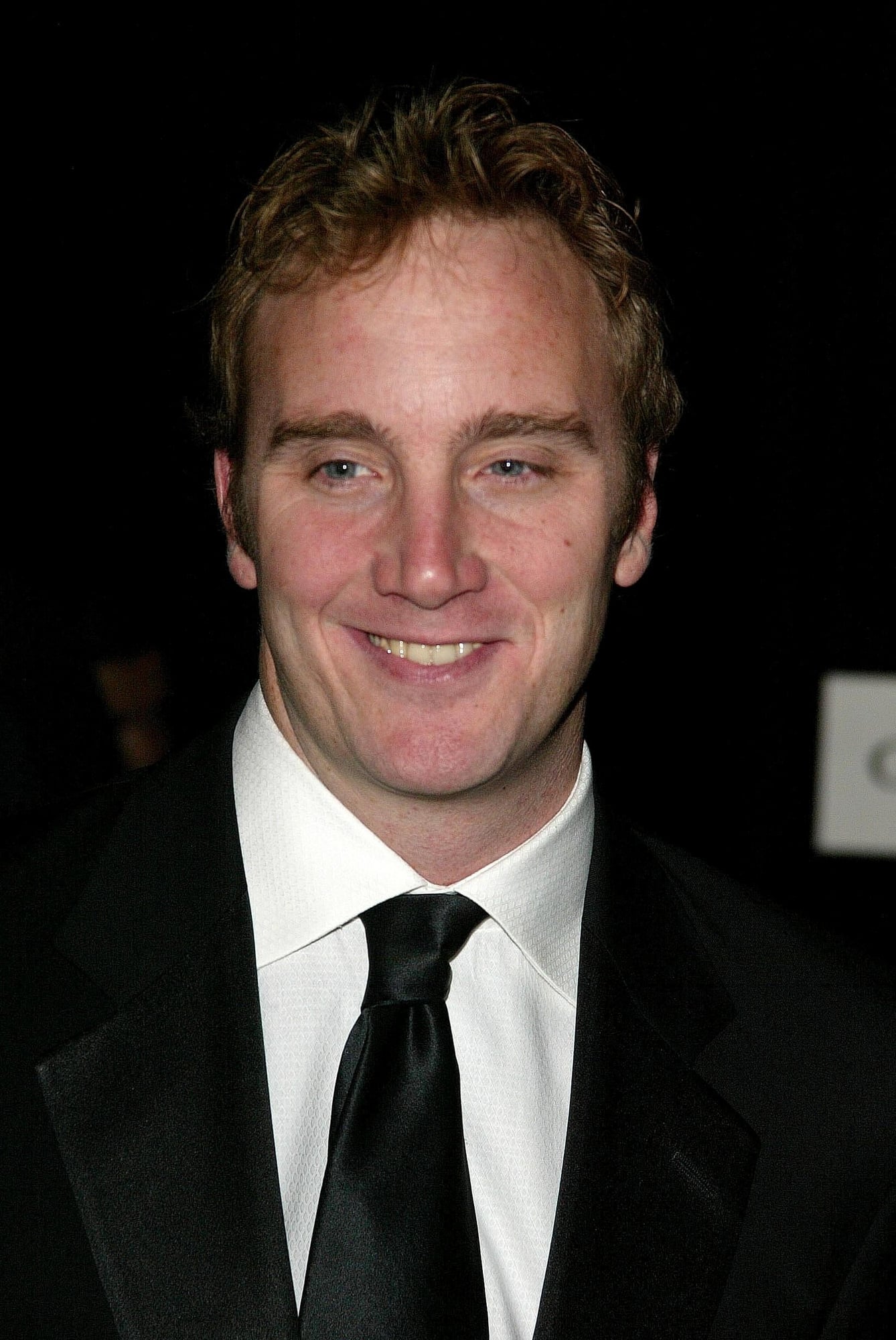
This 1999 Fox comedy starring Jay Mohr as a ruthless Hollywood producer featured profanity, drug use, and a recurring character who was a former child star turned prostitute. The network heavily censored the dialogue with bleeps that sometimes made following episodes difficult.
Despite critical praise for its unfiltered take on Hollywood’s darker side, the show’s adult content and controversial subject matter led to its cancellation after just 13 episodes.
Profit

This groundbreaking Fox drama centered on a psychopathic corporate executive who would lie, manipulate, and even murder to achieve his business goals. The 1996 series was perhaps too ahead of its time, presenting a villain protagonist before audiences were ready for such morally ambiguous leads.
Viewers and advertisers recoiled at the cold, calculating main character who maintained an incestuous relationship with his stepmother. The network pulled the show after just four episodes due to abysmal ratings and content concerns.
The Smothers Brothers Comedy Hour

AlbanyGroup Archive / Flickr
This variety show became increasingly political during the Vietnam War era, with hosts Tom and Dick Smothers using their platform for anti-war messaging and countercultural comedy. CBS frequently censored content and delayed broadcasts to review material.
The network finally canceled the popular show in 1969, officially citing the brothers’ failure to submit a show for prior review, though the underlying political conflicts were well known. The cancellation became a landmark case of network censorship during a politically divided time.
Nothing Sacred
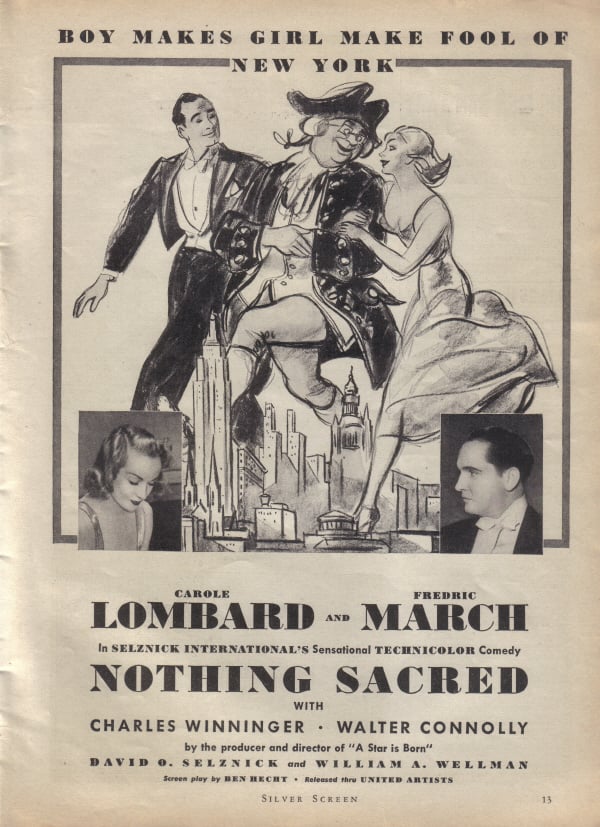
This ABC drama about a progressive Catholic priest questioning church doctrine while serving an inner-city parish generated intense controversy among religious groups. The Catholic League organized boycotts of the show’s advertisers, successfully pressuring companies like Weight Watchers and Isuzu to pull their commercials.
Despite critical acclaim and multiple award nominations, the 1997 series couldn’t survive the coordinated pressure campaign and was canceled after one abbreviated season.
Heil Honey I’m Home!
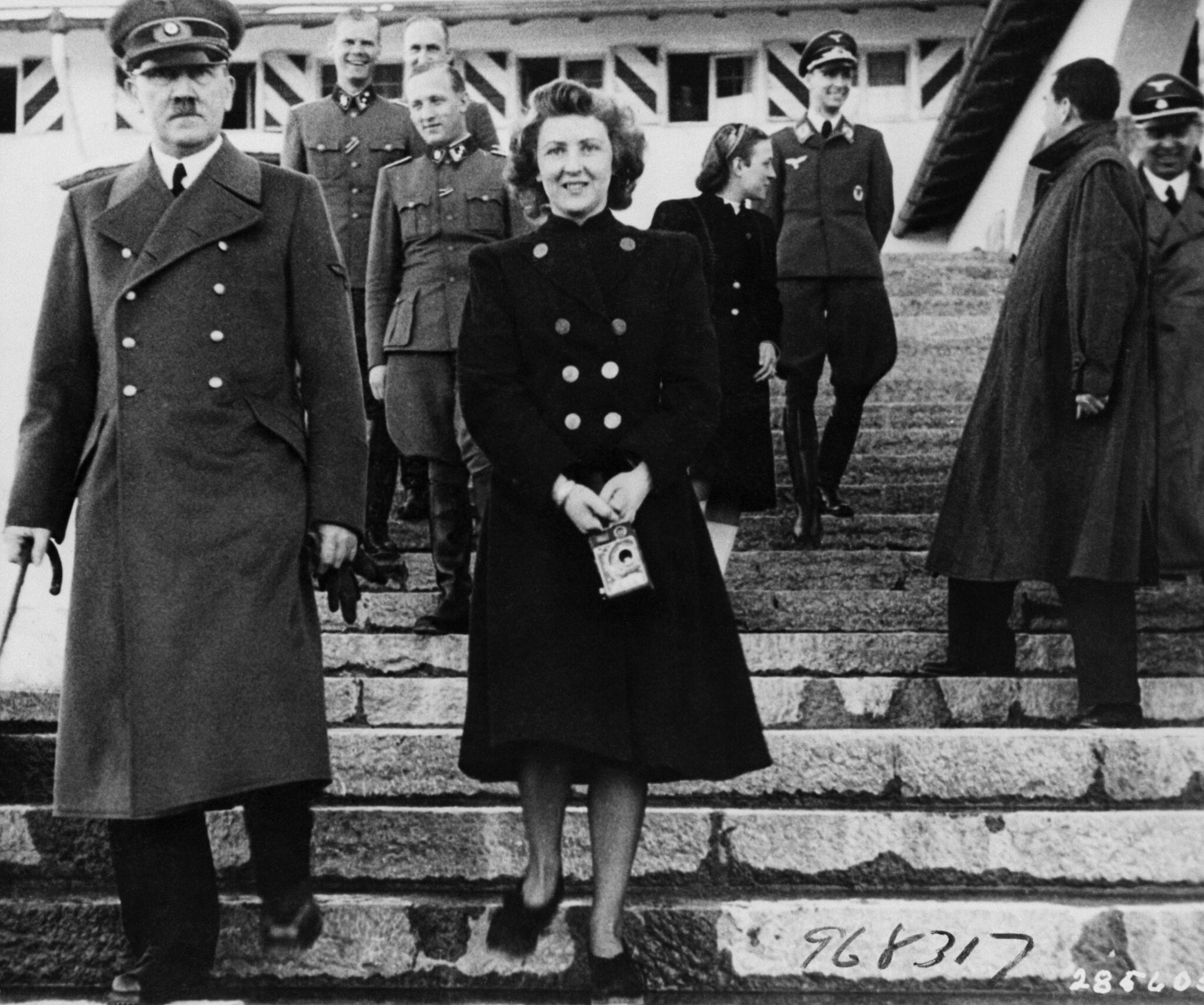
Perhaps the most notoriously misconceived sitcom ever made, this British series portrayed Adolf Hitler and Eva Braun as a typical suburban couple living next door to a Jewish family. The 1990 show attempted to satirize both Hitler and the formulaic nature of 1950s American sitcoms.
The series was canceled after a single episode when critics and viewers found its treatment of the Holocaust and Nazi atrocities deeply offensive rather than satirical. It remains a textbook example of comedy that crosses from controversial to simply inappropriate.
Skins

This British teen drama’s American remake was immediately criticized for its graphic portrayal of adolescent drug use, sexual relationships, and mental health problems. After calling it “the most dangerous show for children,” the Parents Television Council urged advertisers to stop airing it.
Amid worries about possible child exploitation, major corporations including Wrigley, General Motors, and Taco Bell removed their advertisements. Despite strong ratings, MTV was unable to maintain the series without advertising revenue, therefore it terminated it after just one season in 2011.
When Entertainment Challenges Society

The changing link between television and societal limits is reflected in these canceled shows. As society’s ideals change, things that were once deemed too shocking frequently become commonplace.
Since they addressed topics that would eventually become popular television topics, several of these shows were just ahead of their time. When entertainment pushed boundaries that audiences and institutions weren’t yet prepared to breach, their cancellations act as cultural timestamps.
More from Go2Tutors!

- The Romanov Crown Jewels and Their Tragic Fate
- 13 Historical Mysteries That Science Still Can’t Solve
- Famous Hoaxes That Fooled the World for Years
- 15 Child Stars with Tragic Adult Lives
- 16 Famous Jewelry Pieces in History
Like Go2Tutors’s content? Follow us on MSN.



