Salts That Are Not Meant for Eating
When people hear the word ‘salt’, most think about the white crystals they shake onto their fries or stir into pasta water. But the world of salts goes way beyond the kitchen.
Some salts serve completely different purposes, and putting them in your mouth would be anywhere from pointless to downright dangerous. Let’s take a look at the many types of salts that exist outside the dinner table and what makes them so different from the stuff in your salt shaker.
Epsom salt

This salt looks just like table salt at first glance, but it tastes absolutely terrible and works as a strong laxative if swallowed. People dissolve Epsom salt in warm bathwater to soothe sore muscles and reduce swelling after a tough workout or a long day on their feet.
The magnesium in Epsom salt gets absorbed through the skin during a bath, which is why it helps with muscle tension. Gardeners also sprinkle it around plants because it adds magnesium to the soil, helping tomatoes and roses grow better.
Rock salt for de-icing

The chunky gray salt that trucks spread on icy roads during winter storms contains impurities that make it completely unsuitable for cooking. This type of salt melts ice by lowering the freezing point of water, which keeps roads and sidewalks safer when temperatures drop.
It’s rough on car paint and tough on pet paws, which is why some people choose alternatives for their driveways. Eating this stuff would give anyone a serious stomachache because of all the dirt and chemicals mixed in with the sodium chloride.
Bath salts for relaxation

These colorful, scented salts turn an ordinary bath into something special, but they’re loaded with fragrances and dyes that would make anyone sick if ingested. Companies blend them with essential oils, flower petals, and moisturizing ingredients to create different experiences, from lavender for bedtime to eucalyptus for clearing stuffy sinuses.
The chunks dissolve in hot water and release pleasant aromas that fill the whole bathroom. Some bath salts also include minerals like sea salt or Dead Sea salt, which people believe help detoxify the skin and improve circulation.
Dishwasher salt

This special salt keeps dishwashers running smoothly by softening hard water, but it’s not the same as the salt used for preserving food or seasoning meals. Hard water contains minerals that leave spots on glasses and build up inside the machine over time.
Dishwasher salt prevents this problem by regenerating the resin beads in the water softener system. It comes in large, pure crystals that dissolve slowly and shouldn’t be confused with detergent or rinse aid.
Himalayan salt lamps

These pretty pink lamps carved from salt blocks from Pakistan have become popular home decorations, but licking one would be weird and unhygienic. Sellers claim the lamps release negative ions that purify the air, though scientists say the effect is probably too small to matter much.
The warm glow from the bulb inside creates a cozy atmosphere that many people find relaxing in bedrooms or living rooms. These lamps can last for years if kept away from moisture, which would dissolve the salt and make a mess.
Pool salt for chlorine generators
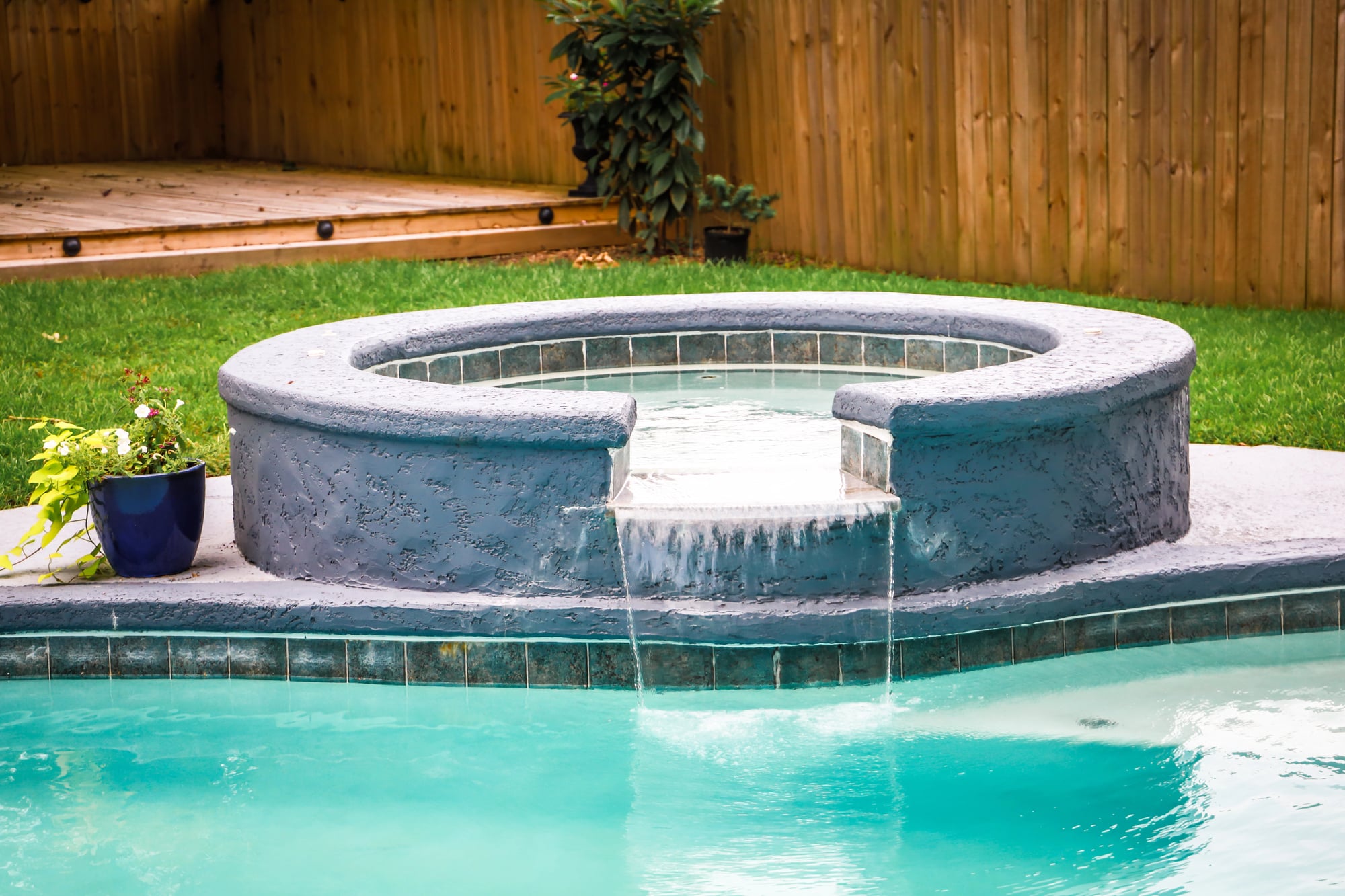
Swimming pools that use salt chlorination systems need regular additions of pure salt, but this isn’t the iodized type from grocery stores. The system converts the salt into chlorine through electrolysis, keeping the water clean without requiring buckets of harsh chemicals.
Pool salt must be free of additives and anti-caking agents that could damage the expensive generator equipment. While technically safe if someone accidentally got pool water in their mouth, eating handfuls of it would still cause nausea and dehydration.
Kosher salt for curing

This coarse salt got its name from the koshering process used to remove blood from meat according to Jewish dietary laws. The large, flat crystals stick to surfaces better than fine table salt, making it perfect for drawing moisture out of meat, fish, or vegetables during preservation.
Chefs also prefer kosher salt for cooking because the crystal size makes it easier to control how much gets pinched and sprinkled. Though technically edible, the type labeled specifically for industrial meat curing often sits in facilities that don’t meet food safety standards.
Water softener salt

Homes with hard water use special salt pellets or crystals in their water softening systems, but these shouldn’t end up anywhere near food. The salt regenerates the resin beads that trap calcium and magnesium, preventing scale buildup in pipes and appliances.
Some formulations include additives to prevent bridging or mushing in the brine tank. Bags of water softener salt are heavy and typically stored in basements or garages, far from kitchen cabinets where someone might grab them by mistake.
Smelling salts

Athletes and medical professionals use these ammonia-based salts to revive people who have fainted, but inhaling too much can damage the lungs. The sharp, unpleasant smell triggers an inhalation reflex that increases breathing rate and blood flow to the brain.
Smelling salts were trendy in Victorian times when women wore tight corsets that sometimes cut off their air supply. Today, hockey players and powerlifters occasionally use them for an alertness boost, though doctors generally don’t recommend the practice.
Salt for tanning leather

Leather makers use enormous amounts of salt during the tanning process to preserve animal hides before they’re turned into shoes, bags, or furniture. The salt prevents bacteria from breaking down the proteins in the raw skin during storage and transportation.
This industrial-grade salt often comes mixed with chemicals and dirt that would make anyone violently ill if consumed. Traditional tanneries in places like Morocco still use salt pits where workers manually rub the crystals into stretched hides.
Calcium chloride for concrete

This type of salt speeds up the curing process of concrete in cold weather, but it’s corrosive and definitely not something to taste. Construction crews add it to cement mixtures when temperatures drop below 40 degrees Fahrenheit to prevent freezing before the concrete sets properly.
Calcium chloride also melts ice even faster than rock salt, though it costs more and can damage certain surfaces. The white crystals absorb moisture from the air so aggressively that they turn into liquid if left in an open container.
Black salt for rituals

Various spiritual traditions use special black salts in protection rituals and ceremonies, mixing regular salt with charcoal, ash, or iron. These blends are meant to absorb negative energy or create protective barriers around homes and sacred spaces.
Some versions come from volcanic regions and contain sulfur compounds that give them an eggy smell. While the ingredients might technically be non-toxic, these salts are prepared for spiritual purposes rather than consumption and may contain impurities.
Saltpeter for preserving meat
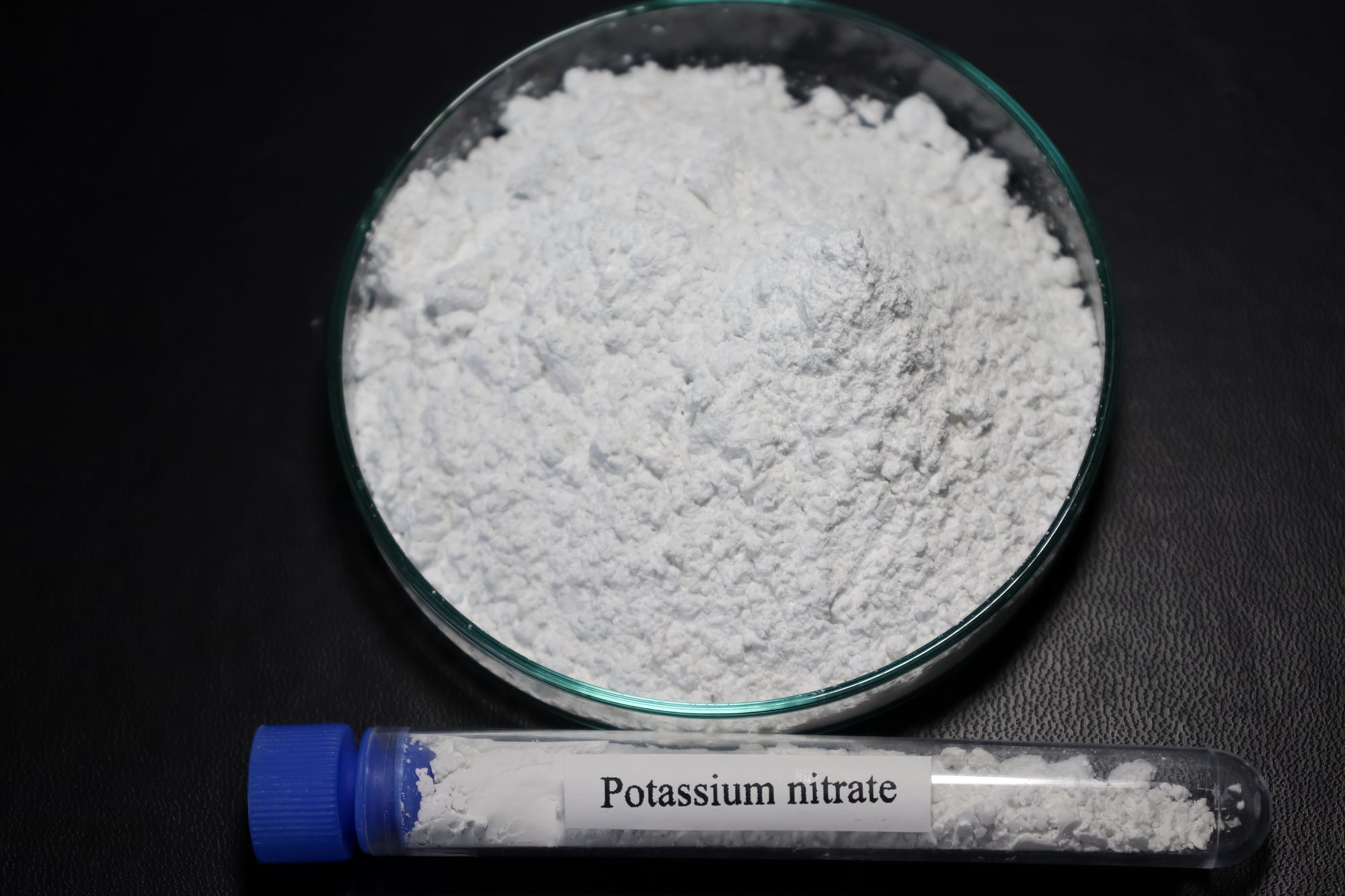
This old-fashioned preservative, also known as potassium nitrate, keeps cured meats pink and prevents bacterial growth, but using too much can be toxic. Butchers and sausage makers have used saltpeter for centuries in recipes for bacon, ham, and corned beef.
Modern food safety regulations strictly limit how much can be added to meat products because excessive amounts affect blood pressure and heart function. Some survivalist guides still mention saltpeter for long-term food storage, though commercial curing salts have largely replaced it.
Salt licks for farm animals
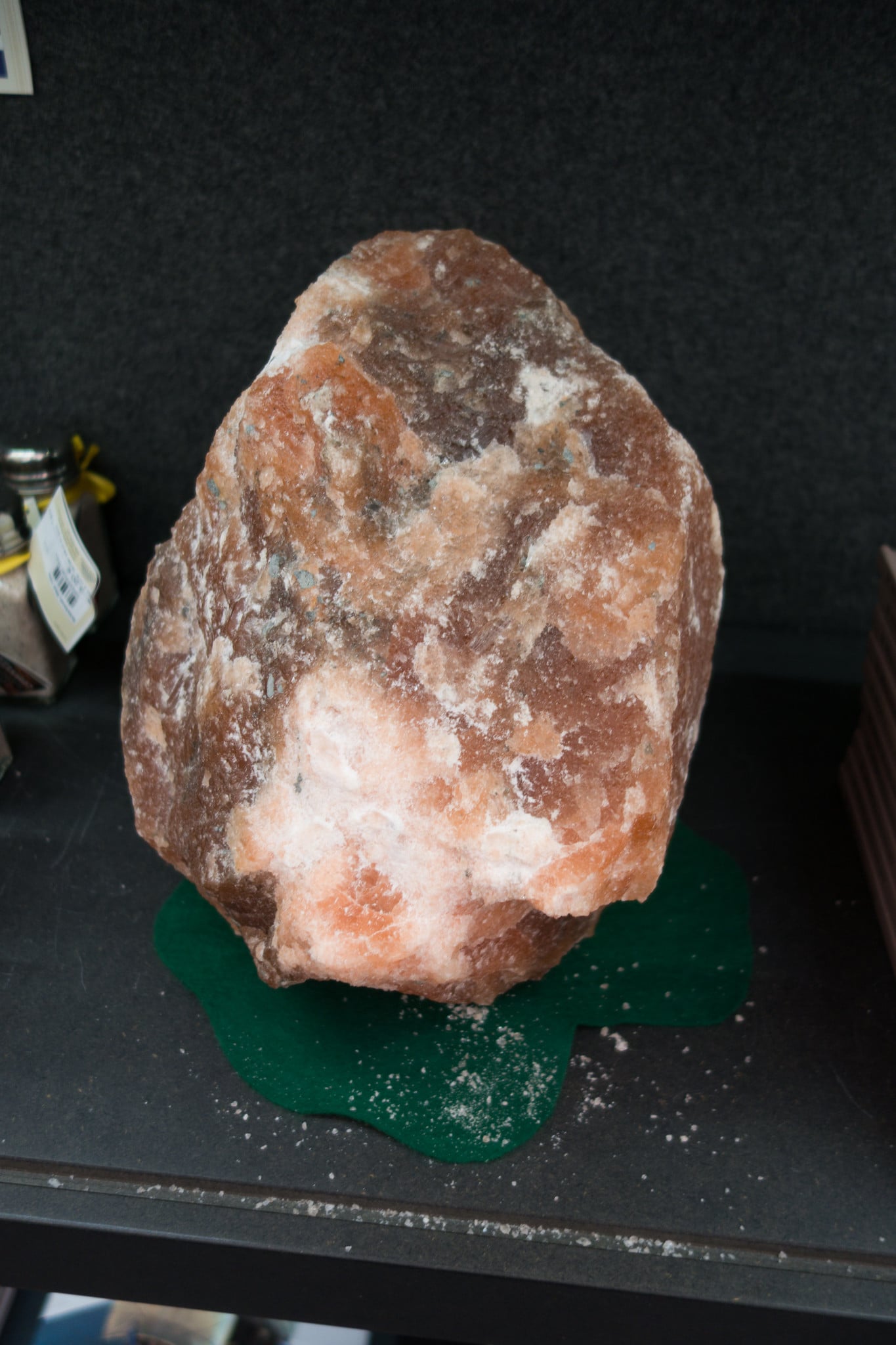
Farmers leave big salt chunks in pastures so cows, horses, and similar creatures can lick them for extra nutrients. Not only do they include table salt, but tiny amounts of stuff like copper, zinc, or selenium – needed for strong development.
Often, color shows what’s inside: red ones feed different needs compared to white or blue versions. Though people won’t get sick from touching them, critters drool on the blocks while outdoors, plus birds land there too.
Zeolite salts for filtration
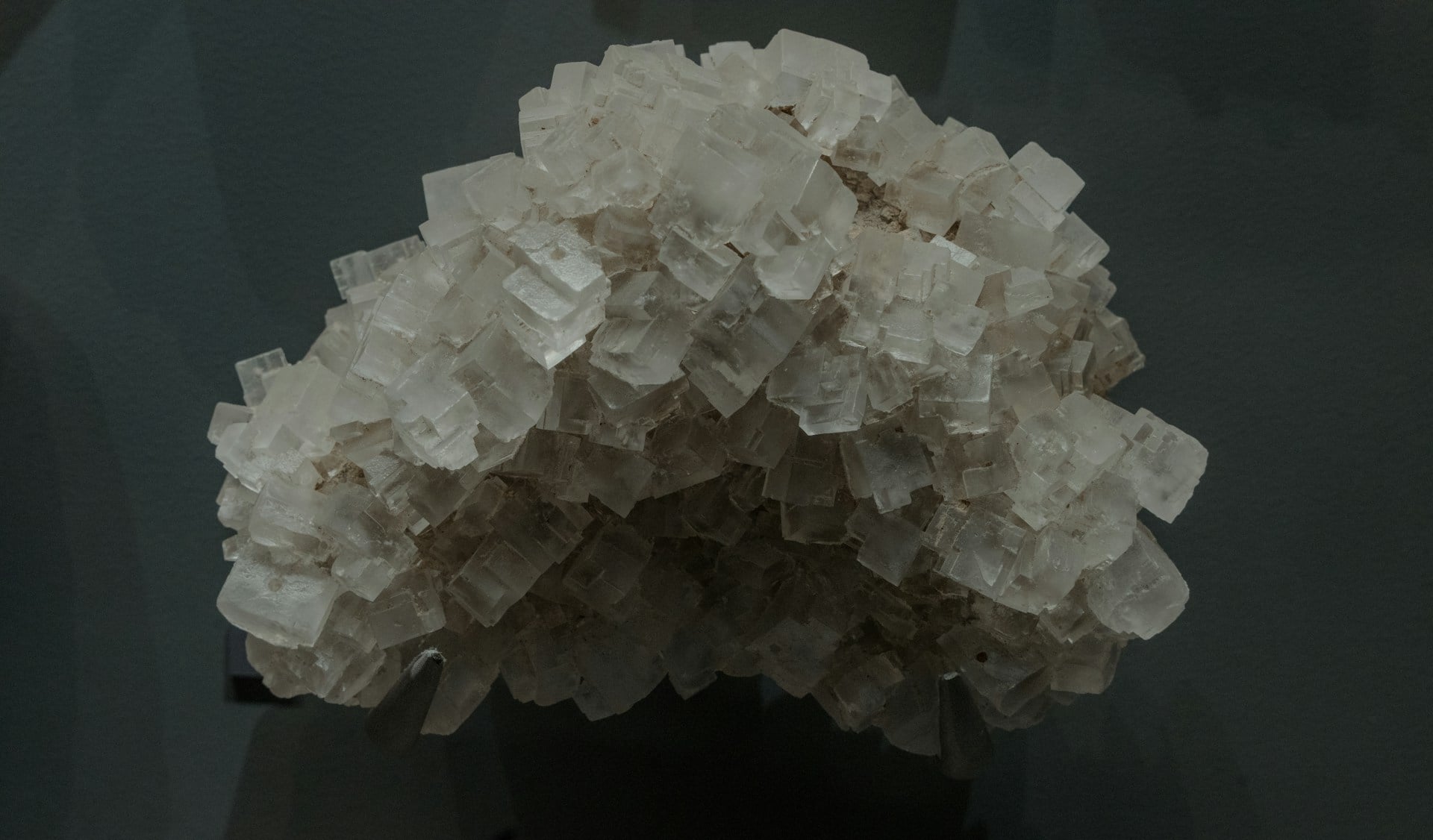
These natural minerals catch pollutants in water and air cleaners – yet they’re not made to swallow. Their molecular shape looks like tiny cages, which grab stuff like heavy metals or ammonia instead of letting it pass.
Fishkeepers toss zeolite into tanks to filter out gunk left behind by their pets’ waste. A few wellness sites say munching on this rock cleans your body, though experts haven’t found proof.
Firing salt used in pottery
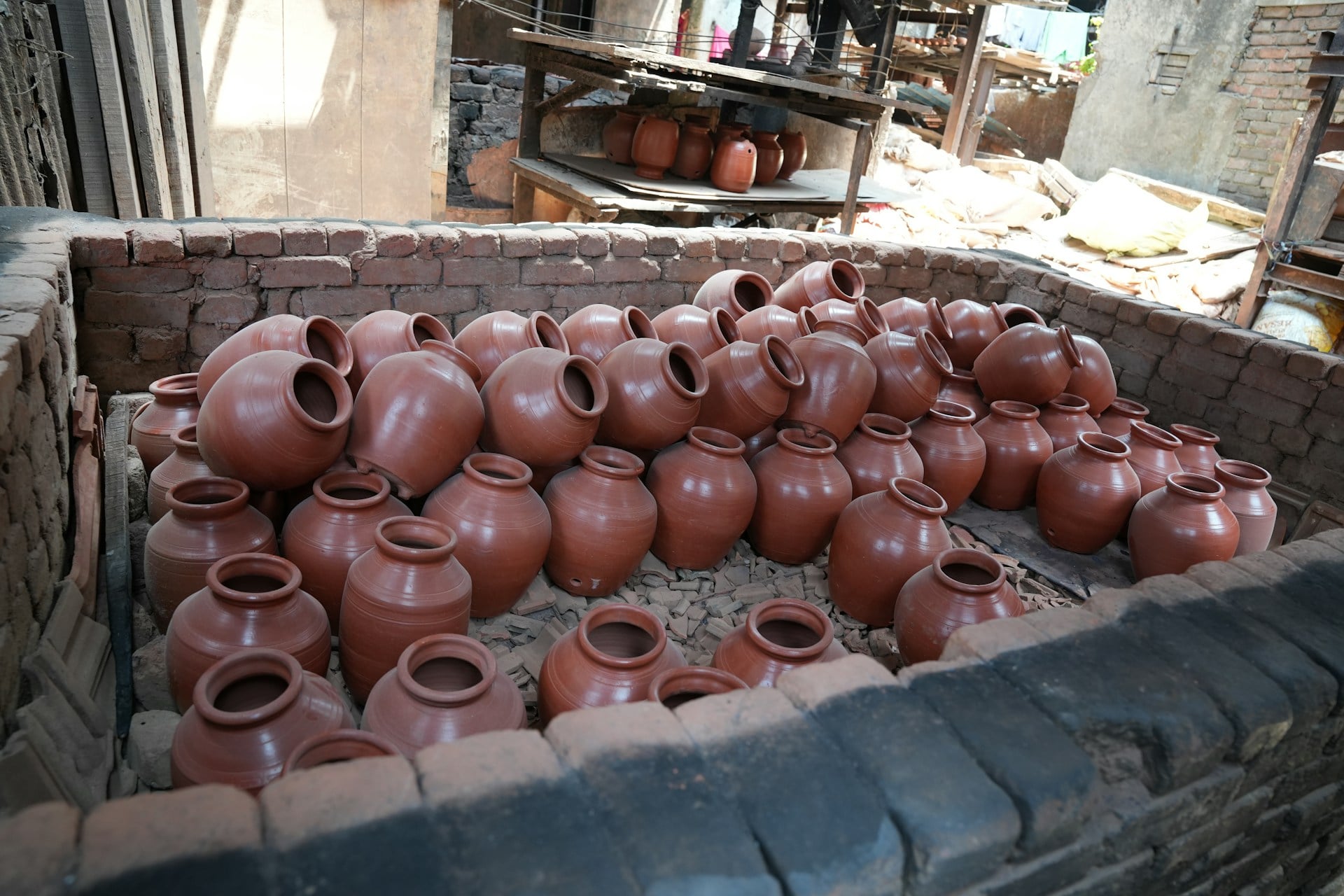
Potters toss common table salt into blazing-hot kilns using a specific firing method, which gives clay distinctive glazed finishes. Because of intense heat, the salt turns to gas, reacting with the pottery’s surface to form a bumpy, orange-rind look valued in classic ceramics.
During this stage, heavy smoke and vapors flood the workspace – breathing them in could be risky unless there’s good airflow. Once done, the pieces are totally food-safe, even though the salt changes completely from its starting crystal state.
Curing salt used in making cured meats

This bright pink salt has sodium nitrite blended into normal salt, tinted pink so folks don’t mix it up with everyday table salt. Because it’s meant for preserving meat, people who make sausages at home add just a pinch when preparing items like salami or prosciutto.
Nitrites inside stop dangerous bacteria from growing while also shaping how the food tastes and looks. Swallowing big doses or using way too much can lead to severe issues – measuring carefully matters, plus that bold hue acts as a visual heads-up.
Road salt alternatives

Some chemical mixes take the place of regular road salt where folks worry about nature, yet you wouldn’t want any of them in your pantry. Instead of eating it, calcium magnesium acetate helps clear sidewalks while being easier on metal and greenery than table salt.
In certain towns, beet liquid blended with salty water’s caught on – though it gets stinky once it warms up. These modern ice melters run pricier than basic granules, so plenty of road crews stick with what they’ve always used.
From Seasoning to Science

The little salt shaker? It’s just one small part of how salts are used today. You’ll find these mixtures in your bathroom, garage, even at big building spots – each made for a different purpose.
One kind that melts ice fast could ruin your meal or upset your stomach if you ate it. So when somebody talks about salt, keep in mind: science cooked up tons of types – the ones we eat are just a handful.
More from Go2Tutors!

- The Romanov Crown Jewels and Their Tragic Fate
- 13 Historical Mysteries That Science Still Can’t Solve
- Famous Hoaxes That Fooled the World for Years
- 15 Child Stars with Tragic Adult Lives
- 16 Famous Jewelry Pieces in History
Like Go2Tutors’s content? Follow us on MSN.