Scholastic Book Fair Items Every 90s Kid Wanted
That flyer found its way into your backpack, all bent at the edges yet glowing in a quiet way. Your school would soon host a Scholastic Book Fair, and everything else just faded out – math problems, lunchtime squabbles, every last detail dissolved.
The only thing real now? Stepping into what used to be the library or maybe the gym, clutching small bills from home, facing shelves brimming with books you couldn’t live without.
To children of the 90s, the book fair mattered less for reading material. Sure, books were there.
Yet more than that came sticky rubber erasers made to look like pizza slices, bold posters meant for bedroom walls, markers with scents, trinkets tucked into plastic packs. Walking inside felt oddly personal – like a shop appeared overnight built only for your eyes.
Deciding how to use those few dollars weighed heavy, almost unfair.
Goosebumps Books
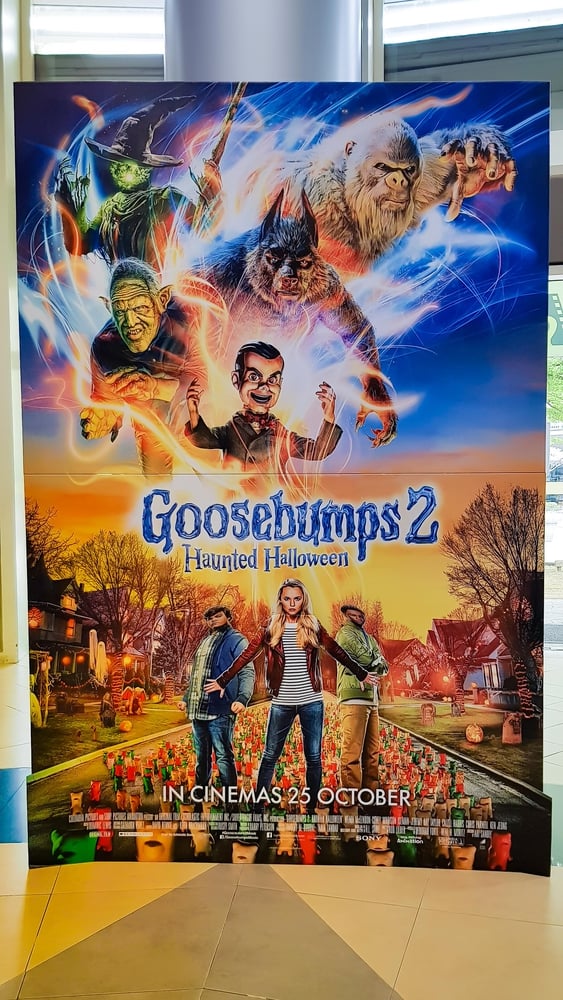
R.L. Stine’s Goosebumps series dominated the Scholastic tables. Those raised, bumpy covers practically begged you to touch them.
Every kid had opinions about which ones were actually scary and which ones were just weird. “Say Cheese and Die!” “The Haunted Mask.”
“Night of the Living Dummy.” You’d flip through the pages trying to gauge the terror level before committing your $3.50.
The back covers always featured that checklist of other titles in the series. Seeing which ones you’d already read felt like tracking progress in some kind of horror achievement system.
Those Smelly Gel Pens
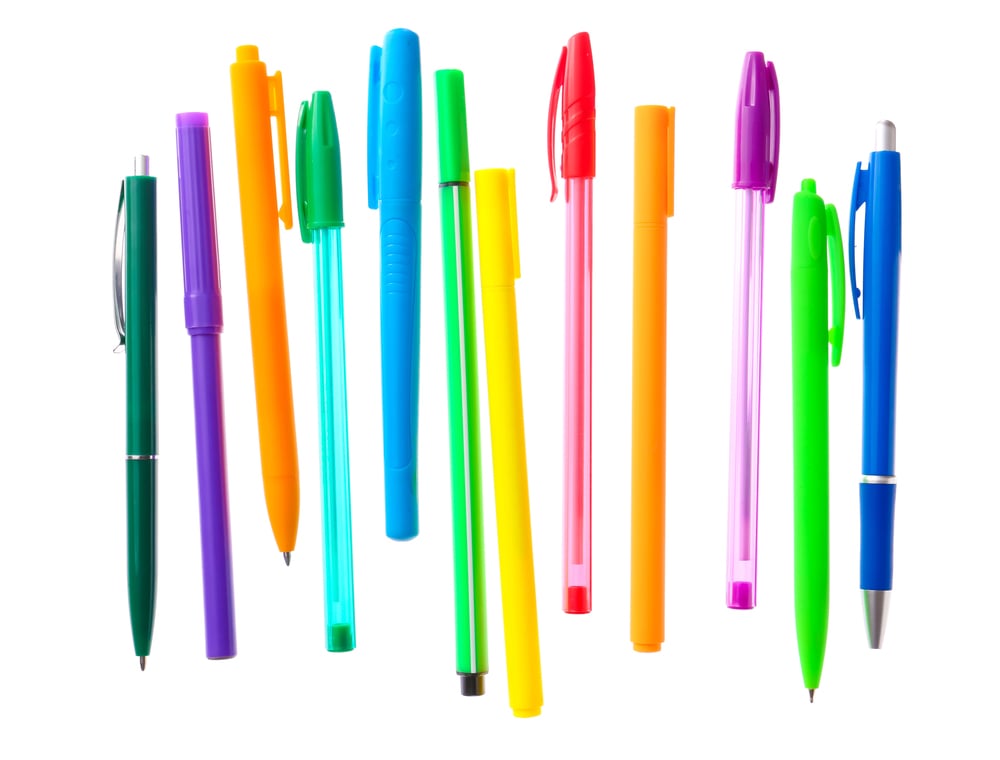
The gel pen display was always mobbed. Specifically, the scented ones.
Grape. Strawberry. Some unidentifiable tropical fruit that didn’t exist in nature.
They wrote terribly—globby and inconsistent—but that didn’t matter. You needed them for passing notes and decorating your binder.
The glitter gel pens cost more, and they were worth it. At least until they dried out three weeks later.
I Spy Books
Walter Wick and Jean Marzollo’s I Spy books were hefty, glossy, and felt expensive because they were. The photographs of cluttered scenes—filled with marbles, toys, buttons, random objects—could keep you occupied for hours.
Finding the hidden items felt like winning something.
These books had weight to them. Literal weight.
Carrying one home made you feel like you’d purchased something substantial.
Animorphs

The covers showed kids mid-transformation into animals, their faces half-human, half-creature. The concept alone sold thousands of copies.
You didn’t even need to read them to think they were cool. But once you started, you kept going.
The series had like 50 books, which meant there was always another one to grab at the next fair.
Scratch-and-Sniff Stickers

These lived near the register, designed to catch your attention while you waited in line. Sheets of stickers that smelled like pizza, popcorn, chocolate cake.
The scents never quite matched the pictures. The chocolate one smelled vaguely chemical.
Didn’t matter. You bought them anyway.
Then you’d scratch them so many times on the first day that they stopped smelling like anything.
Scholastic News Subscription Forms
Not exactly an “item,” but these little order forms felt important. Signing up for a magazine subscription meant mail would arrive addressed to you.
Just you. Not your parents.
Your own name on an envelope every month. That was a big deal when you were nine.
Captain Underpants
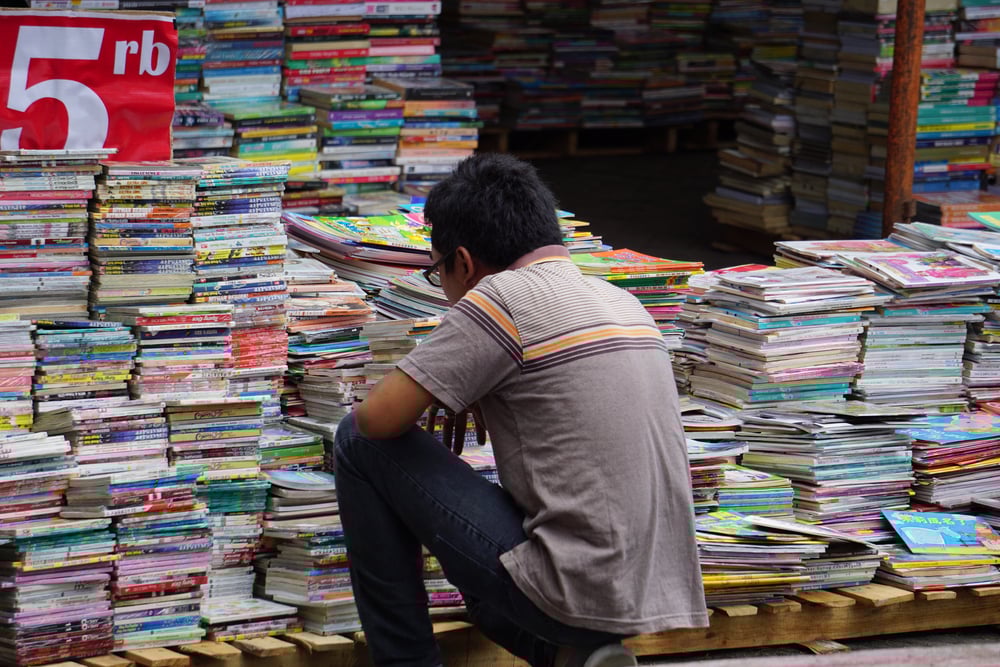
Dav Pilkey’s series about a superhero in his underwear was basically contraband. Teachers tolerated it because at least kids were reading.
Parents weren’t sure what to make of it. But the flip-o-rama pages—those little animations you made by flipping back and forth—that was pure genius.
The humor was juvenile. That was the point.
Bookmarks with Tassels

The fancy ones. Not the flat cardboard rectangles but the ones with beaded tassels hanging off them, or the ones made of ribbon with metal charms attached.
They cost more than the cheap bookmarks, and they were completely impractical for actual use. But they looked nice in your book until you inevitably lost them.
The Magic Tree House Series
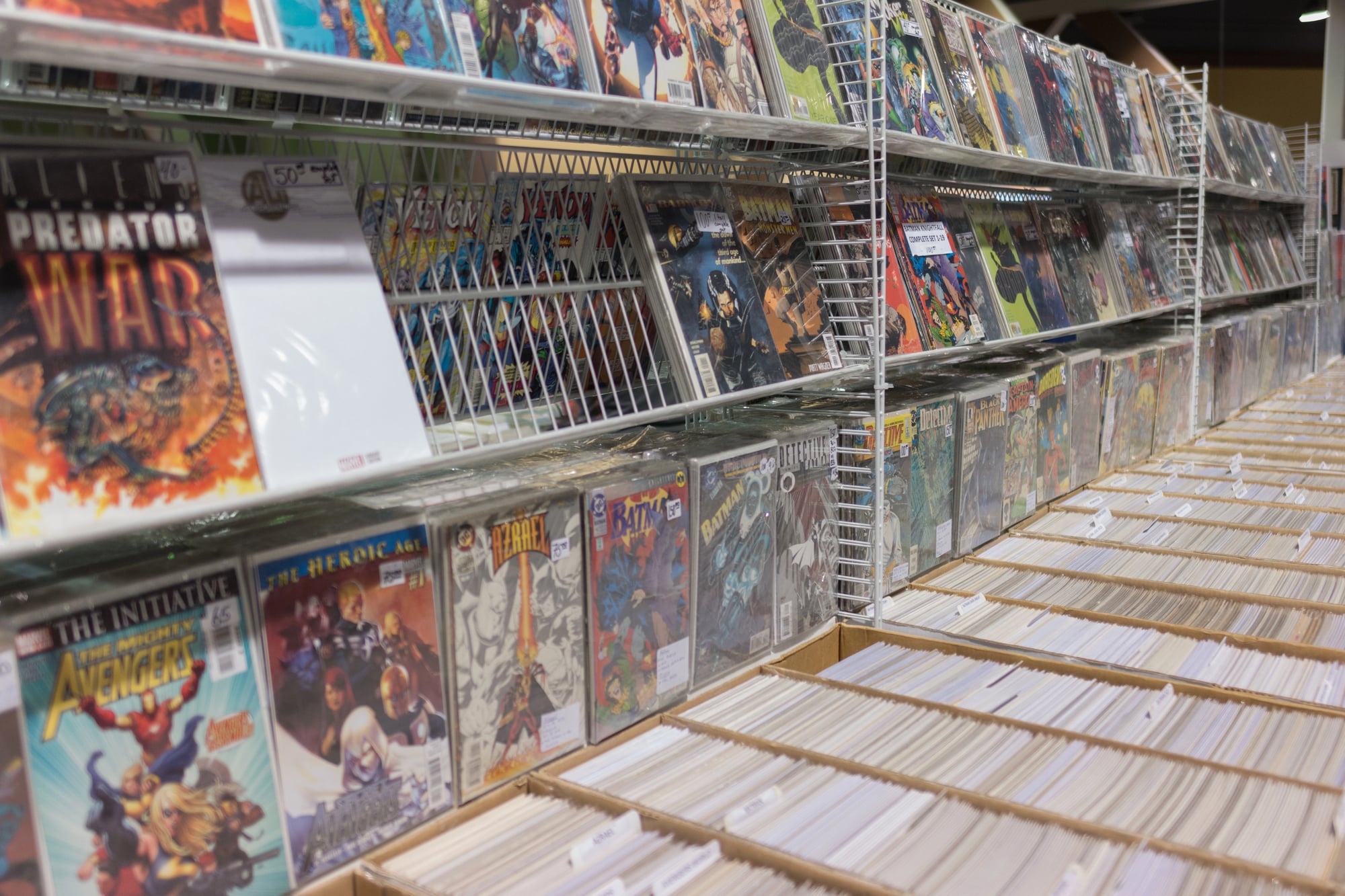
Mary Pope Osborne figured out how to make history interesting by adding time travel. Jack and Annie visited ancient Egypt, met dinosaurs, survived the Titanic.
The formula worked. Kids who “didn’t like history” would read these without complaint.
The books were short, which meant you could buy two for the price of one larger book. Good math for a book fair budget.
Erasers Shaped Like Anything But Erasers
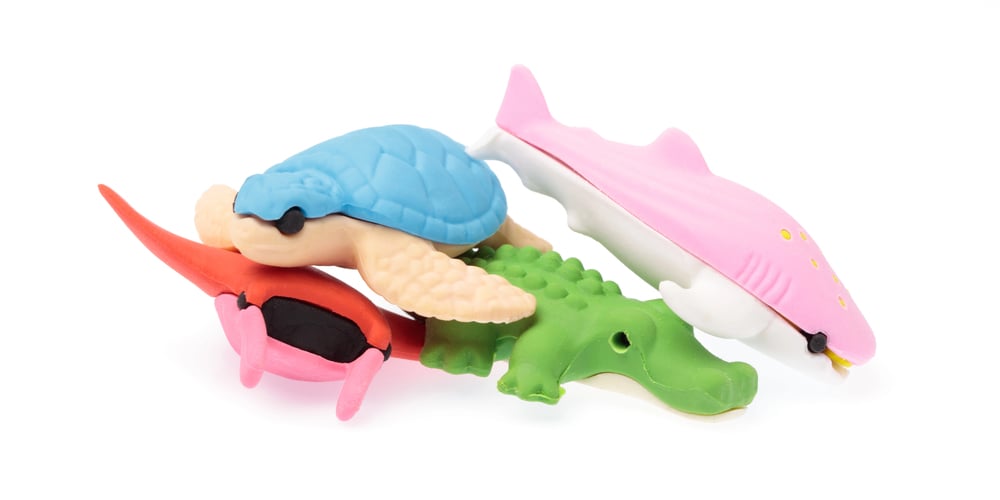
Erasers that looked like hot dogs. Erasers that looked like ice cream cones.
Erasers that looked like tiny animals. They didn’t erase anything well—they mostly just smeared graphite around—but collecting them mattered more than using them.
You’d line them up on your desk and feel rich.
Poster of a Kitten Hanging from a Branch

“Hang in There” or some variation. Every book fair had it.
Every kid considered buying it. The poster section in general was dangerous territory.
You’d find yourself wanting a poster of a dolphin jumping through a sunset for reasons you couldn’t explain.
Those Tiny Diaries with the Lock and Key
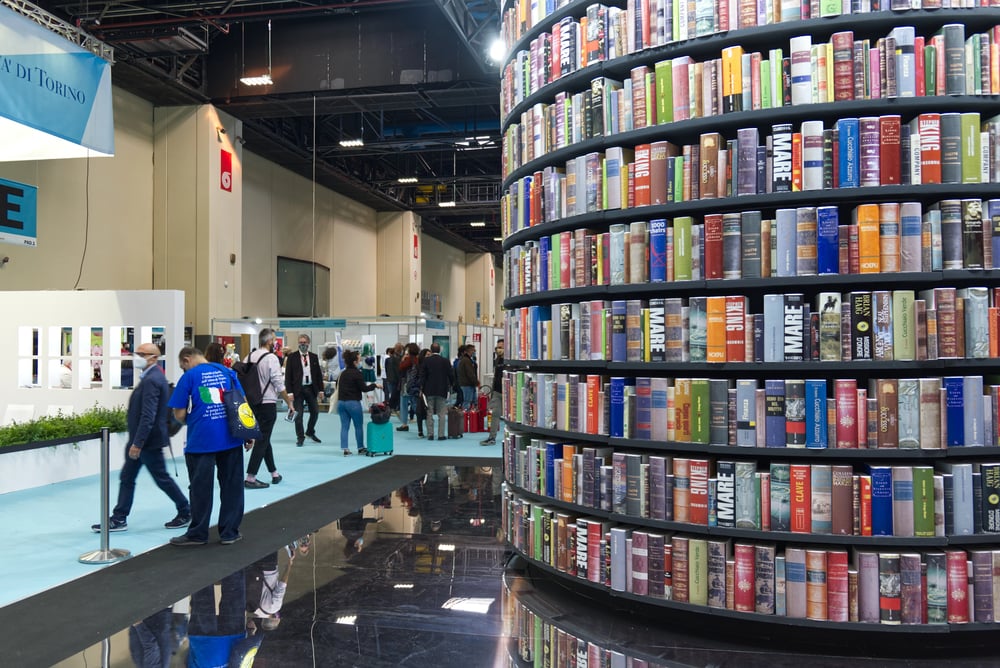
The lock didn’t actually keep anyone out. Any paperclip could open it.
But the illusion of privacy felt thrilling. You’d write three entries, realize you had nothing secret to say, and then the diary would end up in a drawer.
Still, at the book fair, it represented possibility.
The Guinness Book of World Records
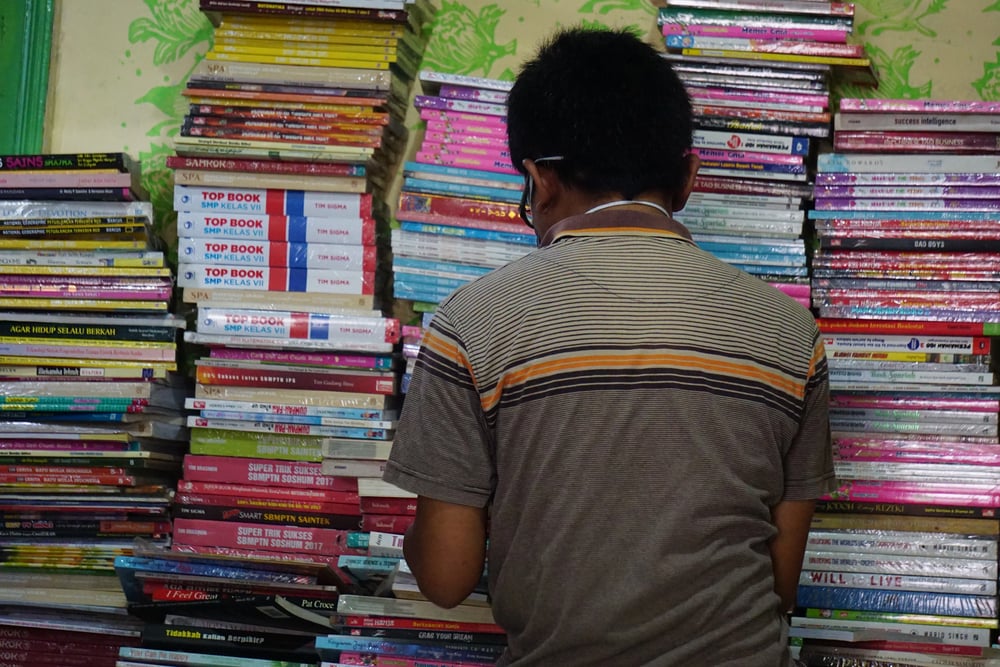
Heavy. Expensive.
Full of people doing bizarre things like growing their fingernails to horrifying lengths or eating entire bicycles. You’d sit on the library floor and flip through it, memorizing facts you’d never need but would definitely share at dinner.
“Did you know the tallest man ever was 8 feet 11 inches?”
The pictures were equally fascinating and unsettling.
Boxcar Children Mysteries
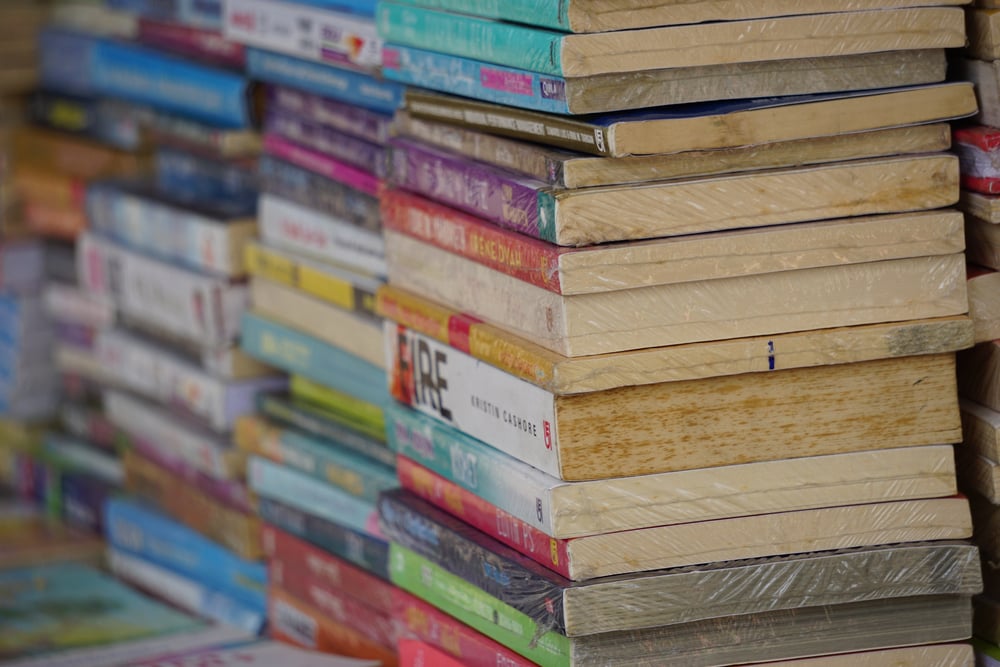
The original four Boxcar Children books featured orphans living in an abandoned boxcar, solving mysteries, and being resourceful. The series eventually expanded to include roughly a thousand more books, each with the same formula: kids encounter mystery, kids solve mystery.
It worked every time.
The Stuff You Never Actually Bought

Some items existed just to torture you. The fancy calculator that did way more than you needed.
The globe that lit up. The giant poster of the solar system with all the planet facts.
These things cost real money—double-digit money—and you knew better than to ask. But you looked at them.
You imagined owning them. Sometimes that was enough.
When the Fair Packed Up

What stood out most about the Scholomania event was its sudden exit. Without warning, the space shifted back – just shelves and silence where color once spun.
Where rows of paper towers had teemed, now only quiet floors remained. It folded up like a dream forgotten by morning.
Gone were the wire stands that twirled with covers. Absence filled corners that last week burst at seams.
Still, there was that single book you’d grabbed, those gel pens bound to stiffen before long, perhaps a sticker page worn thin from peeling at its edges. Little keepsakes from something fleeting.
In half a year, another fair would roll around, and pocket money would begin stacking once more, thoughts drifting toward the next pick.
More from Go2Tutors!

- The Romanov Crown Jewels and Their Tragic Fate
- 13 Historical Mysteries That Science Still Can’t Solve
- Famous Hoaxes That Fooled the World for Years
- 15 Child Stars with Tragic Adult Lives
- 16 Famous Jewelry Pieces in History
Like Go2Tutors’s content? Follow us on MSN.



