School Lunch Trades That Were Practically an Underground Economy in the Cafeteria
No economics professor ever taught a class as efficiently as the school cafeteria did in the 1980s and 1990s. Every day, a market assembled itself at tables of eight-year-olds who understood supply, demand, rarity, and relative value better than many adults with degrees in the subject.
The currency was food, the traders had twenty-five minutes, and the stakes — while objectively low — felt remarkably high to everyone involved. A Lunchable was not just a lunch. It was leverage.
What made the system work was the gap between what different kids were given by their parents and what they actually wanted. That gap was the engine of the whole operation.
The Lunchable
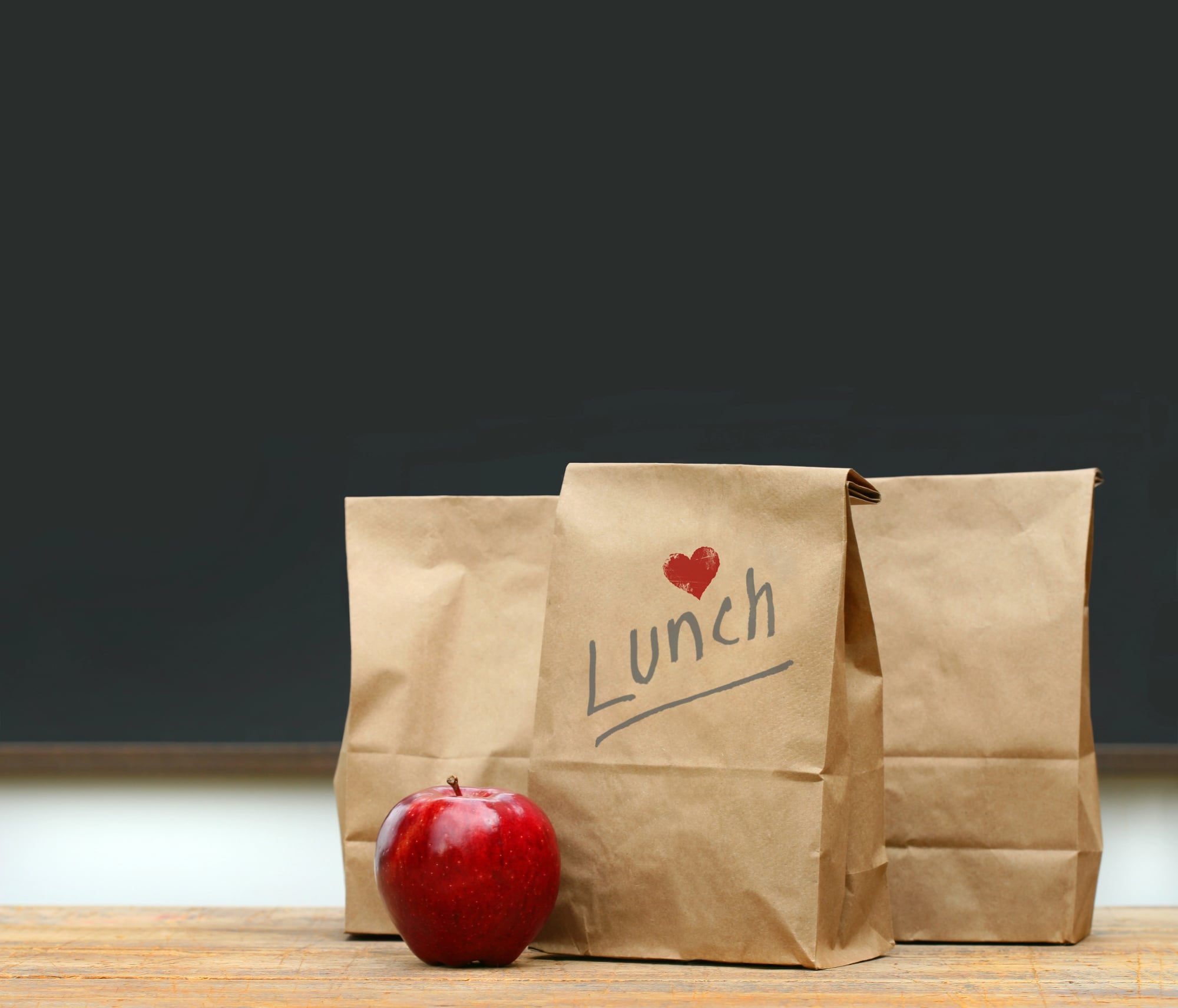
The Lunchable launched nationally in 1988 after Oscar Mayer test-marketed it in Wisconsin and Colorado, and it immediately rewired cafeteria economics. A yellow plastic tray containing crackers, cold cuts, and cheese — assembled by the child, which was apparently the point — sat at the top of the trading hierarchy for over a decade.
The version with a Capri Sun and a candy bar was worth enough to trade for almost anything else on the table. Kids who brought Lunchables regularly held a kind of quiet power that their parents, who bought them for convenience, had no idea they were conferring.
Gushers
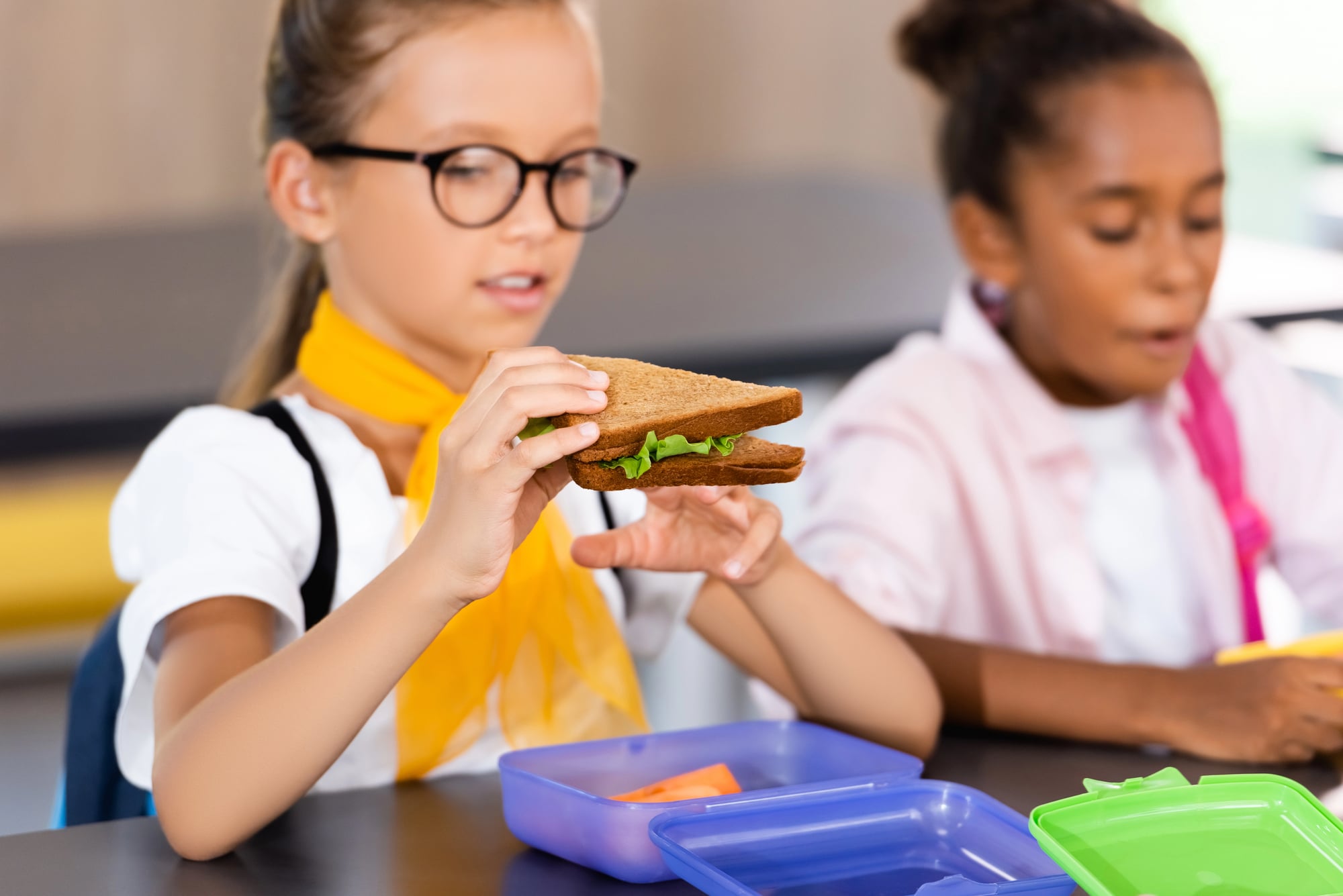
Gushers — General Mills fruit snacks with a liquid center that burst when bitten — occupied a specific prestige position in the 1990s lunch economy. The television commercials, which depicted children’s heads transforming into fruit upon eating them, were absurd in exactly the right way to resonate with the demographic.
Getting Gushers in your lunch bag meant you had something people wanted, and the trading leverage that produced was real. A package of Gushers could be exchanged upward — for something nominally more valuable — through skilled negotiation.
Fruit by the Foot

Three feet of fruit-flavored gel tape on a paper roll, with jokes printed on the backing. The length itself was part of the value proposition.
Kids who unrolled Fruit by the Foot in the cafeteria attracted attention on spectacle alone, and the length made it divisible — you could tear off a portion and still retain trading power in the remainder. It ranked slightly below Gushers in the official hierarchy, but it had a wider audience and more flexible deal structures.
Fruit Roll-Ups
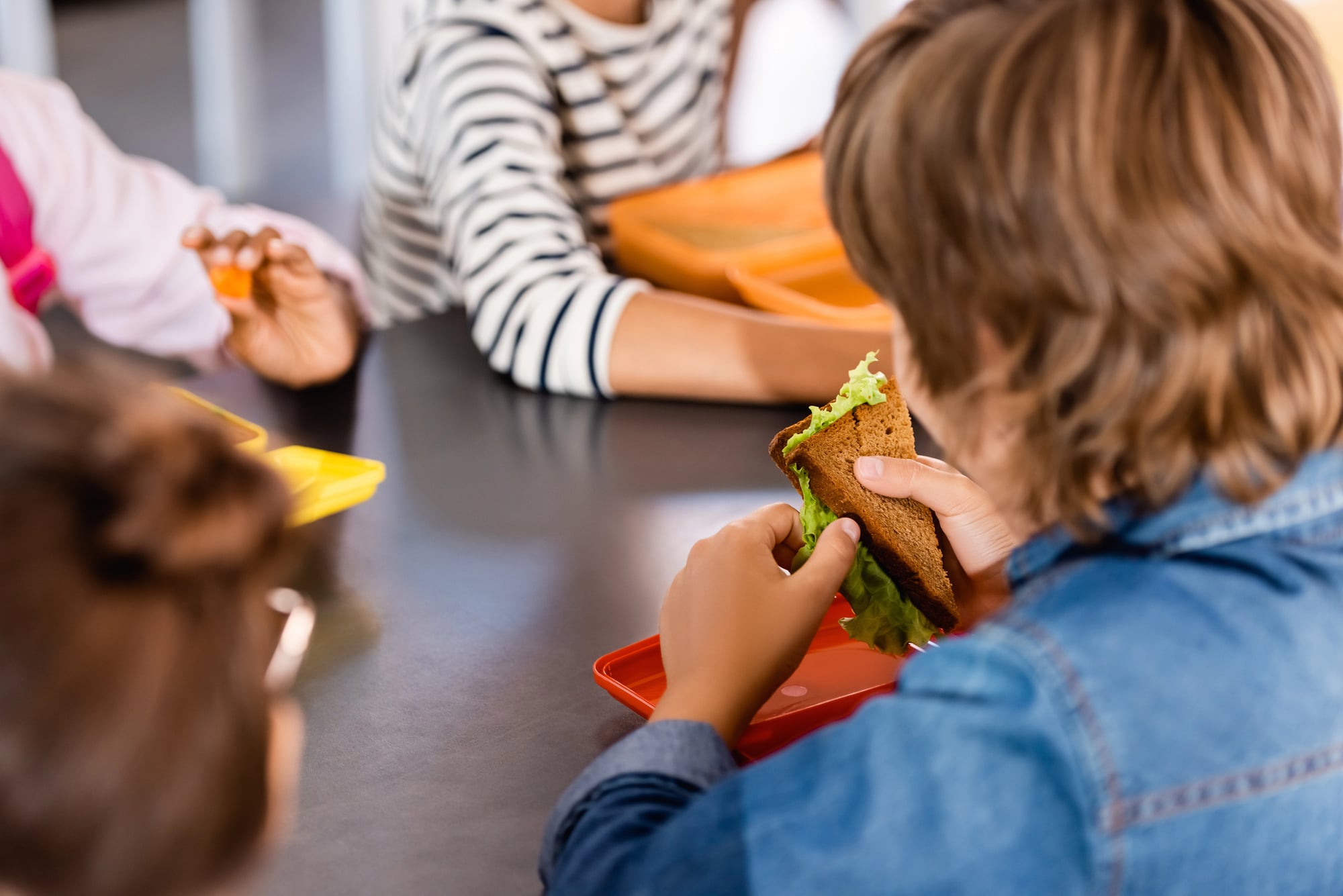
The original General Mills fruit snack, first sold in 1983 and a lunchbox staple by the middle of that decade. Fruit Roll-Ups were not quite as coveted as Gushers by the time the 1990s were in full swing, but they maintained solid trading value and were available in enough flavors to create their own micro-hierarchy.
The ones with novelty features — hidden tattoos, tongue depicters — were worth slightly more. Plain red was the standard unit of account.
Little Debbie Oatmeal Creme Pies

The Oatmeal Creme Pie was the most tradeable of the Little Debbie lineup, with a combination of size, sweetness, and visual appeal that made it immediately recognizable as something worth having. Little Debbie products circulated through cafeterias with remarkable velocity.
Households that bought them in bulk were sending their children into school with premium trading stock, typically without knowing it. The price per unit in the supermarket had no relationship to the price per unit at the lunch table.
Twinkies
The Twinkie’s value was cultural before it was culinary. Hostess had been selling Twinkies since 1930 and by the 1970s and 80s they carried the weight of decades of American lunch culture behind them.
A Twinkie in a lunch bag meant something — it meant your parents were participating in a tradition, knowingly or not. The trade value was high partly because Twinkies were sweet and partly because they were recognizable and partly because an eight-year-old is not entirely sure how something stays fresh without refrigeration, which gives it an air of almost mysterious confidence.
Capri Sun
The challenge of getting the straw into a Capri Sun pouch without spraying juice on your neighbor was a rite of passage. The pouch arrived from Germany in 1969 and entered the American market in 1979, and by the mid-1980s it was the definitive school lunch drink.
Its trading value was moderate on its own but elevated dramatically when packaged with a Lunchable. A standalone Capri Sun was a courtesy trade — something to add to a deal rather than lead with.
Hunt’s Snack Pack Pudding

The chocolate Snack Pack was the premium pudding currency of the 1970s cafeteria, reportedly capable of netting two Twinkies or a bag of chips in straight trade. Nostalgic accounts consistently describe the chocolate version as worth meaningfully more than vanilla.
The pudding cup required a spoon, which complicated trading logistics — you couldn’t pocket it for later — which may be why its value remained tied to immediate consumption and therefore immediate demand.
Dunkaroos
A kangaroo-shaped biscuit dipped in frosting. Dunkaroos launched in 1990 and immediately became one of the most sought-after trade items of the early 1990s.
The frosting was the variable — the amount of frosting in the little tub relative to the number of biscuits was always slightly insufficient, which meant Dunkaroos were consumed with a degree of rationing that gave the experience a particular intensity. Trading for Dunkaroos required offering something genuinely good in return.
Handi-Snacks

The red plastic stick used to spread processed cheese onto crackers was one of the most distinctive small objects of 1980s childhood. Handi-Snacks appeared in lunch boxes throughout the decade and provided a kind of construction-kit eating experience that felt interactive in a way that a sandwich did not.
The trading value was moderate — solid but not spectacular. The cheese-to-cracker ratio was considered imperfect by most users, but nobody had a better alternative.
Cosmic Brownies

Little Debbie’s dense, fudgy brownie covered in rainbow-colored candy dots entered wide distribution in the 1990s and immediately found a place in the cafeteria economy. The candy dots were decorative rather than structural, but they made the brownie visually distinctive in a way that suggested premium status.
The trading value was high. Kids who didn’t know they were Little Debbie products assumed they were more expensive than they were, which was entirely to the seller’s benefit.
PB&J on White Bread
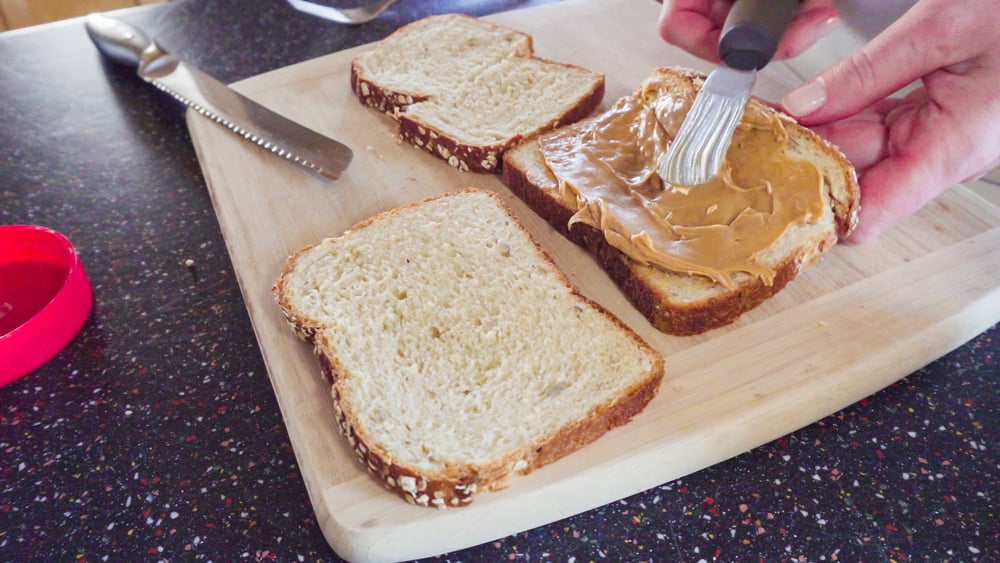
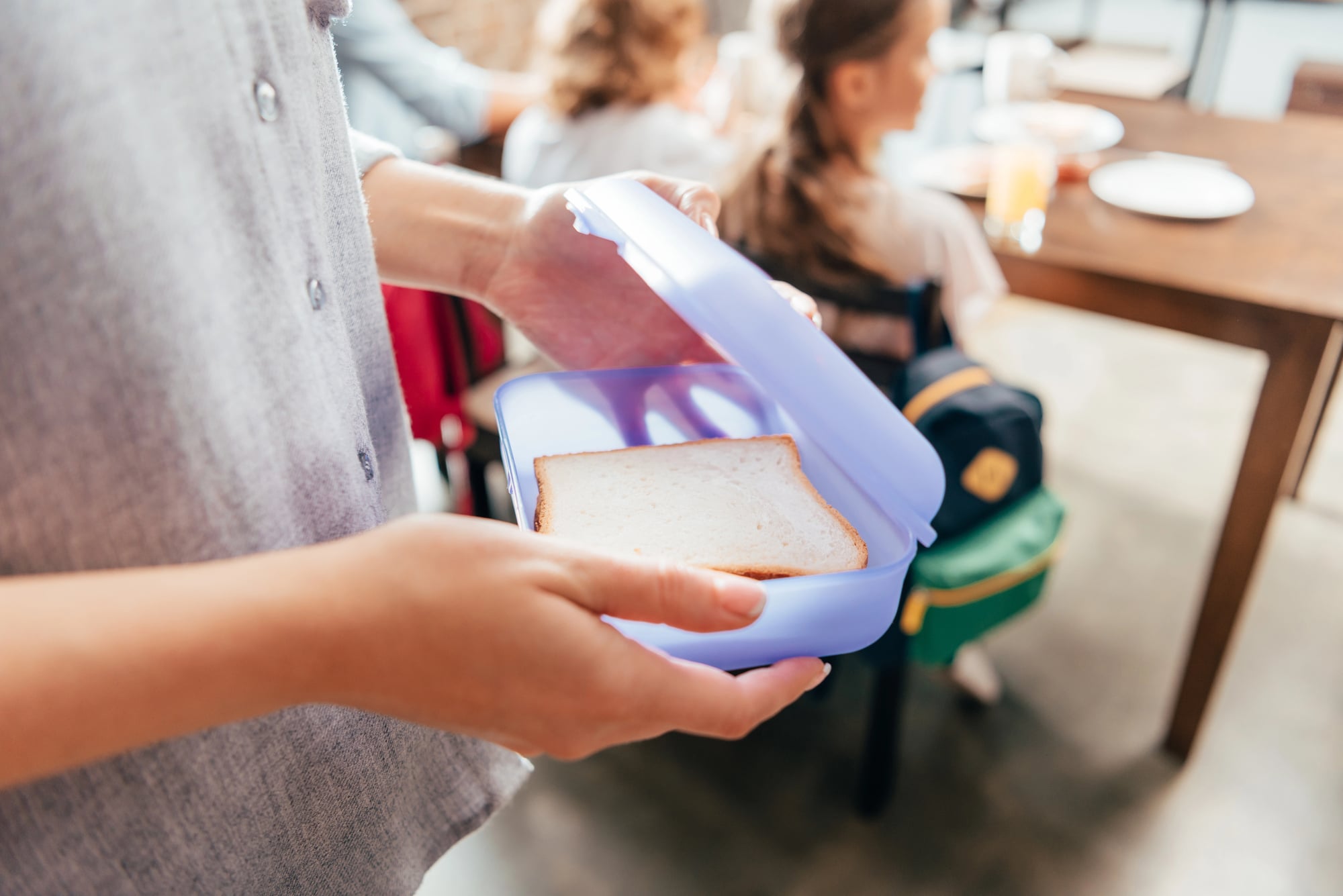
The home-packed sandwich had essentially no trade value. A peanut butter and jelly on white bread — which represented the most common school lunch in America for most of the twentieth century — was worth nothing in the cafeteria market because everyone had one, or had had one recently, or could produce the same thing at home at no additional cost.
The PB&J was the background noise of the lunch trade economy. It established the floor below which nothing could fall.
Rice Krispies Treats
The homemade version and the packaged version had different trade values, with the homemade version — particularly a large, well-made square sent from someone’s actual kitchen — worth notably more. The packaged Kellogg’s version released in 1995 expanded accessibility but slightly diluted the premium.
Getting a thick, slightly too-sweet homemade Rice Krispies treat in your lunch meant someone had made something specifically for you, which gave it sentimental value on top of caloric value.
The Cafeteria Rectangle Pizza

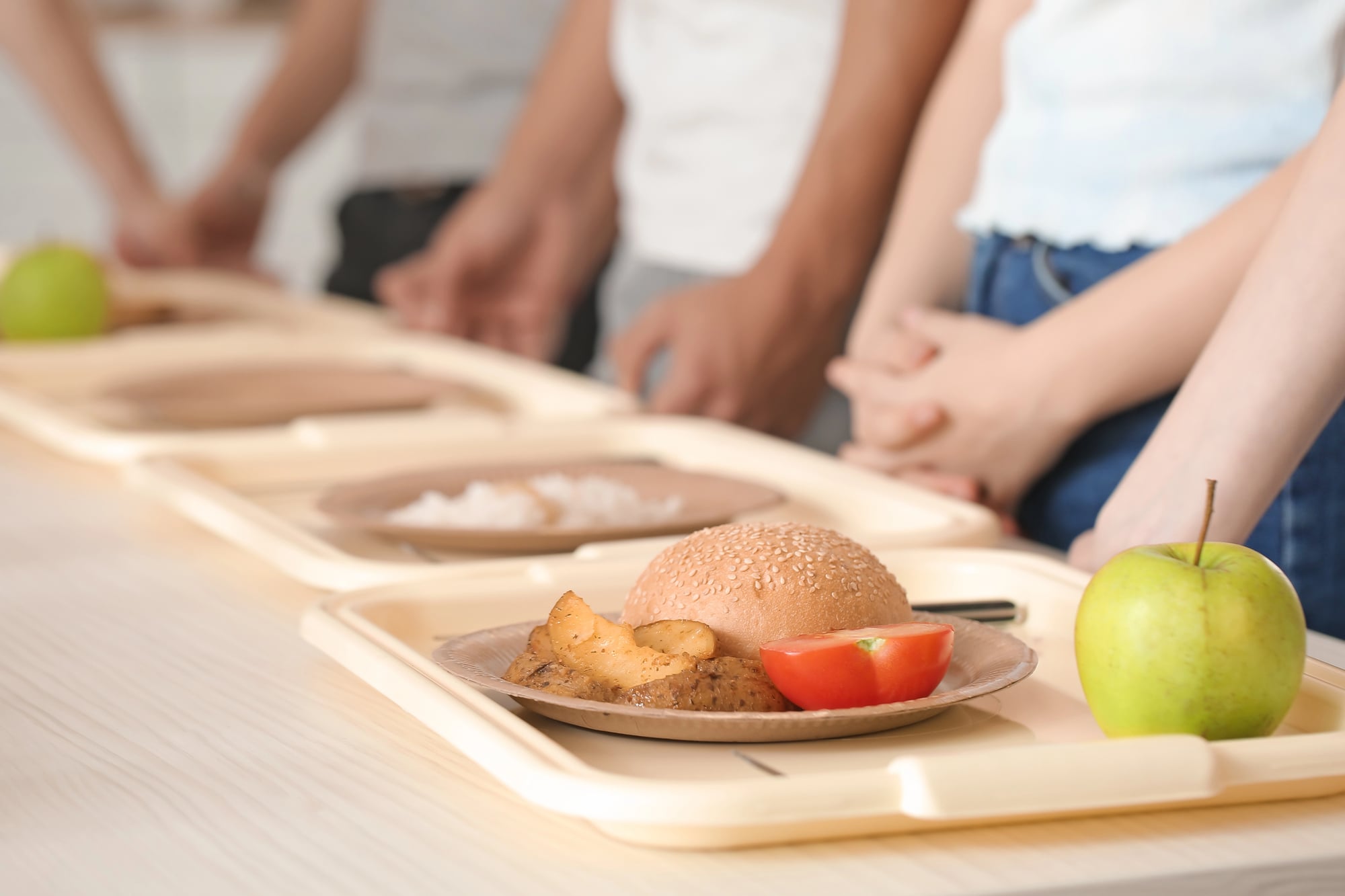
Served on Fridays at most schools that ran a hot lunch program. The rectangle pizza — with its specific dough, its low-moisture mozzarella, and its uniform size — achieved a cult status that no gourmet version has since managed to replicate.
Kids who bought the hot lunch had access to the rectangle pizza. Kids who brought packed lunches spent Friday negotiating for a slice. It was not a premium product by any adult standard. By cafeteria standards, it was extraordinary.
Cheetos (Puffs)

The Puff variety, not the crunchy. Cheetos Puffs were tradeable not because they were particularly rare but because they were universally desired, which created reliable demand that could be exploited by any child whose parent had included them.
The bright orange dust transferred to every surface touched, which was a drawback. The flavor was the compensating factor. A bag of Cheetos Puffs could reliably be exchanged for two or three lesser items from the people immediately nearby.
Chocolate Milk

The brown carton from the cafeteria, available alongside white milk for an equivalent price or included with the hot lunch. Chocolate milk as a trade item operated differently from solid foods because drinking it was the only option — you couldn’t pocket it, divide it, or save it for a strategic moment.
Its trade value was therefore highest in the first five minutes of lunch and decreased continuously thereafter. The correct move was to trade quickly or not at all.
Zebra Cakes

Little Debbie’s white oval cakes with chocolate drizzle and a cream filling occupied a prestigious position in the dessert tier. They looked more elaborate than most of the competition, which gave them a perceived premium that translated directly to cafeteria trading value.
The two-cake packaging provided flexibility — you could sell individual units or negotiate the pair as a bundle, depending on what the other party was offering.
Pepperoni Pizza Lunchables

The elevated tier above the original Lunchable. The pizza version, introduced in the early 1990s, required assembly — you spread the sauce on the tiny crust and arranged the mini pepperoni — which made the eating of it feel like an event rather than a transaction.
Witnessing someone at a nearby table assembling a Pizza Lunchable was sufficient to destabilize surrounding trade negotiations, because suddenly everyone’s current item felt less interesting.
Goldfish Crackers

A snack with wide trading utility rather than high trading value per unit. Goldfish crackers were shareable in a way that most other items were not — you could offer handfuls, calibrate portions in real time, and use them as sweeteners to close deals that weren’t quite there yet.
The standard orange variety was the baseline. Any flavored variety — pizza, parmesan — was worth modestly more. The serving size was infinitely divisible, which made Goldfish the small-denomination currency of the cafeteria economy.
String Cheese

Cheese, portable and individually wrapped, with a specific peeling interaction that gave it more engagement per unit than any other dairy product available. String cheese was tradeable because it was filling, satisfying, and physically interesting — the peeling was part of the experience, and watching someone eat it incorrectly (biting rather than pulling) was a form of mild social commentary among certain peer groups.
Its trade value was consistent and reliable.
Oreos

Standard double-stuf Oreos had higher value than regular Oreos, a fact everyone in the vicinity understood without discussion. The twist-and-lick technique was almost universal, though debated in terms of optimal execution.
Oreos were tradeable both as complete cookies and as separated components — the cream alone was its own sub-market that operated in parallel. A full sleeve could function as a bulk commodity. Individual cookies were retail.
Pringles

The cylindrical can was distinctive in an environment of flat bags and rectangular boxes. Pringles were a status snack in the 1980s and 90s partly because the can communicated something about the household it came from — this was not a generic crinkle-cut situation — and partly because the saddle-shaped crisp was genuinely different from what was available in standard chip bags.
Trading leverage was moderate but consistent.
Squeezable Yogurt (Go-Gurt)

Yoplait launched Go-Gurt in 1999, and the tube-format yogurt immediately found its way into school lunches as an accessible novelty. The novelty was the format — yogurt that you ate by squeezing a plastic tube directly into your mouth — which made it interesting to observe regardless of flavor preference.
Its trade value was initially high on the strength of novelty, then settled into a moderate equilibrium as it became familiar. Strawberry-banana was the most traded flavor.
Fruit Snacks (Generic)

Not Gushers. The generic fruit snack — a small bag of chewy shapes in fruit-adjacent flavors, sold under any supermarket’s store brand — had essentially no trade value.
Kids who received generic fruit snacks instead of Gushers understood the difference and understood that the cafeteria also understood the difference. The correct strategy with generic fruit snacks was to eat them privately and not initiate conversations about them.
Sun-Maid Raisins

The miniature red box of raisins appeared in lunch bags across America for decades, sent by parents who considered it fruit. At the lunch table, raisins were the item that prompted the most honest displays of disappointment in the cafeteria economy.
Their trade value was negative: receiving raisins as a counter-offer to a trade you’d proposed was an implicit comment on the quality of what you were offering. They were eaten, eventually, but rarely enthusiastically.
Homemade Burritos
In cafeterias with a meaningful percentage of children whose families cooked from scratch, homemade burritos occupied an unexpected premium position. Anecdotal accounts consistently describe the pattern: a child with a Lunchable trading it for a homemade burrito because the Lunchable was available at home, while the other child traded their burrito because a Lunchable was aspirational.
Both parties felt they’d gotten the better deal. This was the cafeteria economy at its most functional.
Chips Ahoy Cookies

The hard-baked chocolate chip cookie in the blue tray — packaged in sets of three or four within the larger bag — was a reliable mid-tier trade item. Not glamorous, not rare, but universally acceptable and known to everyone.
Trading three Chips Ahoy for something equivalent was a neutral transaction, neither party walking away feeling they’d won or lost. These were the stable coins of the cafeteria system.
Pudding Cups (Jell-O Brand)
Separate from the Snack Pack in branding but operating in the same category, the Jell-O pudding cup was a cold-lunch item that required no additional accessories and delivered immediate satisfaction. The trade value was consistent across flavors, unlike the Snack Pack where chocolate dominated.
The tapioca variant produced genuine disagreement about its value — a split market where strong opinions existed on both sides.
The Note From Mom

Not food. Not tradeable. But its presence in a lunch box occasionally disrupted the trade logic entirely, because a child who opened their lunch and found a handwritten note folded under the apple went quiet for a moment before the rest of the table noticed.
Some kids were embarrassed. Others were just reading it. The note’s value was entirely outside the lunch economy, which is why it belongs on this list — it was the thing that reminded everyone, briefly, that the lunch hadn’t been assembled by a market.
What the Cafeteria Economy Actually Was

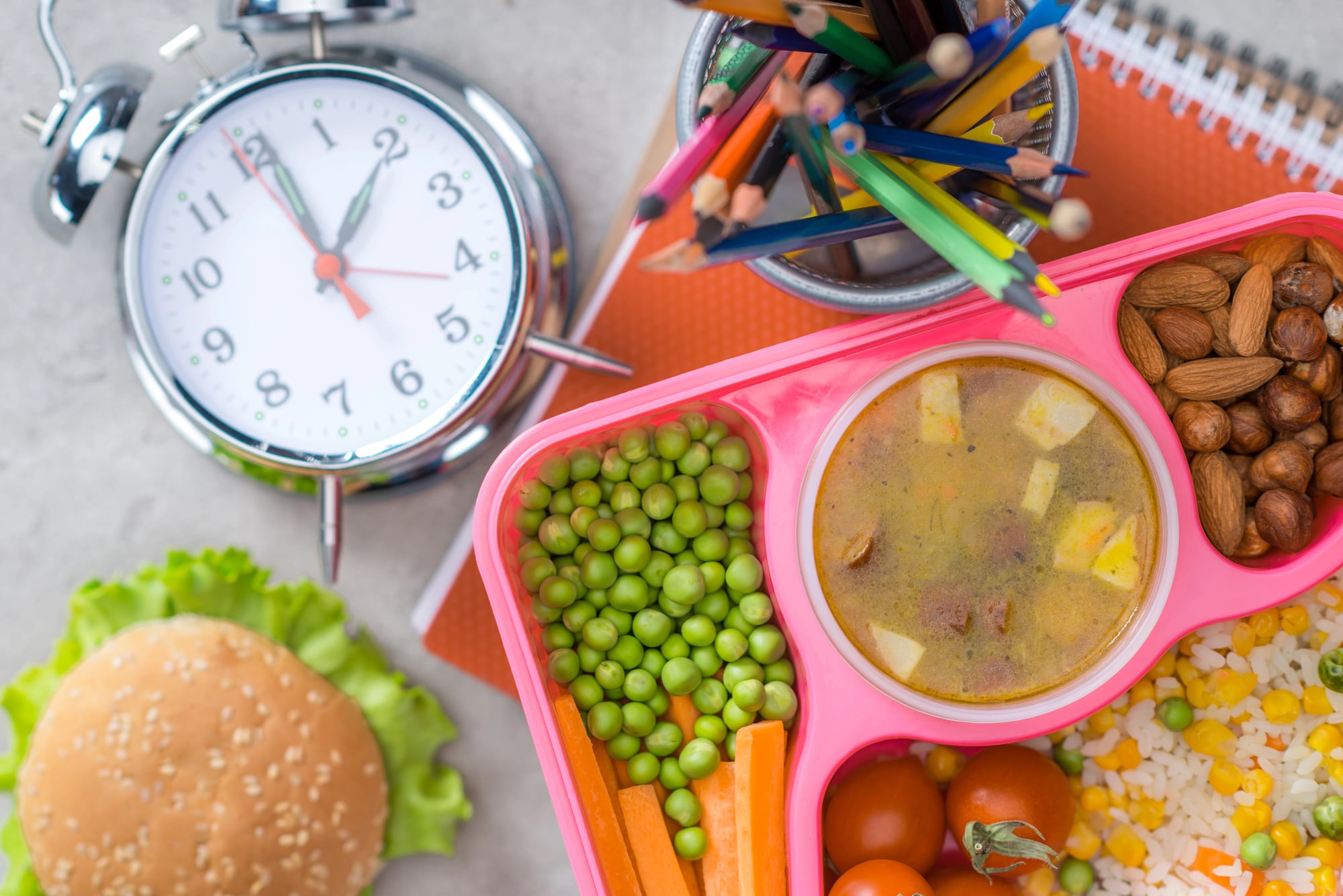
The school lunch trade was the first market many children ever participated in, and it worked because the rules were clear and the goods were real. You knew what you had, you knew what you wanted, and you had twenty-five minutes to close the gap between those two positions.
The skills involved — reading what someone else valued, understanding leverage, making offers, accepting counteroffers, knowing when to walk away — were the same skills that operate in any market at any scale. They were just learned over chocolate milk and slightly damp crackers, which made them considerably more fun to acquire.
More from Go2Tutors!

- The Romanov Crown Jewels and Their Tragic Fate
- 13 Historical Mysteries That Science Still Can’t Solve
- Famous Hoaxes That Fooled the World for Years
- 15 Child Stars with Tragic Adult Lives
- 16 Famous Jewelry Pieces in History
Like Go2Tutors’s content? Follow us on MSN.