Signals Animals Use to Navigate
Animals don’t have GPS devices or road maps, but they still manage to find their way across thousands of miles with stunning accuracy. They rely on natural signals that humans are only beginning to understand.
From sea turtles crossing entire oceans to birds flying through the night sky, creatures have developed incredible ways to know exactly where they’re going. Let’s look at the fascinating methods animals use to find their way around the world.
The Earth’s magnetic field
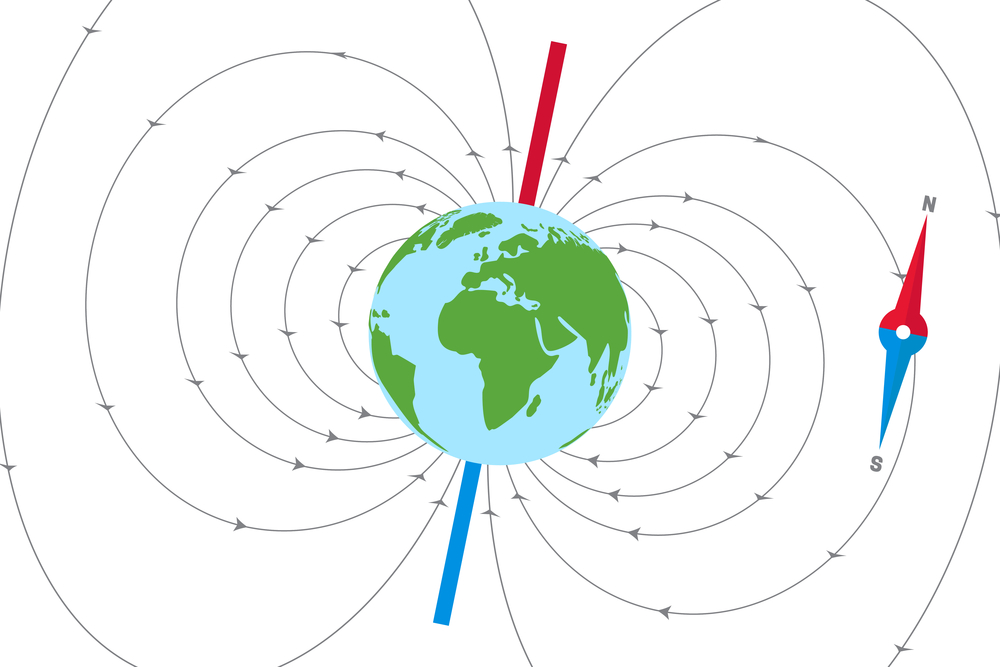
Many animals can sense the planet’s magnetic field, which works like an invisible compass surrounding the entire Earth. Sea turtles use this ability from the moment they hatch, scrambling toward the ocean and then swimming for years before returning to the exact beach where they were born.
Scientists discovered that loggerhead turtles can detect both the strength and angle of magnetic fields, creating a mental map more detailed than anything humans could memorize. This magnetic sense helps them navigate across thousands of miles of featureless ocean.
Birds, butterflies, and even some fish share this ability, though researchers still don’t fully understand the biological mechanisms that make it possible.
The position of the sun

The sun serves as a reliable navigation tool for creatures that travel during daylight hours. Bees use the sun’s position to communicate directions to other bees in their hive through their famous waggle dance.
Desert ants in the Sahara can walk in perfectly straight lines back to their nests after wandering long distances in search of food, constantly tracking the sun’s movement across the sky. Migratory birds also rely on the sun, adjusting their internal calculations as it moves throughout the day.
Even when clouds partially block the sun, many animals can detect polarized light patterns in the sky that reveal where the sun is hiding.
Star patterns at night
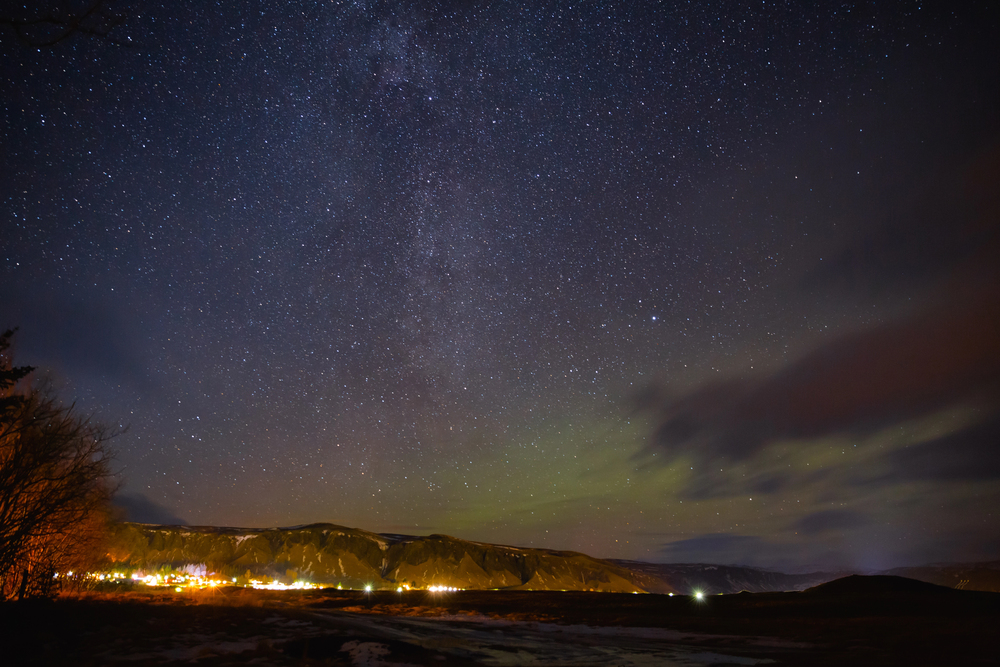
Nocturnal migrators look up instead of around when darkness falls. Indigo buntings, small blue songbirds, learn the pattern of stars rotating around the North Star when they’re young and use that knowledge for their entire lives.
Experiments with planetariums showed that these birds got confused when scientists changed the star patterns, proving they really do navigate by the night sky. Dung beetles, surprisingly, can also use the Milky Way as a guide when rolling their precious dung orbs across the African savanna.
Seals have been observed using stars during their long ocean journeys, though they combine this method with other navigation techniques.
Polarized light detection

Light waves from the sun vibrate in all directions, but when sunlight passes through the atmosphere, it becomes polarized in specific patterns. Insects like honeybees and ants can see these patterns, which humans cannot perceive without special equipment.
This ability works even on cloudy days when the sun itself isn’t visible. The pattern of polarized light creates a kind of compass in the sky that always points in consistent directions.
Some birds and fish also use polarized light, giving them multiple backup systems for finding their way.
Smell and scent trails
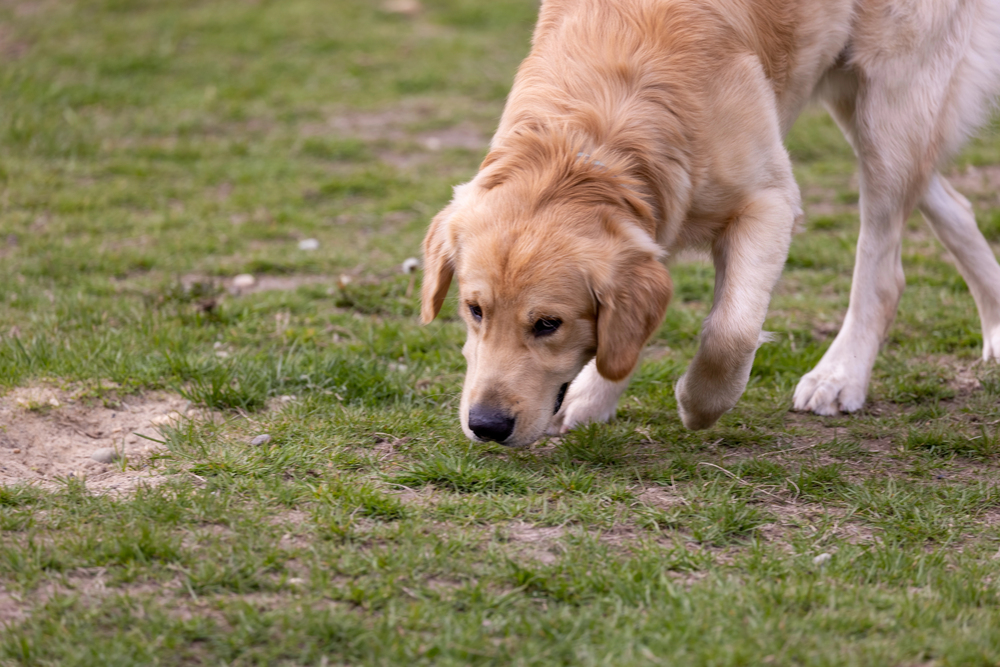
Salmon returning to spawn can smell the unique chemical signature of the stream where they were born, even after years in the ocean. Their sense of smell is so powerful that they can detect their home stream’s scent at concentrations of less than one part per billion.
Pigeons use smell to create mental maps of their surroundings, particularly when they’re young and learning about their territory. Sea turtles also rely partly on smell when returning to nesting beaches.
Sharks can follow scent trails in water across surprisingly long distances, though they combine this with other senses for the most effective navigation.
Infrasound detection
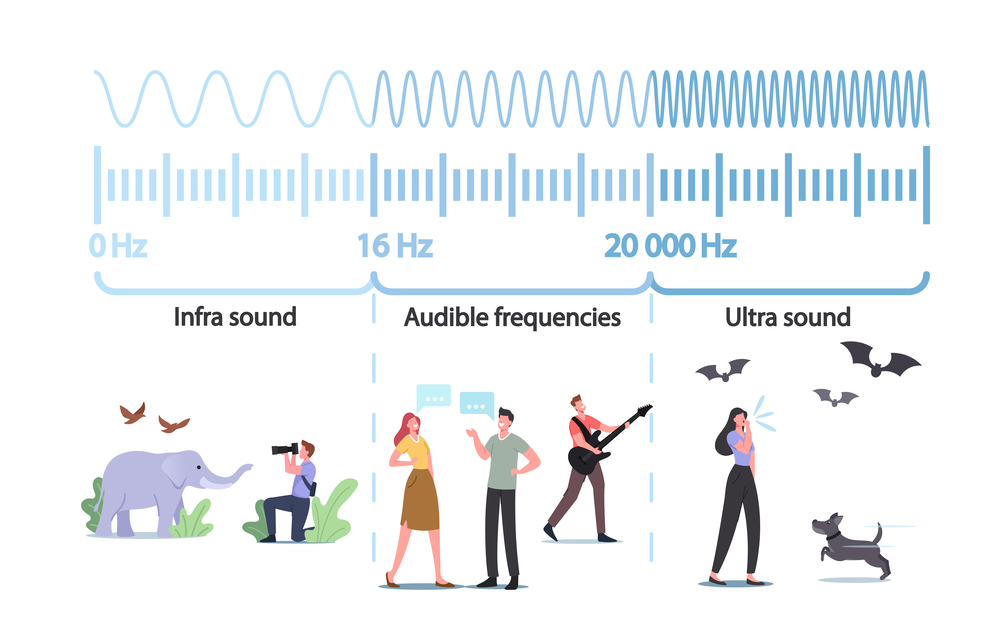
Elephants, whales, and pigeons can hear sounds at frequencies far below what human ears can detect. These infrasound waves travel enormous distances without losing strength, bouncing off mountains, ocean waves, and weather systems.
Pigeons may use these sounds to create a sonic map of their environment, identifying familiar landmarks by their acoustic signatures. Elephants can hear thunderstorms from over one hundred miles away and might use these distant rumbles to find water during dry seasons.
Some researchers believe homing pigeons listen to ocean waves, highways, and other constant sound sources to orient themselves.
Visual landmarks
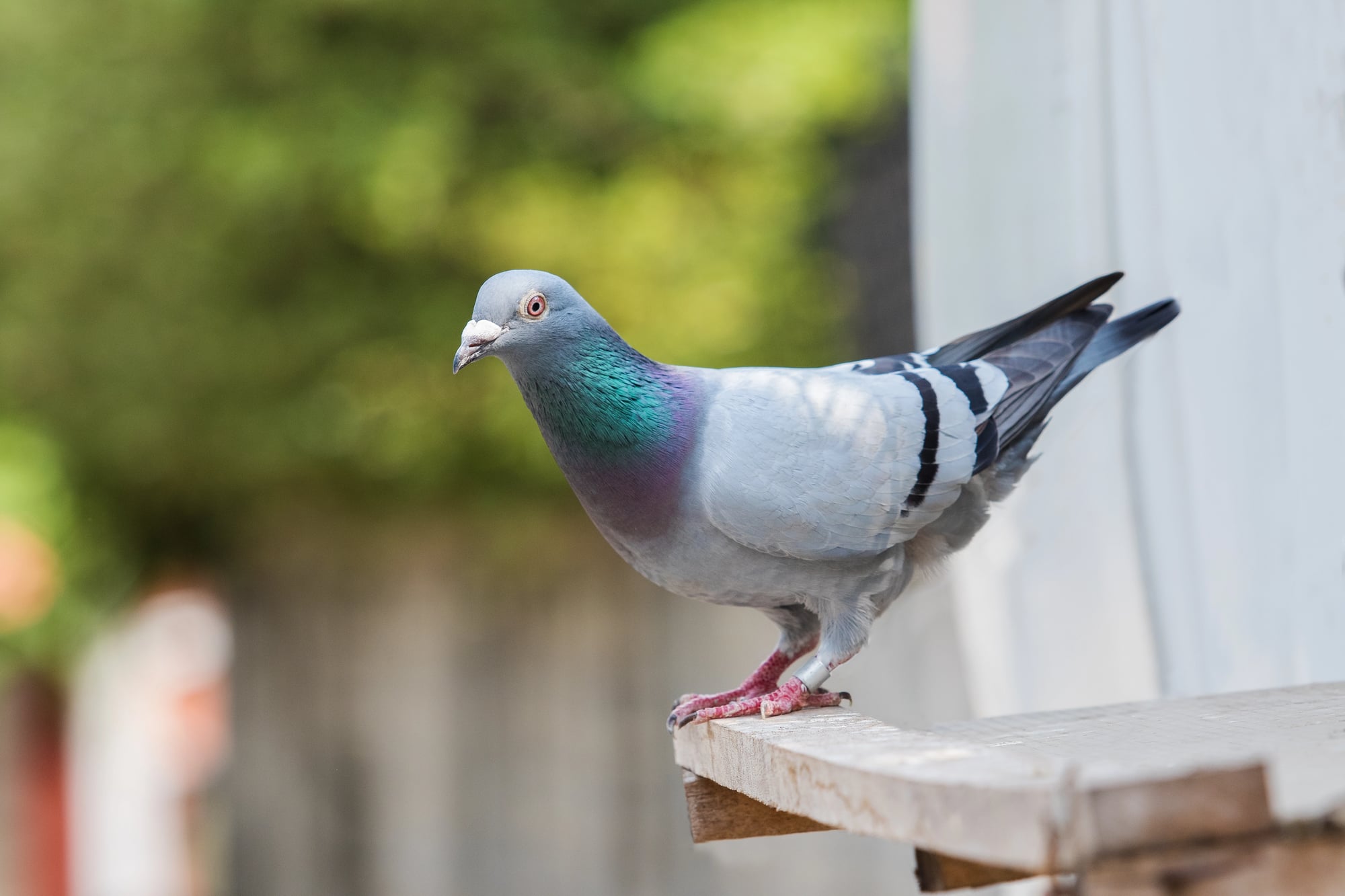
Animals with good eyesight remember specific features of the landscape just like humans do. Wasps returning to their nests memorize the pattern of rocks, plants, and shadows around the entrance.
If researchers move these landmarks, the wasps search in the wrong spot until they readjust. Pigeons can recognize specific buildings, roads, and landscape features, creating detailed mental maps of areas they’ve flown over before.
Homing pigeons perform better on sunny days partly because visibility helps them spot familiar landmarks. Even fish in coral reefs use visual cues to navigate between feeding areas and their home territories.
Water currents and temperature
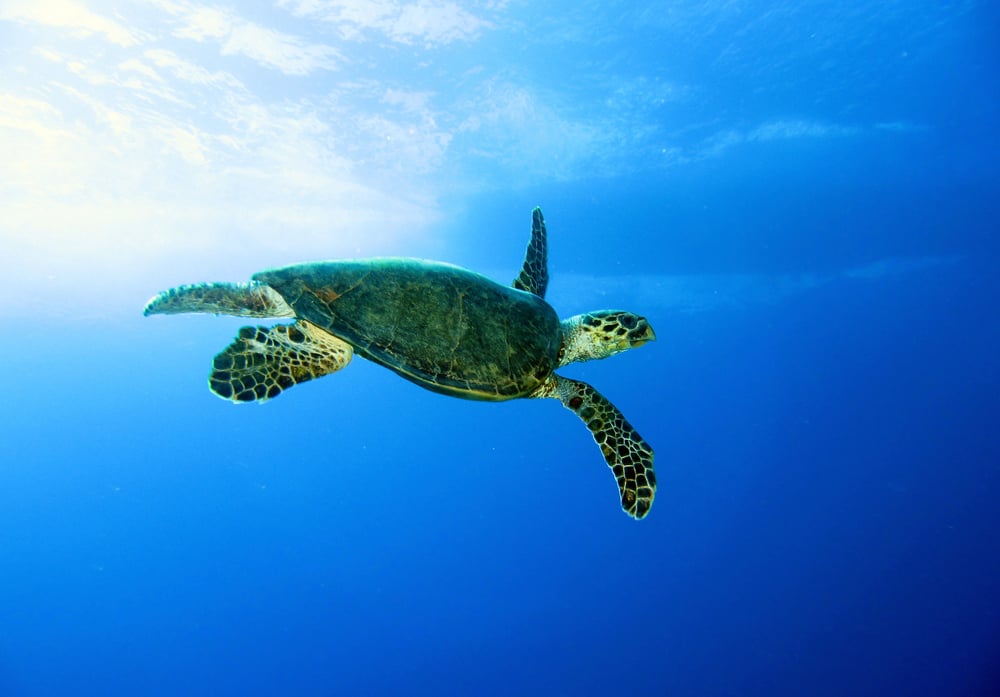
Ocean animals pick up on subtle changes in water movement and temperature that guide them along established routes. Sea turtles ride ocean currents like underwater highways, hitching rides on flows that carry them toward their destinations.
Young eels born in the Sargasso Sea drift with currents across the Atlantic to reach European rivers, then somehow find their way back decades later to spawn. Salmon can sense changes in water temperature that tell them which river branches to follow upstream.
Whales may use ocean currents combined with temperature gradients to navigate during their long migrations between feeding and breeding grounds.
Internal biological clocks
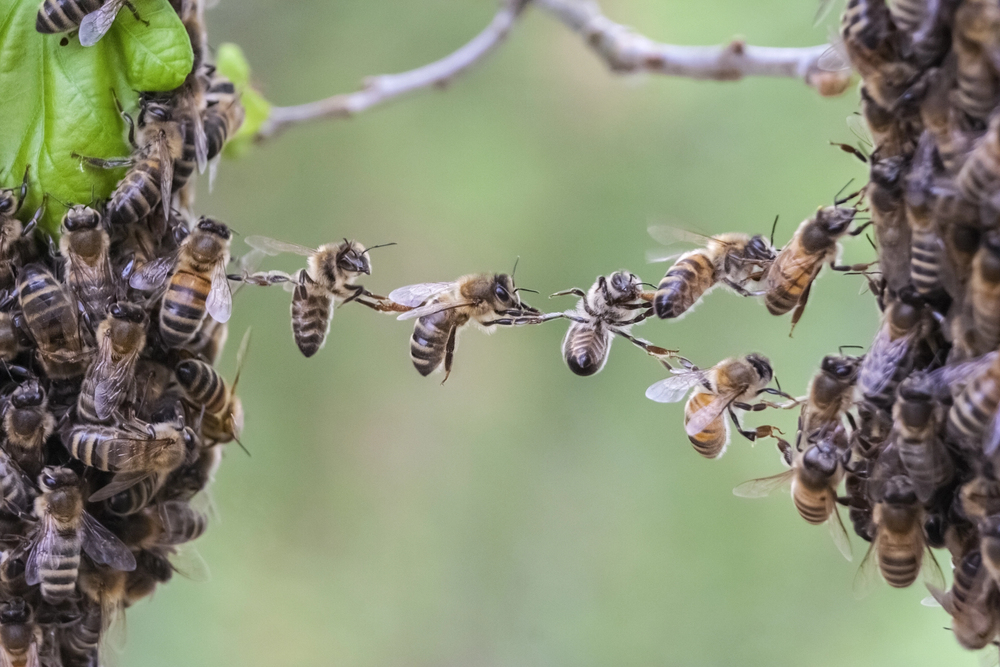
Animals carry remarkably accurate internal timekeepers that help them compensate for the sun’s movement across the sky. Bees adjust their sun compass throughout the day because they know what time it is without checking any clock.
Migratory birds have circadian and circannual rhythms that tell them not just the time of day but also the season. Experiments have shown that disrupting these internal clocks confuses animals during navigation attempts.
Garden warblers kept in artificial light conditions will change their preferred flying direction at the wrong time of year, proving their internal calendar directly affects navigation decisions.
Wind patterns and air pressure
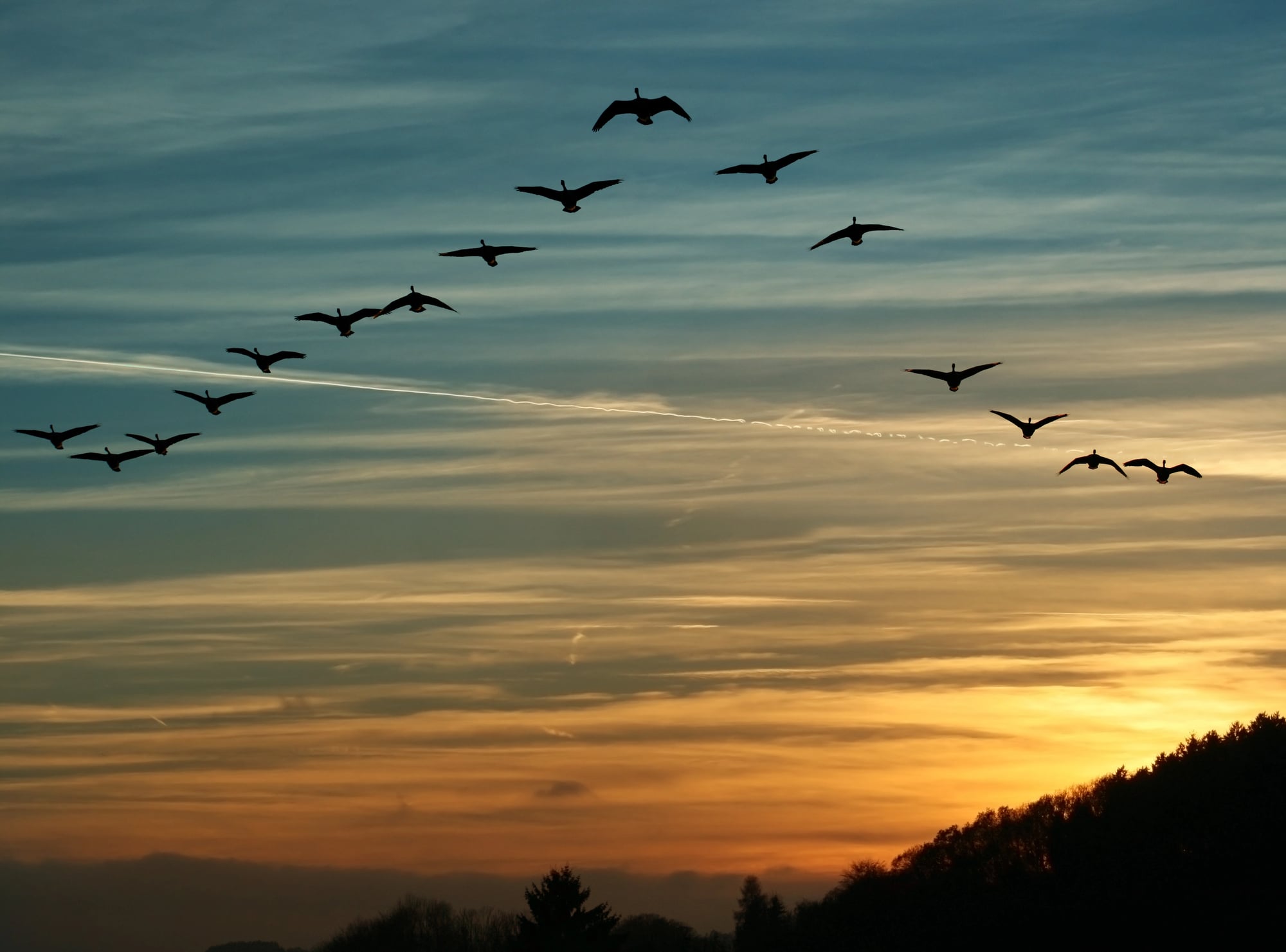
Birds flying at high altitudes can detect changes in air pressure and wind direction that help guide their journeys. Geese and other migrating birds often wait for favorable winds before starting long flights.
Bar-headed geese fly over the Himalayas at elevations where the air is thin, using wind patterns and updrafts to make this seemingly impossible journey. Albatrosses are masters at reading wind, using air currents above ocean waves to fly thousands of miles without flapping their wings.
Changes in barometric pressure signal approaching weather systems, helping birds avoid storms or take advantage of tailwinds.
Echolocation signals
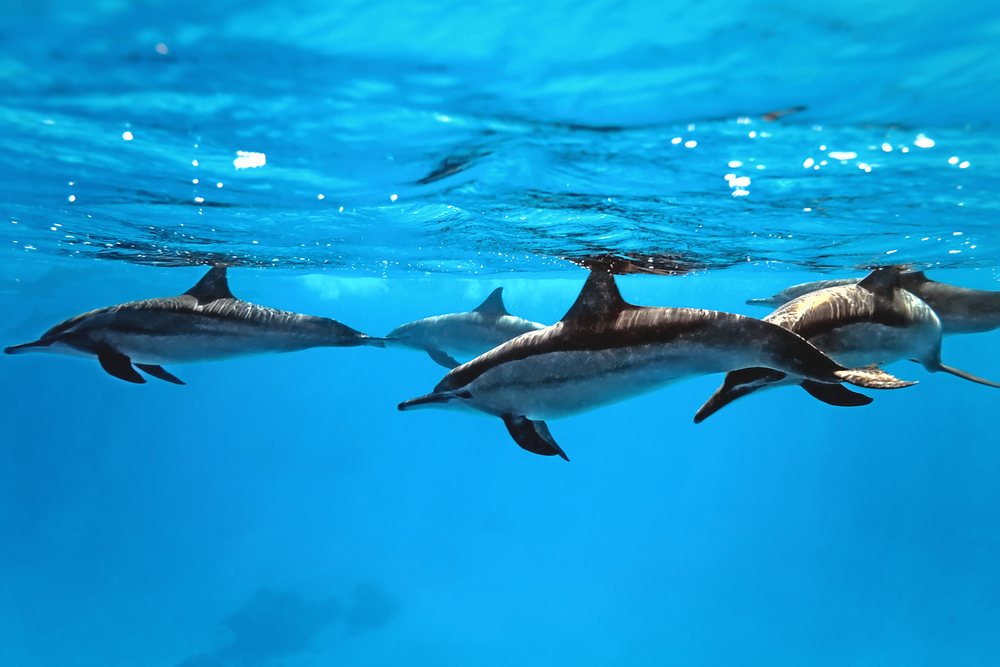
Bats and dolphins create detailed mental pictures of their surroundings by bouncing sound waves off objects. While this helps them find food and avoid obstacles, it also serves as a navigation tool in total darkness or murky water.
Bats can remember the echo signatures of specific locations, recognizing familiar roosting caves or feeding areas from the sound patterns. Dolphins navigate through river systems and coastal areas using echolocation to identify underwater features.
Some bat species combine echolocation with other navigation methods for long-distance migrations.
Wave and swell patterns
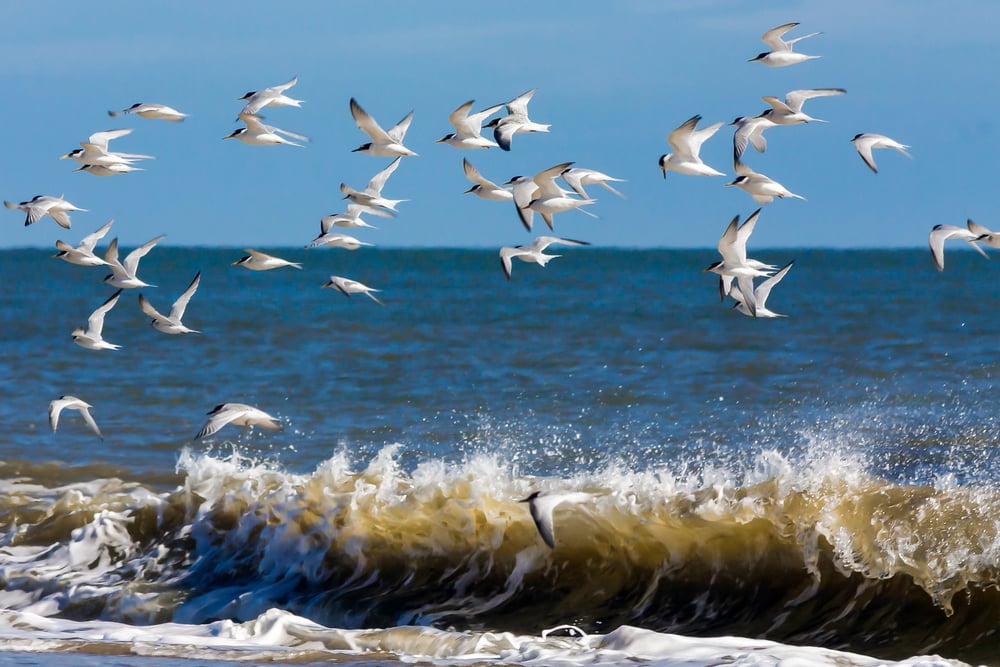
Seabirds and marine mammals can read the ocean surface like sailors read nautical charts. Polynesian navigators taught researchers that ocean swells follow predictable patterns that change based on islands, reefs, and distant landmasses.
Seals appear to use similar techniques, feeling wave patterns with their sensitive whiskers. Penguins swimming beneath the surface can detect how waves refract around islands they cannot see, helping them find remote breeding colonies in the Southern Ocean.
Sea turtles may use wave patterns along with magnetic fields for especially accurate navigation across featureless open water.
Moonlight and lunar cycles
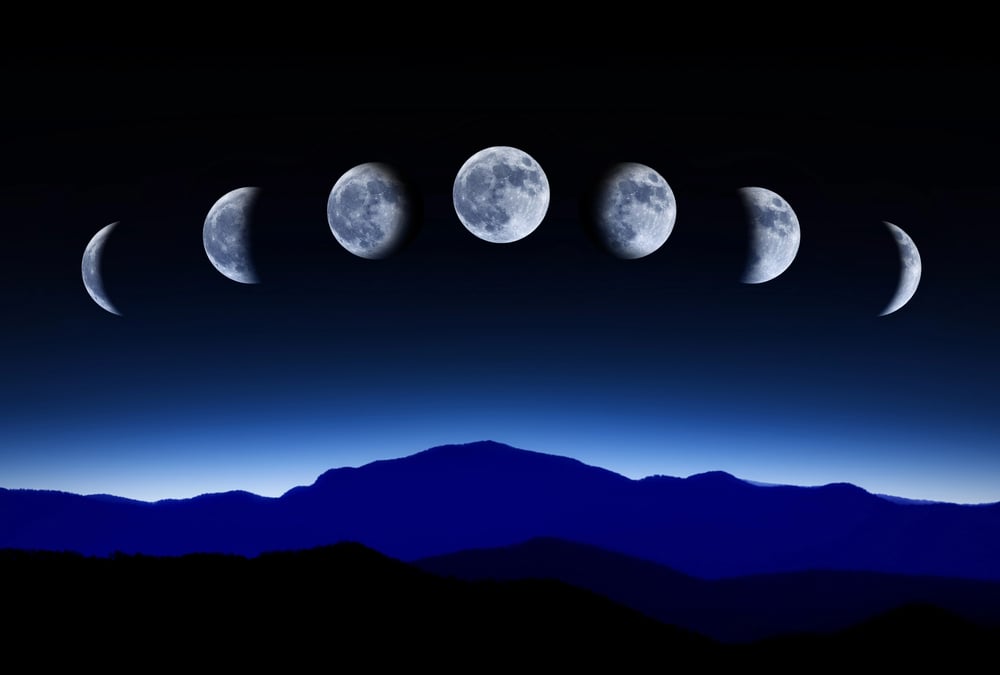
Some animals time their movements and orientation based on the moon’s position and phase. Sea turtles often nest during specific moon phases when tides are right.
Dung beetles can navigate using moonlight when stars aren’t visible, and their brain structure includes cells specifically dedicated to processing lunar information. Certain moths migrate on nights with particular moon phases.
Coral spawning happens on precise lunar schedules, suggesting that many ocean animals track the moon carefully. The moon’s gravitational effects on tides also provide navigation information for coastal species.
Landmarks detected through touch
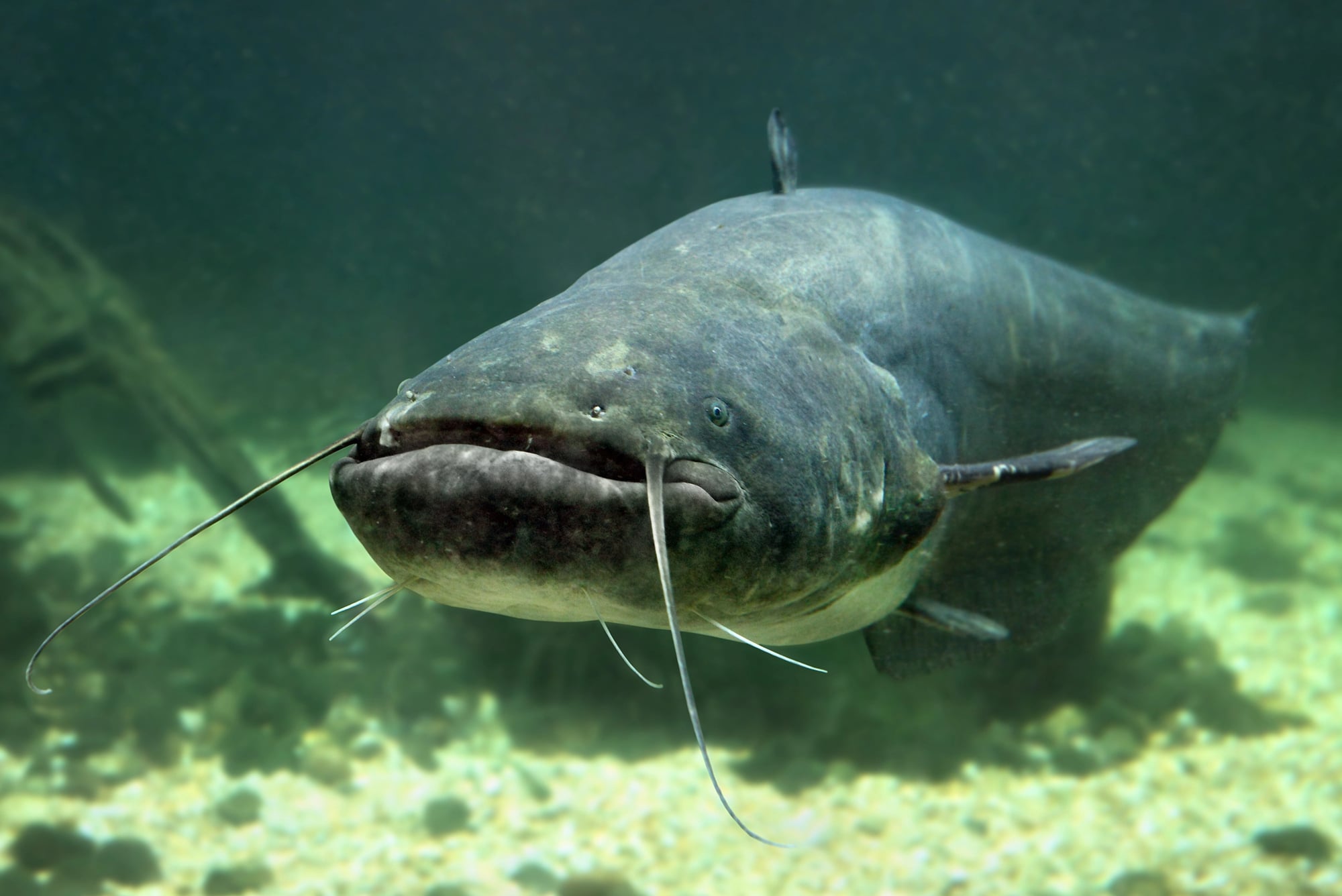
Animals with sensitive whiskers or barbels can feel their way through familiar territory even in complete darkness. Catfish use barbels to sense the texture and shape of river bottoms, creating mental maps based on touch.
Seals hunting in dark Arctic waters rely heavily on their whiskers to detect water movements and navigate around underwater obstacles. Blind cave fish have lateral lines that detect the tiniest water pressure changes, allowing them to build detailed spatial awareness of their cave systems.
Rats and other rodents with long whiskers navigate complex burrow systems partly through touch memory.
Chemical gradients in water
Some sea creatures detect slow shifts in chemicals, forming hidden routes underwater. Instead of only smelling familiar rivers, salmon track differences in saltiness when river water meets the sea.
While moving mysteriously across seafloor paths, lobsters stick to scent trails behind them. On their way to breed, sea lampreys pick up signals known as pheromones dropped by others ahead.
Rather than drifting randomly, small zooplankton adjust position based on nearby substance levels, heading closer or farther depending on what’s around.
Odd magnetic shifts help mark spots
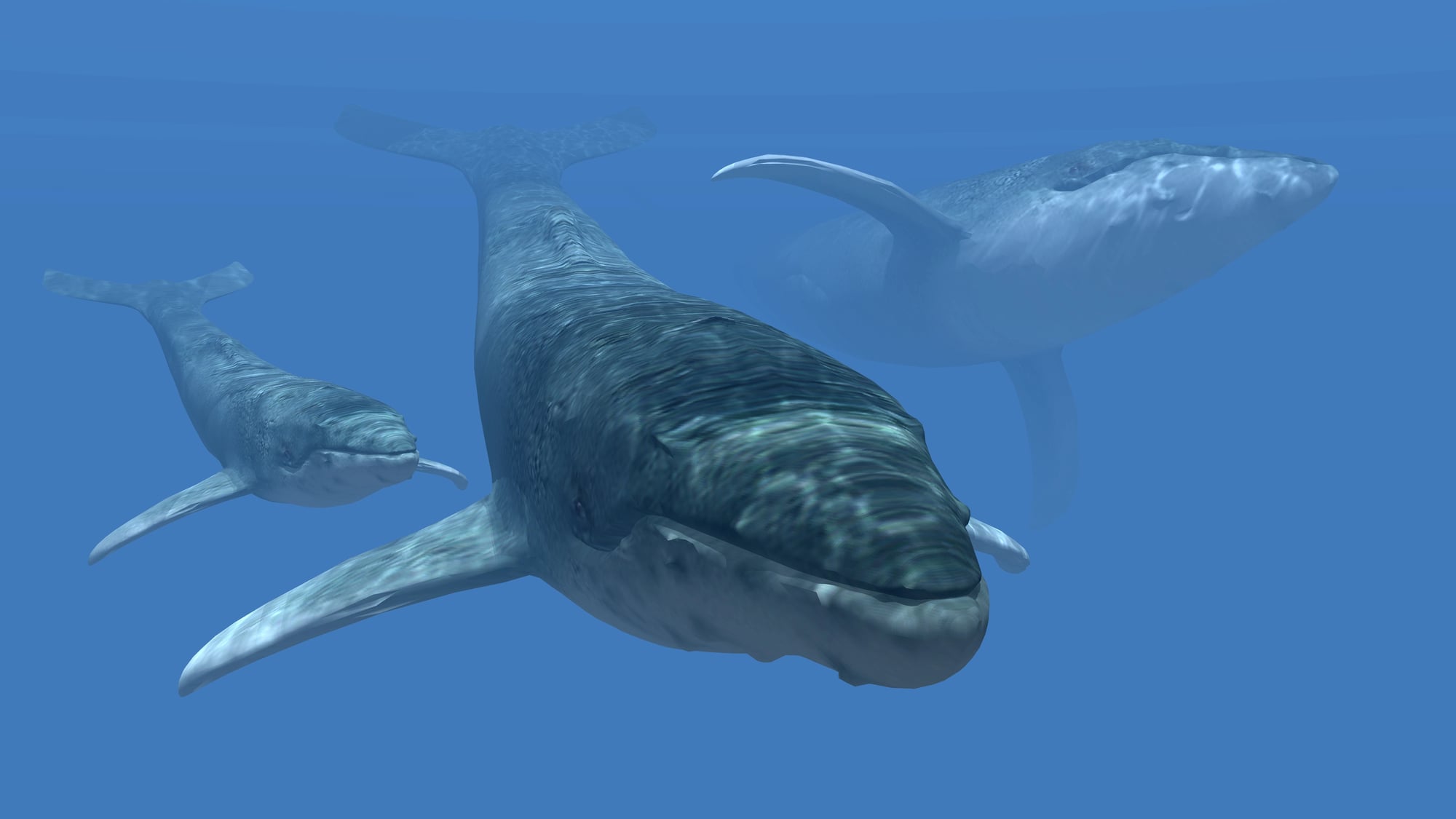
Some creatures pick up shifts in our planet’s magnetism like natural cues. Whales could be riding invisible paths shaped by seafloor traits that leave unique magnetic marks.
When baby loggerheads hatch, they lock onto the magnetic feel of their home shore, later guiding them back as adults. Fish on the move might store odd magnetic zones from mineral-rich spots to help steer.
Research shows whale journeys line up with bands of matching magnetic strength across oceans.
Celestial signals mixed with extra senses

Long-distance travelers usually mix different ways to find their way, so they’ve got backups if something goes off track. Take arctic terns, they fly from one end of Earth to the other every year using starlight, sunlight direction, Earth’s magnetic pull, and likely more we still don’t know about.
Monarchs that move from Canada down to certain forests in Mexico depend on where the sun is plus invisible magnetic signals. Their complex eyes have parts reacting to polarized light and magnetism alike.
Having multiple systems helps critters stay on course most of the time. If one signal drops out or gets fuzzy, another kicks in without delay.
Genetic memory and inherited knowledge
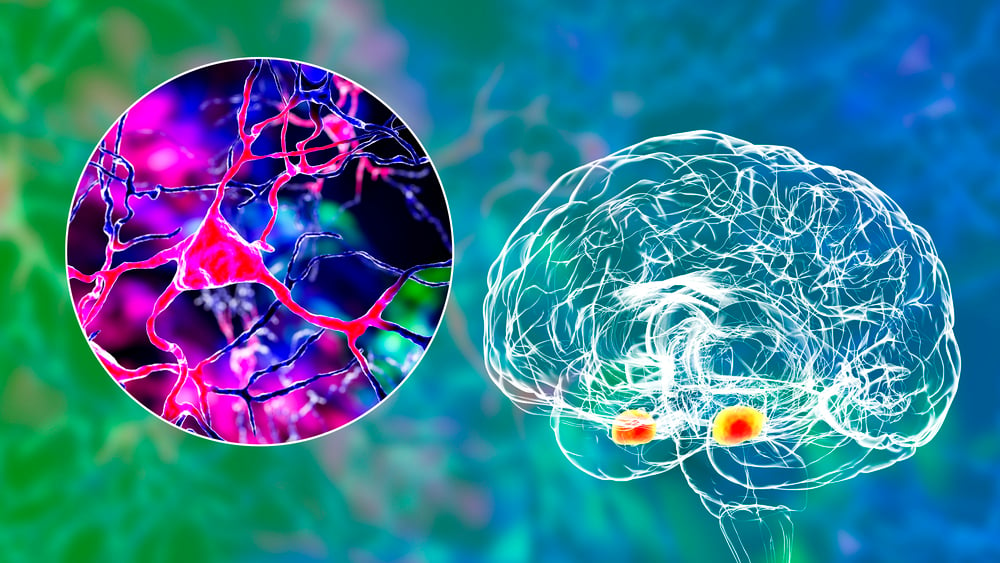
Some creatures just come built with a sense of direction right from day one, no practice needed. Right after cracking out of their shells, tiny sea turtles crawl straight to the waves, zero help from mom or dad.
Even when cuckoos grow up among totally different birds, they somehow find the exact spots where their kind spends winter. Monarchs fly all the way to forests in Mexico that none of them have ever laid eyes on, yet they follow paths used by long-ago generations.
It’s possible those travel details are tucked inside their DNA somehow. Researchers haven’t cracked it fully, but more proof shows critters arrive already knowing stuff nobody showed them.
How ancient instincts guide modern journeys
The way animals find their way today took ages to form, molded by creatures from long-ago environments. Instead of cities and roads, early birds honed their inner compass in wide-open wilds.
Ocean pathways sea turtles follow now carry shifts in flow and warmth unlike the waters of their ancient past. Even so, these old-school tools keep functioning, showing how tough and flexible animal guidance systems can be.
Learning how nature directs movement gives scientists clearer ideas for protecting species while uncovering deep ties between wildlife and Earth’s unseen forces.
More from Go2Tutors!

- The Romanov Crown Jewels and Their Tragic Fate
- 13 Historical Mysteries That Science Still Can’t Solve
- Famous Hoaxes That Fooled the World for Years
- 15 Child Stars with Tragic Adult Lives
- 16 Famous Jewelry Pieces in History
Like Go2Tutors’s content? Follow us on M



