Animals That Sleep Standing Up
Sleep looks different across the animal kingdom. While humans need a comfy bed and a soft pillow to drift off, many creatures have developed the ability to catch their rest while staying on their feet.
This unusual skill isn’t just a party trick. It’s a survival strategy that has helped certain animals stay safe from predators, maintain their body temperature, and be ready to bolt at a moment’s notice.
So which animals have mastered this standing sleep technique? Let’s look at some fascinating creatures that prefer to snooze upright.
Horses

Horses can lock their legs in place thanks to a special system called the stay apparatus. This biological mechanism allows their joints and ligaments to hold their body weight without any muscle effort, so they can relax while remaining upright.
They do this during light sleep phases, which lets them rest without becoming vulnerable to danger. However, horses still need to lie down for deep REM sleep, which they do for short periods of a few minutes at a time.
Cows

Cows spend a good chunk of their day standing while they chew cud and digest their food. They also catch light naps on their feet, using a similar leg-locking system to horses.
A cow’s digestive process requires them to regurgitate and re-chew their food, which is easier to do while standing. They’ll lie down for deeper sleep cycles, but they’re perfectly content dozing upright when they need a quick rest between grazing sessions.
Elephants
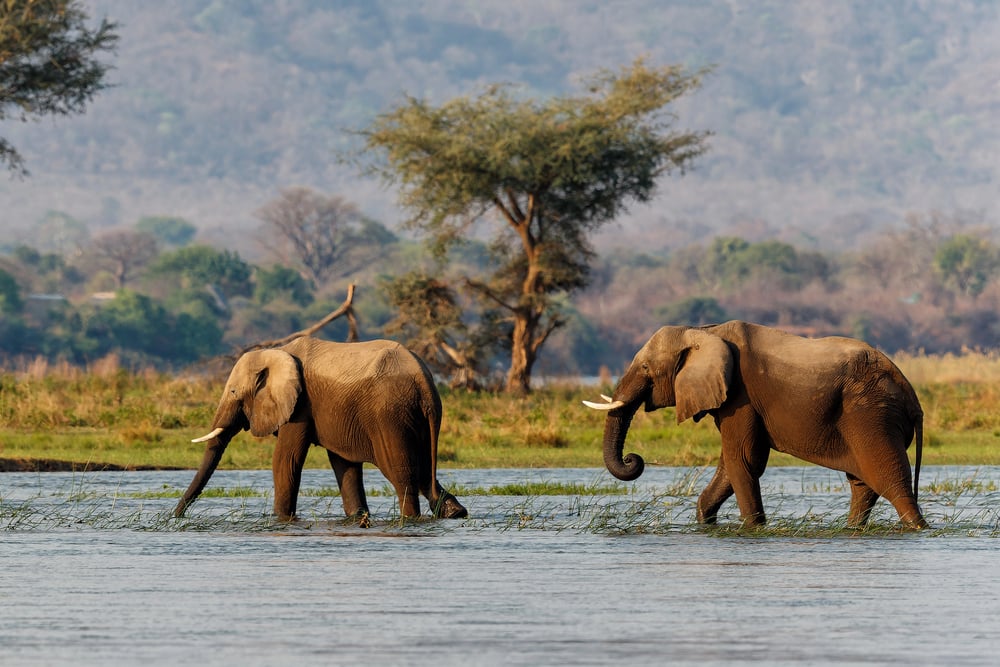
Elephants are the true champions of standing sleep in the wild. These massive creatures often sleep for only two to four hours a day, and they spend most of that time on their feet.
Wild elephants tend to stay standing because lying down makes them vulnerable to predators and also makes it harder to get back up quickly given their enormous size. Captive elephants, feeling safer in their environment, will lie down more often than their wild cousins.
Flamingos

Flamingos have one of the most impressive balancing acts in nature. They sleep standing on one leg, which seems impossible but actually requires less effort than you’d think.
When a flamingo stands on one leg and tucks the other up into its feathers, its body weight naturally locks the standing leg in place. This posture also helps them conserve body heat since they often stand in cold water.
Giraffes
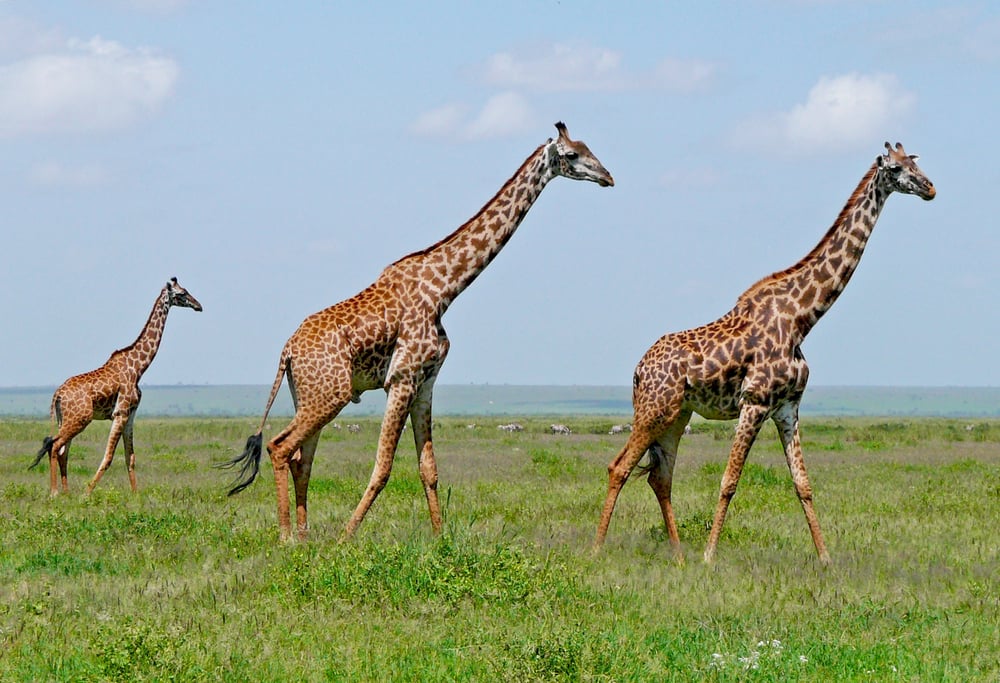
Giraffes take power naps to a whole new level. They sleep standing up for most of their rest periods, which usually add up to less than 30 minutes total throughout the day.
Their long necks make lying down a complicated process that leaves them exposed to lions and other predators. When giraffes do lie down for deep sleep, they curl their necks back and rest their heads on their hindquarters for just a few minutes at a time.
Bison
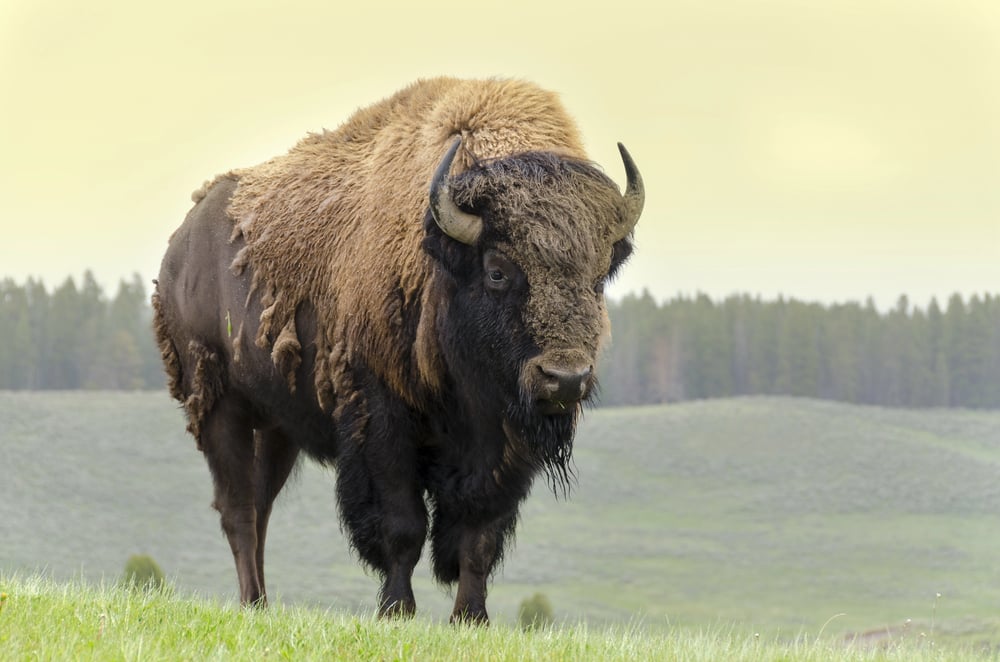
Bison are built for endurance and survival on the open plains. They rest while standing to stay alert for any approaching threats, which was especially important when wolves and other predators roamed freely across their habitat.
Their powerful legs can support their weight for extended periods without tiring. Bison will lie down to sleep more deeply, but they prefer to keep at least some of the herd standing guard at all times.
Zebras

Zebras live in areas with plenty of predators, so staying ready to run is part of their daily routine. They sleep standing up most of the time, with their leg-locking system doing the heavy lifting.
Like horses, they need to lie down occasionally for REM sleep, but these moments are brief and usually happen when other zebras in the group are keeping watch. A standing zebra can go from snoozing to sprinting in seconds.
Donkeys

Donkeys share the same anatomical features as horses that allow them to sleep upright. These sturdy animals are naturally cautious and prefer to stay on their feet when resting in unfamiliar territory.
Domestic donkeys feel more comfortable lying down than wild ones because they’ve adapted to safer surroundings. They’ll still stand while napping during the day, especially if they’re in a pasture with other animals.
Moose
Moose are solitary animals that live in forests and wetlands where predators like bears and wolves pose a constant threat. They rest standing up so they can make a quick escape if needed.
Their long legs help them navigate through deep snow and marshy terrain, and keeping those legs ready is part of their survival strategy. Moose do lie down occasionally, but they prefer standing rest when they’re out in the open.
Wildebeest

Wildebeest migrate across the African plains in massive herds, covering thousands of miles each year. They grab sleep whenever they can, often while standing in the middle of the herd.
This behavior keeps them safe from predators that hunt along the edges of the group. Standing also lets them resume their journey quickly without wasting time getting up and reorienting themselves.
Rhinos
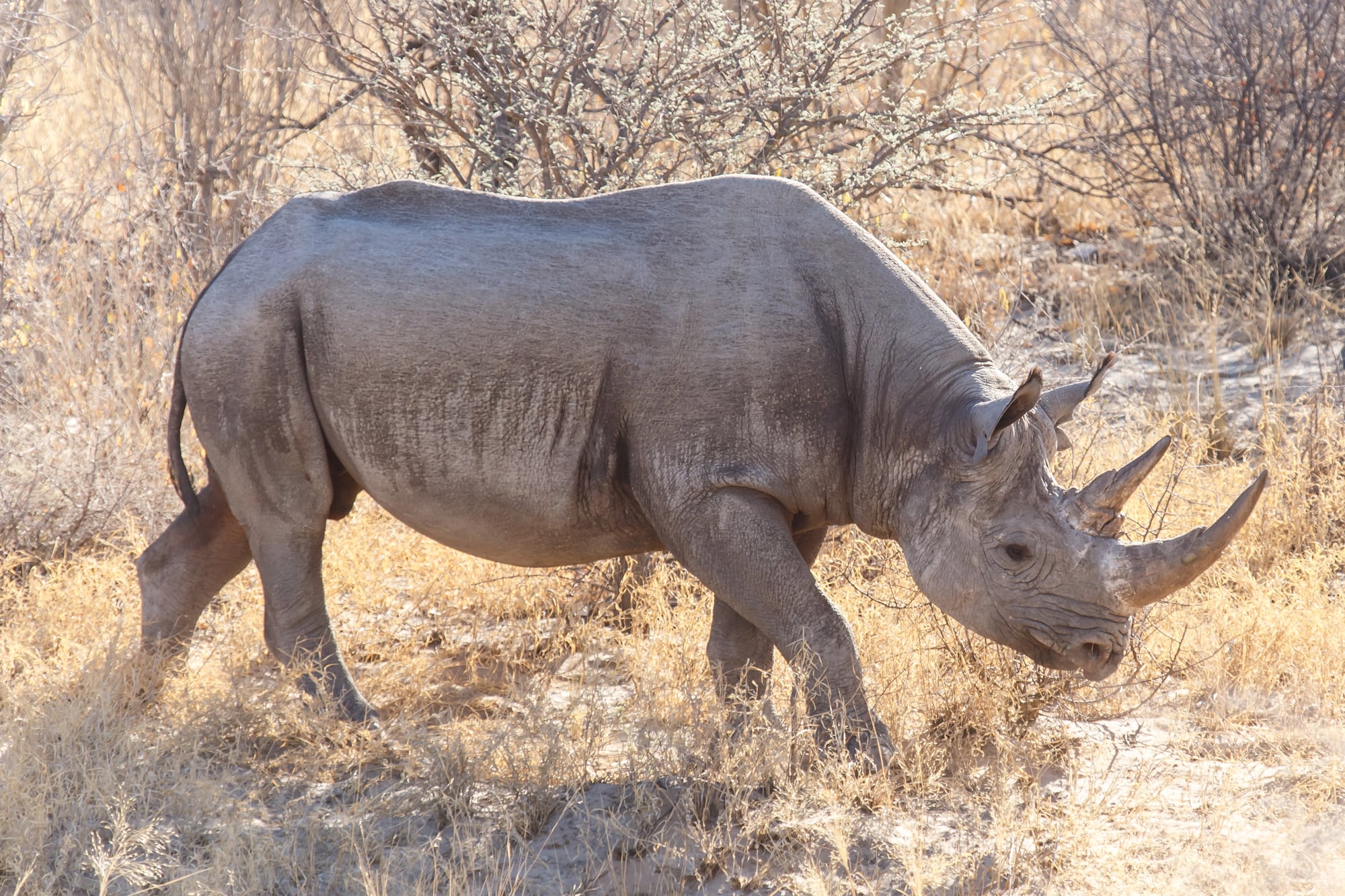
Rhinos might look like they’d prefer lounging on their side, but they actually spend a lot of time resting on their feet. They’re heavy animals with thick skin and powerful bodies, but they’re also surprisingly vulnerable when lying down.
Standing sleep allows them to stay aware of their surroundings and react to threats. When they do lie down, it’s usually for short stretches in areas where they feel completely secure.
Caribou

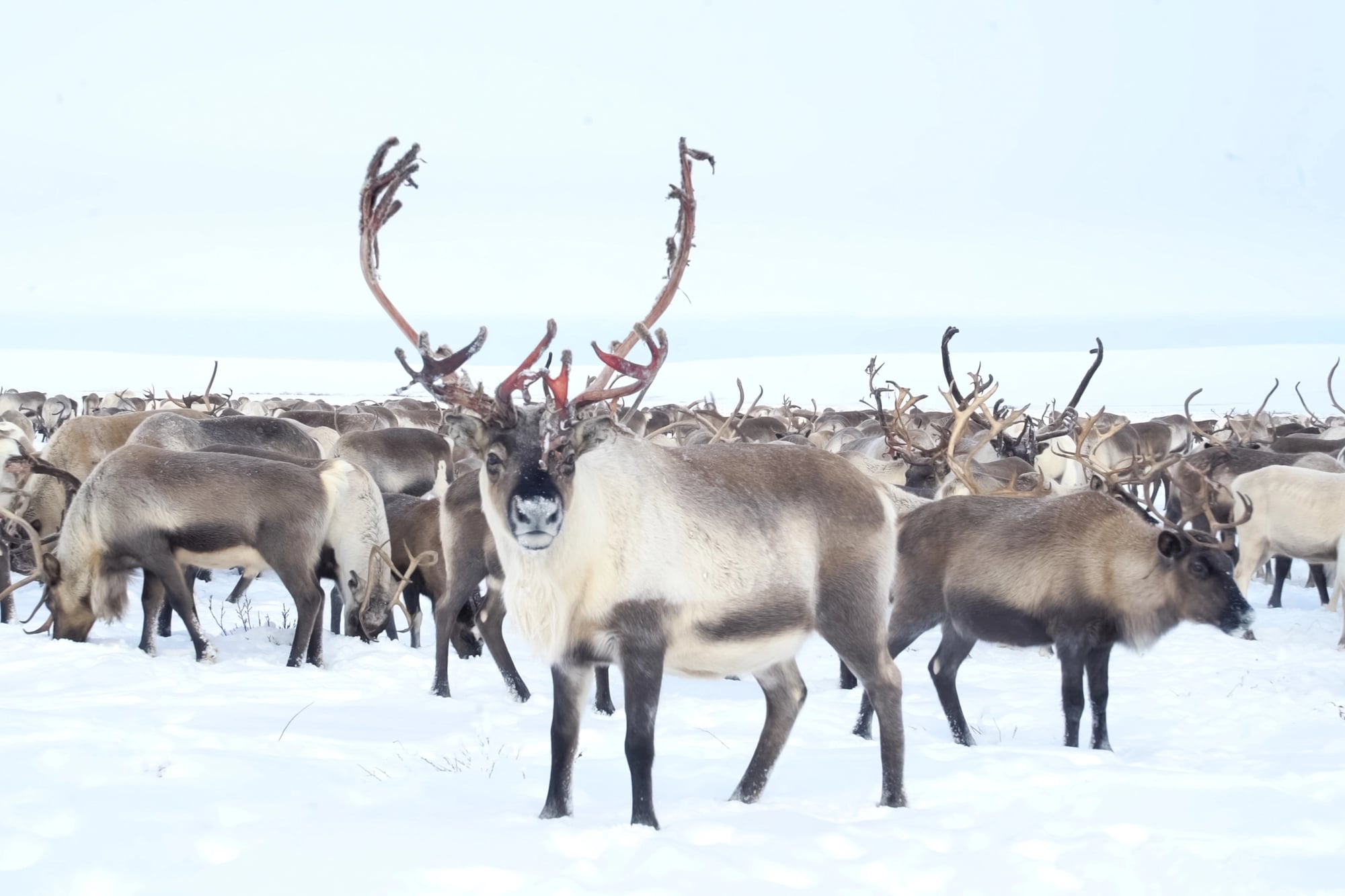
Caribou live in harsh Arctic environments where staying warm and alert matters just as much as rest. They sleep standing to conserve energy and maintain their body heat, especially during migration season when they’re constantly on the move.
Their thick fur and sturdy legs make standing rest comfortable even in freezing temperatures. Lying down in snow or ice would drain their body heat quickly, so they avoid it unless absolutely necessary.
Buffalo
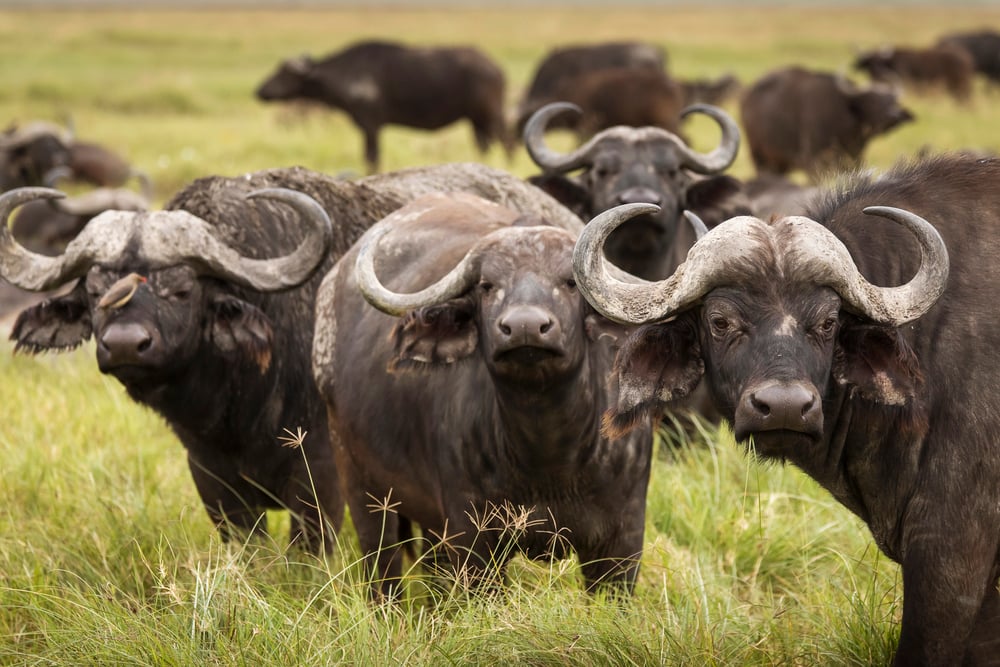
Buffalo are social animals that rely on the herd for protection. They rotate rest periods so some members stay standing and alert while others lie down for deeper sleep.
Standing rest is common during the day when the herd is actively grazing or moving between watering pits. This coordinated approach to sleep keeps the entire group safer from predators that might try to pick off a lone or sleeping animal.
Camels

What stands out about camels is how well they handle harsh deserts, a trait mirrored in how they sleep. During daylight hours, staying on their feet helps them dodge burning sand that could hurt their skin.
When darkness comes and the air cools, lying flat becomes more common. Being able to nap while standing offers room to adjust, shaped by heat and surroundings.
Bighorn sheep
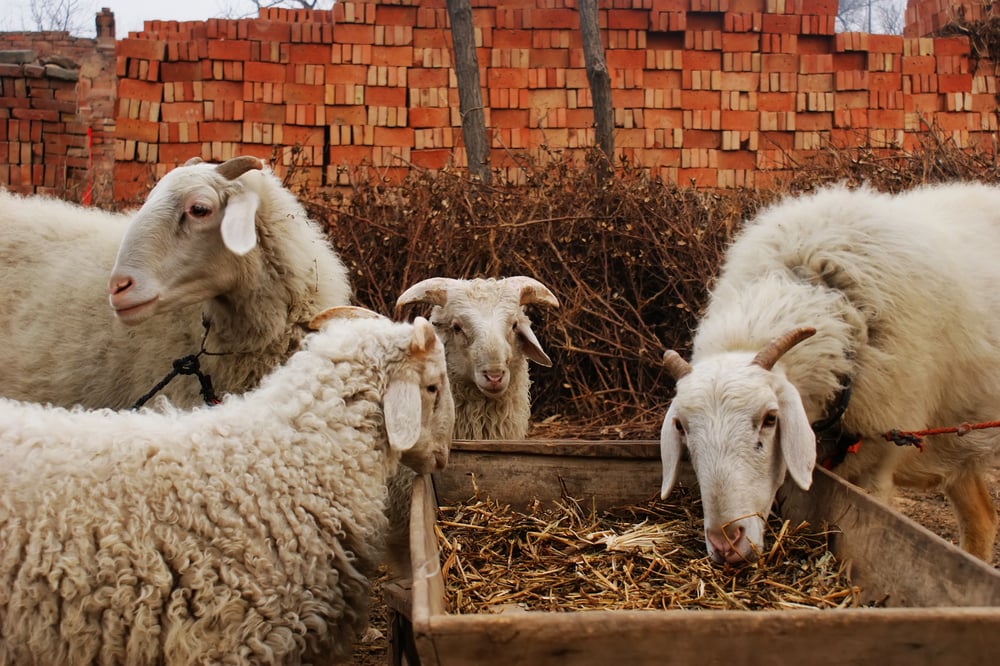
Bighorn sheep make their home on rugged cliff faces, where flat ground is hard to come by. Standing still on tight ledges works just fine for naps – places that would scare nearly any creature.
With hooves built for clinging to stone, they stay put without effort. Balance comes naturally, even when dozing off mid-slope. Being up high means safety too, since many hunters cannot follow such dangerous paths.
Here is where everything fits into place
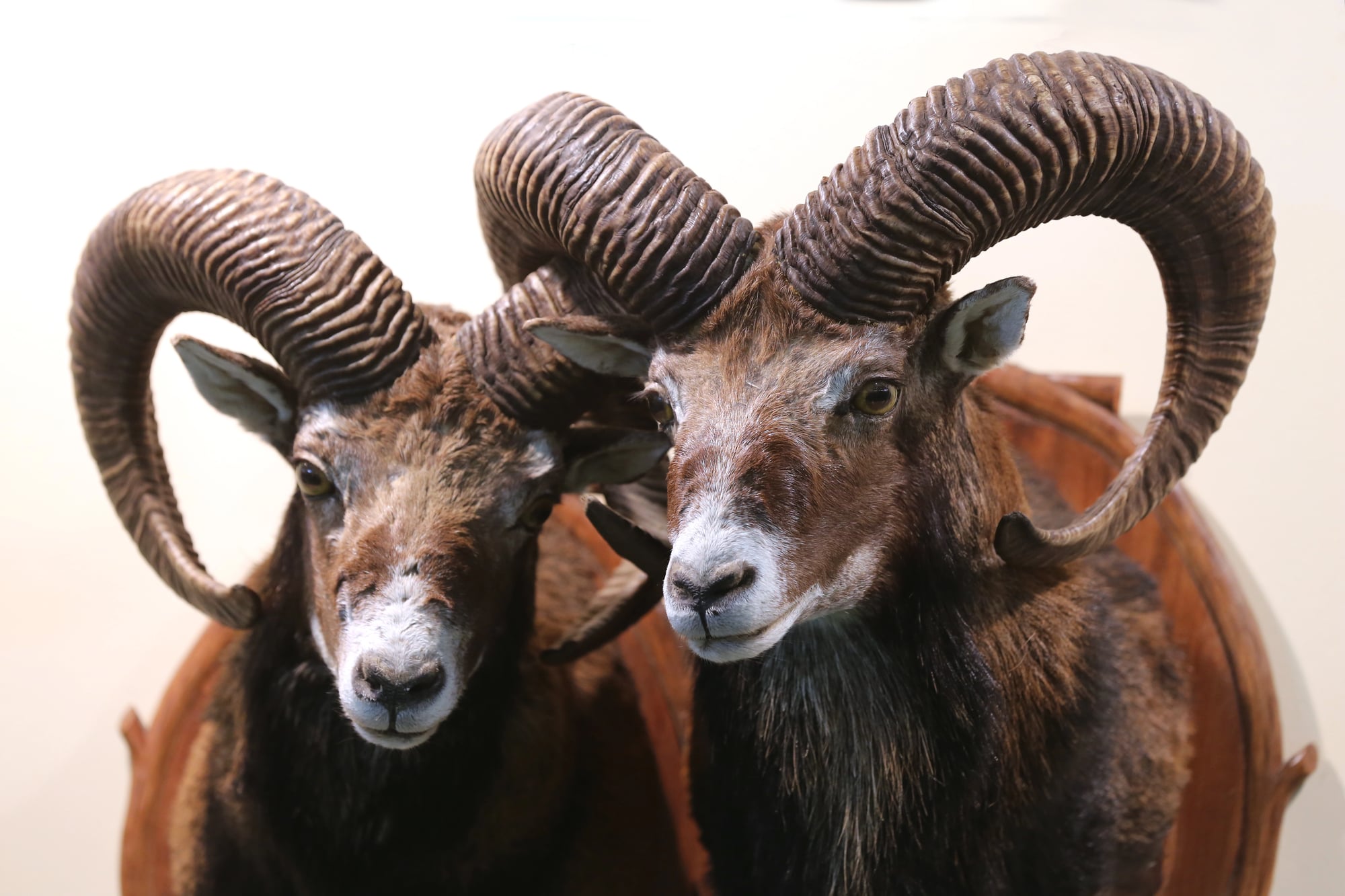
Up on their legs while sleeping, today’s animals echo old ways shaped across ages. Remaining alert means giving up full relaxation, yet they do it without hesitation.
A horse stands still, but its mind skims the edge of rest – always listening. Nature does not stop adjusting, especially when danger might arrive at any moment. Balance is not perfect, yet enough to keep going through the night.
More from Go2Tutors!

- The Romanov Crown Jewels and Their Tragic Fate
- 13 Historical Mysteries That Science Still Can’t Solve
- Famous Hoaxes That Fooled the World for Years
- 15 Child Stars with Tragic Adult Lives
- 16 Famous Jewelry Pieces in History
Like Go2Tutors’s content? Follow us on MSN.