Sleepover Games Kids Played Growing Up
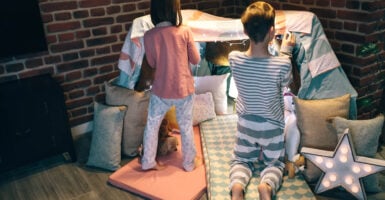
Somewhere around ten at night, after the pizza boxes were empty and a parent had issued the first warning about noise, the real sleepover began. Sleeping bags covered the living room floor, somebody produced a flashlight, and the evening’s entertainment was put to a vote.
The games that followed came from everywhere. Some arrived in boxes from Milton Bradley, some were centuries older than the house, and a few required nothing but a pencil and nerve.
Nobody ever read the rules twice.
Truth or Dare in a Circle of Sleeping Bags

.DepositPhotos
Every sleepover eventually arrived here, usually once the lights were low enough to hide a red face. The format is far older than the slumber party.
A parlor game called Questions and Commands, played in England centuries ago, worked on much the same bargain of answering honestly or accepting a forfeit. By the 1980s the dares had settled into a familiar catalog that included eating a spoonful of mustard, phoning a crush, or running one lap around the yard in pajamas.
Madonna borrowed the name for her 1991 tour documentary, which says plenty about how widely the game was understood. Picking truth was always considered the coward’s option, and it was always riskier.
Light as a Feather, Stiff as a Board

One volunteer lay flat on the carpet while the others knelt around her, slid two fingers of each hand underneath, and chanted the title until she seemed to rise. The trick has a long paper trail.
Samuel Pepys recorded a version of it in his diary in 1665, describing a friend’s account of French girls lifting a boy while reciting a rhyme. The explanation is dull compared with the experience, since several people lifting in rhythm spread the weight so evenly that each lifter feels almost none of it.
Nobody in a dark bedroom at midnight wanted to hear about weight distribution. The 1996 movie The Craft introduced the chant to another generation.
Bloody Mary in the Bathroom Mirror
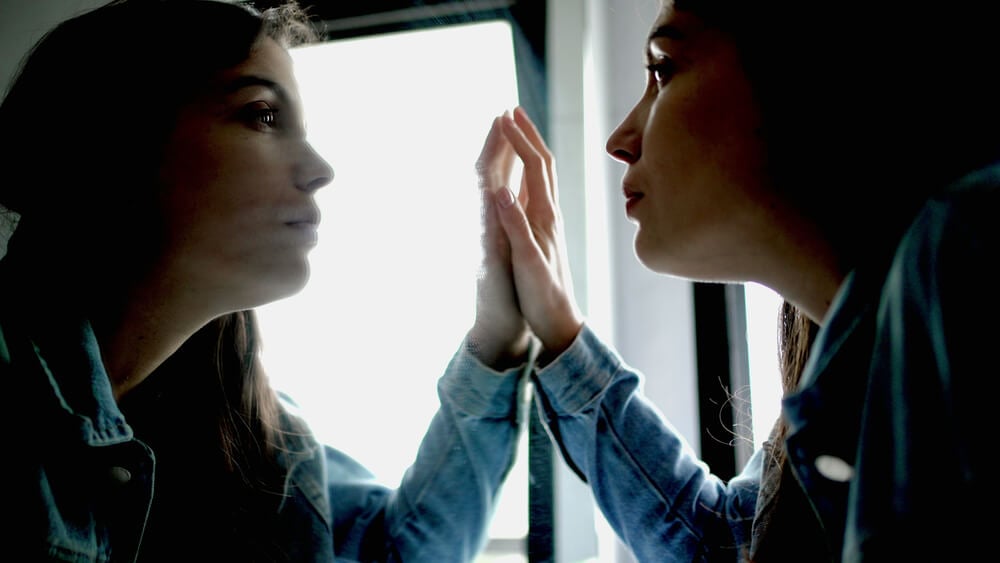
All it took was a dark bathroom, a mirror, and a name spoken aloud a set number of times, commonly three or thirteen depending on the neighborhood. The promised result was a ghostly woman appearing in the glass.
American folklorists were collecting versions of the ritual by the 1970s, and the details changed from town to town, including who Mary was supposed to be. A plausible explanation arrived later.
In a 2010 study, Italian psychologist Giovanni Caputo reported that people staring at their own reflection in dim light often perceive the face distorting in under a minute. Most participants in the sleepover version never lasted that long.
The door usually flew open on the second repetition.
Twister and the Spinner That Tangled Everyone
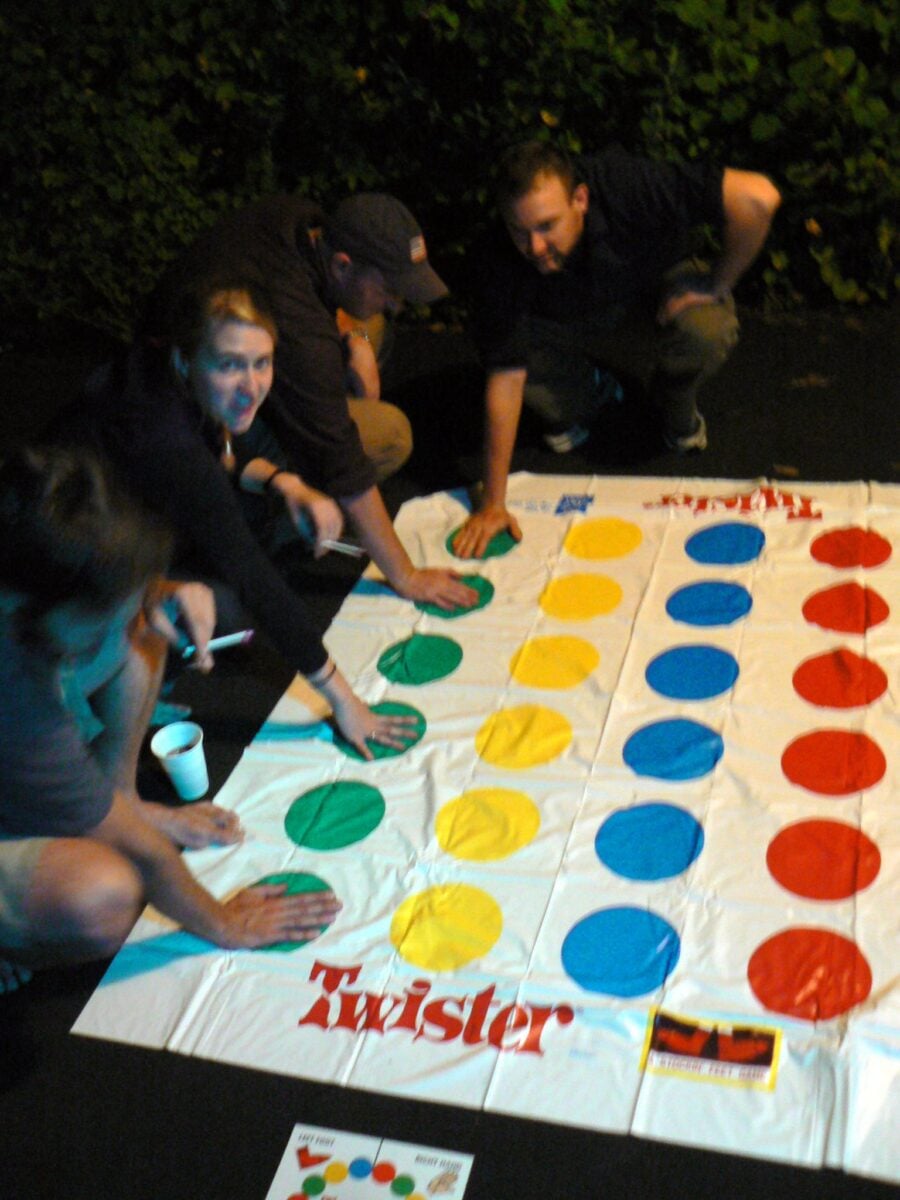
Milton Bradley released Twister in 1966 and nearly gave up on it within months, since retailers were wary of a game that used human bodies as playing pieces. Then Johnny Carson played it with Eva Gabor on The Tonight Show that May, and demand soon outran what the factories could box.
The vinyl mat with its four rows of colored circles came out of Reyn Guyer’s design firm in Minnesota, with Charles Foley and Neil Rabens credited on the patent. At sleepovers the spinner job went to whoever arrived with a sprained wrist or a cast.
Games rarely ended with a clear winner. They ended when the pile collapsed.
Ouija Boards Borrowed From an Older Sibling
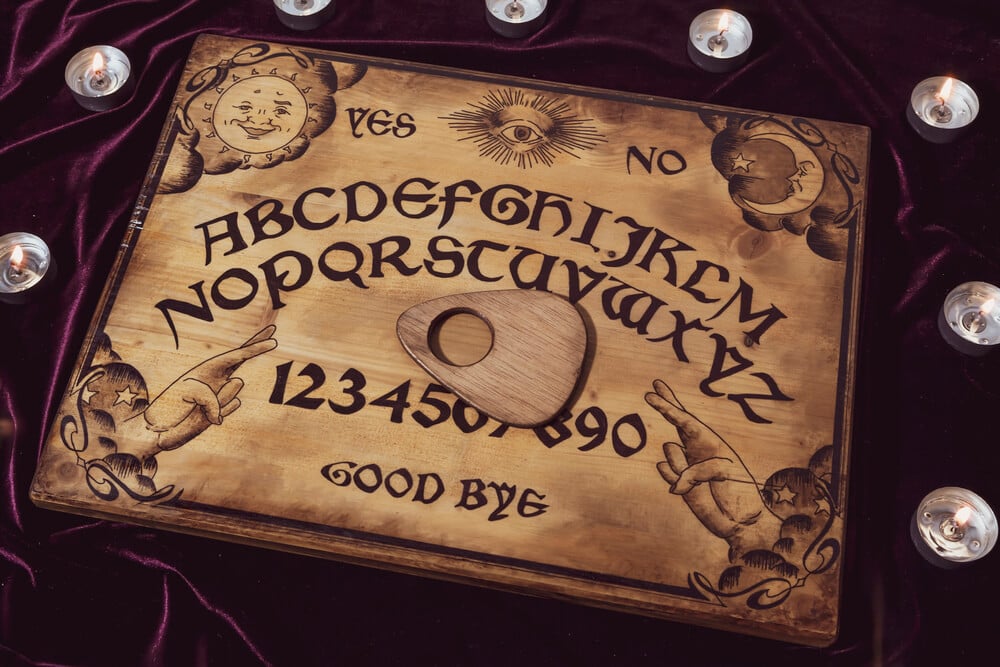
Parker Brothers bought the Ouija business in 1966, and the board reportedly sold around two million copies the following year, which put a talking board in a remarkable number of American closets. The product itself dates to about 1890, when the Kennard Novelty Company of Baltimore first sold it as a parlor amusement.
Scientists credit the gliding planchette to the ideomotor effect, meaning tiny muscle movements the players make without noticing. That explanation never survived contact with a dark basement.
Each sleepover produced the same argument about who was pushing, the same denials, and at least one guest who refused to touch the thing at all.
Sardines, the Hide-and-Seek That Ran Backward

Sardines flips the usual arrangement. One person hides while everyone else counts, and each seeker who finds the hiding spot squeezes in silently instead of announcing it.
The name comes from the canned fish, packed tight in a can, and by the end of a round it describes the scene accurately. Six kids wedged behind a furnace or folded into a linen closet had to stay quiet while the last seekers wandered the house alone.
That final seeker had the worst job in the game. Being the only person still looking in a dark, suddenly silent house was scarier than any ghost story told later that night.
Murder in the Dark and Its Winking Cousin
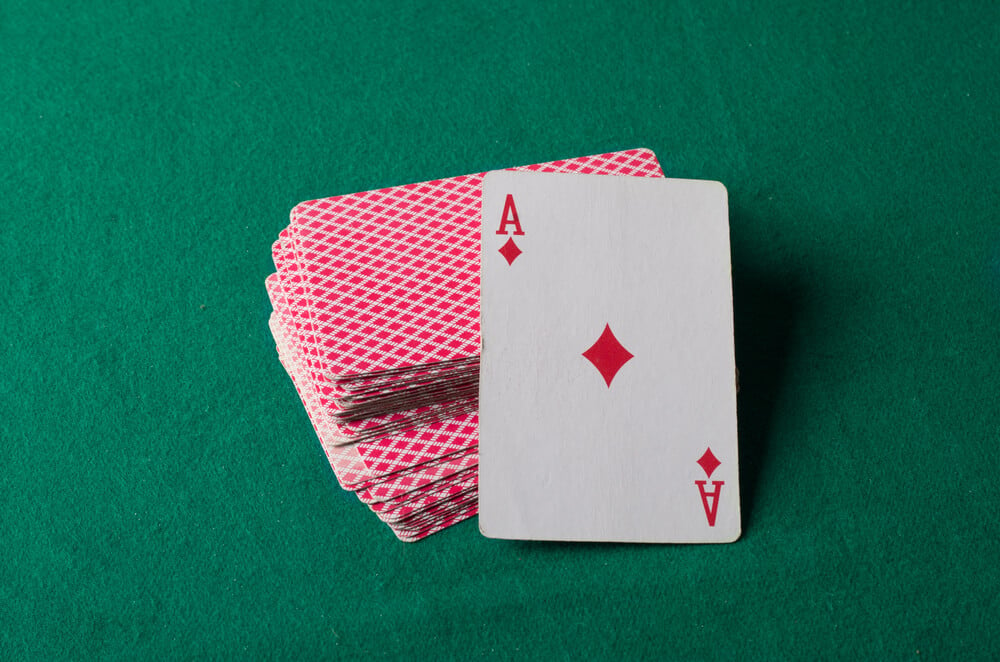
Slips of paper went into a hat, one marked for the murderer and one for the detective, and then the lights went out. The murderer tapped a victim, the victim screamed and dropped, and the detective switched on the lamp to question the suspects.
Adults played it long before children did. Ngaio Marsh built her first detective novel, A Man Lay Dead, around a house party round of the Murder Game in 1934.
Wink Murder is the daylight version, with the killer eliminating players by winking at them across a circle. Both versions depend on the same skill, which is keeping a straight face while lying to close friends.
Girl Talk and Its Dreaded Zit Stickers

Golden, the games arm of Western Publishing, released Girl Talk in 1988 and essentially put truth or dare in a box with a spinner. Each spin sent a player to a category of stunts and confessions, and anyone who refused had to wear a zit sticker on her face for the rest of the game.
Completed turns earned points toward four kinds of fortune cards predicting the future, and the first player to collect one of each won. Spin-off editions followed, including one built around a secret diary.
The dares were mild by any standard, mostly prank calls and silly voices. The stickers were the real threat, and they never came off cleanly.
Dream Phone and the Oversized Pink Handset

Milton Bradley’s 1991 hit came with a chunky pink electronic phone and a deck of cards showing 24 boys, one of whom secretly liked the player. Dialing a boy’s number produced a recorded clue about the admirer, such as where he hung out, what he ate, or what he was not wearing.
Players crossed off suspects on a clue sheet in the manner of Clue. The phone had a speaker setting for sharing a clue with the room and a private mode for keeping it secret.
Working copies with the full card deck and the battery cover intact now typically sell for about 40 to 90 dollars.
Mall Madness and the Talking Shopping Spree

Shopping was the entire game. Milton Bradley introduced Mall Madness in 1988 and followed it with an electronic talking edition in 1989, built around a two-story plastic mall and a computer console that announced sales and clearances in a cheerful voice.
Players swiped cardboard credit cards through a slot, visited the bank when the cash ran out, and raced to finish a shopping list before returning to the parking lot. Assembly took a patient adult and a sheet of stickers.
For kids too young to be dropped off at an actual food court, it was a rehearsal for the Saturday afternoons ahead.
Mystery Date and the Dud Behind the Door
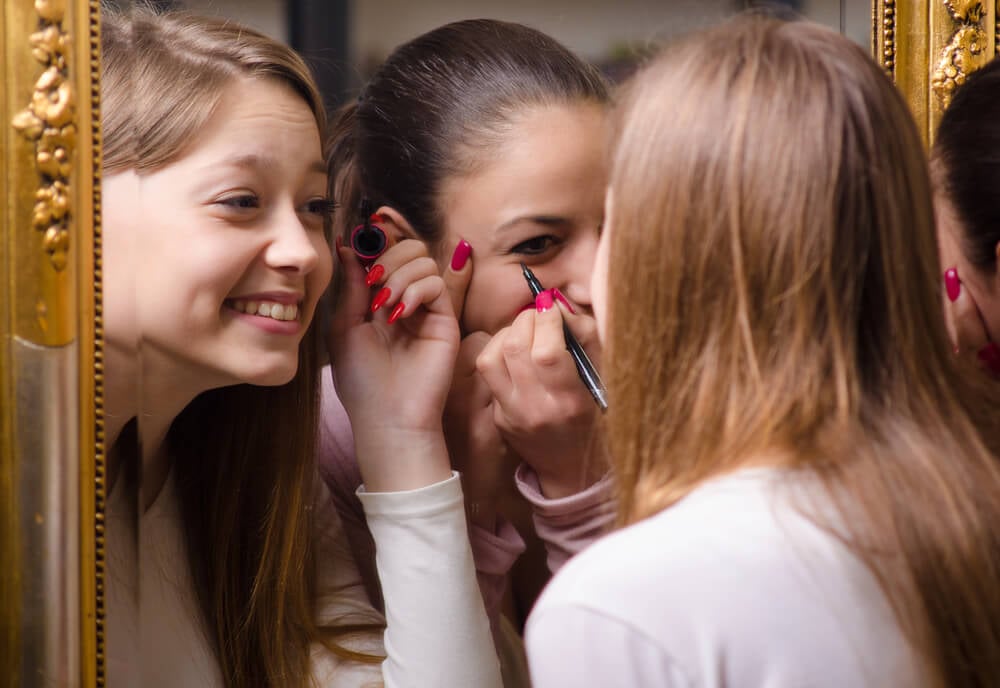
A plastic door stood in the center of the board, and behind it waited one of several young men dressed for a specific outing. Milton Bradley released Mystery Date in 1965, and the goal was to collect the right outfit cards for a formal dance, a beach trip, a ski weekend, or a night at the bowling alley before opening the door.
Matching the date won the game. Finding the dud, a scruffy fellow in rumpled clothes, cost the player the outfit cards she had collected.
The game returned in updated editions for later generations, and the dud usually ended up being the most talked-about character in the box.
Pretty Pretty Princess and the Black Ring
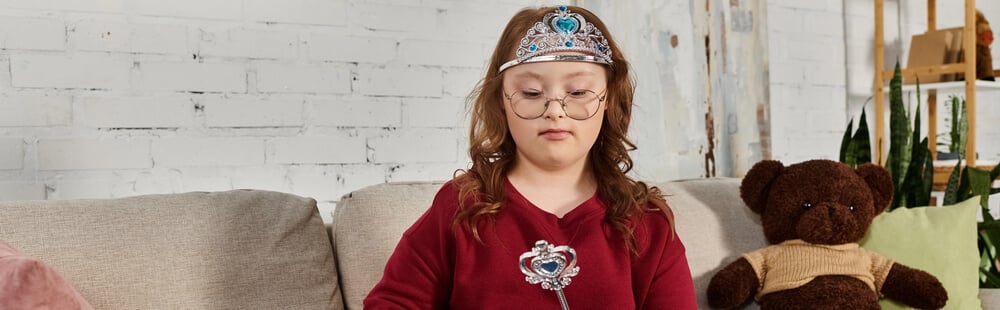
Golden released Pretty Pretty Princess in 1990, and the box contained actual plastic jewelry in four colors. Players moved around the board collecting a necklace, a bracelet, a ring, and a pair of clip-on earrings in a matching color, then needed the single crown to win.
One piece worked against everybody. Whoever held the black ring could not win until it was passed along to another player.
Younger brothers recruited to fill a fourth seat frequently ended up wearing the crown and the earrings, and photographs of those victories have a way of resurfacing at graduation parties decades later.
Operation and the Buzzer That Woke the House
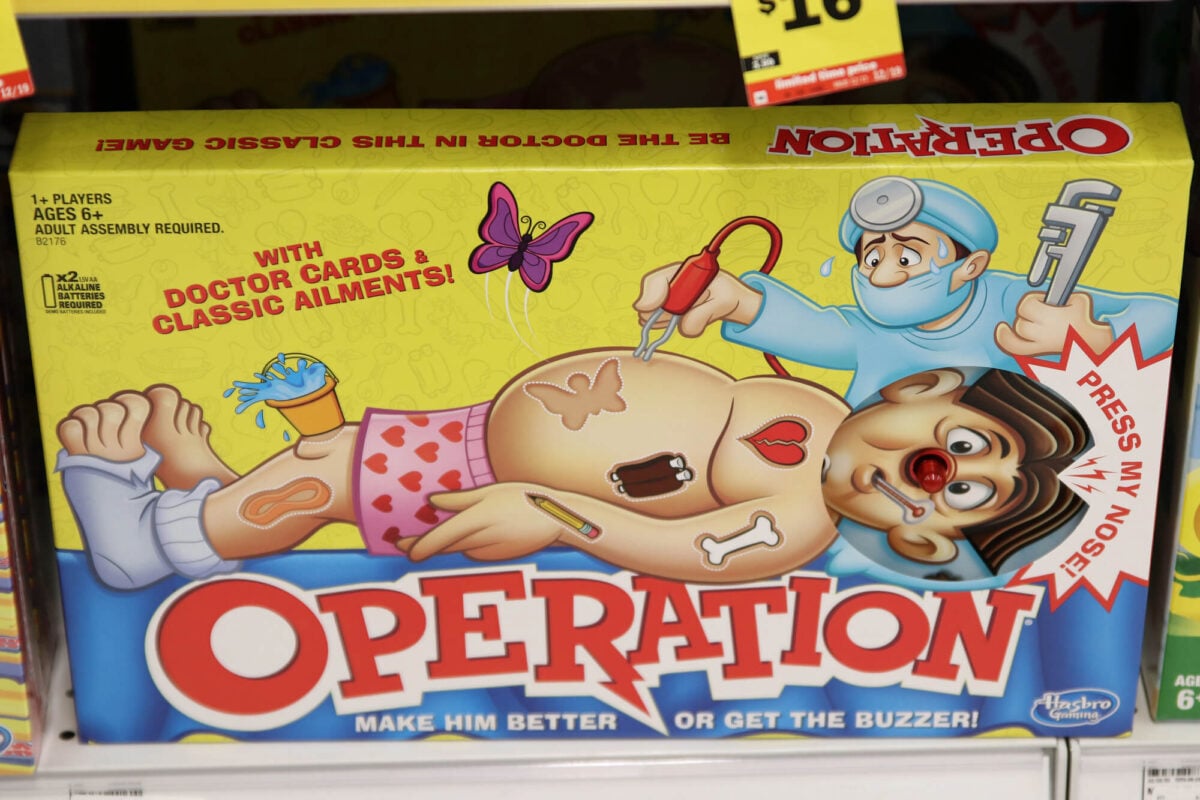
Cavity Sam has been lying on his cardboard operating table since Milton Bradley released the game in 1965. Inventor John Spinello came up with the electrified concept as an industrial design student at the University of Illinois and sold the rights for a reported 500 dollars.
The job was to lift tiny plastic ailments, among them the wishbone, the funny bone and the butterflies in the stomach, without letting the metal tweezers touch the sides. A slip lit up the patient’s red nose and set off a harsh buzz.
Late at night that buzzer carried through walls. More than one parent confiscated the tweezers before midnight.
Uno Tournaments That Ran Past Midnight
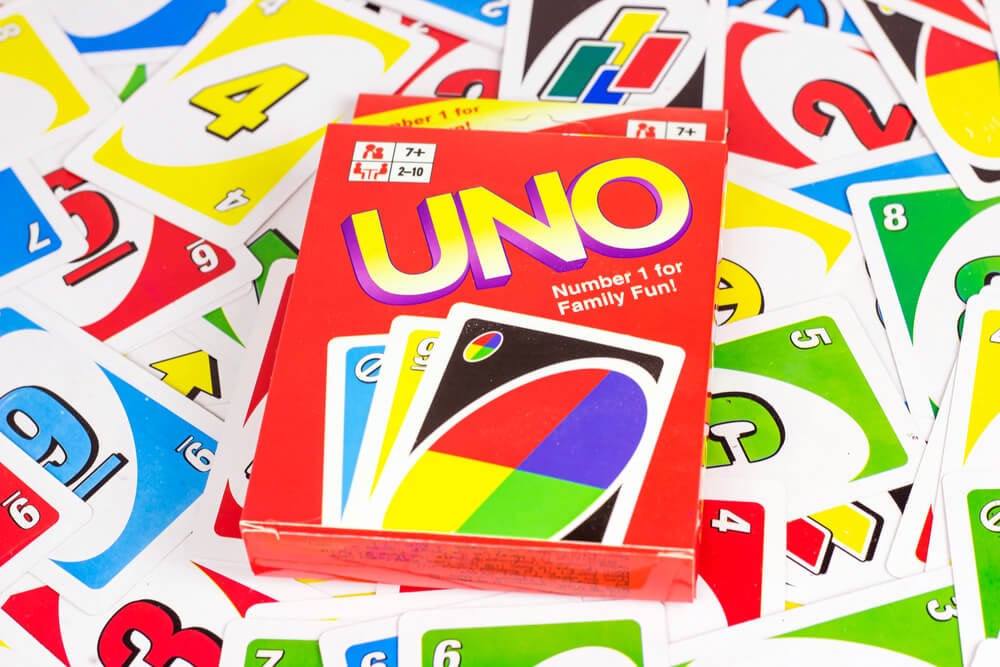
Merle Robbins, a barber in Reading, Ohio, came up with Uno in 1971 after an argument with his son over the rules of Crazy Eights. The family pooled about 8,000 dollars to print the first 5,000 decks and sold them out of the barbershop.
Robbins sold the rights the following year, and Mattel has owned the game since 1992. A standard deck holds 108 cards.
At sleepovers nobody played by the printed rules anyway, and every household had its own position on stacking draw cards. Arguments over that single point have ended more games than anyone actually going out.
MASH and the Notebook Page That Told the Future
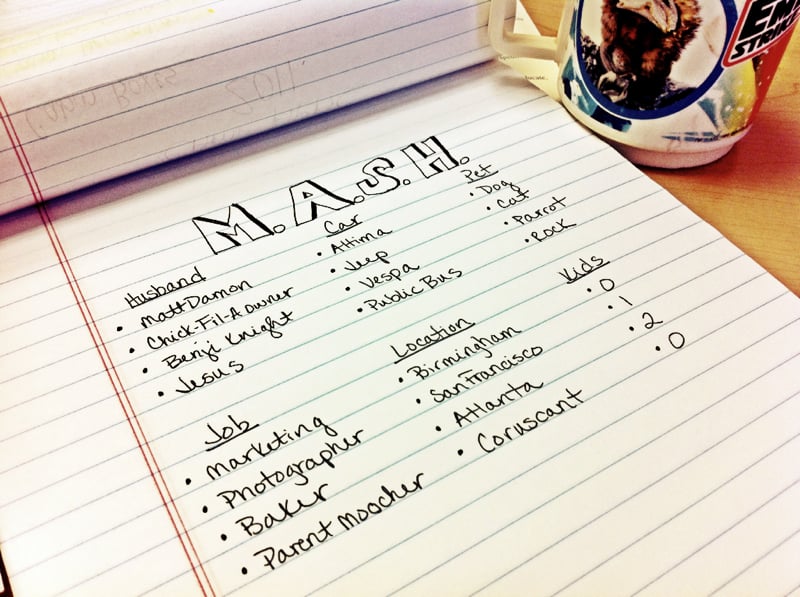
Four letters across the top of a notebook page stood for mansion, apartment, shack and house. Below them went lists of future spouses, cars, careers and numbers of children, with at least one terrible option required in each category.
One player drew a spiral until another called a halt, and the number of rings became the counting number for crossing off choices. Whatever survived was destiny.
The results were usually something like a shack, a station wagon, nine kids and marriage to the least popular boy in sixth grade. Everyone demanded a rematch immediately, which was the entire appeal.
Mad Libs Read Aloud at Full Volume
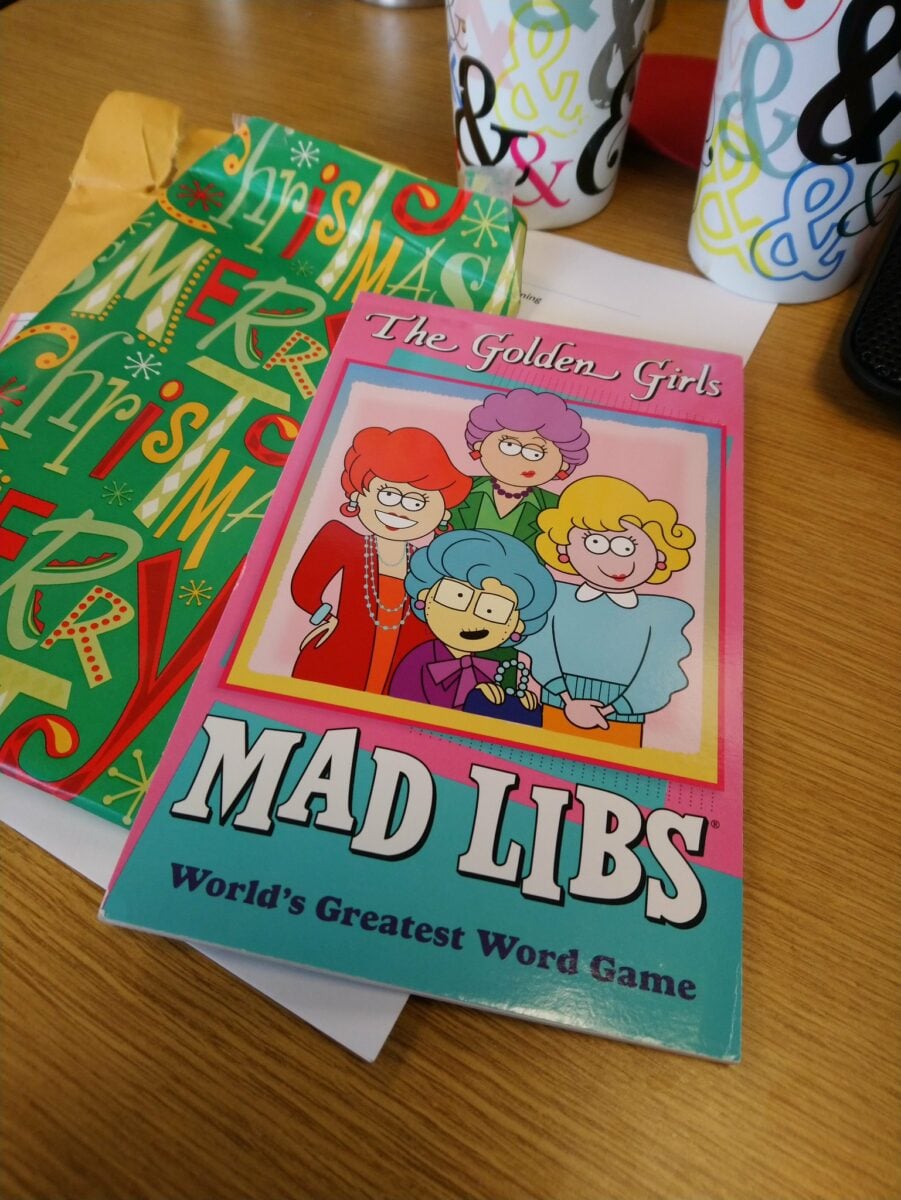
Roger Price and Leonard Stern published the first Mad Libs book themselves in 1958 after publishers passed on the idea. Stern, then a writer for The Honeymooners, had been hunting for an adjective for a script when Price supplied two absurd ones, and the format grew from there.
One person asked the group for nouns, verbs and body parts without revealing the story, then read the finished page back. Sleepover crowds quickly learned which words produced the best results.
Most of them were bathroom words. The pads fit in an overnight bag and required only a pencil, and their publisher has reported sales well past 100 million copies.
Ghost in the Graveyard After Dark
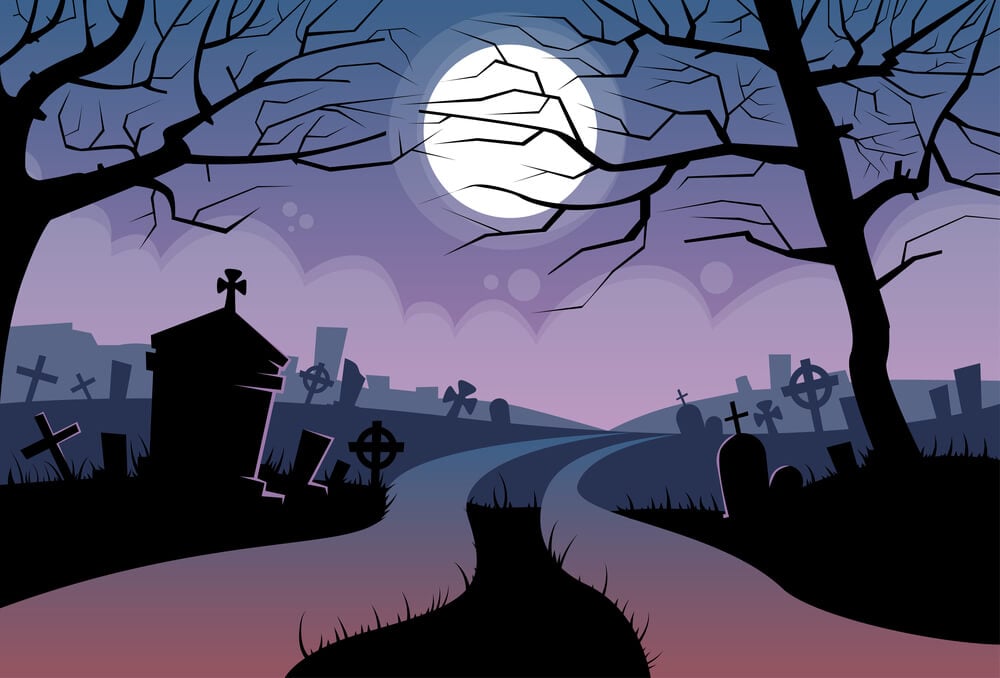
Backyard sleepovers in warm months often opened with this one, played after dusk across two or three adjoining lawns. One player hid as the ghost while the rest waited at a home base, usually a porch, and counted the hours aloud from one o’clock up to midnight.
The group then spread out to search. Whoever spotted the ghost shouted the name of the game, and everyone sprinted for base with the ghost in pursuit.
Anyone tagged became the next ghost. The rules shifted from one street to the next, but the scream when the ghost jumped out from behind an air conditioner unit was universal.
Flashlight Tag Across the Backyard

Regular tag needs a hand on a shoulder. This version needed only a beam of light and a clear view, which made it far more prone to disputes.
The player who was it carried the flashlight, usually a plastic Eveready from the kitchen junk drawer, and tagged people by catching them in the beam and calling out their names. Dying batteries were a hazard and a strategy.
So was dark clothing, and veterans packed a navy sweatshirt for exactly this purpose. Maglite’s aluminum flashlights, introduced in 1979, later gave some lucky kid on every block a beam that reached the far fence.
Prank Phone Calls Before Caller ID
A kitchen phone with a long cord, a phone book, and a group of kids awake at eleven made for a predictable outcome. The classic script asked a stranger whether the refrigerator was running and then advised catching it.
Other calls ordered imaginary pizzas or asked for someone with a ridiculous name. Anonymity made it possible.
Caller ID spread through American homes in the early and middle 1990s, and the call return code star 69 let a victim ring right back. A furious adult returning the call, and a parent picking up the extension, ended the practice in many households in a single night.
Nightmare, the Board Game Hosted by a Videotape
This Australian import reached American stores around 1991 with a 60-minute VHS cassette in the box. Created by Brett Clements and Phillip Tanner, the game ran against the tape’s clock while a hooded host called the Gatekeeper interrupted at intervals to shout at players, hand out penalties, and banish them from the board.
Nobody could pause it. If the hour expired before a player won, the Gatekeeper claimed victory.
Each player also wrote down a personal fear at the outset, to be used against them later. The series continued under the name Atmosfear, and complete copies with a playable tape typically sell for about 25 to 60 dollars.
GoldenEye 007 With Four Controllers
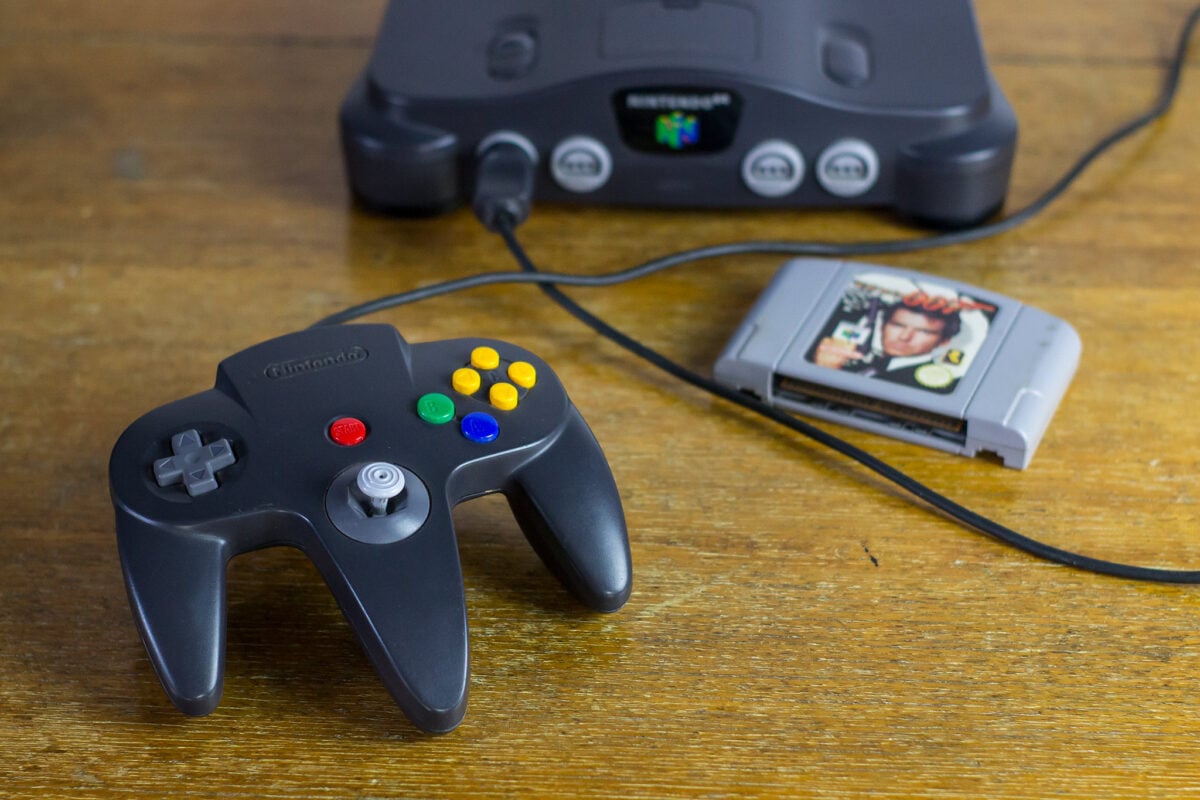
Rare’s 1997 Nintendo 64 shooter turned the sleepover into a tournament. Four players shared one television, the screen divided into quarters, and the multiplayer mode that made it possible was reportedly added late in development, almost as an afterthought.
House rules appeared immediately. Choosing Oddjob was widely banned because the short character was harder to hit, and glancing at an opponent’s quarter of the screen was condemned by everyone and practiced by everyone.
Matches in the Facility and Complex levels ran until a parent pulled the plug. Boxed copies with the manual often sell for about 60 to 120 dollars, depending heavily on label and box wear.
Mario Kart 64 and the Blue Shell
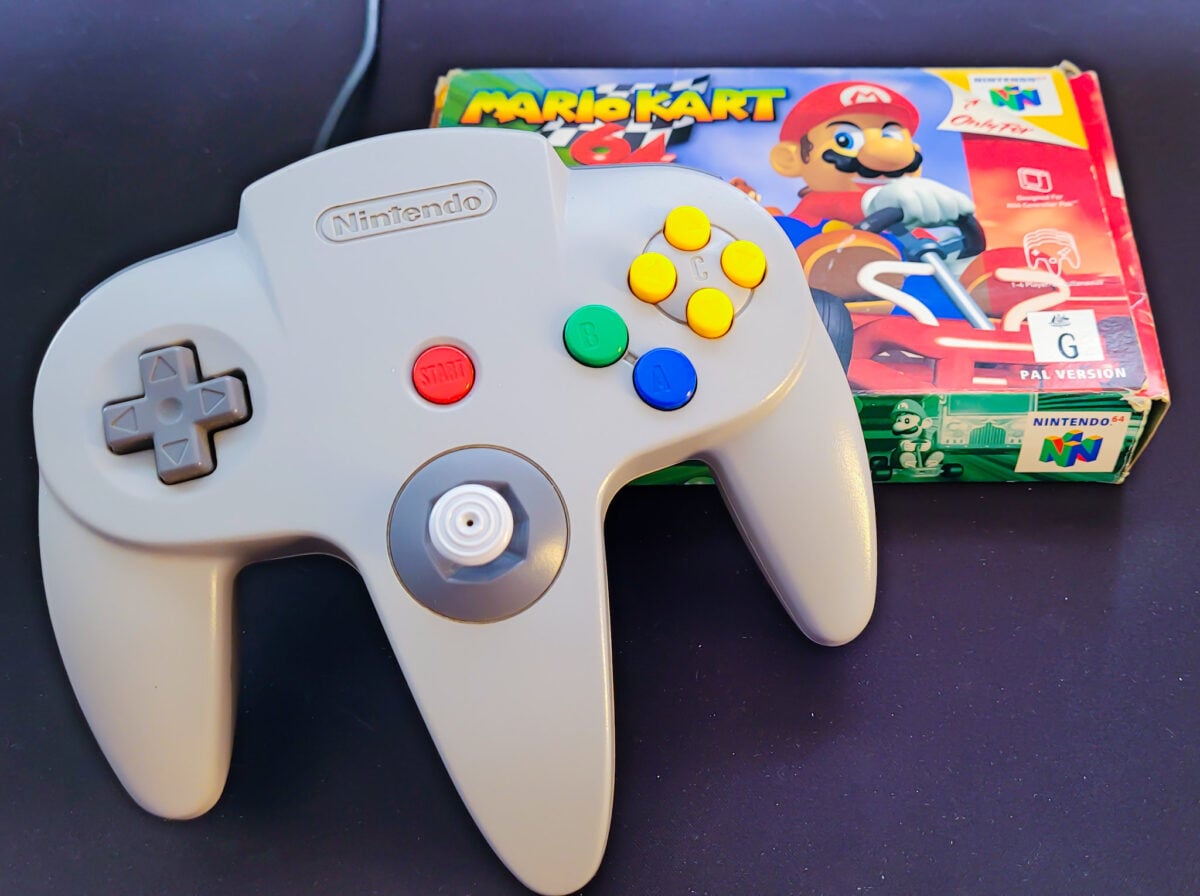
Nintendo’s racer reached North America in early 1997, and the console’s four built-in controller ports meant no extra adapter was needed for a full grid. That detail mattered at a sleepover with six kids and one television.
Losers passed the controller, and the gray one with the loose stick went to the youngest player. The game also introduced the blue spiny shell, an item that hunts down whoever is in first place, and it has been ruining friendships at the finish line ever since.
Rainbow Road, the longest track in the game, was reserved for the end of the night. Few people saw the last lap awake.
Flashlights, Whispers and Rules Made Up on the Spot
Very little on this list needed adult help, and that was the point. A sleepover handed a group of kids a few unsupervised hours and left them to fill the time, settle disputes and decide what counted as fair.
The boxed games supplied plastic phones and buzzers, but the folk games came with no equipment at all and lasted just as long. Each one had been taught by an older kid who had learned it the same way.
That chain of instruction is harder to find now that a screen can occupy every guest separately. The old games demanded a full room, a shared secret, and a willingness to look foolish in front of friends.
Kids put up with the embarrassment because everybody else in the circle was risking the same thing. By morning nobody remembered who had won anything.
More from Go2Tutors!

- The Romanov Crown Jewels and Their Tragic Fate
- 13 Historical Mysteries That Science Still Can’t Solve
- Famous Hoaxes That Fooled the World for Years
- 15 Child Stars with Tragic Adult Lives
- 16 Famous Jewelry Pieces in History
Like Go2Tutors’s content? Follow us on MSN.