Social Media Hacks That Actually Work
Most social media advice sounds good until you try it. Post consistently, use trending audio, engage with your community — all technically true, all maddeningly vague.
The stuff that actually shifts your results tends to be more specific than that. These are the tactics worth your time, the ones that hold up in practice rather than just in theory.
Post When Your Audience Is Already Scrolling

Timing matters more than most people admit. Every platform shows you analytics that include when your followers are most active — and most people never look at this data.
Check your insights, find your peak windows, and schedule posts to land during those hours. A strong post published at the wrong time quietly disappears.
The same post published when your audience is active gets seen, shared, and responded to.
Use the First Comment as Extra Space

Platforms like Instagram limit how much you can cram into a caption before the “more” cut-off. A simple workaround: post your caption, then immediately drop a comment on your own post with any links, additional context, or the longer version of what you wanted to say.
The first comment sits right at the top. Many accounts use this to include a link to their latest product or article without cluttering the caption itself.
Batch Your Content Creation

Trying to come up with something to post every single day is exhausting, and that exhaustion shows in the content. A better approach: block out two or three hours once a week and create everything at once.
Film several videos back to back. Write five captions in one session.
Schedule them out across the week. Your output improves because you’re in a creative headspace rather than scrambling to fill a slot.
Reply to Comments Within the First Hour

The algorithm on most platforms treats early engagement as a signal that your post is worth showing to more people. When someone comments in the first hour after you post, reply to them — and reply quickly.
This creates a back-and-forth that boosts the post’s engagement count and tells the algorithm the content is generating conversation. Even short replies count.
Getting this habit right consistently makes a measurable difference over time.
Pin Your Best Comment

On platforms that allow it — YouTube, Instagram, TikTok — you can pin a comment to the top of your own post. Use this deliberately.
If someone asks a great question, pin your answer. If you want to direct people to a specific action, pin that instruction.
Most creators ignore this feature entirely, which means using it puts you ahead of the majority.
Carousels Outperform Single Images on Instagram
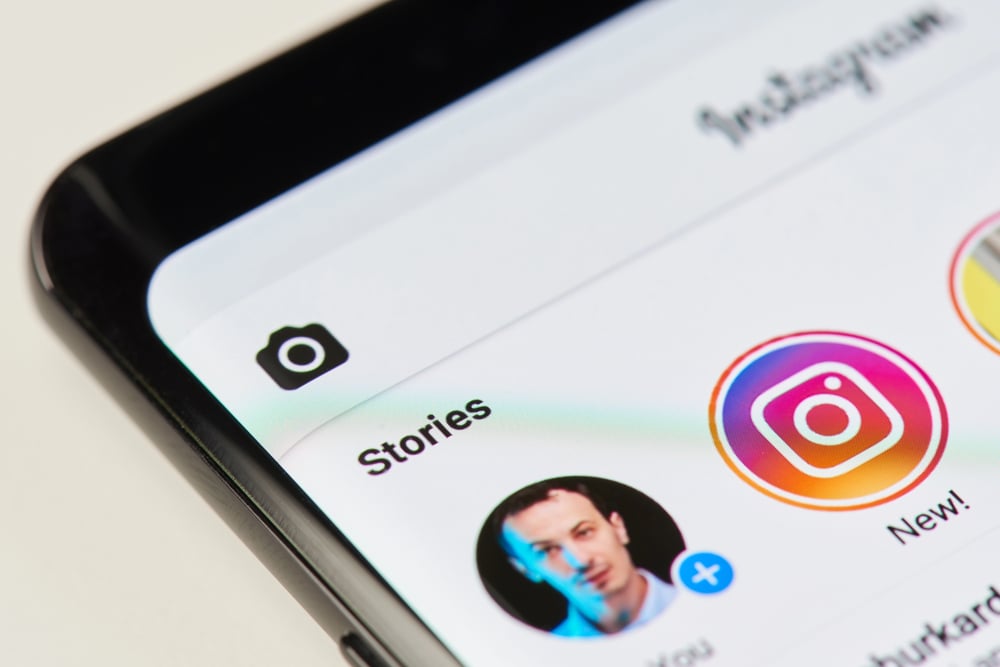
If you post on Instagram and you’re not regularly using carousels, you’re leaving reach on the table. Instagram’s algorithm pushes carousels to non-followers more than single images, partly because they generate more time-on-post and more swipes.
The first slide needs to stop someone mid-scroll, but after that, each additional slide keeps them engaged longer. Educational content, before-and-afters, and step-by-step guides all work well in this format.
Write Captions That Ask One Specific Question

Vague calls to action — “let me know what you think!” — produce vague results. A specific question produces actual responses.
“Which of these would you try first?” or “What’s the one thing holding you back from doing this?” gives people something to react to. The more targeted the question, the easier it is for someone to just answer it rather than scroll past.
One question. Keep it simple.
Cross-Post With Platform-Specific Adjustments

Posting identical content across every platform sounds efficient. In practice, it signals to each platform’s algorithm that you’re not creating for them specifically, and it also tends to look lazy to your audience.
A short tweak goes a long way: adjust the aspect ratio, change the caption tone slightly, or swap out the hook line to suit how people consume content on that particular platform. LinkedIn and TikTok audiences behave very differently.
The content can overlap — but it should feel like it belongs where it’s posted.
Fill In Your Alt Text — and Make It Descriptive
Alt text started as an accessibility feature, and that’s still its primary purpose. But on Instagram and Pinterest especially, alt text also feeds into how the platform categorises and surfaces your content.
Most people leave this field blank. If you fill it in with an accurate, specific description of the image — not keyword stuffing, just a clear description — you give the algorithm more to work with when deciding who to show your post to.
Use Voice Notes in DMs

When someone sends you a thoughtful message or enquiry, try responding with a voice note instead of typed text. It’s more personal, takes less time than typing out a detailed reply, and tends to genuinely surprise people in a good way.
Those conversations often turn into stronger relationships with your most engaged followers. It scales up to a point — you can’t send voice notes to hundreds of people — but for your most active audience members, it’s worth doing.
Repurpose What Already Worked

When a post performs well, most people move on and try to recreate that success with something new. A more reliable approach: repurpose the thing that already worked.
Turn a popular caption into a short video script. Take your most-saved carousel and write it up as a longer post on LinkedIn.
Clip your best moment from a long video and push it as a standalone reel. You already know the idea resonates — the format just changes.
Go Live With No Pressure on the Numbers

Live video intimidates most people because they picture an audience. The reality is that most lives start with a handful of viewers.
That’s fine. Lives get replayed, clipped, and pushed by algorithms after the fact.
Going live regularly — even to a small room — builds comfort with speaking on camera, creates authentic content you can repurpose, and gets treated favourably by platforms that want creators using their live features. Show up, talk about something useful, and don’t obsess over the viewer count.
Saves and Shares Beat Likes Every Time

Chasing likes feels good. But saves and shares are what actually tell the algorithm your content has lasting value.
A like means someone noticed. A save means someone wants to come back to it.
A share means someone thought it was worth passing along. When you’re creating content, ask yourself: is this the kind of thing someone would save for later?
That question steers you toward more useful, specific, genuinely valuable content — the kind that compounds over time rather than disappearing after a day.
Turn Your Bio Into a One-Sentence Pitch

Most social media bios are either too vague (“entrepreneur, speaker, dog mum”) or too packed with keywords to read like a real sentence. Your bio has one job: to tell a person who stumbles onto your profile whether or not they should follow you.
A clear, single-line description of what you post and who it’s for does this better than a list of titles. If someone can read your bio and immediately understand what they’d get by following you, they’re more likely to do it.
The Unglamorous Part Nobody Mentions

Sticking with it makes every method stronger in the long run. Patience matters more online than clever moves do.
Growth often belongs to those who post helpful stuff regularly, reply to followers, then tweak things depending on how results unfold – not magic tricks. Shortcuts can lift performance, yet only if what’s underneath deserves attention in the first place.
More from Go2Tutors!

- The Romanov Crown Jewels and Their Tragic Fate
- 13 Historical Mysteries That Science Still Can’t Solve
- Famous Hoaxes That Fooled the World for Years
- 15 Child Stars with Tragic Adult Lives
- 16 Famous Jewelry Pieces in History
Like Go2Tutors’s content? Follow us on MSN.



