17 Times a Disaster Was Barely Avoided by Sheer Coincidence
History is filled with moments when catastrophe seemed inevitable, yet somehow humanity dodged the bullet. These near-misses often go unnoticed in our history books, overshadowed by the disasters that actually occurred.
But these close calls deserve our attention too—they reveal how fragile our safety can be and how sometimes pure luck is all that stands between us and disaster. Here is a list of 17 historical incidents where disaster was miraculously averted through coincidence, quick thinking, or just plain luck.
The Cuban Missile Crisis Bear
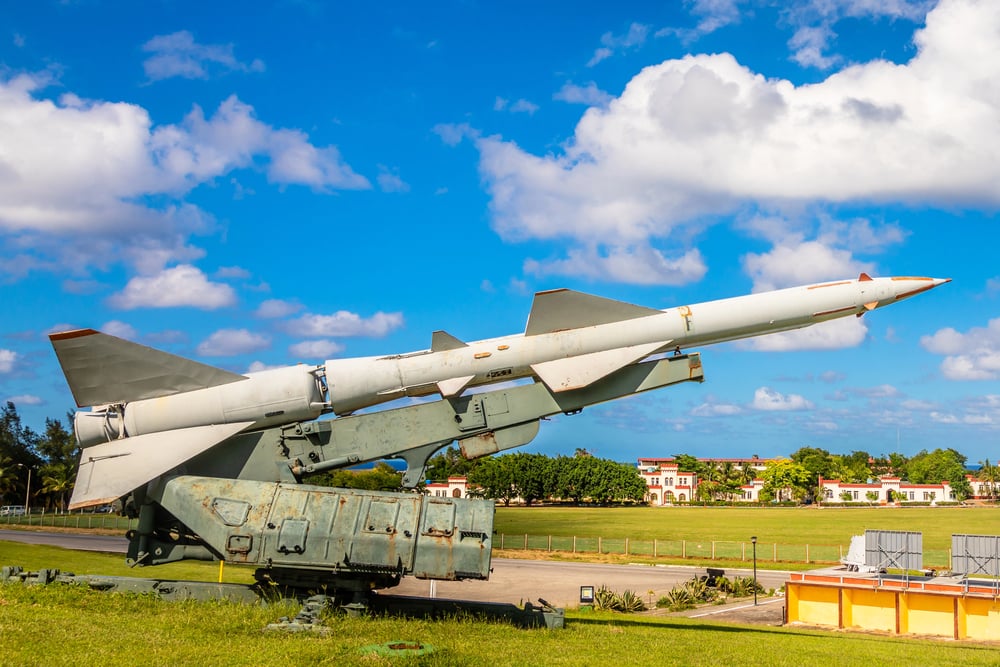
During the height of the Cuban Missile Crisis in 1962, a guard at a U.S. military base in Duluth, Minnesota spotted a figure climbing the fence. He shot at it and triggered alarms at nearby bases, including one that housed nuclear-armed aircraft.
At Volk Field in Wisconsin, pilots were preparing for takeoff when someone realized the wrong alarm had been triggered. The intruder was actually a bear, not Soviet saboteurs.
A simple phone call stopped the pilots just moments before they would have launched potentially nuclear-armed planes during the most tense nuclear standoff in history.
Stanislav Petrov’s Gut Feeling

In September 1983, Soviet military officer Stanislav Petrov was on duty when the early warning system showed five American missiles heading toward the Soviet Union. Protocol demanded he report this to his superiors, who would likely have launched a retaliatory strike.
Instead, Petrov had a gut feeling that something was wrong with the system and decided not to report it. He was right—it was a false alarm caused by a rare alignment of sunlight on high-altitude clouds.
His split-second decision potentially averted nuclear war.
Like Go2Tutors’s content? Follow us on MSN.
Apollo 13’s Duct Tape Solution
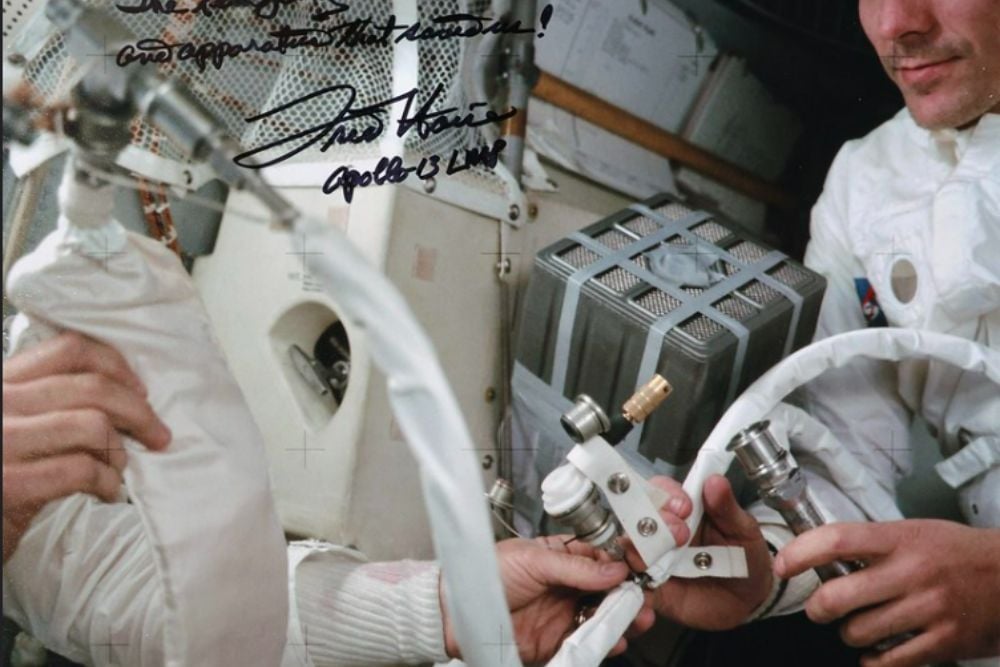
When an oxygen tank exploded aboard Apollo 13 in 1970, carbon dioxide levels began rising to lethal levels. The crew needed to adapt square lithium hydroxide canisters to fit round holes using only materials available on the spacecraft.
Engineers on the ground improvised a solution using plastic bags, cardboard, and duct tape—items that just happened to be onboard. This makeshift creation filtered the air and kept the crew alive until they could return to Earth, turning what seemed like certain tragedy into a triumphant survival story.
Chernobyl’s Nearly Worse Scenario

While the Chernobyl disaster of 1986 was catastrophic, it could have been exponentially worse. After the initial explosion, molten nuclear material was burning through the floor toward water tanks below.
If reached, the resulting steam explosion would have ejected more radiation and potentially rendered much of Europe uninhabitable. Three plant workers voluntarily entered the flooded chambers beneath the reactor to drain the water.
Despite almost certain death from radiation, they prevented a much larger disaster through their sacrifice.
The Great Northeast Blackout Prevention
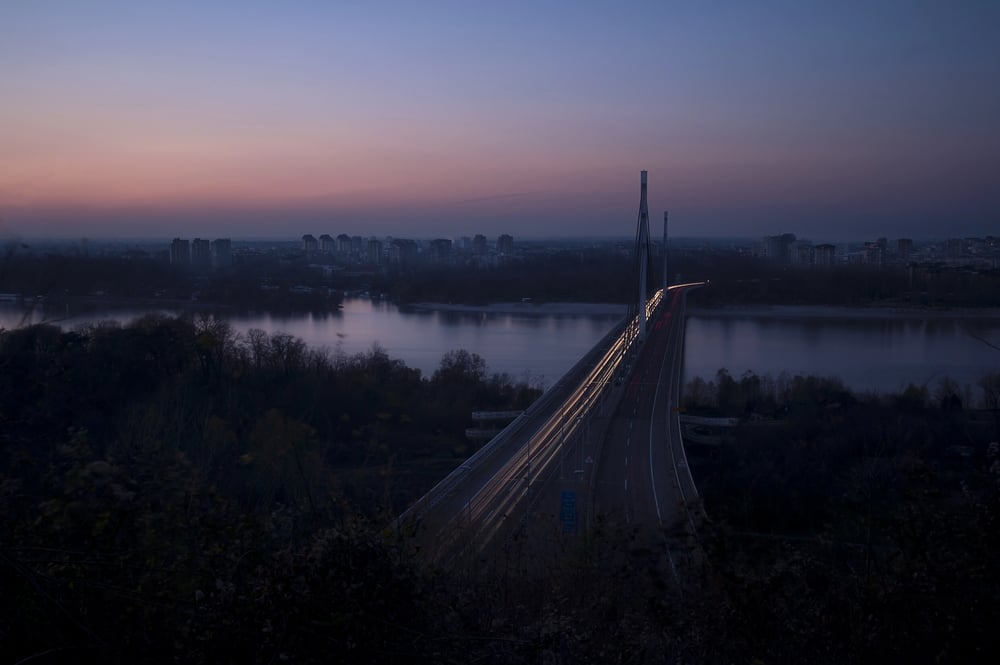
In 2003, the northeastern United States and parts of Canada experienced a massive blackout affecting 55 million people. Yet a true catastrophe was narrowly avoided when operators at the R.E. Ginna Nuclear Power Plant near Rochester, New York took quick action.
When the grid frequency dropped, they managed to separate from the grid just seconds before the cascading failure. Had they failed, the nuclear plant might have experienced a dangerous emergency shutdown scenario, potentially compounding the already serious blackout with radiological concerns.
Like Go2Tutors’s content? Follow us on MSN.
Vasili Arkhipov’s Nuclear Submarine Veto
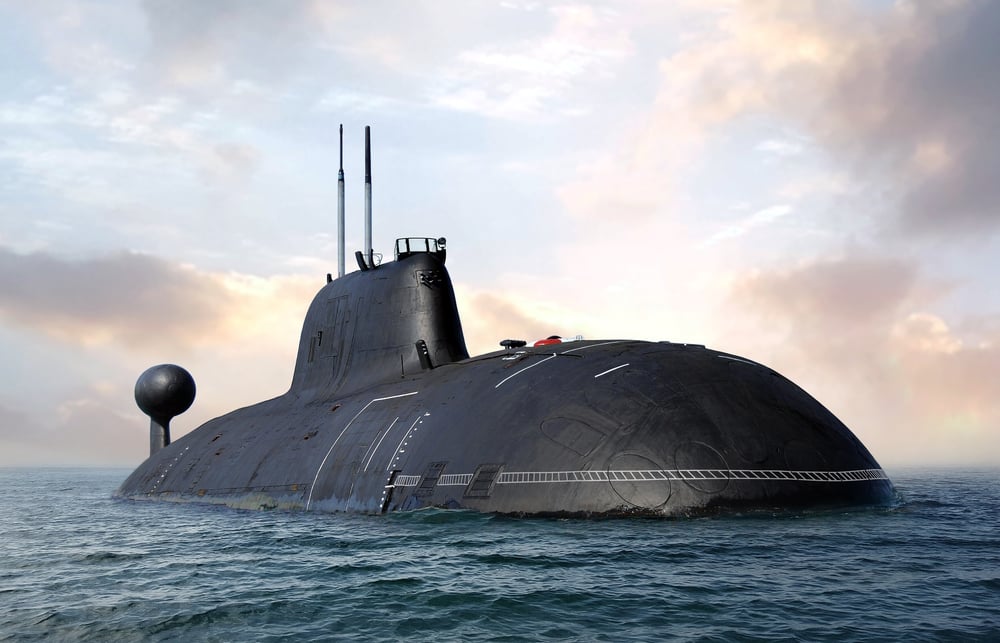
During the Cuban Missile Crisis, a Soviet submarine near Cuba was depth-charged by U.S. forces unaware it carried nuclear torpedoes. The submarine had lost contact with Moscow, and thinking war had begun, two of the three officers voted to launch their nuclear torpedo.
Officer Vasili Arkhipov, however, refused to agree, preventing a nuclear launch that would likely have triggered full-scale nuclear war. His calm disagreement with his fellow officers under extreme pressure potentially saved millions of lives.
British Airways Flight 9’s Volcanic Encounter

In 1982, British Airways Flight 9 flew through volcanic ash from Mount Galunggung in Indonesia, causing all four engines to fail simultaneously. As the plane glided powerlessly for 15 minutes, the pilots attempted restart procedures.
Miraculously, as the ash cooled and broke free from the engines, they were able to restart three engines and safely land in Jakarta. The pilots had no training for such a scenario but managed to recover through improvisation and a stroke of good fortune in the specific way the engines had failed.
Mars Climate Orbiter’s Metric Mix-up

In 1999, NASA lost the $125 million Mars Climate Orbiter because one engineering team used metric units while another used imperial measurements. What’s less known is that another NASA mission that same year, the Mars Polar Lander, was nearly saved from a similar fate when an engineer happened to notice discrepancies in velocity calculations just weeks before launch.
Quick software patches corrected the issue, preventing the loss of another expensive mission through a fortunate timing coincidence.
Like Go2Tutors’s content? Follow us on MSN.
The 1961 Goldsboro B-52 Crash
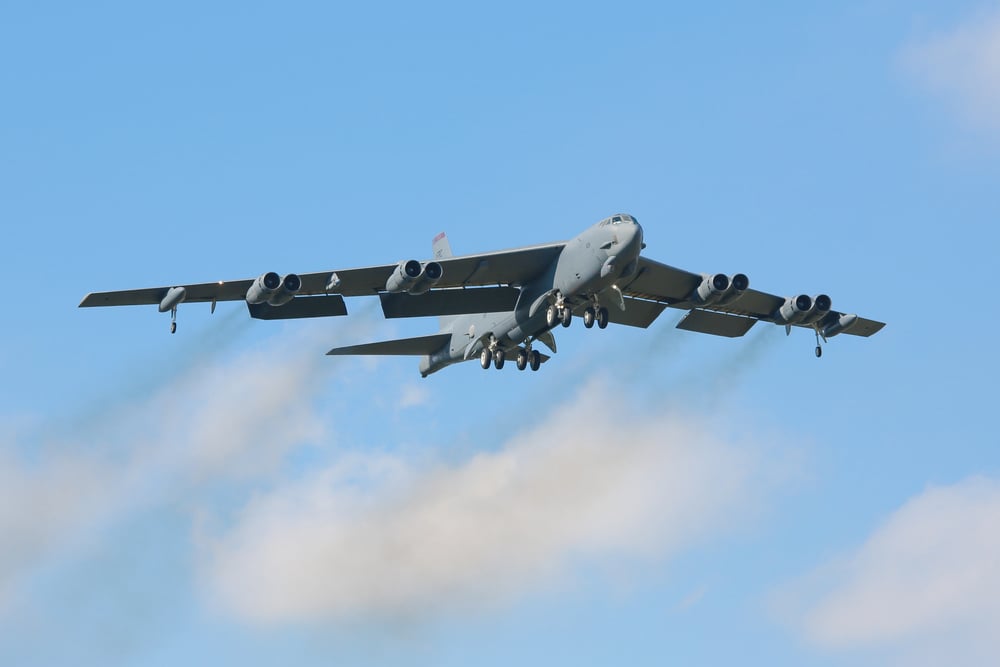
When a B-52 bomber broke apart over Goldsboro, North Carolina in 1961, two Mark 39 hydrogen bombs fell from the sky. Each had the explosive power of more than 250 Hiroshima bombs.
One bomb’s parachute deployed as designed, lowering it safely to the ground. The other bomb had its arming mechanisms activated during the fall.
Investigation later revealed that a single low-voltage switch was all that prevented a nuclear detonation that would have caused catastrophic damage across the eastern seaboard.
Y2K Bug’s Last-Minute Fixes

As the year 2000 approached, computer experts warned about the “Y2K bug” that could cause critical systems to fail when dates rolled over from ’99 to ’00. What’s remarkable is how close many systems came to serious failure.
At a nuclear power plant in Pennsylvania, emergency systems were found to have Y2K vulnerabilities just three weeks before the new year. A massive emergency reprogramming effort finished with barely 18 hours to spare, preventing potential safety system failures at the facility.
Operation Able Archer Misunderstanding
In November 1983, NATO conducted a war game called Able Archer 83 that simulated a nuclear attack. Soviet intelligence misinterpreted this as preparation for a real first strike and began preparing their nuclear forces in response.
What saved the situation was a double agent named Oleg Gordievsky who managed to get word to Western intelligence about the Soviet misunderstanding. This allowed NATO to subtly alter the exercise, inserting clear signals that it was indeed just a drill and not actual war preparations.
Like Go2Tutors’s content? Follow us on MSN.
Three Mile Island’s Timing Luck
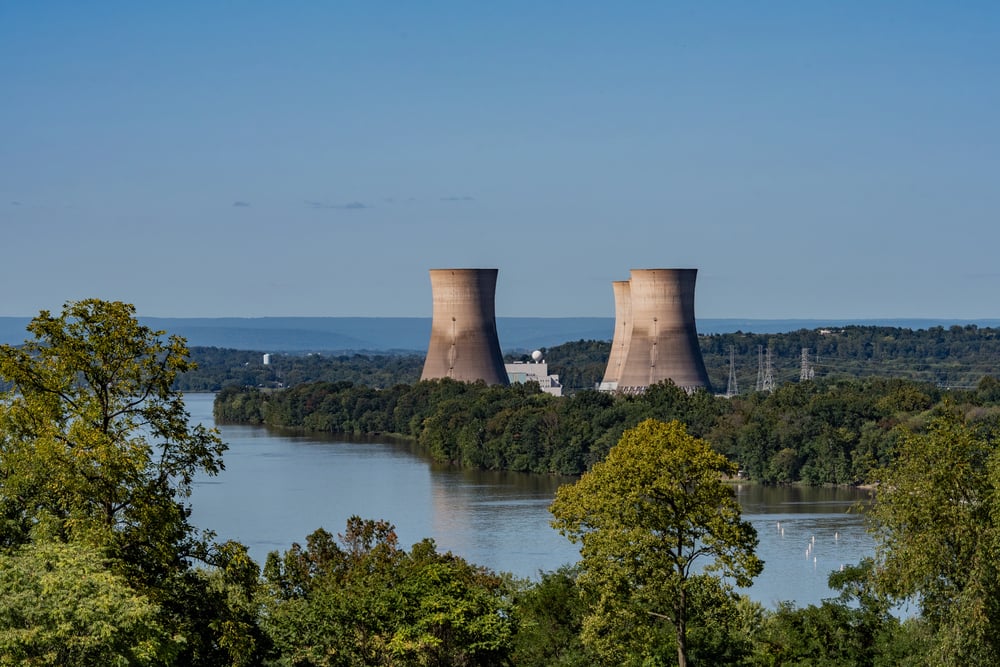
During the Three Mile Island nuclear accident in 1979, a series of equipment failures and operator errors led to a partial meltdown. What prevented a complete disaster was coincidental timing.
A shift change had just occurred, bringing fresh operators who questioned earlier decisions and took different actions than their predecessors might have. Additionally, an engineer who had specialized knowledge of a particular valve happened to be on site that day, allowing for critical insights that helped stabilize the situation before complete meltdown occurred.
The 1908 Tunguska Event Location

In 1908, a massive explosion occurred over Tunguska, Siberia, flattening trees over 830 square miles. The blast is believed to have been caused by an airbursting meteor or comet fragment.
Had this object arrived just hours earlier or later, Earth’s rotation would have placed a major European city directly in its path instead of the remote Siberian forest. The difference of mere hours in cosmic timing prevented what could have been one of the deadliest natural disasters in human history.
Norwegian Rocket Incident

In January 1995, Russian radar operators detected a rocket launch from the Norwegian Sea appearing to head toward Russia. President Yeltsin was notified and for the first time ever, the nuclear briefcase was activated for emergency launch authorization.
Minutes before a potential response, operators determined it was actually a Norwegian scientific rocket launched to study the Northern Lights. Norway had notified Russia of the launch, but the message hadn’t reached the proper authorities due to bureaucratic oversight.
The crisis was averted with just minutes to spare.
Like Go2Tutors’s content? Follow us on MSN.
The Paris Catacombs Collapse Prevention

In 1777, a massive sinkhole opened in Paris, swallowing an entire street into the limestone quarries below the city. This led to the discovery that much of Paris was built above unstable abandoned mines.
Engineers began an urgent inspection program and found numerous buildings on the verge of collapse, including several hospitals and churches. Their timely reinforcement work prevented what could have been a series of catastrophic building collapses throughout the city center in subsequent years.
Solar Storm Near-Miss of 2012

In July 2012, the sun ejected one of the most powerful coronal mass ejections ever recorded. This massive solar storm missed Earth by just one week in our planet’s orbit around the sun.
Had this hit Earth, it would have caused widespread electrical grid failures potentially lasting months or years. Experts estimate the economic impact could have reached trillions of dollars with massive disruption to modern civilization.
Pure astronomical timing spared us from this technological catastrophe.
The Ozone Layer’s Timely Discovery

In the 1970s, scientists discovered that chlorofluorocarbons (CFCs) were depleting the ozone layer that protects Earth from harmful ultraviolet radiation. What few people realize is how close we came to an environmental disaster.
If the chemistry of CFCs had been slightly different, making them heavier or more reactive at lower altitudes, their ozone-depleting effects might have gone undetected until irreversible damage occurred. The specific properties of these chemicals allowed scientists to detect the problem before permanent damage to the ozone layer took place.
Like Go2Tutors’s content? Follow us on MSN.
Fortune’s Thin Line

These seventeen incidents reveal how history balances on the edge of a knife. From nuclear near-misses to environmental catastrophes narrowly averted, our collective story includes many moments when disaster was thwarted by nothing more than coincidence, individual courage, or sheer luck.
While we celebrate technological advancement and human ingenuity, these close calls remind us to remain humble about the fragility of our systems and grateful for the twists of fate that have, time and again, preserved our future.
More from Go2Tutors!

- 18 Unexpectedly Valuable Collectibles You Might Have Lying Around
- 20 Little-Known Historical Battles That Had Huge Consequences
- 20 Historical Artifacts That Scientists Can’t Explain
- 15 Inventions That Were Immediately Banned After Being Created
- 20 Actors Who Were Almost Cast in Iconic Roles
Like Go2Tutors’s content? Follow us on MSN.



