Spices Still Harvested by Hand
Walk into any grocery store and you’ll find rows of spice jars, each one labeled with prices that sometimes make you do a double-take. The reason becomes clear when you learn how these tiny flavor powerhouses actually make it from farm to shelf.
While machines now handle much of modern agriculture, many spices still require human hands to pick, process, and prepare them. The work remains as labor-intensive today as it was centuries ago.
Saffron Demands Patient Fingers
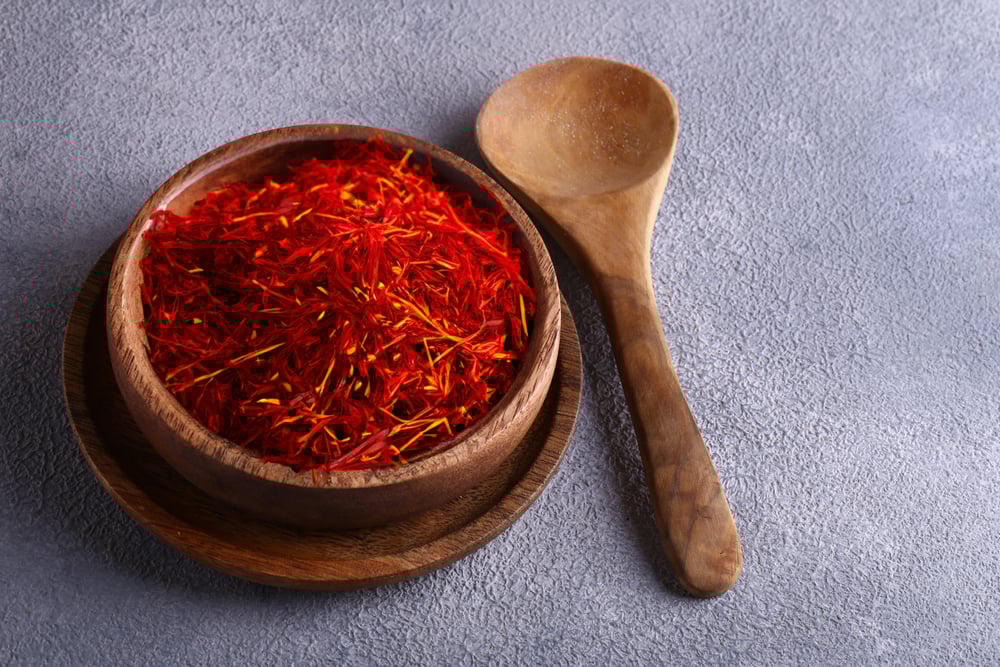
Three red threads grow inside each crocus flower, and someone has to pluck them out one by one. A single pound of saffron requires about 75,000 flowers.
Workers wake before dawn during the brief autumn harvest window because the flowers bloom for just a few weeks each year. Each flower gets picked at its peak, then workers sit down to separate those delicate threads from the rest of the bloom.
The process explains why saffron costs more per ounce than gold. The flowers wilt quickly after opening, so timing matters.
Families in Iran, Spain, and Kashmir pass down the technique through generations. Young children learn by watching their parents and grandparents work through baskets of purple blooms.
No machine can replicate the gentle touch needed to extract those threads without damaging them.
Vanilla Pods Need Individual Attention

Vanilla orchids produce flowers that bloom for just one day. Someone has to pollinate each flower by hand using a small stick or blade to transfer pollen from the male to the female part of the flower.
Miss that single day and the flower produces nothing. After pollination, the pods take nine months to mature.
Workers check each plant regularly, harvesting pods at just the right stage of ripeness. Too early and they lack flavor.
Too late and they split open. The harvest happens one pod at a time over several weeks as different pods reach maturity on the same vine.
Then comes the curing process, which transforms green pods into the dark, aromatic vanilla you recognize. Workers blanch the pods in hot water, sweat them under blankets, dry them in the sun, and condition them in boxes.
This takes three to six months of daily handling. Each pod gets touched dozens of times before it reaches your kitchen.
Black Pepper Berries Ripen on Their Own Schedule

Pepper vines can grow twenty feet tall, winding around trees and support poles in tropical plantations. The berries don’t all ripen at once, so workers climb or use ladders to pick them in waves throughout the harvest season.
They look for clusters that have turned from green to red, indicating peak ripeness for black pepper production. After picking, workers spread the berries on mats to dry in the sun.
Someone has to turn them regularly to ensure even drying. The berries shrivel and turn black over several days.
For white pepper, workers soak the berries first, then remove the outer skin by hand before drying.
Cardamom Pods Hide Their Readiness

Small cardamom pods grow close to the ground on plants that can reach ten feet tall. The pods don’t announce when they’re ready—they stay green whether mature or not.
Workers have to feel each pod cluster to judge readiness by firmness and size. Pick too early and the seeds inside lack flavor.
Wait too long and the pods split open, spilling their precious seeds onto the soil. The harvest runs for months as different plants and different pods on the same plant ripen at different times.
Workers return to the same plants repeatedly, selecting only the pods that have reached the right stage. After picking, they dry the pods carefully to preserve the green color and seal in the aromatic oils.
Cloves Start as Flower Buds

Clove trees produce small flower buds that workers pick before they open. The timing window lasts just a few days for each bud.
Wait too long and the flowers bloom, losing the concentrated flavor that makes cloves valuable. Workers climb the trees using simple ladders or harvest from the ground using long poles with baskets attached.
Each bud gets picked individually by hand. The trees produce two harvests per year, and a single mature tree can yield thousands of buds.
After picking, workers dry the buds in the sun until they turn dark brown and hard. The entire process requires constant attention and skilled judgment about when each bud reaches peak readiness.
Cinnamon Hides Under Bark
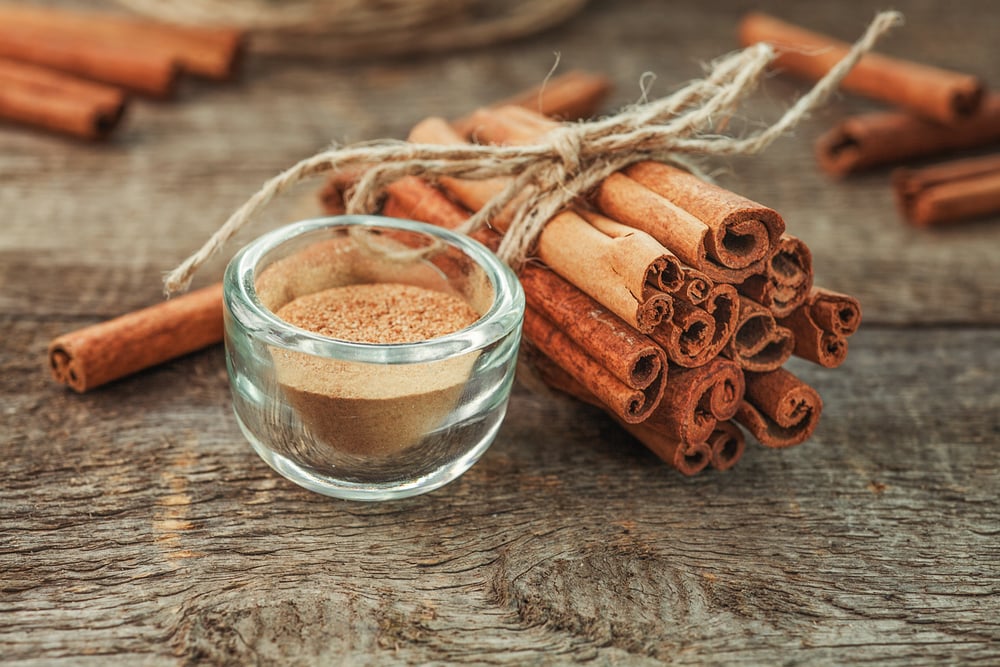
Cinnamon comes from the inner bark of trees in the genus Cinnamomum. Workers cut branches from the trees, then use curved knives to score the outer bark.
They peel away both outer and inner bark in strips, then scrape off the rough outer layer to reveal the delicate inner bark underneath. The strips curl naturally as they dry, forming the familiar cinnamon sticks.
Workers grade each stick by color, texture, and thickness. The thinnest, most delicate pieces command the highest prices.
The entire process requires skilled hands and sharp tools. Each tree can provide bark for harvesting every few years without killing the plant.
Nutmeg Offers Two Spices from One Fruit

Nutmeg trees produce apricot-sized fruits that split open when ripe. Inside sits a single seed covered in a bright red webbing called mace.
Workers collect the fallen fruits or pick them from trees, then separate the components by hand. First, they remove the mace, carefully peeling away the delicate strands and flattening them for drying.
Then they crack the hard shell to extract the nutmeg seed inside. Both the mace and the seed become valuable spices, but each requires different handling.
Workers dry the mace quickly to preserve its color and the nutmeg slowly over weeks, sometimes using smoke to prevent insect damage. Someone has to turn and check each piece regularly during the drying process.
Star Anise Resembles Tiny Wooden Stars

Star anise grows on evergreen trees that can reach twenty feet tall. The fruit develops into distinctive eight-pointed stars, each point containing a single seed.
Workers pick the fruits by hand when they turn from green to rust-colored, indicating ripeness. The harvest happens once a year, and timing matters.
Pick too early and the stars lack full flavor. Wait too long and they fall from the trees and get damaged.
After harvest, workers spread the stars on mats to dry in the sun. The drying process takes several days, and someone has to turn them regularly to prevent mold and ensure even drying.
Turmeric Roots Need Careful Digging

Turmeric grows underground as rhizomes that look like ginger roots with bright orange flesh. Workers use small hand tools to dig around each plant, feeling for the rhizomes without damaging them.
The roots grow in clusters, and each cluster has to be lifted carefully from the soil. After harvest, workers clean the rhizomes and boil them to soften them and bring out their color.
Then they dry them in the sun for several weeks, turning them daily. Some producers cure the roots in controlled conditions, but traditional methods still rely on human attention throughout the process.
When fully dry, workers grade the rhizomes by size and quality before sending them for grinding into the familiar yellow powder.
Paprika Peppers Vary in Heat

Paprika peppers ripen to deep red on plants that produce fruit throughout the growing season. Workers walk through fields regularly, picking only the peppers that have reached full color.
The harvest extends over weeks or months as different peppers ripen at different rates. After picking, workers sort the peppers by size and quality.
Some get strung up to dry, others spread on racks or mats. The drying process requires attention—too much moisture and mold grows, too little and the peppers become brittle and lose flavor.
When fully dry, workers remove the stems and grind the peppers into powder, sometimes blending different varieties to achieve specific heat levels and flavors.
Cumin Seeds Shatter When Ready

Cumin plants produce small flowers that develop into seed pods. The seeds mature over several weeks, and workers watch for the moment when the pods turn brown and start to split.
Harvest too early and the seeds lack full flavor. Wait too long and the pods shatter, spilling seeds onto the ground.
Workers cut the entire plant when most pods have reached the right stage, then bundle the plants and hang them to finish drying. As they dry, someone has to shake the bundles or thresh them to release the seeds.
The seeds need further drying and cleaning before sale, with workers sorting out plant material and debris by hand.
Coriander Grows Above Ground

Few months after planting, coriander stands ready, having raced through growth and bloom. While both leaves and seeds come from the plant, attention usually lands on the seeds for seasoning uses.
As pods shift color – from green into brown – people tending the fields keep close eyes, tracking each change. Not much time to gather – just a short stretch before seeds drop.
Cutting stems at the base, people collect whole plants or just the tops. After that, bundles lie in shaded spots to lose moisture slowly.
Once brittle, the pods split open on their own. Shaking through mesh or tossing in air removes husks and dust.
Every pile gets checked, turned often, kept clear of dampness. Final bits ready only after careful sorting and full dryness.
Bay Leaves Must Be Perfect

A single worker moves through the rows, eyes scanning for fully grown leaves unmarked by pests or illness. Only when a leaf meets strict quality checks does it get plucked from the branch.
Year-round harvests depend on careful timing and steady hands under shifting seasons. Fragile foliage resists machine handling, so fingers replace gears every time.
Once picked, the leaves are dried at a slow pace so they keep their hue and essential oils. If layered too deep, mildew sets in.
Rushing the heat makes them darken, weakening their strength. A person must inspect and flip each batch now and then over weeks of drying time.
Once fully dry, sorting begins – by dimension and condition – with damaged or stained pieces tossed out.
When Machines Lack Human Touch
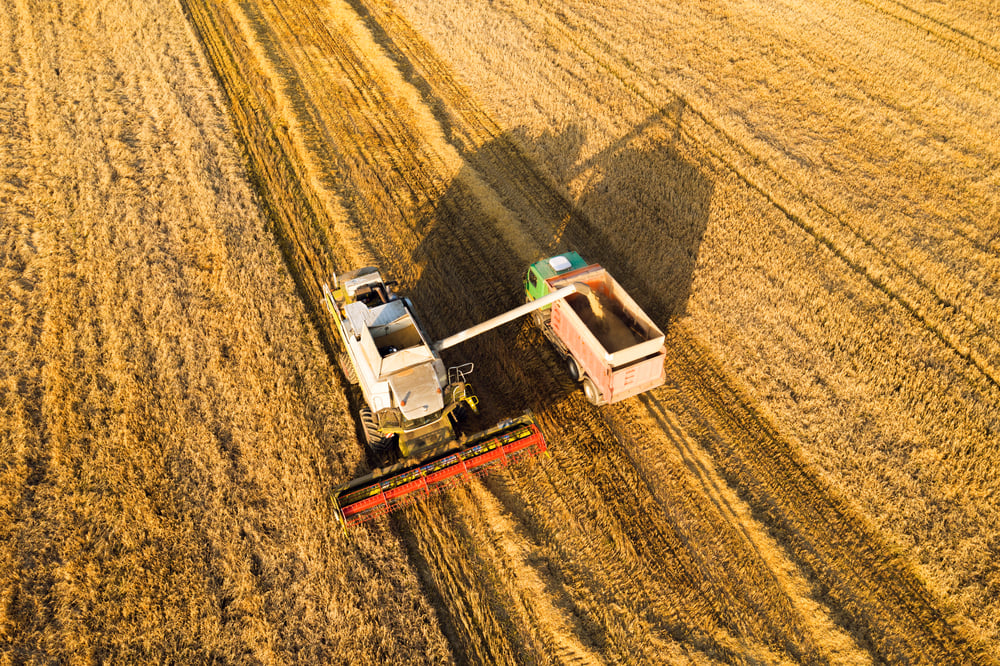
Imagine how some spices still come from hands, not machines. Because fields won’t line up neatly for robots.
Growth happens unevenly, timing refuses to be rushed, decisions must adapt moment by moment – something gears just can’t handle. Every time you open that small container, remember countless quiet choices made under sunlit rows.
Precision lives in fingertips, passed through many moments of knowing, shaping what ends up in your meal.
More from Go2Tutors!

- The Romanov Crown Jewels and Their Tragic Fate
- 13 Historical Mysteries That Science Still Can’t Solve
- Famous Hoaxes That Fooled the World for Years
- 15 Child Stars with Tragic Adult Lives
- 16 Famous Jewelry Pieces in History
Like Go2Tutors’s content? Follow us on MSN.