Top 20 Countries With The Most Immigrants
Every year, millions of people pack up their lives and cross borders in search of something better — safety, work, family, or just a fresh start. Some countries end up absorbing far more of these arrivals than others.
Whether by design or circumstance, the nations on this list have become home to extraordinary numbers of people who were born somewhere else. The data below draws from the United Nations 2024 international migrant stock estimates — the most comprehensive global picture of where immigrants are living today.
United States — Over 50 Million Immigrants
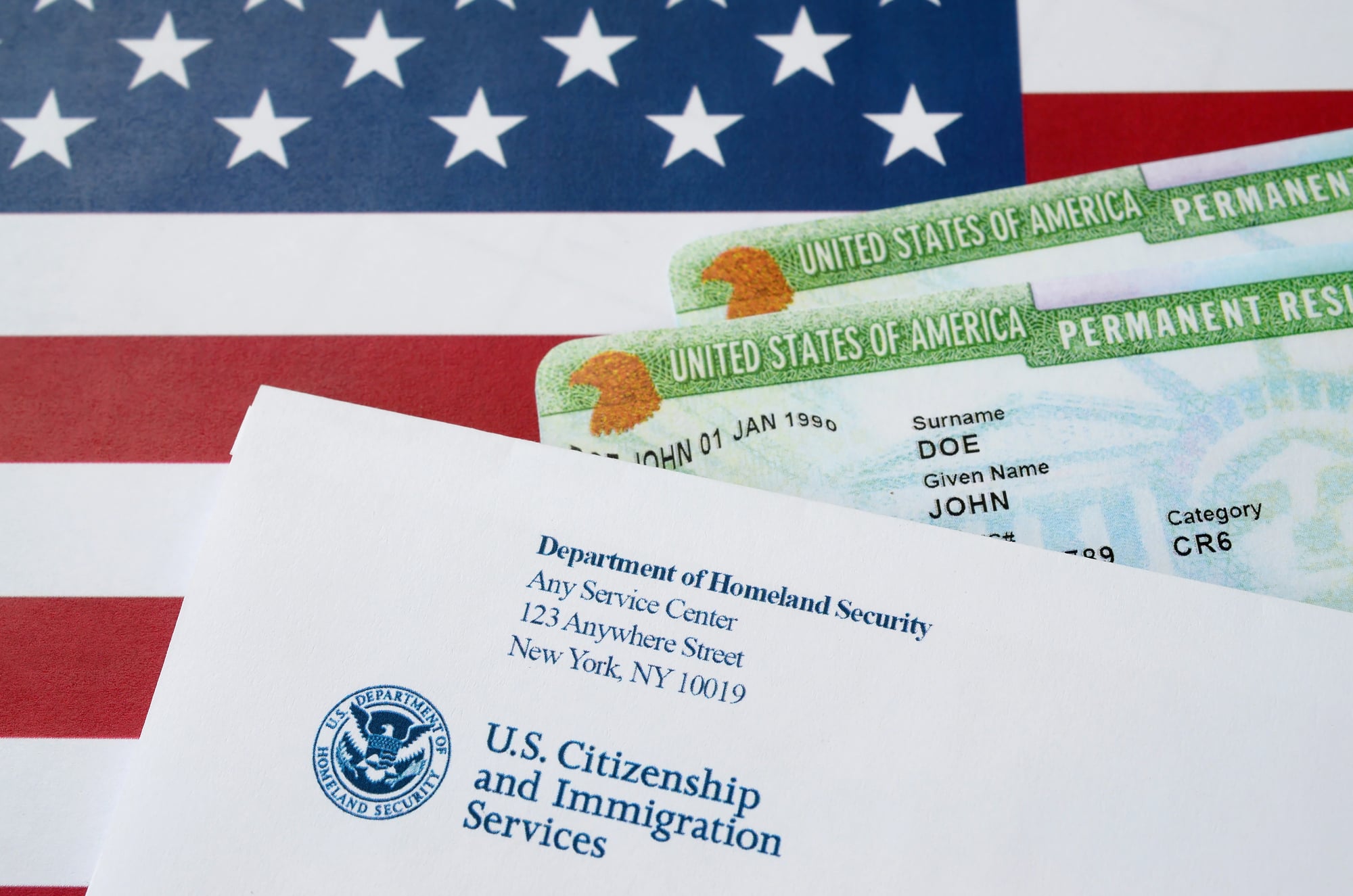
No country on earth comes close to the United States when it comes to raw immigrant numbers. With more than 50 million foreign-born residents, the US accounts for roughly one in six immigrants worldwide.
People come for jobs, education, family reunification, and asylum — and they come from virtually every corner of the globe. The US economy, the largest in the world, creates a gravitational pull that’s hard to match.
Latin America, Asia, and the Caribbean each send millions. Some arrive through formal visa channels, others through irregular crossings, and the ongoing debate around immigration policy reflects just how central this issue is to American identity.
Germany — Around 16 Million Immigrants

Germany has transformed itself into one of the world’s great immigration destinations, hosting around 16 million foreign-born residents. That’s a striking number for a country of about 84 million people.
The country actively recruits skilled workers to fill gaps in its ageing workforce. Waves of immigration from Turkey, Eastern Europe, and more recently Syria and Afghanistan have reshaped German cities.
Berlin, Frankfurt, and Hamburg now feel unmistakably international. Germany’s economy — the largest in Europe — keeps pulling people in.
Saudi Arabia — Around 13 Million Immigrants

Saudi Arabia’s immigrant population is enormous relative to its total headcount, sitting at roughly 13 million. Most of them are labor migrants from South and Southeast Asia — workers from India, Pakistan, Bangladesh, the Philippines, and Indonesia who fill jobs in construction, domestic work, hospitality, and oil sector services.
The country’s kafala sponsorship system ties workers tightly to their employers, creating a dynamic that human rights groups have long criticized. Still, the economic draw remains strong.
Remittances sent home by these workers are a financial lifeline for families across Asia.
United Kingdom — Around 10 Million Immigrants
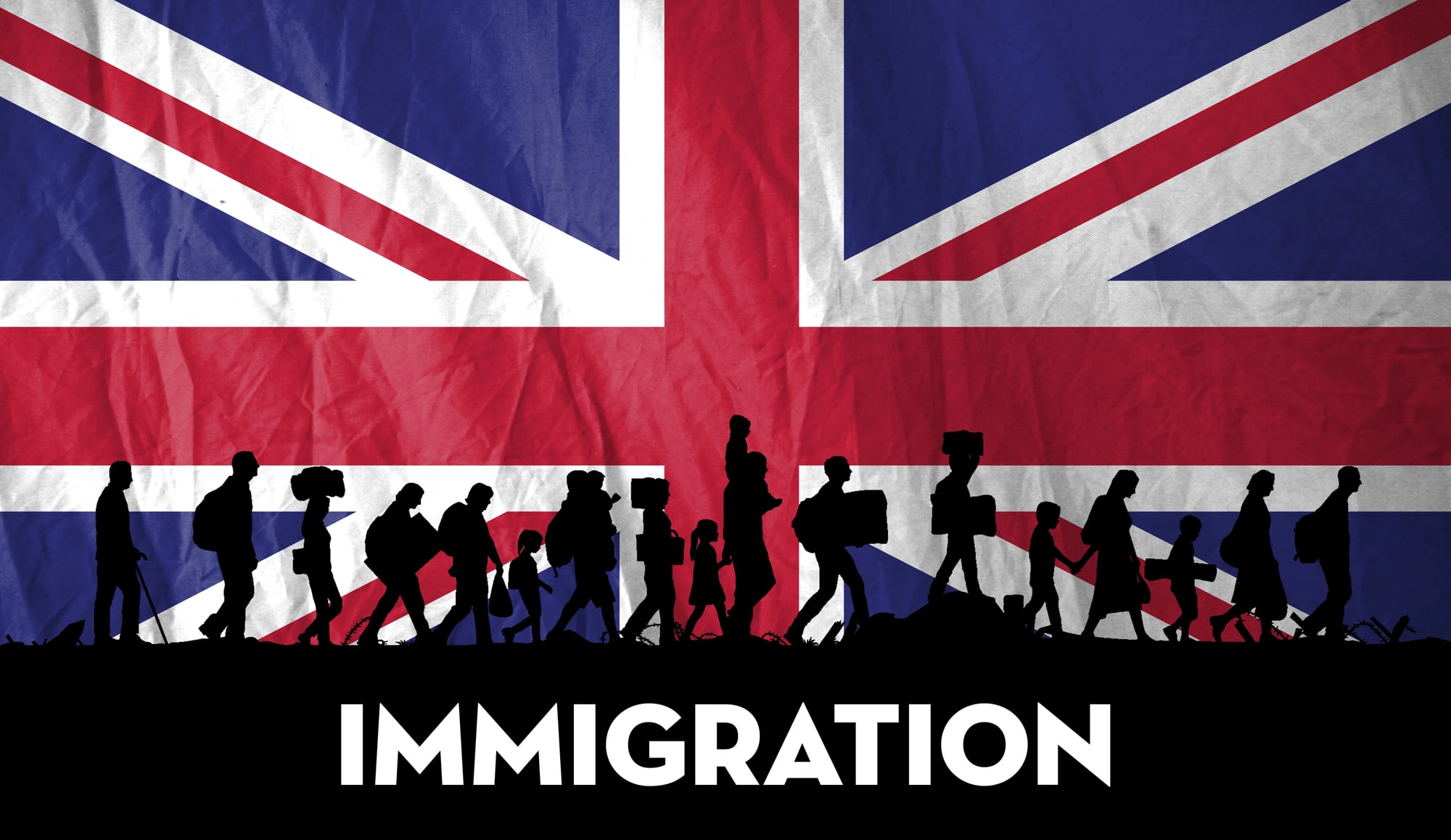
The United Kingdom has long been a magnet for people from its former empire and beyond. Today, roughly 10 million foreign-born people call Britain home.
Indians, Pakistanis, Poles, Nigerians, and Romanians make up some of the largest groups. Post-Brexit immigration policy shifted the country away from free movement with the EU toward a points-based system.
Yet the numbers have kept rising. Net migration hit record highs in the years immediately after Brexit, fueled by students, healthcare workers, and humanitarian arrivals from Ukraine and Hong Kong.
France — Around 9 Million Immigrants

France sits among the top immigrant destinations in the world, with close to 9 million foreign-born residents. North Africa accounts for a huge share of that number — Algeria, Morocco, and Tunisia have sent generations of people to France, tied by history, language, and economic necessity.
Immigration has been a defining political flashpoint in France for decades. Yet beneath the debates, immigrants continue to play a vital role in the French economy, healthcare system, and cultural life.
Paris alone is one of the most diverse cities on the planet.
United Arab Emirates — Around 9 Million Immigrants

What makes the UAE different from almost every country on this list is proportion. Immigrants don’t just live here in large numbers — they are the majority of the population by a wide margin.
An estimated 88 to 90 percent of the UAE’s residents are foreign-born. Dubai and Abu Dhabi were built largely by migrant hands.
Laborers from India, Pakistan, Bangladesh, and Nepal construct the towers. Professionals from across the world staff the banks, hospitals, and tech firms.
The UAE doesn’t offer a traditional path to permanent residency or citizenship for most, but it remains one of the world’s top destinations for workers and professionals seeking high salaries and a tax-free lifestyle.
Canada — Around 8 Million Immigrants

Canada is one of the few countries in the world that treats immigration as an explicit national strategy. With around 8 million foreign-born residents, it has built one of the most functional points-based immigration systems globally.
Engineers, doctors, and skilled tradespeople arrive through carefully managed streams each year. The country takes in roughly 400,000 permanent residents annually — a figure that’s been increasing.
The Philippines, India, and China are among the top source countries. Quebec’s separate immigration system adds a French-language dimension to an already complex national framework.
Australia — Around 8 Million Immigrants
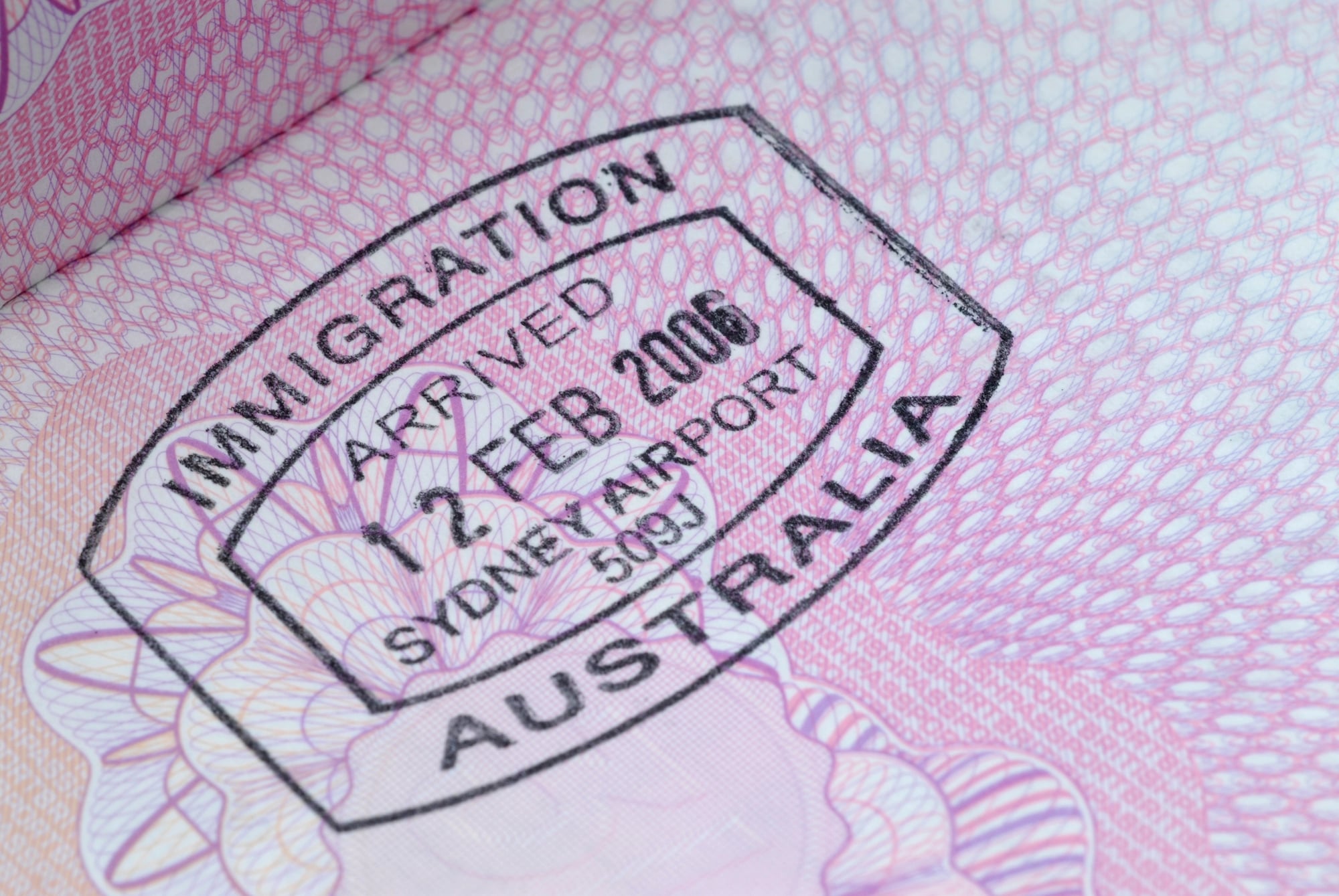
Australia punches well above its weight on immigration, with about 8 million foreign-born people in a total population of around 26 million. That means roughly 30 percent of Australians were born overseas — one of the highest rates among large, developed nations.
The country’s points-based system prioritizes skills and English language ability. Major source countries include India, China, the UK, the Philippines, and Vietnam.
Cities like Sydney and Melbourne have become genuinely multicultural, with immigrant communities that are several generations deep.
9. Russia — Around 7 Million Immigrants

Russia hosts around 7 million immigrants, most of them from former Soviet republics — Kazakhstan, Ukraine, Uzbekistan, Tajikistan, and Azerbaijan send the largest numbers.
Labor migration from Central Asia in particular is a structural feature of Russia’s economy. Russia’s own population has been declining for years, making migrant labor increasingly important in agriculture, construction, and transport.
The war in Ukraine since 2022 has complicated immigration flows significantly, both pushing Ukrainians out and changing the political dynamics around who Russia welcomes.
Turkey — Around 7 Million Immigrants
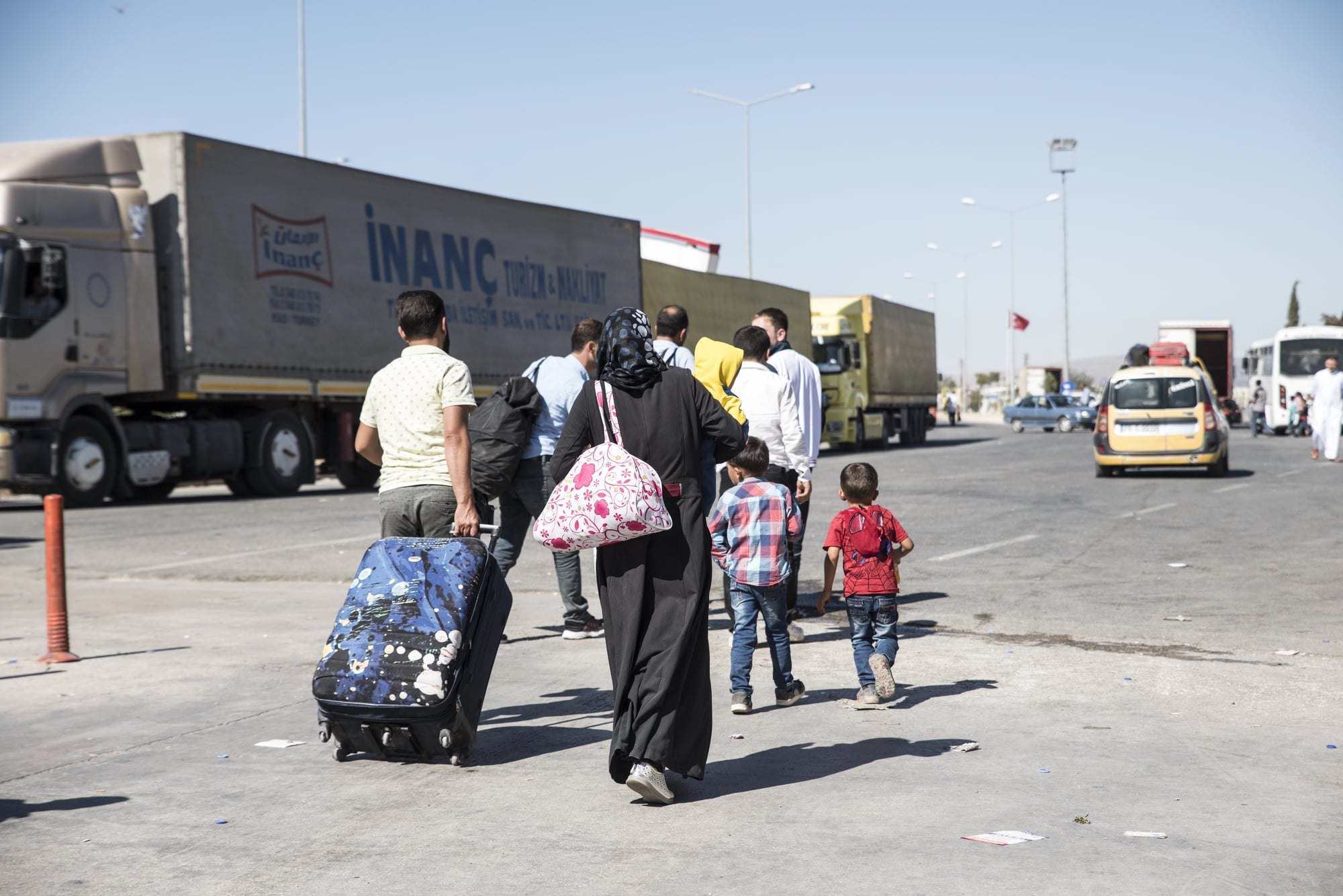
Turkey hosts roughly 7 million immigrants — a number shaped heavily by the Syrian civil war. Since 2011, Turkey has accepted more Syrian refugees than any other country, with estimates placing the Syrian population in Turkey at 3 to 4 million at peak numbers.
Beyond Syrians, Turkey also receives labor migrants from Central Asia and Afghan asylum seekers. The country sits at a major crossroads between Europe, the Middle East, and Central Asia, which makes it both a destination and a transit point for people on the move.
11. Spain — Around 7 Million Immigrants

Spain’s transformation into a major immigration destination happened quickly. In the 1990s, the country had relatively few immigrants.
Today, it hosts around 7 million foreign-born people — Romanians, Moroccans, Colombians, Ecuadorians, and Venezuelans among the largest groups. A combination of economic opportunity, geographic position as Europe’s southern gateway, and colonial-era cultural and linguistic ties to Latin America have all driven this growth.
Spain now has some of Europe’s most vibrant immigrant communities, particularly in cities like Madrid and Barcelona.
Italy — Around 6.6 Million Immigrants

Italy’s relationship with immigration has been one of the more contested in Europe. The country hosts about 6.6 million foreign-born residents, with Romanians, Albanians, Moroccans, and Chinese making up major communities.
Italy also sits on the front line of Mediterranean migration, receiving thousands of people crossing from North Africa each year in difficult conditions. Politically, immigration has become a defining issue.
Yet economically, immigrant labor is deeply embedded in Italian agriculture, manufacturing, and elderly care.
India — Around 6 Million Immigrants

It’s perhaps surprising to see India on a list of top immigrant destinations, given its well-known status as one of the world’s largest sources of emigrants.
But India hosts roughly 6 million immigrants — mostly people who moved to India following the 1947 partition, as well as Bangladeshi migrants and refugees from Sri Lanka, Nepal, and Tibet. The exact numbers are difficult to pin down since India doesn’t always distinguish clearly between citizens and long-term residents in its census data.
But the immigrant stock is real and significant.
Ukraine — Around 6 Million Immigrants
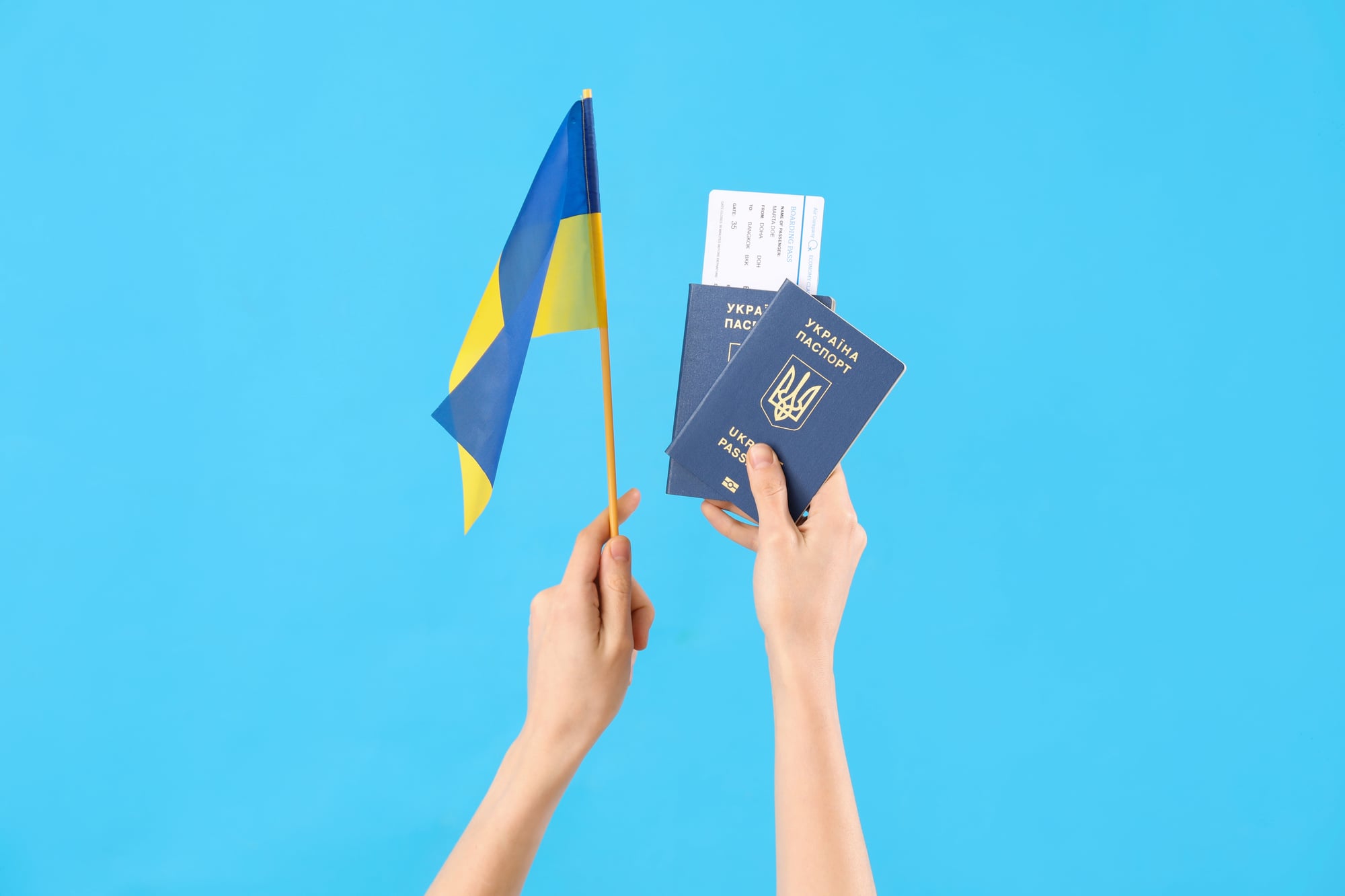
Before Russia’s full-scale invasion in 2022, Ukraine hosted roughly 6 million foreign-born people — many of them Russian-speakers from Russia and other former Soviet states, along with labor migrants from other countries.
The war has since dramatically altered the picture. Millions of Ukrainians have fled abroad, becoming some of the largest displaced populations in recent European history.
Meanwhile, the inflow of workers that once came into Ukraine has largely dried up. The country’s immigration story today is shaped almost entirely by conflict.
Pakistan — Around 5 Million Immigrants
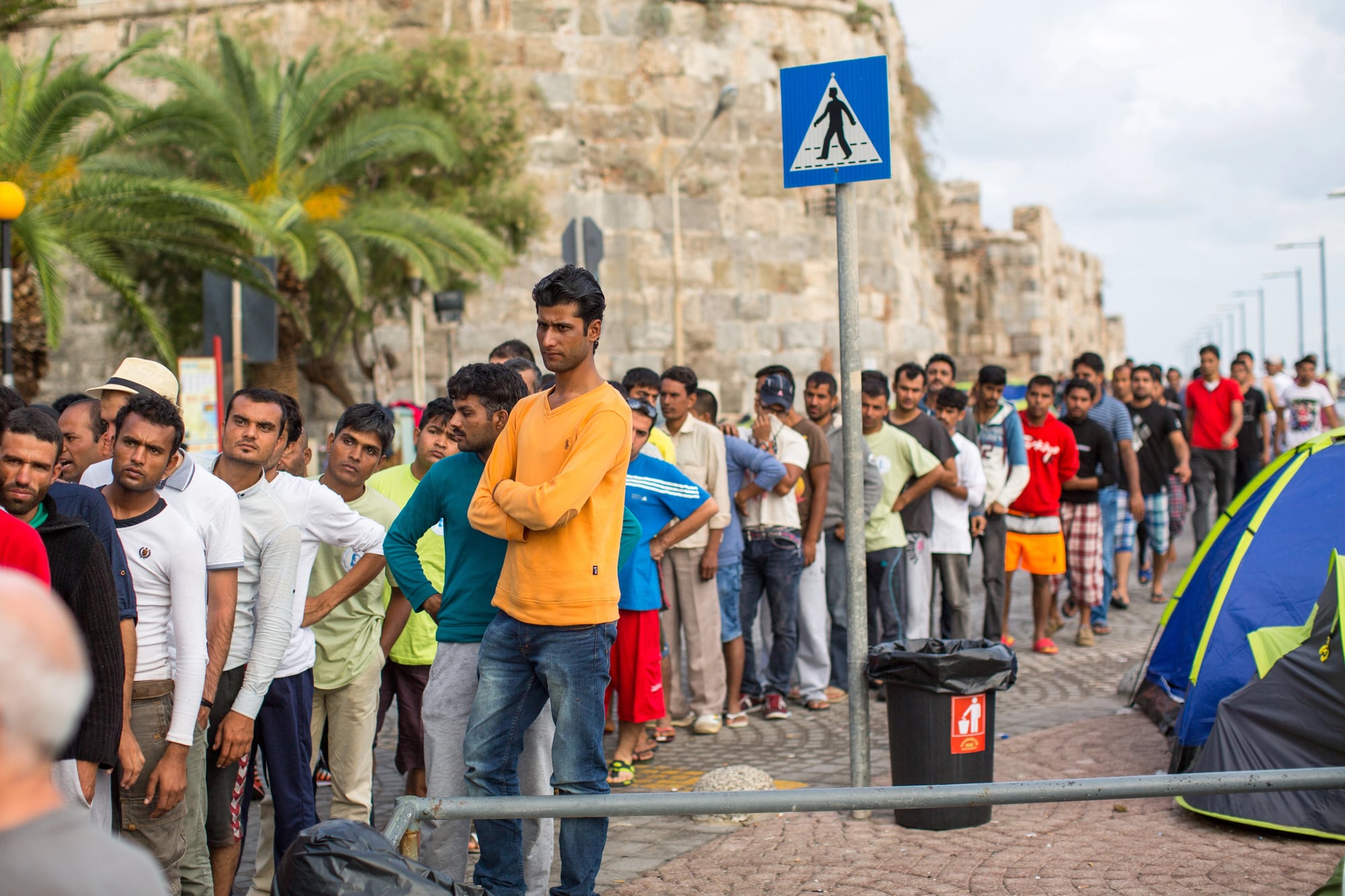
Pakistan hosts approximately 5 million immigrants, making it one of the largest refugee-hosting countries in the world for an extended period.
The bulk of that number comes from Afghanistan — Afghans have fled to Pakistan in waves following the Soviet invasion in 1979, the Taliban’s first government, the post-2001 US-led conflict, and again after the Taliban takeover in 2021.
Pakistan’s immigrant population is almost entirely composed of Afghan refugees and economic migrants, making it a very different type of immigration story than most others on this list.
Kazakhstan — Around 4 Million Immigrants

Kazakhstan is not a country that comes to mind when most people think about immigration. But it hosts around 4 million foreign-born residents — a legacy of the Soviet era when populations were moved across the USSR and Russians, Ukrainians, and Koreans settled in the Kazakh steppe.
Many ethnic Russians still live in Kazakhstan’s northern regions. The country has also attracted labor migrants from Kyrgyzstan, Uzbekistan, and Tajikistan as its oil-driven economy grew substantially after independence.
Kuwait — Around 3.5 Million Immigrants

Like the UAE and Saudi Arabia, Kuwait’s immigration situation is defined by the gap between immigrants and native citizens. Immigrants make up about 70 percent of the country’s population — a staggering figure that reflects the Gulf state’s almost total dependence on foreign labor.
Indian, Bangladeshi, Pakistani, and Egyptian workers dominate the labor force in construction, domestic work, and services. Kuwait’s citizen population is small, its economy is oil-rich, and the demand for labor has never been met locally.
Jordan — Around 3.5 Million Immigrants

Jordan has long been defined by its role as a country that absorbs regional displacement. Palestinians have been present in large numbers since 1948 and 1967.
More recently, Jordan took in hundreds of thousands of Iraqis after the 2003 invasion and then Syrians after 2011. Today, Jordan hosts one of the highest refugee-to-population ratios in the world.
The burden on infrastructure, water, and public services is severe. Still, Jordan has kept its borders open more than many countries with far greater resources.
Sweden — Around 2 Million Immigrants

Sweden built a reputation as one of the most open countries in the world for asylum seekers and refugees. After peaking in 2015 and 2016 — when over 160,000 people applied for asylum in a single year — Sweden shifted its approach and tightened its immigration rules significantly.
Today, around 2 million people living in Sweden were born abroad. Syrians, Iraqis, Poles, Somalis, and Finns make up the largest groups.
The country continues to grapple with integration challenges in segregated suburban areas, even as many immigrants have built successful lives there.
Switzerland — Around 2.5 Million Immigrants

Switzerland rounds out this list with roughly 2.5 million immigrants in a country of just under 9 million people — giving it one of the highest immigrant shares of any non-Gulf nation in the world.
The country’s wealth, central European location, and concentration of international organizations attract professionals from across the globe. Germans, Italians, Portuguese, and French citizens make up large communities.
The Swiss economy depends heavily on skilled foreign labor, and Zurich and Geneva consistently rank among the most internationally diverse cities on the continent.
Where People End Up — And Why It Matters

The countries on this list tell very different stories. Some attract immigrants through economic strength and deliberate policy.
Others absorb them because of geography, conflict, and humanitarian obligation. A few — particularly in the Gulf — exist in a strange middle ground where immigrants are economically essential but socially and legally precarious.
What’s consistent across all of them is that immigration isn’t a peripheral issue — it shapes politics, economies, demographics, and culture in profound ways. You don’t have to be an immigrant yourself to understand that the way a country treats people who arrive from elsewhere says a lot about what it actually values.
Globally, there are now over 300 million international migrants. That number isn’t slowing down.
Climate change, economic inequality, and armed conflict will keep pushing people across borders for generations to come. The real question isn’t whether countries will receive immigrants — they will.
It’s what they’ll do once those people arrive.
More from Go2Tutors!

- The Romanov Crown Jewels and Their Tragic Fate
- 13 Historical Mysteries That Science Still Can’t Solve
- Famous Hoaxes That Fooled the World for Years
- 15 Child Stars with Tragic Adult Lives
- 16 Famous Jewelry Pieces in History
Like Go2Tutors’s content? Follow us on MSN.



