State Capitals Of the Top 20 Biggest US States
Biggest U.S. states often spark thoughts of wide land, dramatic views, or famous city skylines. Yet their capitals rarely grab such a spotlight.
Instead, they linger out of view, tucked behind flashier metro areas. Even so, power flows through them.
Decisions are made here. History took shape within these borders.
Growth unfolded because of choices rooted in quiet downtowns. It stands out how often the capital isn’t the biggest or best-known place.
Often, these cities landed the role because they sat near the middle of the country or settled a power dispute – quiet advantages that shaped their status. What matters here isn’t fame, but function tucked into geography and history.
A fresh peek at the capital cities inside America’s twenty largest states – measured by how much ground they cover. What stands out is not just size, but where power sits within each one.
Alaska — Juneau

Alaska is by far the largest state, yet its capital, Juneau, is relatively small and remote. It’s not accessible by road, which adds to its distinct character.
Juneau was chosen during Alaska’s early development and remains the political center despite its isolation. Its location reflects the state’s rugged geography and unique logistical challenges.
Texas — Austin
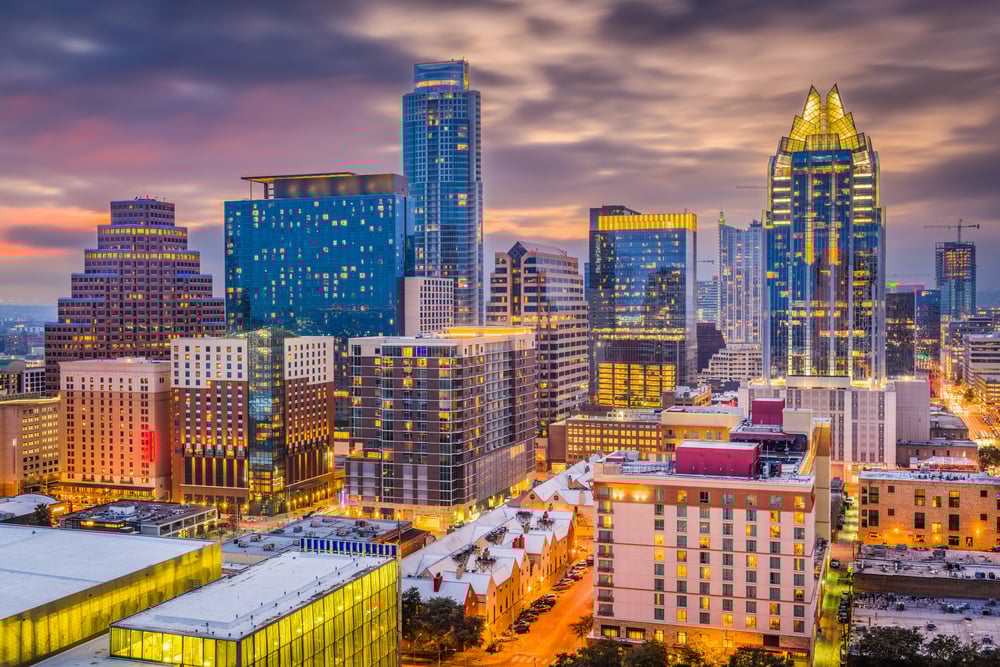
Texas is known for its scale, and Austin serves as its capital with a blend of history and modern growth. While cities like Houston and Dallas are larger, Austin holds political significance.
The city has grown rapidly in recent years, becoming a hub for technology and culture while maintaining its role in state governance.
California — Sacramento

Sacramento was selected as California’s capital during the Gold Rush era due to its central location and access to waterways. It offered a practical base for administration at the time.
Even now, it remains separate in identity from larger cities like Los Angeles and San Francisco, focusing more on governance than global attention.
Montana — Helena
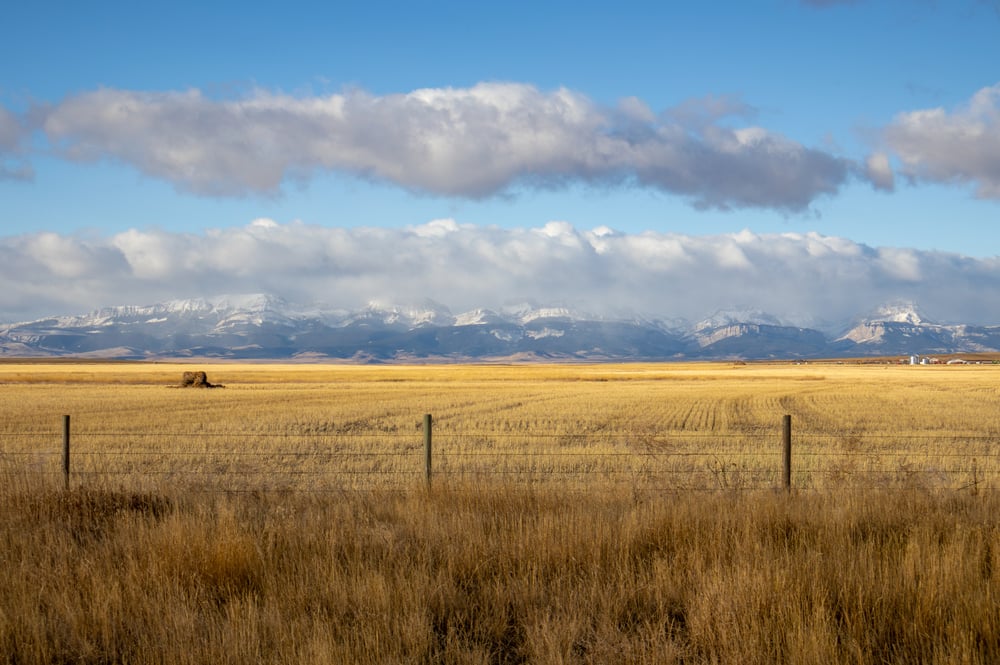
Helena became the capital of Montana after a local vote in the late 19th century. Its origins are tied to gold discoveries, which brought rapid growth to the area.
Today, it remains a relatively small city, reflecting the broader character of a state defined by open space and low population density.
New Mexico — Santa Fe
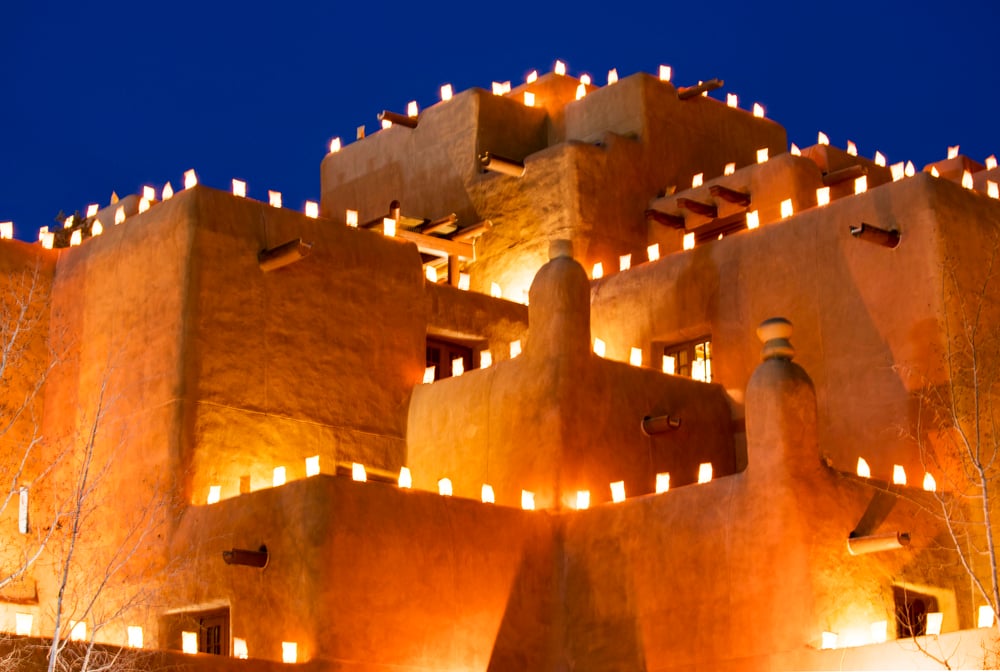
Santa Fe is one of the oldest capital cities in the United States, with roots dating back to the early 1600s. Its architecture and culture reflect a blend of Indigenous and Spanish influences.
Unlike many capitals, Santa Fe has a strong artistic identity, giving it a distinct presence beyond politics.
Arizona — Phoenix
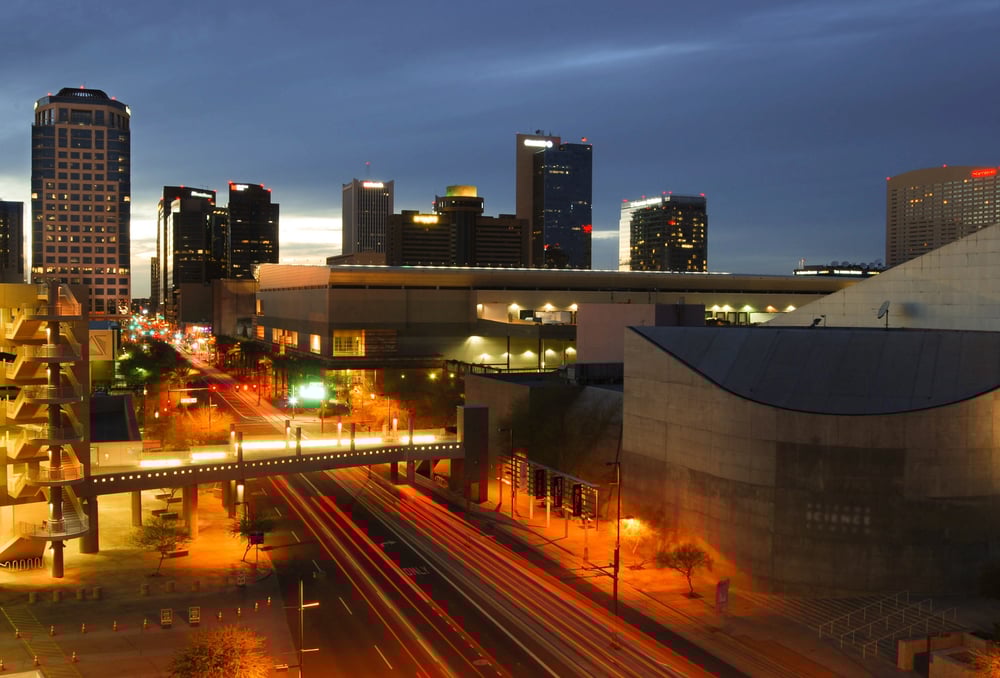
Phoenix stands out as both the capital and the largest city in Arizona. Its growth has been driven by its role as an economic and cultural center.
The city’s size and influence make it different from many other state capitals, which are often smaller and more administrative in nature.
Nevada — Carson City

Carson City became Nevada’s capital during the silver mining boom. Its location near key mining areas made it a practical choice at the time.
Even so, it remains much smaller than Las Vegas, highlighting the contrast between political centers and economic hubs.
Colorado — Denver
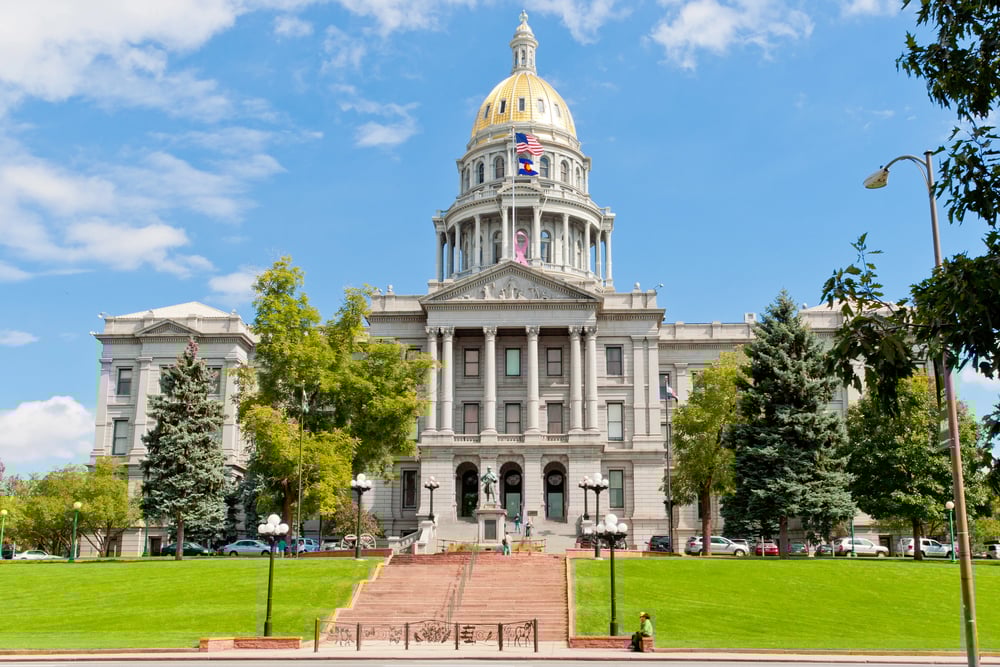
Denver serves as both the capital and the largest city in Colorado. Its position near the Rocky Mountains has shaped its development.
The city plays a central role in both governance and commerce, making it one of the more prominent state capitals in the country.
Oregon — Salem
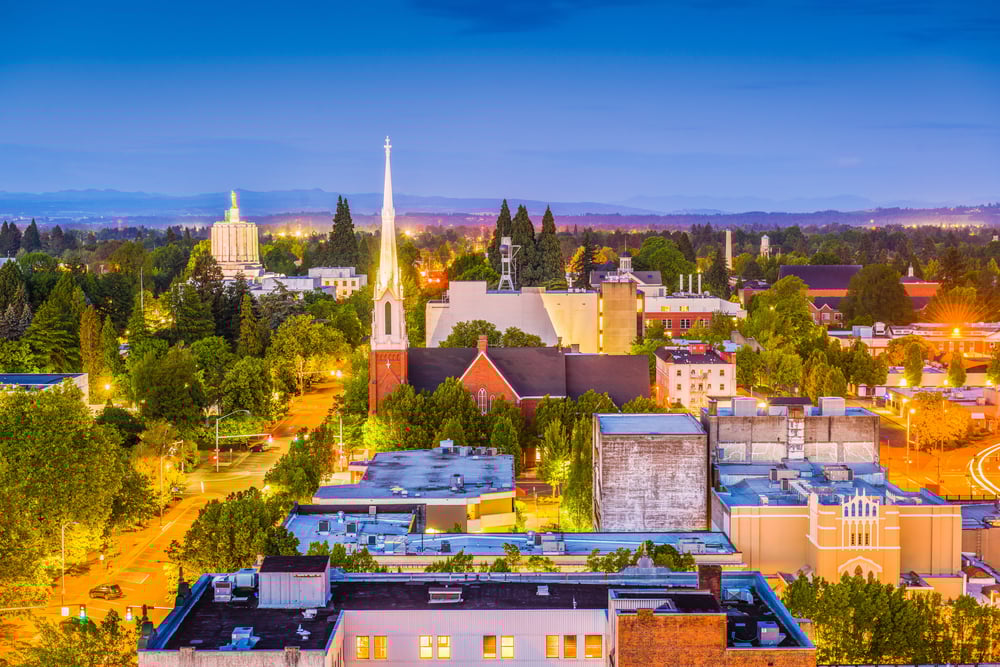
Salem was chosen as Oregon’s capital due to its central location within the state. This made it accessible for lawmakers and residents.
While Portland is more widely known, Salem maintains a quieter presence focused on government and administration.
Wyoming — Cheyenne

Cheyenne became Wyoming’s capital during the expansion of the railroad. Its location made it a key point for transportation and settlement.
Today, it reflects the state’s frontier history while serving as its administrative center.
Michigan — Lansing
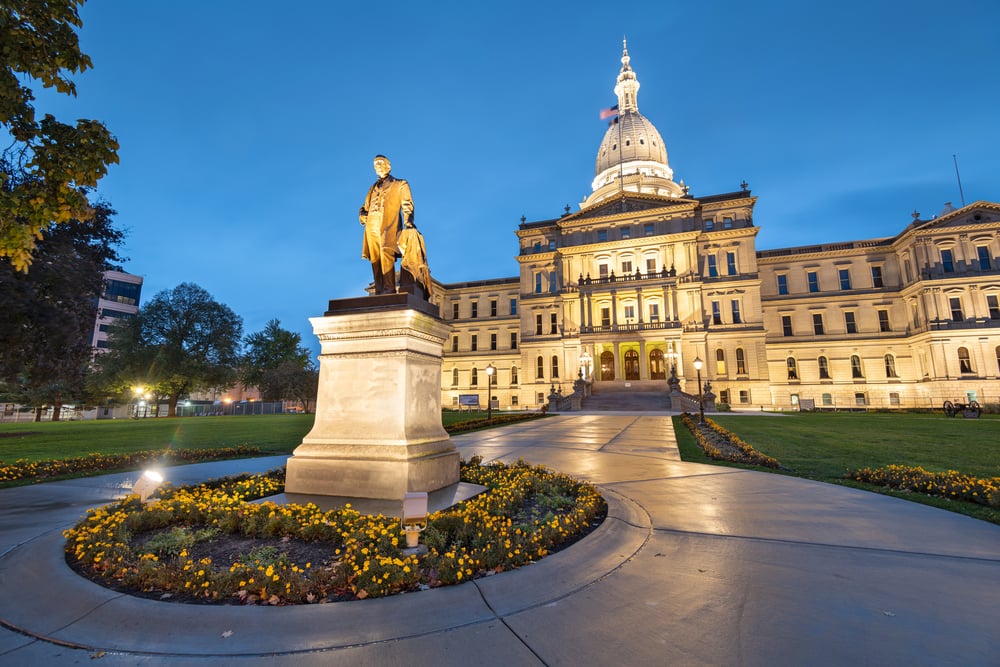
Lansing was selected as Michigan’s capital to move political power away from Detroit. Its inland location offered a more balanced position within the state.
This decision shaped the city’s development, giving it a distinct identity tied to governance rather than industry.
Minnesota — Saint Paul

Saint Paul shares the Twin Cities area with Minneapolis but serves as the state capital. It has a quieter, more traditional character compared to its neighboring city.
The choice reflects a balance between political function and regional development, with both cities playing different roles.
Utah — Salt Lake City

Salt Lake City is both the capital and largest city of Utah. Its founding is closely tied to early settlers seeking a new community.
The city remains central to the state’s identity, combining governance with cultural and economic influence.
Idaho — Boise
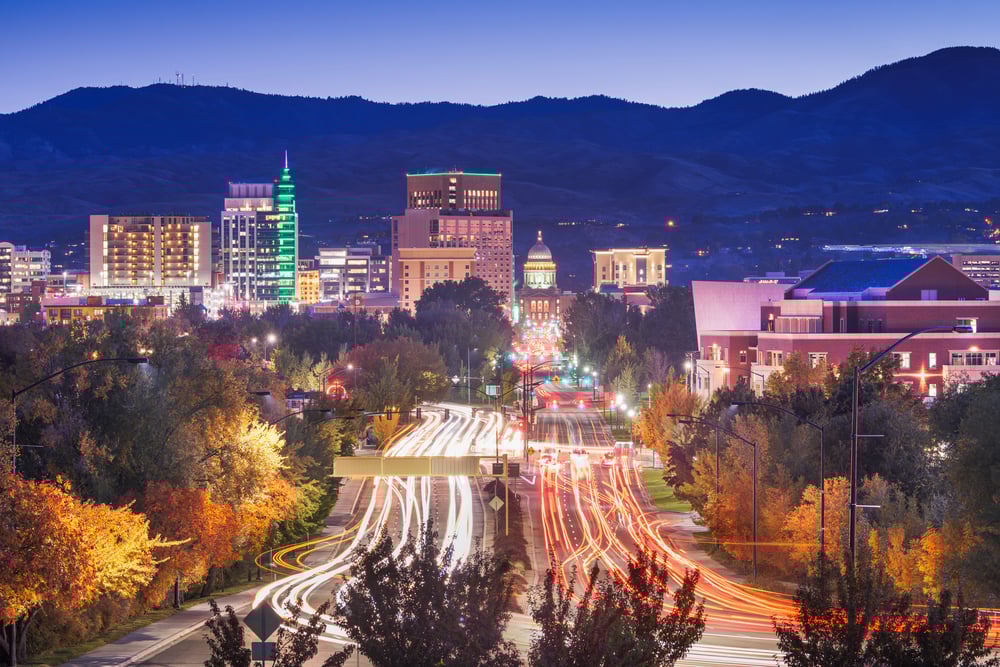
Boise has grown significantly over time, becoming both the capital and largest city in Idaho. Its development reflects broader trends of population growth in the region.
The city balances its administrative role with a growing reputation as a place for business and outdoor living.
Kansas — Topeka
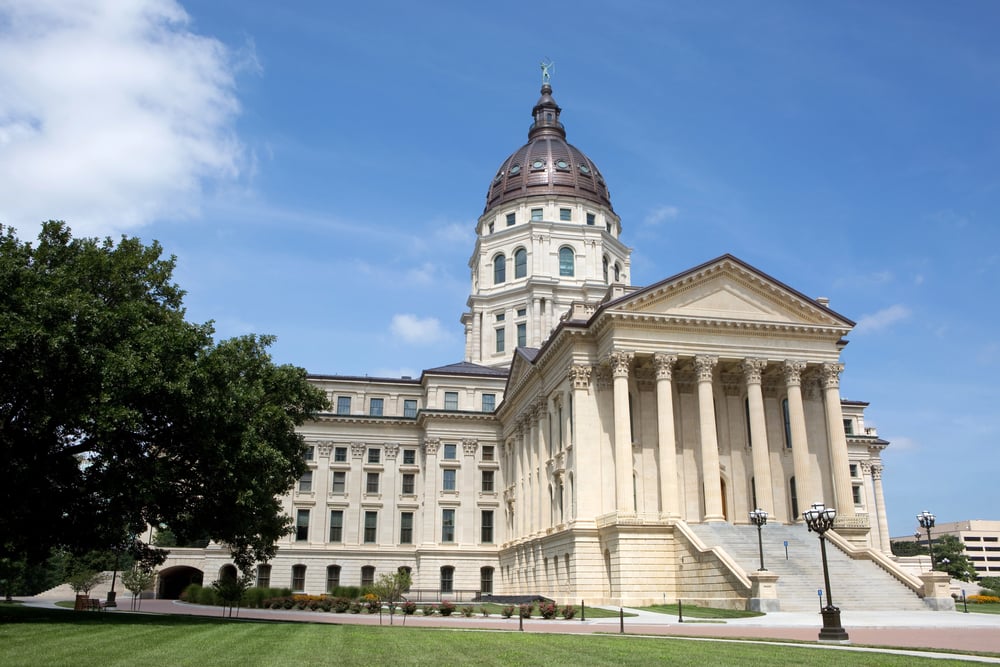
Topeka became Kansas’s capital during a period of intense political conflict over slavery. Its selection reflects the state’s complex early history.
Today, it remains focused on governance, with a quieter profile compared to larger cities in the state.
Nebraska — Lincoln

Lincoln was chosen as Nebraska’s capital partly due to its central location. It was also renamed to honor Abraham Lincoln after his presidency.
The city has maintained its role as a political center while also developing as an educational hub.
South Dakota — Pierre
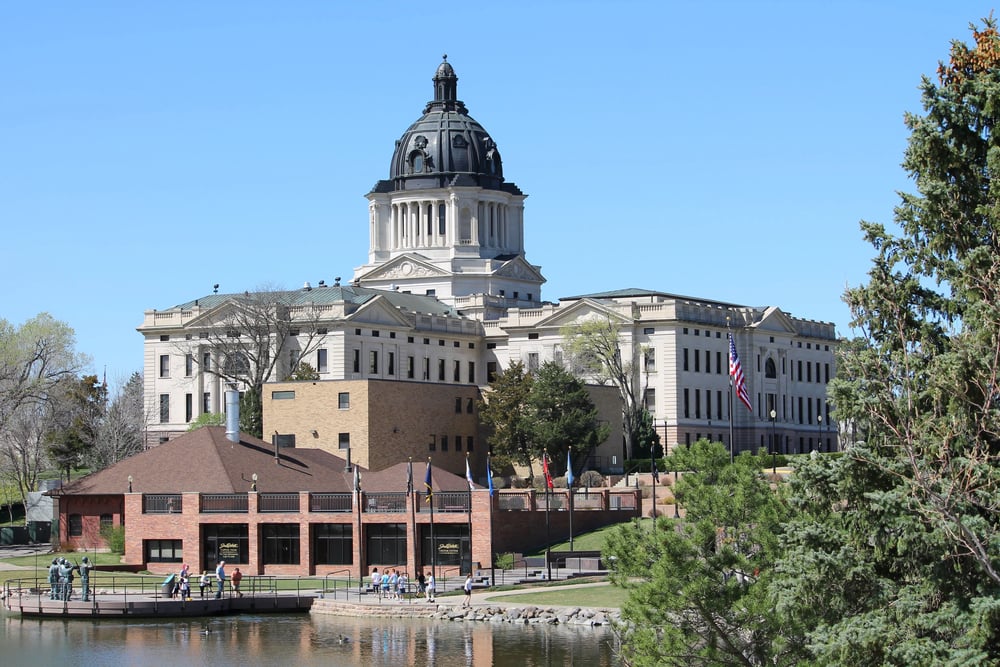
Pierre is one of the smallest state capitals in the United States. It was chosen for its location along the Missouri River.
Its size contrasts sharply with the vast landscapes of South Dakota, reflecting the state’s low population density.
North Dakota — Bismarck
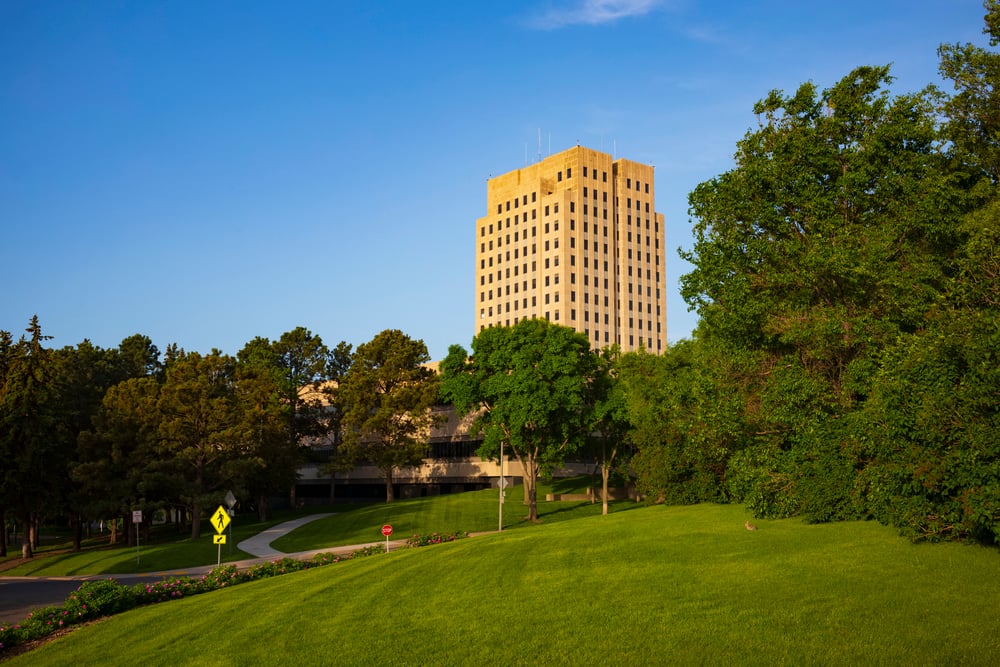
Bismarck became the capital during the expansion of the railroad. Its location made it a practical administrative center.
The city remains closely tied to the state’s history of settlement and development.
Missouri — Jefferson City

Jefferson City was selected for its central location along the Missouri River. This made it accessible during the state’s early years.
While not the largest city, it remains the political heart of Missouri, focused on governance.
Oklahoma — Oklahoma City

Oklahoma City serves as both the capital and largest city of Oklahoma. Its growth has been shaped by energy industries and central location.
The city combines administrative importance with economic influence, making it one of the more prominent capitals on this list.
Where Size Meets Function

Big state capital cities sometimes sit far from the places people know best. Not because they’re hidden, but due to old patterns, wide land, and getting there easily matters more than fame.
Location decisions lean on where things are, what happened long ago, plus how reachable a spot feels instead of spotlight status. Still today, state business runs through these cities.
Not often in the news, yet their work matters – behind the scenes, choices here ripple out across wide stretches of land and countless lives.
More from Go2Tutors!

- The Romanov Crown Jewels and Their Tragic Fate
- 13 Historical Mysteries That Science Still Can’t Solve
- Famous Hoaxes That Fooled the World for Years
- 15 Child Stars with Tragic Adult Lives
- 16 Famous Jewelry Pieces in History
Like Go2Tutors’s content? Follow us on MSN.