Strange Military Units From History With The Most Unusual Uniforms
War brings out humanity’s capacity for both brutality and absurdity in equal measure. Throughout history, military commanders have dressed their soldiers in ways that seem to defy logic, practicality, and sometimes basic human dignity.
Some uniforms were designed to terrify enemies, others to project wealth and status, and a few appear to have been created by someone with a deeply peculiar sense of humor and unlimited access to a textile budget.
The Janissaries
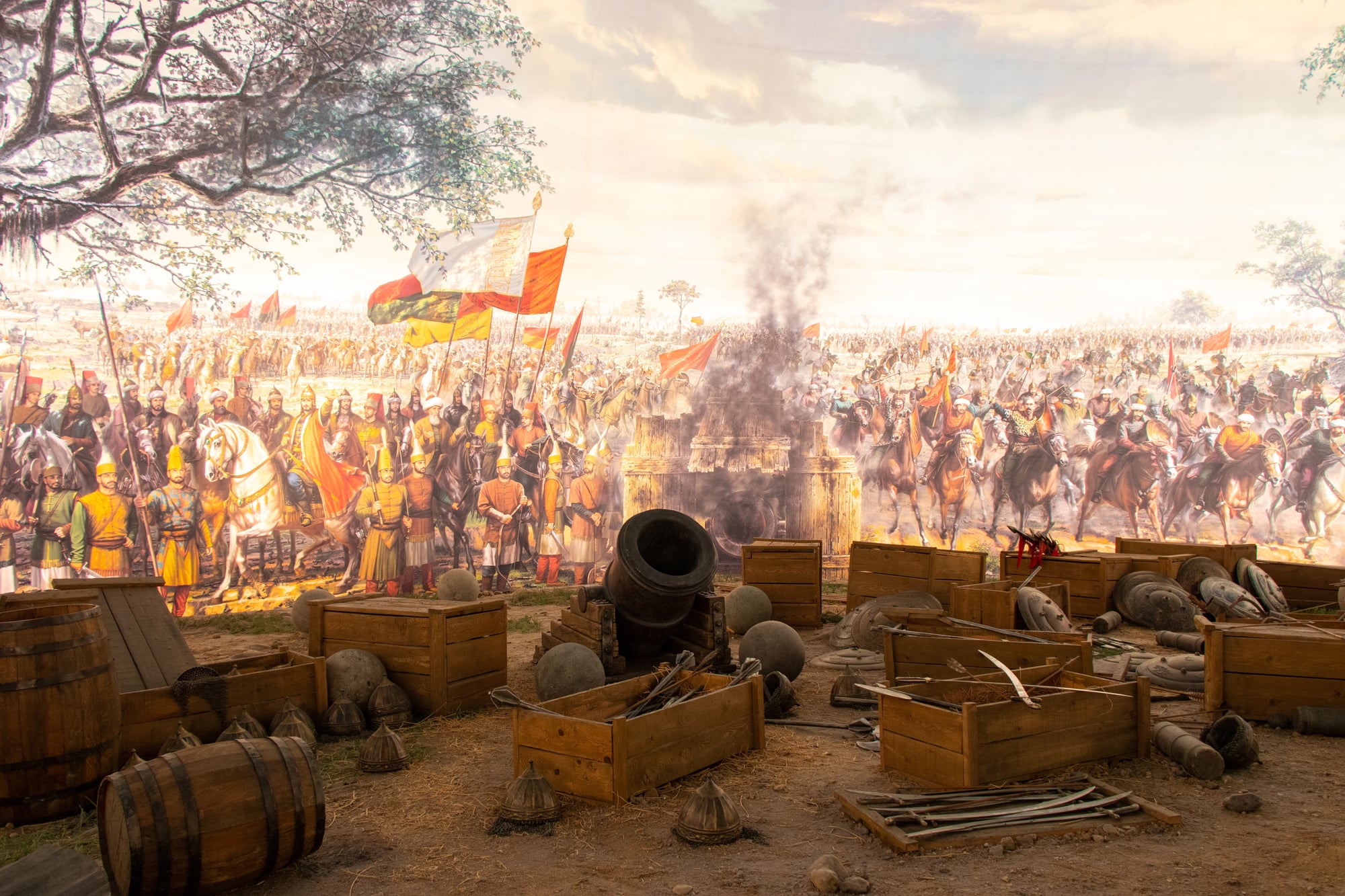
The Ottoman Empire’s elite infantry wore towering white felt caps that looked more like oversized socks drooping over their heads. These weren’t just hats — they were symbols of their severed ties to family and homeland, since Janissaries were recruited as children from Christian families and converted to Islam.
The caps represented the sleeve of their founder, and hanging from each one was a wooden spoon, because the military unit was organized around cooking hearths rather than standard companies. Elite soldiers wearing chef accessories.
The Ottomans understood theater.
Death’s Head Hussars
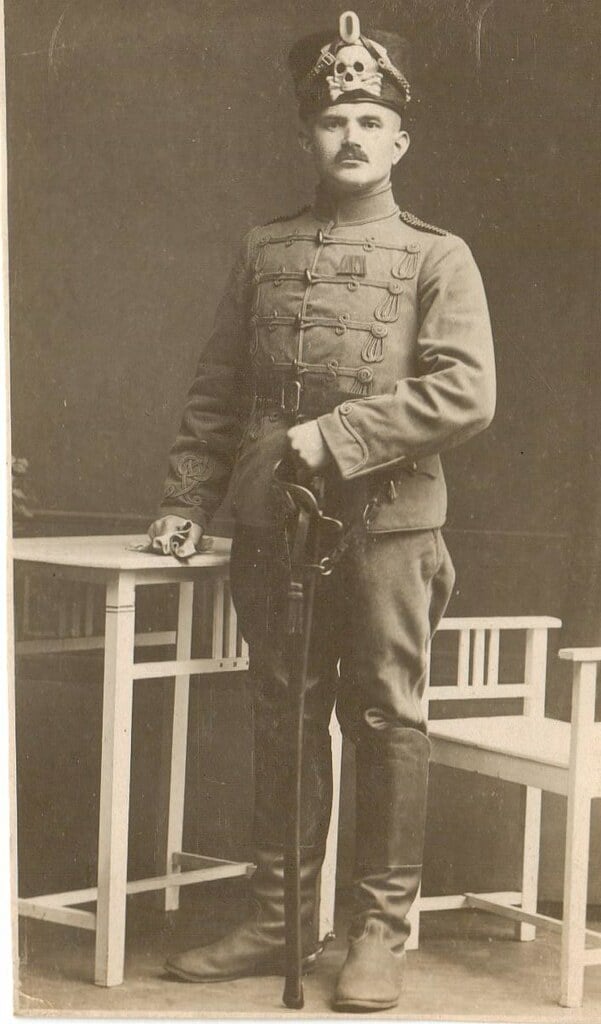
Picture this: you’re a cavalry officer in 18th-century Prussia, and your commanding officer (who clearly has opinions about subtlety) decides that what your unit really needs is to dress like death incarnate every single day. The Death’s Head Hussars — and yes, that was their actual name, because apparently “Mildly Intimidating Horse Regiment” was already taken — wore black uniforms decorated with human skulls and crossbones, complete with skeleton imagery embroidered across their chests and sleeves.
But here’s where it gets genuinely weird rather than just macabre: they paired this gothic nightmare aesthetic with the traditional hussar’s braided jacket, tall fur hat, and decorative sword knots, creating what can only be described as “fancy dress pirate meets Halloween costume meets legitimate military unit.” And the strangest part? It worked (the psychological warfare aspect, that is, though one has to wonder what their off-duty social lives were like when you’re perpetually dressed as a memento mori with excellent posture and military training).
Even their horses wore skull decorations — because if you’re going to commit to a theme, you might as well make sure your mount matches your existential dread.
Swiss Guard
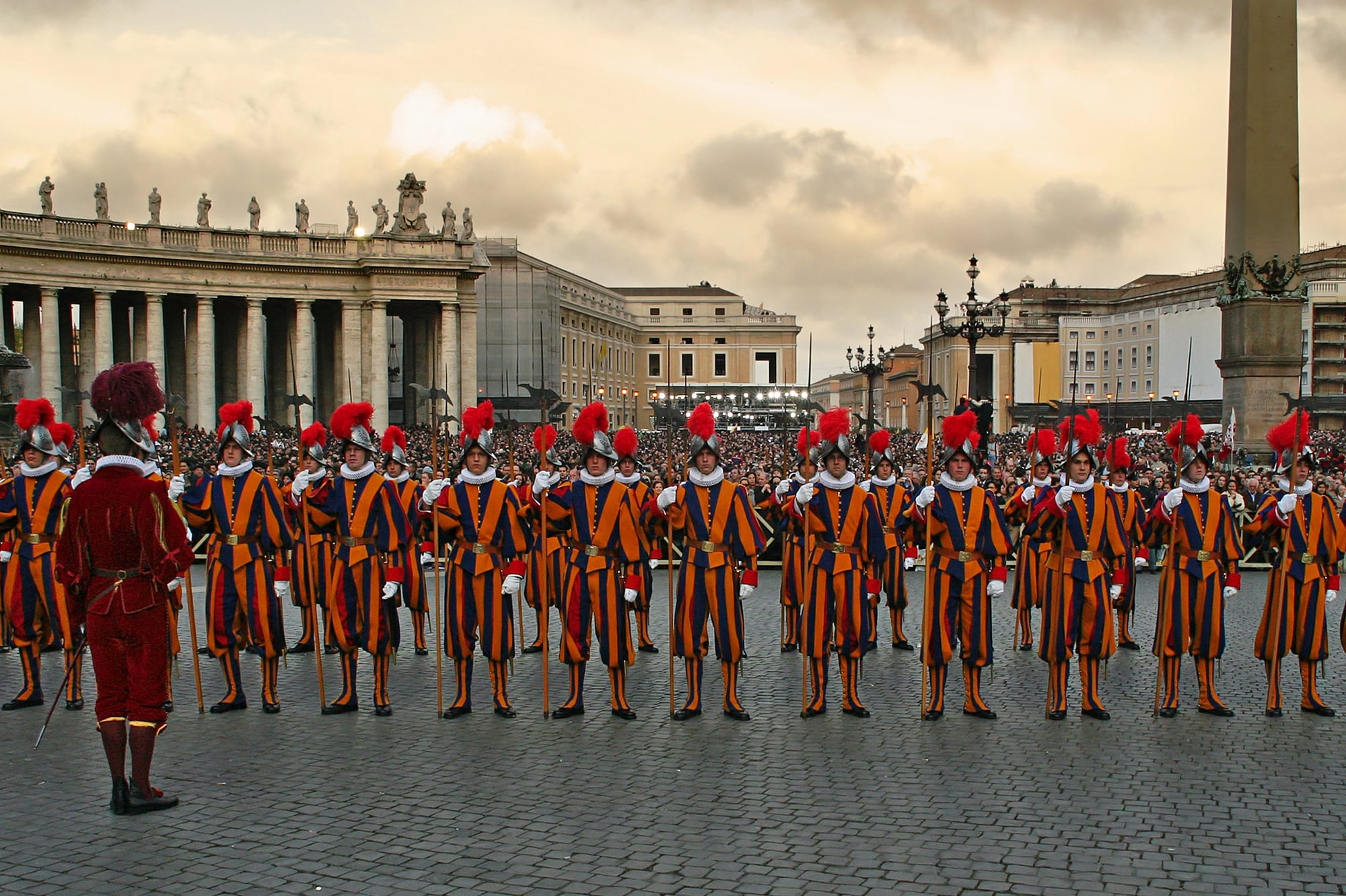
The Vatican’s Swiss Guard looks like they’ve been dressed by someone who raided a Renaissance festival’s costume department after a few too many goblets of ceremonial wine. Those striped uniforms in blue, red, and yellow — sometimes orange, depending on who’s doing the historical accounting — turn some of the world’s most elite soldiers into walking candy canes with halberds.
The design supposedly dates back to Michelangelo, though historians argue about this with the passion typically reserved for more pressing matters. What’s undisputed is that these soldiers, trained in modern combat techniques and counterterrorism, spend their days looking like court jesters who’ve been issued weapons.
The puffy sleeves alone would make stealth operations challenging.
Zouaves
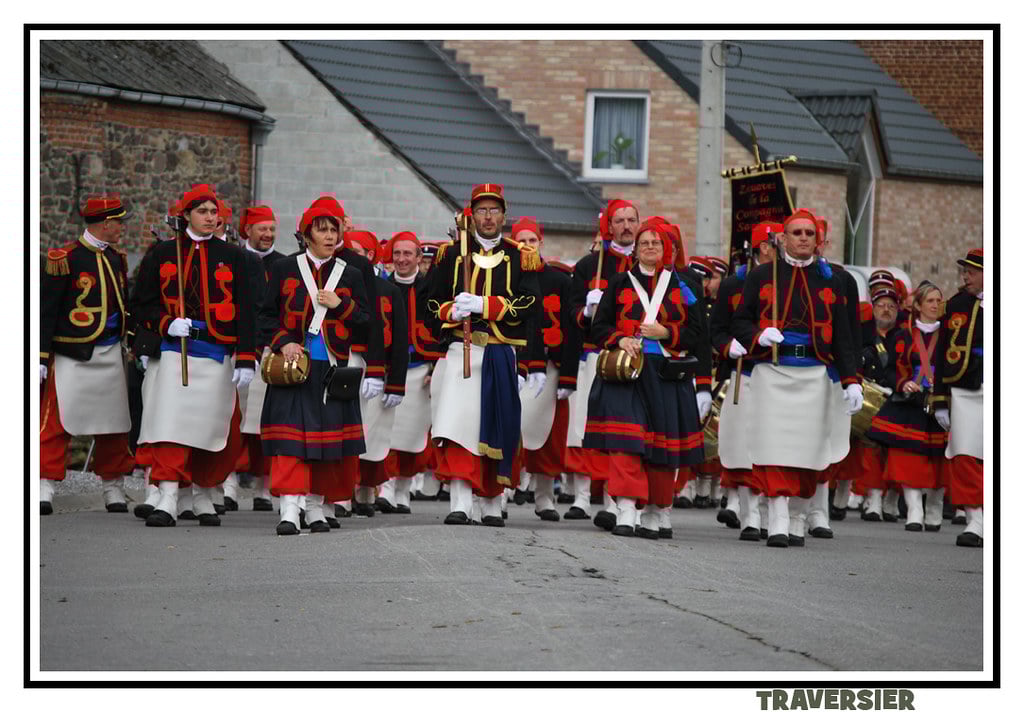
There’s something almost theatrical about the way military fashion occasionally borrows from entirely different cultures, then amplifies everything to an absurd degree. The Zouaves — French colonial troops who took their inspiration from North African fighters — ended up wearing uniforms that looked like what would happen if a French tailor tried to recreate Algerian dress from a half-remembered dream after reading too many orientalist novels.
Baggy red trousers tucked into white gaiters. Short blue jackets with intricate braiding that served no practical purpose. Red fezzes with long tassels that swayed when they marched.
The whole ensemble was so visually striking that other armies started creating their own Zouave units, spreading this particular brand of sartorial confusion across multiple continents. American Civil War units adopted the style, which meant soldiers were stumbling through Virginia battlefields dressed like they were performing in an opera about French colonial adventures.
The uniform looked magnificent on parade. In actual combat, all that bright fabric made excellent target practice.
The Papal Swiss Pikemen
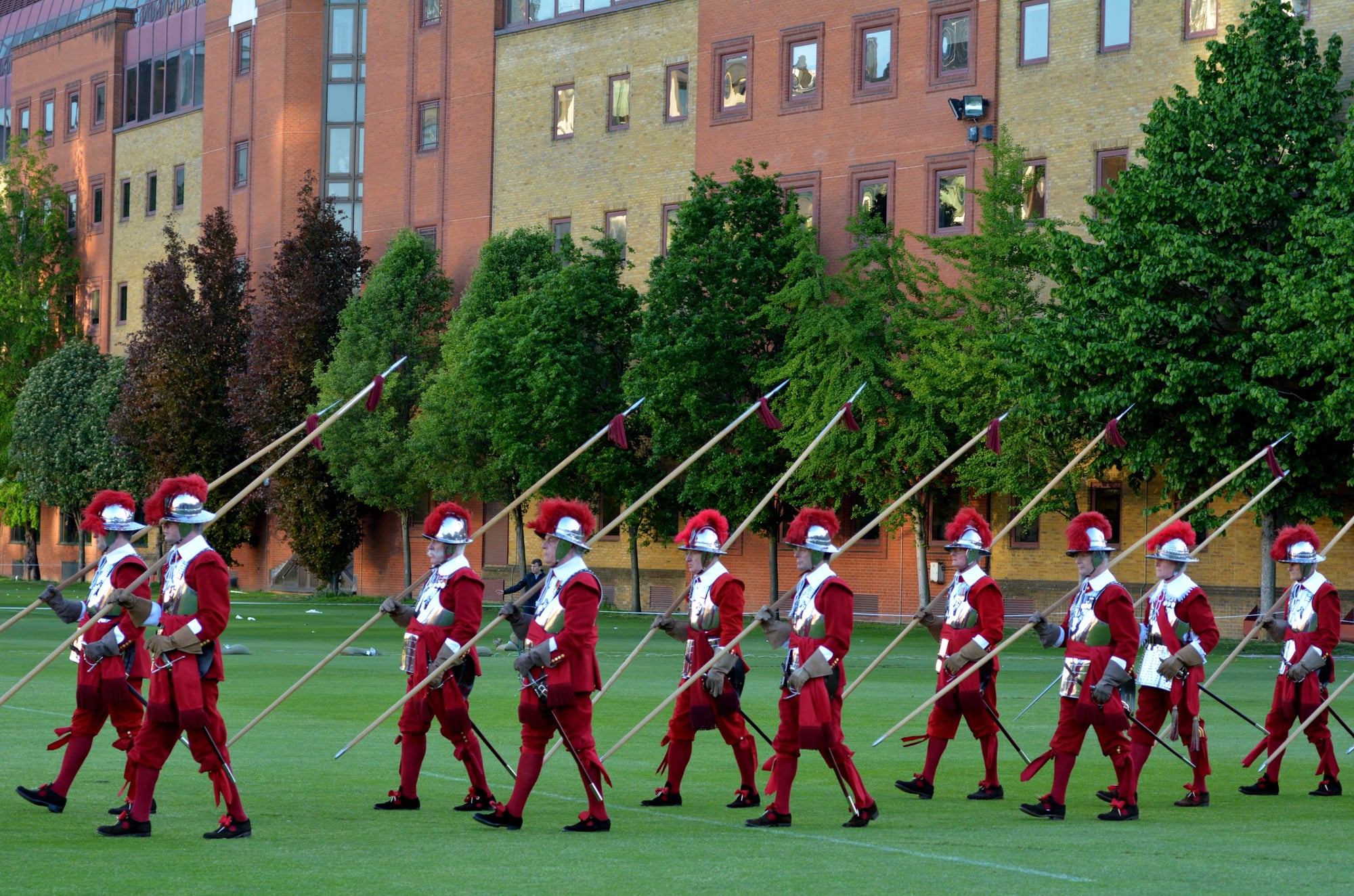
Before the modern Swiss Guard, there were the Papal Swiss Pikemen, and their uniforms were even more elaborate than their successors. These soldiers wore full Renaissance court dress — doublets with slashed sleeves that revealed contrasting fabric underneath, trunk hose that made their legs look like overstuffed sausages, and caps with feathers long enough to be practical dusting implements.
The slashed sleeves weren’t just decorative. They were meant to show off the expensive fabric underneath, because apparently military intimidation in the 16th century required demonstrating that you could afford multiple layers of silk.
The effect was soldiers who looked like wealthy merchants who’ve accidentally picked up weapons instead of account ledgers.
British Foot Guards Bear Hats
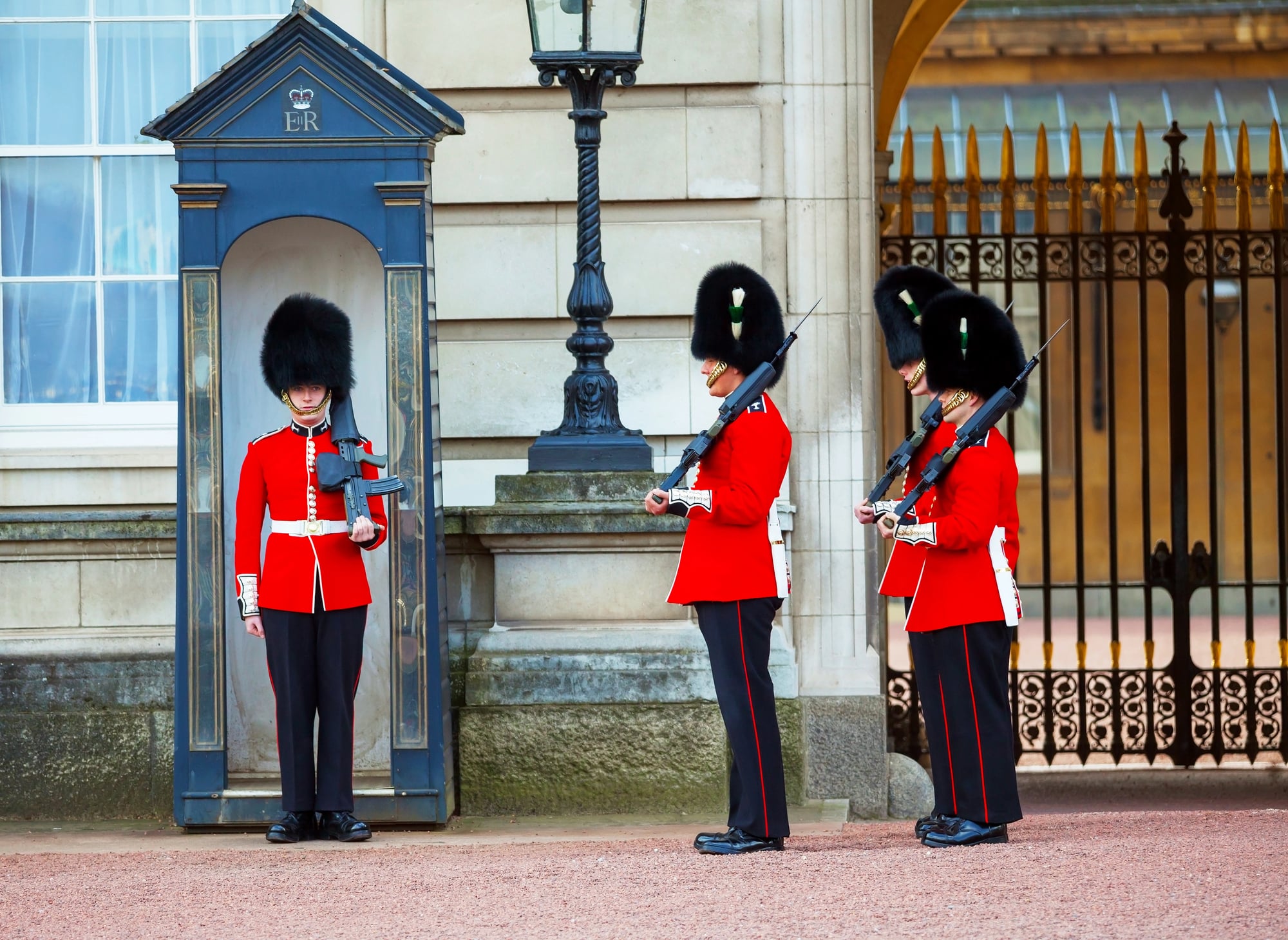
The British Foot Guards wear eighteen-inch-tall bearskin hats that cost more than most people’s cars and make the soldiers look like they’re being slowly consumed by enormous, well-groomed animals. These hats weigh approximately 1.5 pounds, which doesn’t sound like much until you spend hours standing at attention with a furry tower balanced on your head.
The tradition started after the Battle of Waterloo, when British guards allegedly took the bearskin caps from defeated French soldiers (though the French claim this never happened, because military historians love a good argument). Now British soldiers stand outside palaces looking stoic while tourists take photos and make jokes about the fact that an empire once built on naval supremacy chooses to dress its ceremonial guards like characters from a children’s book about forest creatures who’ve joined the military.
But here’s what makes this particularly British: they’ve kept the tradition going for over two centuries, spending thousands of pounds per hat, requiring special care and storage, all so their guards can look appropriately ridiculous while maintaining perfect military bearing. The cognitive dissonance is remarkable — elite soldiers, impeccable training, topped with what appears to be a small bear that’s given up on life.
Highland Regiments
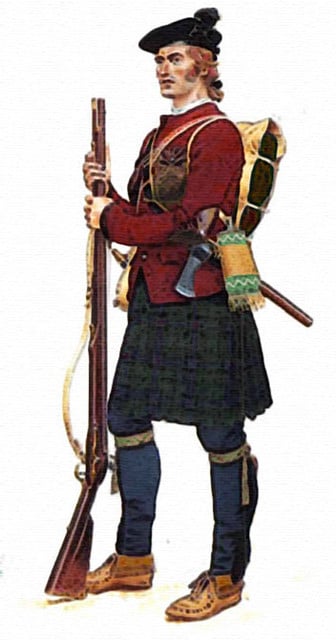
Scottish Highland regiments took the practical clothing of their homeland and turned it into military uniform, which resulted in soldiers marching into battle wearing what essentially amounted to elaborate skirts, knee-high socks, and shoes that looked like ballet slippers with attitude problems.
The kilt, sporran, and full Highland dress were designed for the Scottish climate and terrain. Transplant this to tropical colonies or European battlefields, and you have soldiers whose uniforms are actively working against them.
The sporran — that furry pouch hanging in front — served a practical purpose when there were no pockets, but became purely decorative once military uniforms developed proper storage solutions.
French Cuirassiers
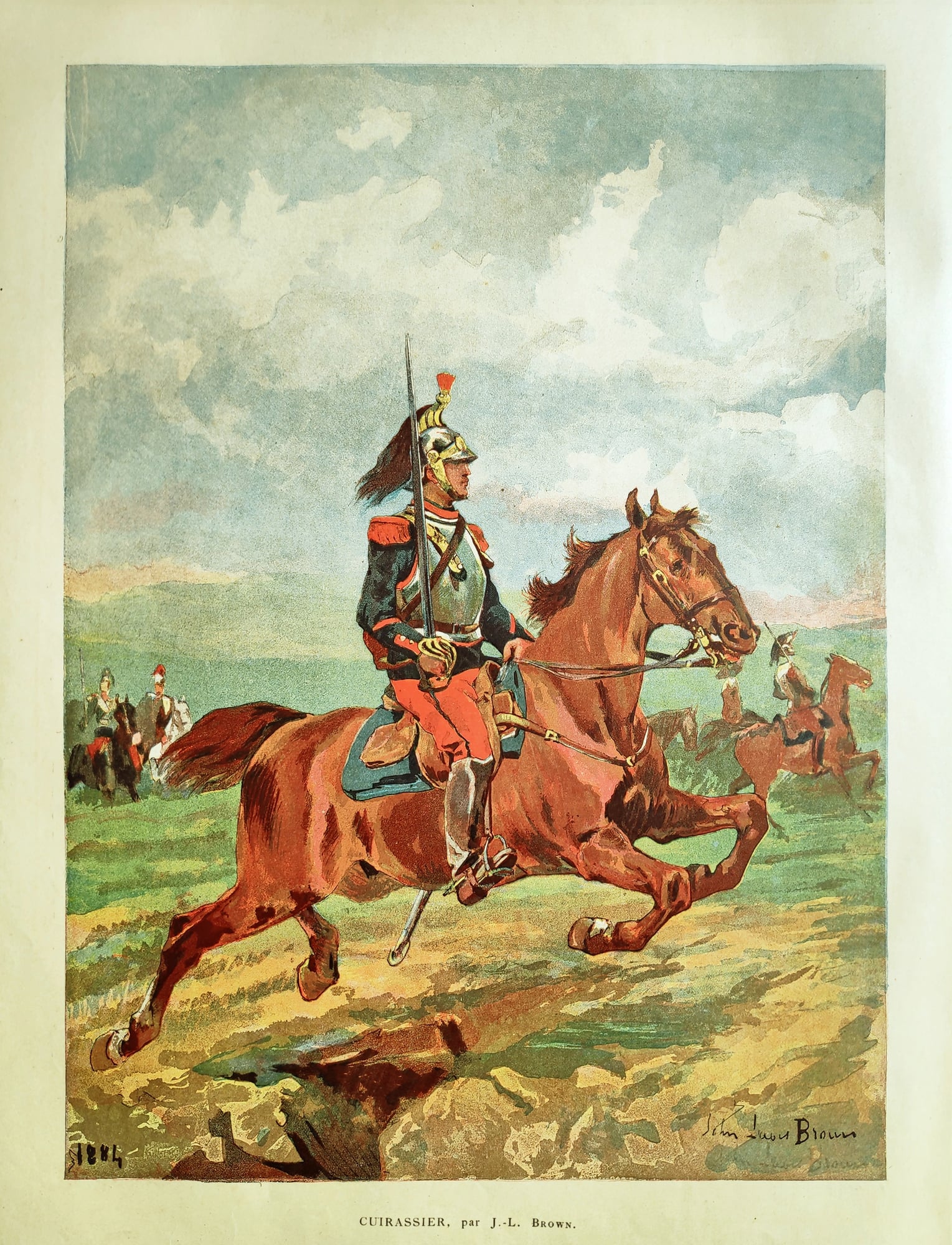
The French Cuirassiers wore metal breastplates that belonged to an earlier century, paired with helmets topped with flowing horsehair plumes that made them look like they were being followed by very dedicated hair stylists. By the time of the Napoleonic Wars, these cuirasses provided minimal protection against modern firearms while adding considerable weight and restricting movement.
The horsehair plumes — sometimes white, sometimes black, always impractical — served no purpose except to make the soldiers more visible to enemy marksmen. But they looked magnificent during cavalry charges, right up until the moment practicality reasserted itself and everyone involved remembered why armor had fallen out of fashion in the first place.
Ottoman Sipahis
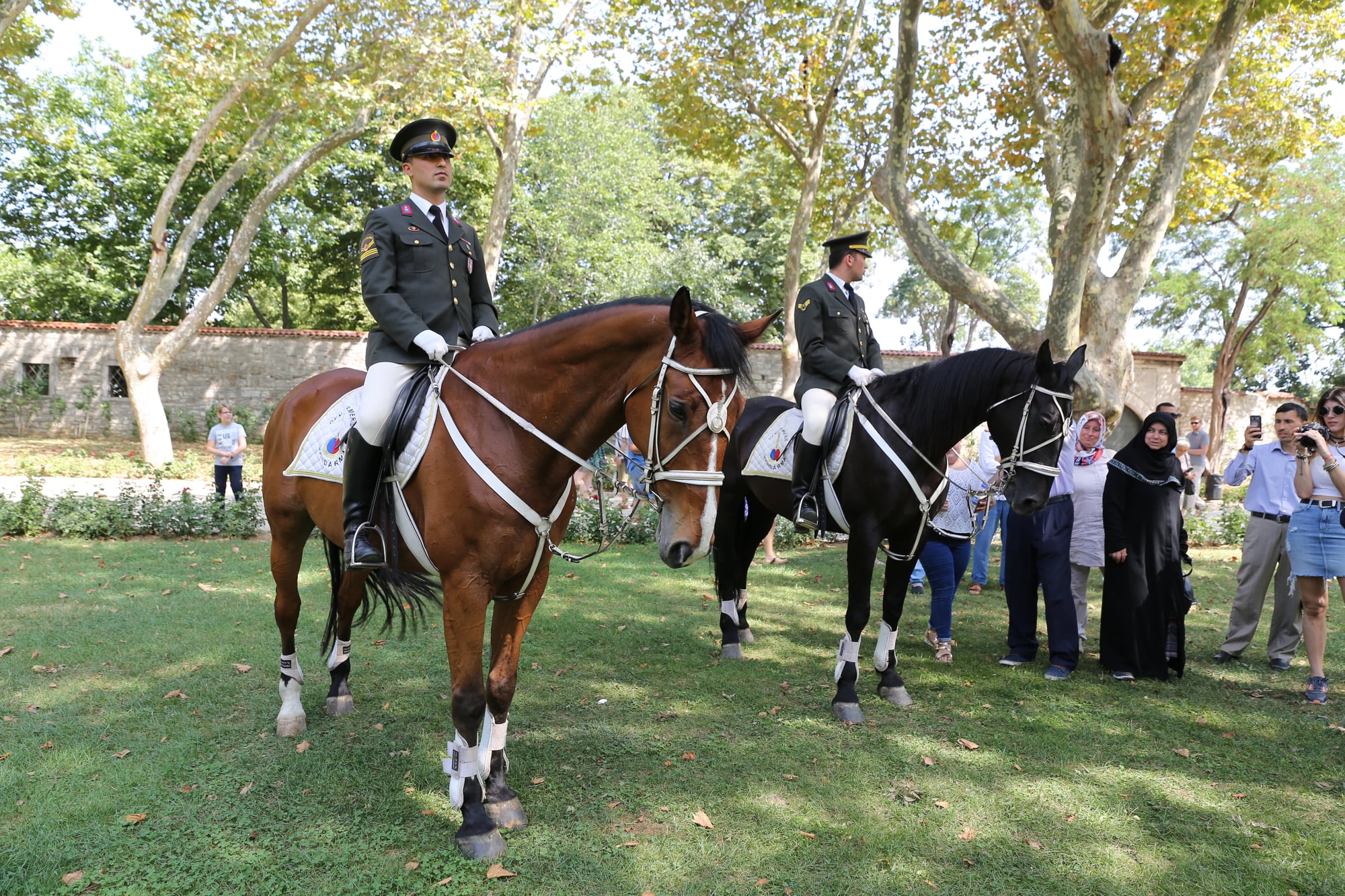
The Ottoman Sipahis attached enormous feathers to their helmets and backs, creating what can only be described as military peacocks with excellent horsemanship skills and a tendency toward territorial expansion. These weren’t small decorative plumes — they were massive feather displays that made the soldiers look like they were wearing wings.
The feathers supposedly made them look larger and more intimidating, though one suspects they also made them significantly easier to spot from great distances. Ottoman military strategy often relied on psychological impact, and there’s something undeniably unsettling about being charged by what appears to be a flock of very large, very angry birds with swords.
Napoleonic Era Hussars
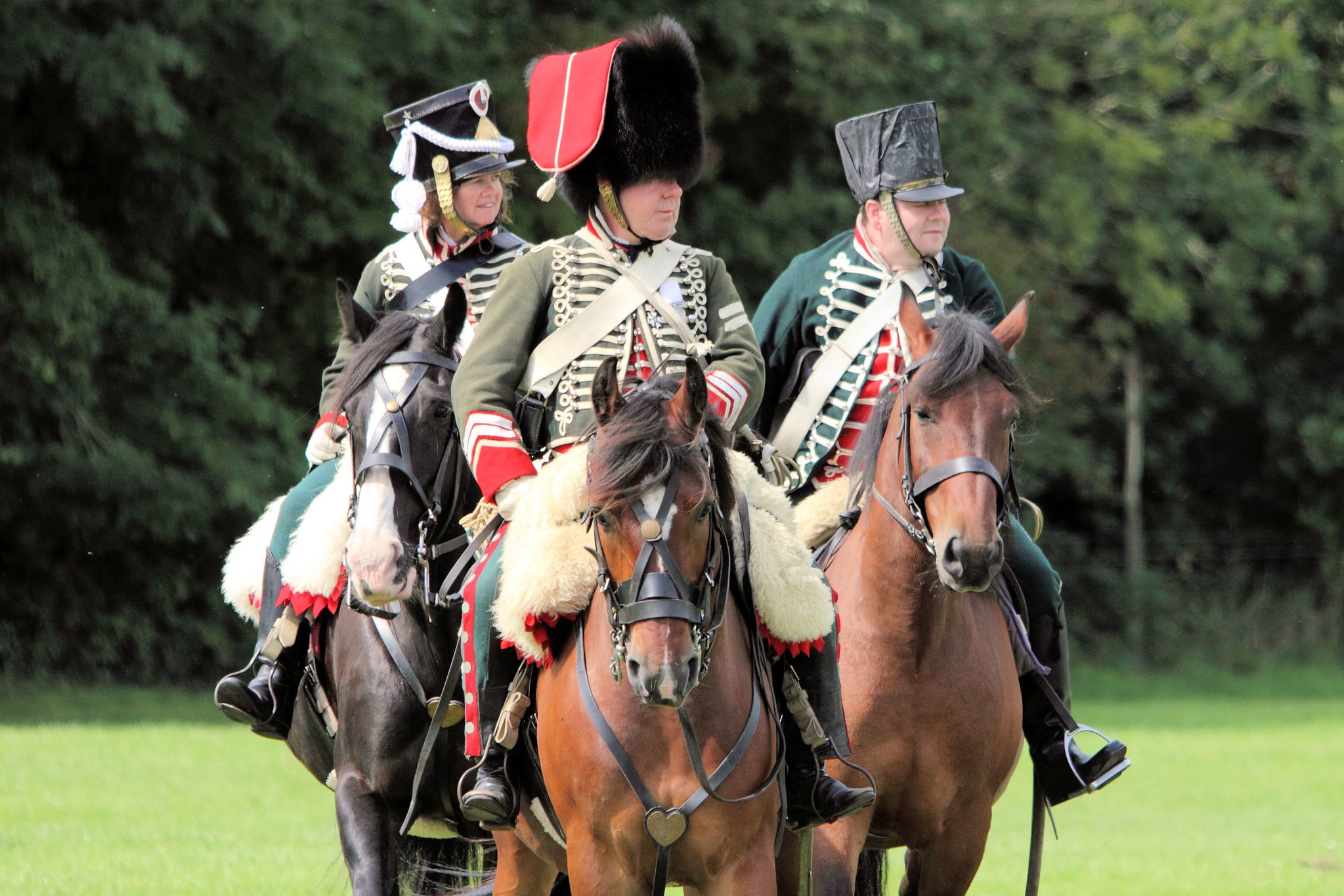
Napoleonic hussars took military decoration to levels that bordered on the deranged. Their uniforms featured so much braiding, so many buttons, and such elaborate color schemes that they looked like they’d been designed by someone who believed that if a little ornamentation was good, then covering every available surface in gold thread and dangling accessories would be magnificent.
The dolman jacket alone had enough decorative elements to outfit several normal soldiers. Add the pelisse (another jacket worn over the shoulder), the elaborate headgear, and the sword knots, and these soldiers looked like walking advertisements for military excess.
They were the Liberace of cavalry units, if Liberace had been trained in mounted warfare and given a sabre.
Roman Praetorian Guard
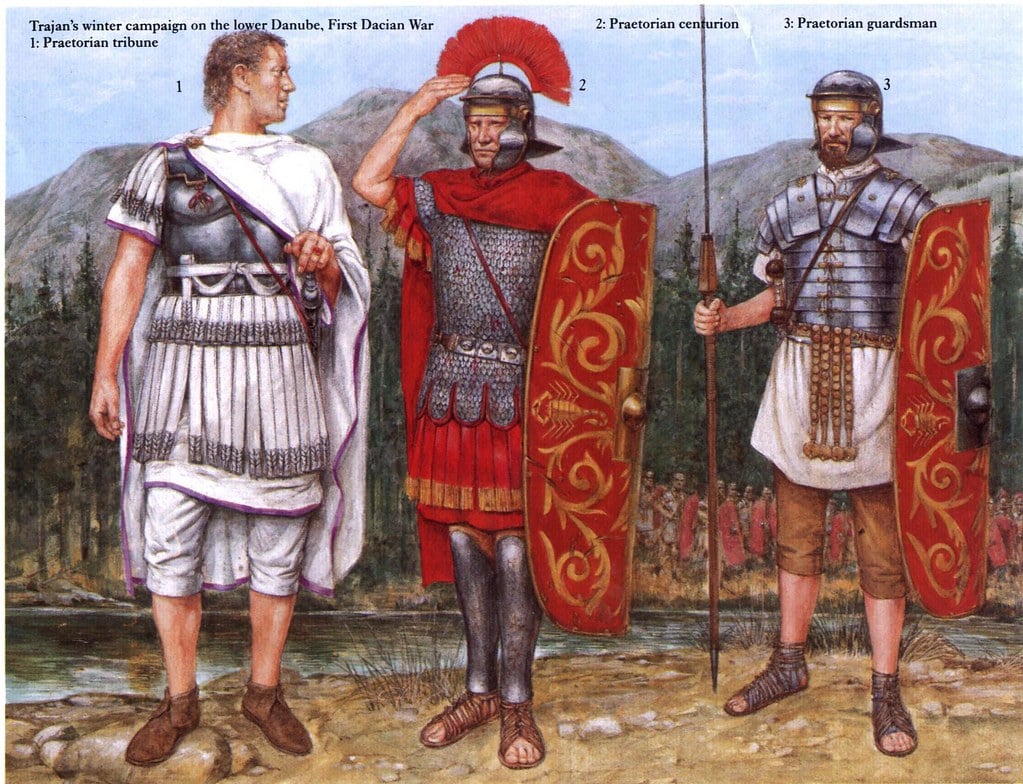
The Praetorian Guard wore purple — not just purple trim or purple accents, but full purple uniforms, because apparently protecting the emperor required looking like you’d been dipped in the ancient world’s most expensive dye. Purple was so costly that wearing it was essentially carrying your annual salary on your back.
Their crested helmets and elaborate armor were designed to project imperial power, but the overall effect was soldiers who looked like they were perpetually dressed for a very expensive costume party.
The psychological impact was probably significant — nothing says “don’t mess with the emperor” like bodyguards whose uniforms cost more than most people’s houses.
Mongol Heavy Cavalry
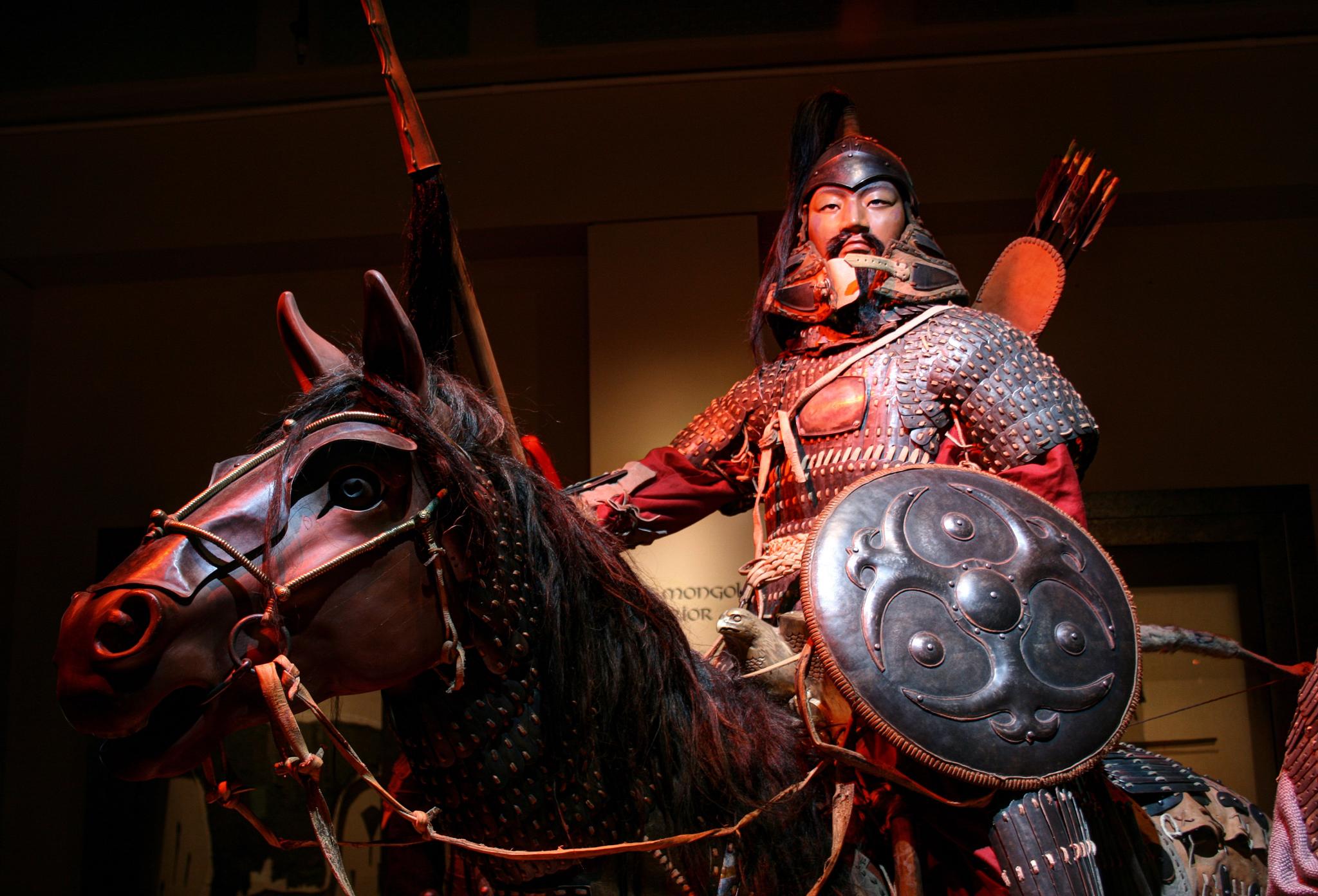
Mongol heavy cavalry wore silk shirts under their armor — not for comfort, but because arrows that penetrated the armor would push the silk into the wound without tearing it, making the arrows easier to remove. This practical innovation was paired with armor made from leather scales and iron plates, creating soldiers who looked like they’d been assembled from spare parts by someone with a good understanding of battlefield medicine and a flexible approach to fashion.
The silk shirts were often brightly colored, visible through gaps in the armor, giving these fearsome warriors an unexpectedly festive appearance. Mongol practicality trumped aesthetics, but the result was still visually distinctive — elite soldiers who looked like they’d raided a luxury textile merchant before putting on their battlefield gear.
When Uniforms Become History
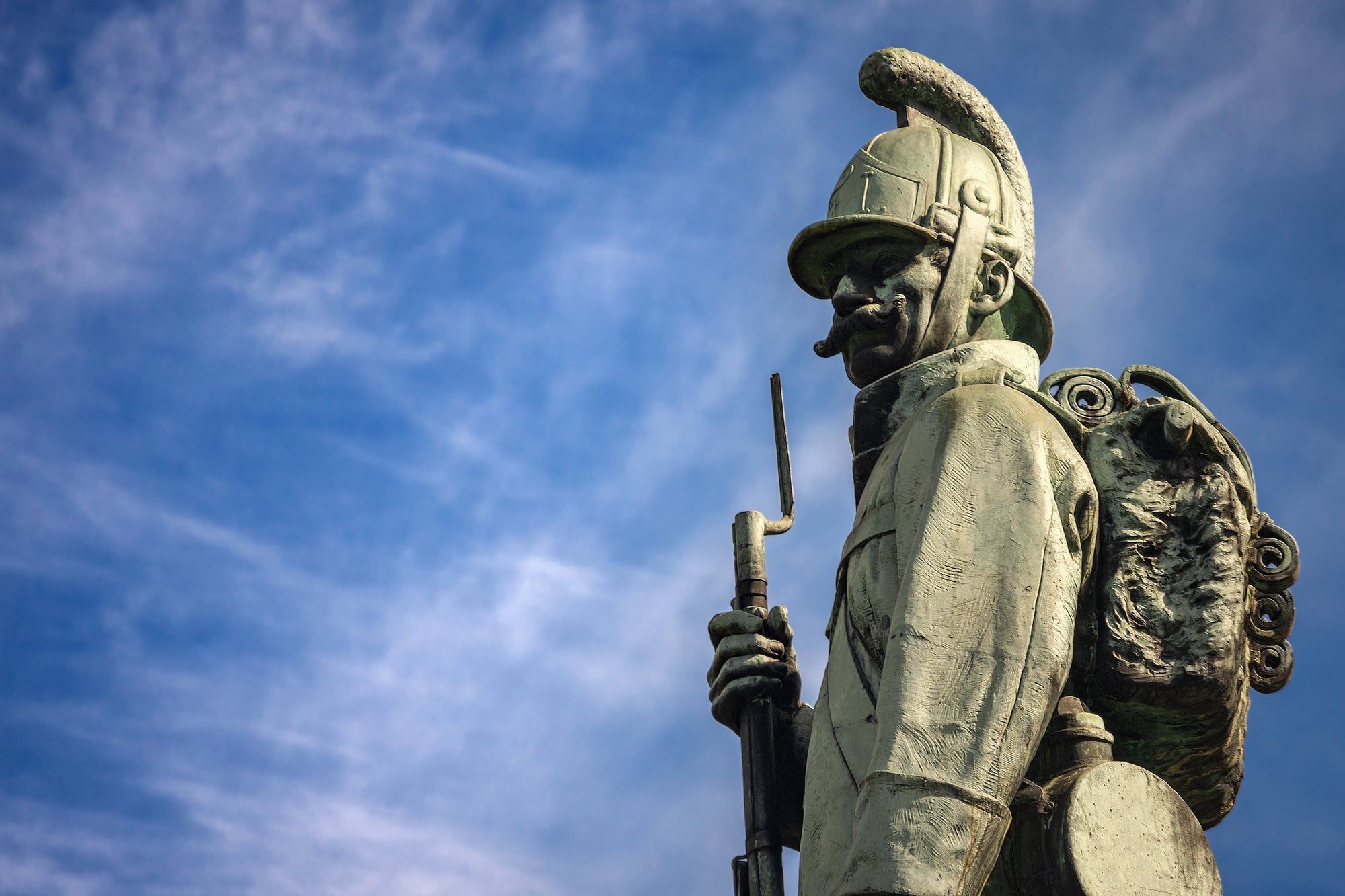
Military uniforms reveal more about the societies that created them than most people realize. The Death’s Head Hussars reflected Prussia’s embrace of martial imagery, while the Swiss Guard’s elaborate dress demonstrated papal wealth and continuity with Renaissance traditions.
These weren’t just clothing choices — they were statements about power, identity, and what each culture thought would make their enemies take notice.
The strangest part is how many of these impractical traditions survived long after their original purposes disappeared. British guards still wear bearskin hats, the Vatican still employs Swiss soldiers in Renaissance dress, and military ceremonies worldwide continue to feature uniforms that would be absurd in actual combat.
Sometimes the theater of military power matters more than the practicality, and these uniforms serve as reminders that warfare has always been as much about psychology and display as it has been about tactics and weapons.
More from Go2Tutors!

- The Romanov Crown Jewels and Their Tragic Fate
- 13 Historical Mysteries That Science Still Can’t Solve
- Famous Hoaxes That Fooled the World for Years
- 15 Child Stars with Tragic Adult Lives
- 16 Famous Jewelry Pieces in History
Like Go2Tutors’s content? Follow us on MSN.



