Engineering Flops That Proved Logic Right
Throughout history, ambitious engineering projects have crashed spectacularly, leaving behind expensive lessons and red faces. Yet these failures often validate the quiet voices of reason who saw the problems coming from miles away. Sometimes the most valuable thing an engineering disaster can do is prove that the skeptics were absolutely right all along.
The Tacoma Narrows Bridge

Opened in July 1940, “Galloping Gertie” twisted itself to death on a windy November morning, just four months later. Engineers had ignored wind tunnel testing — which seemed like an unnecessary expense at the time.
The bridge’s narrow deck and shallow support structure created perfect conditions for aerodynamic instability. Wind hit the bridge and turned it into a giant tuning fork. Within hours, it tore itself apart on live camera. Engineers advocating for wind testing had been right all along: when you build something that big in a windy place, you test it first.
The Hindenburg

Filled with hydrogen instead of helium, the Hindenburg was a disaster waiting to happen. Hydrogen burns spectacularly when it meets oxygen and a spark — chemistry 101.
In 1937, the airship ignited at Lakehurst Naval Air Station, burning in under a minute. Most passengers and crew survived, but the disaster proved what any safety-minded engineer could have predicted: filling a massive passenger airship with explosive gas is a fundamentally flawed concept.
The Vasa Warship

Sweden’s Vasa sank 20 minutes into its maiden voyage in 1628, after King Gustavus Adolphus demanded more guns and taller masts. Naval architects warned that the ship was top-heavy, but royal ego overruled them.
Modern analysis of the preserved wreck confirmed the warning: the ship’s center of gravity was too high. Mathematics of naval stability do not bend for kings.
Chernobyl Nuclear Disaster
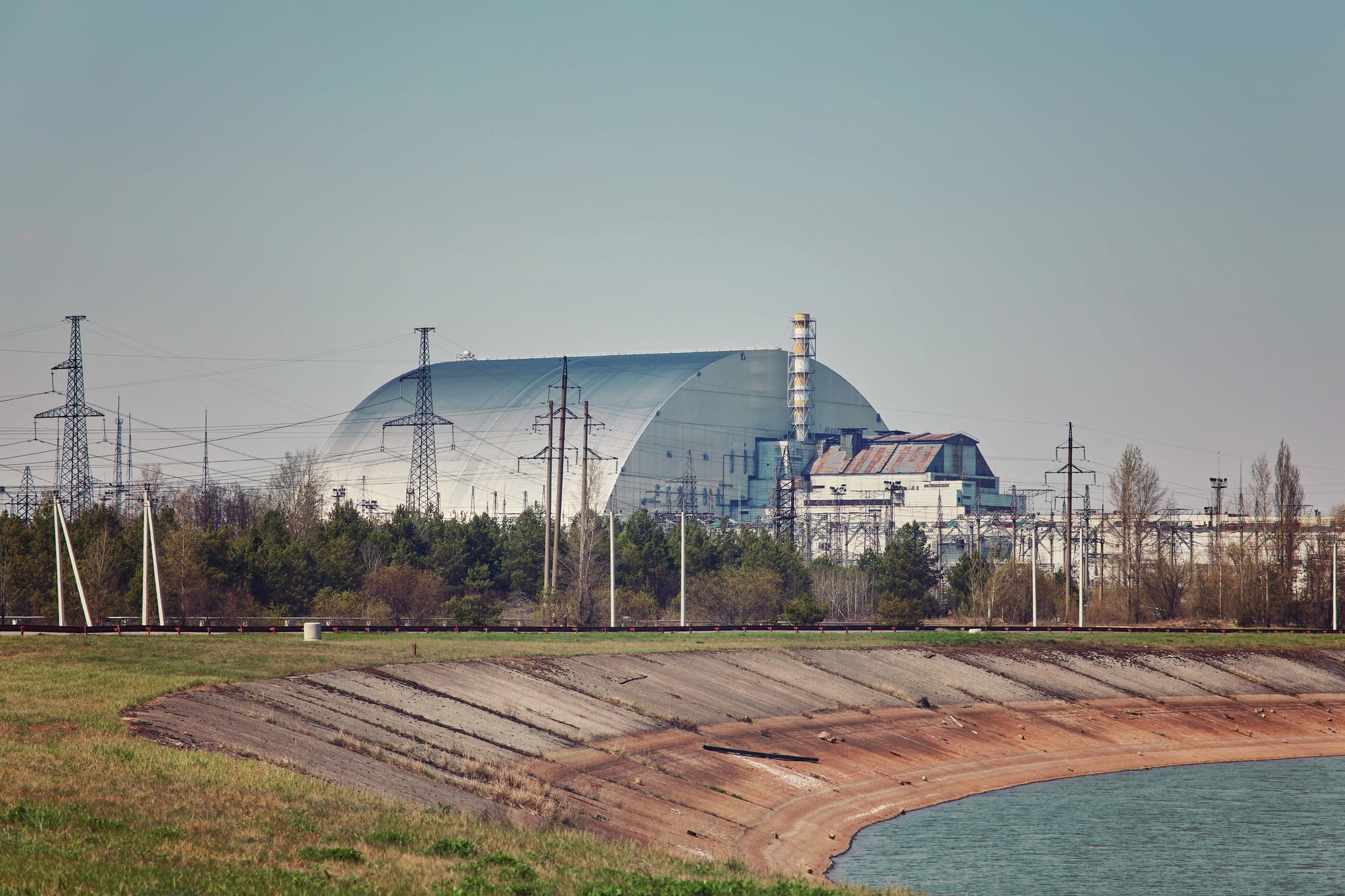
In 1986, the RBMK reactor at Chernobyl exploded, releasing radioactive material across Europe. The reactor had a positive void coefficient — meaning when coolant turned to steam, the reaction accelerated.
Soviet engineers knew this was dangerous, and the lack of a containment building made it worse. Ignoring known design flaws proved catastrophic. Physics and nuclear principles do not compromise for shortcuts.
Space Shuttle Challenger

Morton Thiokol engineers warned NASA that O-rings would fail in cold weather. The launch on January 28, 1986, happened at 36°F — far below the 53°F safe threshold.
The O-rings failed, the shuttle broke apart 73 seconds after liftoff, and seven astronauts died. The disaster proved engineers had been right: safety rules exist for a reason.
Ford Pinto

Rear-end collisions could rupture the Pinto’s fuel tank, causing fires. Engineers proposed simple fixes costing $1–$11 per car. Executives ignored them, favoring a cost-benefit analysis of lawsuits vs. safety.
Predictably, accidents caused avoidable deaths. Accounting logic had overridden engineering logic, with tragic consequences.
The de Havilland Comet
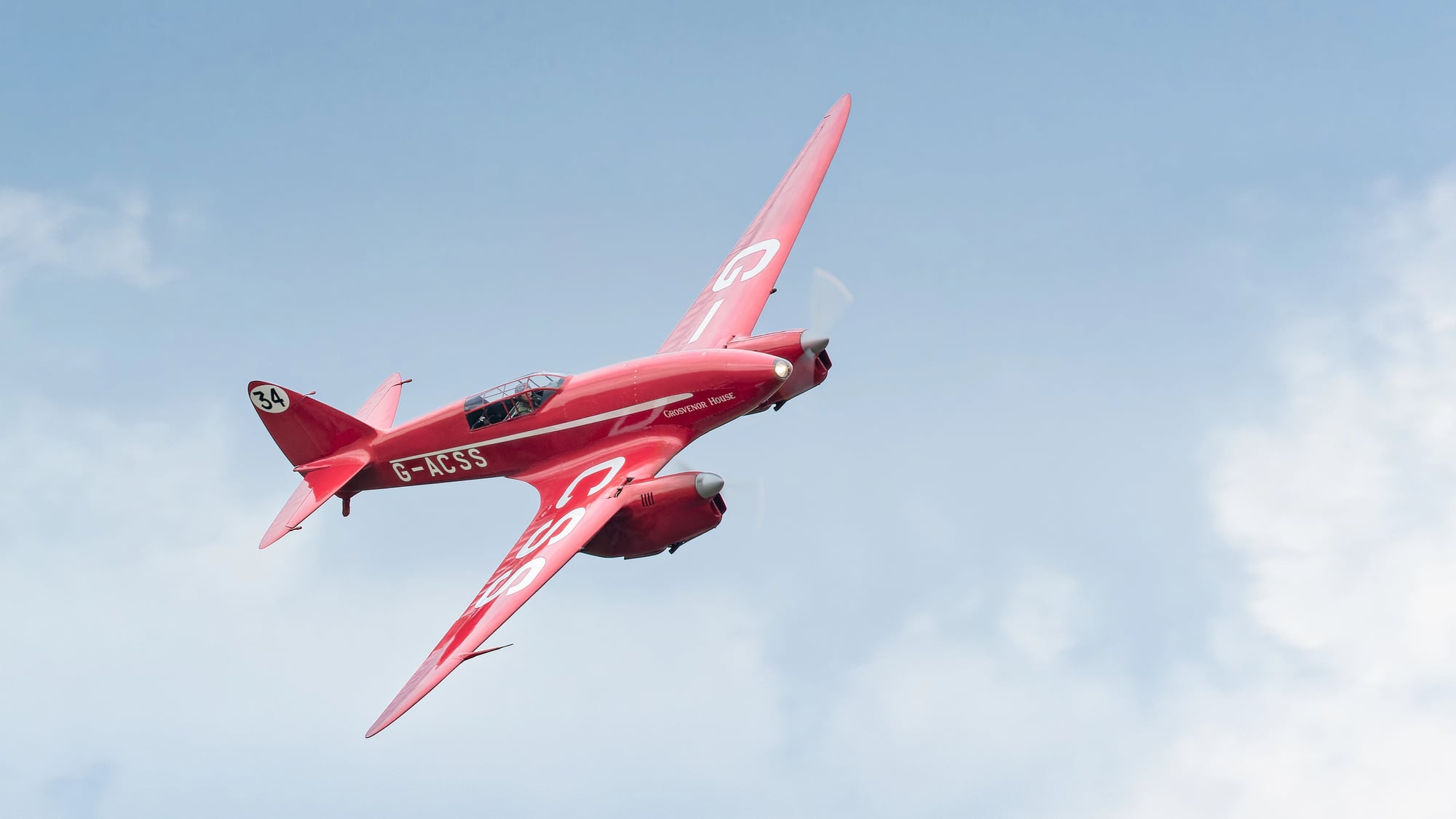
The world’s first commercial jet airliner suffered catastrophic failures due to square windows. Sharp corners created stress concentrations that led to metal fatigue.
Three planes broke apart mid-flight in 1953–54. The solution was obvious in retrospect: round windows evenly distribute stress — a design standard in every airliner since.
Kansas City Hyatt Regency Walkway

A minor design change during construction doubled the load on the fourth-floor walkway connections. During a crowded event in 1981, the walkways collapsed, killing 114 people.
Original engineering calculations would have prevented this disaster. Basic load analysis was ignored, and reality enforced its lesson brutally.
Leaning Tower of Pisa
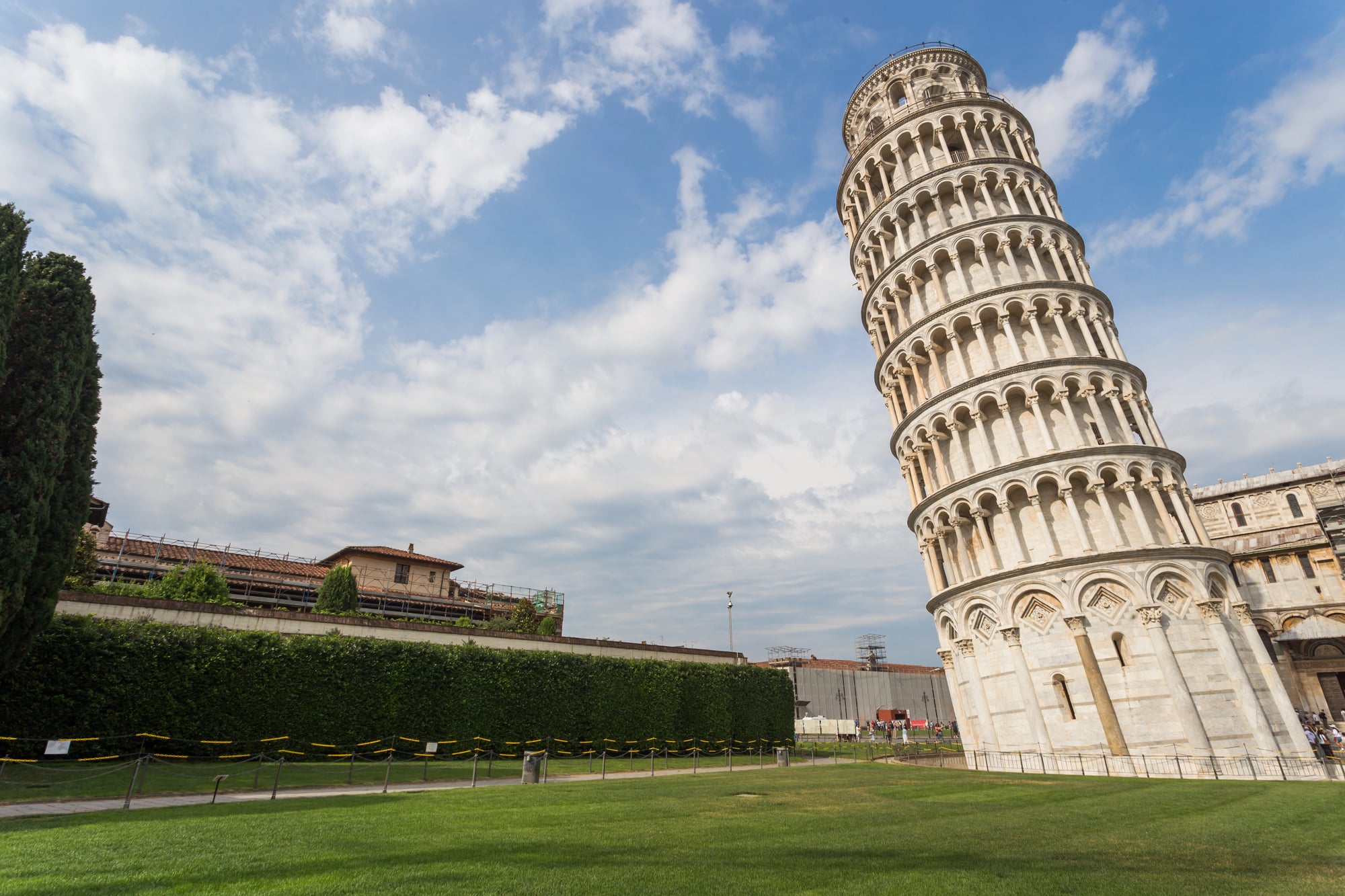
Built on soft clay in 1173, the Tower of Pisa leaned almost immediately. Engineers of the era understood that heavy structures need solid foundations, but construction proceeded anyway.
Centuries later, it still leans. Engineering principles haven’t changed — soft soil under a massive structure remains a problem.
Millennium Bridge
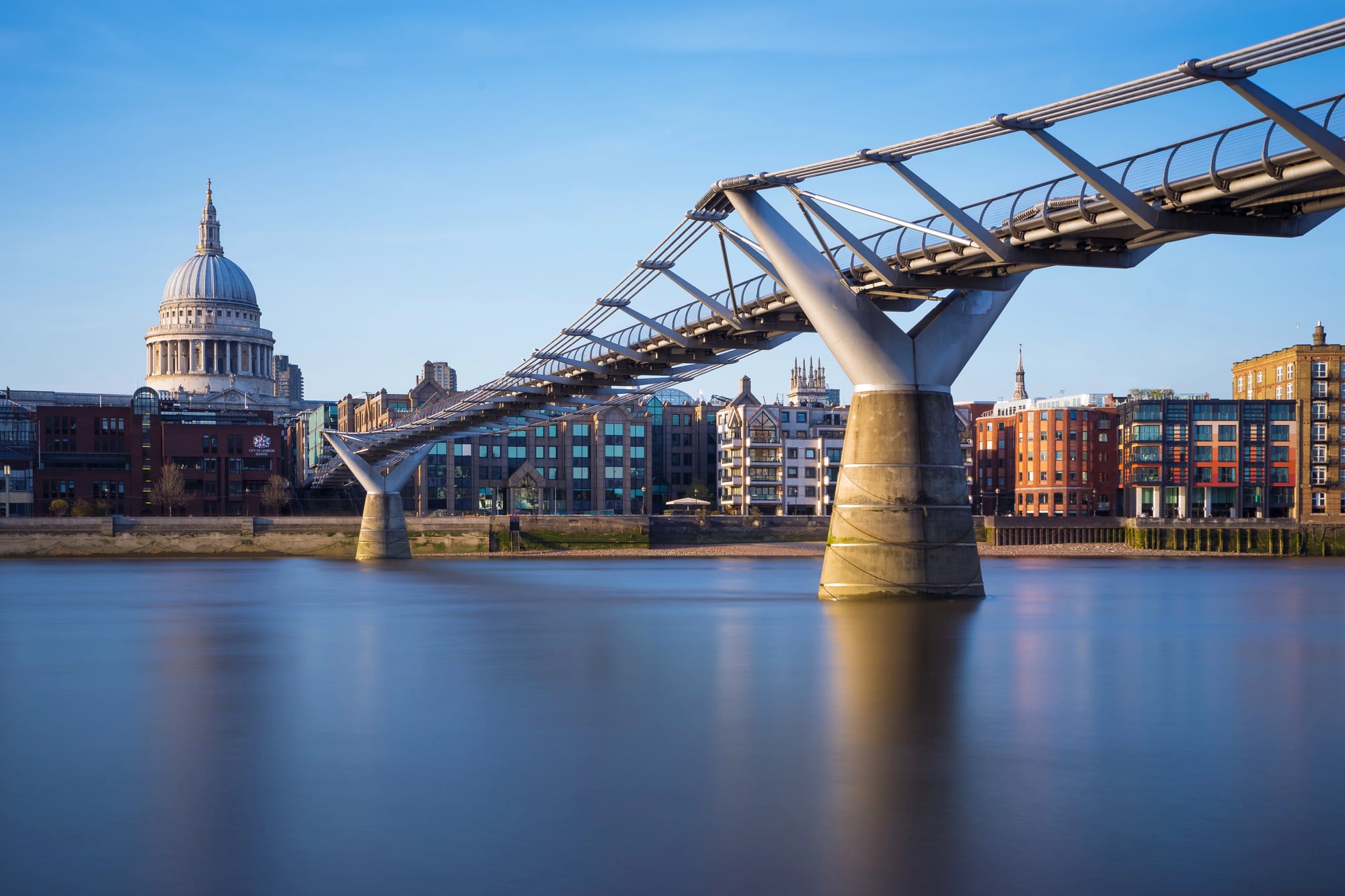
London’s bridge wobbled on opening day due to pedestrian-induced lateral resonance. Engineers had only tested for vertical movement, ignoring that people walking together could synchronize steps.
Sway amplified as pedestrians adjusted to the motion. Two years later, damping systems fixed the problem, confirming structural dynamics principles.
Deepwater Horizon
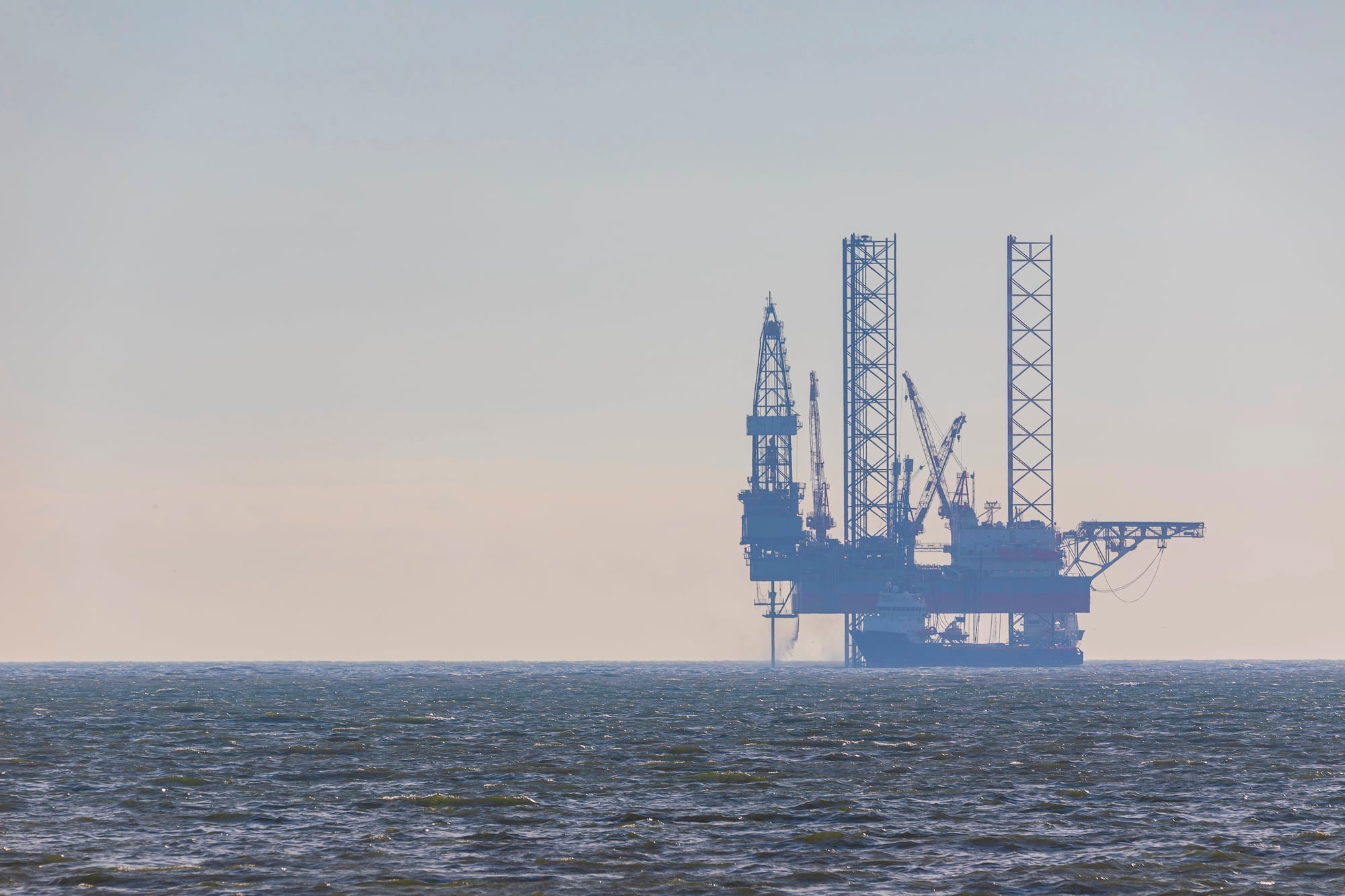
Multiple failures — dead blowout preventer battery, improperly mixed cement, and premature seawater replacement — combined to trigger a catastrophic blowout in 2010.
Engineers had established safety protocols to prevent precisely this cascade. Ignoring them proved deadly, demonstrating that redundant systems only work if followed.
Titanic

Watertight bulkheads didn’t extend high enough, and lifeboats were insufficient for passengers. Naval engineers had known higher bulkheads were safer, but luxury accommodations won over safety.
The ship sank after hitting an iceberg. Engineering warnings had been clear — yet ignored.
Banqiao Dam

Built to withstand a 1,000-year flood, the Banqiao Dam failed in 1975 during Typhoon Nina. Hydrologist Chen Xing had warned the design was inadequate for extreme rainfall, but his advice was dismissed.
The catastrophic flooding killed approximately 230,000 people. Chen’s predictions were validated, proving that ignoring sound engineering analysis can have devastating consequences.
When the Dust Settles

Engineering disasters share a common thread: they validate principles that were already known but set aside.
Whether cost-cutting, schedule pressure, or human ego is involved, physics, materials, and safety margins remain absolute. Reality enforces these rules eventually — and always, in the most expensive ways.
More from Go2Tutors!

- The Romanov Crown Jewels and Their Tragic Fate
- 13 Historical Mysteries That Science Still Can’t Solve
- Famous Hoaxes That Fooled the World for Years
- 15 Child Stars with Tragic Adult Lives
- 16 Famous Jewelry Pieces in History
Like Go2Tutors’s content? Follow us on MSN.