16 Regional US Foods Everyone Should Try
America’s culinary landscape tells the story of immigration, geography, and local ingenuity through its distinctive regional dishes. From coast to coast, communities have developed signature foods that reflect their unique histories and available ingredients, creating a diverse tapestry of flavors that extends far beyond typical fast food chains.
Here are 16 essential regional American foods that capture the true spirit of local cuisine across the United States.
Philly Cheesesteak
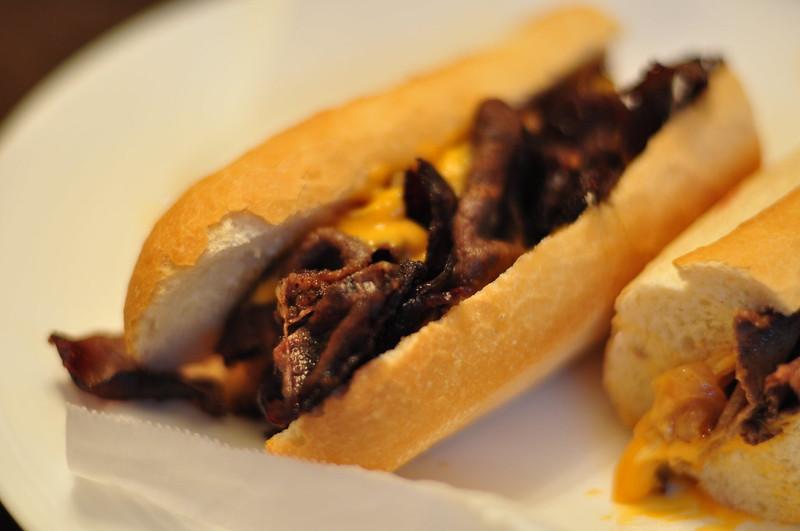
Philadelphia’s most famous export combines thinly sliced ribeye steak with melted cheese on a long hoagie roll. The ongoing debate between Cheez Whiz versus provolone creates passionate discussions among locals, but both versions deliver the same satisfying combination of tender meat and gooey cheese.
Authentic versions require the right bread – crusty outside, soft inside. No substitutions allowed.
Chicago Deep-Dish Pizza
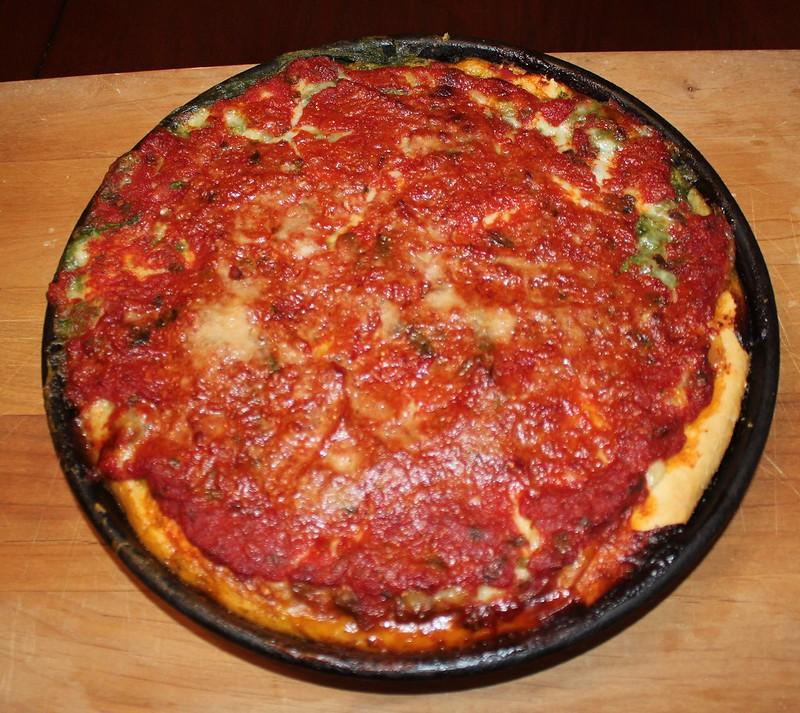
This isn’t pizza as most people know it. Chicago’s signature dish resembles a savory pie more than traditional flatbread, with a thick crust that holds layers of cheese, toppings, and chunky tomato sauce on top. A single slice can constitute an entire meal.
The reverse construction – cheese on bottom, sauce on top – protects the cheese from burning during the extended baking time. Pure engineering genius.
New England Clam Chowder
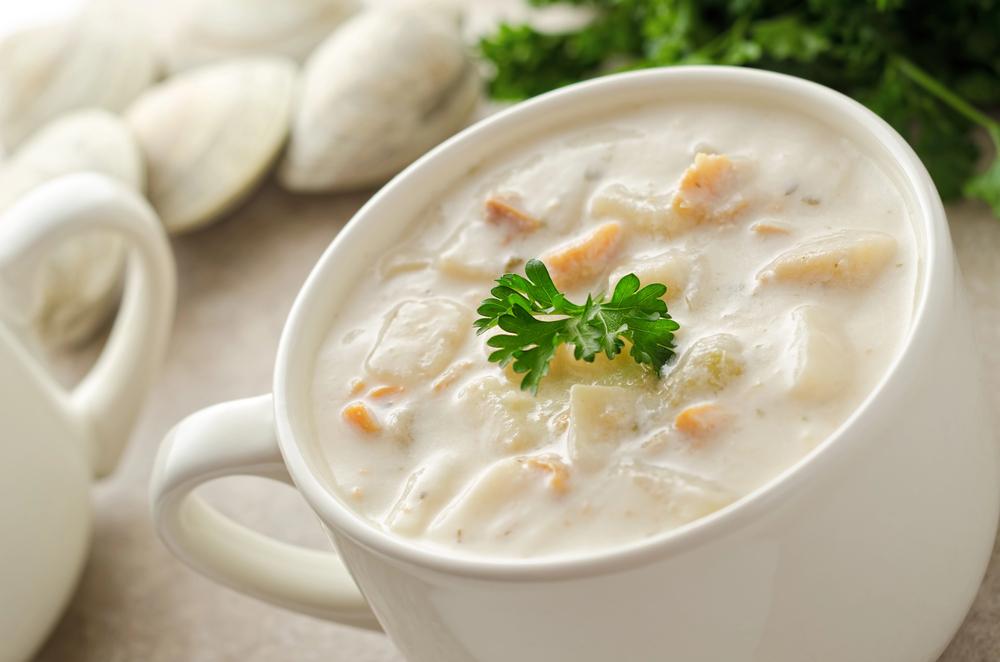
Creamy, white, and loaded with tender clams and potatoes, this soup represents New England comfort food at its finest. The dairy-based broth creates a rich foundation that showcases fresh seafood without overwhelming delicate flavors.
Manhattan’s red clam chowder might exist, but New Englanders consider it an abomination. Don’t bring it up.
Texas Barbecue Brisket
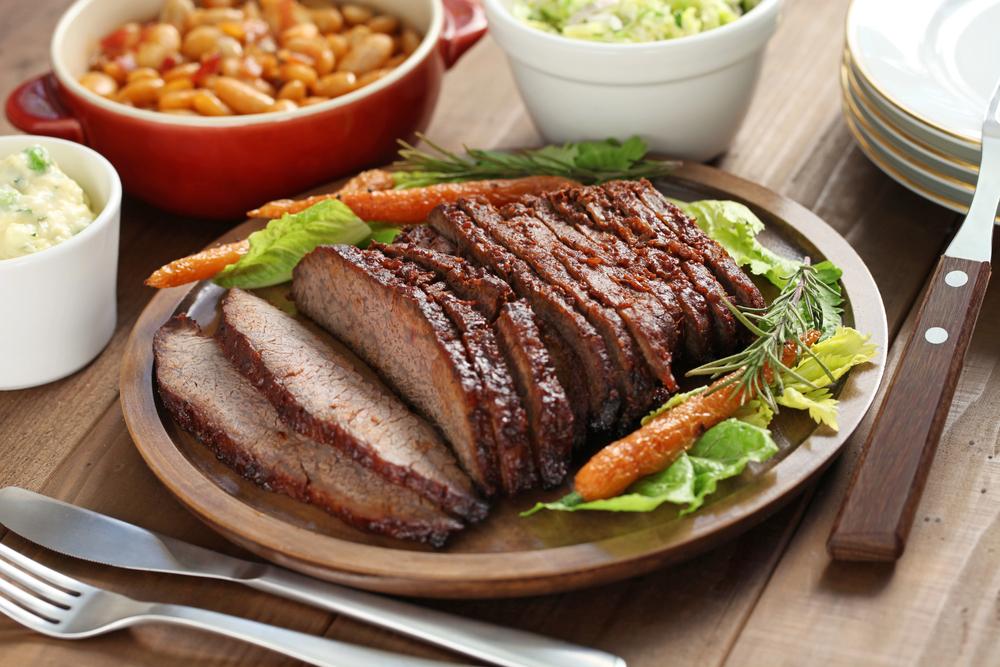
Low and slow cooking transforms tough beef brisket into tender, smoky perfection across Texas. Pitmasters spend 12-16 hours carefully managing wood fires and temperatures to achieve the ideal bark and pink smoke ring. The process requires patience that borders on meditation.
Sauce remains optional. Many pitmasters prefer their brisket unwrapped to showcase the meat’s natural flavors and roasting technique.
Buffalo Wings

These spicy chicken wings originated at the Anchor Bar in Buffalo, New York, during the 1960s. The classic preparation involves frying whole wings and tossing them in a sauce made from hot sauce and butter. Blue cheese dressing and celery sticks provide a cooling contrast to the heat.
The original recipe was supposedly created as a late-night snack. Sometimes the best foods happen by accident.
Louisiana Gumbo
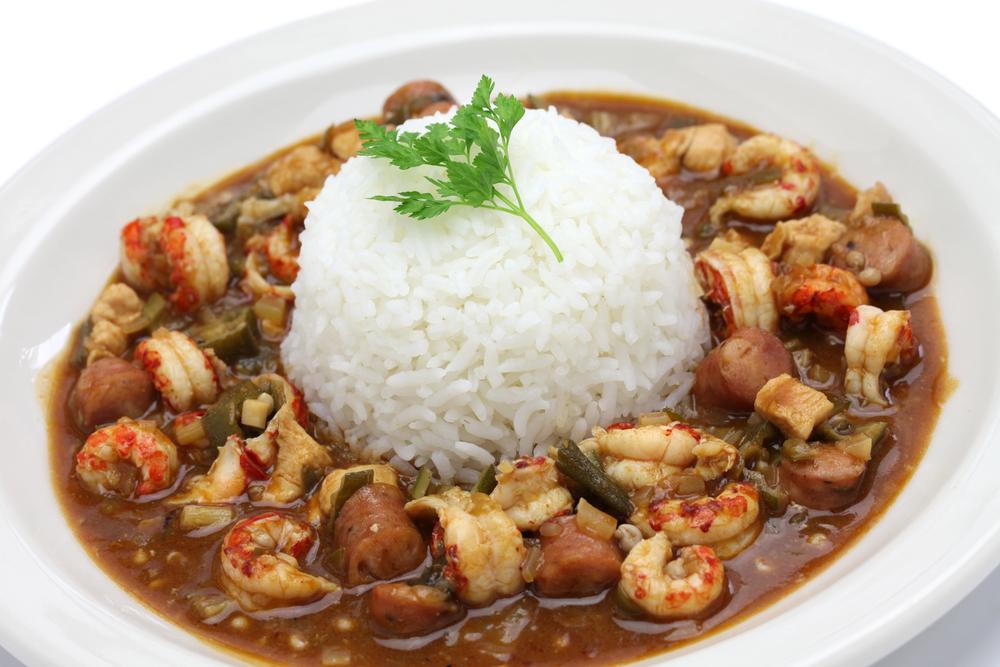
This hearty stew reflects Louisiana’s multicultural heritage through its blend of French, Spanish, African, and Native American influences. The dish starts with a dark roux that provides deep flavor and thickening power, then builds layers through the holy trinity of onions, celery, and bell peppers.
Every family has their own gumbo recipe. Arguments about authenticity can last for hours.
Kansas City Burnt Ends
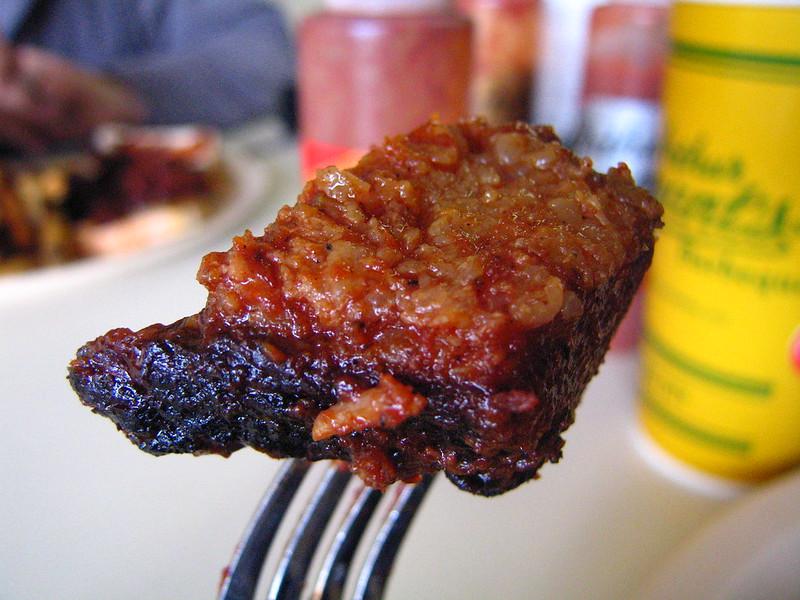
These cubed pieces of smoked beef brisket point represent Kansas City’s contribution to barbecue excellence. After the brisket finishes roasting, pitmasters cube the fatty point end, add more sauce and seasoning, then return the pieces to the smoker until they caramelize into candy-like perfection.
Carolina Pulled Pork
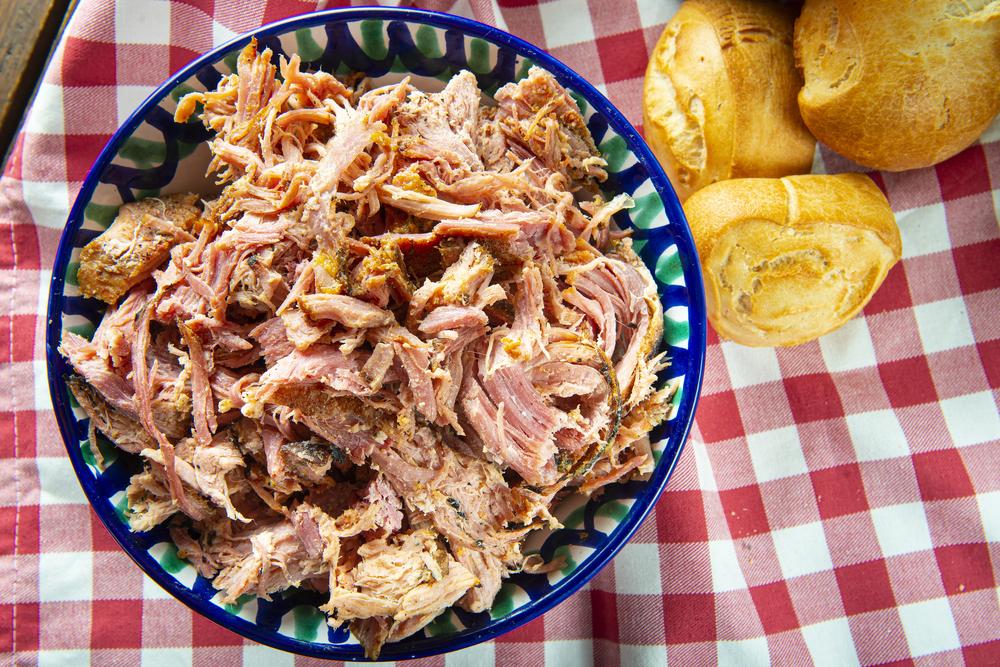
The Carolinas take pork seriously, though they can’t agree on sauce. Eastern North Carolina uses a vinegar-based sauce with red pepper flakes, while Western North Carolina adds tomato to the mix. South Carolina throws mustard into the equation with their tangy yellow sauce.
So the regional variations create friendly rivalries that have lasted generations.
Maine Lobster Roll
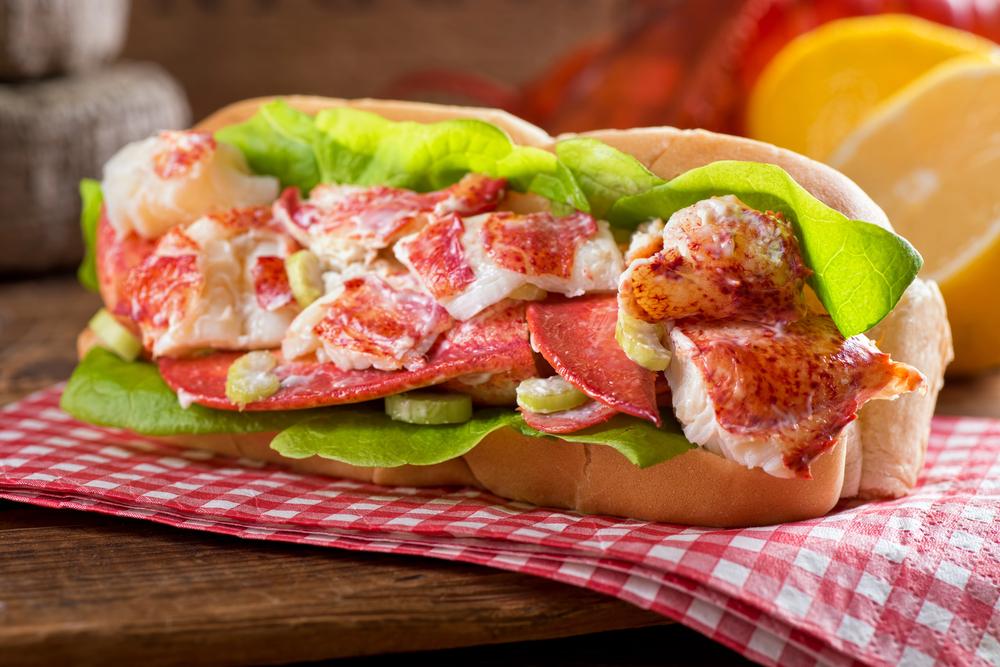
Fresh lobster meat gets minimal treatment in this New England classic – just enough mayonnaise to bind it together, served in a grilled hot dog bun. The simplicity lets the sweet lobster flavor shine without interference from heavy seasonings or competing ingredients.
Some versions substitute warm butter for mayonnaise. Both approaches have devoted followers who defend their preference passionately.
Cincinnati Chili
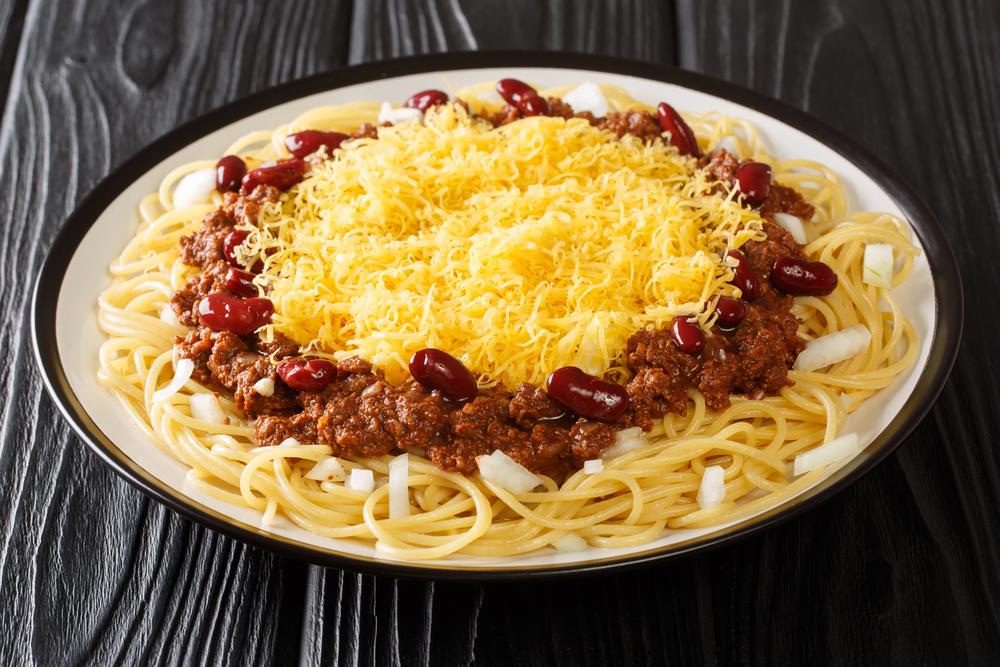
This unique chili reflects the city’s German immigrant influence through its distinctive spice blend that includes cinnamon, chocolate, and allspice. Served over spaghetti noodles and topped with cheese, onions, and beans, it breaks every traditional chili rule while creating something entirely original.
Newcomers often react with confusion. Locals understand it’s not trying to be regular chili.
Green Chile Stew
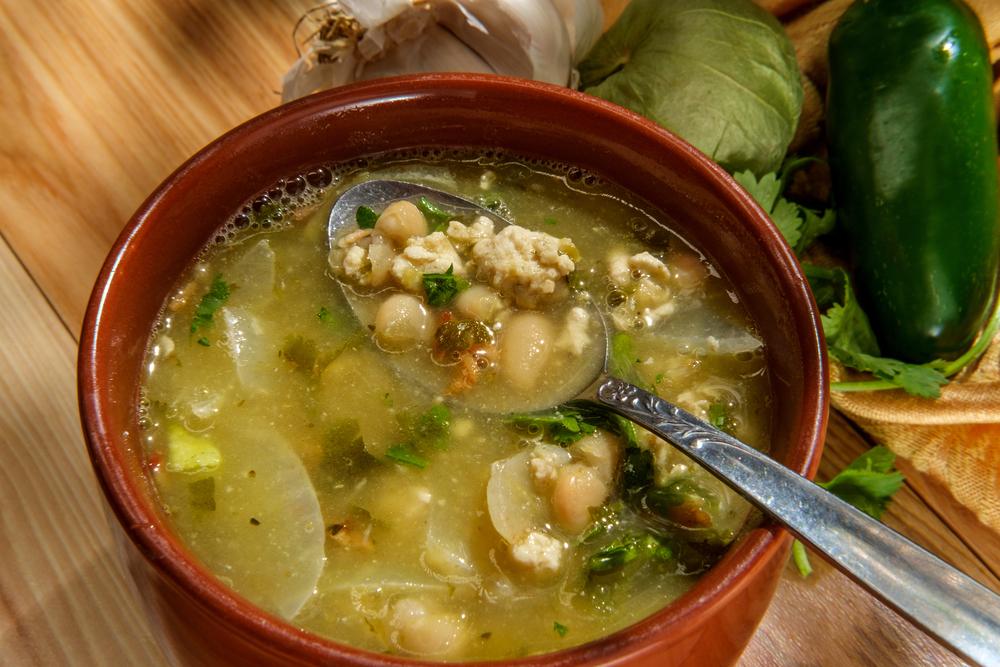
New Mexico’s signature dish showcases the state’s prized Hatch green chiles in a hearty stew with pork, potatoes, and onions. The chiles provide both flavor and varying levels of heat, depending on the variety and preparation. Every August, the aroma of roasting chiles fills the air throughout the state.
The question “red or green?” appears on every New Mexican restaurant menu and sparked the official state question.
Funeral Potatoes
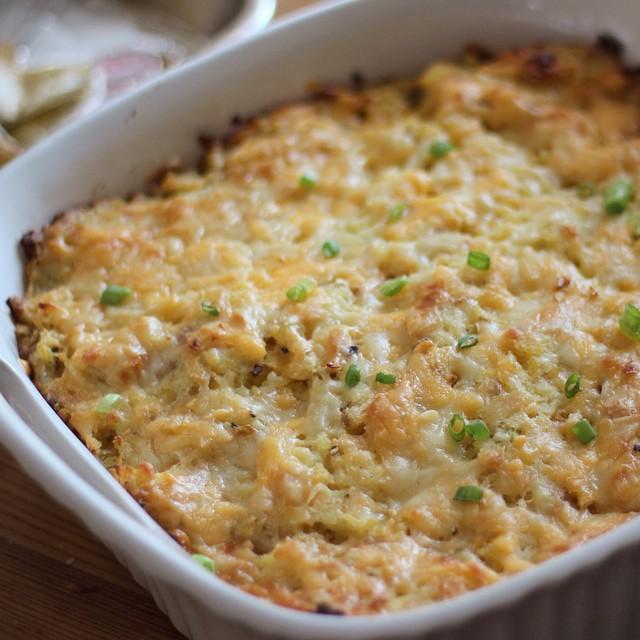
Utah’s contribution to comfort food combines frozen hash browns with cream of mushroom soup, sour cream, and cheese, then tops everything with crushed cornflakes. Despite the morbid name, these potatoes appear at celebrations and gatherings throughout the Mountain West.
The casserole earned its name from frequent appearances at post-funeral luncheons. Death brings people together over carbohydrates.
Garbage Plate
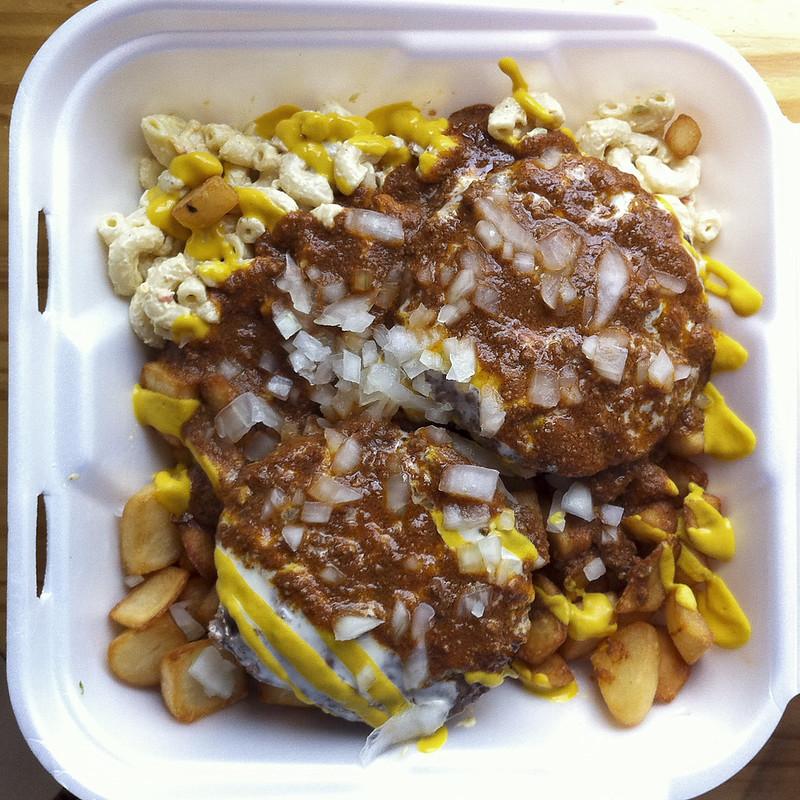
Rochester, New York created this massive plate of comfort food that combines two types of meat with home fries, macaroni salad, baked beans, and meat sauce on top. The name accurately describes the appearance – everything gets piled together in glorious excess.
You’ll need these items:
- A serious appetite
- Elastic waistband pants
- No dinner plans for the next 24 hours
- Strong commitment to finishing what you started
Fry Sauce
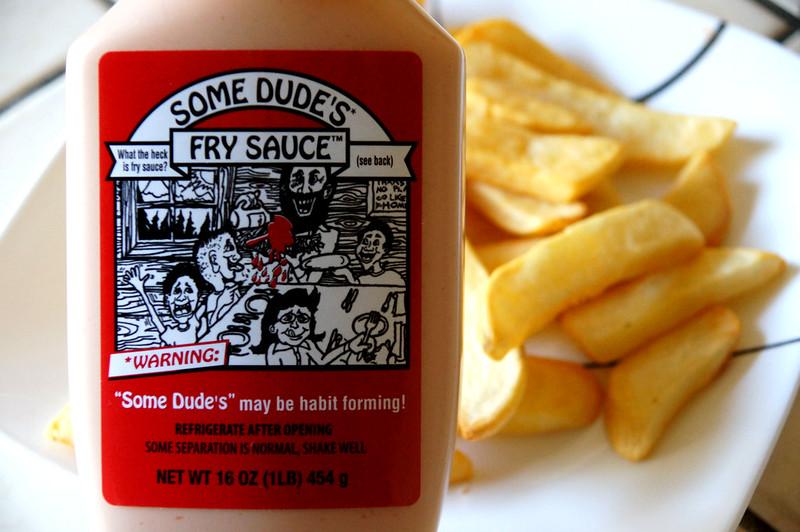
Utah and Idaho share credit for this simple condiment that combines ketchup and mayonnaise in equal proportions. The pink sauce appears alongside french fries throughout the region, though some establishments add pickle juice or other seasonings to create signature variations.
Cincinnati-Style Chili Parlors
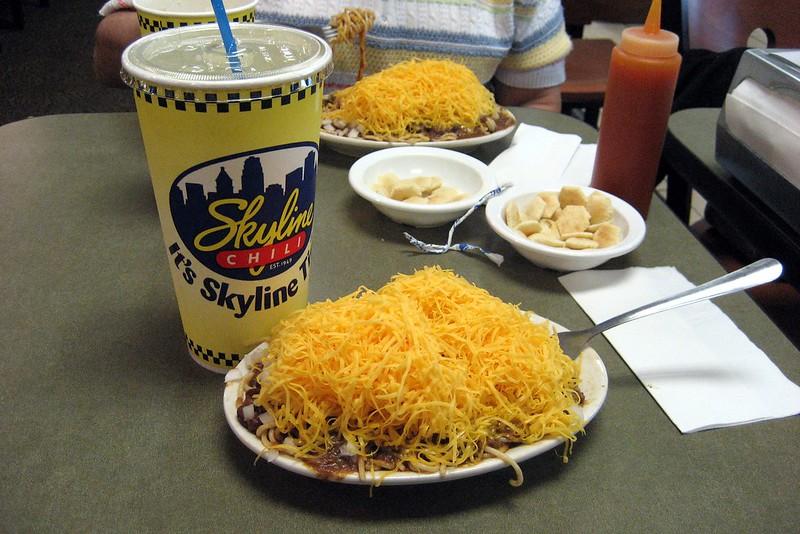
Beyond the chili itself, Cincinnati’s parlor culture creates a unique dining experience. These small, family-owned establishments serve chili in multiple “ways” – from one-way (plain chili) to five-way (chili, spaghetti, cheese, onions, and beans). The parlors function as neighborhood gathering places where regulars have their usual orders memorized.
Sourdough Bread
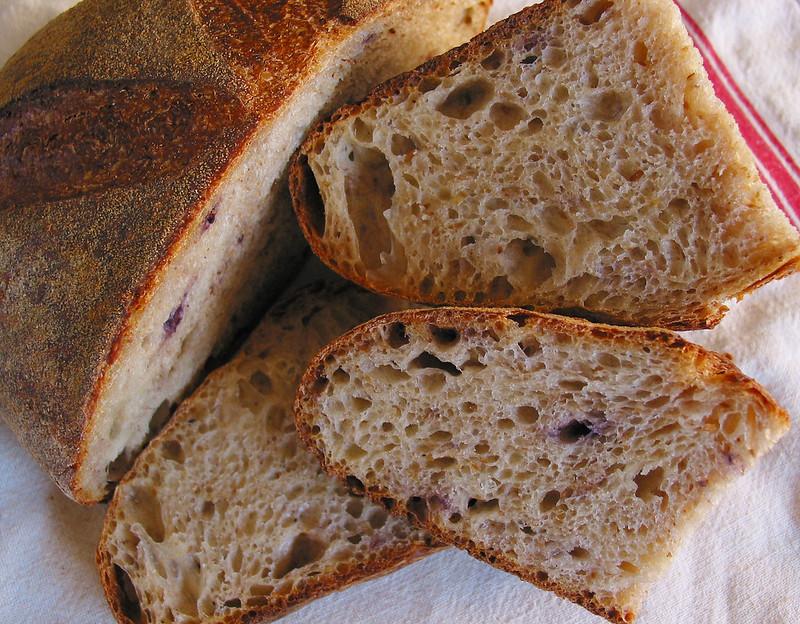
San Francisco’s fog and unique wild yeast strains create the perfect environment for authentic sourdough bread. The tangy flavor comes from natural fermentation processes that can’t be replicated elsewhere, making genuine San Francisco sourdough a true regional specialty.
Taste of Place
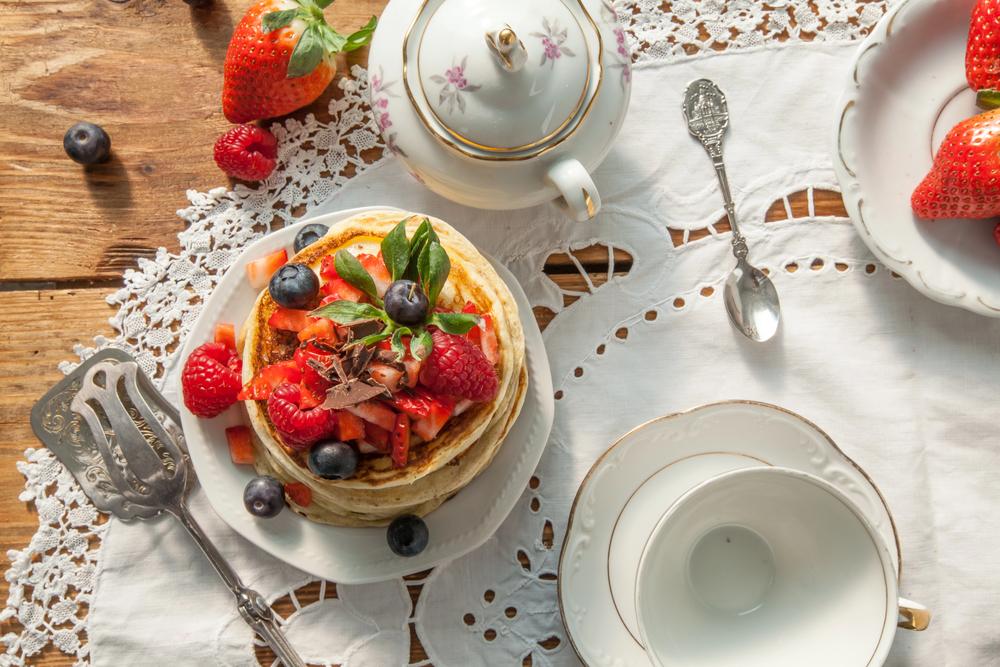
These regional foods represent more than just recipes – they’re edible expressions of local identity and community pride. Each dish tells stories about the people who created them, the ingredients available to them, and the traditions they’ve maintained across generations. Trying them connects visitors to the authentic flavors that define America’s diverse culinary regions.
More from Go2Tutors!

- The Romanov Crown Jewels and Their Tragic Fate
- 13 Historical Mysteries That Science Still Can’t Solve
- Famous Hoaxes That Fooled the World for Years
- 15 Child Stars with Tragic Adult Lives
- 16 Famous Jewelry Pieces in History
Like Go2Tutors’s content? Follow us on MSN.