Best Duets from Disney Movies Ranked
There’s something about two voices finding harmony that hits differently than any solo could. Disney understood this early on, weaving duets into their films that became the moments audiences remembered long after leaving the theater. These aren’t just songs shared between characters — they’re conversations set to music, conflicts played out in melody, and connections forged through rhythm.
The best Disney duets work on multiple levels. They advance the plot while revealing character, create emotional peaks while serving the story, and somehow manage to be both specific to their moment and universal enough to resonate decades later.
Some arrive as tender conversations between lovers, others as playful exchanges between friends, and a few as tense negotiations where every note carries weight.
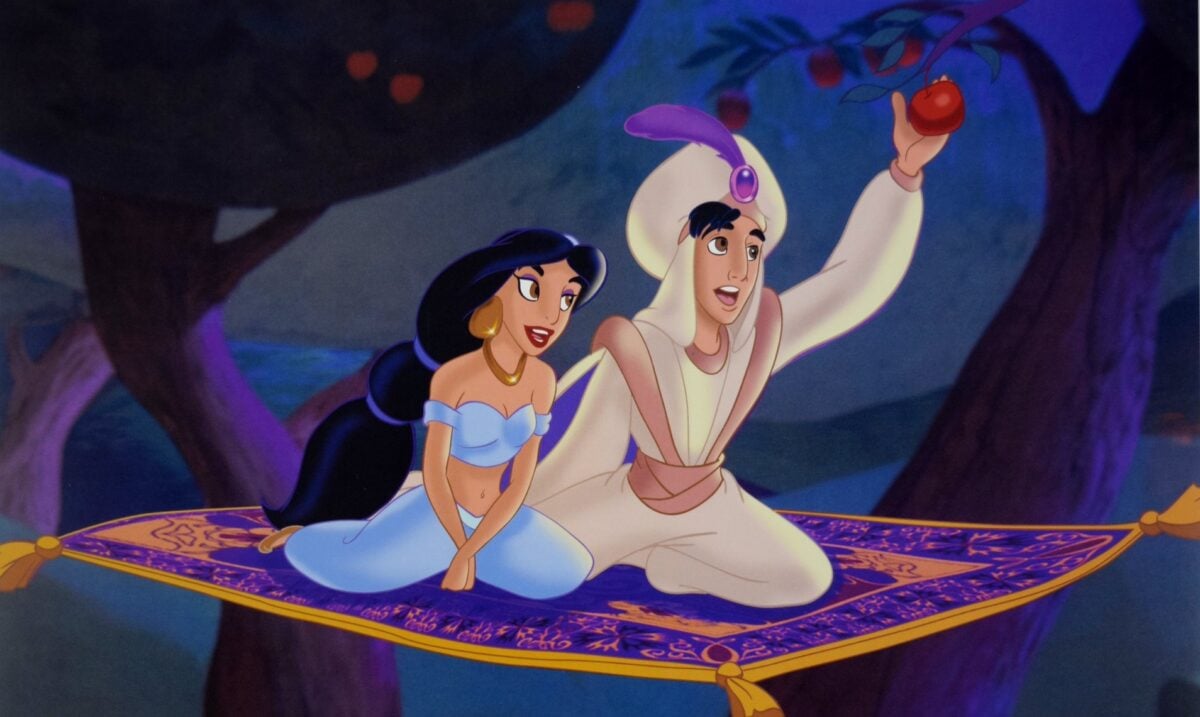
A Whole New World
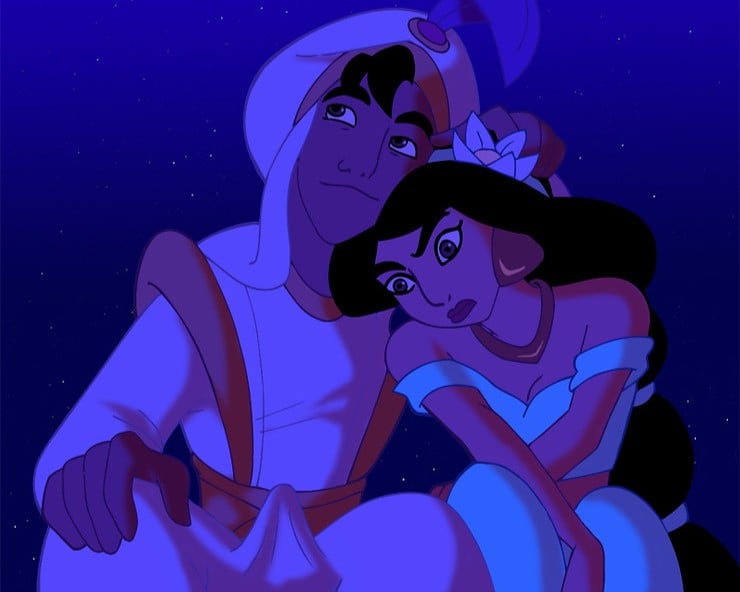
Aladdin and Jasmine soar through the night sky while their voices intertwine with the same effortless grace. The song captures that breathless feeling of discovering something extraordinary with someone else — the way shared wonder doubles back on itself and becomes even more wondrous.
What makes this duet exceptional isn’t just the soaring melody (though that helps considerably), but how it mirrors the physical journey happening on screen. As the magic carpet climbs higher, so do their voices, each verse building on the last until they’re both literally and figuratively on top of the world.
The lyrics work as both travel commentary and falling-in-love poetry, which is saying something.
Beauty and the Beast
The title track unfolds like a fairy tale being told in real time, with Mrs. Potts serves as narrator while Belle and Beast move through their cautious dance.
Angela Lansbury’s warm, knowing voice provides the perfect frame for this tentative romance, her maternal perspective giving weight to what could have been just another love song. There’s wisdom in letting Mrs. Potts carry the heavy lifting here. Belle and Beast barely sing to each other directly — they’re still too uncertain, too fragile in their new connection.
Instead, the housekeeper’s gentle observations become the bridge between them, describing what they can’t yet say themselves. Sometimes the most powerful duets aren’t between the lovers at all.
Something There
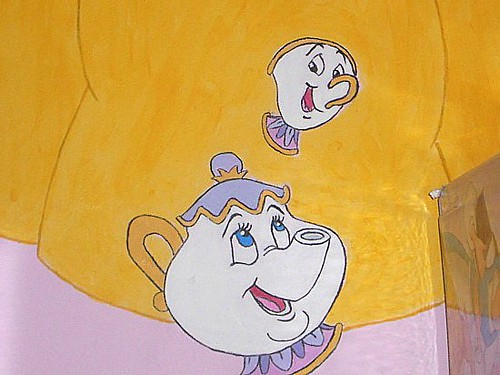
Belle and Beast circle each other through this playful exploration of mutual attraction, while Mrs. Potts and Chip provide running commentary from the sidelines. The song captures that particular awkwardness of early romance — the way you suddenly become hyperaware of every gesture, every glance, every accidental touch.
The genius lies in the structure. Four different perspectives weaving in and out, each character noticing different details, each voice adding another layer to the emerging picture. Beast focuses on Belle’s kindness, Belle sees past his rough exterior, and the household objects watch it all unfold with barely contained excitement. It’s courtship as an ensemble piece, and it works beautifully.
Can You Feel the Love Tonight
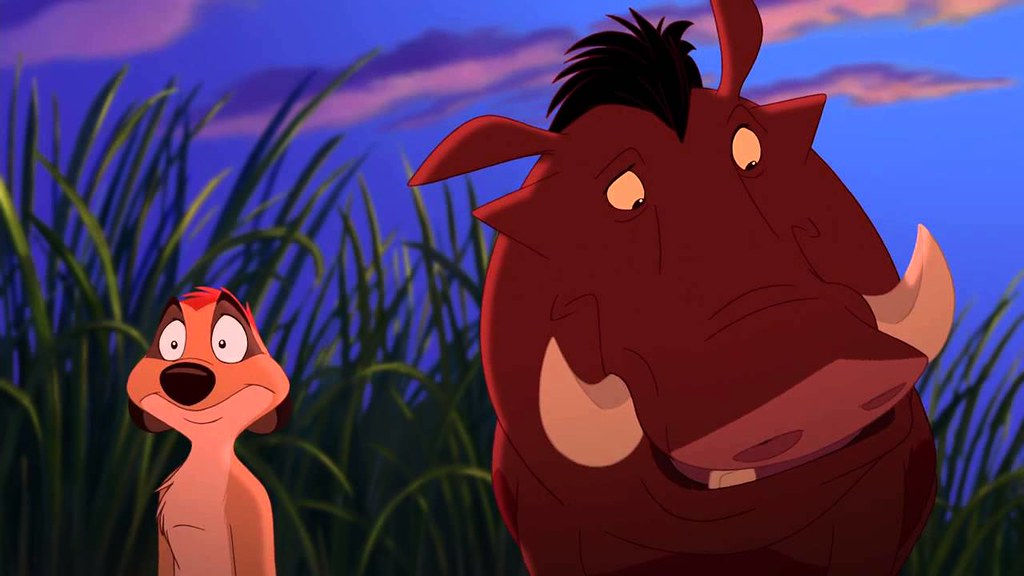
Timon and Pumbaa bookend this romantic interlude with their own concerns (there’s something wonderfully selfish about their worry that Simba will abandon their carefree lifestyle), while Simba and Nala rediscover each other under Elton John’s soaring melody. The contrast between the comedic framing and the sincere romantic core creates an unexpectedly rich emotional landscape.
But here’s what elevates it beyond standard love-song territory: the song acknowledges that falling in love changes everything, often in ways that complicate other relationships. Timon and Pumbaa’s anxiety isn’t just comic relief — it’s recognition that growing up means growing apart from some people, and that’s genuinely sad even when it’s necessary.
The duet holds space for both joy and loss, which makes it feel more honest than most.
I Won’t Say I’m in Love
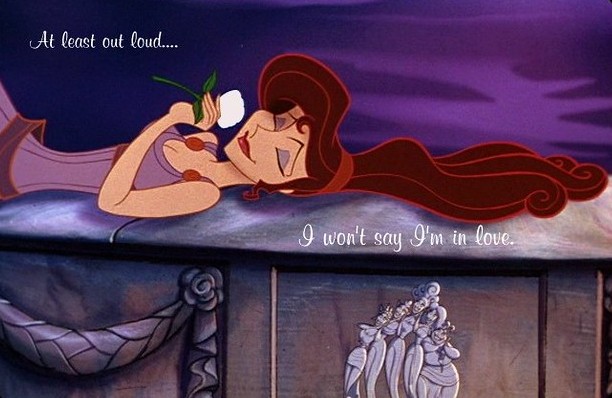
Meg battles her own heart while the Muses provide a gospel-inspired Greek chorus that refuses to let her maintain her emotional distance. This internal struggle between cynicism and hope plays out through one of Disney’s most sophisticated musical arrangements, with Meg’s resistance crumbling note by note against the Muses’ insistent harmonies.
The song works because it captures something true about falling in love when you’ve been hurt before (which is to say, the specific kind of terror that comes when your defenses start failing and you realize you actually care about someone despite your better judgment, and the Muses — persistent as they are — keep pointing out what Meg already knows but won’t admit). So she fights them, and herself, until the music becomes too overwhelming to resist.
The surrender, when it comes, feels earned.
Love Is an Open Door
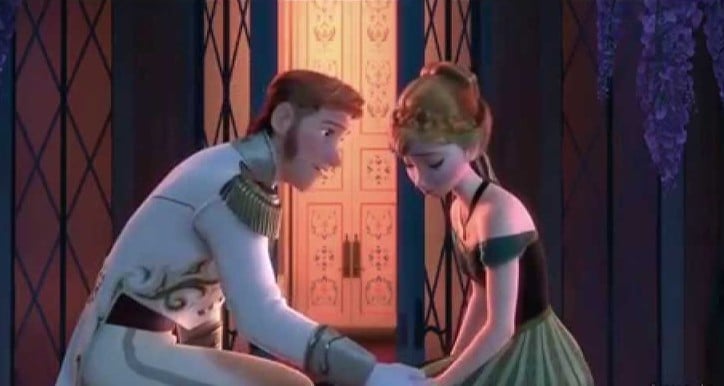
Anna and Hans spin through their whirlwind courtship with infectious energy, finishing each other’s sentences and building elaborate fantasies about their future together. The song captures the breathless excitement of instant connection — that feeling when you meet someone and suddenly the whole world feels full of possibility.
Of course, knowing what comes later adds a layer of dramatic irony that makes subsequent viewings more complex. Hans is performing calculated charm rather than expressing genuine feeling, which transforms the duet into something darker.
The enthusiasm feels real from Anna’s side, manipulative from his. It’s a masterclass in how the same melody can carry completely different emotional truths depending on who’s singing it.
Do You Want to Build a Snowman
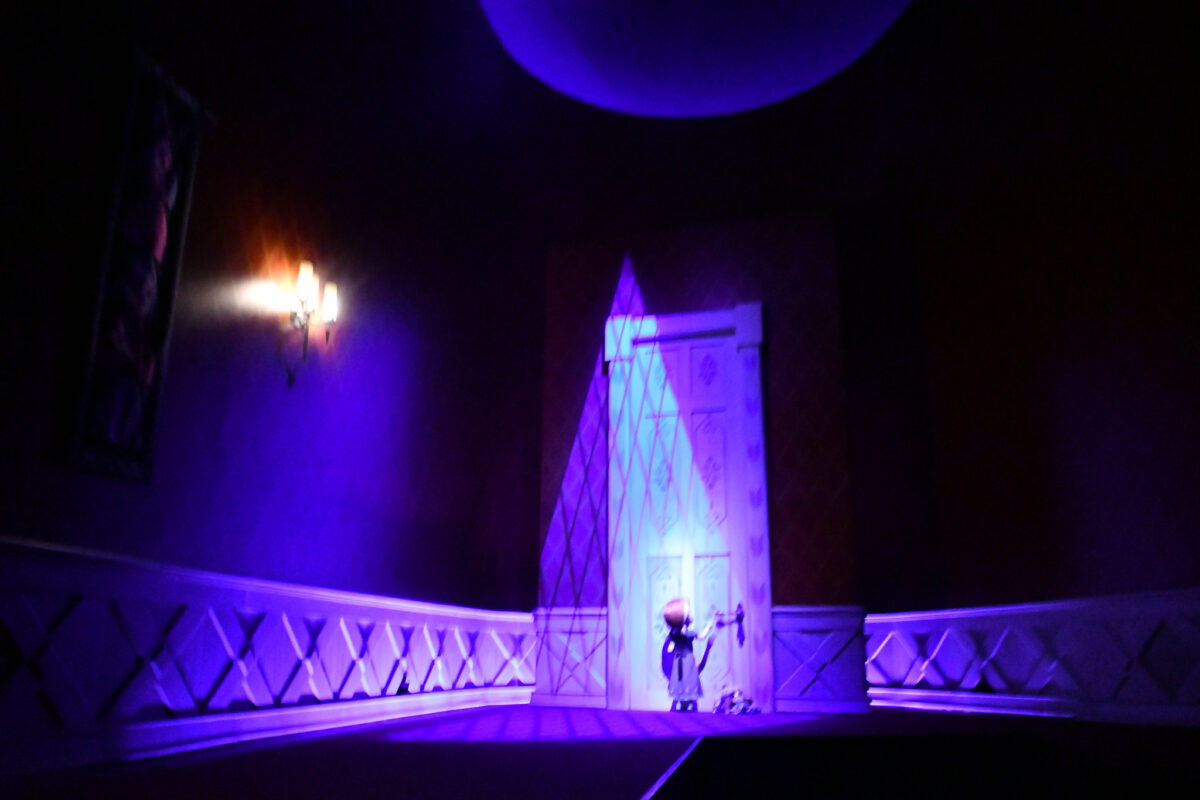
Anna’s voice ages through three different actresses as she grows from child to teenager to young woman, always asking the same question through Elsa’s locked door. This isn’t quite a traditional duet since Elsa rarely responds, but the song creates a conversation across time, with Anna’s changing voice marking the years of separation between the sisters.
The power comes from what’s not said as much as what is. Each verse reveals how the gap between them has widened, how Anna’s simple request for connection becomes more desperate with each passing year.
Elsa’s silence becomes its own kind of response — not cruel, exactly, but fearful in ways that make the eventual reconciliation feel that much more necessary.
For the First Time in Forever
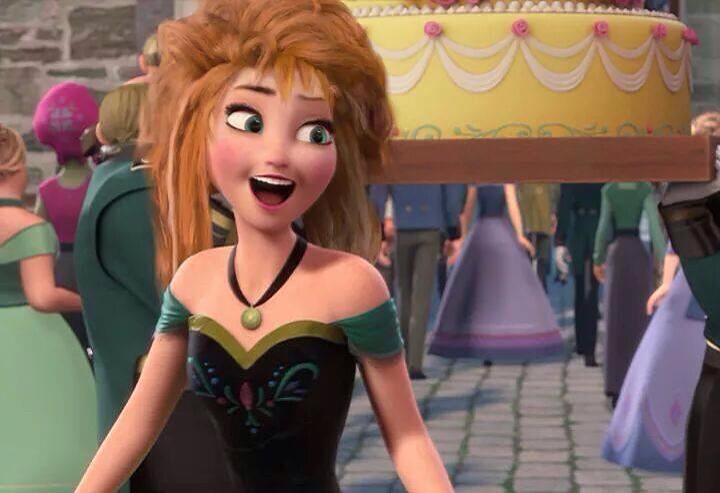
Anna bursts into song about ending her isolation just as Elsa prepares for the coronation that will expose her secret. Their voices never quite align — Anna singing about hope and possibility while Elsa voices anxiety and dread — but that’s exactly the point.
They’re having parallel conversations about the same event, each trapped in her own perspective. The song establishes the central tension of the film through musical structure.
When their voices do overlap, it’s brief and quickly diverges again, showing how close they are physically but how far apart emotionally. The harmony they achieve at the end feels fragile, temporary — which it turns out to be.
Married Life
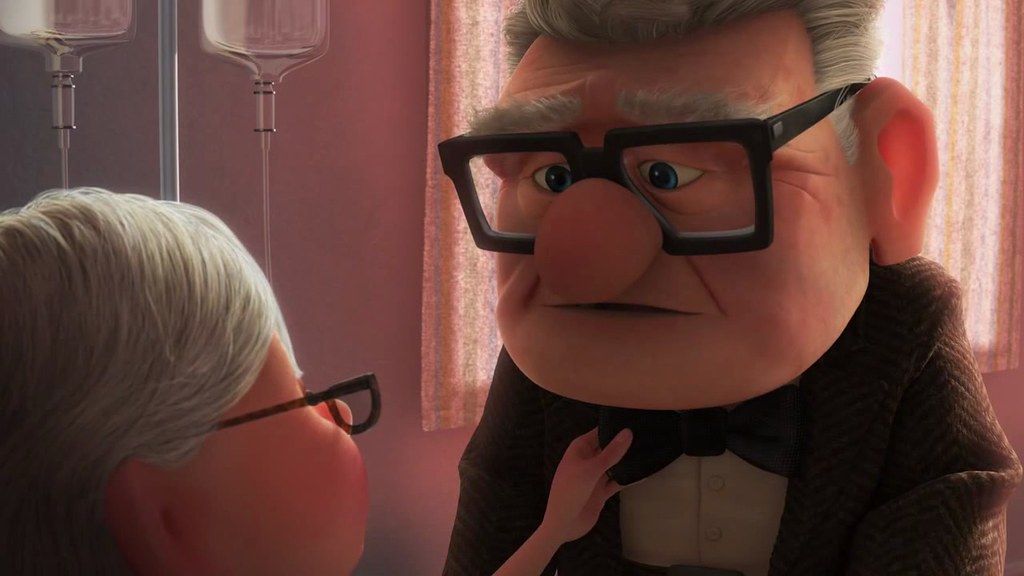
This isn’t technically a duet since there are no lyrics, but the musical conversation between Carl and Ellie spans decades in four minutes, telling their entire love story through shared melody and parallel scenes. Their voices blend and separate, echo and respond, creating one of the most emotionally devastating sequences in animation.
The genius lies in how the music carries the narrative weight without words. The theme shifts from playful to romantic to melancholy to resigned, tracking their relationship from young love through dreams deferred to quiet acceptance.
When Ellie’s part of the melody fades away, leaving Carl alone with their song, the silence becomes unbearable. Sometimes the most powerful duets are the ones that end with only one voice remaining.
Part of Your World (Reprise)
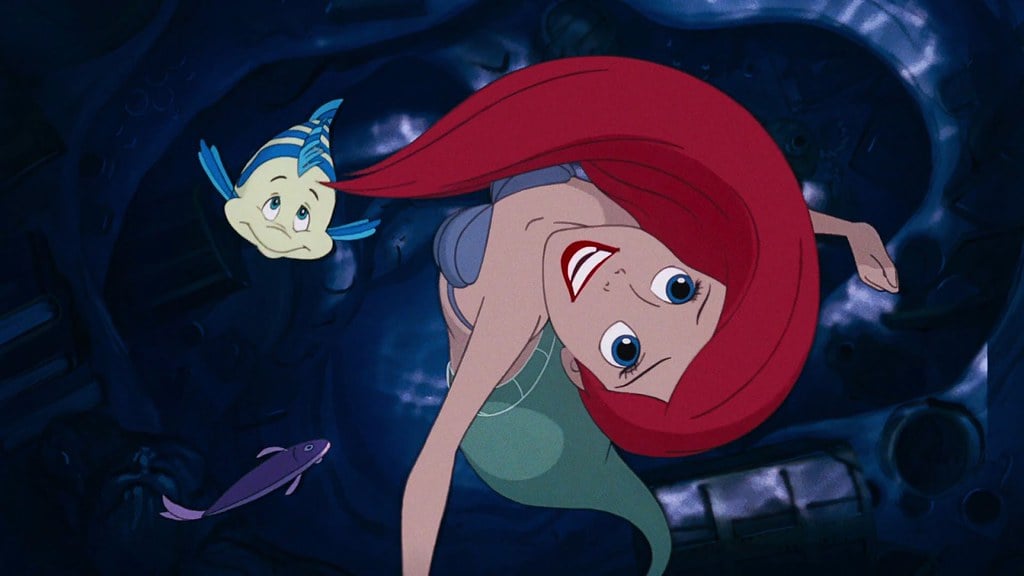
Ariel’s discovery that Eric is her mysterious prince transforms her earlier longing into focused determination. While not a traditional duet, the way her voice builds and soars suggests a conversation with destiny itself — she’s no longer singing about vague dreams but about a specific future she can almost touch.
The song gains power from everything that came before it. This isn’t just about wanting legs anymore; it’s about wanting this particular life with this particular person.
The melody lifts her literally off the rocks and figuratively into her new resolve. When she hits that final note, you can hear her making up her mind.
Kiss the Girl
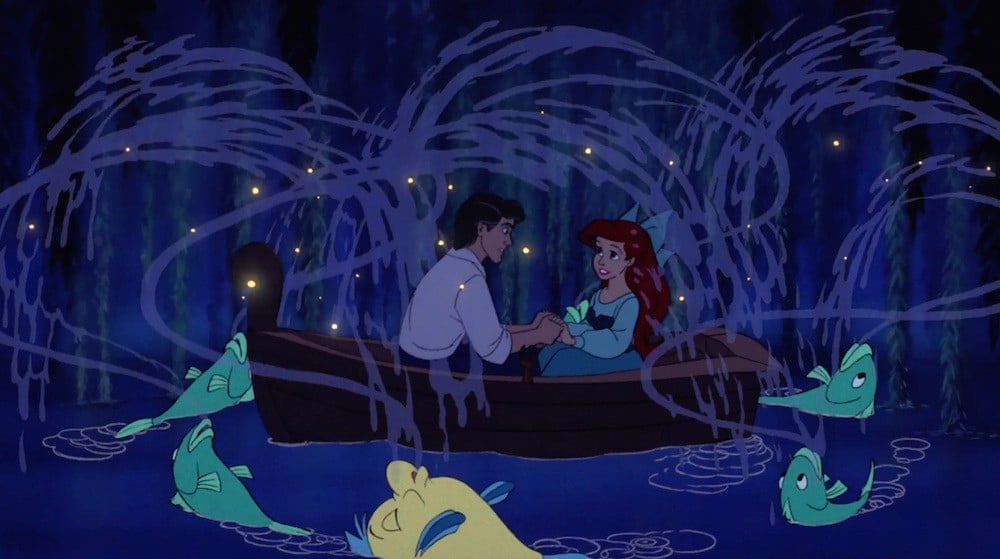
Sebastian orchestrates the entire lagoon into a romantic symphony designed to push Eric toward the obvious conclusion. The calypso rhythm makes everything feel like a gentle conspiracy — the fireflies, the turtles, even the water itself seems invested in getting these two together.
What makes it work is Sebastian’s barely contained exasperation with Eric’s obliviousness. The crab is essentially giving a masterclass in romance to someone who needs explicit instructions about when and how to kiss a girl.
The whole scene becomes a delightful exercise in romantic coaching, with nature itself providing backup vocals.
So Close
Prince Edward and Giselle waltz through their tentative romance while the orchestra swells around them. The song captures that moment when attraction shifts into something deeper, when physical proximity creates emotional connection.
Their voices intertwine with the same careful grace as their dance steps. The beauty lies in how the duet mirrors the choreography — formal at first, following established patterns, then gradually becoming more personal and intimate.
Edward’s courtly training shows in his careful phrasing, while Giselle’s natural warmth makes every note feel genuine. They’re learning each other through song and movement simultaneously.
That’s How You Know
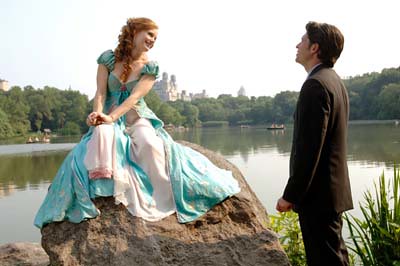
Giselle transforms Central Park into her own personal musical theater while teaching Robert’s daughter about recognizing love through actions rather than just words. The entire scene becomes a joyous celebration of romantic gestures, with Giselle’s voice soaring over an impromptu chorus of park visitors and street performers.
The song succeeds because it’s genuinely instructional — Giselle isn’t just singing about love, she’s demonstrating it through increasingly elaborate examples. Amy Adams’ voice carries pure joy and conviction, making even the most over-the-top romantic advice sound completely reasonable.
By the end, you almost believe that men really should serenade you from hot air balloons.
When Dreams Come Alive
The finale brings together multiple voices in a celebration of possibility and transformation, with harmonies that build from individual hopes into collective joy. Each character contributes their own musical perspective while joining a larger conversation about dreams becoming reality.
This kind of ensemble duet works when every voice feels necessary rather than just present. The harmonies create something bigger than any single character could achieve alone, which makes thematic sense for a story about community and connection.
When everyone finally sings together, it sounds like the musical equivalent of a happy ending — messy and complex and absolutely right.
The Magic Lives On

These duets endure because they capture something essential about human connection — the way voices can find each other across differences, the way harmony emerges from distinct perspectives, the way singing together creates intimacy that mere conversation can’t achieve. Disney understood that the best duets aren’t just songs shared between characters, but moments when individual stories become part of something larger.
The ranking hardly matters in the end. Each duet serves its story and its moment, creating the kind of musical magic that makes animation feel more real than reality. They remind us why people still believe in the power of song to bridge any gap, heal any wound, and make any dream feel possible — at least for the length of a melody.
More from Go2Tutors!

- The Romanov Crown Jewels and Their Tragic Fate
- 13 Historical Mysteries That Science Still Can’t Solve
- Famous Hoaxes That Fooled the World for Years
- 15 Child Stars with Tragic Adult Lives
- 16 Famous Jewelry Pieces in History
Like Go2Tutors’s content? Follow us on MSN.