Cities with the strongest coffee culture
Coffee isn’t just a beverage anymore. It’s become a cultural phenomenon that defines entire cities, shaping daily routines, social interactions, and even architectural landscapes.
From the laneway cafés of Melbourne to the historic coffee houses of Vienna, certain cities have elevated coffee from a simple morning ritual into an art form that residents and visitors alike celebrate with almost religious devotion.
These cities didn’t stumble into coffee greatness by accident. Each one has developed its unique approach through decades or even centuries of experimentation, immigration, tradition, and innovation.
Here is a list of cities where coffee culture runs deeper than anywhere else on the planet.
Melbourne
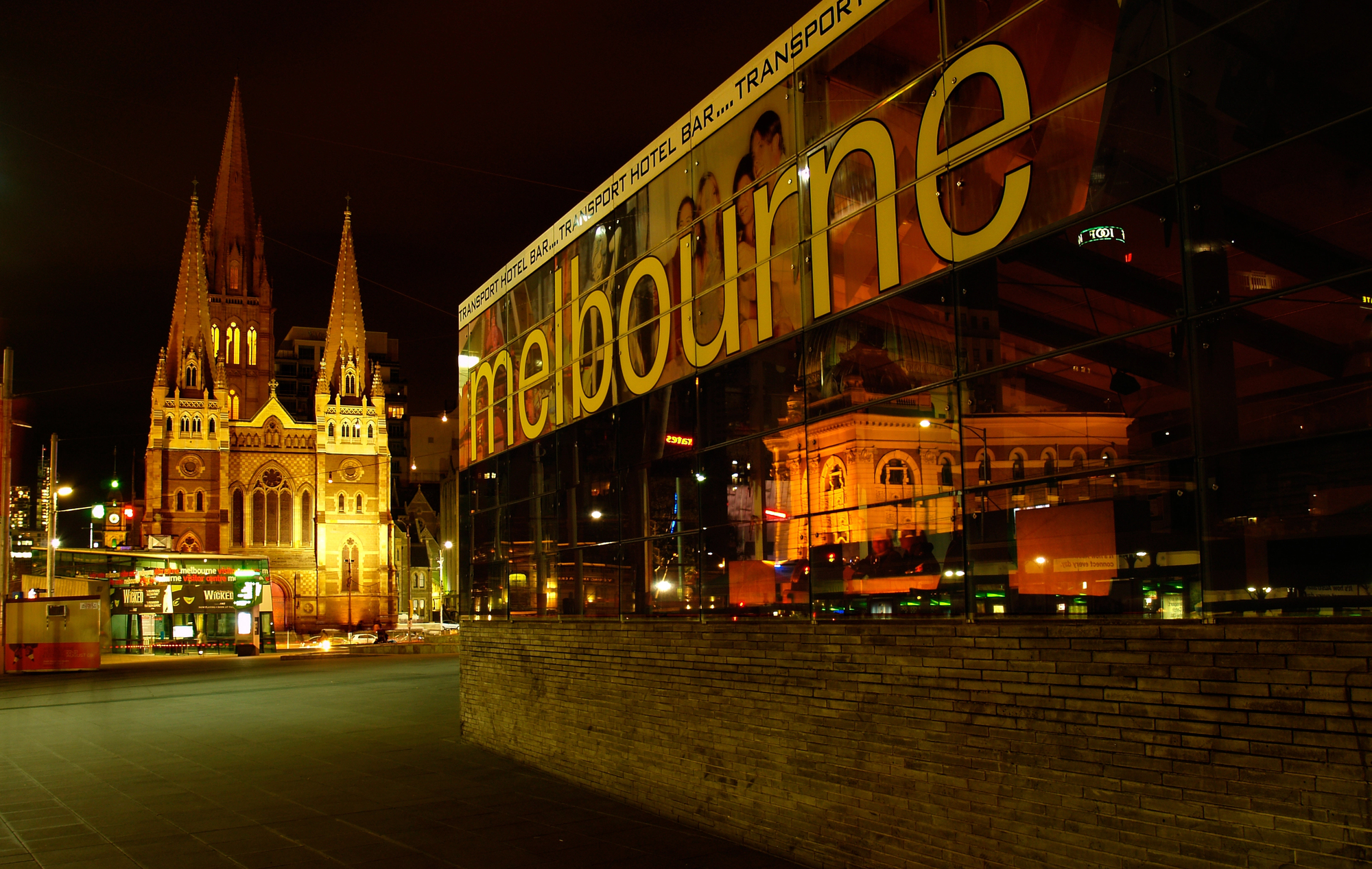
Melbourne takes coffee more seriously than most cities take their entire culinary scenes. The Australian city transformed from a tea-drinking British colony into a global coffee powerhouse thanks to waves of Italian and Greek immigrants who arrived after World War II, bringing espresso machines and a passion for proper coffee.
Walk down any laneway in this city and the smell of freshly roasted beans hits you before you even see the tiny café tucked into what looks like someone’s garage. Melbourne baristas treat coffee-making like brain surgery, measuring everything down to the gram and timing each pour with stopwatch precision.
The city claims credit for inventing the flat white in the 1980s, though New Zealand disputes this with the kind of passion usually reserved for sports rivalries. What nobody disputes is that ordering just ‘coffee’ here will earn you confused looks, because Melburnians speak an entirely different language when it comes to their daily brew.
Vienna
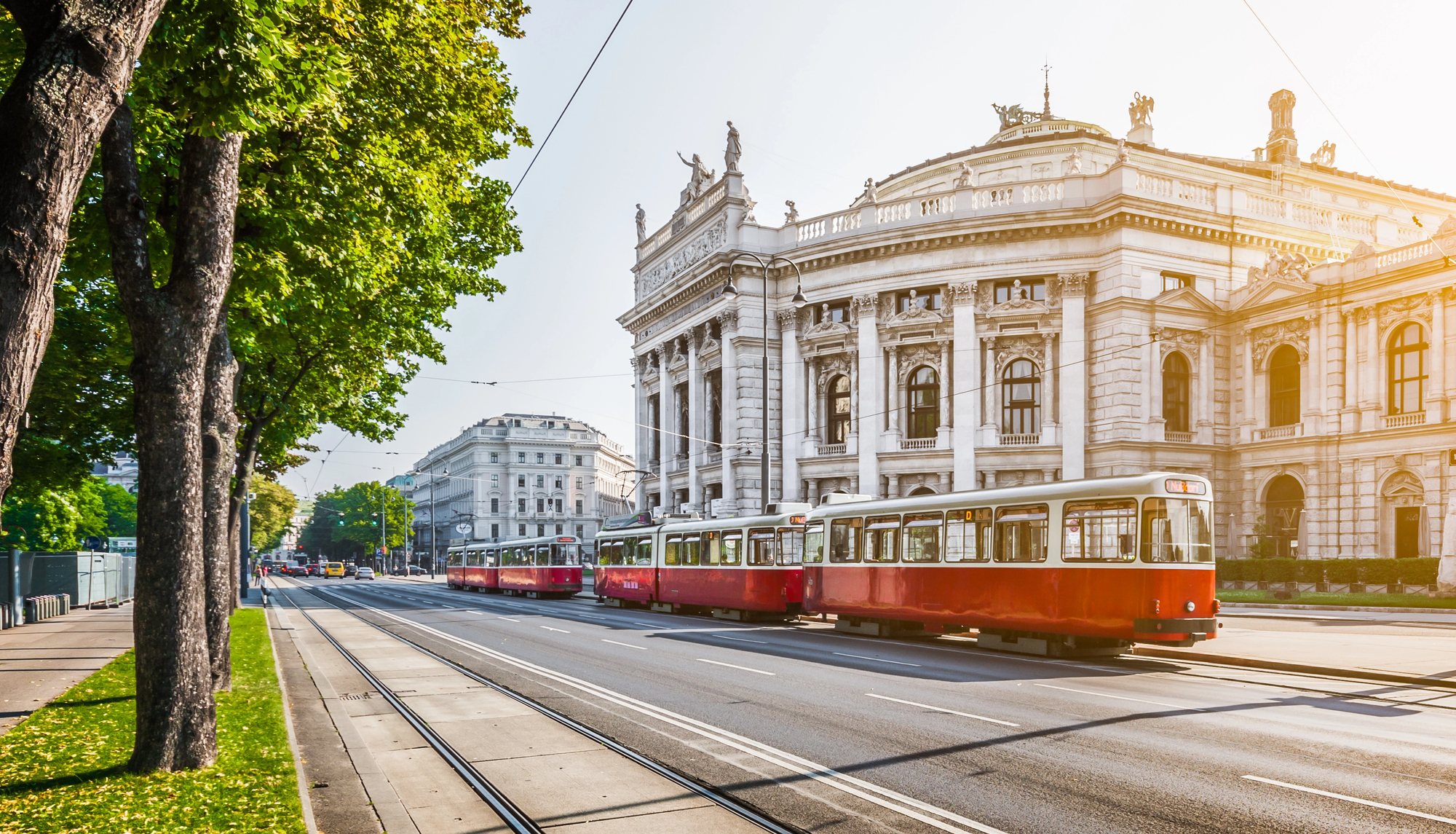
Vienna didn’t just create coffee culture—it practically invented the concept of hanging out in cafés for hours on end. The city’s coffee houses date back to the 1680s when the Ottoman Turks left behind sacks of mysterious beans after failing to conquer the city.
Today, Viennese coffee house culture holds such significance that UNESCO added it to their list of intangible cultural heritage in 2011. Walking into a traditional Viennese café feels like stepping into a time machine, complete with marble-topped tables, bentwood Thonet chairs, and waiters in bow ties who won’t rush you even if you nurse the same melange for three hours while reading every newspaper in the place.
Freud, Klimt, Trotsky, and countless other historical figures spent entire afternoons in these establishments, plotting revolutions or developing psychological theories between sips. The unspoken rule here is simple: time and space are consumed, but only the coffee appears on your bill.
Seattle
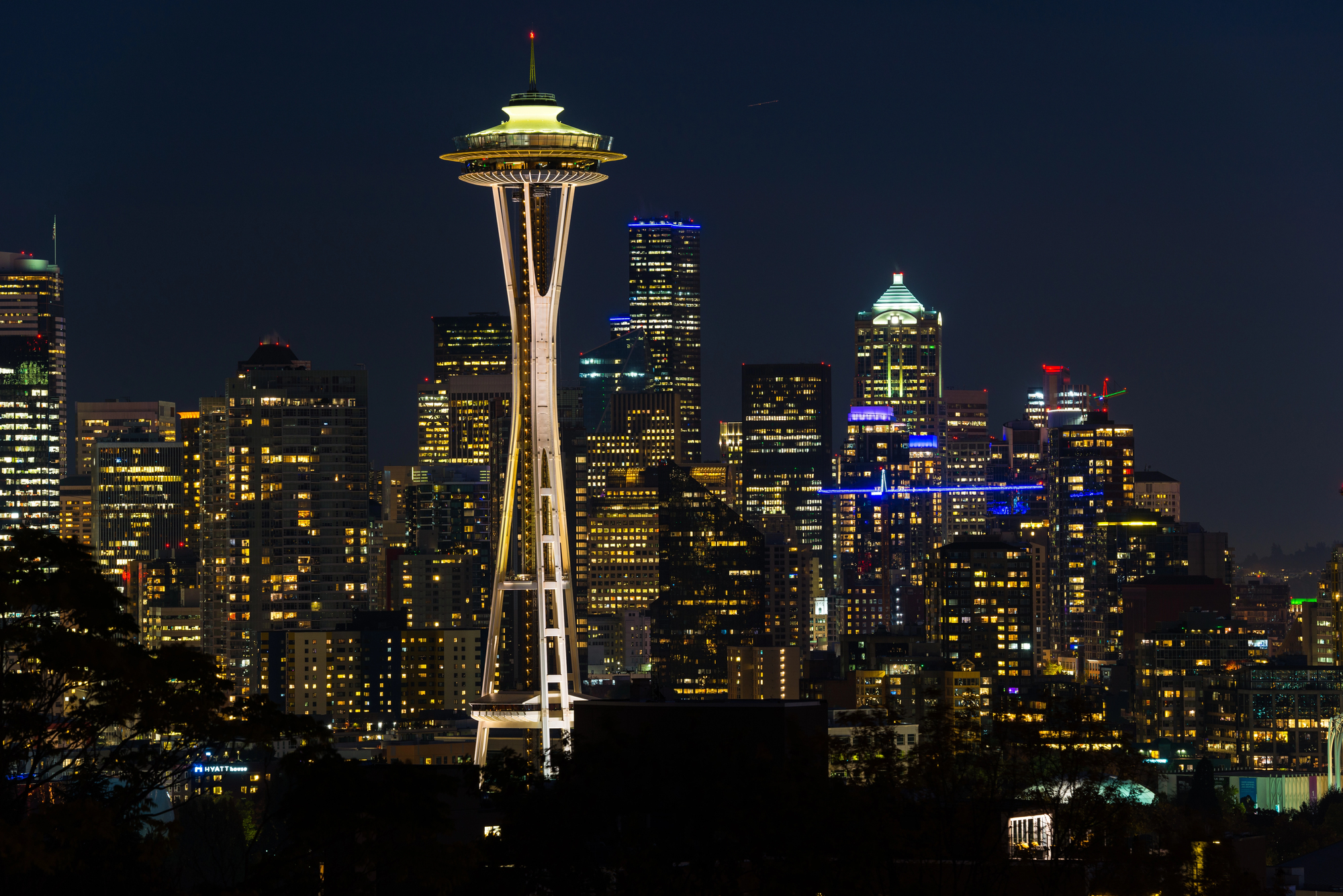
Seattle’s relationship with coffee runs so deep that the city’s perpetually gray skies seem designed specifically to make people crave warm beverages. This Pacific Northwest hub became America’s coffee capital long before Starbucks opened its first store at Pike Place Market in 1971, with roasting operations dating back to the early 1900s.
Alfred Peet, the grandfather of American specialty coffee, trained the Starbucks founders in the art of roasting before they launched their bean-selling operation. The city produces more coffee innovation than Silicon Valley produces tech startups, from perfecting latte art to pioneering direct-trade relationships with farmers thousands of miles away.
Seattle residents consume more coffee per capita than any other American city, which makes sense when you consider that daylight can feel like a rare luxury for much of the year. Independent roasters and tiny neighborhood cafés thrive here alongside the global chains, proving that even Starbucks’ hometown maintains fierce loyalty to artisanal coffee culture.
Tokyo
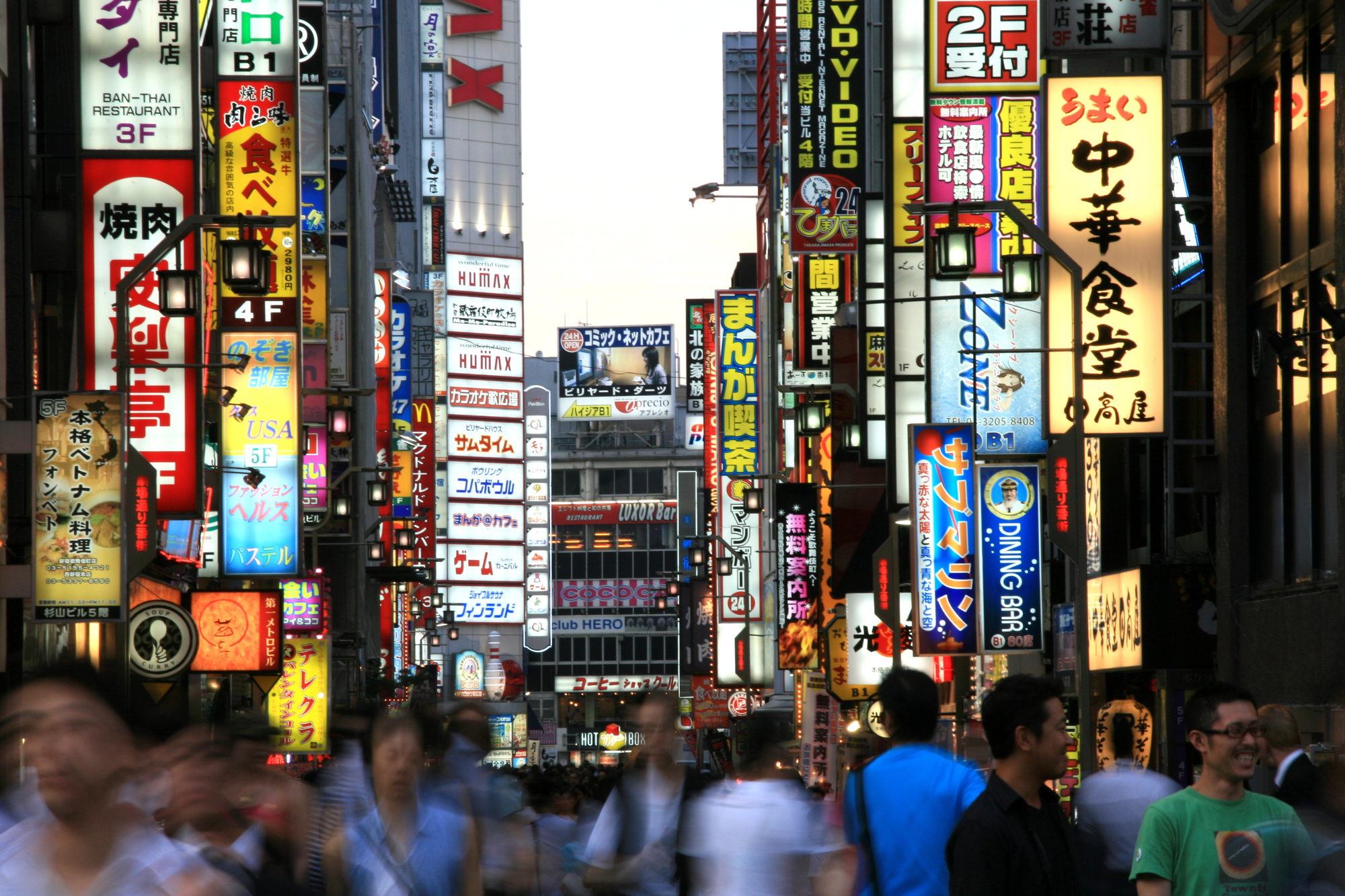
Tokyo approaches coffee with the kind of precision usually reserved for Swiss watchmaking. Japanese kissaten (traditional coffee houses) have been perfecting the coffee ritual since the early 20th century, treating each cup like a chemistry experiment where every variable matters.
Baristas measure beans to the exact gram, time pours to the second, and create an atmosphere where rushing through your drink would be considered almost offensive. Many Tokyo cafés specialize in beans from a single region or even a single farm, while others focus exclusively on hand-drip methods refined over decades.
The city borrowed coffee culture from around the world and then made it better through obsessive attention to detail and genuine hospitality. Walking into a kissaten feels like entering someone’s living room, complete with worn leather chairs, softly playing jazz, and a barista who remembers your order after just one visit.
Portland
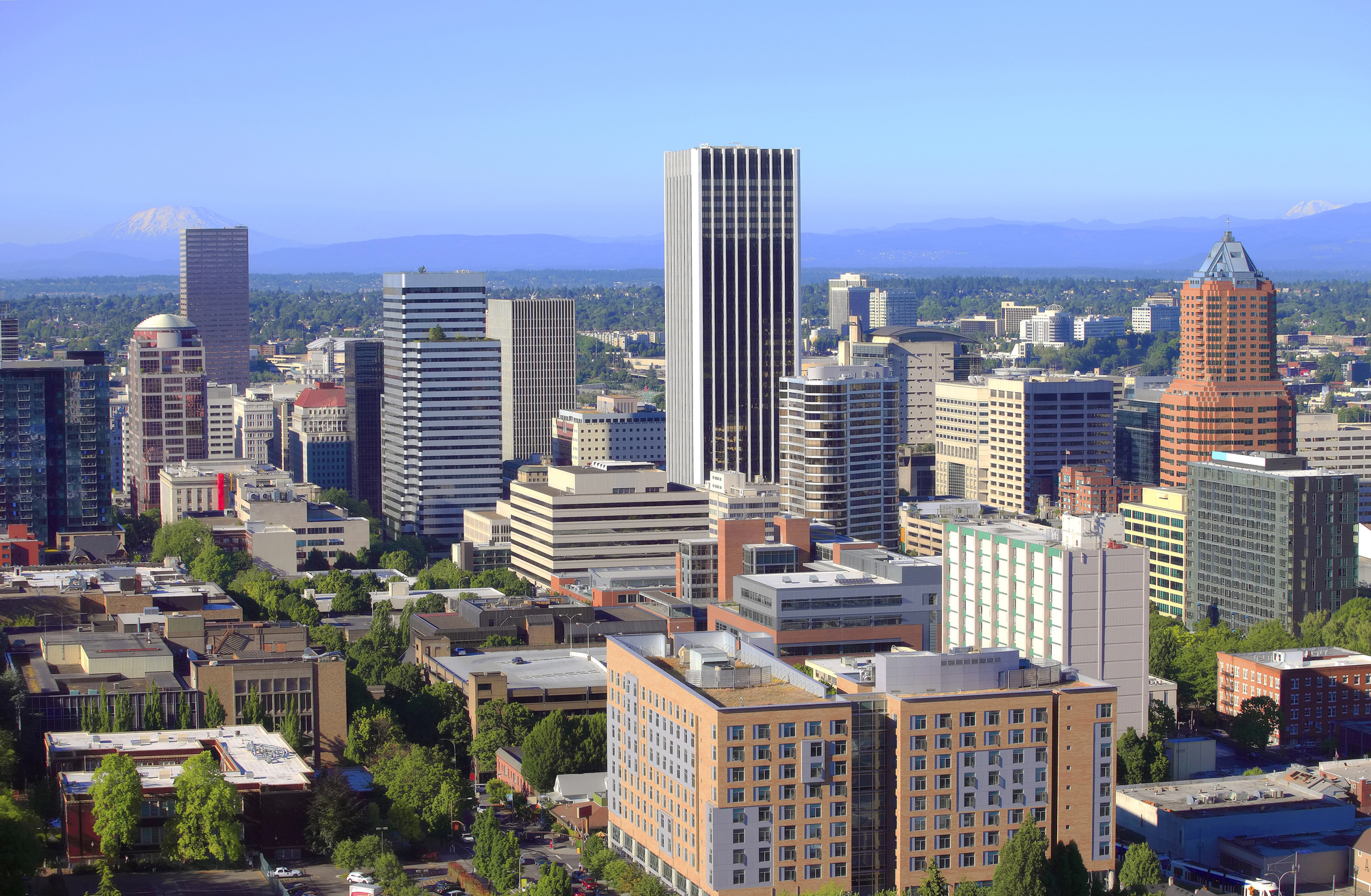
Portland launched the third-wave coffee movement and never looked back. This Oregon city treats coffee beans like sommeliers treat wine, obsessing over origin stories, roasting profiles, and brewing methods with an intensity that can border on comical.
The city boasts one of the highest concentrations of coffee shops per capita in America, and nearly all of them take their craft seriously enough to make you feel slightly guilty for adding sugar. Portland roasters pioneered the practice of visiting coffee farms personally, establishing direct relationships with farmers, and paying premium prices for exceptional beans.
The city’s famous weirdness extends to its coffee culture, where you’re as likely to find a café doubling as an art gallery or bike repair shop as you are to find a traditional coffeehouse. Residents here don’t just drink coffee—they study it, debate it, and treat their favorite roaster with the kind of loyalty usually reserved for sports teams.
Rome
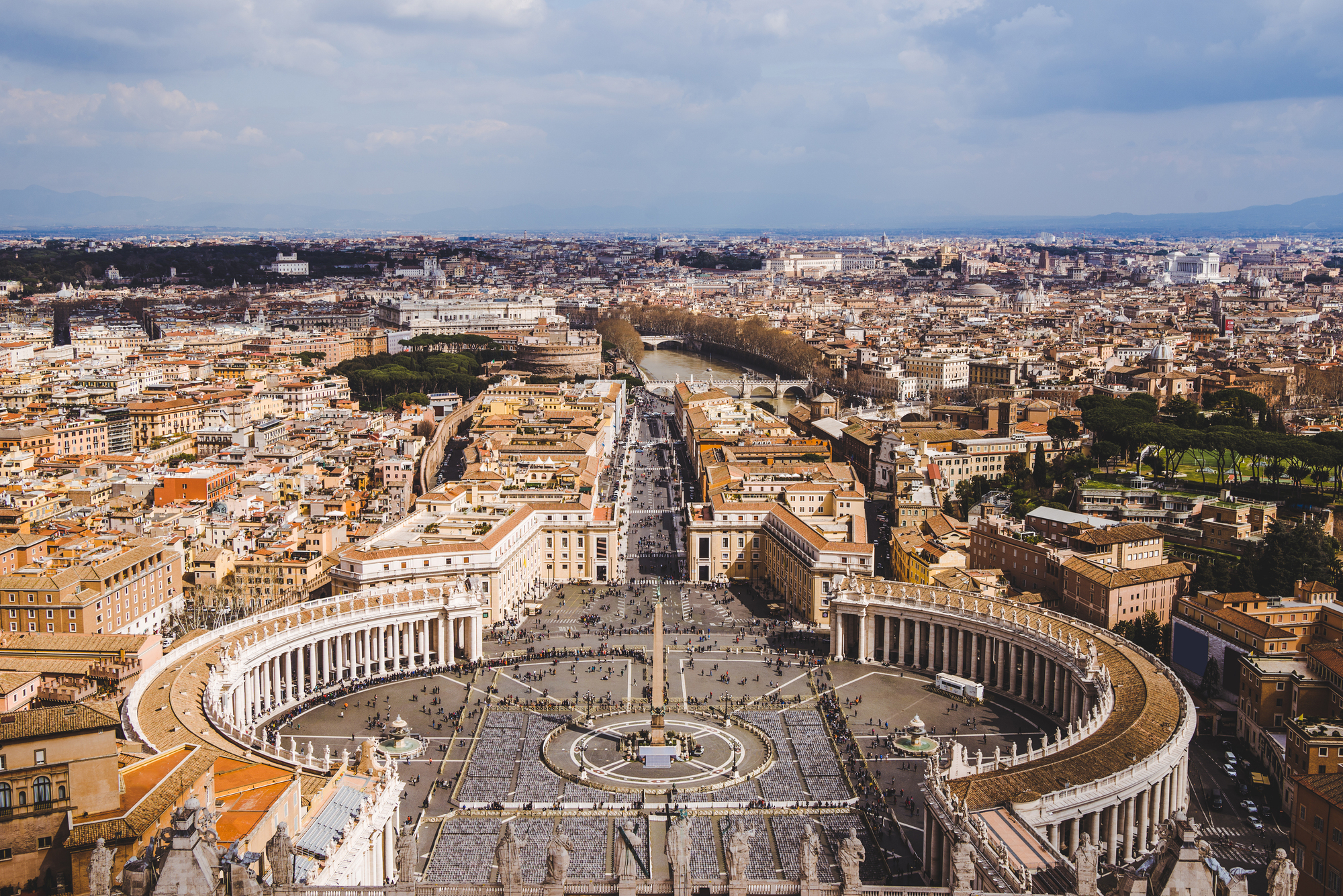
Rome practically wrote the rulebook on espresso culture, though Italians would argue they simply drink coffee the way it was meant to be consumed. The city’s relationship with coffee centers on speed and ritual: locals stand at the bar, knock back an espresso in two sips, and continue with their day in less than five minutes.
Italian espresso machines evolved here, and the morning ritual of un caffè remains sacred to Romans who would never dream of ordering a cappuccino after 11 AM. The beauty of Rome’s coffee culture lies in its democratic simplicity—whether you’re in a marble-clad café near the Spanish Steps or a tiny neighborhood bar, the espresso costs about the same and tastes uniformly excellent.
Romans view coffee as fuel, not a lifestyle statement, which creates a refreshingly straightforward approach to a beverage other cities have complicated beyond recognition. The city’s coffee houses have been gathering places for artists, politicians, and ordinary Romans for centuries, serving as public living rooms where deals get made and gossip gets shared over tiny cups of intensely concentrated coffee.
Sydney
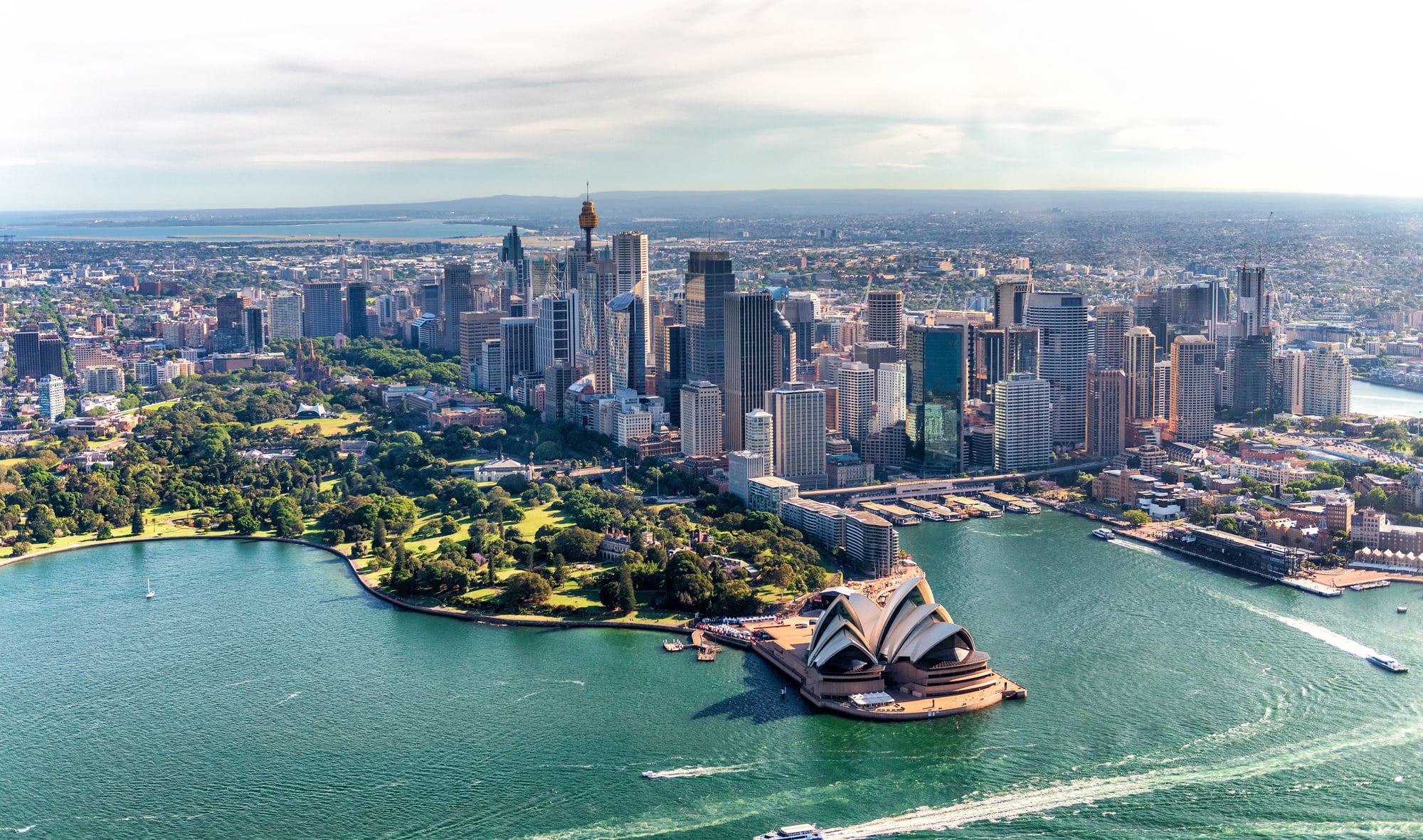
Sydney turned coffee into a competitive sport and somehow made it look effortless. The city’s coffee culture exploded thanks to Italian and Greek immigrants who brought their espresso expertise after World War II, creating a population of extremely demanding customers who know exactly what they want.
Sydney baristas can pull a shot and steam milk with the kind of casual expertise that takes years to develop, all while maintaining the friendly banter that makes Australian café culture feel so welcoming. The city’s obsession with coffee extends well into the evening, making Australia the only country where espresso martinis regularly outsell other cocktails.
Sydneysiders take their flat whites seriously enough that Starbucks famously failed here, with locals rejecting the chain’s approach in favor of their established independent café culture. Beach-side cafés serving exceptional coffee with ocean views create a uniquely Australian combination of high-quality coffee and laid-back vibes that other cities struggle to replicate.
Copenhagen
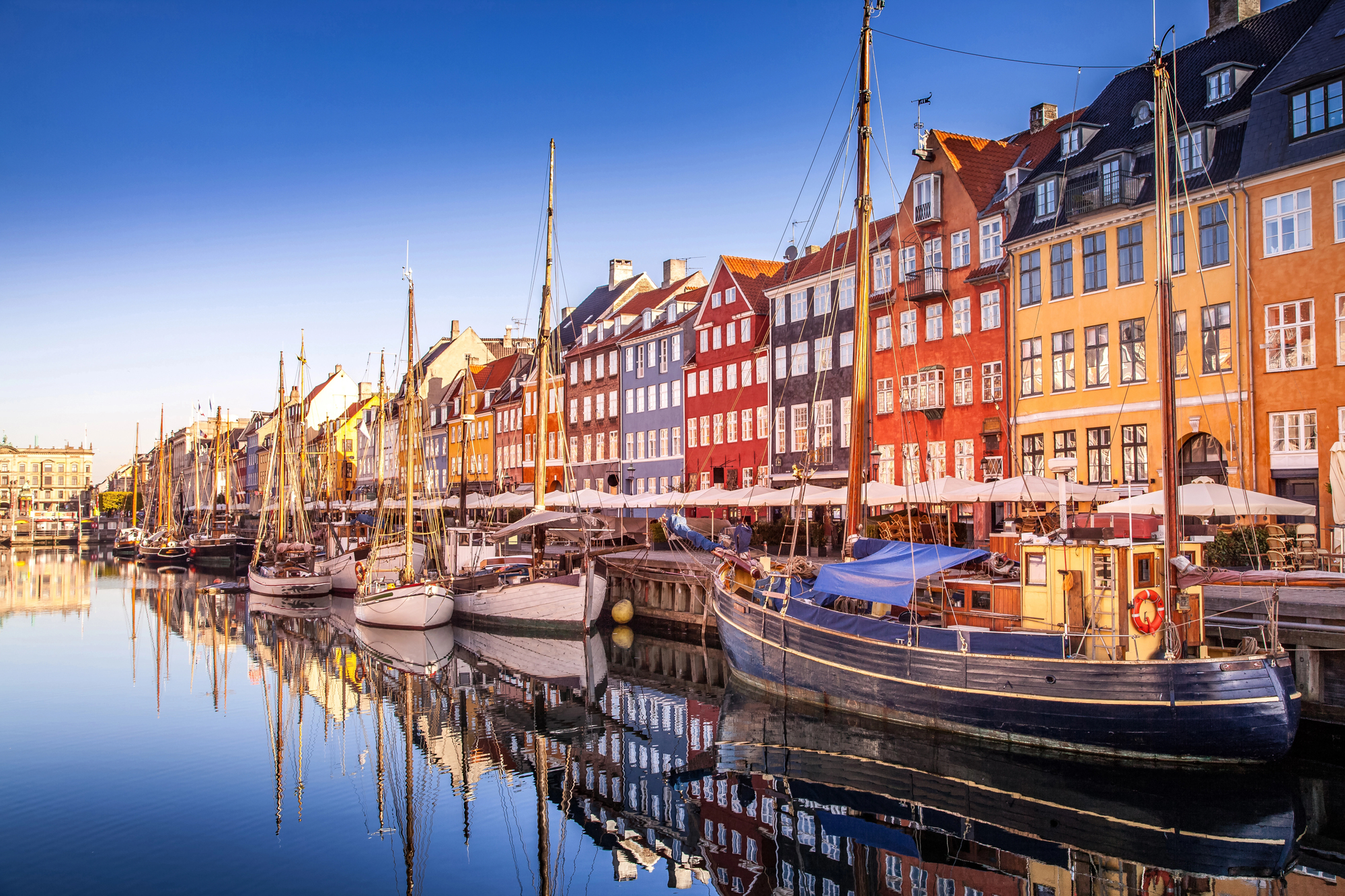
Copenhagen transformed from a city of dark-roast drinkers into a Nordic specialty coffee mecca practically overnight. Danish coffee culture emphasizes quality over everything else, with roasters like Coffee Collective treating beans with the reverence usually reserved for Michelin-starred ingredients.
The city’s café scene perfectly embodies hygge, that untranslatable Danish concept of coziness and contentment that makes spending hours in a coffee shop feel like self-care rather than procrastination. Copenhagen baristas approach their craft with scientific precision, experimenting with brewing temperatures, extraction times, and bean varieties like researchers pursuing publishable results.
The city hosted the World Barista Championship in 2012, which kicked off an explosion of innovative coffee shops that continue pushing boundaries. Prices here rival those in Switzerland, but locals consider exceptional coffee a worthwhile investment rather than an optional luxury.
San Francisco
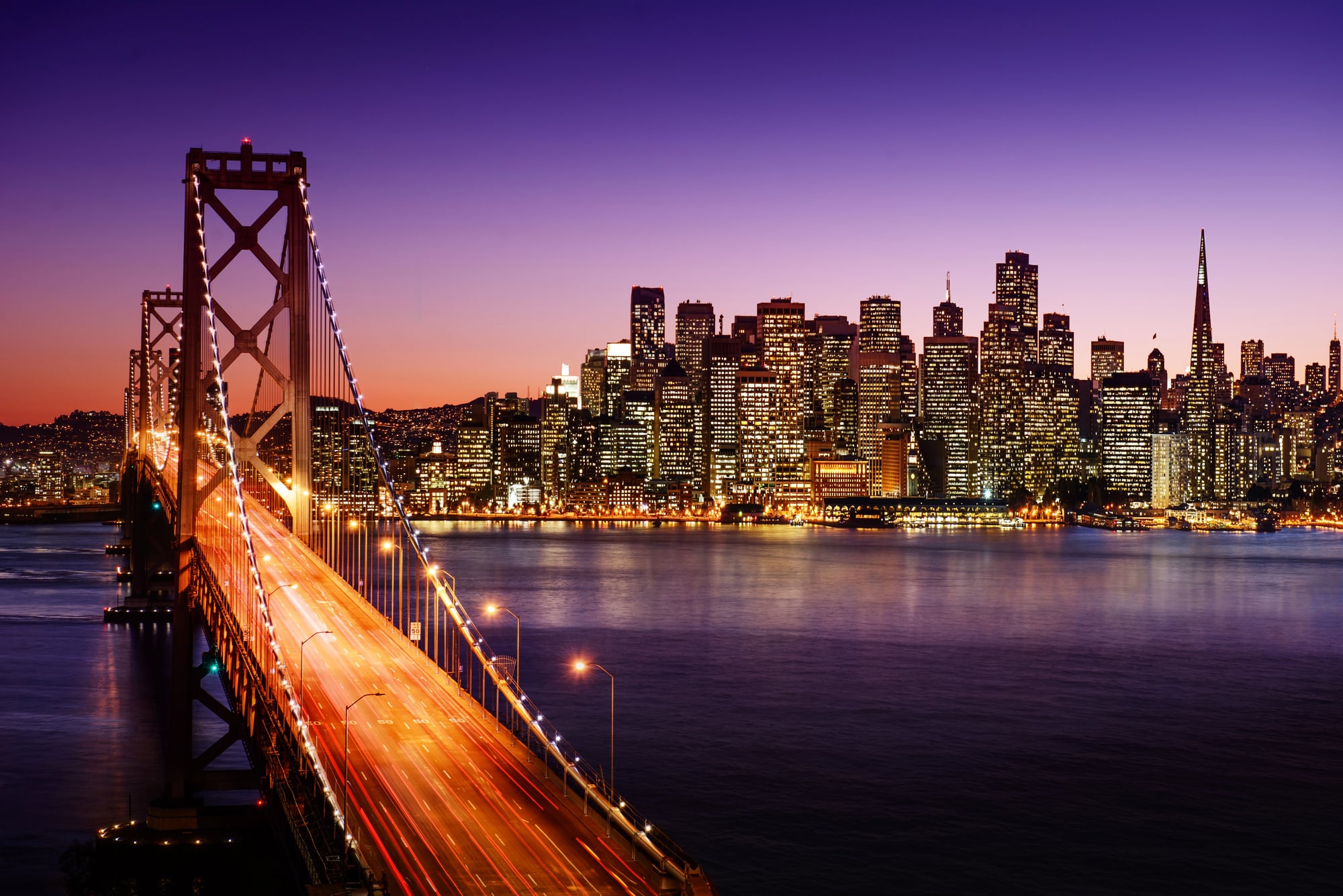
San Francisco sparked America’s specialty coffee revolution decades before most cities realized coffee could be anything more than diner brew. Alfred Peet opened his Berkeley shop in 1966 and fundamentally changed how Americans thought about coffee, emphasizing fresh-roasted beans and proper brewing techniques that seem obvious now but were radical then.
The city’s tech influence shows up in cafés that feel like carefully designed work spaces, where venture capitalists make million-dollar deals over pour-overs and programmers debug code while mainlining cold brew. San Francisco coffee culture balances innovation with tradition, honoring the pioneers who started the movement while constantly experimenting with new approaches.
Neighborhood loyalty runs deep here, with residents developing almost tribal allegiances to their chosen café. The city’s coffee scene proves that tradition and cutting-edge innovation can coexist beautifully, creating a culture that respects coffee’s past while eagerly exploring its future.
Lisbon
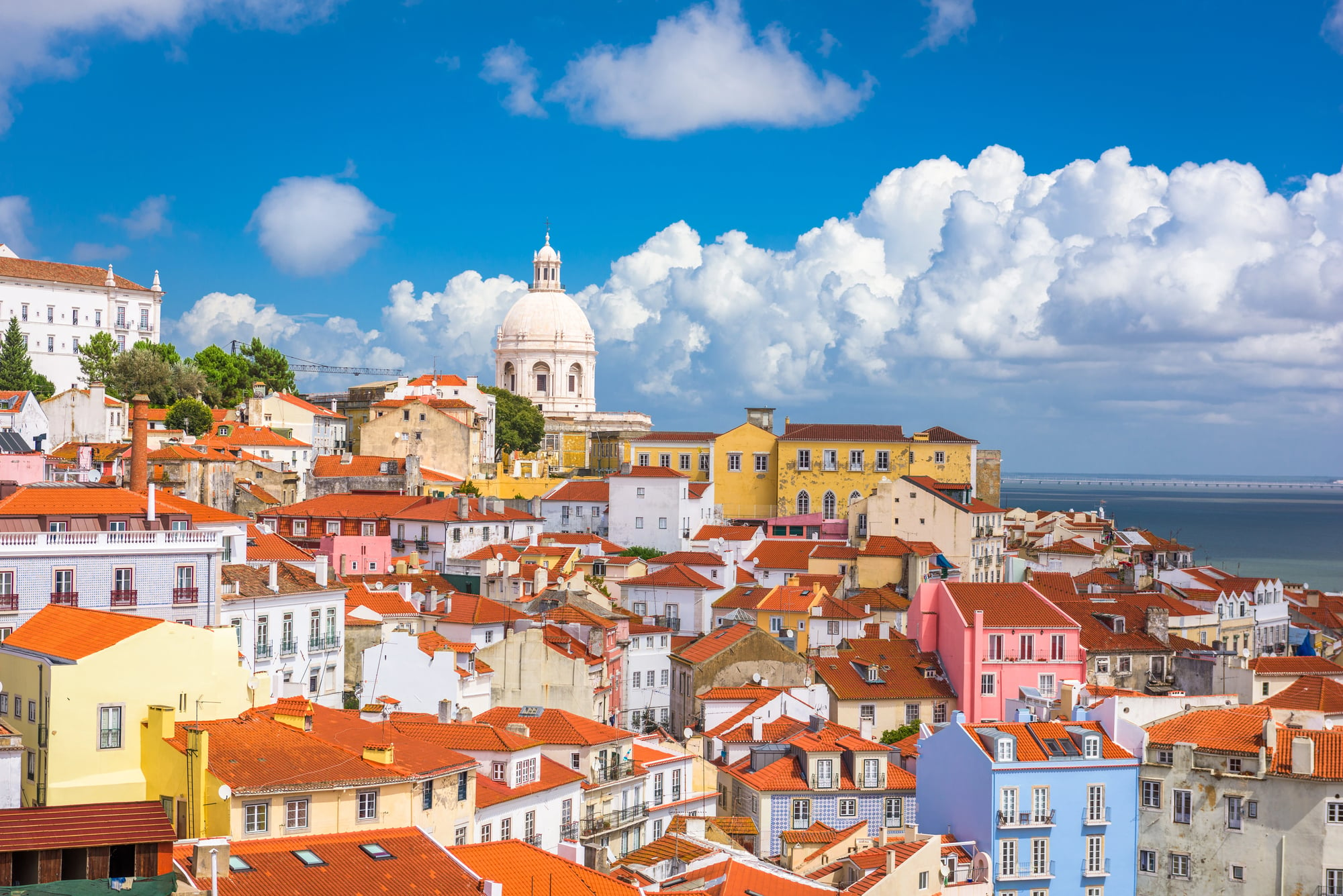
Lisbon approaches coffee with the kind of relaxed confidence that comes from centuries of practice. Portuguese explorers brought coffee to Europe through their trading routes, giving the city an early start that it never squandered.
The beauty of Lisbon’s coffee culture lies in its complete lack of pretension—locals drink their espresso (called bica) standing at tiny neighborhood cafés where the same families have been pulling shots for generations. Unlike cities where coffee becomes a performance art, Lisbon treats it as a simple pleasure meant to be savored slowly, preferably while watching the world pass by from a sun-drenched esplanade.
The city’s traditional cafés coexist peacefully with modern specialty shops, creating a coffee scene that respects tradition without being stuck in the past. Pastéis de nata (custard tarts) and coffee form an inseparable pairing here, turning a simple afternoon break into one of life’s genuinely perfect moments.
Istanbul
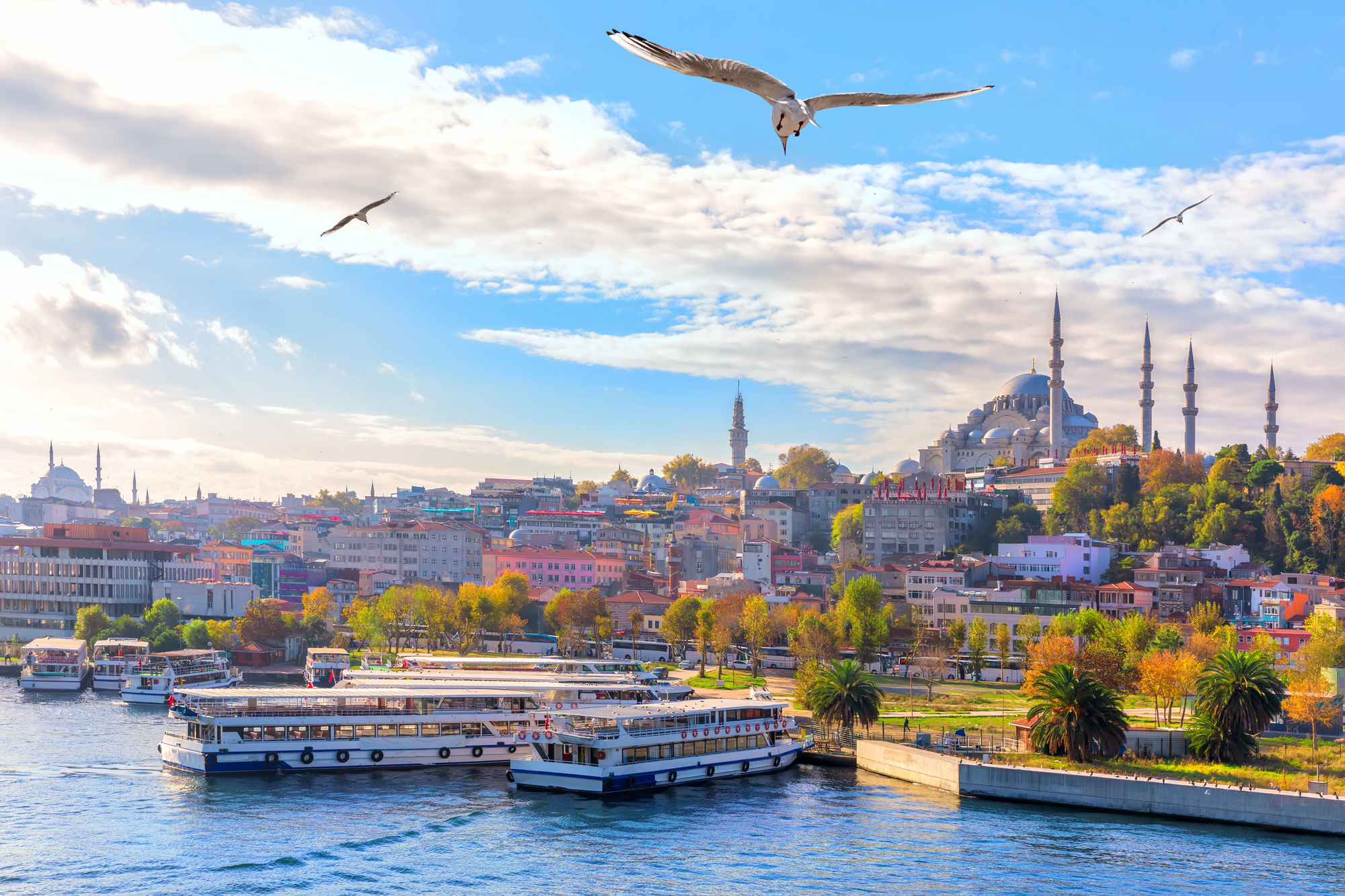
Istanbul has been perfecting Turkish coffee for so long that other coffee traditions feel like recent innovations by comparison. The city’s coffee culture dates back to the 16th century when the first coffee houses opened and immediately became centers of social and political life.
Traditional Turkish coffee preparation remains an art form here, with grounds and water boiled together in a special pot called a cezve until foam forms on top. Reading coffee fortunes from the grounds left in your cup adds a mystical element that Starbucks definitely can’t replicate.
Modern Istanbul embraces both its traditional coffee heritage and contemporary café culture, with sleek specialty shops operating alongside centuries-old establishments. The city’s coffee houses once served as such important gathering places that authorities occasionally shut them down for fear they’d become centers of political plotting, which honestly just made them more popular.
Reykjavik
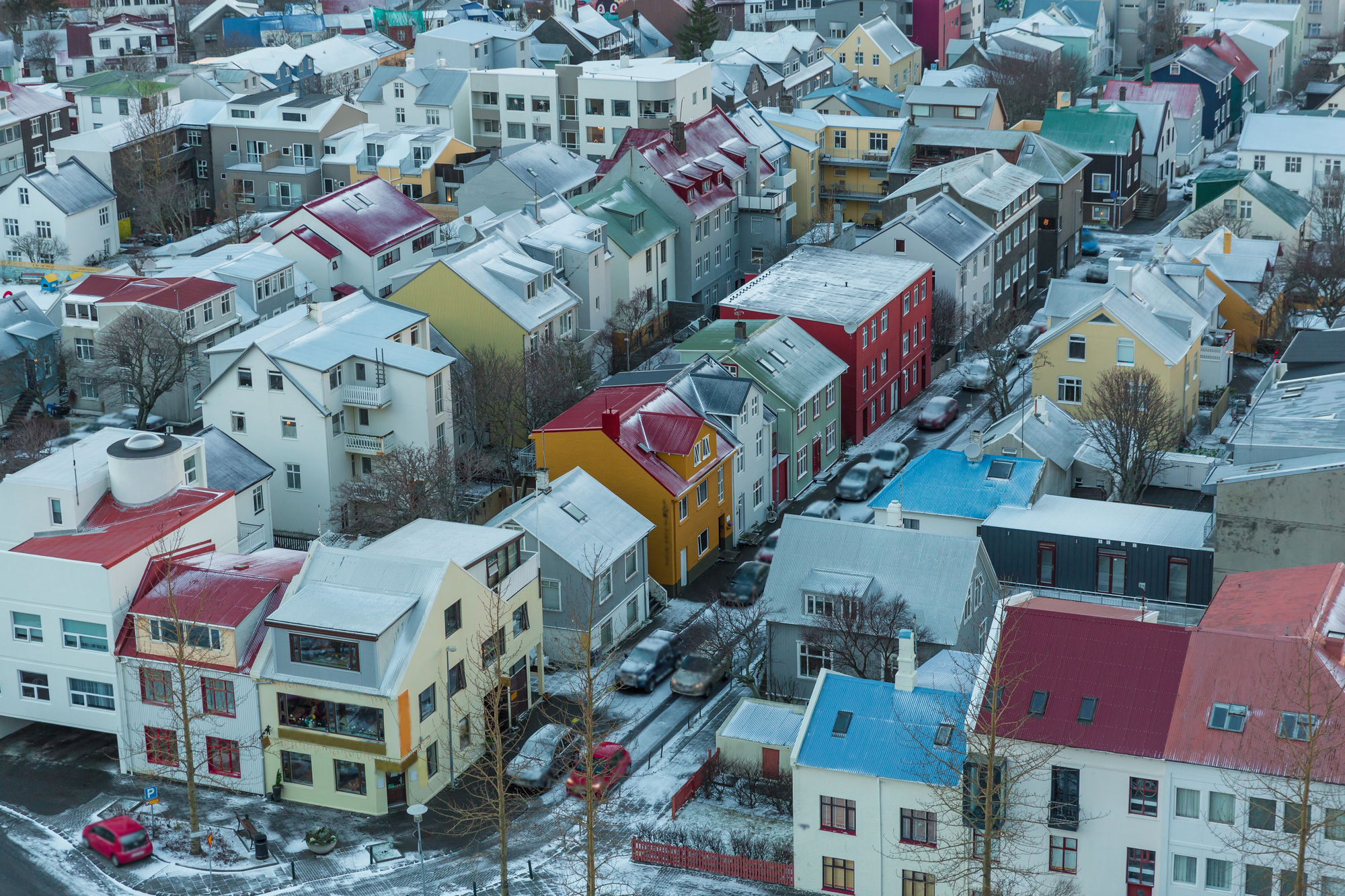
Reykjavik developed intense coffee culture partly out of necessity and partly out of genuine love for the beverage. When summer daylight stretches past 20 hours and winter darkness dominates most of the day, caffeine becomes less of a choice and more of a survival strategy.
Iceland’s literary tradition intersects beautifully with its coffee culture, with locals consuming more coffee per capita than almost any other nation while producing an impressive number of published authors. The city’s independent coffee shops dominate over chain establishments, creating a distinctly local scene where quality matters more than marketing.
Reykjavik’s small size means regular customers become part of the café family, with baristas who remember not just your order but probably your life story. The combination of excellent coffee, cozy interiors, and that specifically Icelandic friendliness makes Reykjavik’s coffee culture feel both sophisticated and genuinely welcoming.
Bogotá
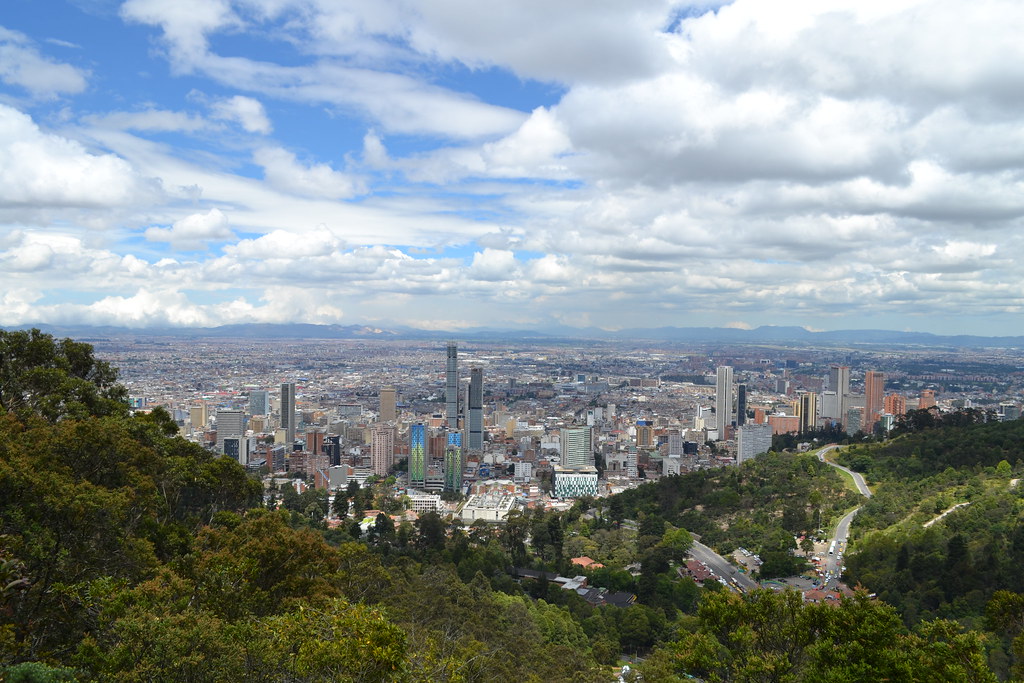
Bogotá offers something other coffee cities can’t match: proximity to some of the world’s best coffee-growing regions. Colombia exports exceptional beans worldwide, but the capital city finally started keeping more of that quality for itself as a new generation embraced specialty coffee culture.
The irony that Colombia produced world-class coffee for decades while locals drank instant coffee isn’t lost on Bogotá’s current coffee enthusiasts, who’ve made up for lost time with impressive speed. Mountain ranges surrounding the city create microclimates that produce distinctly different flavor profiles, giving Bogotá cafés access to an almost unfair variety of exceptional local beans.
The city’s growing professional and creative class fueled demand for spaces where quality coffee meets community, transforming Bogotá into a legitimate coffee destination. What makes the city’s coffee scene special isn’t just the exceptional beans but watching a coffee-producing nation finally fall in love with its own product.
London
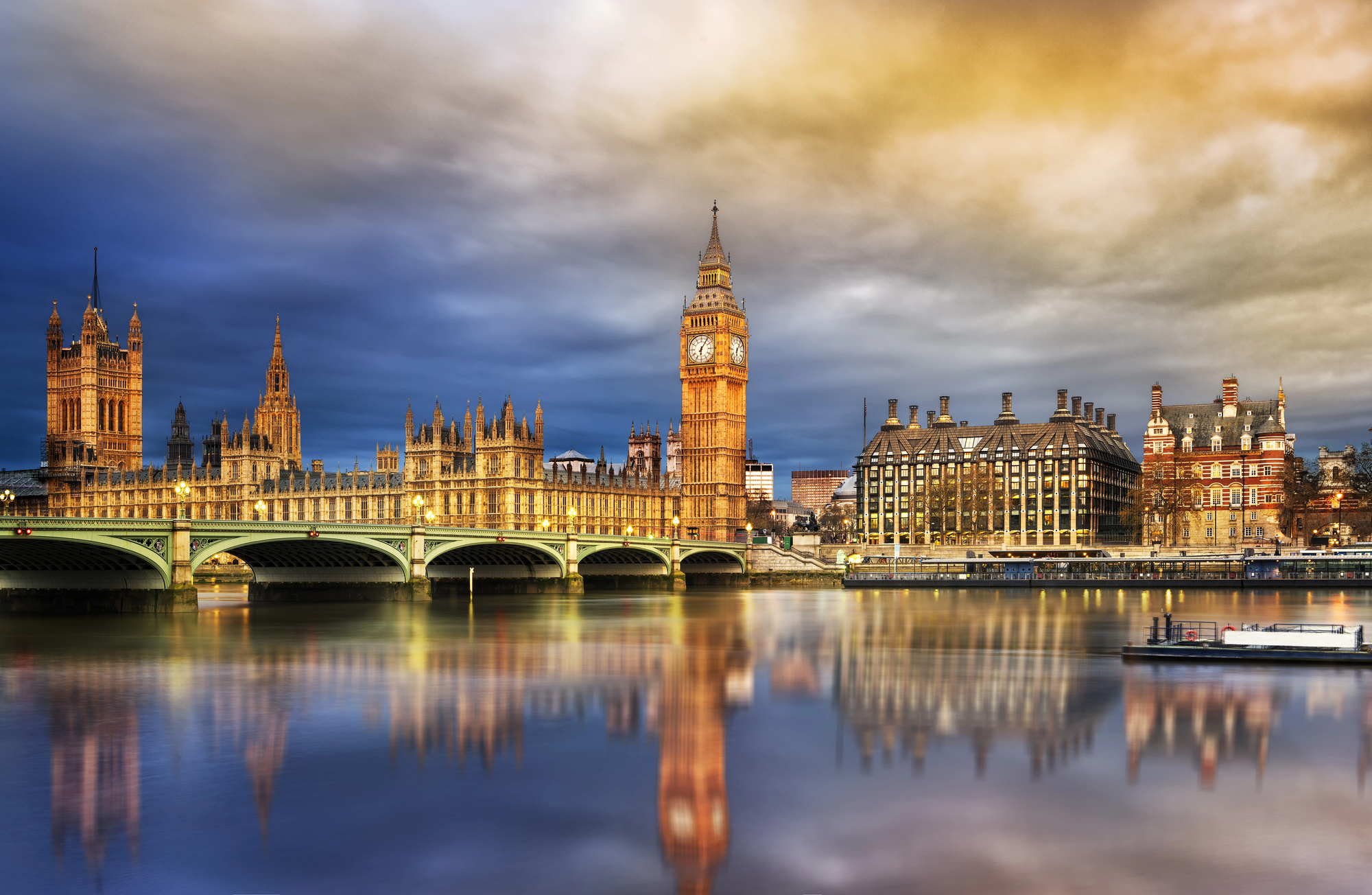
London transformed from a nation of tea drinkers into a city with genuinely impressive coffee culture, though it took until the 1990s for espresso-focused cafés to really take hold. The city’s coffee scene concentrates in East London, where independent roasters and cafés create a culture that rivals anywhere in the world.
Australian and New Zealand expats deserve much of the credit for London’s coffee evolution, bringing their exacting standards and flat white expertise to a city that desperately needed both. Today, London’s coffee culture spans from traditional Italian-style espresso bars to cutting-edge specialty shops experimenting with fermentation and unusual processing methods.
The city’s size means every neighborhood develops its own coffee personality, from the buttoned-up shops of Knightsbridge to the aggressively hip cafés of Shoreditch. London proves that even centuries of tea-drinking tradition can’t resist the pull of properly made coffee once people get a taste for it.
Paris
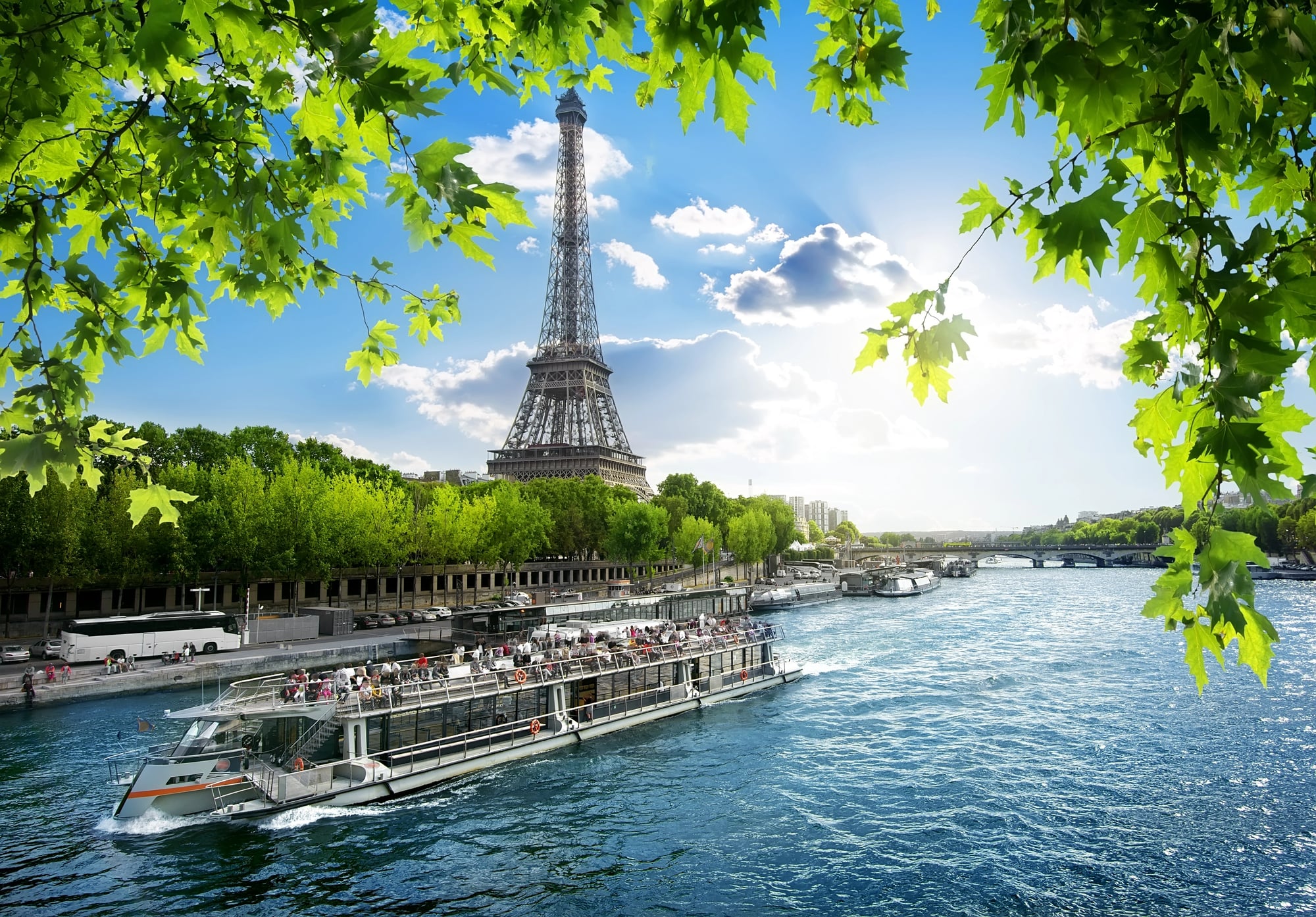
Paris spent decades resting on its café laurels before finally embracing specialty coffee culture in the 2000s. The city’s historic cafés remain beautiful and important cultural institutions, but their coffee quality lagged badly until a new generation decided Parisians deserved better than burnt espresso served with attitude.
The Marais district leads Paris’s coffee revolution, with shops like Café Kitsuné blending Japanese minimalism with Parisian elegance to create something entirely new. Parisian coffee culture now balances respect for tradition with genuine enthusiasm for innovation, proving that a city can honor its café heritage while dramatically improving what actually goes in the cup.
Young roasters and baristas brought techniques learned abroad back to Paris, creating a specialty coffee scene that finally matches the city’s gastronomic reputation. The transformation hasn’t been universally welcomed—traditional cafés still serve mediocre coffee to tourists who don’t know better—but Paris’s modern coffee shops prove the city can innovate when properly motivated.
Addis Ababa
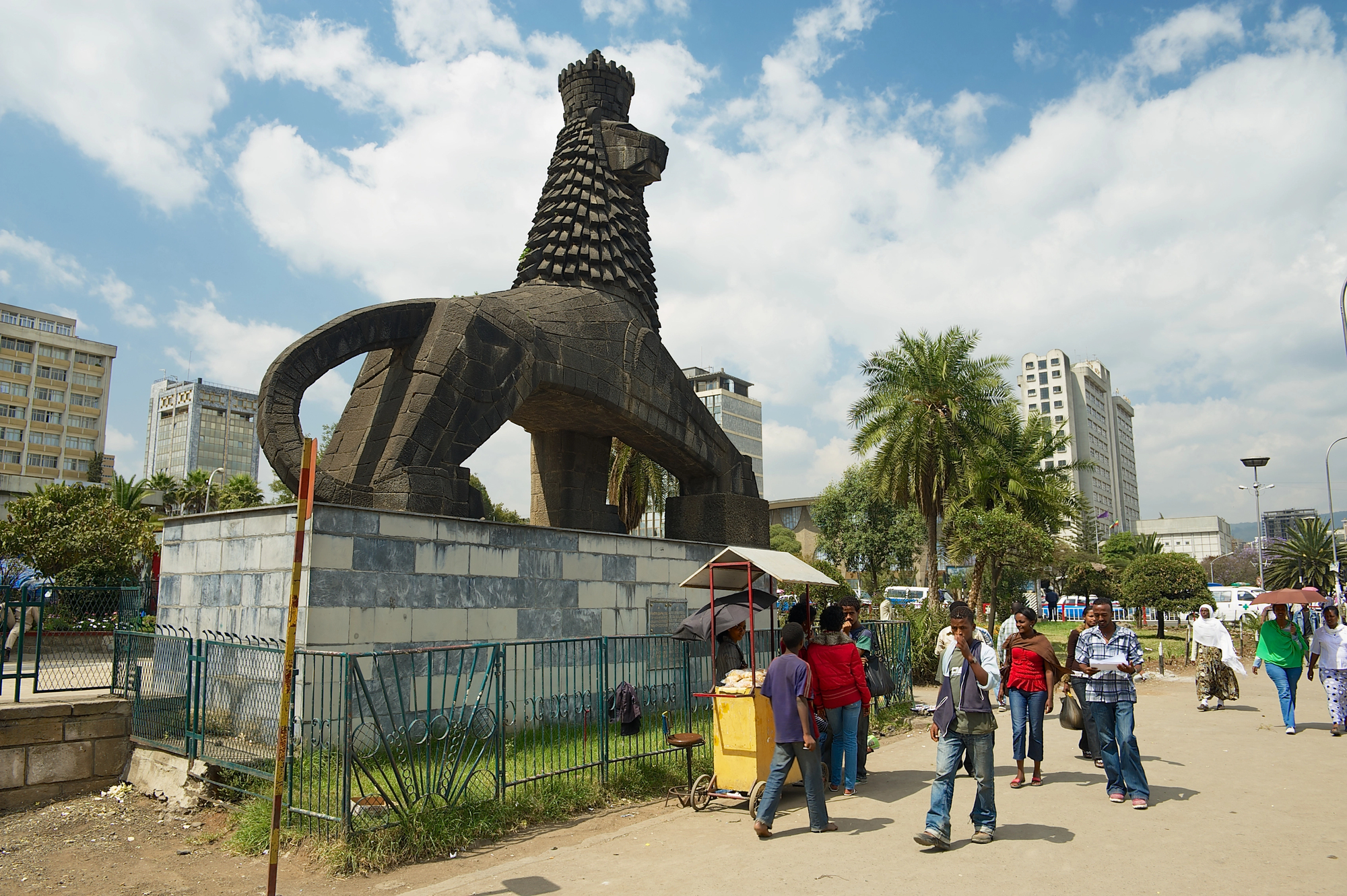
Addis Ababa holds a unique position as the birthplace of coffee itself, with Ethiopian legends tracing the discovery back over a thousand years. The traditional Ethiopian coffee ceremony remains central to the city’s culture, a ritual that can take hours and serves as much about community and hospitality as caffeine.
Fresh beans get roasted over an open flame, ground by hand, and brewed in a special pot called a jebena while frankincense smoke fills the air. This ceremony happens daily in homes and cafés across Addis Ababa, connecting modern city life to ancient traditions in a way few other coffee cultures can match.
The city’s coffee stands serve strong black coffee with sugar for less than a dollar, making exceptional coffee accessible to everyone rather than a luxury product. Watching Addis Ababa’s coffee culture shows you what coffee means when it’s not just a trendy beverage but a fundamental part of identity and tradition that connects past and present.
Vancouver
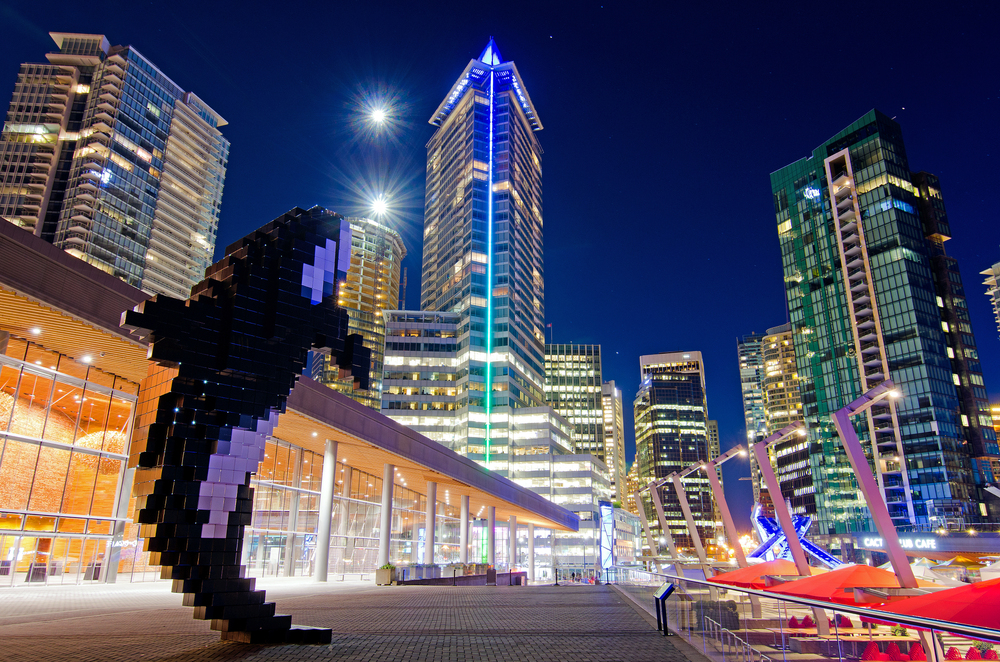
Vancouver’s coffee culture benefits from the Pacific Northwest’s overall obsession with quality coffee while adding its own distinctly Canadian friendliness to the mix. The coastal city’s hundreds of independent coffee shops create a scene that rivals Seattle without quite the same level of corporate influence.
Vancouver roasters emphasize sustainability and direct relationships with farmers, treating ethical sourcing as a baseline requirement rather than a marketing angle. The city’s coffee culture reflects its multicultural population, with cafés serving everything from traditional Italian espresso to Vietnamese ca phe sua da alongside specialty pour-overs.
Vancouver’s natural beauty means many cafés offer mountain or ocean views that other cities can’t compete with, turning your morning coffee into a genuinely scenic experience. The city proves that being friendly and committed to quality aren’t mutually exclusive, creating a coffee culture that feels both serious and genuinely welcoming.
From Ritual to Revolution
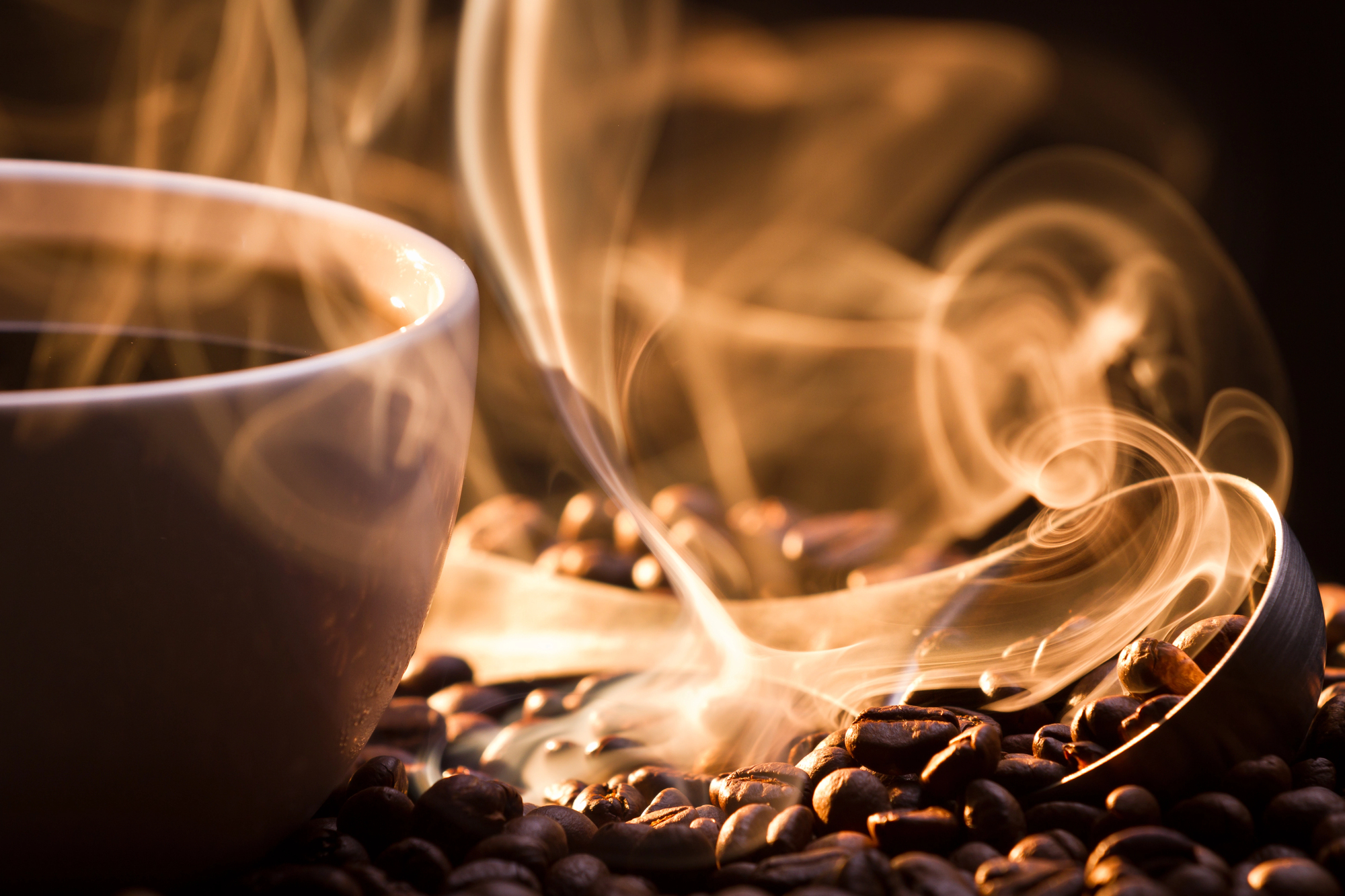
Coffee transformed from a simple beverage into a cultural force that shapes how cities function and how people connect. These cities didn’t just adopt coffee culture—they created it, defended it, refined it, and turned it into something that defines their identity as much as any monument or landmark.
The journey from those first Ottoman coffee houses to today’s third-wave micro-roasters shows how a plant discovered in Ethiopia became the world’s second-most-traded commodity and a daily ritual for billions. What started as caffeinated fuel evolved into an art form, a social glue, and a way of life that continues spreading to new cities every year.
The next time you drink coffee in any of these cities, remember you’re not just having a beverage—you’re participating in centuries of tradition, innovation, and genuine passion for getting that perfect cup.
More from Go2Tutors!

- The Romanov Crown Jewels and Their Tragic Fate
- 13 Historical Mysteries That Science Still Can’t Solve
- Famous Hoaxes That Fooled the World for Years
- 15 Child Stars with Tragic Adult Lives
- 16 Famous Jewelry Pieces in History
Like Go2Tutors’s content? Follow us on MSN.



