Street Food Classics With Surprising Histories
Street food feels like it’s always been around. Vendors serving quick bites from carts, trucks, and tiny stalls seem like a permanent part of city life.
But many of the foods people grab on busy corners have backstories that don’t match their humble reputations. Some started as desperate survival meals, others as accidental inventions, and a few were actually high-class dishes that worked their way down to the streets.
These foods didn’t just appear fully formed. Each one has a journey worth knowing about.
Hot dogs
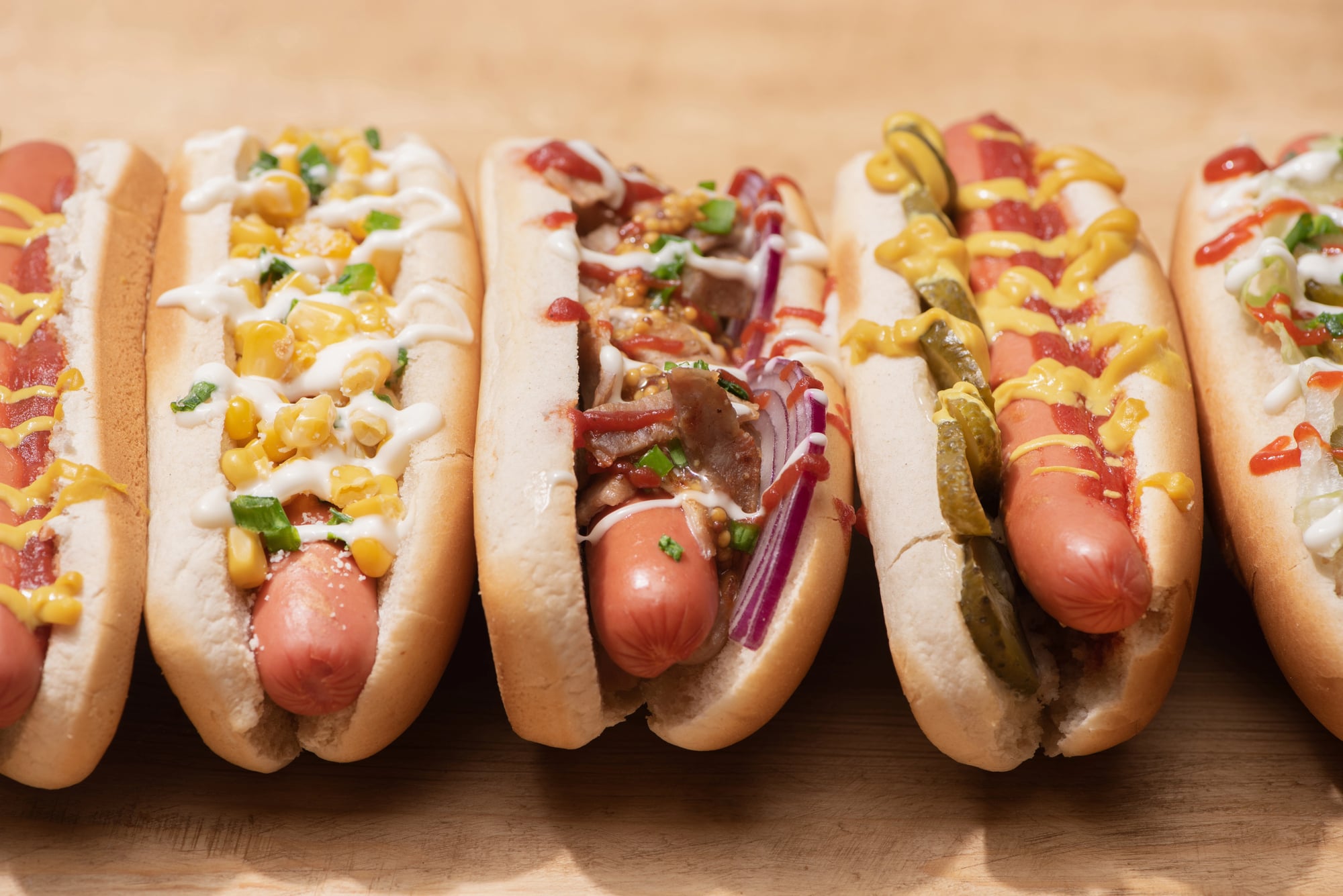
The frankfurter came from Germany, but Americans turned it into something completely different. German immigrants brought over their sausages in the 1800s, and someone had the idea to stick them in a bun for convenience.
The name ‘hot dog’ supposedly came from a cartoonist who couldn’t spell ‘dachshund’ and just wrote ‘hot dog’ instead, though that story might be made up. What’s true is that Coney Island vendors in New York made these things popular by selling them cheap to beachgoers and amusement park crowds.
Nathan’s Famous opened in 1916 and turned the hot dog into an American icon, complete with eating contests that still happen every Fourth of July.
Tacos
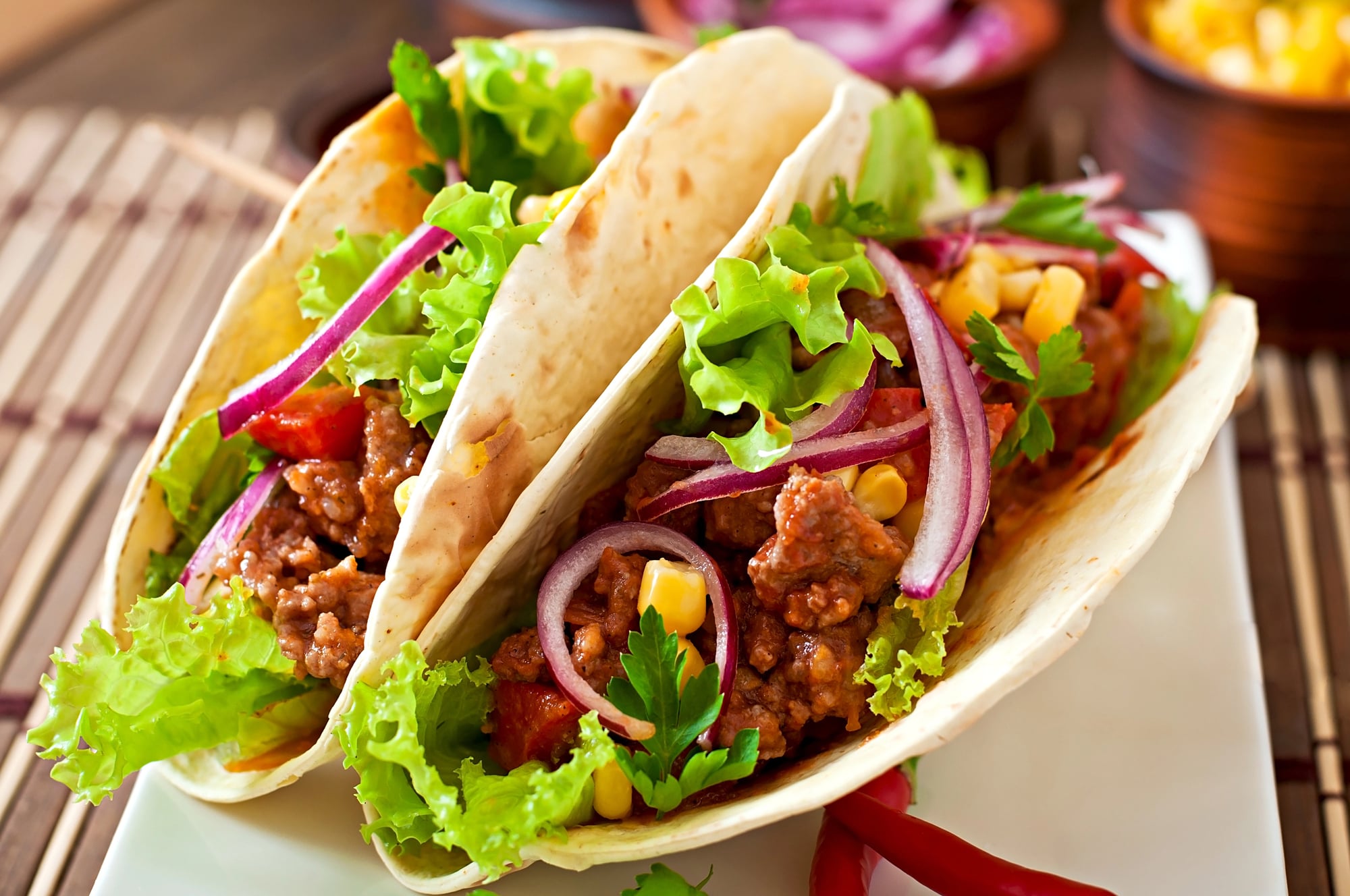
Tacos existed in Mexico long before anyone called them tacos. The word probably comes from Mexican silver miners in the 18th century who used ‘taco’ to describe the small charges they wrapped in paper to excavate ore.
Mexican workers needed portable food they could eat quickly, and folded tortillas filled with whatever was available did the job perfectly. Spanish conquistadors arriving in the Aztec empire found Indigenous people eating tortillas filled with fish, but the modern street taco really took shape in Mexican cities during the 1900s.
Different regions developed their own styles, from Baja’s fish tacos to Mexico City’s tacos al pastor, which Lebanese immigrants inspired by bringing shawarma-style cooking to the country.
Falafel
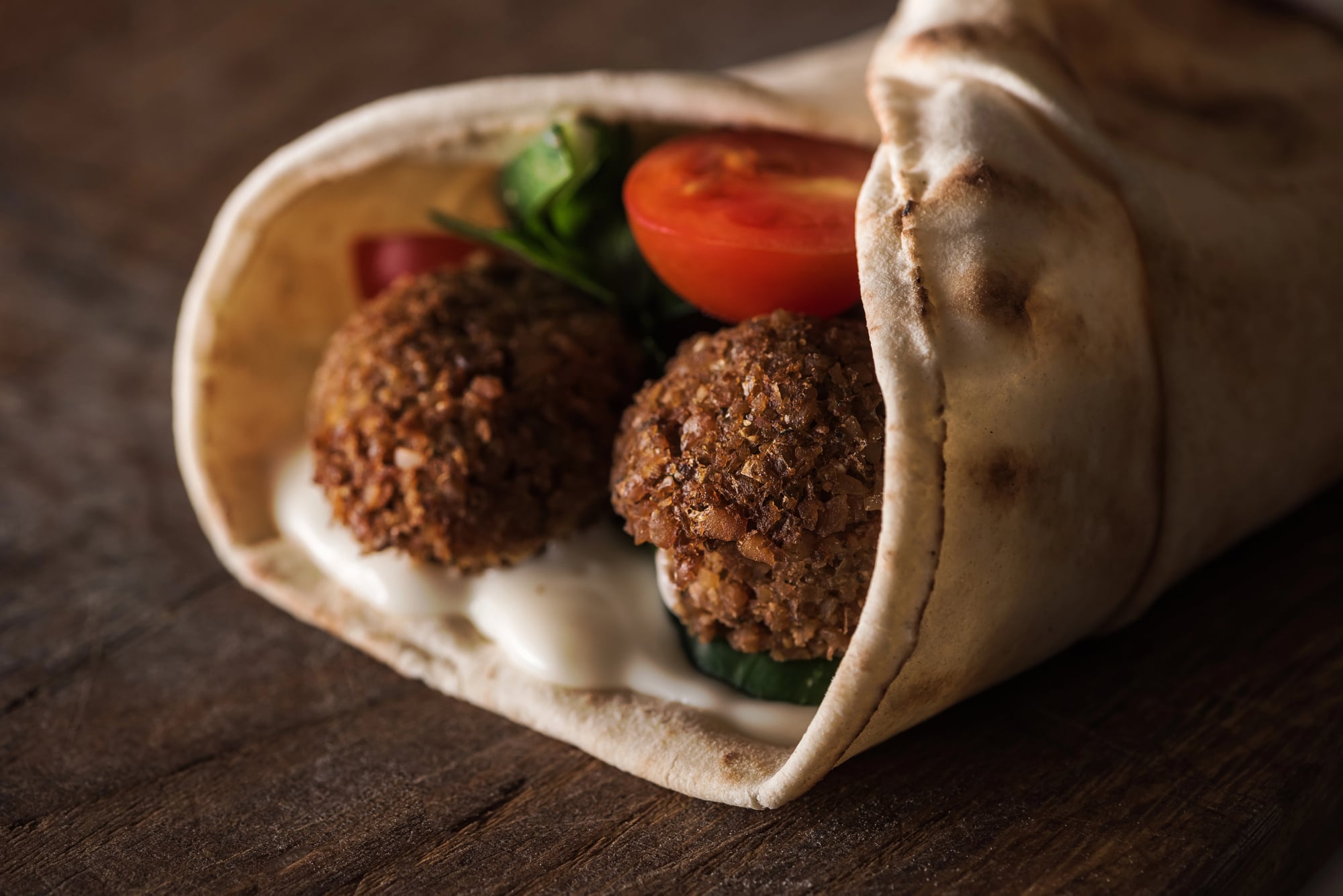
Middle Eastern streets wouldn’t be the same without falafel, but nobody agrees on where it actually started. Egypt claims falafel came from Coptic Christians who needed protein during Lenten fasting when they couldn’t eat meat.
Others say it originated in ancient Egypt, possibly thousands of years ago. The Egyptian version uses fava beans while Lebanese and other Levantine versions use chickpeas, and people get genuinely worked up about which is authentic.
What’s certain is that falafel spread throughout the Middle East and became the region’s most recognizable street food. Israeli vendors helped popularize it globally after immigrants from Arab countries brought their recipes, though this has caused some political tension over cultural ownership.
Pretzels
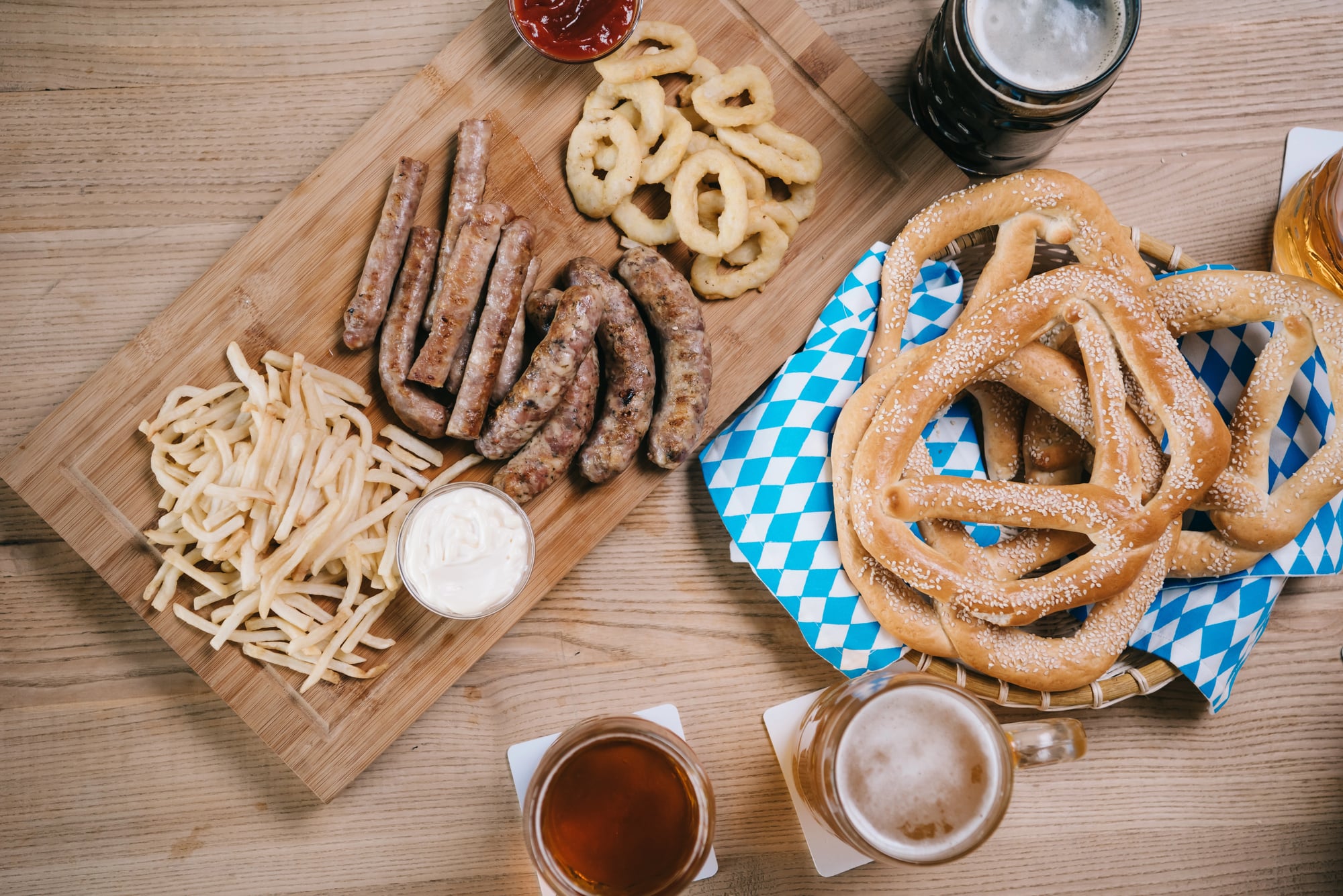
Monks in southern Europe created pretzels as rewards for children who learned their prayers. The twisted shape supposedly represented arms crossed in prayer, and the three openings symbolized the Holy Trinity.
German and Austrian bakers eventually turned them into the snacks people know today, both the soft kind and the crunchy ones. German immigrants brought pretzels to Pennsylvania in the 1700s, where they became so popular that the state still produces about 80% of America’s pretzels.
Street vendors in Philadelphia and New York started selling soft pretzels from carts in the 1800s, and they’ve been a city food staple ever since, especially with that yellow mustard that somehow tastes better from a cart than anywhere else.
Kebabs
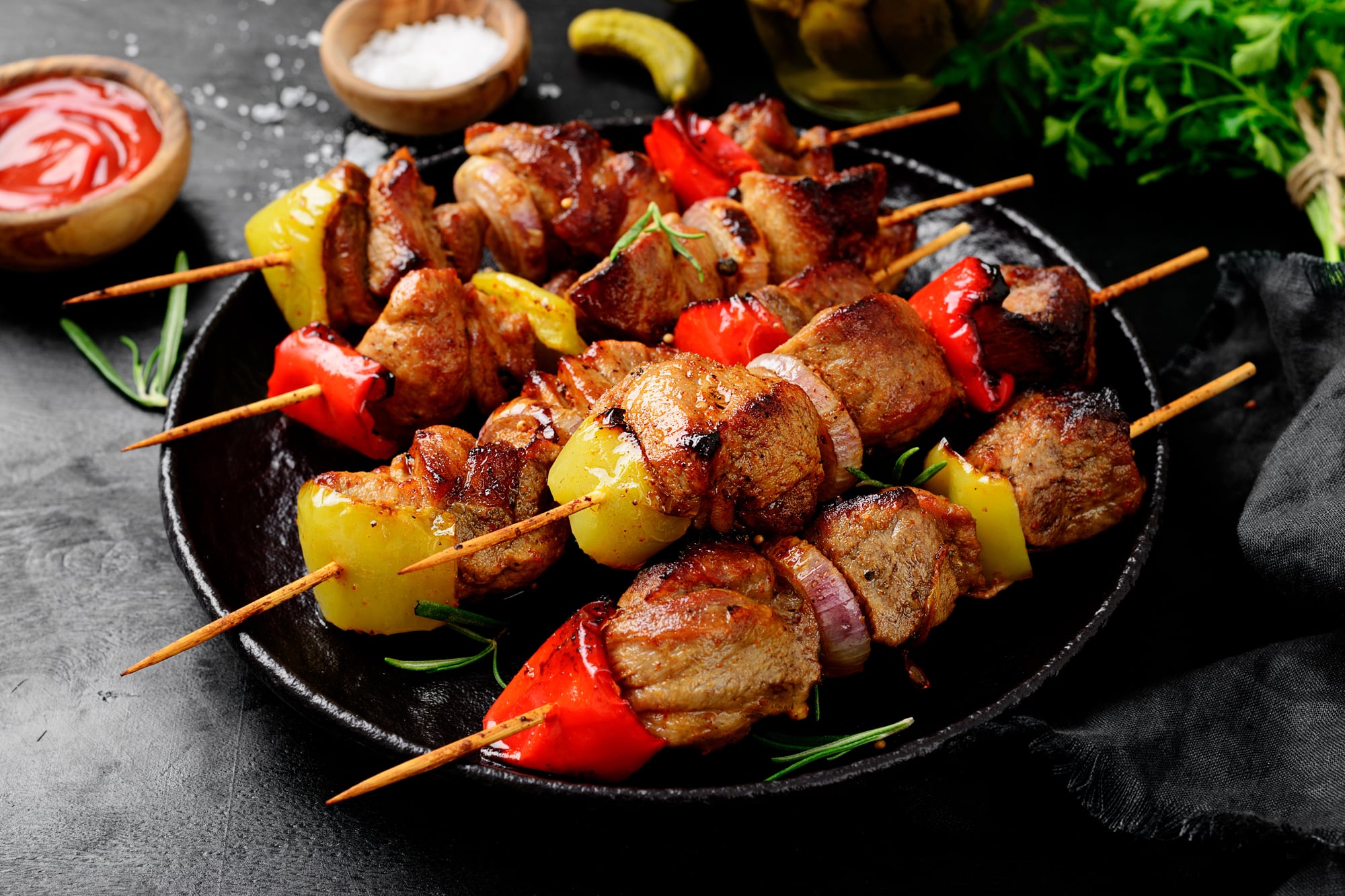
Soldiers in the medieval Middle East cooked meat on their swords over open fires, or so the legend goes. The truth is probably less dramatic, but kebabs have been around in some form for thousands of years across Turkey, Persia, and Central Asia.
Turkish döner kebab, the spinning vertical rotisserie version, didn’t appear until the 19th century in Ottoman Bursa. A Turkish immigrant named Kadir Nurman brought döner to Berlin in 1972, putting it in bread for German workers who needed quick lunch options.
That decision basically created the modern kebab shop that’s now everywhere in Europe. The UK alone has over 20,000 kebab shops, and they’ve become as British as fish and chips at this point.
Churros
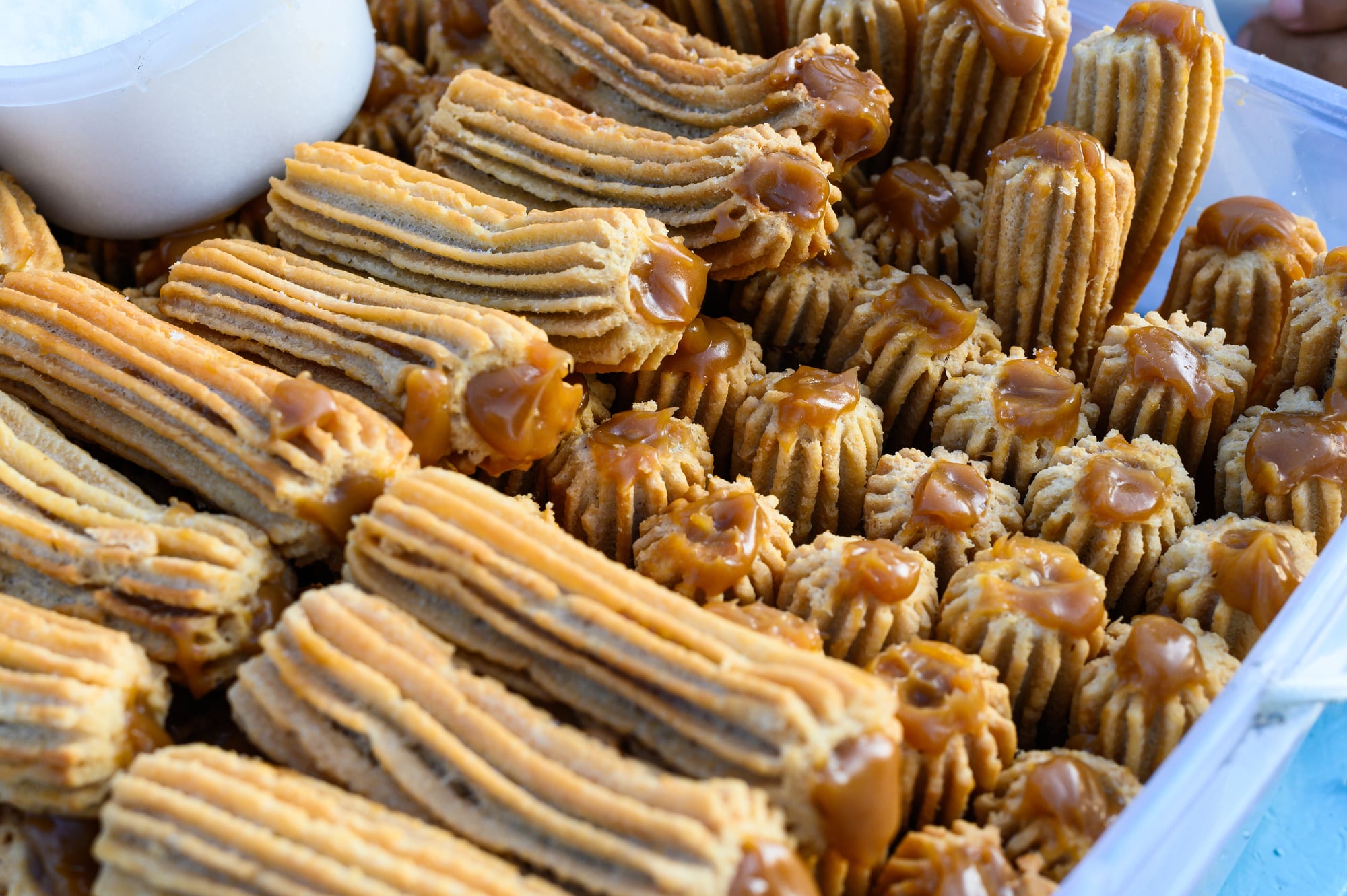
Spanish shepherds invented churros because they needed food they could cook easily over fires in the mountains. The ridged shape came from squeezing dough through a tool that created the star pattern, which helped the dough cook evenly and made it crispy.
Spanish and Portuguese colonizers brought churros to Latin America, where different countries adapted them with various fillings and toppings. Mexican churros became famous for their cinnamon sugar coating, while some places fill them with chocolate or dulce de leche.
The Chinese youtiao, a similar fried dough stick, might have influenced churros when Portuguese traders encountered it, though food historians argue about this constantly.
Pho
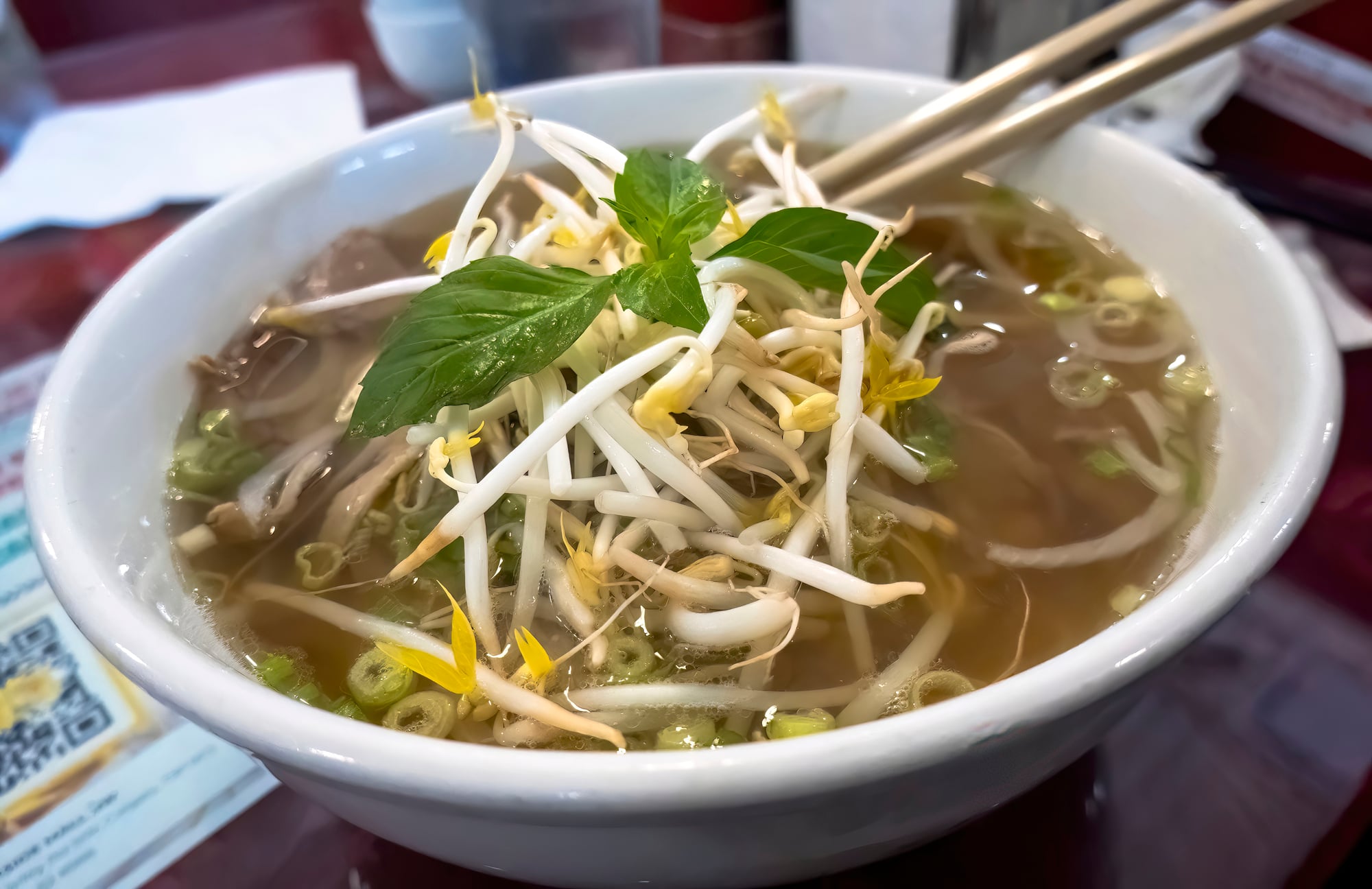
Vietnam’s national dish only dates back about 100 years, surprisingly recent for something that feels ancient. French colonial influence in Vietnam introduced beef bones and the idea of long-simmered broths, which Vietnamese cooks combined with their rice noodles and herbs.
Hanoi street vendors in the early 1900s started selling this hybrid creation from shoulder poles with portable stoves. The name ‘pho’ might come from the French ‘pot-au-feu’ or from a Chinese word for rice noodles, depending on who you ask.
After the Vietnam War, refugees brought pho to America and other countries, where it went from being exotic to mainstream in just a few decades.
Samosas
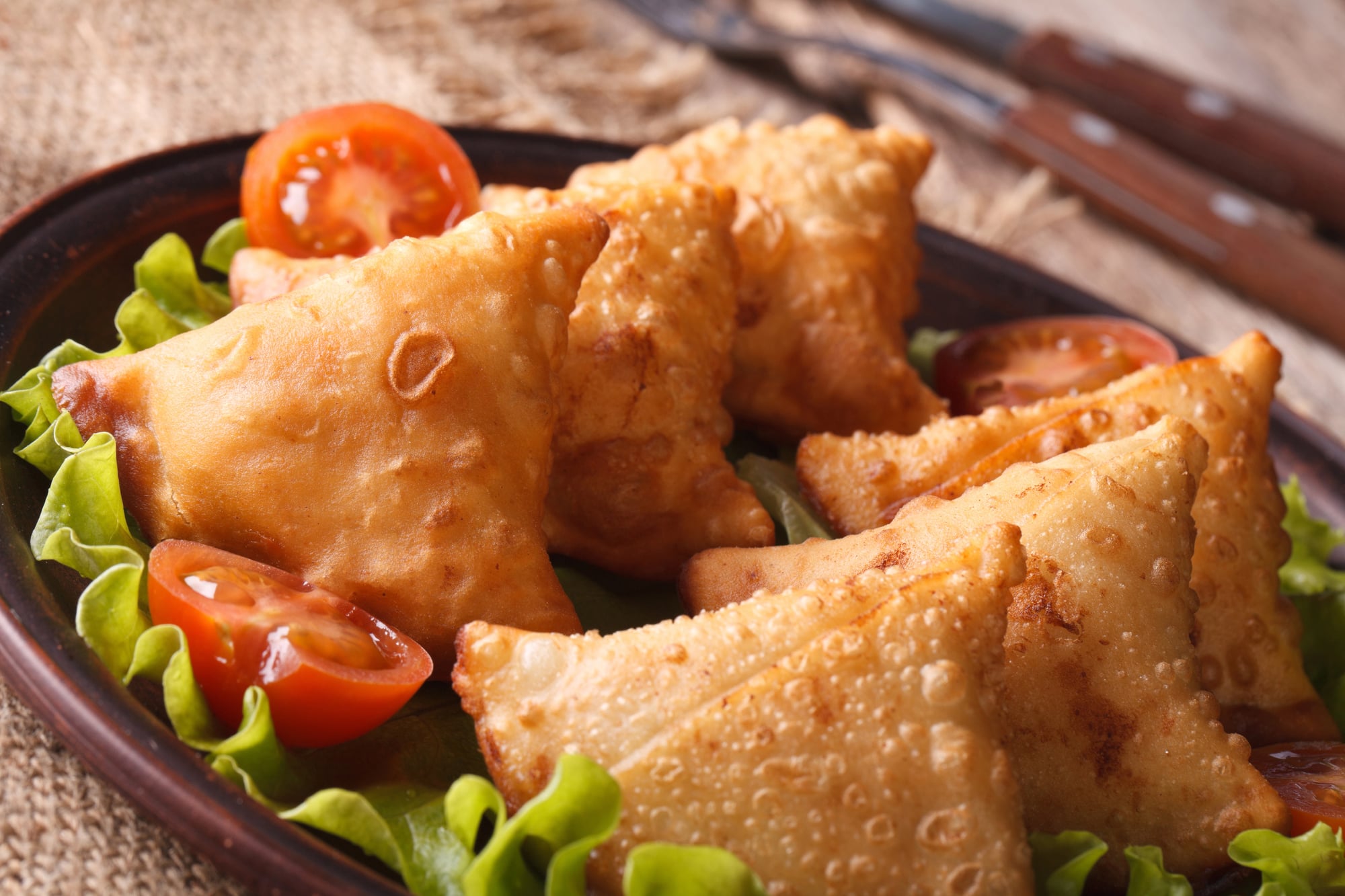
Traders from Central Asia brought samosas to India somewhere around the 13th or 14th century, though the exact timeline gets fuzzy. The original versions were probably bigger and used different fillings than the potato and pea mixture that’s standard now.
Indian cooks adapted the recipe over centuries, making smaller versions perfect for street food and adding spices that matched local tastes. British colonizers encountered samosas in India and liked them enough to bring the concept back to England, where they eventually became common pub food.
East African countries like Kenya and Tanzania developed their own samosa traditions through Indian immigration, and now they’re as much a part of East African food culture as Indian.
Banh mi
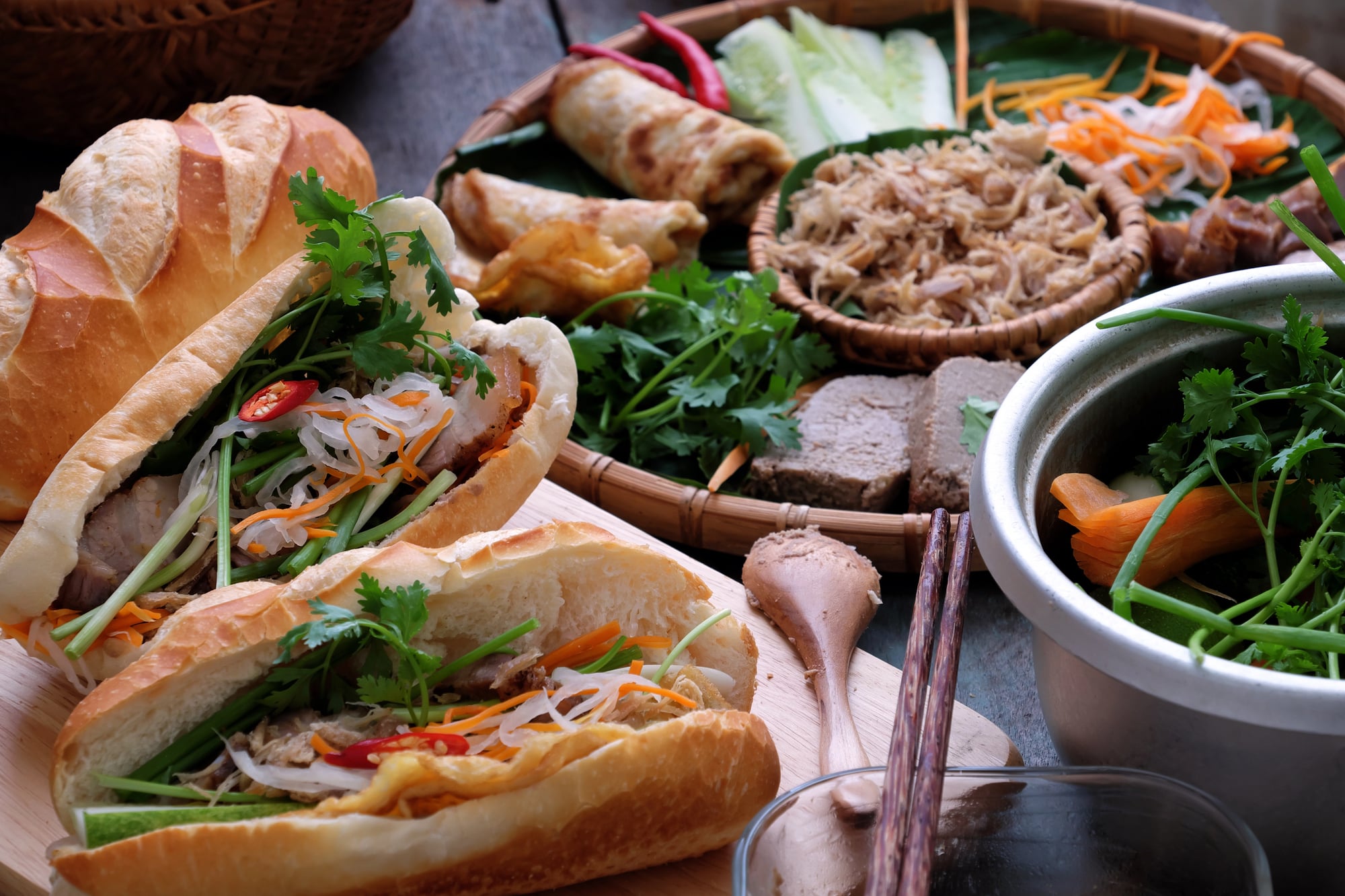
French colonizers occupied Vietnam and brought baguettes, pâté, and mayonnaise with them. Vietnamese people took these French ingredients and completely transformed them into something new by adding pickled vegetables, cilantro, chilies, and various proteins.
The modern bánh mì only emerged after Vietnam gained independence in 1954, when vendors could afford to be creative with the sandwich format. The name literally just means ‘bread’ in Vietnamese, but it’s come to mean the whole sandwich internationally.
Vietnamese immigrants spread bánh mì to other countries starting in the 1970s, and it’s become so popular that you can find versions in gas stations and airport food courts now.
Arepas
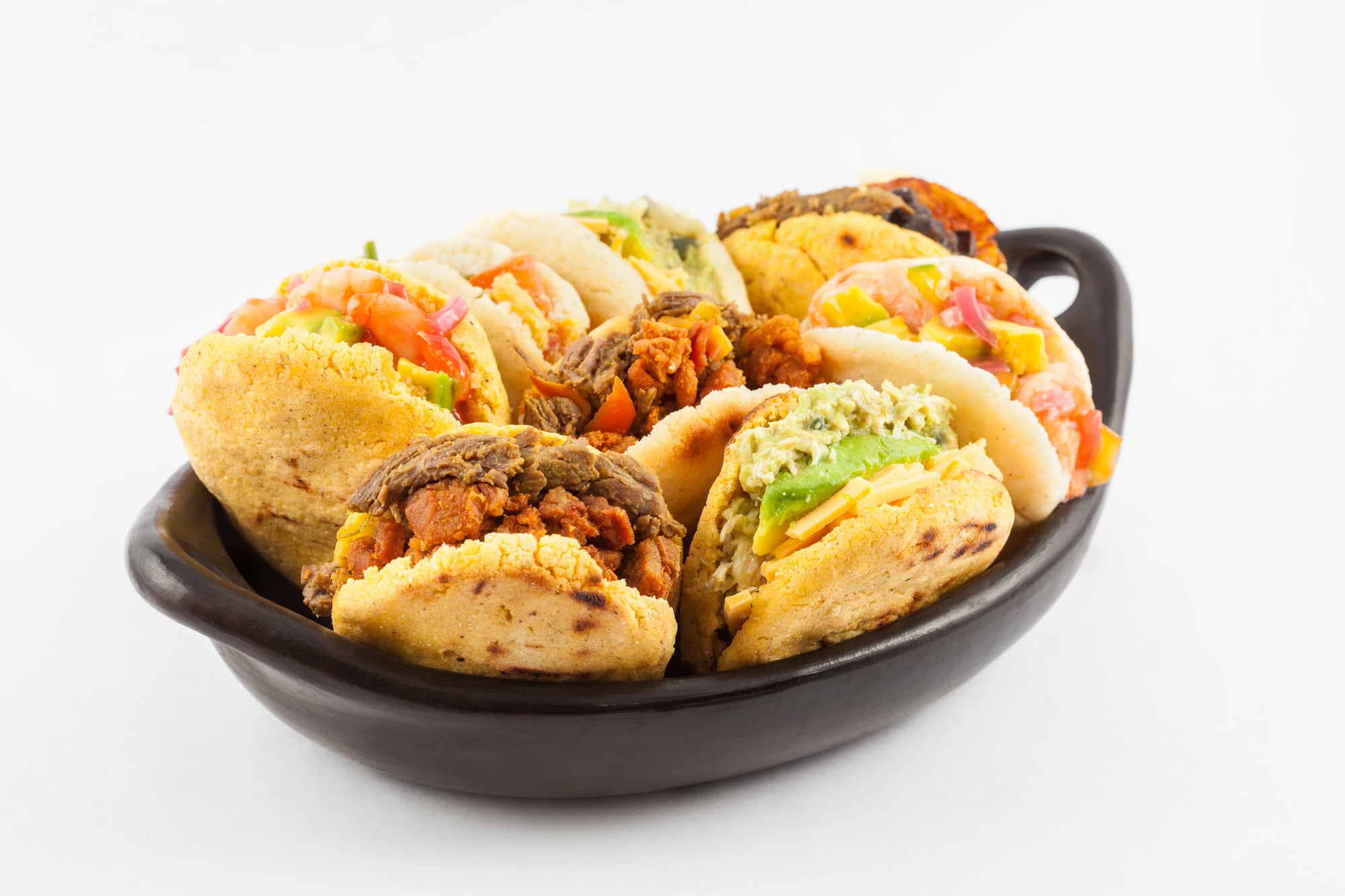
Indigenous peoples in what’s now Colombia and Venezuela were making arepas from corn long before Europeans showed up. The name comes from ‘erepa,’ the word for corn bread in the language of the Cumanagotos people.
Spanish colonizers documented arepas in the 1500s, noting that Indigenous people ate these corn cakes daily. Both Colombia and Venezuela claim arepas as their own, and both countries make them slightly differently, leading to some friendly rivalry.
Street vendors throughout both countries fill arepas with everything from cheese to shredded beef to black beans, and Venezuelan immigrants have recently introduced them to cities worldwide as their country’s economic crisis pushed people to emigrate.
Crêpes
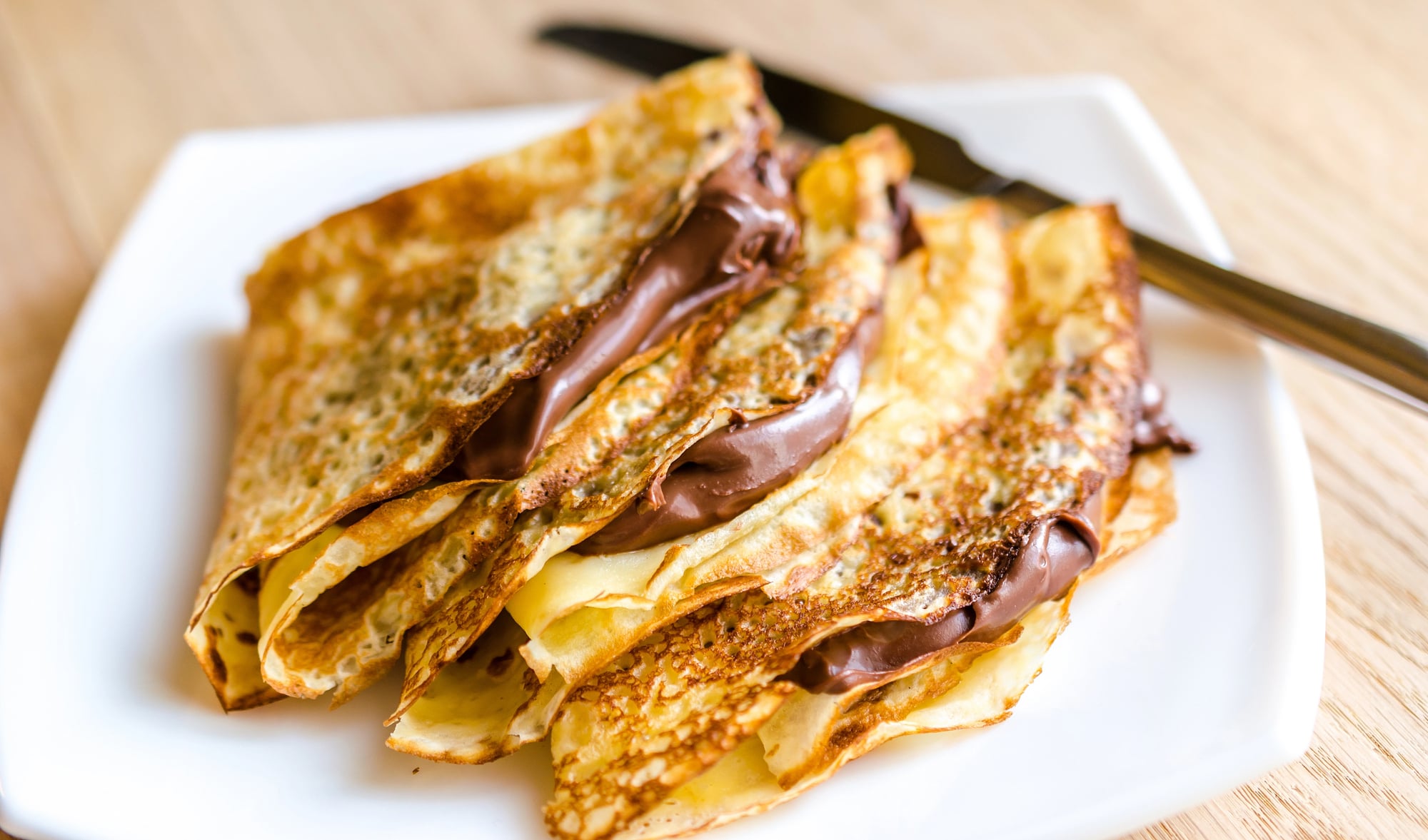
Brittany in northwestern France created crêpes as a way to use buckwheat, one of the few crops that grew well in the region’s poor soil. The original galettes were savory, made with buckwheat flour and filled with ingredients like ham, cheese, and eggs.
Wheat flour crêpes came later and became the sweet version people know today. Parisian street vendors called crêperies started selling them from carts and small stands in the 1800s.
The famous flambé technique, where vendors light liqueur on fire over the crêpe, started as showmanship to attract customers and stuck around because people loved the drama of it.
Elote
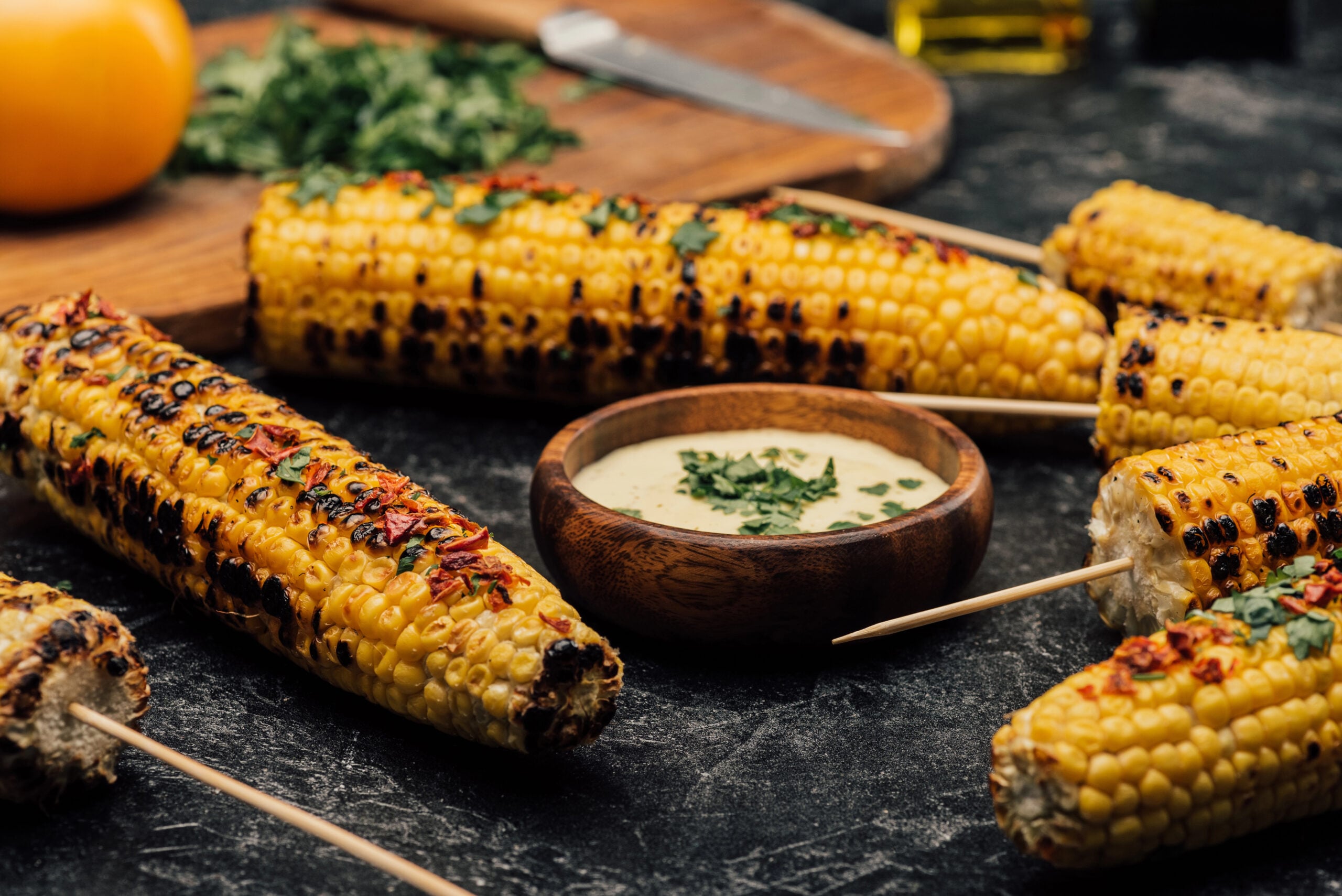
Mexican street corn goes back to ancient times when Indigenous peoples roasted corn over fires. The modern version with mayonnaise, cheese, lime, and chili powder only developed in the past century or so.
Vendors throughout Mexico sell elote from carts, usually keeping the corn warm in large pots and preparing each ear to order. The combination of creamy, tangy, spicy, and sweet hits all the flavor notes at once, which probably explains why it’s become so popular outside Mexico recently.
Los Angeles street vendors introduced elote to wider American audiences, and now it shows up at food festivals and restaurants that wouldn’t have served it twenty years ago.
Empanadas
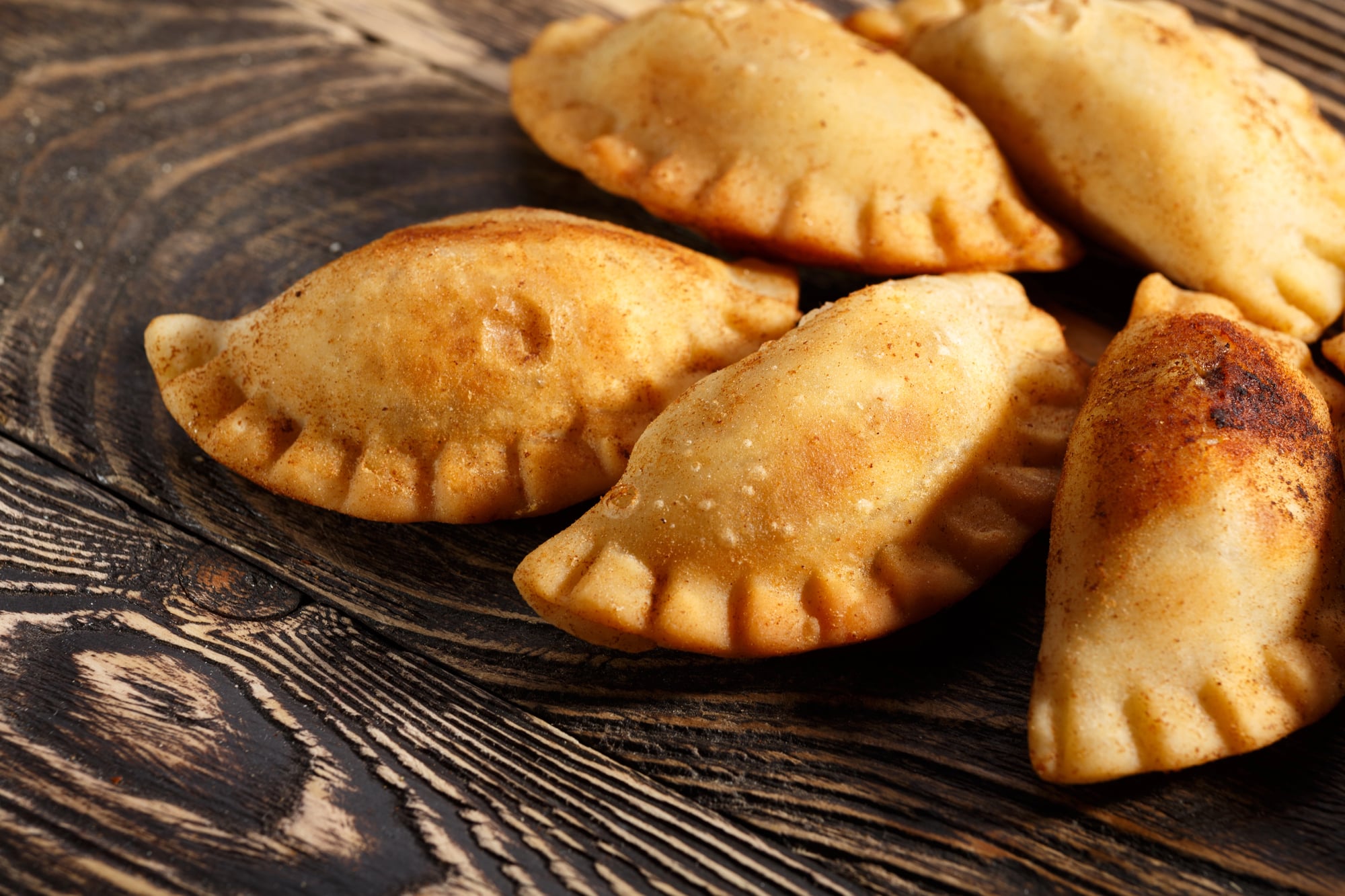
Spanish colonizers brought the concept of empanadas to Latin America, but the filled pastry idea came from Middle Eastern influence on Spanish cuisine during Moorish rule. Each Latin American country developed its own empanada style with different doughs, fillings, and cooking methods.
Argentine empanadas get baked and have specific fillings for different provinces, while Colombian empanadas are smaller and fried. The Galician empanada from Spain is actually a large pie cut into slices rather than individual pastries.
Cornish pasties in England share a similar concept, and food historians think medieval traders spread the idea of portable filled pastries across different cultures.
Pad Thai
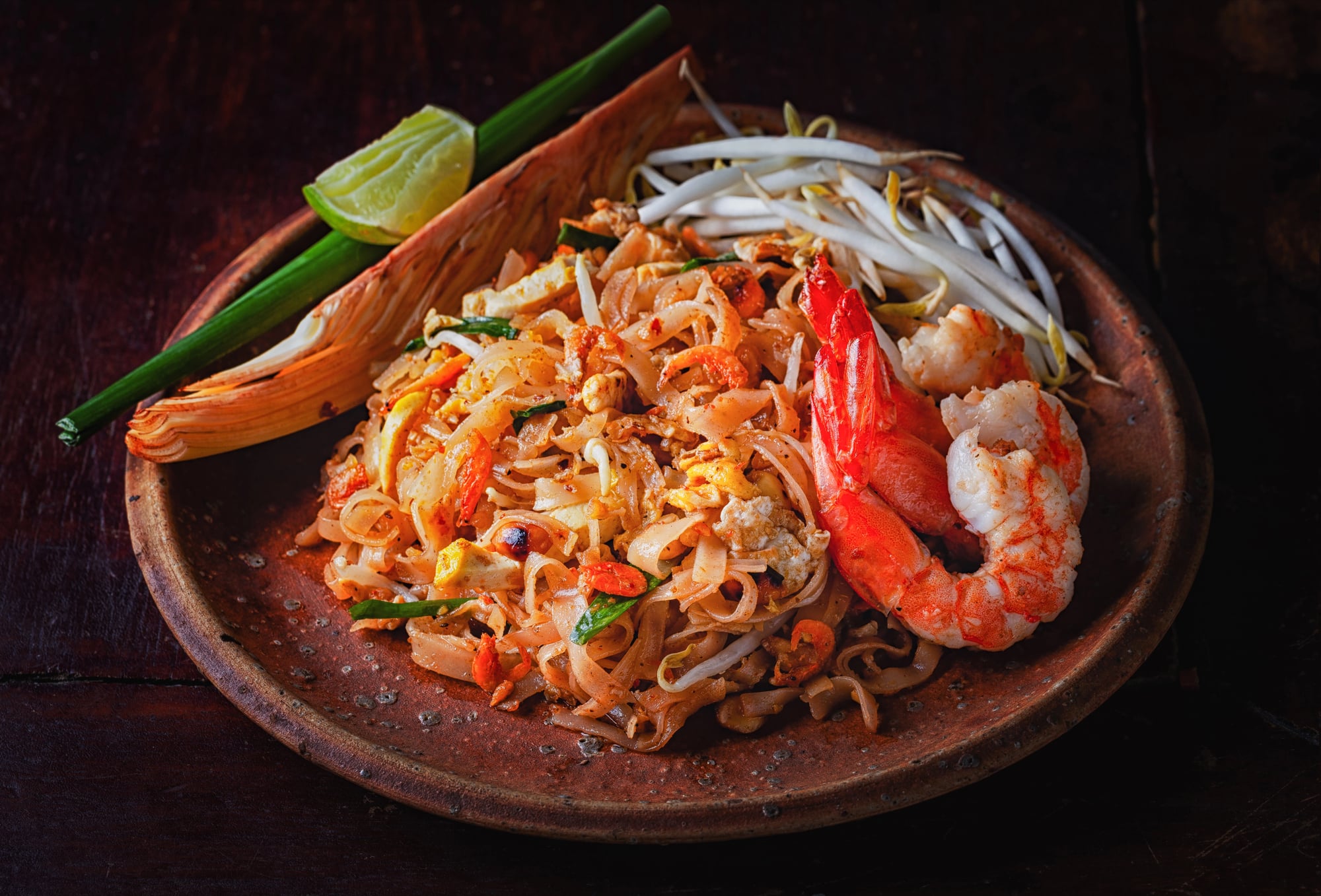
Thailand’s famous meal didn’t come from ancient times. Back in the 30s and 40s, leaders pushed pad thai to build national pride.
The prime minister at the time aimed to save rice when supplies ran low – so he backed noodles hard. Officials handed out cooking guides on purpose. Street sellers were nudged to serve it more. The meal mixed Chinese frying tricks with Thai flavors – tamarind, fish sauce, or lime.
It turned out so good folks assume pad thai’s been around forever, even though it’s actually a made-up national icon from roughly eight decades ago.
Beignets
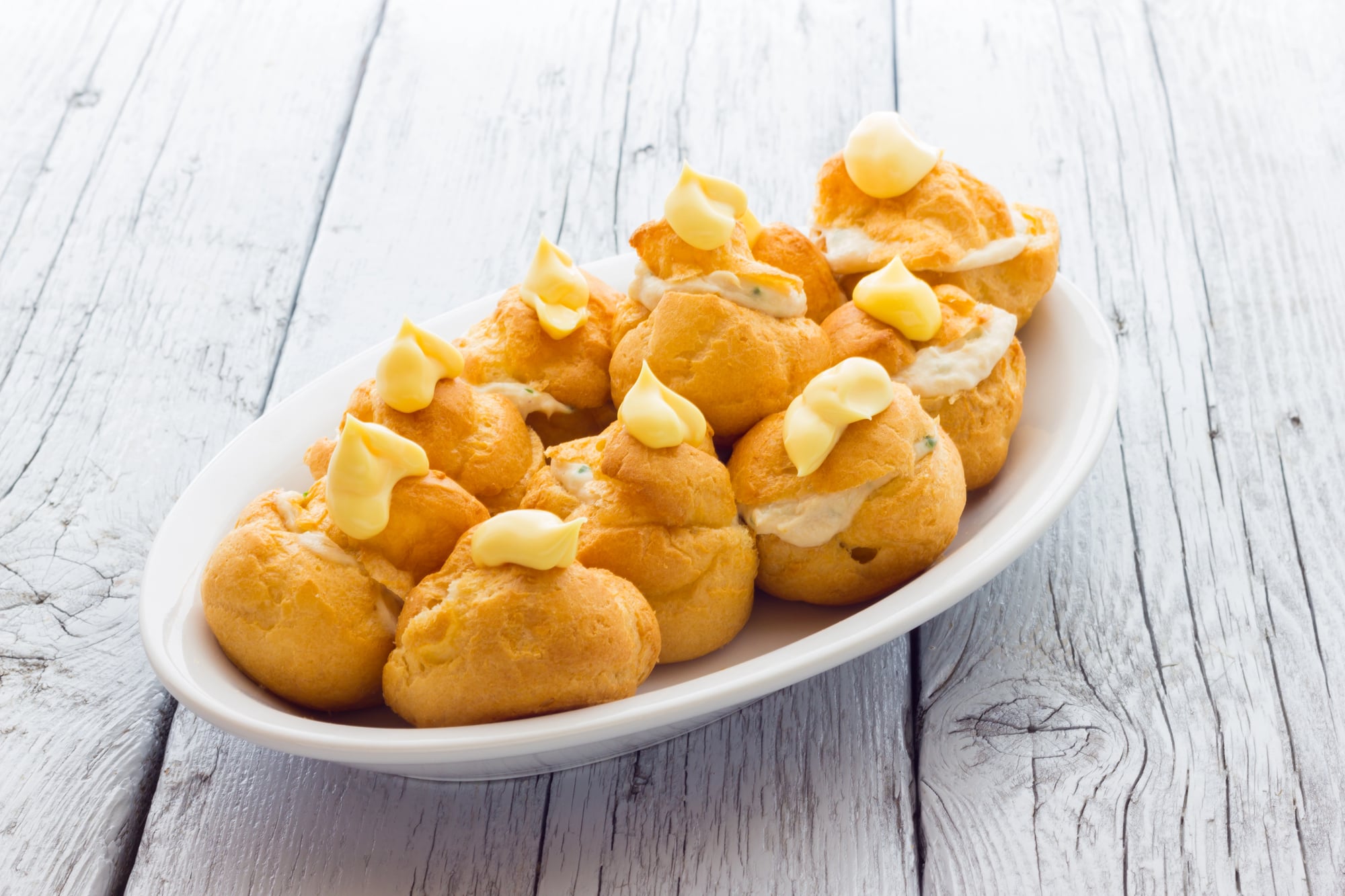
French settlers carried beignets to Louisiana during the 1700s, tweaking old French recipes along the way. Nuns from the Ursuline convent in New Orleans began baking and offering them for sale – these crispy fried treats soon tied closely to local culture.
A spot called Café Du Monde popped up in 1862 at the French Market, turning beignets into its main draw, served nonstop alongside strong chicory coffee. That thick layer of powdered sugar covering hands, clothes, table – it’s just part of enjoying them, not something people mind.
They traveled across Louisiana but didn’t blow up nationwide like some expected, so they kept their unique flavor without turning into mass-market snacks.
Takoyaki
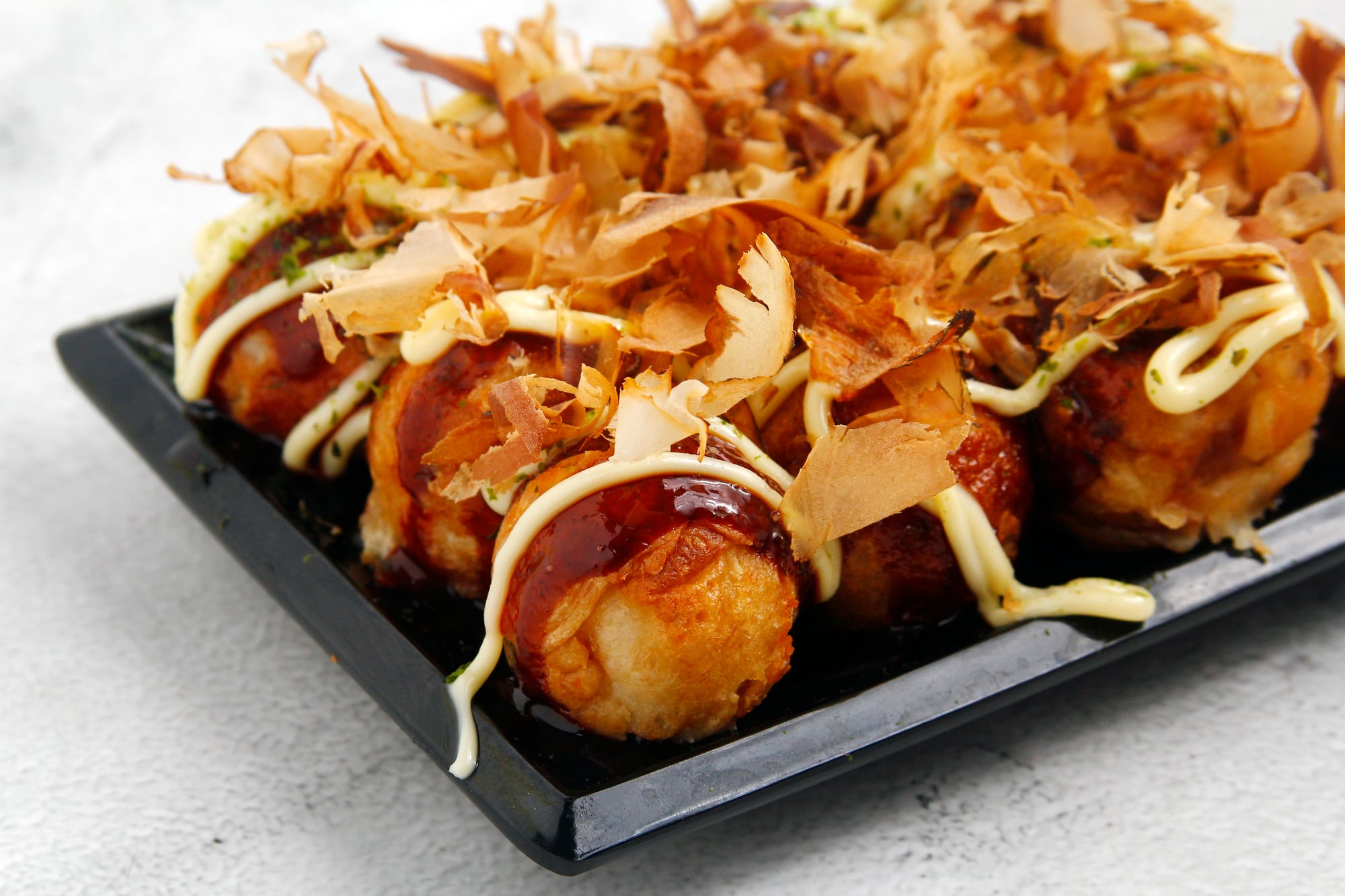
Back in 1935, Osaka saw the birth of takoyaki – pretty recent compared to others here. A street seller called Tomekichi Endo whipped up the original, tweaking an old-style bite and stuffing bits of octopus into doughy orbs.
He used a unique griddle shaped like little domes, which turned out crucial for cooking them right. Instead of stirring, he’d flip each orb with skewers so they browned all around.
Word got out fast across Japan; soon, it was everywhere, especially in its hometown where countless stalls pop up today. People started piling on sauce, mayo, fish shavings, and dried seaweed – a combo most agree on, even if some areas add their own twist.
Currywurst
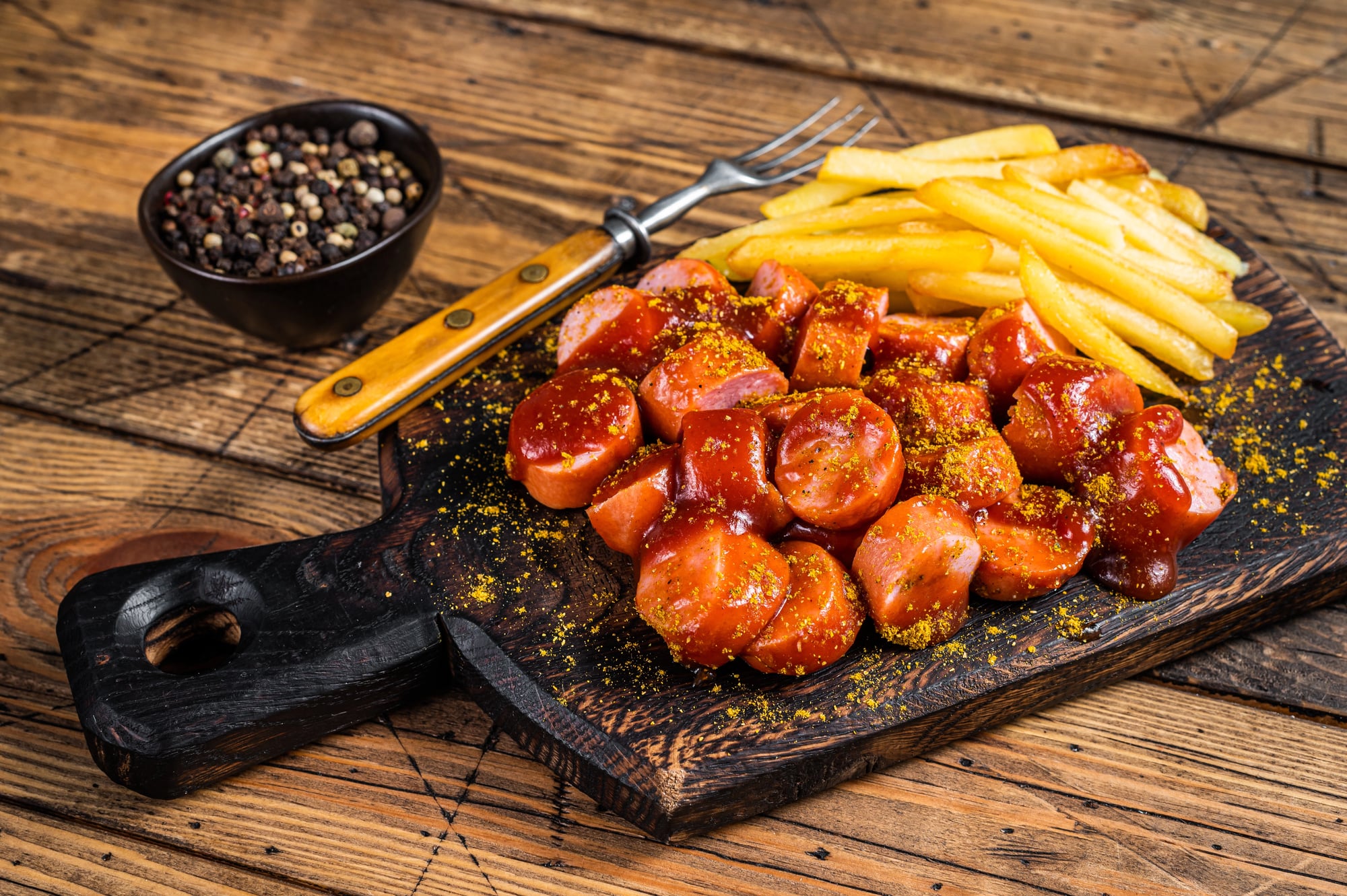
After World War II, Berlin saw the birth of currywurst in ’49 – Herta Heuwer scored ketchup and curry powder off British troops, slapped ’em together, drizzled the mix on bratwurst. With Germany piecing itself back together and grub hard to come by, street sellers improvised using whatever scraps turned up.
Her twist blew up quickly among laborers needing something low-cost and belly-filling. Word traveled across the country, yet it stayed hottest in Berlin plus the industrial Ruhr belt.
Folks in Germany chow down around 800 million currywursts every year; its cultural footprint grew so big that a dedicated museum popped up in Berlin by 2009 – but shut shop in 2018 since, well, turns out not many folks were keen on touring an exhibit about sausage doused in spiced tomato sauce.
From wagons to traditions
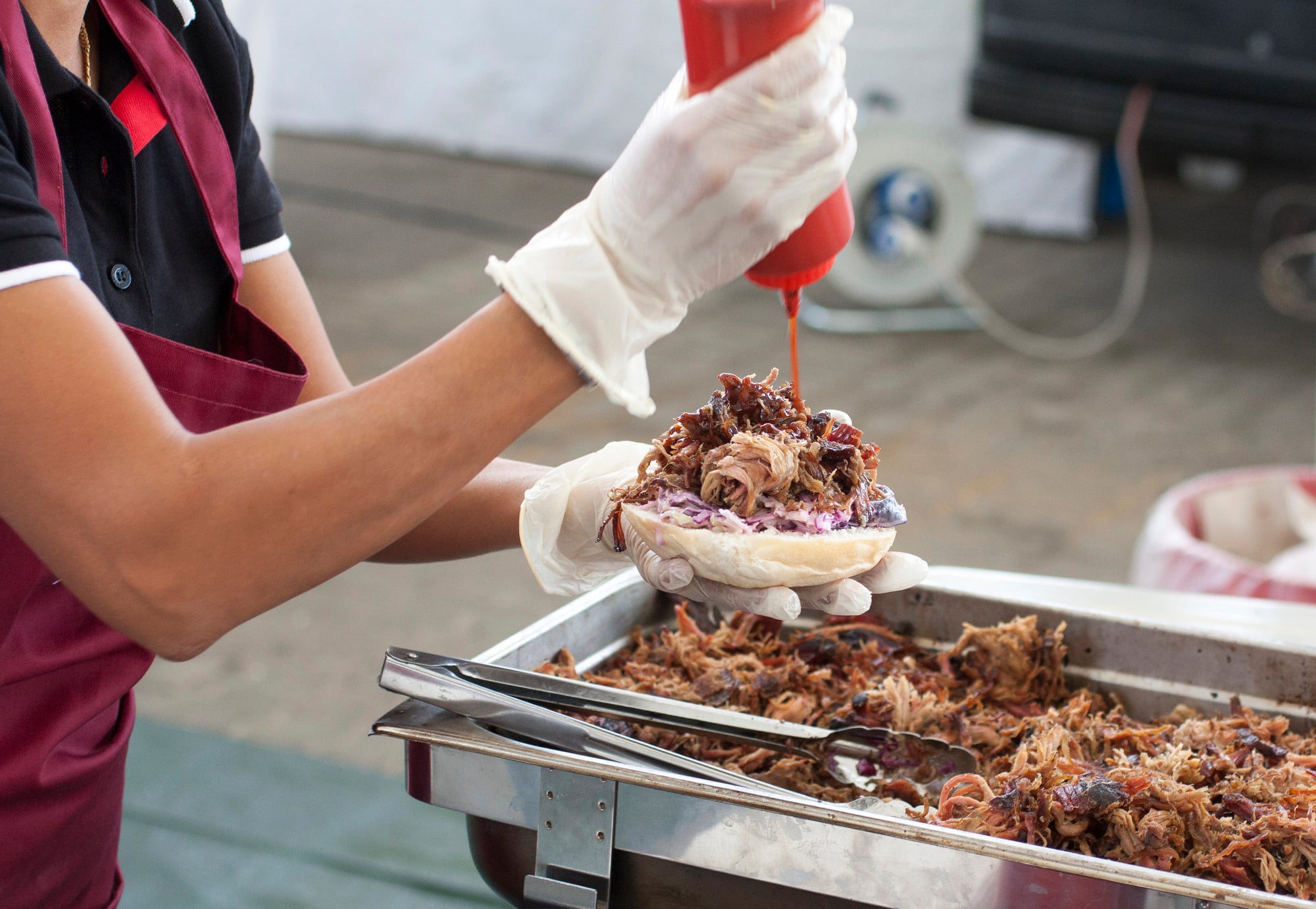
Street food began outta need but turned into culture. Workers, newcomers, or folks short on time relied on it – simple meals that filled bellies without slowing life down.
What kept these bites alive wasn’t speed alone – it was flavor that won trust over years. Today’s mobile kitchens aim to copy that realness, yet the old-school versions built loyalty meal after meal, generation after generation.
From corner carts and roadside stands, each city serves up its own fast fix – and those humble plates show you the soul of a place better than any upscale spot ever might.
More from Go2Tutors!

- The Romanov Crown Jewels and Their Tragic Fate
- 13 Historical Mysteries That Science Still Can’t Solve
- Famous Hoaxes That Fooled the World for Years
- 15 Child Stars with Tragic Adult Lives
- 16 Famous Jewelry Pieces in History
Like Go2Tutors’s content? Follow us on MSN.