18 Incredible Details About Roman Gladiator Life
Roman gladiators are likely to conjure images of squat fighters engaged in death-defying combat in the Colosseum as ferocious spectators yell for more bloodshed. The truth was far more nuanced and, to be honest, quite intriguing.
Depending on the day, these fighters’ lives were a mix of brutal and unexpectedly cozy. In Roman society, gladiators held a peculiar position due to their peculiar diets and celebrity status.
Here are eighteen amazing facts about the actual lives of these ancient warriors.
They Were Called ‘Barley Men’

Gladiators ate a diet heavy on barley, beans, and oatmeal with minimal meat. Romans actually looked down on barley as inferior to wheat, but trainers believed it built stronger bodies.
While some animal protein appeared in their meals occasionally, the diet was so grain-heavy that people nicknamed gladiators ‘hordearii’ or ‘barley men.’ It wasn’t exactly gourmet, but it kept them fueled for intense training sessions.
The Fat Layer Was Intentional
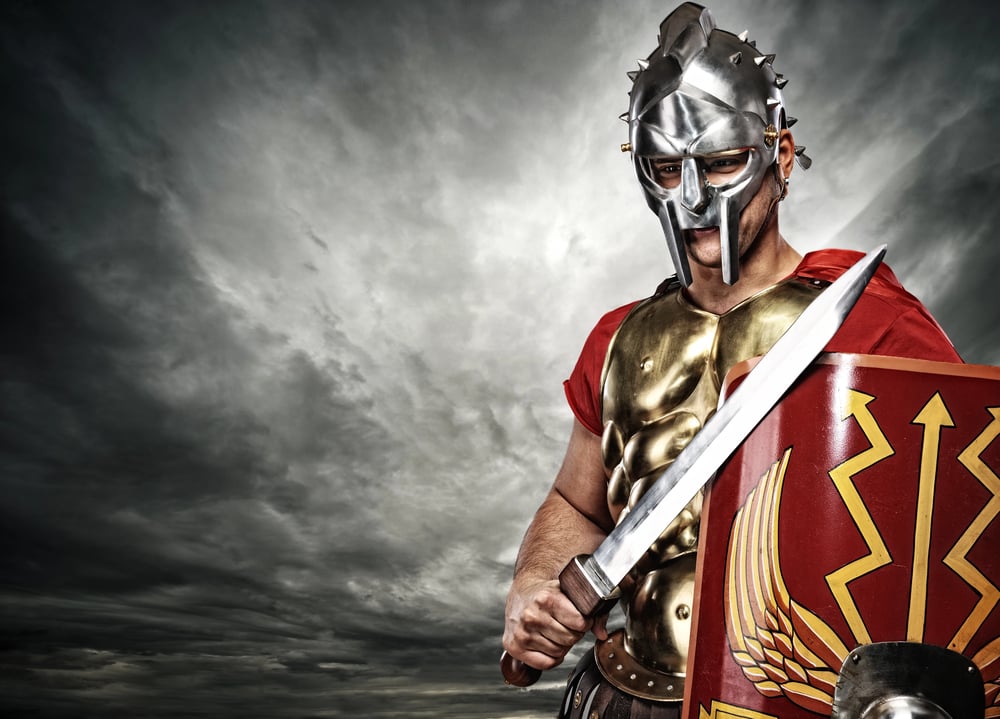
That high-carb diet served a specific purpose beyond energy. Gladiators were deliberately fattened up to create a layer of subcutaneous fat over their muscles.
This cushion protected vital blood vessels and nerves during fights, so a shallow cut would look impressively gory without actually being life-threatening. Think of it as ancient body armor made from your own tissue.
They Trained With Double-Weight Weapons
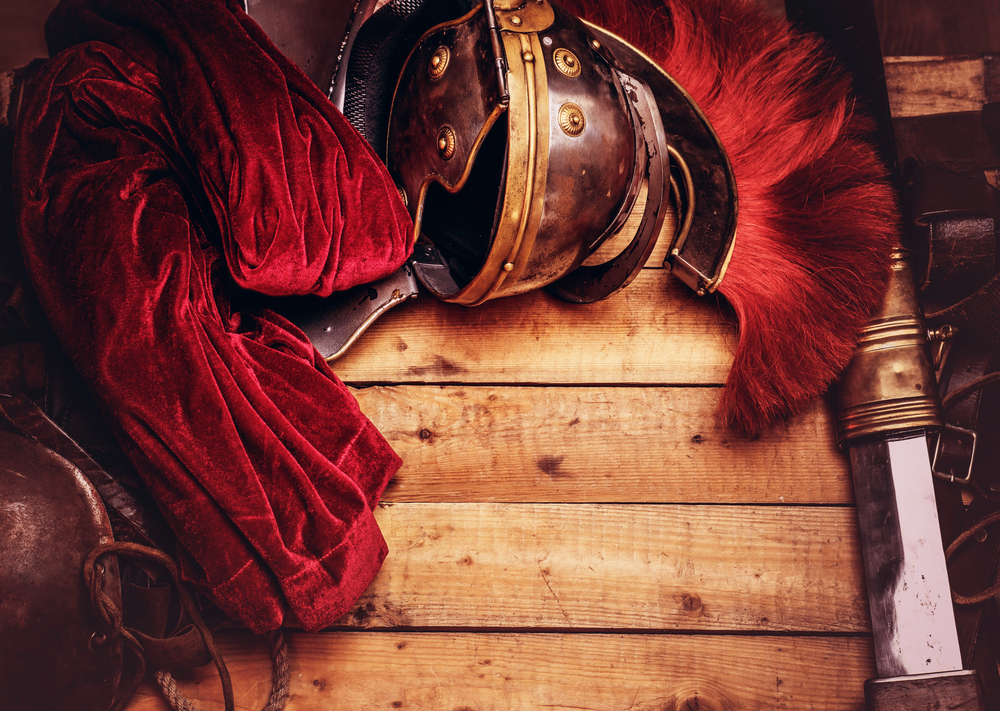
Training involved practicing with wooden swords that weighed twice as much as real ones. The shields were heavier too.
Gladiators spent hours every day drilling attack and counter-attack moves until their responses became automatic. This brutal regimen built muscles so developed that their bones actually deformed from the strain.
Most Fights Weren’t to the Death
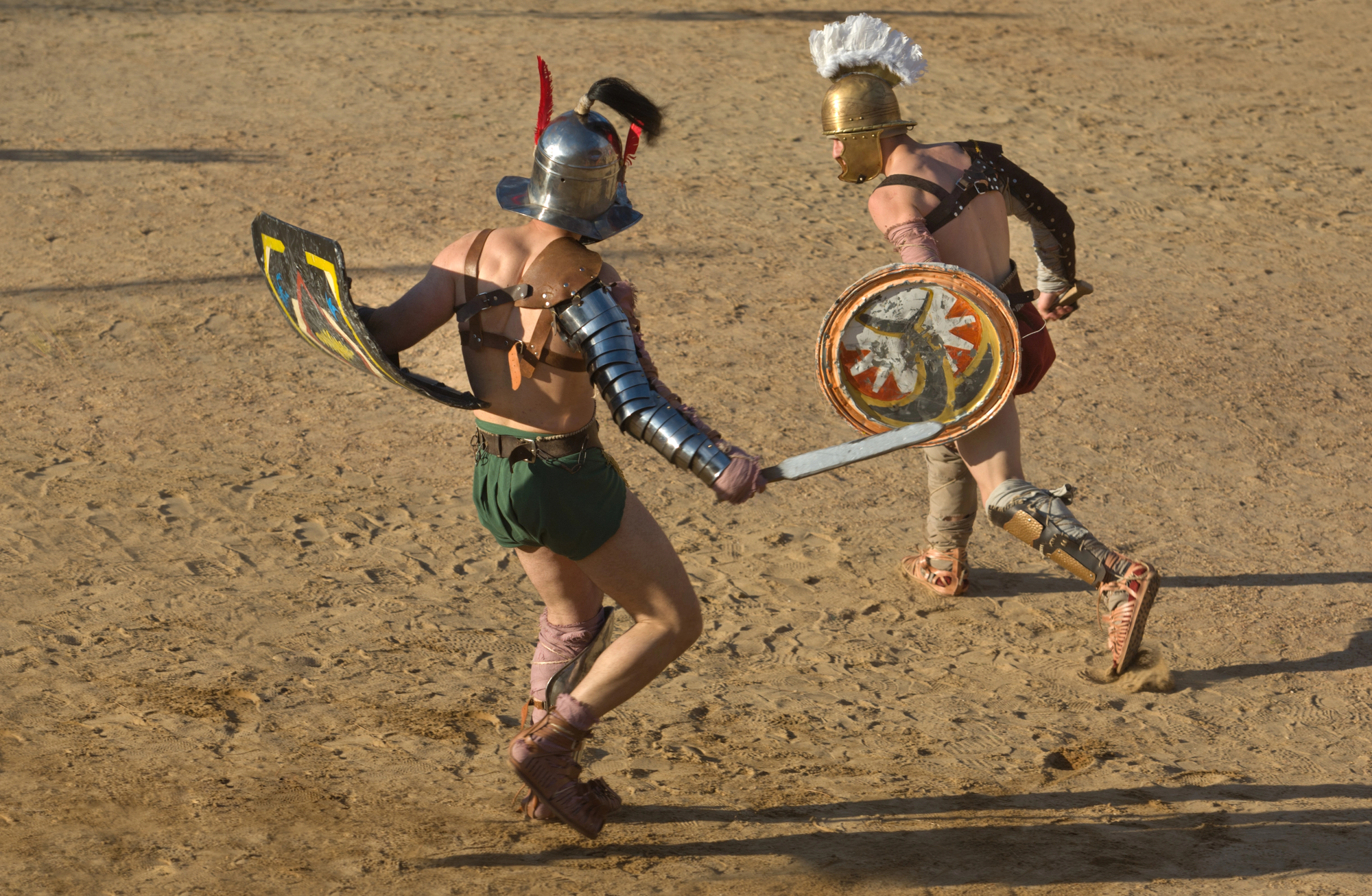
Despite what Hollywood shows you, gladiators usually survived their bouts. About nine out of ten gladiators walked away from their fights alive.
Owners had invested serious money in training these fighters, so ending their lives made zero financial sense. Fights advertised as ‘sine missione’ (without reprieve) were rare exceptions that got special billing.
They Fought Rarely Compared to the Spectacle
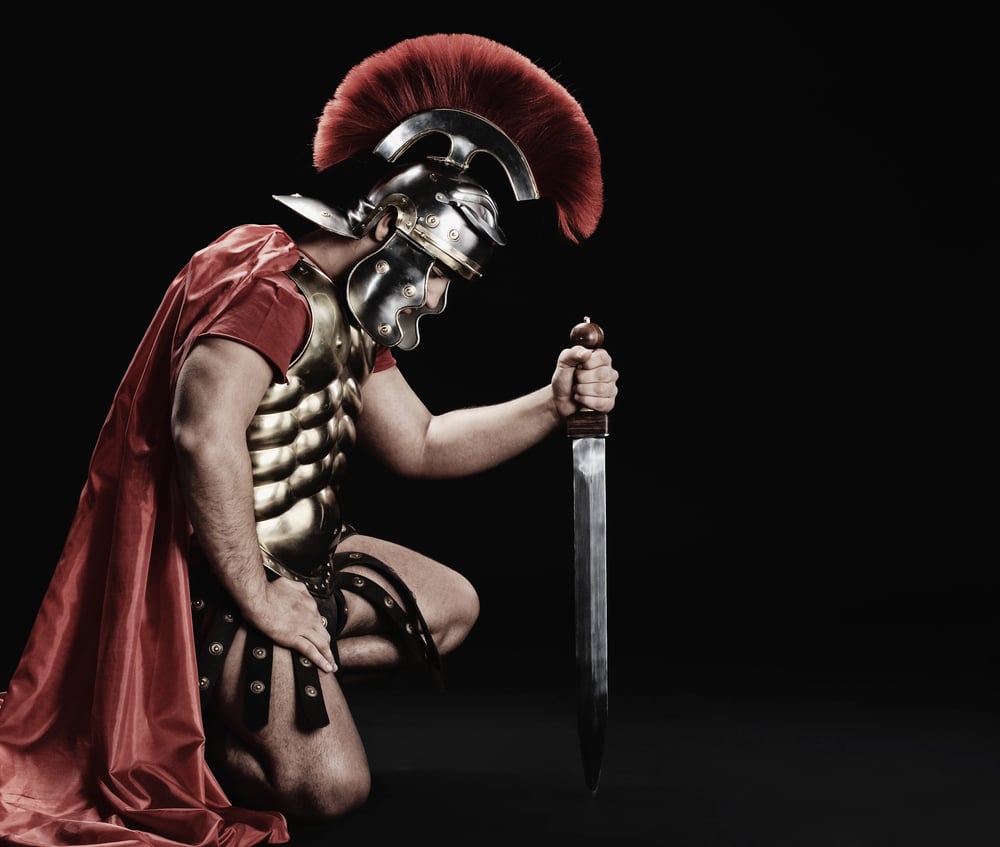
Many gladiators fought only a handful of times each year rather than constantly. Some sources suggest just two or three bouts annually for typical fighters.
Between these infrequent fights, they trained relentlessly and recovered from previous injuries. The rest of the time was spent in the barracks, following strict routines under their trainers’ watchful eyes.
They Had Top-Notch Medical Care
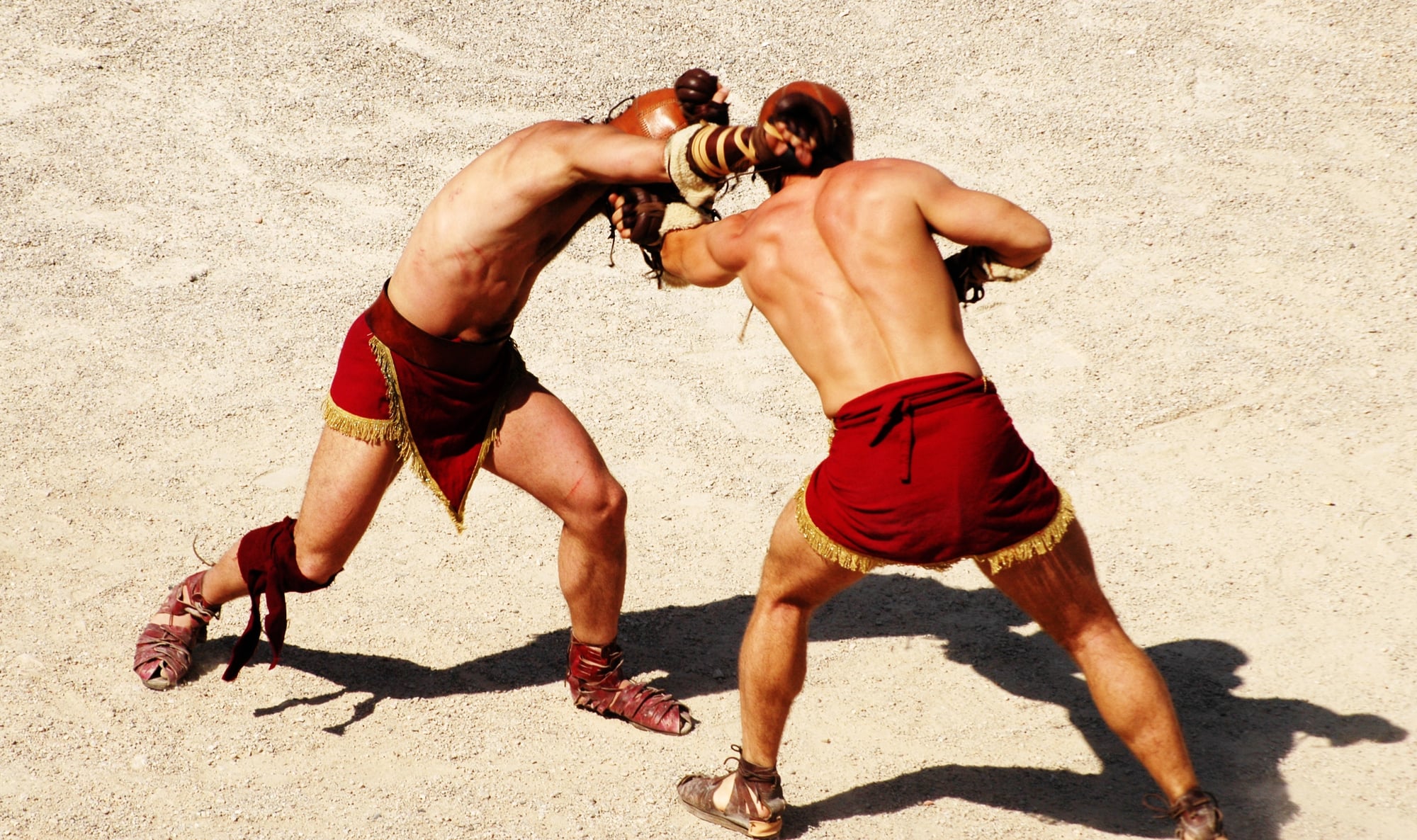
Gladiator schools employed skilled physicians who provided excellent treatment. The famous doctor Galen started his career treating gladiators in Pergamon and called their wounds ‘windows into the body’ because they taught him so much about anatomy.
He pioneered treatments like keeping wounds moist with wine-soaked linen and suturing deep muscle layers. Under his care, only five gladiators perished compared to sixty under his predecessor.
Graffiti Proved They Were Celebrities
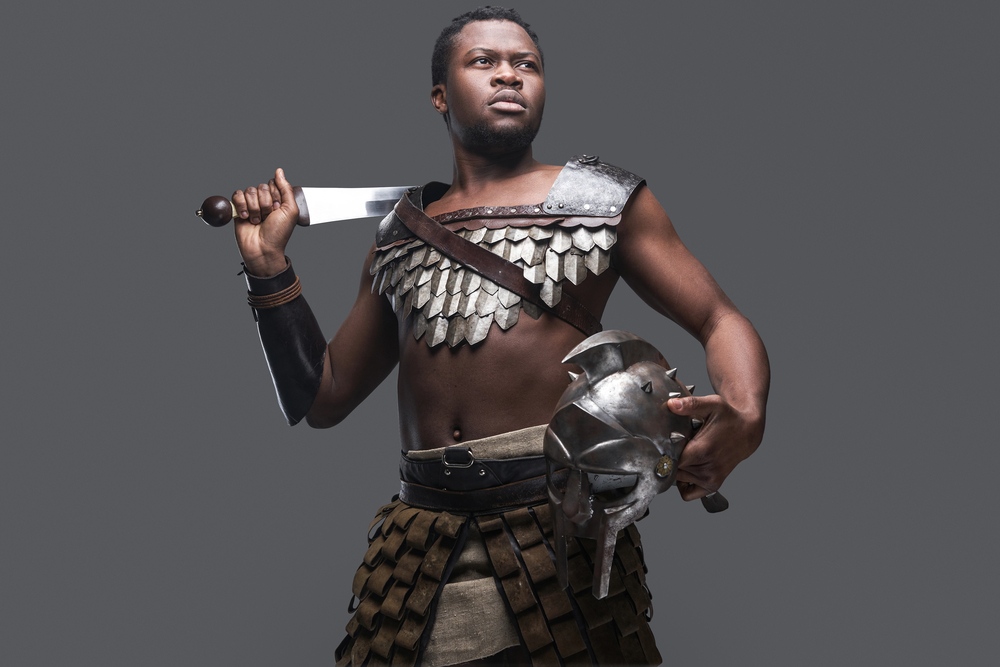
Ancient graffiti from Pompeii and other cities shows gladiators were legitimate celebrities. Fans scrawled fight results on walls, drew pictures of their favorites, and even bragged about which fighters were the handsomest.
One gladiator named Celadus the Thracian had graffiti proclaiming he was a heartthrob with the ladies. Their images appeared on oil lamps, pottery, and mosaics across the empire.
They Endorsed Products Like Modern Athletes
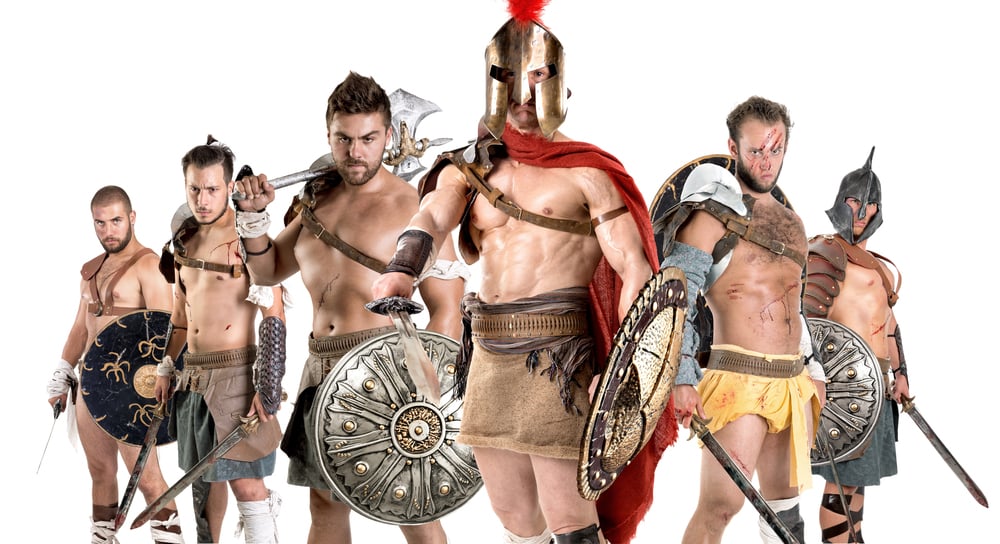
Successful gladiators did product endorsements, just like today’s sports stars. They promoted olive oil, wine, and other goods throughout Roman cities.
If a champion gladiator used your brand, people wanted to buy it. Romans understood influencer marketing long before Instagram existed.
Social Outcasts Despite the Fame
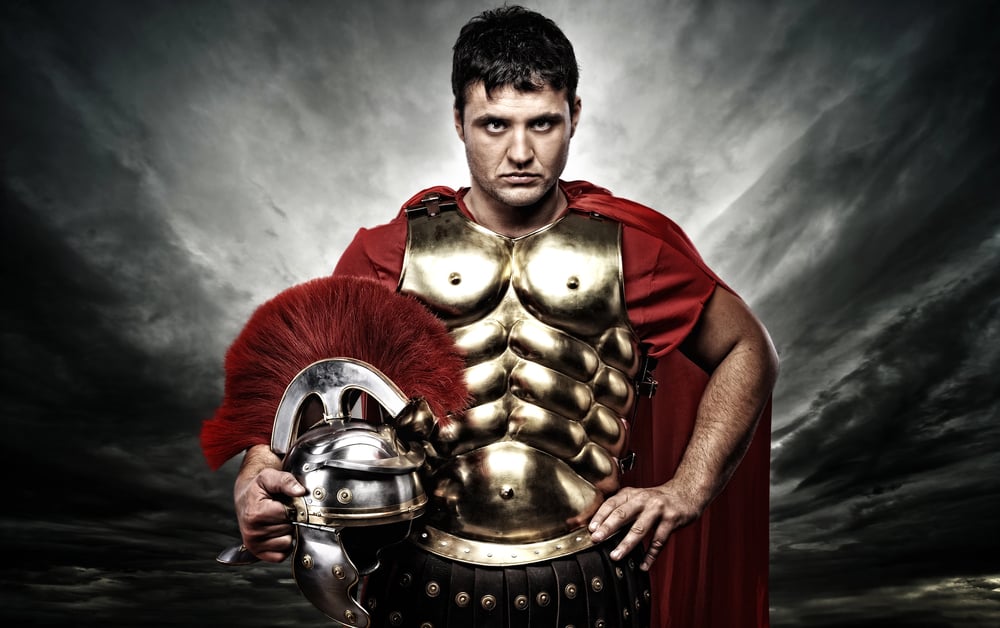
Here’s the contradiction: gladiators were both adored and despised. No matter how famous they became, they were classified as ‘infames,’ meaning dishonorable and without legal protections.
They ranked socially alongside actors and prostitutes. Even successful fighters who won their freedom carried that stigma for life.
They Received Professional Medical Treatment

Gladiator schools provided comprehensive medical care to protect their investments. Staff included physicians, medical assistants, and support personnel who treated injuries and helped fighters recover from brutal training.
The goal was keeping these expensive assets in fighting shape, so recovery protocols were sophisticated for the era. Think of it as ancient sports medicine.
Freedom Came With a Wooden Sword
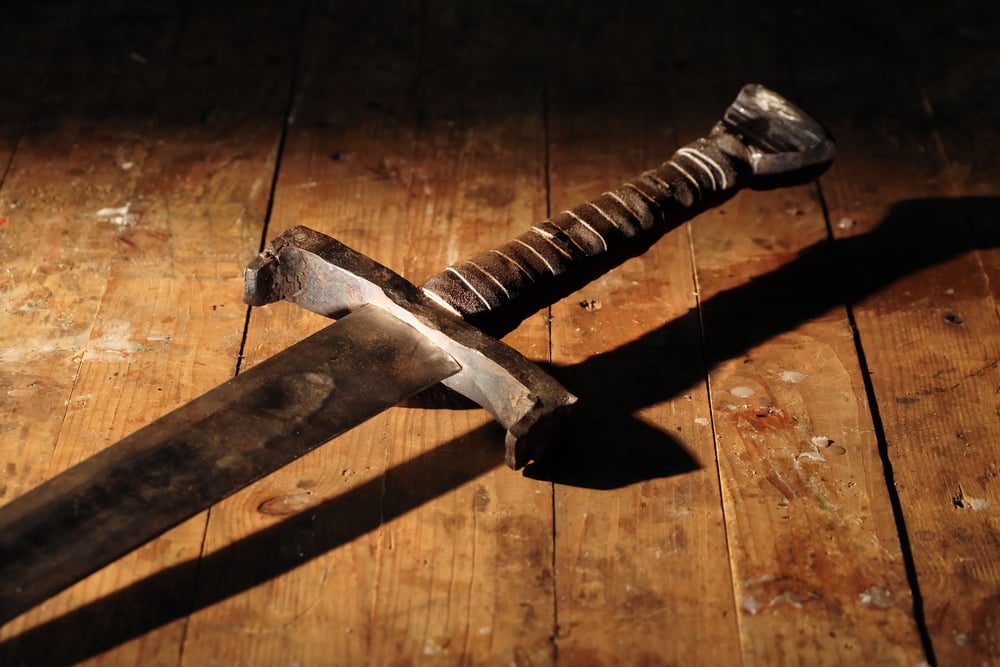
Some gladiators who distinguished themselves earned a ‘rudis,’ a ceremonial wooden sword that symbolized their manumission from the arena. This wasn’t automatic for everyone, but for those who received it, the rudis meant freedom.
One Syrian gladiator named Flamma was offered this prize four times during his 34-fight career but kept refusing because he loved the arena life too much.
Female Gladiators May Have Existed
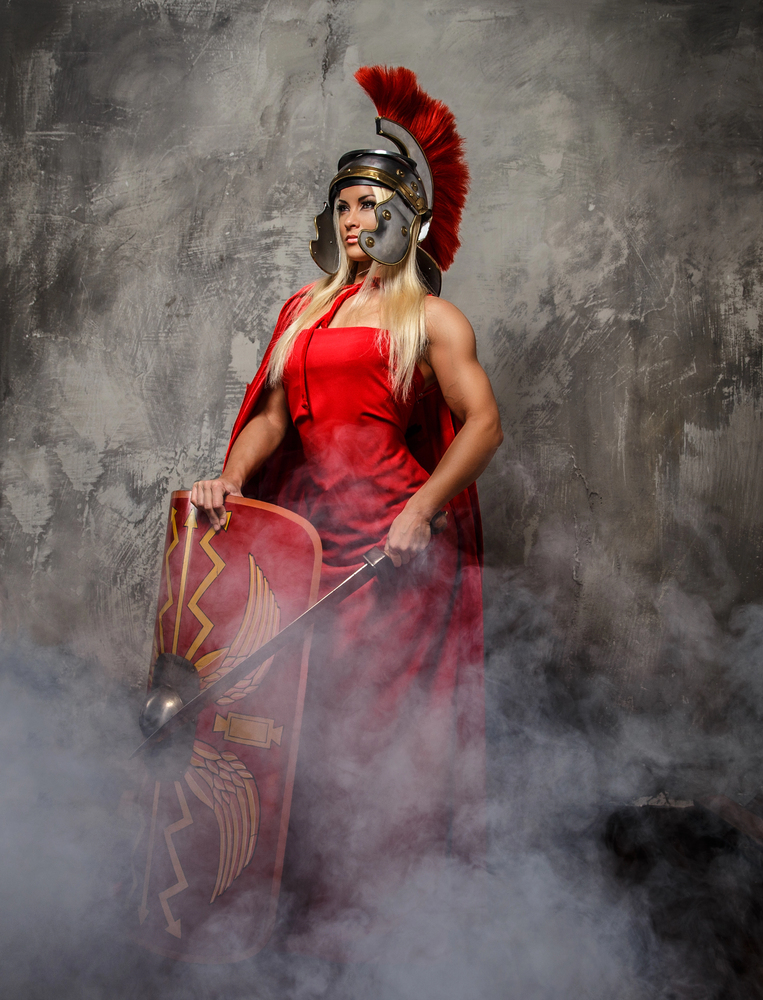
There’s some evidence that female fighters participated in arena combat, though they were rare and the historical record is incomplete. A marble relief from Turkey depicts two female gladiators named Amazon and Achilla, both heavily armed with shields and weapons.
Ancient texts mention female fighters, and Rome eventually created laws restricting women under 20 from arena games, which suggests the practice occurred even if it wasn’t common.
Life Expectancy Was Brutally Short
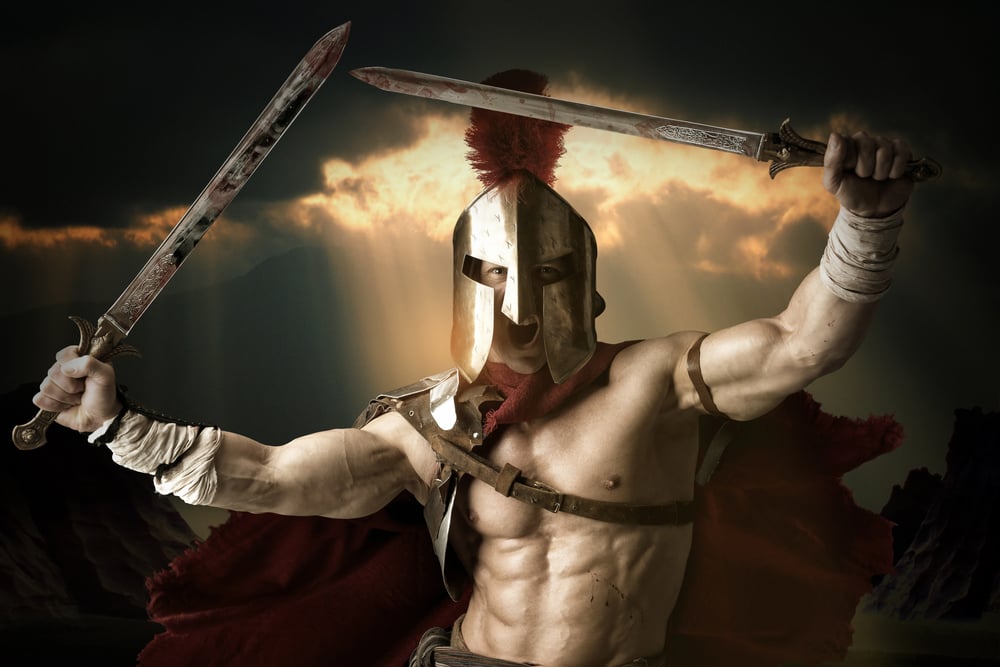
Life expectancy for gladiators was grim, with many perishing young. The accumulated injuries, infections, and sheer physical toll of training and combat meant the average fighter reached only his mid-twenties.
Surviving your early fights improved your odds considerably, but between the violence and the harsh conditions, long careers were uncommon.
Different Types Had Signature Styles
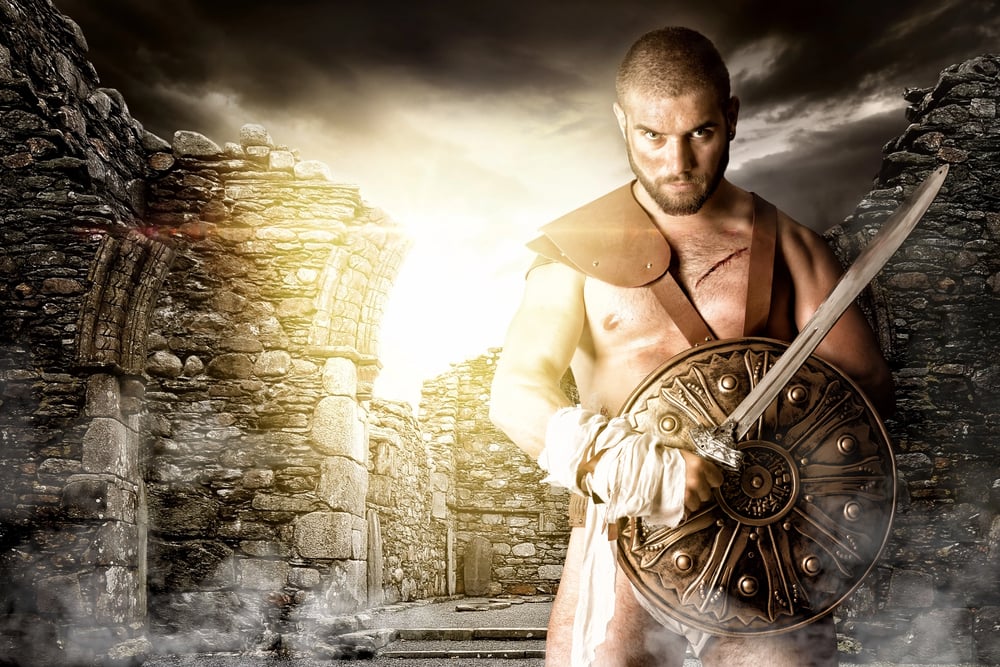
Gladiators weren’t all the same. The ‘retiarius’ fought with just a net and trident, while the ‘murmillo’ carried a big shield and sword.
The ‘dimachaerus’ wielded two swords at once, and the ‘equites’ entered on horseback. Each type had specific armor, weapons, and fighting techniques.
Fans had their favorites, and emperors often preferred certain styles over others.
They Formed Associations for Support
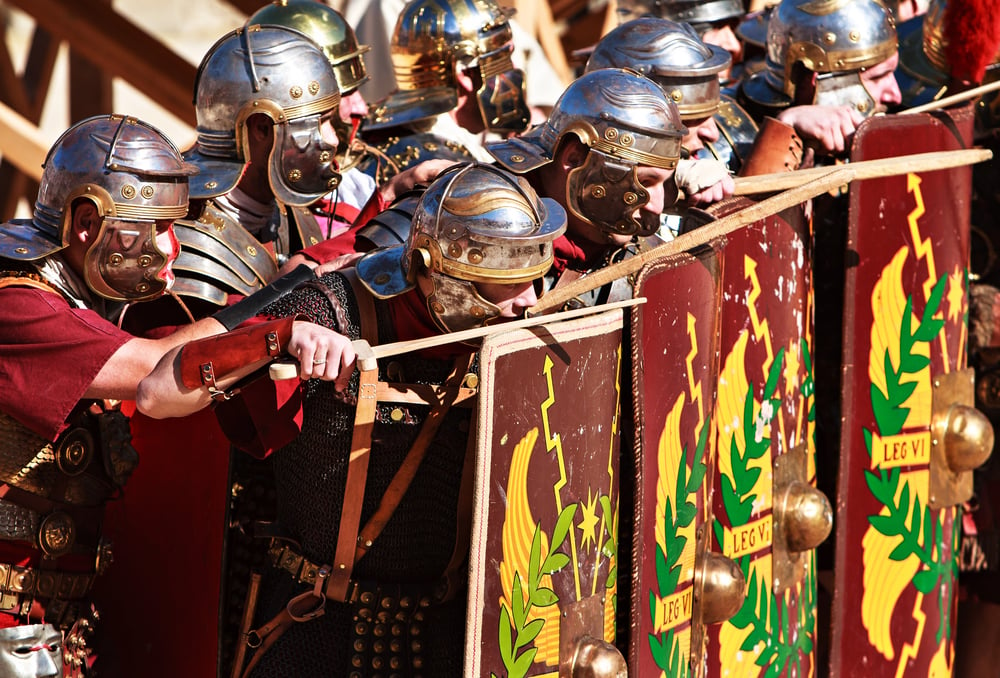
Despite competing against each other, gladiators created ‘collegia,’ associations that looked out for members. When a fighter fell in combat, the collegium ensured he got a proper funeral with an inscription honoring his achievements.
They even provided financial compensation to the deceased’s family. These brotherhoods formed strong bonds, even knowing members might face each other in the arena someday.
The Thumbs Signal Meant the Opposite

That famous thumbs-down for death might actually be backwards. Historical evidence suggests thumbs-up could have meant death, while thumbs-down or a clenched fist with two fingers extended signaled mercy.
The exact meanings are still debated, but Hollywood definitely got it wrong. The decision ultimately rested with whoever sponsored the games or the emperor if he was present.
Gladiator Schools Were Like Military Camps
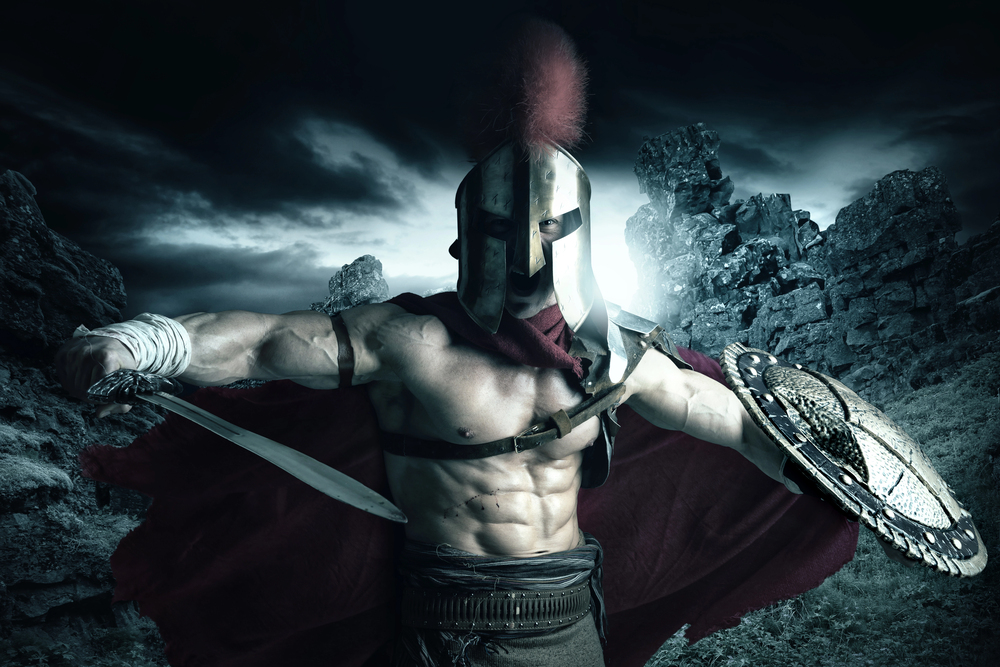
The ‘ludus’ where gladiators lived and trained was run by a ‘lanista,’ often a former gladiator himself. These schools housed several hundred fighters in barracks with strict discipline and rigid schedules.
Think of them as a combination gym, prison, and military academy. The three major schools, especially the one at Capua, produced the highest quality fighters and charged premium prices.
Volunteers Joined for Money and Glory
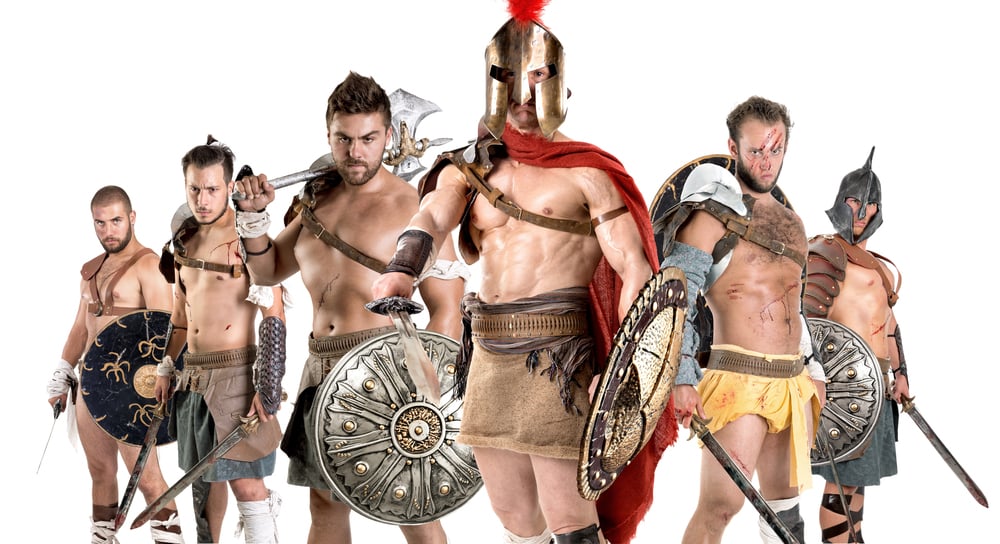
Not every gladiator was a slave or prisoner. Some free men voluntarily signed up to fight, usually because they were drowning in debt or craving fame.
These volunteers came from the lower classes, though occasionally bankrupt aristocrats joined too, which scandalized Roman society. Once they signed up, though, free or not, they all became ‘infames’ and lost their social standing.
When Entertainment Shaped Medicine
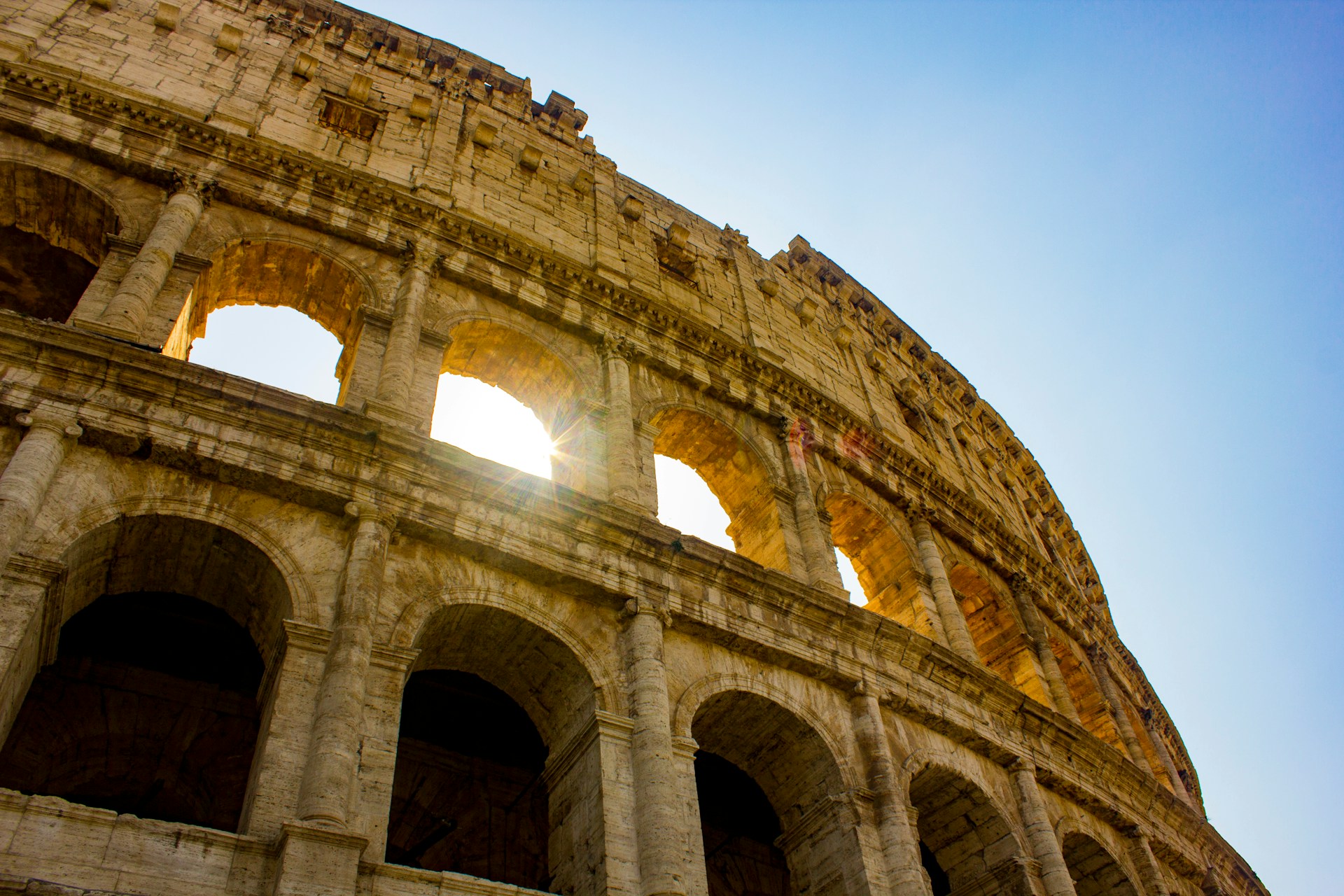
Romans were not the only ones entertained by the gladiator phenomenon. These warriors were the focus of medical research that shaped healthcare for more than a millennium.
Their everyday existence blended social shame with enormous fame, ruthless violence with advanced medical treatment, and tremendous adversity with unexpected privileges. They developed fan bases that displayed their names on city walls, trained in institutions that looked like both prisons and prestigious athletic academies, and consumed purposefully fattening diets that would be criticized by contemporary nutritionists.
Romans valued spectacle over human dignity and made significant investments to keep their entertainers alive, as demonstrated by the paradox of the gladiator. Celebrated yet stigmatized, pampered yet expendable.
More from Go2Tutors!

- The Romanov Crown Jewels and Their Tragic Fate
- 17 Halloween Costumes Once Considered Taboo
- Famous Hoaxes That Fooled the World for Years
- 15 Child Stars with Tragic Adult Lives
- 16 Famous Jewelry Pieces in History
Like Go2Tutors’s content? Follow us on MSN.



