15 Phone Booths with Fascinating Histories
Phone booths once dotted street corners like urban landmarks, connecting people across distances when making a call meant stepping into a glass box. These little communication stations witnessed countless conversations, from urgent business calls to whispered sweet nothings.
While most have vanished with the rise of cell phones, some phone booths earned their place in history through remarkable stories that went far beyond simple phone calls.Here is a list of 15 phone booths that captured the world’s attention through their unique histories, cultural impact, and unexpected fame.
The Mojave Phone Booth
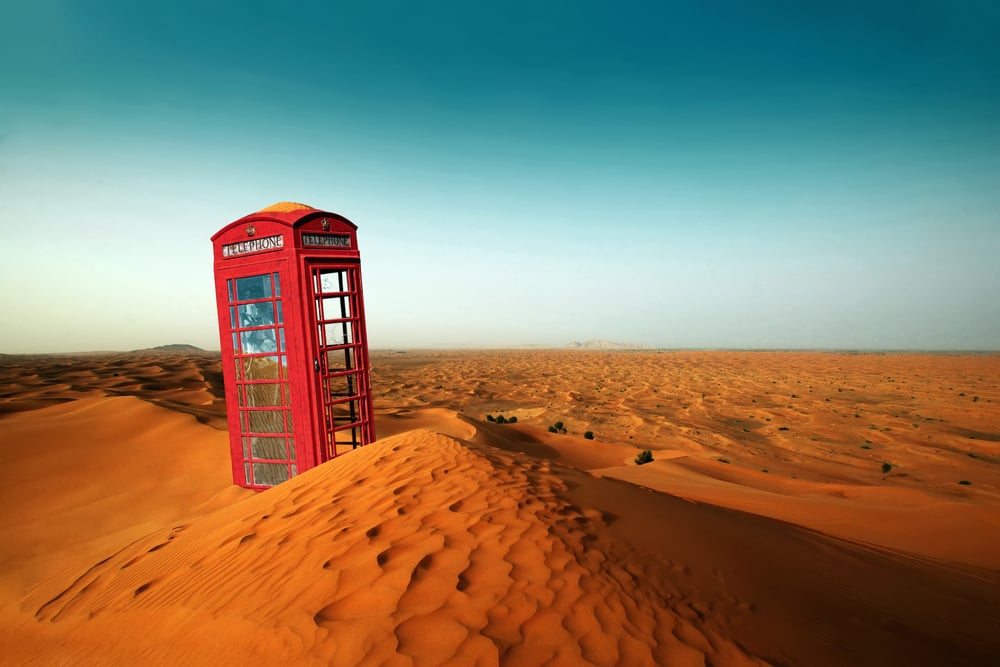
Standing alone in California’s Mojave Desert, 12 miles from the nearest paved road, this booth became an internet sensation in 1997 when a Los Angeles man discovered it on a map and shared its number online. The booth was originally installed in 1948 to serve local volcanic cinder miners, but by the late 1990s it had found a second life as a desert curiosity.
People would drive hours into the desert just to answer calls from strangers around the world who had discovered the booth’s number (760-733-9969) online. The National Park Service removed it in May 2000 due to environmental concerns, but its legend lives on.
Superman’s Phone Booth Origin
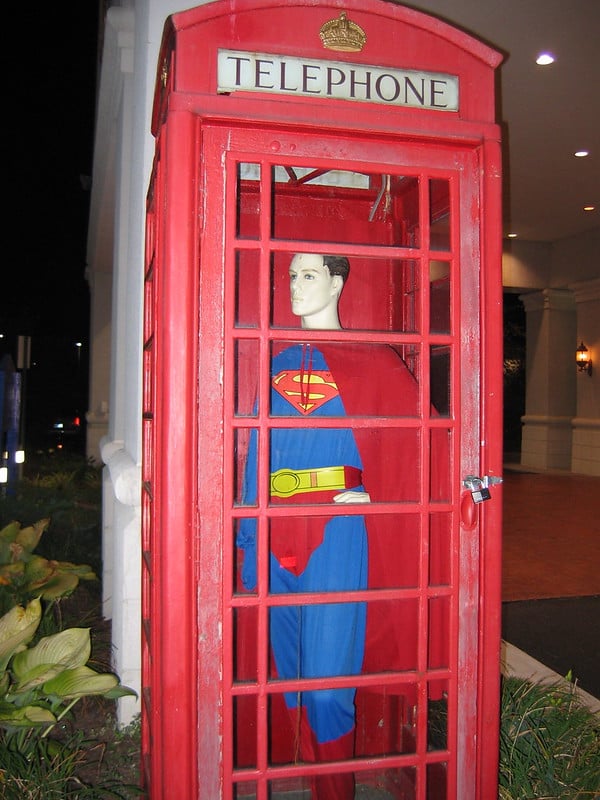
The iconic image of Clark Kent changing into Superman in a phone booth actually originated from the 1941 Fleischer Studios cartoon ‘The Mechanical Monsters.’ This single usage in the popular cartoons was enough to cement the idea in popular culture, despite Superman rarely using phone booths in the actual comic books.
When J. Siegel finally had Clark Kent change in a phone booth in a 1942 comic strip, he even had Superman complain that it was annoyingly cramped and not ideal for a costume change. This phone booth connection became so embedded in pop culture that the 1978 Superman movie made a joke about modern phone booths being too small.
The TARDIS Police Box
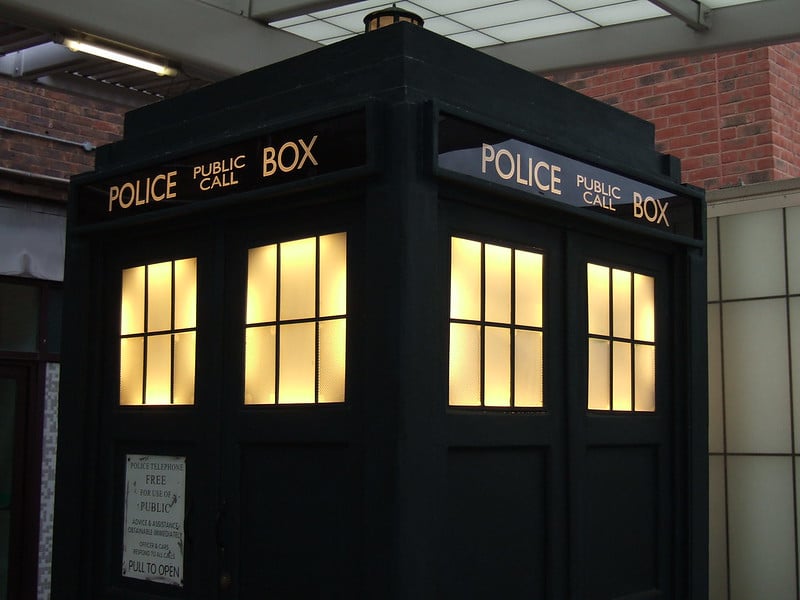
The Doctor’s time machine in Doctor Who takes the form of a 1960s London police box due to a malfunction in its chameleon circuit. Real police boxes were blue public telephone kiosks used throughout Britain from the 1920s to 1970s, containing equipment like incident books, fire extinguishers, and first aid kits.
The BBC’s use of this design was so successful that in 1998, the Metropolitan Police objected to the BBC’s trademark claim, but the BBC won the rights in 2002. Today, only one original police box remains in London, standing outside Earls Court underground station.
The First Phone Booth in Berlin
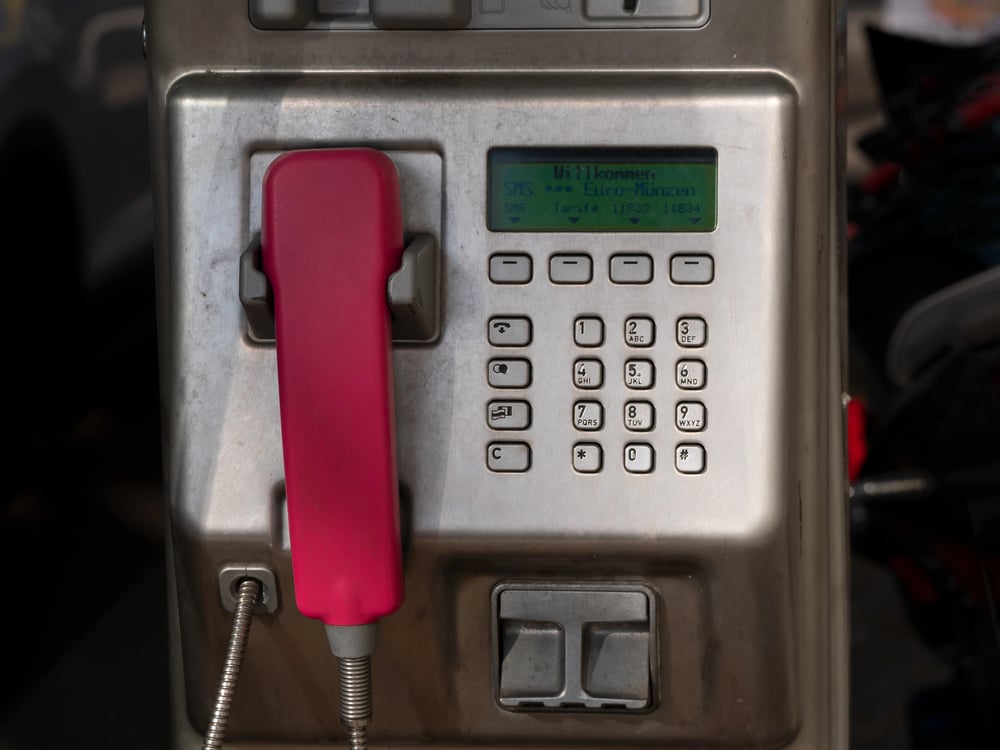
The world’s first telephone box, called the ‘Fernsprech Kiosk,’ opened on January 12, 1881, at Potsdamer Platz in Berlin, Germany. This innovative kiosk required users to purchase paper tickets to access a few minutes of talk time, establishing the pay-per-use model that would define public telephony.
The Berlin booth represented a major leap forward in public communication, setting the template that phone booths worldwide would follow for the next century.
The First Coin-Operated Phone Booth
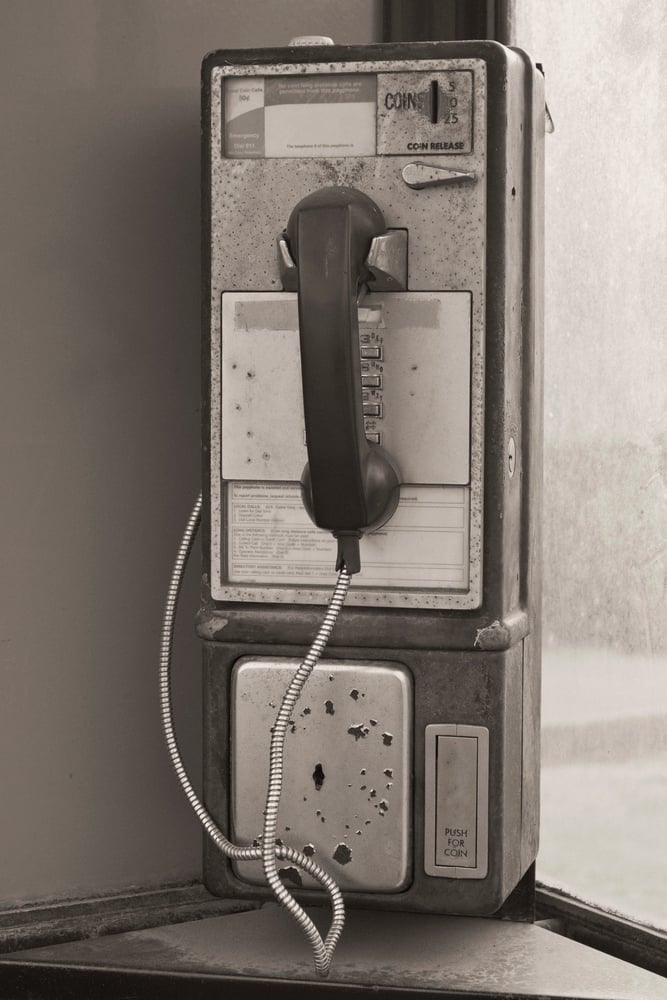
William Gray installed the first coin-operated public telephone in a bank in Hartford, Connecticut, in 1889, creating the first machine that collected payment without an attendant. Gray came up with the idea in 1888 when his wife was ill and he needed to call a doctor but couldn’t access a phone without a subscription.
This invention marked a turning point that made public telephony accessible to everyone, not just the wealthy.
The Prairie Grove Phone Booth
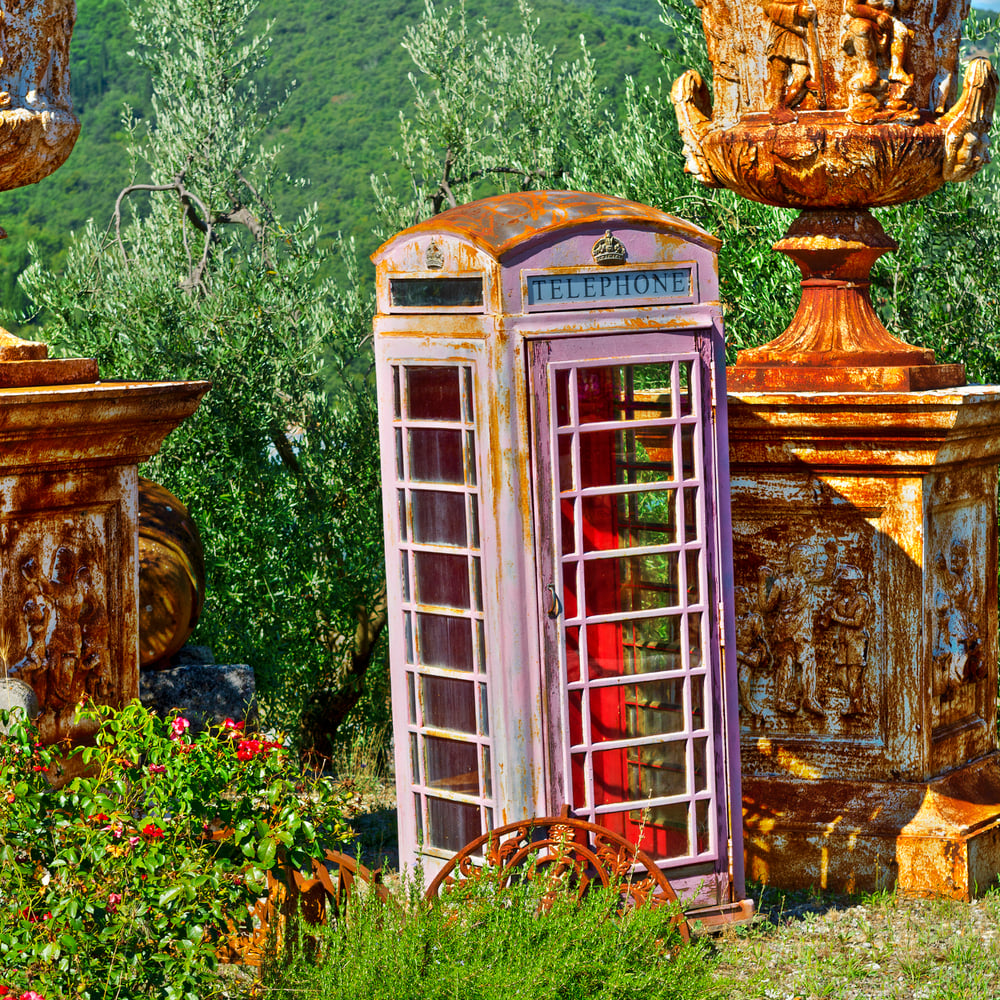
A working pay phone along a rural highway in Prairie Grove, Arkansas, became the first phone booth ever placed on the National Register of Historic Places in 2015. The National Park Service initially wasn’t sure it belonged on the historic register, requiring the Arkansas Historic Preservation Program to resubmit the application emphasizing its design significance from the 1950s and rarity.
This recognition highlighted how quickly phone booths had transformed from commonplace fixtures to historical artifacts.
The Wooden Connecticut Booth
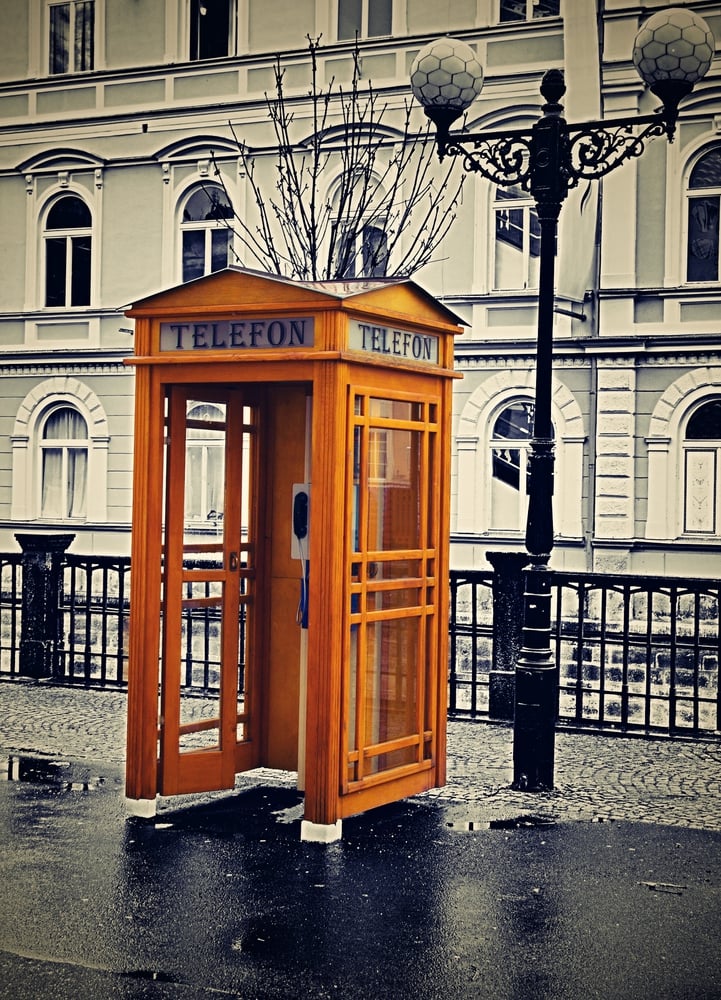
In 1878, Thomas Doolittle created what might be the first combination public payphone and phone booth by repurposing a telegraph wire between Black Rock and Bridgeport, Connecticut, and placing telephones in small wooden booths on each end. People paid 15 cents (equivalent to about $4.50 today) to make a call with an attendant present to collect money.
These wooden structures provided privacy for callers and established the basic design concept that would evolve into modern phone booths.
British Red Phone Box Innovations
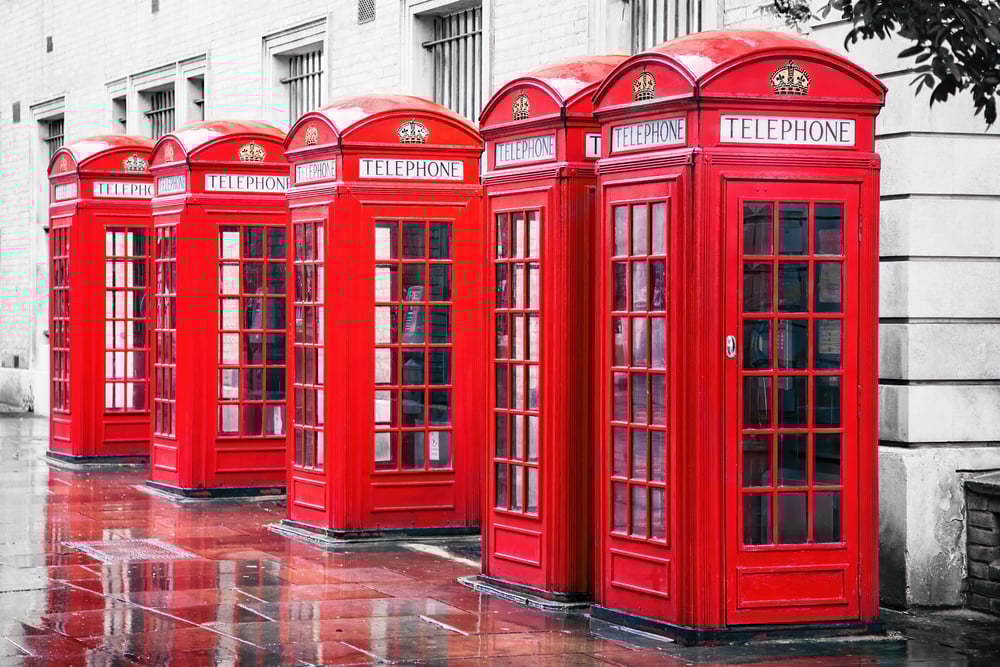
Sir Giles Gilbert Scott designed the iconic British red telephone box, with the K2 model introduced in 1926 and the refined K6 model in 1936. The unusual K4 model from 1927 incorporated a post box and stamp-buying machines on the exterior, but only 50 were built because the noise from the stamp machines disturbed phone users, and stamps got damp and stuck together in wet weather.
Ten K4 booths survive today, with four still in public use.
The Indiana University Hidden Stories Booth
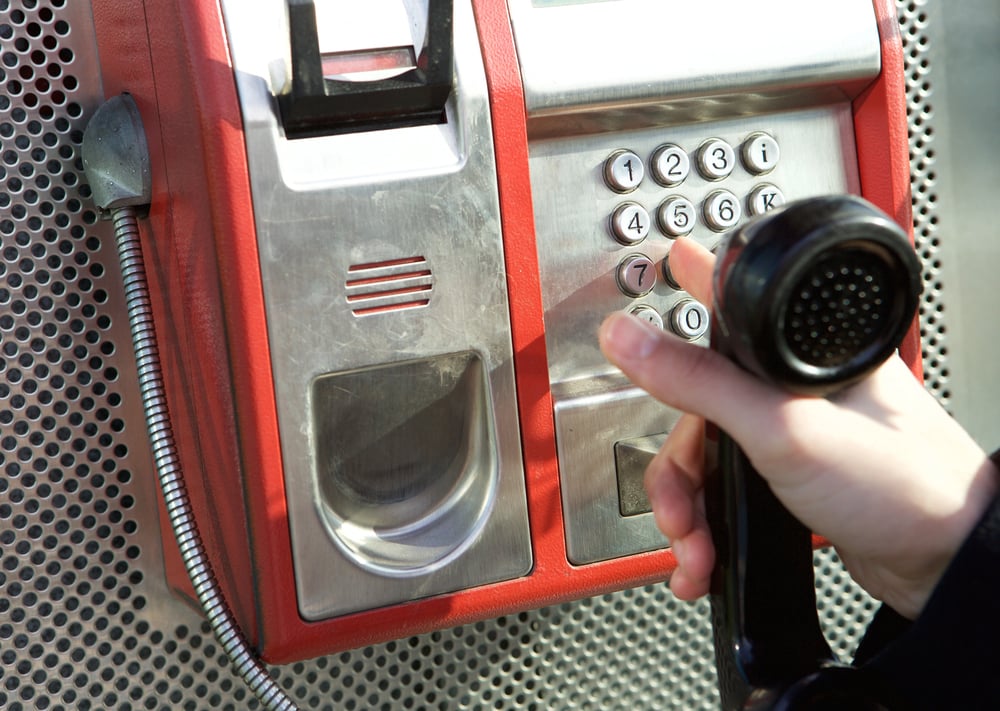
Five phone booths installed in 1959 at Indiana University’s Memorial Union were repurposed in 2019 for the ‘Hidden Hoosiers’ exhibition, featuring untold stories of university figures. Students recorded three-minute voiceovers from the perspective of people like Helen Whitfield, who served over 100,000 people in one year as IMU Food Department manager from 1942 to 1948.
This creative reuse showed how historic phone booths could become storytelling devices connecting past and present.
Glasgow’s Red Phone Boxes
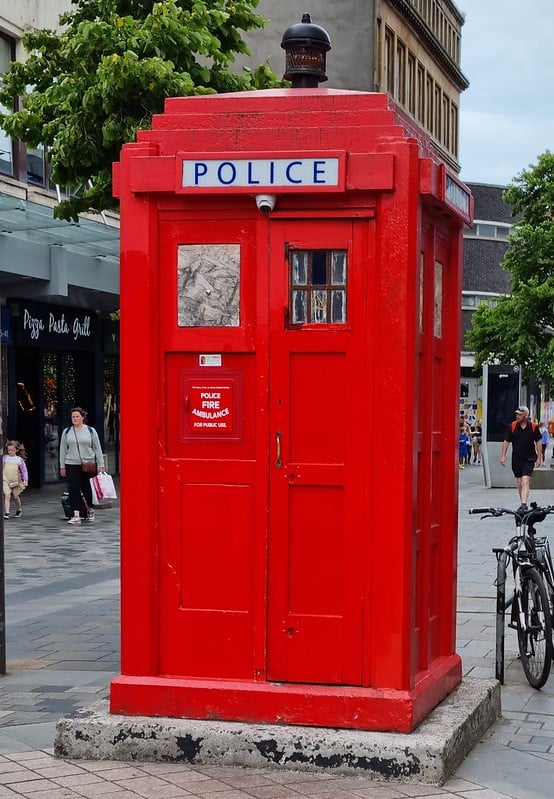
Glasgow’s phone boxes were originally red instead of blue until the late 1960s, when the popularity of Doctor Who prompted a change to blue to match the TARDIS. The first public police telephones in Britain actually appeared in Glasgow in 1891 as tall, hexagonal, cast-iron boxes painted red with large gas lanterns on the roof.
In 1994, Strathclyde Police planned to scrap the remaining Glasgow police boxes, but intervention by preservation trusts saved some as part of Glasgow’s architectural heritage.
Eastbourne’s Ice Cream Phone Box
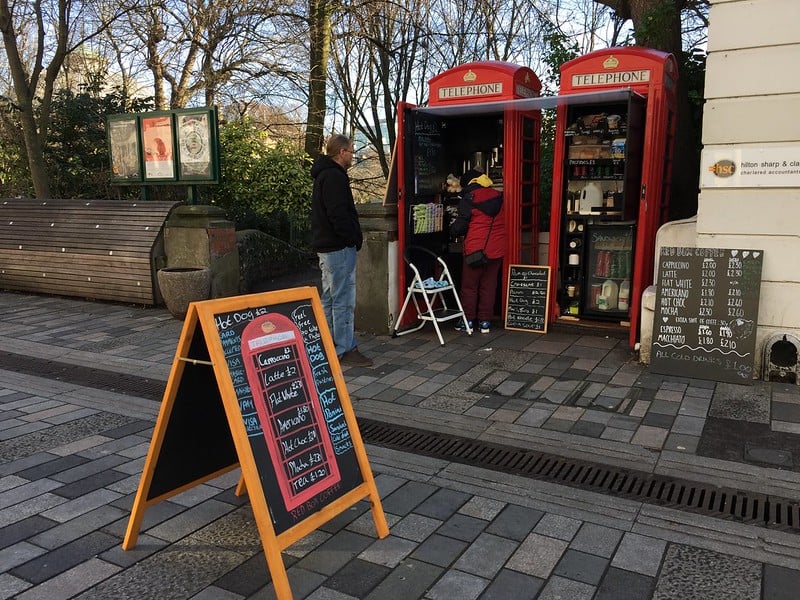
A phone box in Eastbourne was converted into ‘Red Box Coffee,’ fitted with a hot dog machine, ice cream machine, and tea and coffee facilities, providing everything needed for a family beach day in one compact booth. This creative transformation near Eastbourne Pier demonstrates how old phone booths found new life serving different community needs while maintaining their iconic appearance.
Virgin Islands Beach Shower Box
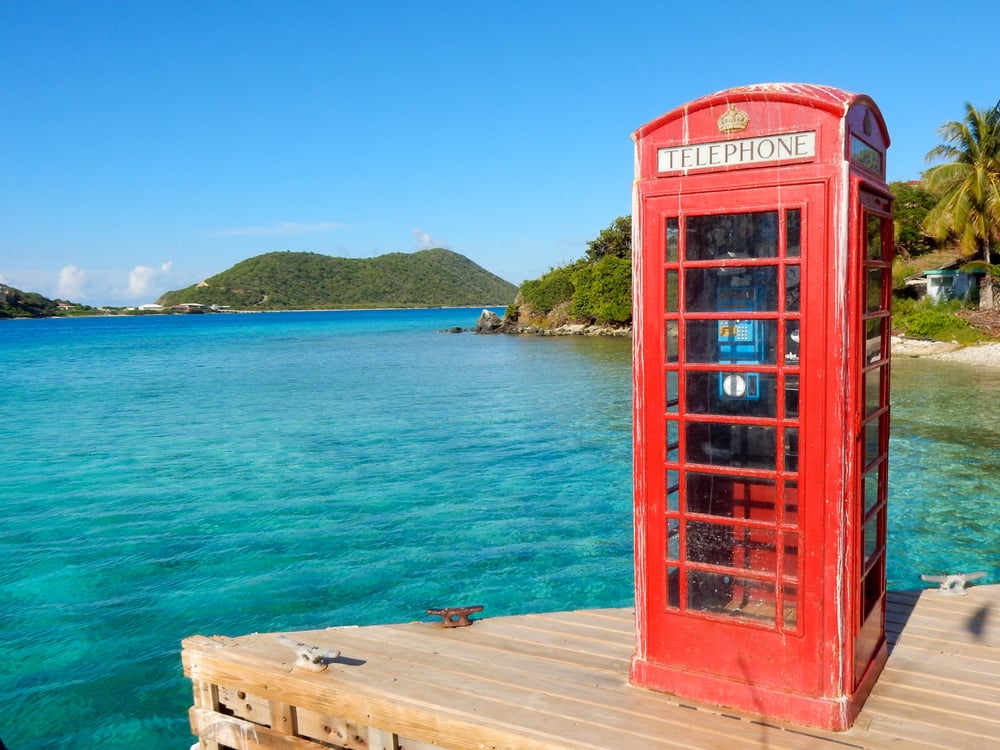
At Virgin Gorda in Leverick Bay in the British Virgin Islands, a phone box stands on a small pier and has been converted into a working beach shower. This tropical phone booth repurposing shows how these British icons spread throughout the Commonwealth and adapted to local needs in unexpected ways.
The Titchmarsh TARDIS
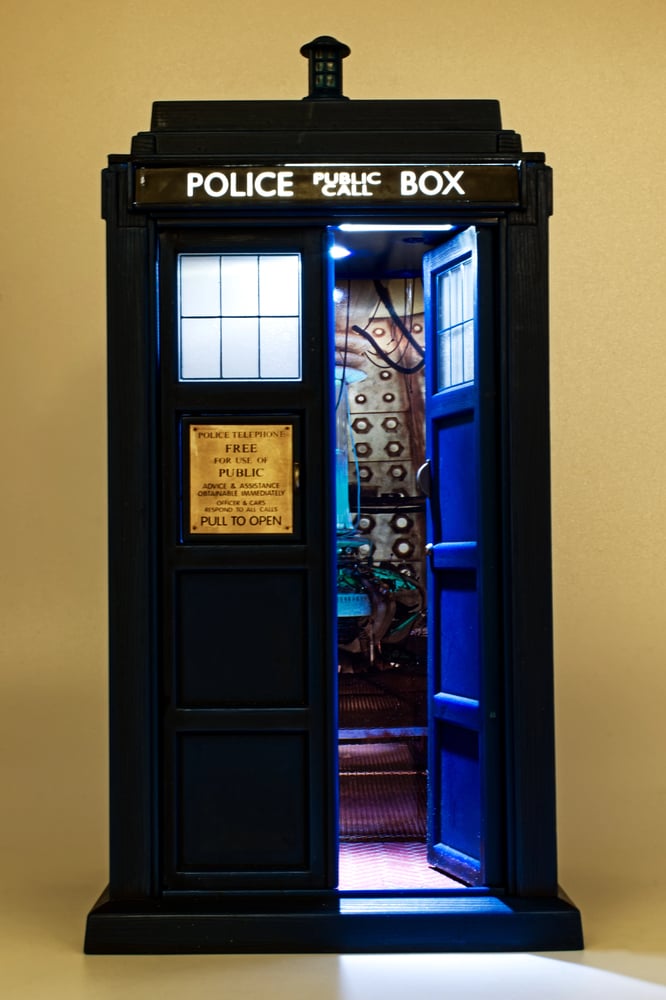
In 2013, residents John Gaskin and Liz Townson transformed an old red phone box in Titchmarsh into a TARDIS replica. Unfortunately, it’s not a working TARDIS, but it hasn’t stopped locals from having their imagination captured by the structure.
This transformation represents how phone booths became canvases for fan creativity and community art projects.
Phone Boxes as Defibrillator Stations
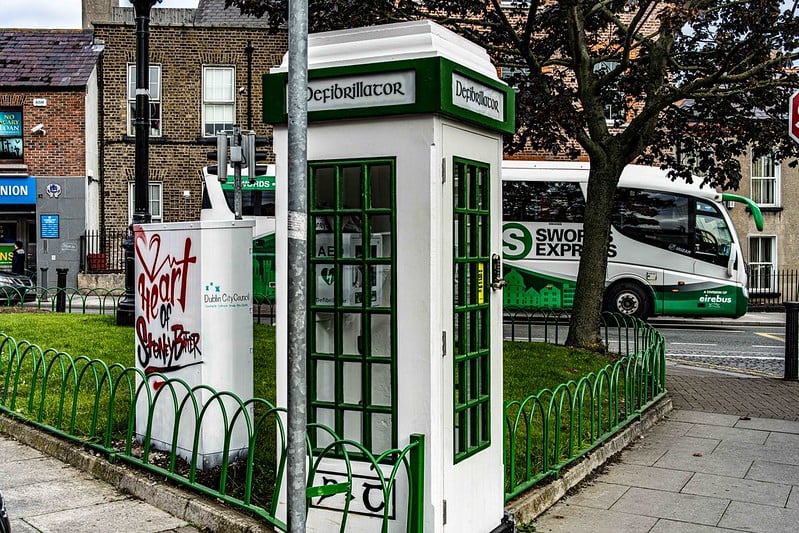
Over 6,000 British red phone boxes have been converted to community libraries, to house public defibrillators, and for other purposes, available for purchase by organizations for just £1. These life-saving conversions, with defibrillators installed inside the iconic red boxes, ensure that even non-functional phone booths continue serving their communities in emergencies.
The transformation from communication device to medical emergency station shows the adaptability of these sturdy structures.
The Last London Police Box
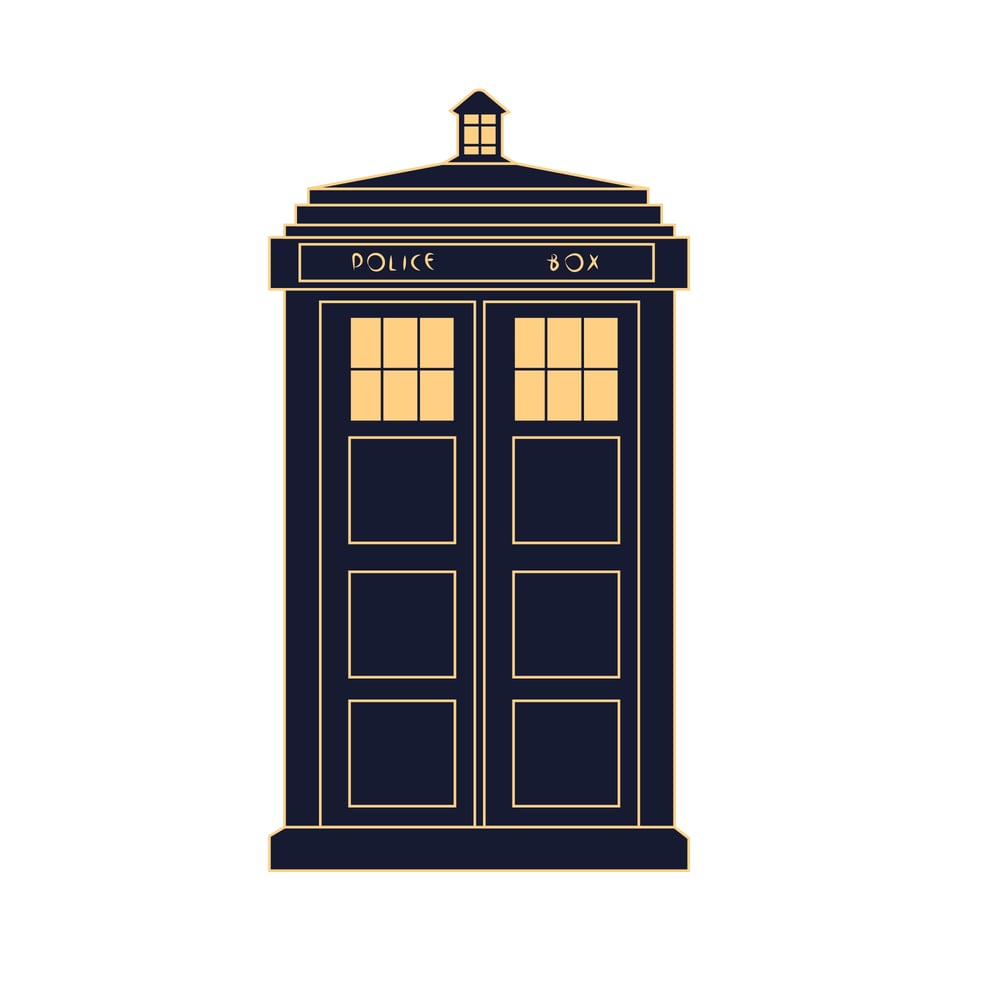
London’s last remaining police box was installed at Earls Court underground station in April 1996, equipped with CCTV cameras and a telephone to contact police. The phone line was discontinued in 2000 and the CCTV camera is no longer operational, but it was restored by the Met police in 2005 and today serves as a pilgrimage site for Doctor Who fans.
This lone survivor represents the end of an era when these blue boxes were essential communication links between police and the public.
From Communication Towers to Cultural Icons
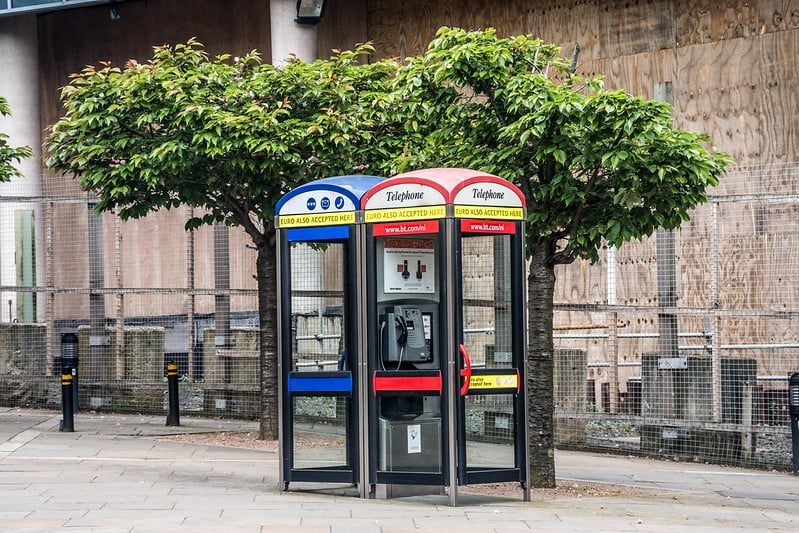
These 15 phone booths represent more than just telecommunication history. They’ve become time capsules that captured our collective imagination, from desert mysteries to superhero origins, from police work to science fiction adventures.
Each booth tells a story of human connection, technological change, and cultural evolution. Today, as we carry powerful computers in our pockets, these glass and metal monuments remind us of a time when making a call required stepping into a shared public space and closing the door on the world outside.
More from Go2Tutors!

- The Romanov Crown Jewels and Their Tragic Fate
- 13 Historical Mysteries That Science Still Can’t Solve
- Famous Hoaxes That Fooled the World for Years
- 15 Child Stars with Tragic Adult Lives
- 16 Famous Jewelry Pieces in History
Like Go2Tutors’s content? Follow us on MSN.



