Surprising Details About the Nation Of Iceland

Snow-capped peaks rise where lava once flowed, showing a land built by fire and ice. Not far off, water steams from cracks in volcanic rock – nature’s own bathhouse, warm under gray skies.
Fewer than half a million live here, yet stories stretch wide, told through rugged cliffs and silent fjords. Streetlights glow at midnight, though towns stay quiet, safe in a way few expect.
Look closer, and the impossible feels ordinary – glaciers tower beside black sand shores, rivers cut through mossy craters. No magic needed, just time, wind, and earth doing what they do best.
This island does not try to impress; it simply exists, stark and true. Frozen landscapes shift under midnight sunbeams, revealing odd truths about this island.
Curious facts wait just beneath its volcanic soil – each one reshaping how you might picture the place.
A Country With No Mosquitoes

Not many spots on the planet are free from mosquitoes – Iceland happens to be one. Rapid changes in weather might explain why they never stick around here, according to researchers.
That kind of climate chaos stops them from settling in or multiplying. People used to swatting bugs all season long would find this place strange, maybe even peaceful.
Wrong They Called It, By Choice The Vikings Did
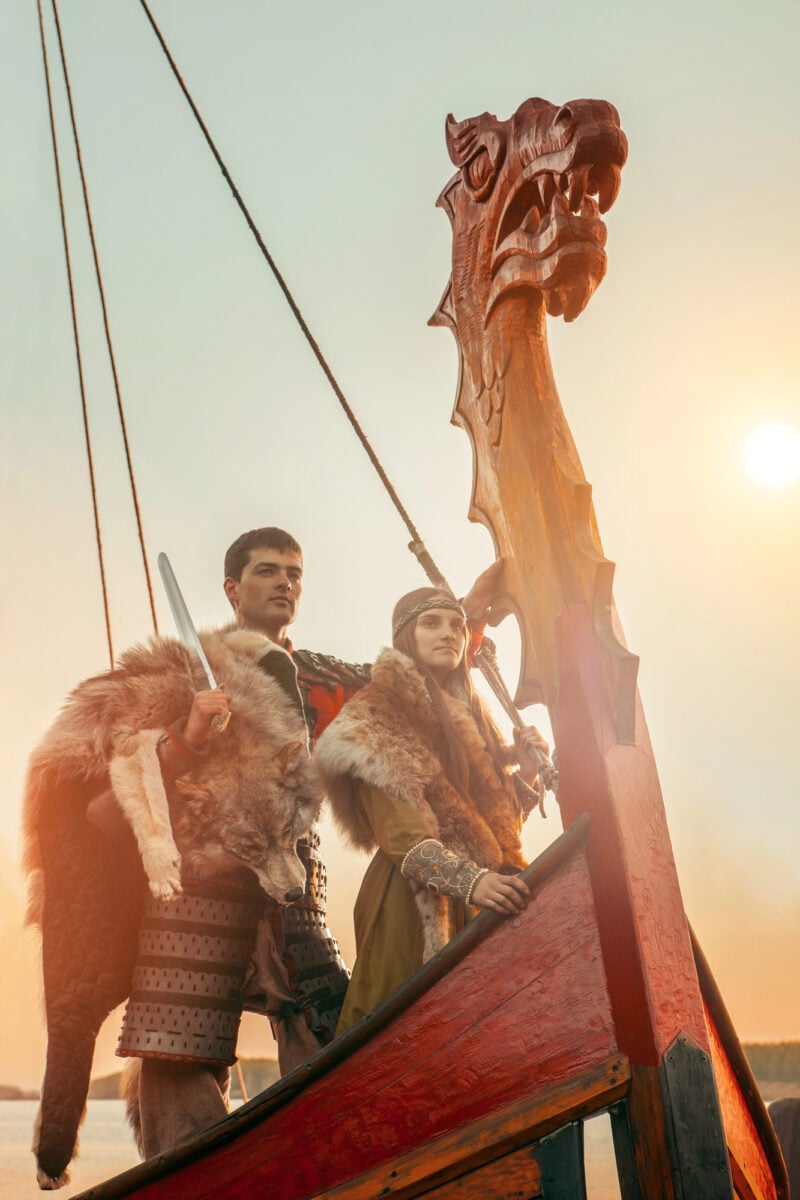
Ice on his sails, the Norse sailor Hrafna-Flóki Vilgerðarson called the island Iceland – some experts say that was no accident. To scare off newcomers, he may have leaned into the frosty image on purpose.
Across the sea, a place buried under glaciers ended up named Greenland, of all things. Because brighter names pulled people in, even if the truth was flipped.
No Surnames Here
A kid in Iceland usually gets part of their dad’s first name – or now and then their mom’s – stuck to “son” or “dóttir,” depending on whether they are male or female. Names shift based on parentage, not handed-down family labels like elsewhere.
Picture one brother ending in “-son,” his sister carrying “-dóttir,” both branching off the same given name. What sticks is connection, not inheritance.
A Place Where Lawmakers Have Gathered For More Than A Thousand Years

Way back in 930 AD, Iceland set up a gathering called the Althing – now seen as one of Earth’s longest-running law-making groups. Held outdoors at first, Viking leaders came together there to sort out arguments while shaping rules.
Over time, that old custom stuck around; these days, lawmakers meet in Reykjavík under the same name.
No Standing Army
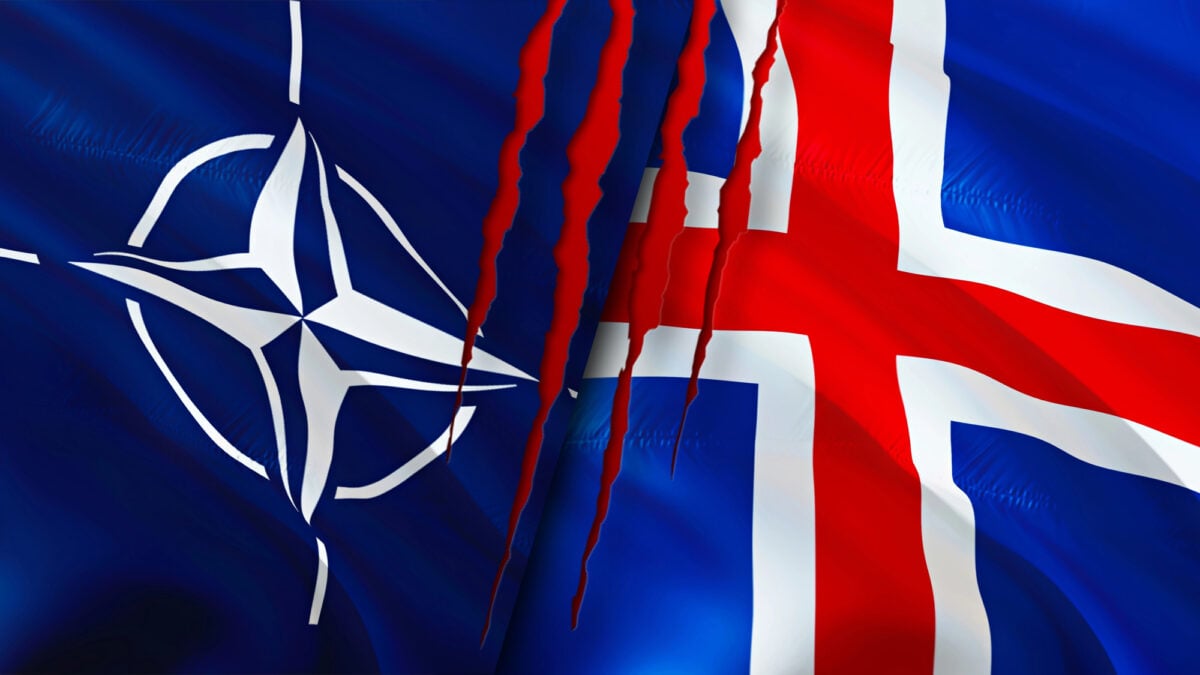
Peace comes easily to Iceland. Its skies stay quiet without an army, navy, or air force.
Protection arrives through alliances instead – NATO steps in where soldiers do not. A handful of patrol boats watch the shoreline.
Year after year, peace rankings place this island near the top. Long stretches of calm have made that normal.
Quiet strength lives here, even without uniforms marching.
Midnight Light Lingers When June Tilts The Sky. Daylight Stretches, Held By High Northern Curves. Evening Fades – Then Hesitates, Caught In A Loop. Horizons Glow Without Closing. Summer Steals Darkness Like A Slow Thief

Midnight feels like morning when the sun just refuses to leave the sky across Iceland. By late June, entire days pass without true darkness in certain areas.
Sunlight pours into rooms at two in the morning, startling travelers who forget how clocks work.
Geothermal Energy Powers Almost Everything

Underground heat warms roughly eight out of ten Icelandic households. Sitting above intense volcanic activity gives access to natural hot water reserves below the surface.
Because of this setup, power bills stay small while emissions drop sharply across the nation. Few places match its level of green energy output thanks to what lies beneath its feet.
Most People Share Some Family Ties Without Even Knowing It

With only about 370,000 folks living there, Iceland makes it likely that any pair of locals might have distant ties. Since connections run deep, many turn to a tool named ‘Íslendingabók’ – a digital record tracking lineage across generations.
This system lets users see shared roots before relationships grow serious. A whole country linked like branches on one sprawling tree.
Horses Brought Over 1,000 Years Ago

One thousand years without change – that’s how long the Icelandic horse has remained untouched by outside bloodlines. Because of tough rules in Iceland, bringing in another breed is flat-out forbidden.
Once one of these horses steps off the island, coming back isn’t allowed under any condition. A unique way of moving, known as the tölt, sets them apart from most others.
This rhythm makes riding feel like floating instead of bouncing.
Reading Culture Is Off The Charts

Books pour out in Iceland like water from a spring, more per person than nearly anywhere else on Earth. A name wraps around this habit – ‘Jólabókaflóð’ – a phrase meaning “flood of Christmas books.”
Come winter, fresh titles spill onto shelves just before holidays arrive. Giving them beats silence between relatives; pages pass hand to hand as naturally as breath.
Thought lives here, tucked inside paper covers when snow falls outside.
The Language Has Barely Changed

The Icelandic language spoken today is remarkably close to the Old Norse spoken by Vikings over a thousand years ago. Modern Icelanders can actually read ancient manuscripts written by their ancestors without much difficulty.
The country works hard to preserve this by creating new Icelandic words for modern concepts instead of borrowing foreign ones.
Crime Is Almost Nonexistent

Iceland consistently ranks as one of the safest countries in the world. Police officers rarely carry guns, and the idea of violent crime feels almost foreign to most residents.
People regularly leave their cars unlocked and their children unattended in prams outside cafes, something that would seem unthinkable in most major cities.
100 Percent Literacy Rate

Iceland boasts a literacy rate of 100 percent, one of the highest in the world. Education is taken seriously from a very young age, and the government invests heavily in schools and teachers.
The country has produced a surprising number of authors, musicians, and thinkers for its small population size.
Hot Dogs Are A National Obsession

The humble hot dog is Iceland’s most beloved street food, and the stands are everywhere. The most famous spot, Bæjarins Beztu Pylsur in Reykjavík, has been selling hot dogs since 1937 and has even served notable world leaders.
The Icelandic version uses lamb meat mixed with pork and beef, topped with crunchy onions and a tangy remoulade sauce.
Elves Are Taken Seriously

A large portion of Icelanders believe in, or at least refuse to rule out, the existence of elves and hidden creatures called ‘Huldufólk.’ Road construction projects have been rerouted in the past to avoid disturbing large rocks believed to be home to these hidden beings.
It is not considered odd or superstitious; it is simply part of the culture.
No Trees, But It Was Not Always That Way
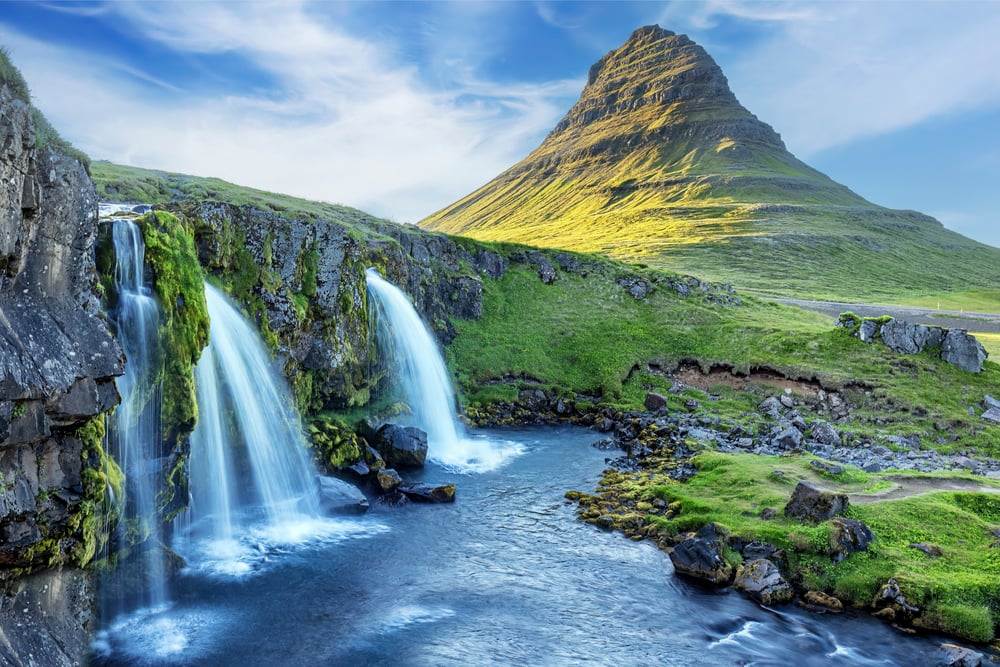
Iceland today is mostly treeless, with open landscapes stretching in every direction. But when the first settlers arrived over a thousand years ago, forests covered a significant part of the island.
Over time, the trees were cut down for fuel and building material, and the cold climate made regrowth extremely slow.
Northern Lights Visible For Months

Unlike some places where the northern lights appear only briefly, Iceland offers a long viewing season that runs from September all the way through March. The absence of light pollution in most of the country makes the sky incredibly clear and the colors incredibly vivid.
On a good night, greens, purples, and even reds streak across the sky in a display that stops people mid-step.
Icelanders Live Very Long Lives

Iceland consistently ranks among the top countries for life expectancy, with the average person living well into their eighties. Researchers point to a combination of clean air, fresh food, low stress, and a strong sense of community as the key reasons.
The country’s healthcare system is also widely available and well-funded, which keeps people healthy from birth.
What Iceland Quietly Teaches The World
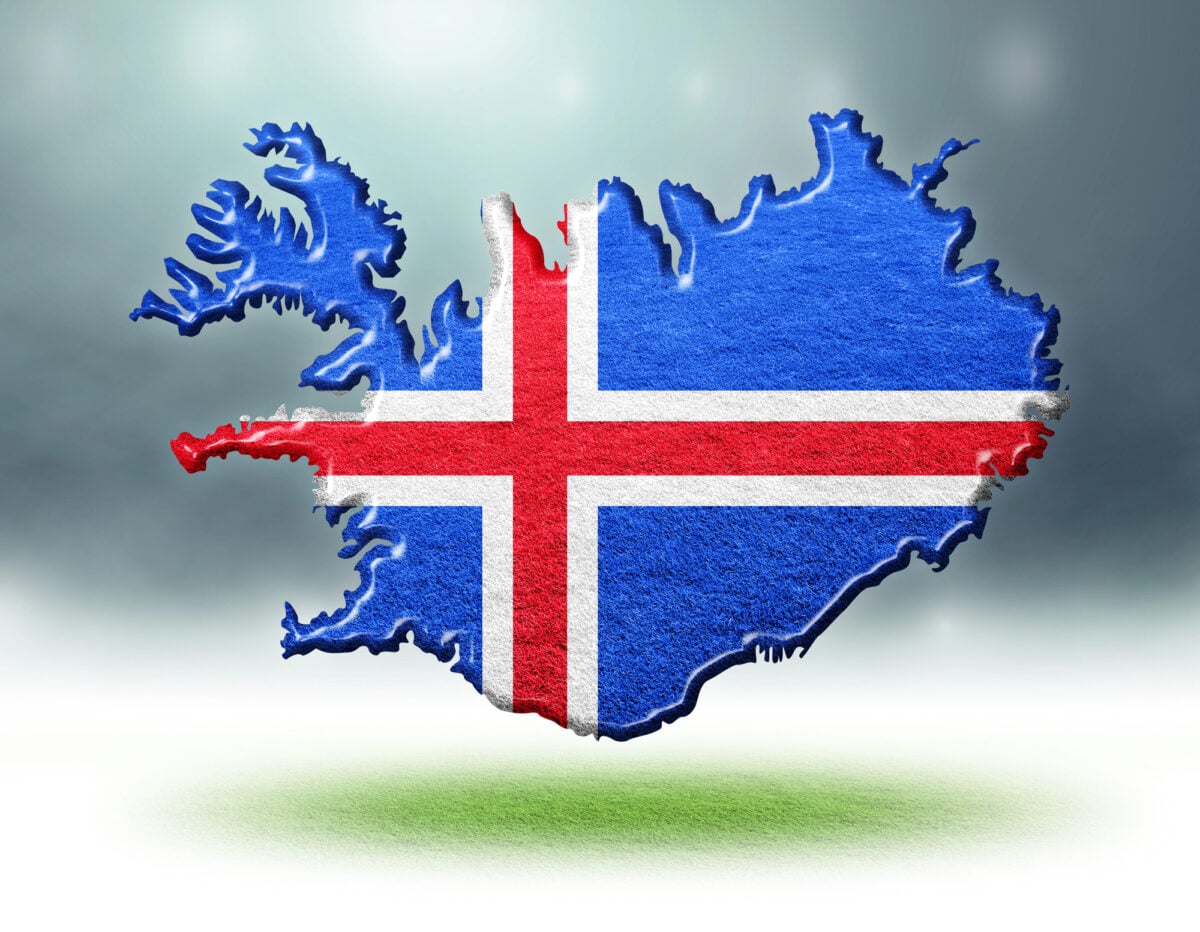
Iceland is not just a collection of interesting facts. It is proof that a society built on clean energy, strong education, deep respect for nature, and genuine community can work remarkably well.
The country’s track record on peace, literacy, and quality of life is not accidental; it is the result of deliberate choices made over centuries. For such a small island sitting in the middle of a cold ocean, Iceland carries an outsized example of what is possible when a nation gets the basics right.
More from Go2Tutors!

- The Romanov Crown Jewels and Their Tragic Fate
- 13 Historical Mysteries That Science Still Can’t Solve
- Famous Hoaxes That Fooled the World for Years
- 15 Child Stars with Tragic Adult Lives
- 16 Famous Jewelry Pieces in History
Like Go2Tutors’s content? Follow us on MSN.