Surprising Facts About The Origins And History Of Lego
Few realize how long Lego’s journey has lasted – almost one hundred years. Those bright little blocks in your closet? There’s depth hiding beneath their corners and studs.
Surprise lives where plastic meets imagination, even if eyes only see playthings. Built something tall lately?
This tells the full story behind Lego’s start plus its climb into a brand nearly everyone knows.
A Carpenter’s Side Project

A carpenter named Ole Kirk Christiansen opened a small shop in Billund, Denmark back in 1932. Woodwork filled his days – chairs, ladders, things people needed around homes.
Hard times arrived with the Great Depression, pushing him to craft simpler goods. Tiny wooden toys began replacing bigger pieces of furniture.
By 1934, he gave the workshop a new name: Lego. That word slipped out of a cheerful Danish saying – leg godt – meaning play well.
Little did he guess, that short phrase would later show up on shelves across continents. Years folded into decades, yet those letters stayed.
From Wood To Plastic
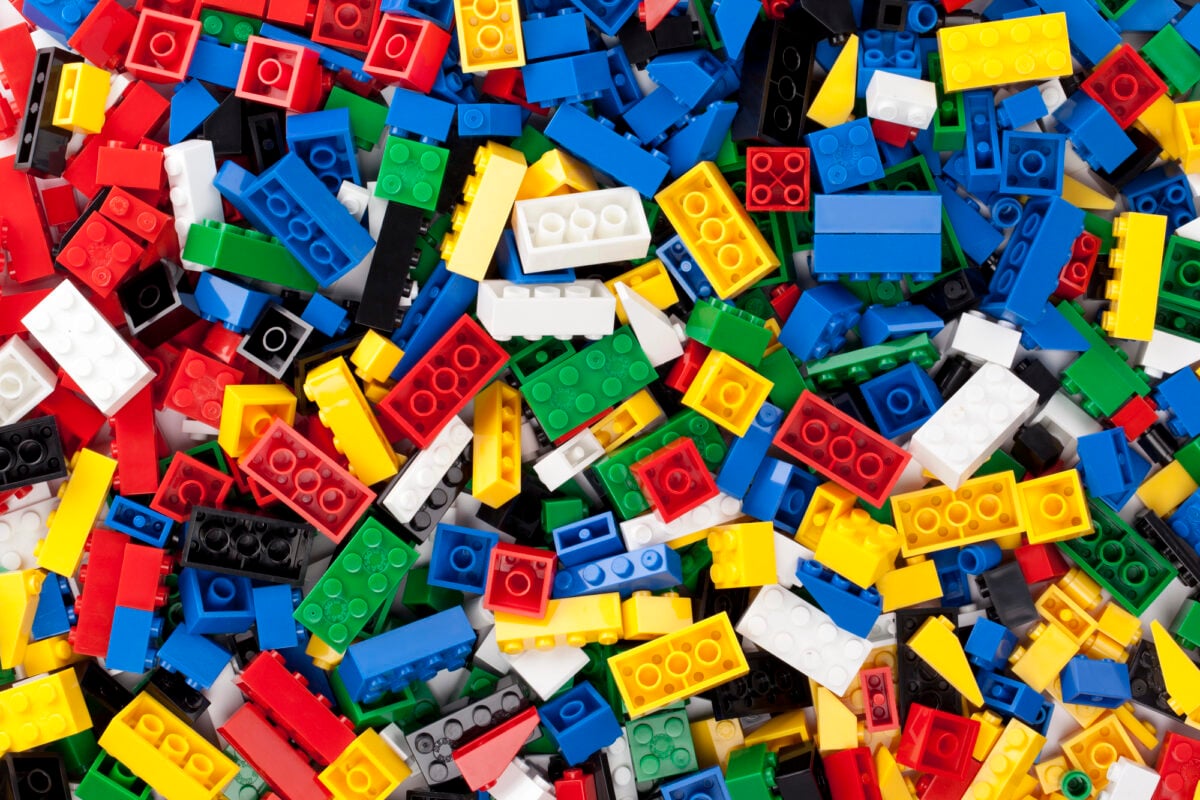
Long ago, Lego wasn’t about plastic at all. Wooden toys filled their workshops for more than ten years until 1947 changed things.
That year, they brought in a machine – plastic injection molding – to try something different. At first, what came out didn’t snap together like modern bricks do now.
Still, that single machine quietly turned everything around. Soon after, every plan pivoted toward plastic building sets.
Wood simply faded into the past.
The Stud-And-Tube System

One day in 1958, the familiar Lego brick got a legal stamp – its design locked down tight. Not long after, Godtfred, Ole Kirk Christiansen’s boy, shaped how the pieces click together using little bumps and inner tubes.
Those bits stick firm, yet pull apart without fuss. Earlier versions?
Tops had knobs, bottoms stayed empty space – wobbly at best. That shift in ’58 remade the whole experience, right into your hands now.
A Fire That Almost Ended It All

A blaze wiped out Lego’s factory in 1942, reducing the wooden toy shop to ashes. Despite the loss, Christiansen chose rebuilding instead of quitting.
From those ruins came a shift – plastic took center stage. Another fire struck in 1960, yet by then the path had changed.
What began as misfortune slowly shaped something lasting. Out of flame and failure grew what few expected.
Lego Almost Went Bankrupt
Back then, around the start of the 2000s, Lego faced huge money problems. Moving way too quickly, it jumped into theme parks, clothes, even digital games – yet forgot what made it special.
Nearly every single day in 2003 saw losses close to a million bucks. Then came deep changes: spending tightened, fewer products stayed on shelves, and slowly, focus shifted back – to the plastic blocks at the heart.
The Brick’s Near-Perfect Consistency

One thing stands out: every new Lego piece snaps neatly onto one from 1958. Built with care, each block allows just a sliver of difference – roughly 0.02 mm off at most.
Not many factories aim that high, even now. Because of this, old sets pulled from storage link right into fresh ones, no trouble.
Lego’s Connection To Space
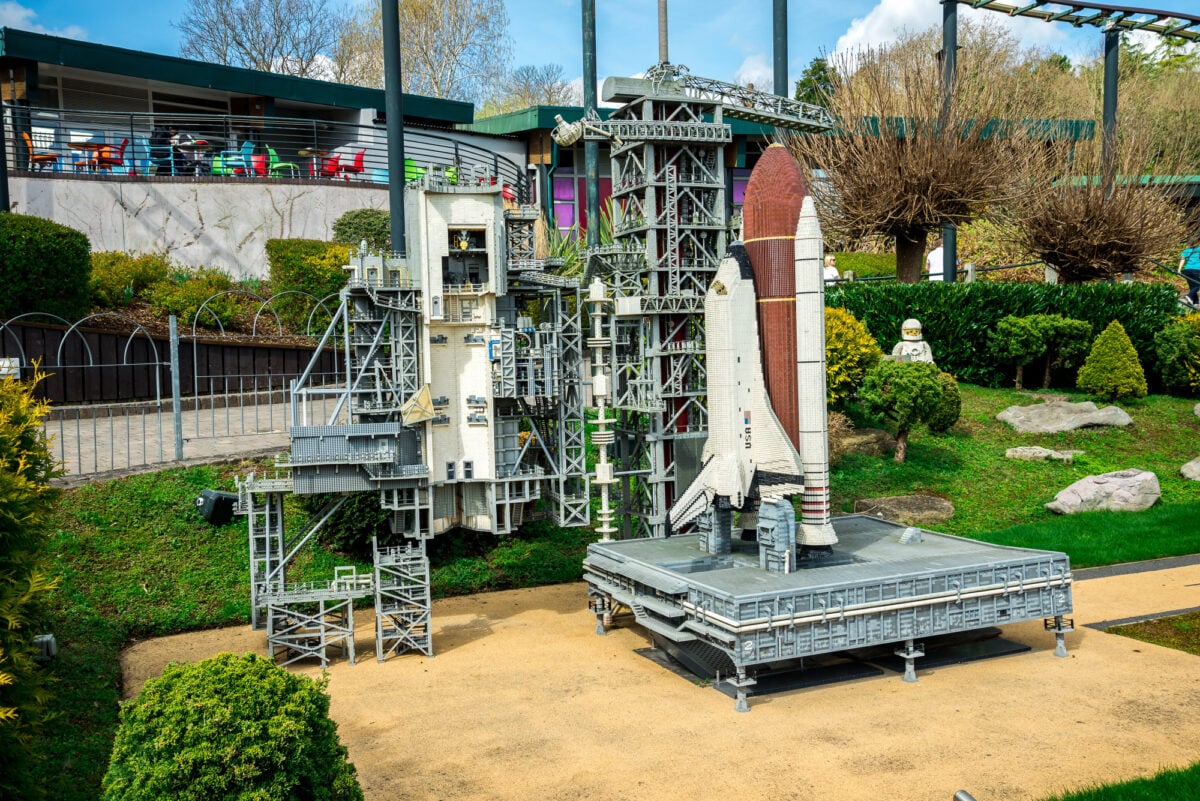
Tiny plastic blocks helped real space work. Inside orbiting lab modules, those familiar snap-together pieces floated during experiments.
Kids watching from classrooms saw how shapes wobble differently up there than down here. Since that first launch, teamwork between toy makers and rocket scientists kept growing.
Building things became a bridge between ground level desks and outer space views. Surprising?
Maybe. But learning often hides where you least expect it.
Last Time, A Tiny Figure Showed Up Behind Schedule

It wasn’t until 1978 that the familiar little yellow Lego person showed up – round head, arms that swing. Earlier sets?
Not a single human form in sight. Once they appeared, though, these tiny figures multiplied fast.
Billions now: over four billion made so far. That count leaves every other toy character series behind, hands down.
Lego’s Biggest Sets

Some Lego sets today contain over 10,000 pieces. The Lego Art World Map set, released in 2021, held the record for the most pieces in a single set at 11,695 parts.
These large sets are aimed primarily at adults, a market Lego has leaned into heavily over the past decade. The ‘Adults Welcome’ campaign was a direct move to remind grown-ups that building with Lego is not just for children.
Lego And The Movie Industry
The Lego Movie, released in 2014, was not expected to perform well at the box office. Warner Bros. had modest expectations, but the film grossed over 469 million dollars worldwide.
Beyond the money, it introduced a new generation to the brand and proved that Lego was more than a toy, it was a full cultural presence. The movie sparked a franchise that has since produced sequels, spinoffs, and a long list of video games.
Lego’s Environmental Push
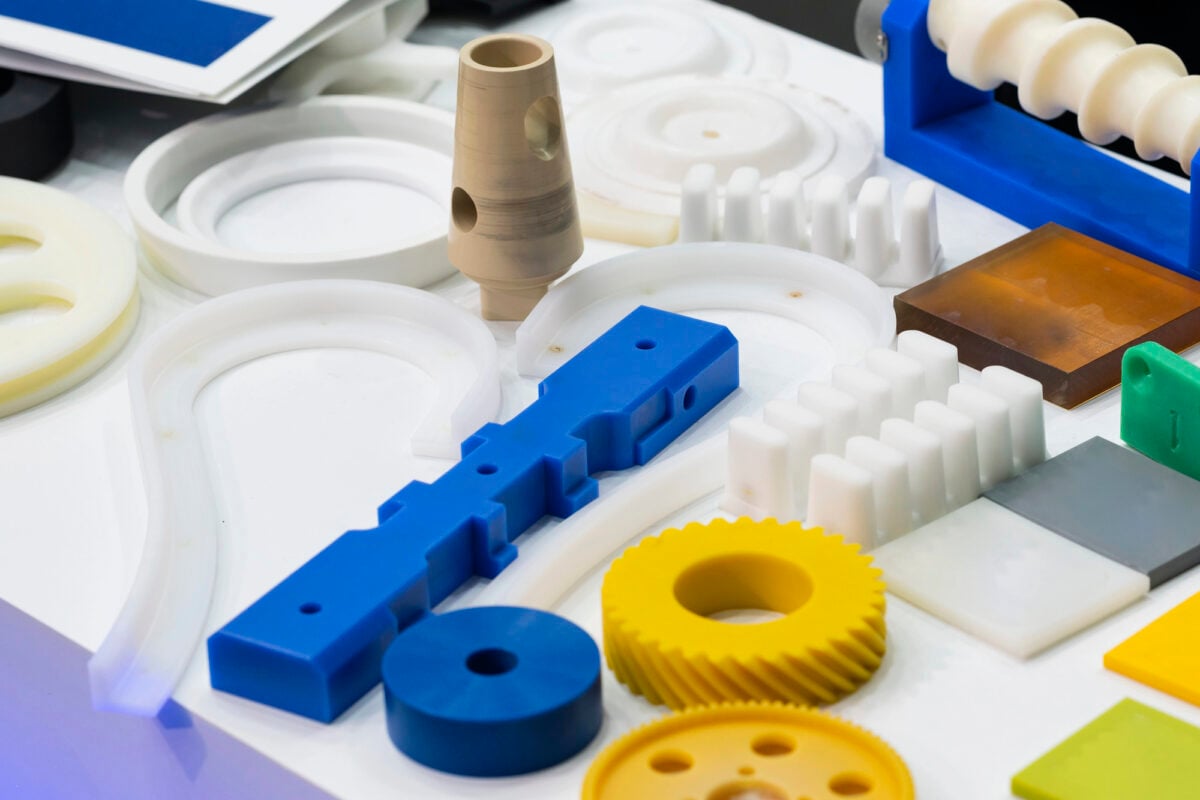
Lego bricks are made from a type of plastic called ABS, which is durable but not biodegradable. The company has publicly committed to making all its products from sustainable materials by 2030.
In 2021, Lego unveiled a prototype brick made from recycled plastic bottles. The new material ended up being more carbon-intensive to produce than the original, so the company went back to testing, showing that sustainability is harder to achieve than it sounds.
How Many Lego Bricks Exist
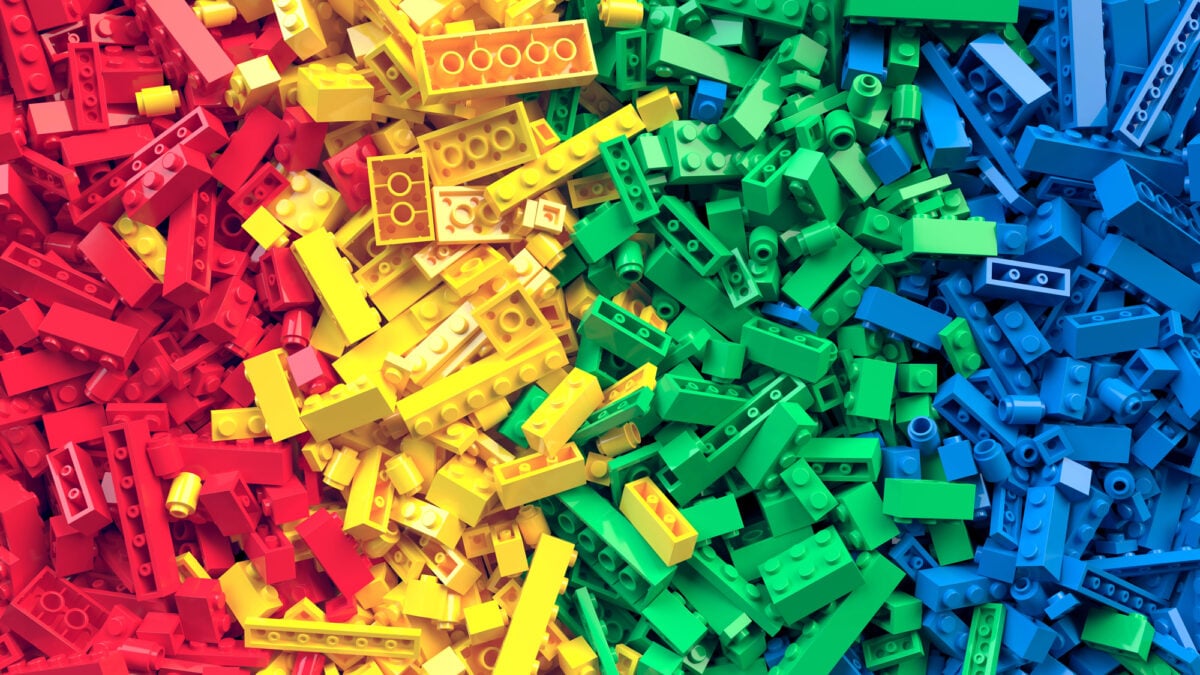
Estimates suggest that around 400 billion Lego bricks have been produced since the company began manufacturing plastic pieces in the late 1940s. If you lined them all up, they would circle the Earth more than five times.
Lego produces roughly 36 billion new bricks every year across its factories in Denmark, Hungary, Mexico, and China. That comes out to about 4 million bricks every hour.
Lego And Education

Lego entered the classroom decades before ‘edtech’ became a buzzword. The company launched Lego Dacta in 1980, a dedicated educational division that supplied schools with construction kits designed to teach math, science, and problem-solving.
That division later became Lego Education, which still operates today and works directly with teachers and school systems. Studies have shown that hands-on building activities improve spatial reasoning and creative thinking in children.
The Lego Ideas Platform
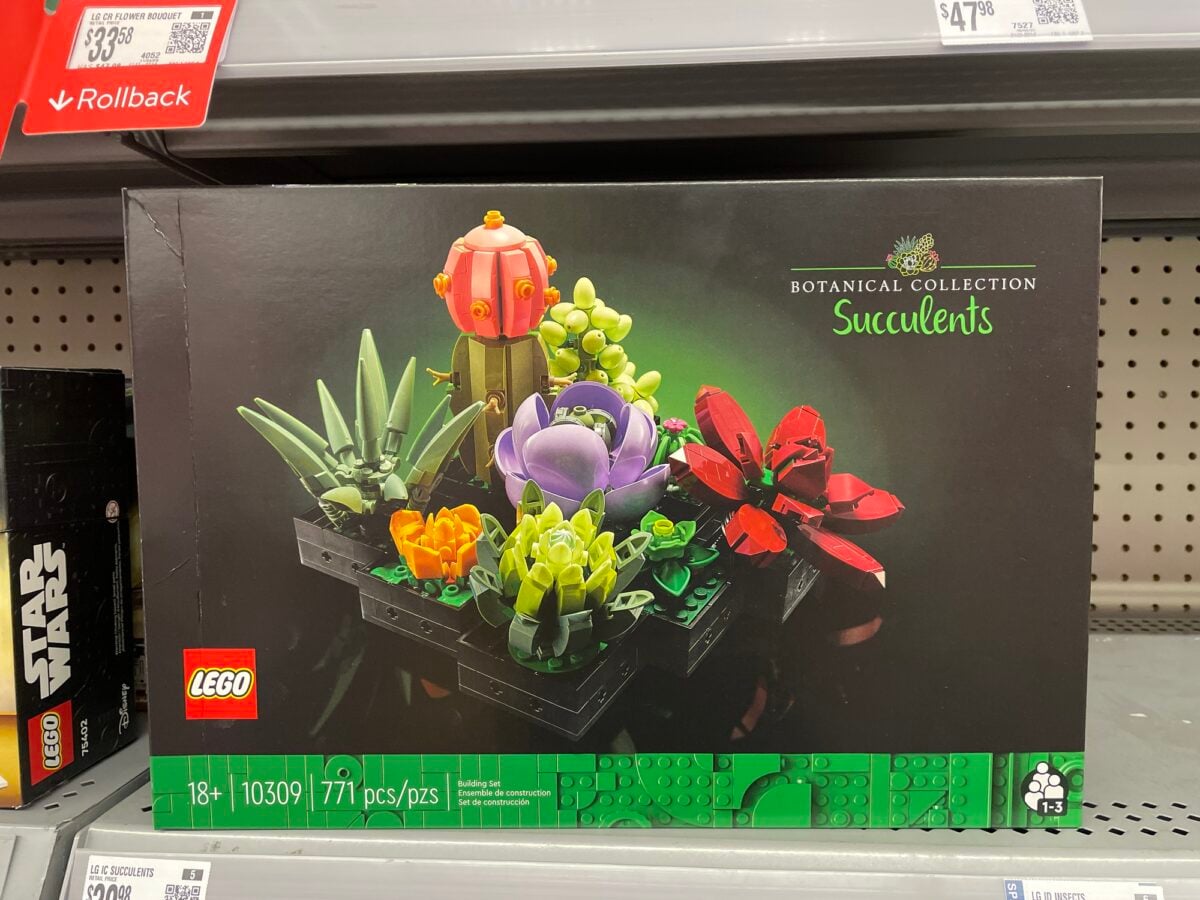
Lego runs a public platform called Lego Ideas, where fans can submit original set designs. If a submission reaches 10,000 community votes, Lego reviews it for possible production.
Sets like the Lego Saturn V rocket and the Central Perk café from ‘Friends’ both came from fan submissions. The platform has turned regular Lego fans into credited designers, with their names printed on the box alongside the official product description.
Lego’s Billund Headquarters
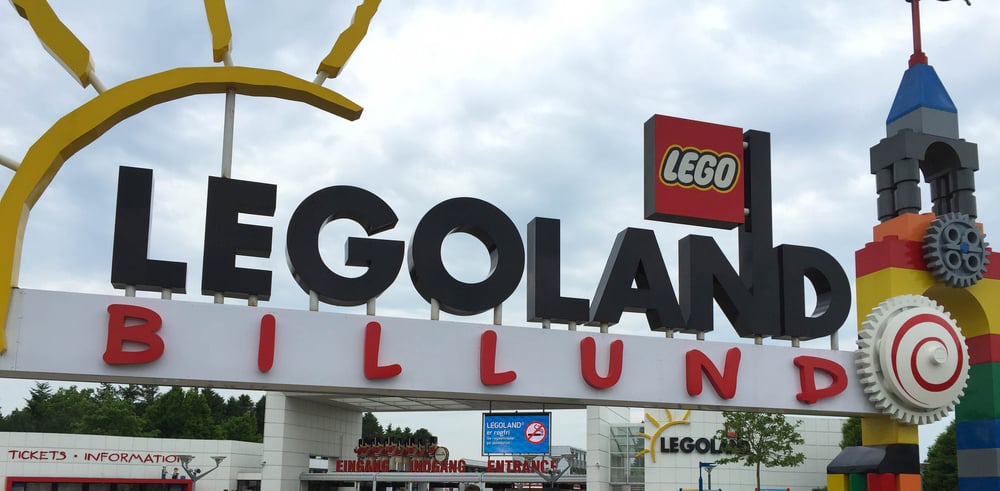
Lego’s hometown of Billund, Denmark, has a population of just around 7,000 people, yet it hosts an international airport because of Lego. The Billund Airport was built largely to support the company’s operations and the millions of visitors who travel to Legoland, which opened in the same town in 1968.
The local government and Lego have had a deeply connected relationship for decades. In many ways, Lego did not just grow in Billund, it built the town alongside itself.
The Bricks That Outlast Everything

Lego bricks are practically indestructible under normal conditions. Researchers have estimated that a standard Lego brick can withstand up to 950 pounds of force before it begins to deform.
That kind of durability means bricks made in the 1960s are still fully functional today and regularly show up at thrift stores, garage sales, and in attic boxes. The longevity of the product is both a design achievement and the reason why Lego has one of the strongest second-hand markets of any toy brand.
What The Lego Name Almost Was
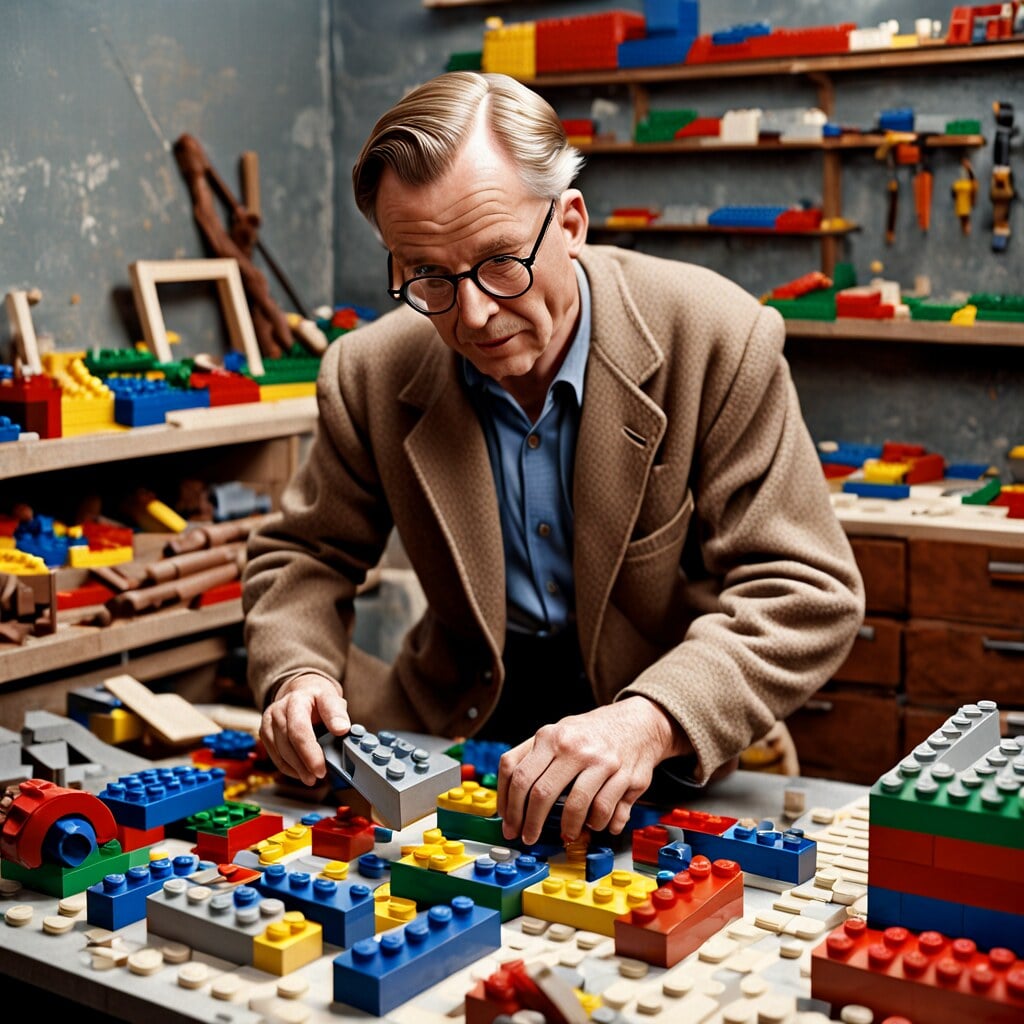
Before settling on ‘Lego,’ Ole Kirk Christiansen held a competition among his employees to come up with a name for the company. No entry from that contest made the final cut.
Christiansen came up with ‘Lego’ himself, and it was only later discovered that the word also means ‘I put together’ in Latin, though that connection was purely coincidental. A name invented in a small Danish workshop turned out to carry meaning across two languages, which is a coincidence that even Lego’s marketing team could not have planned.
A Play Well Legacy
Lego’s journey from a struggling carpentry business in Denmark to a household name across more than 130 countries is genuinely hard to map onto a straight line. There were fires, near-collapses, risky experiments, and years where the company barely held on.
What kept it alive was not luck but a commitment to the core idea that a well-made toy, built with precision and care, will always find its audience. Today, Lego is the world’s largest toy company by revenue, and it all started with a man who just wanted to make good things with his hands.
More from Go2Tutors!

- The Romanov Crown Jewels and Their Tragic Fate
- 13 Historical Mysteries That Science Still Can’t Solve
- Famous Hoaxes That Fooled the World for Years
- 15 Child Stars with Tragic Adult Lives
- 16 Famous Jewelry Pieces in History
Like Go2Tutors’s content? Follow us on MSN.