Surprising Truths Behind the World’s Most Famous Legends
Some stories are so deeply embedded in culture that questioning them feels almost sacrilegious. Yet behind every legendary tale lies a more complex truth — sometimes stranger than the myth itself.
The real stories often reveal how human nature shapes narrative, how time distorts memory, and how a single grain of truth can bloom into something entirely different over centuries.
Lady Godiva
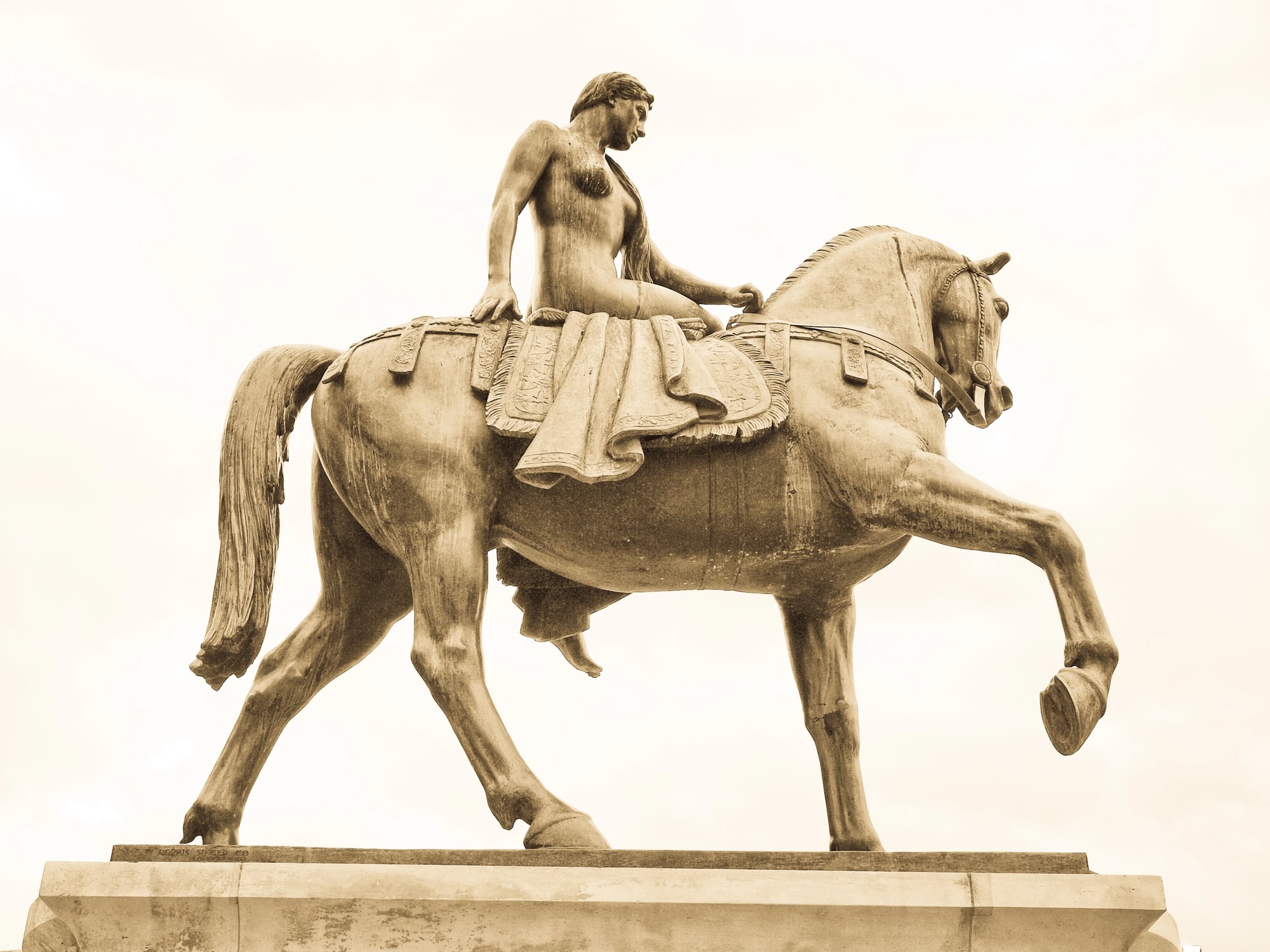
Lady Godiva never rode unclothed through Coventry. The historical Godgifu (her actual name) was indeed a real 11th-century noblewoman who advocated for lower taxes.
But the undressed horseback ride? That detail appeared 200 years later in chronicles written by monks who apparently felt the story needed more drama.
The “Peeping Tom” addition came even later — around the 17th century. Someone decided the original tale needed a moral lesson about voyeurism and consequences.
Robin Hood
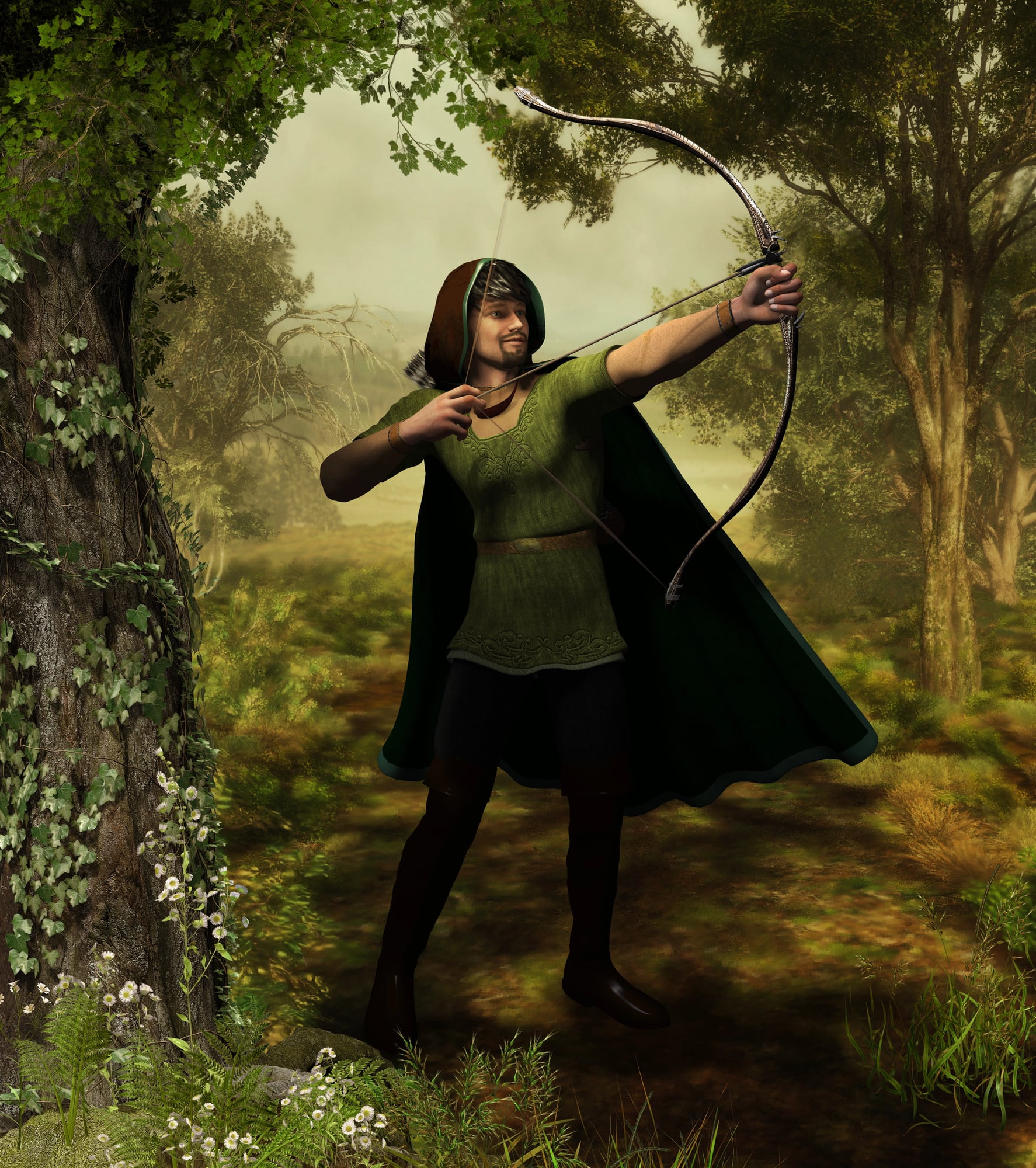
Here’s where things get complicated (and far more interesting than the clean Hollywood version suggests) — Robin Hood wasn’t one person but rather a composite character built from multiple real outlaws, political dissidents, and probably a few entirely fictional elements that medieval storytellers found too good to abandon. The earliest ballads from the 14th century describe a yeoman, not a nobleman, operating in Barnsdale rather than Sherwood Forest, and his primary antagonist wasn’t the Sheriff of Nottingham but corrupt church officials who were, as it happens, genuinely despised by common folk of the era.
And the Merry Men weren’t particularly merry — they were described as “wyked” men, meaning violent, which makes sense when you consider that successful medieval outlaws couldn’t afford to be jolly philanthropists if they wanted to survive more than a few weeks in the wilderness.
So the truth is messier. Multiple real bandits got rolled into one legend.
But that’s exactly what makes it human — people needed a hero who fought corruption, so they created one from spare parts.
King Arthur
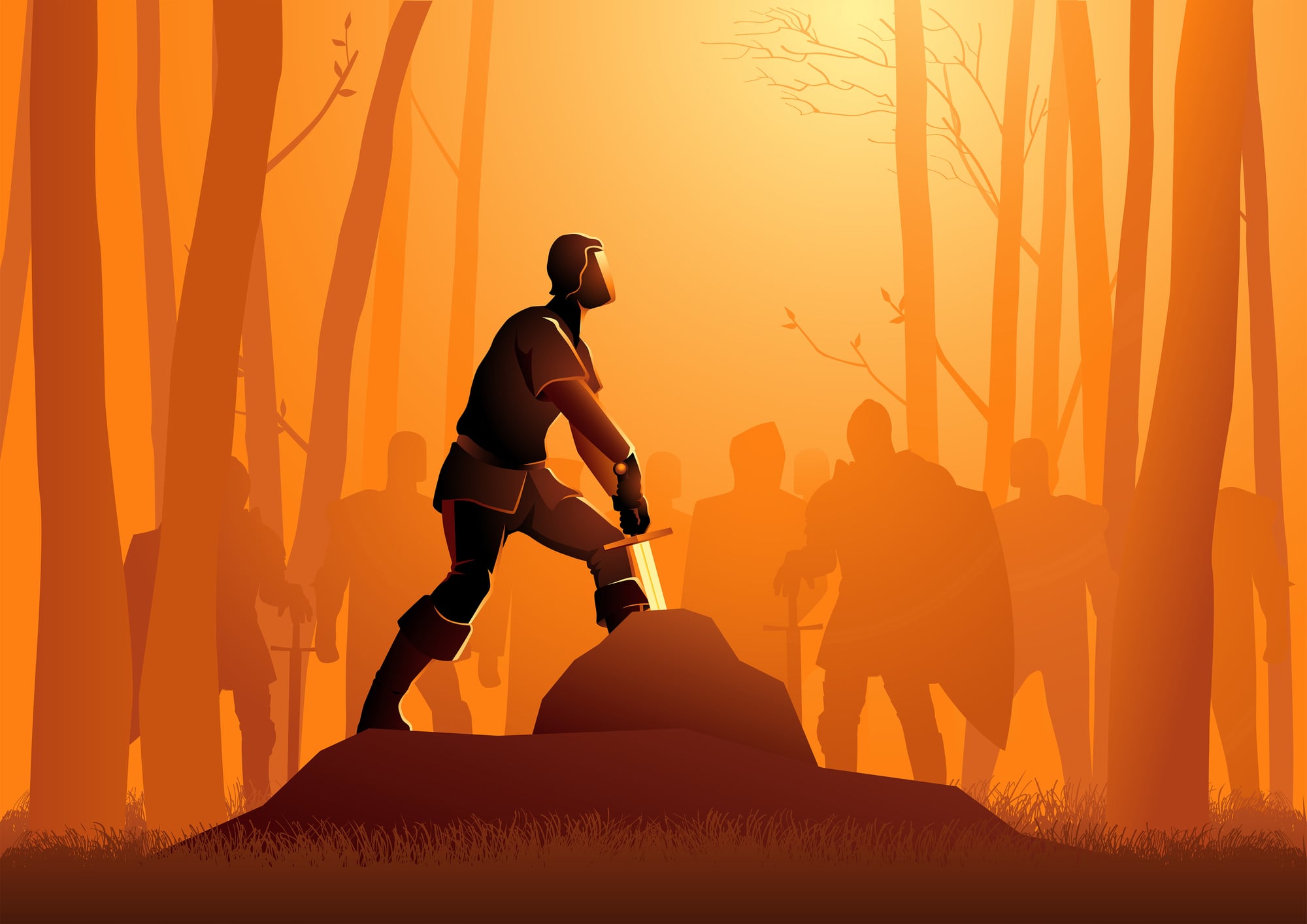
There’s something beautiful about searching for Arthur in the archaeological record — like trying to catch smoke with your hands. Historians have spent decades hunting for the “real” Arthur, and what they’ve found instead is something more precious: the shape of a society’s deepest wishes.
The closest historical candidate is a Romano-British war leader from the late 5th century, possibly named Ambrosius Aurelianus, who might have won a significant battle against Saxon invaders. But Arthur as we know him — the noble king, the Round Table, the quest for the Holy Grail — that Arthur lives in the gap between what happened and what people needed to believe had happened.
Medieval Britain was fractured and violent. The Arthur stories offered something that reality couldn’t: a vision of unified leadership, noble purpose, and the possibility that good could triumph not through brutality but through honor.
The legend grew because it filled a hunger that historical fact couldn’t satisfy.
William Tell
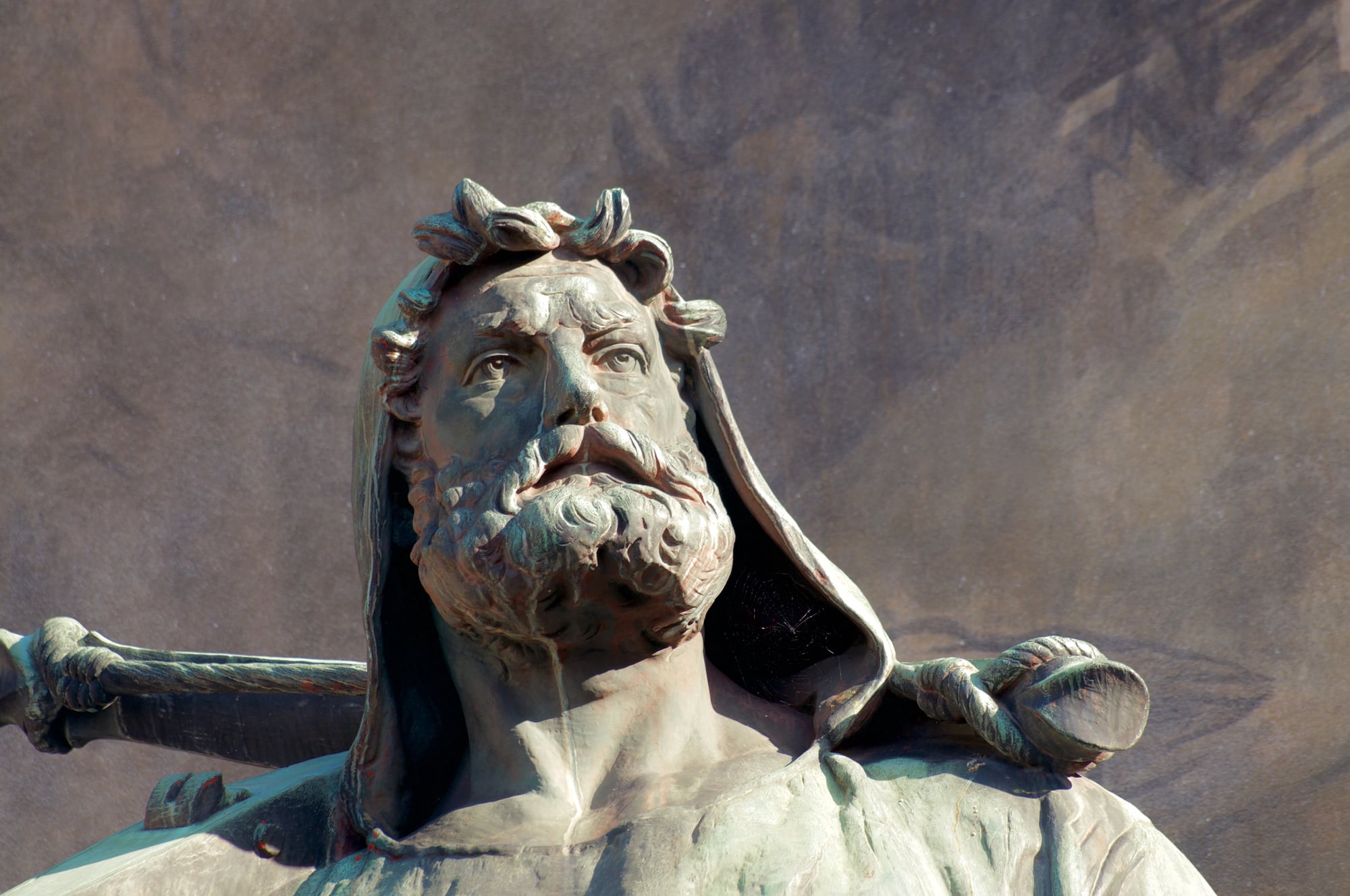
William Tell is Swiss propaganda, and it’s incredibly effective propaganda at that. The apple-shooting scene appears in folklore from multiple cultures centuries before Tell supposedly lived.
Danish legends feature similar scenarios, as do English tales and even some Persian stories.
The Swiss took this wandering folk motif and attached it to their independence movement in the 14th century. Tell became a symbol of resistance against Austrian rule.
Never mind that there’s no contemporary evidence he existed — the story served its purpose perfectly.
To be fair, the Swiss weren’t trying to deceive anyone. They needed a founding myth that embodied their values, and Tell delivered.
Sometimes the story matters more than the man.
Betsy Ross
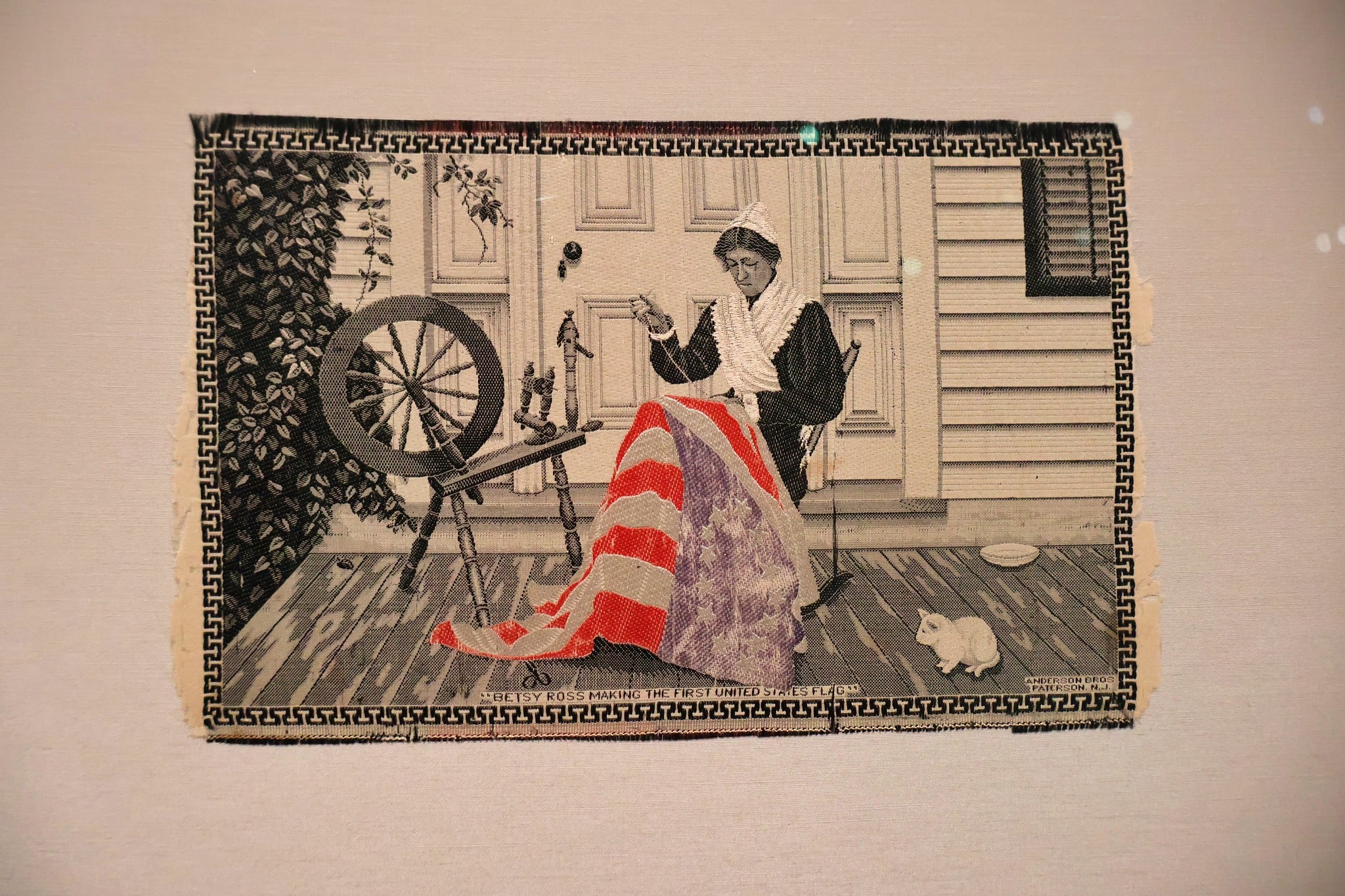
Betsy Ross had nothing to do with designing the American flag (her contribution, if any, was likely limited to routine seamstress work that history wouldn’t normally remember), and the entire story traces back to her grandson William Canby, who appeared before the Pennsylvania Historical Society in 1870 with tales of family lore that couldn’t be verified by any contemporary documents, letters, or official records from the Revolutionary War period — which is odd, considering how meticulously the Continental Congress documented far less significant decisions than the creation of a national symbol.
But Canby’s timing was perfect: America was approaching its centennial, desperately wanted more female heroes in its founding mythology, and Ross fit the bill beautifully as a widowed seamstress who contributed to the war effort in a traditionally feminine way that threatened no one’s understanding of proper gender roles.
And yet the story stuck because it felt right. America in 1876 needed heroes who weren’t just generals and politicians.
Ross provided a different kind of patriotism — domestic, careful, crafted with needle and thread.
The Great Wall Of China Is Visible From Space

This one falls apart immediately when you think about it practically. The Great Wall, at its widest points, measures about 30 feet across.
From the International Space Station, you can barely make out major highways, and those are much wider and made of materials specifically designed to reflect light.
The myth started decades before anyone had actually been to space to check. It appeared in geography textbooks as early as the 1930s, repeated confidently by people who had no way of verifying the claim.
Astronauts have been politely debunking this for decades, but the legend persists. It sounds impressive, so people want to believe it.
Napoleon’s Height
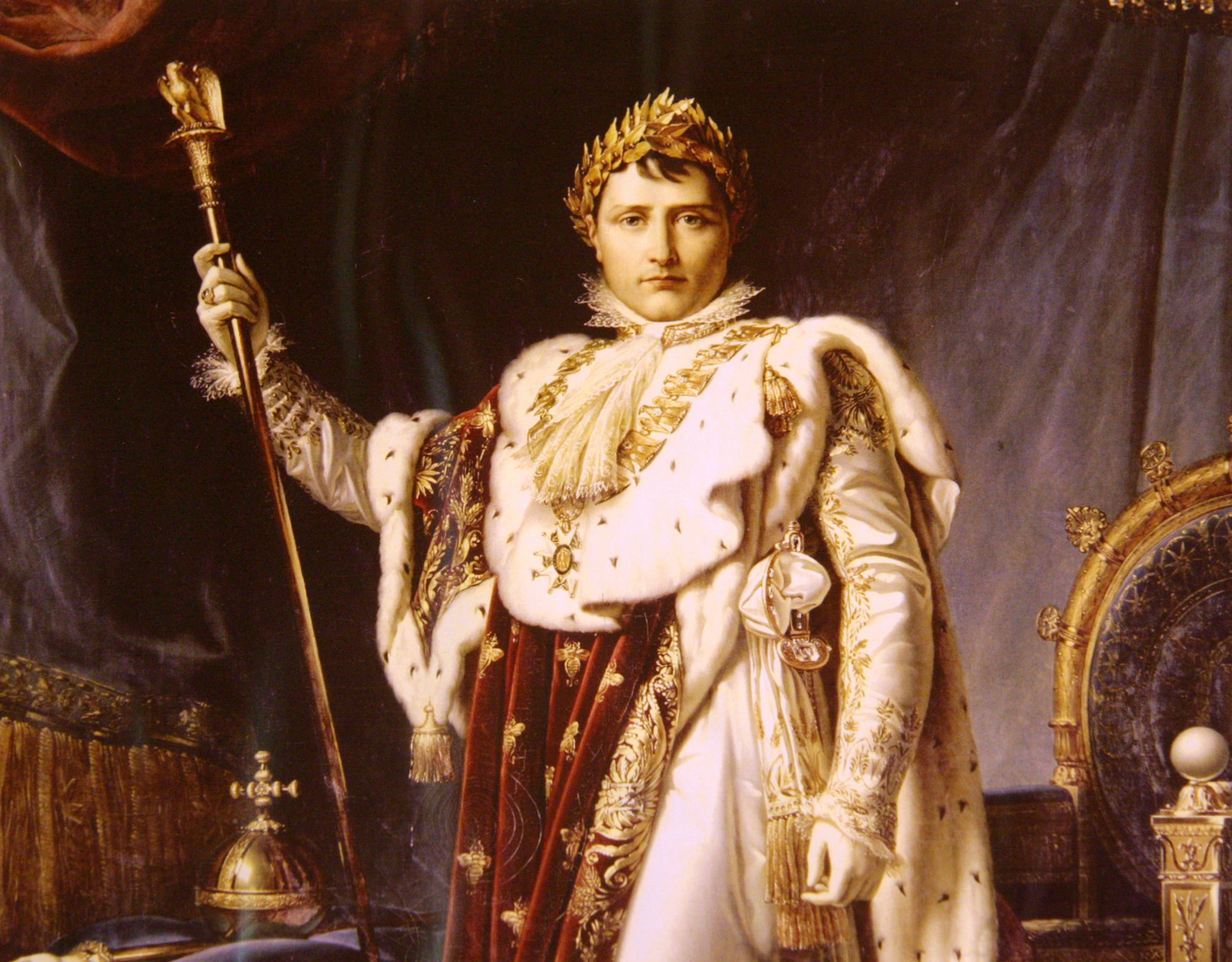
Napoleon wasn’t short — he was average height for his era, standing around 5’7″. The confusion stems from the difference between French and English measurement systems, combined with British propaganda that found short jokes irresistible.
French feet were slightly longer than English feet, so Napoleon’s recorded height of 5’2″ in French measurements translated to about 5’7″ in English measurements.
But English cartoonists had already started drawing him as a tiny tyrant, and the image stuck.
His autopsy, conducted by multiple physicians including his personal doctor, confirmed he was 5’7″.
But by then, “Little Corporal” had become too useful as an insult to abandon.
Vikings Wore Horned Helmets
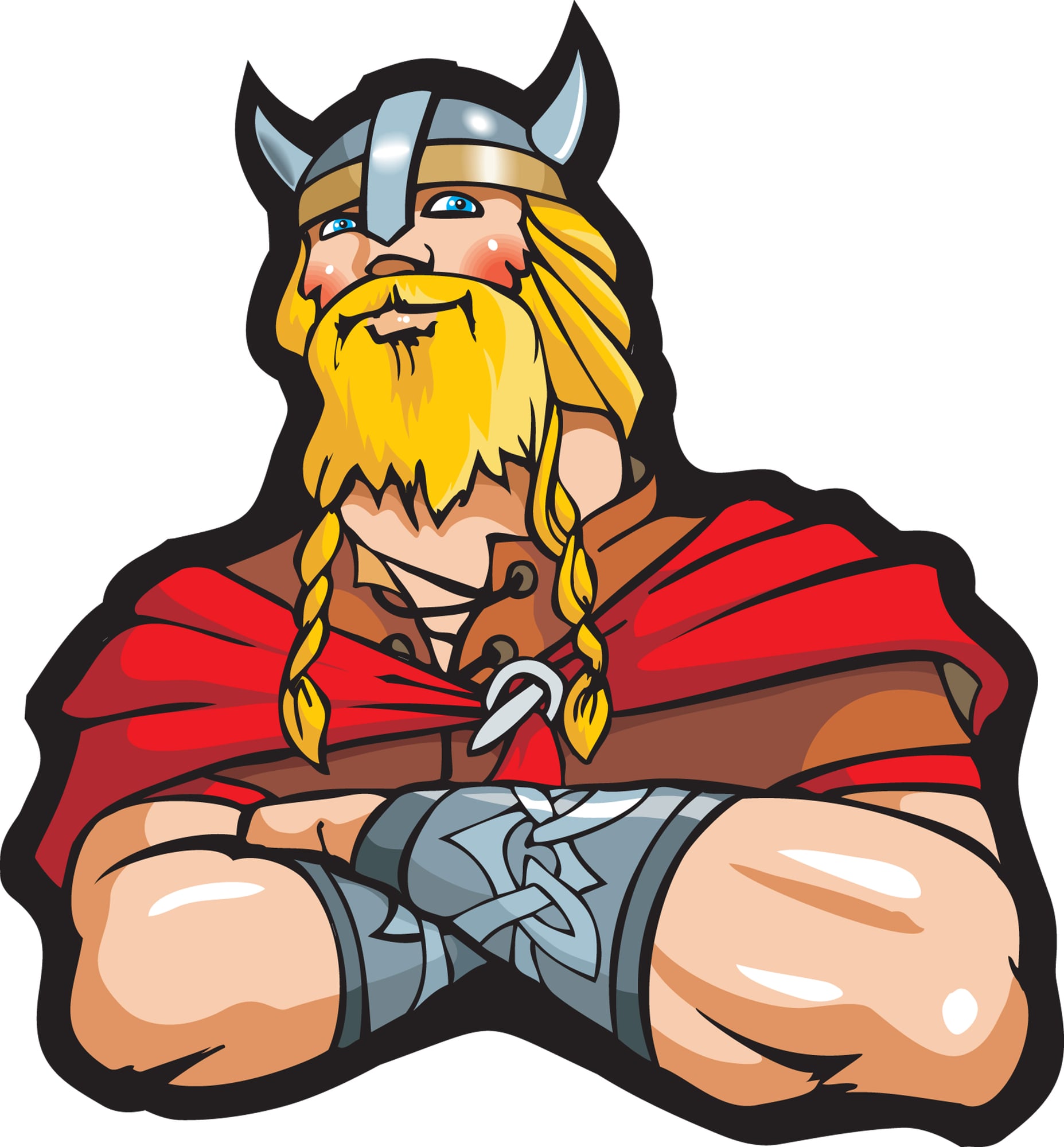
Vikings never wore horned helmets in battle, which makes perfect sense when you consider that horns would provide convenient handles for enemies to grab during combat — essentially turning your protective headgear into a liability that could get you killed faster than going bareheaded. Archaeological evidence from actual Viking sites shows practical, unadorned helmets designed for protection, not theatrical effect, and the famous horned version comes entirely from 19th-century Romantic nationalism, particularly Richard Wagner’s operas, where costume designers decided authentic history was less important than creating a visually striking stage presence.
But the image captured something people wanted to believe about Vikings: that they were wild, primitive, and dramatically different from civilized Europeans.
The horns made them look more barbaric, which fit the narrative perfectly.
So Wagner’s costume department accidentally rewrote history. Opera has that kind of power, apparently.
Marie Antoinette’s “Let Them Eat Cake”
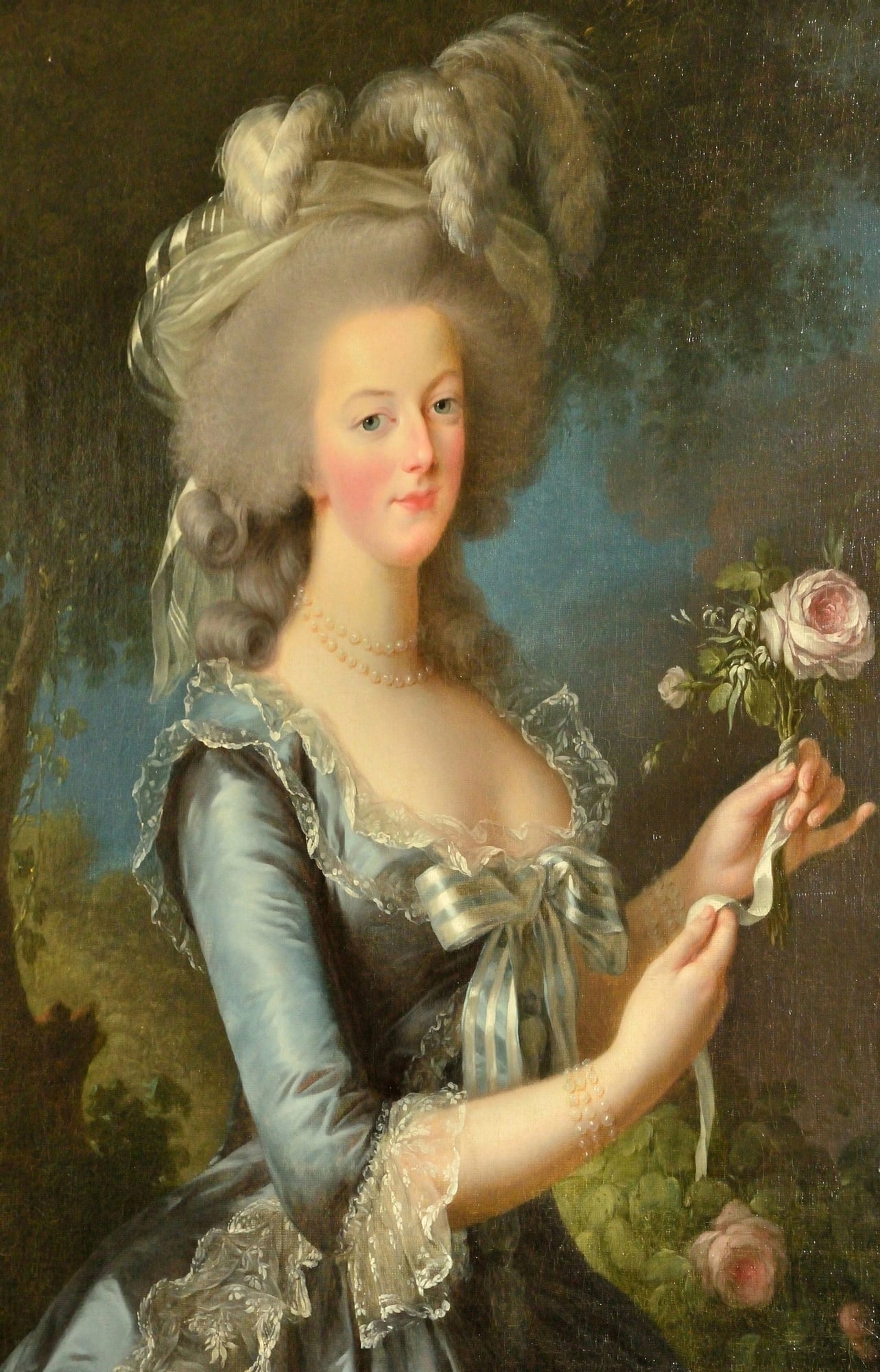
Marie Antoinette never said “Let them eat cake” — the phrase appears in Jean-Jacques Rousseau’s “Confessions,” written when she was still a child in Austria. Rousseau attributed it to “a great princess,” but he was likely inventing the anecdote to make a point about aristocratic disconnection from reality.
The quote got attached to Marie Antoinette later, during the Revolution, when people needed a symbol of royal excess and indifference. She made a convenient target.
The real Marie Antoinette was politically naive and genuinely out of touch, but she wasn’t unusually cruel by royal standards.
She just had terrible timing and became the face of everything people hated about monarchy.
George Washington’s Wooden Teeth
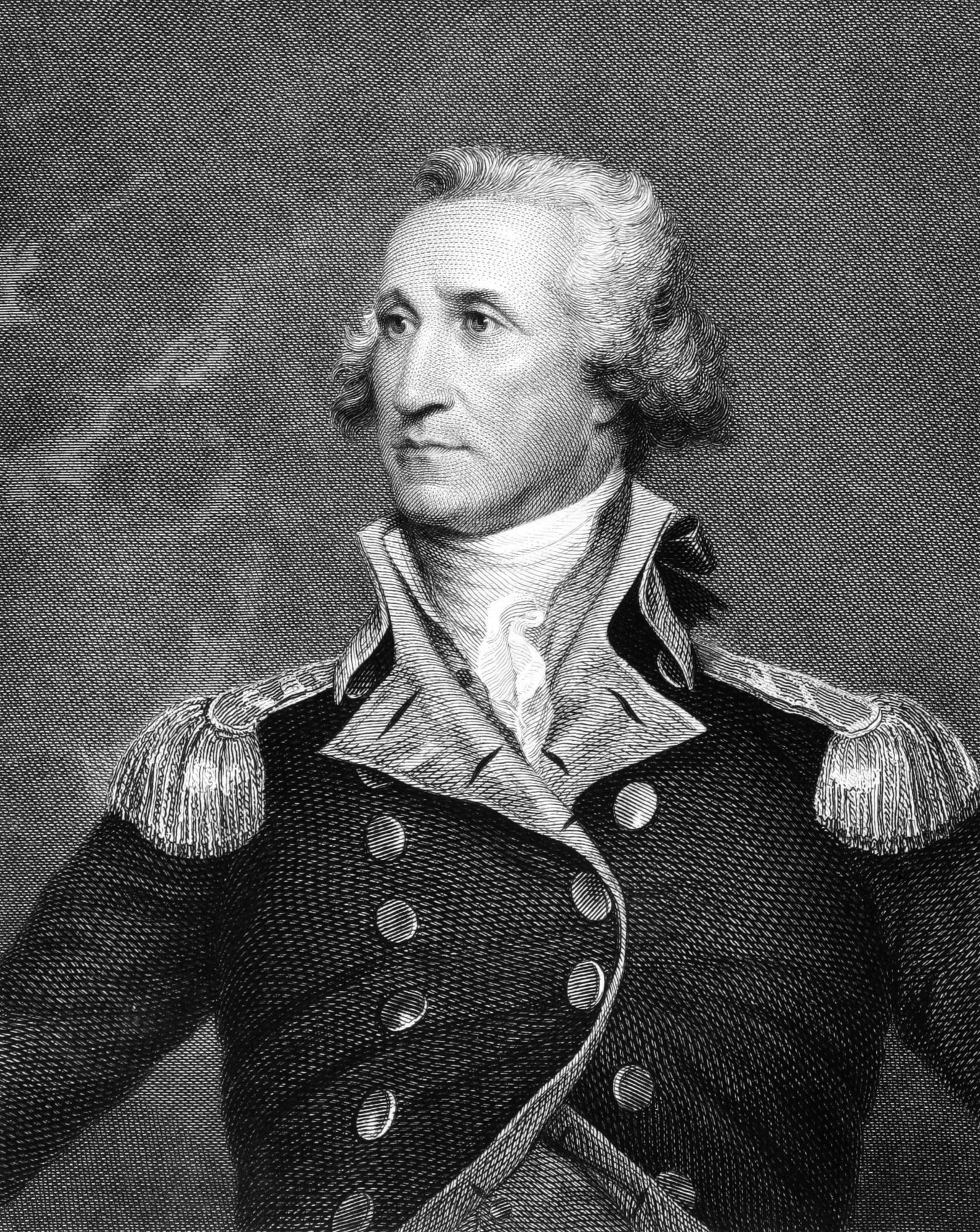
George Washington’s dentures weren’t made of wood — they were crafted from a disturbing combination of human teeth (purchased from enslaved people), cow teeth, and hippopotamus ivory. The wooden teeth myth probably arose because his actual dentures were stained dark and had a grainy texture that resembled wood.
Washington was self-conscious about his dental problems his entire adult life. The dentures were uncomfortable, affected his speech, and gave his face a sunken appearance in later portraits.
The wooden teeth story is somehow more palatable than the reality. It suggests rustic simplicity rather than the grim dental marketplace of the 18th century.
Columbus Proved The Earth Was Round
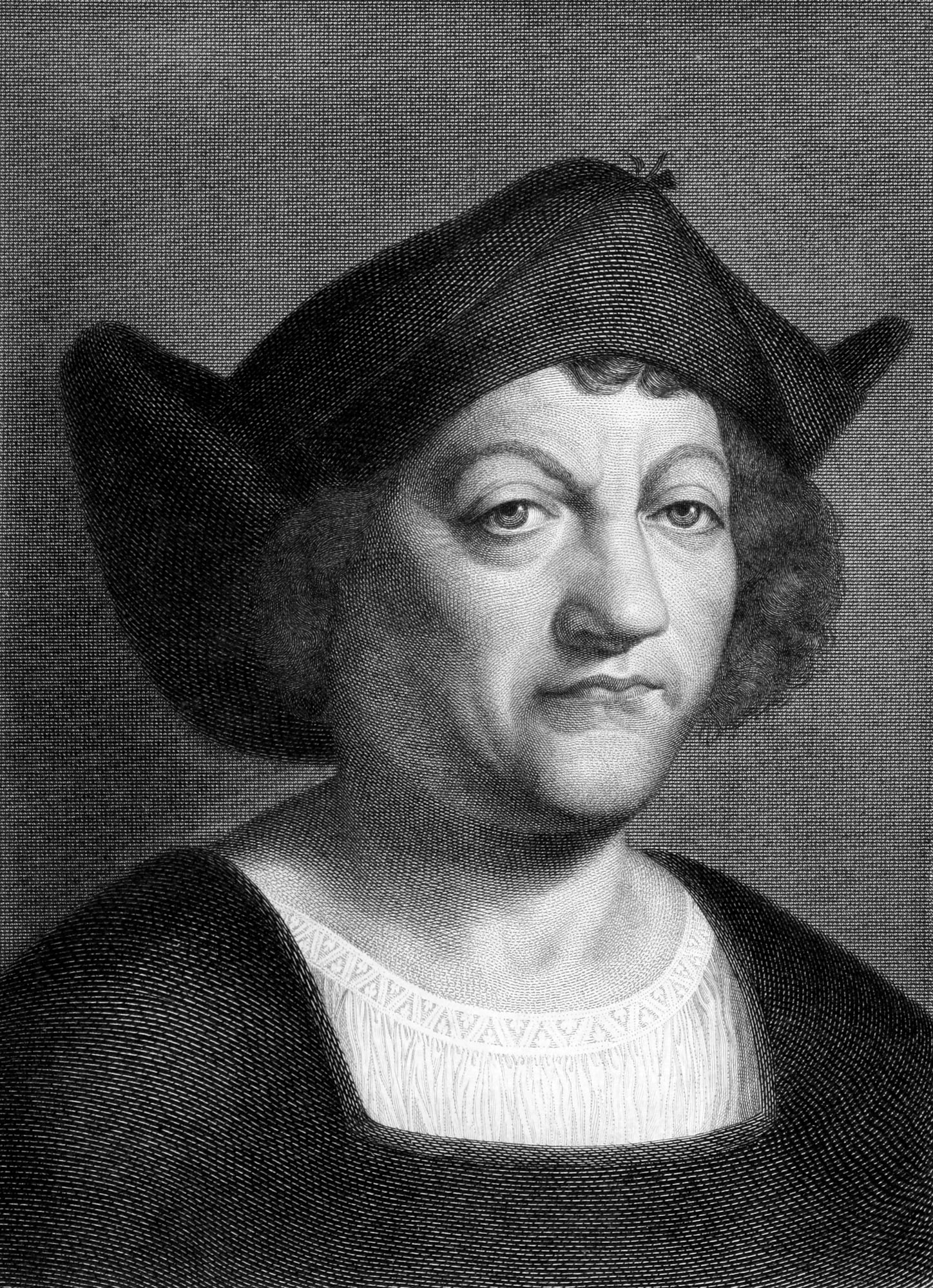
Educated Europeans had known the Earth was round since ancient Greek times, and Columbus wasn’t trying to prove its shape — he was trying to find a westward route to Asia based on his (incorrect) calculations of the planet’s size. Columbus thought the Earth was much smaller than it actually is, which is why he believed he could reach Asia by sailing west across what he assumed would be a narrow Atlantic Ocean.
The myth that medieval people believed in a flat Earth was largely invented by 19th-century writers who wanted to make the Middle Ages seem more primitive and superstitious than they actually were. Washington Irving’s 1828 biography of Columbus helped spread this misconception, describing Columbus battling against flat-Earth believers who never actually existed in significant numbers.
Columbus was wrong about almost everything except the direction to sail. He died believing he had reached Asia, never realizing he had encountered continents previously unknown to Europeans.
The Midnight Ride Of Paul Revere
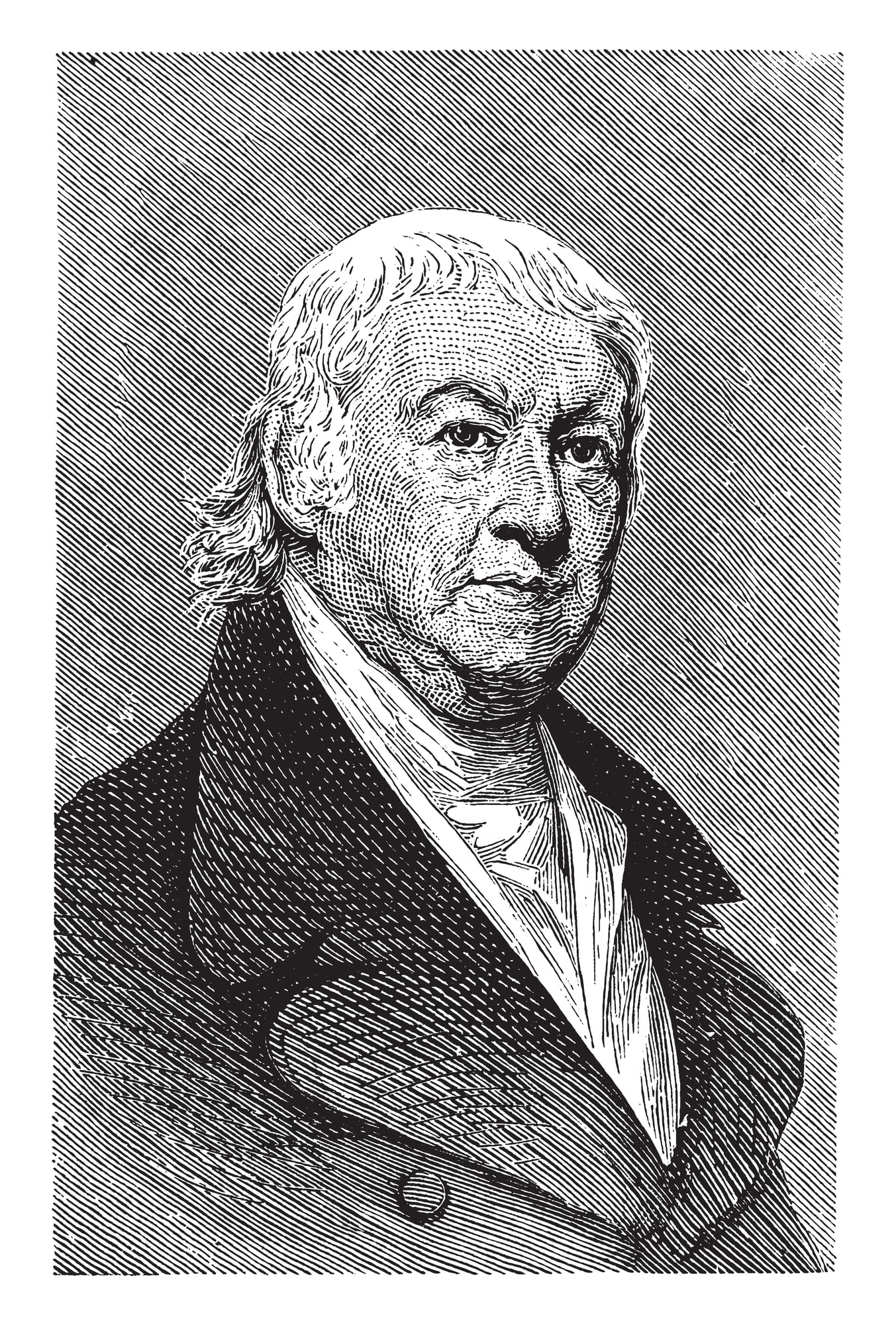
Paul Revere never shouted “The British are coming!” during his midnight ride, which makes sense when you remember that colonial Americans still considered themselves British subjects — they would have said “the regulars” or “the soldiers” when referring to British troops. More importantly, Revere’s mission required stealth, not shouting, and he was captured by a British patrol before completing his route to Concord.
The real hero of that night was Samuel Prescott, a young doctor who actually made it to Concord to warn the militia. But Prescott’s name didn’t fit the rhythm of Longfellow’s 1861 poem, and Revere had the advantage of an established reputation as a silversmith and political activist.
Longfellow wasn’t writing history — he was writing propaganda during the Civil War, trying to inspire Union soldiers with tales of American heroism. The poem worked brilliantly as wartime motivation, which explains why it overshadowed the messier historical reality.
Uncovering Truth In Legend
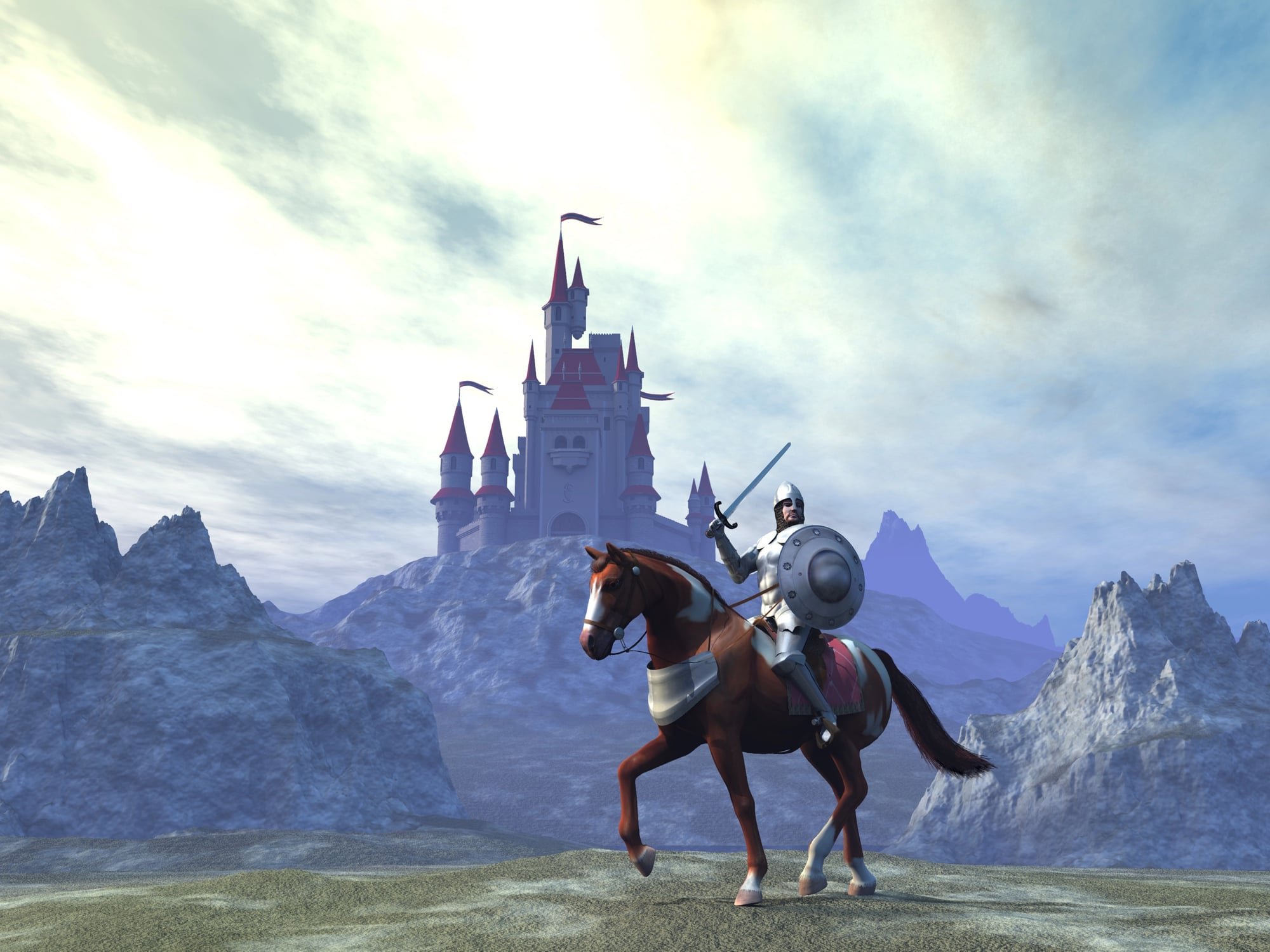
The most fascinating thing about these legends isn’t that they’re false — it’s why they became necessary. People didn’t create these stories randomly; they filled specific needs that bare historical facts couldn’t satisfy.
They provided heroes when real ones were scarce, simple explanations when the truth was complicated, and moral lessons when history felt chaotic. But understanding the gap between legend and reality doesn’t diminish the stories — it reveals something deeper about how humans process experience and meaning.
Sometimes the lies people tell are more honest than the facts they ignore.
More from Go2Tutors!

- The Romanov Crown Jewels and Their Tragic Fate
- 13 Historical Mysteries That Science Still Can’t Solve
- Famous Hoaxes That Fooled the World for Years
- 15 Child Stars with Tragic Adult Lives
- 16 Famous Jewelry Pieces in History
Like Go2Tutors’s content? Follow us on MSN.