16 Countries with Strange or Unexpected National Symbols
When we think of national symbols, majestic eagles, powerful lions, or beautiful flowers typically come to mind. These conventional emblems often represent strength, beauty, or cultural significance. However, around the world, many nations have adopted symbols that might raise eyebrows or spark curiosity due to their unusual or unexpected nature.
Here is a list of 16 countries that have embraced strange or surprising national symbols that reflect their unique histories, ecosystems, or cultural values.
Latvia

Latvia’s national insect is the two-spot ladybird, a tiny red beetle with black spots that farmers have long considered a good luck charm. This diminutive defender helps protect crops by consuming harmful pests that would otherwise destroy agricultural yields.
The Latvians elevated this humble insect to national symbol status to recognize its outsized contribution to their agrarian economy and ecosystem health.
Bhutan
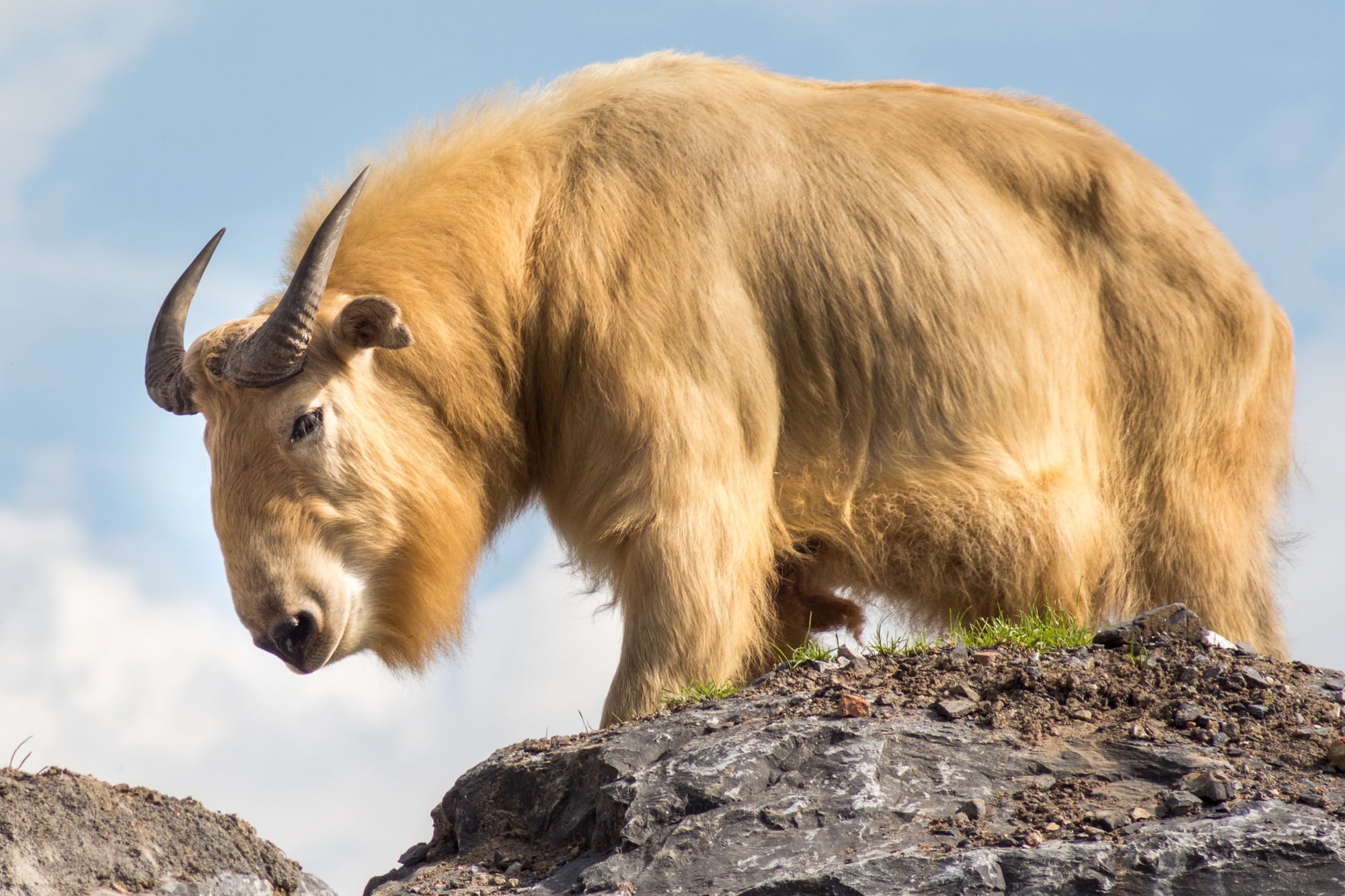
Bhutan selected the Takin as its national animal, a creature so unusual that local legend claims it was created when a Buddhist monk attached a goat’s head to a cow’s body. This golden-haired bovid with a bear-like face is found nowhere else in the world and holds spiritual significance for the Bhutanese people.
The government even attempted to release captive Takins into the wild, but the animals refused to leave the capital area, requiring the creation of a special preserve within city limits.
Scotland

Scotland proudly claims the unicorn as its national animal, a choice dating back to the 12th century. Far from a whimsical decision, medieval Scots believed unicorns represented purity and innocence but also power and masculinity that could only be tamed by virgin maidens.
The Scottish royal unicorn is always depicted with golden chains, symbolizing both its danger and the power of Scottish kings to control even the mightiest creatures.
Jamaica

Jamaica’s national fruit is the ackee, which paradoxically is both a dietary staple and potentially deadly if eaten before ripening naturally. The fruit arrived from West Africa aboard slave ships in the 1700s and became integrated into the national cuisine despite its dangerous properties.
The ackee’s complex relationship with Jamaican history mirrors the nation’s own journey, representing both hardship and resilience through its transformation from foreign toxin to beloved food source.
Mauritius
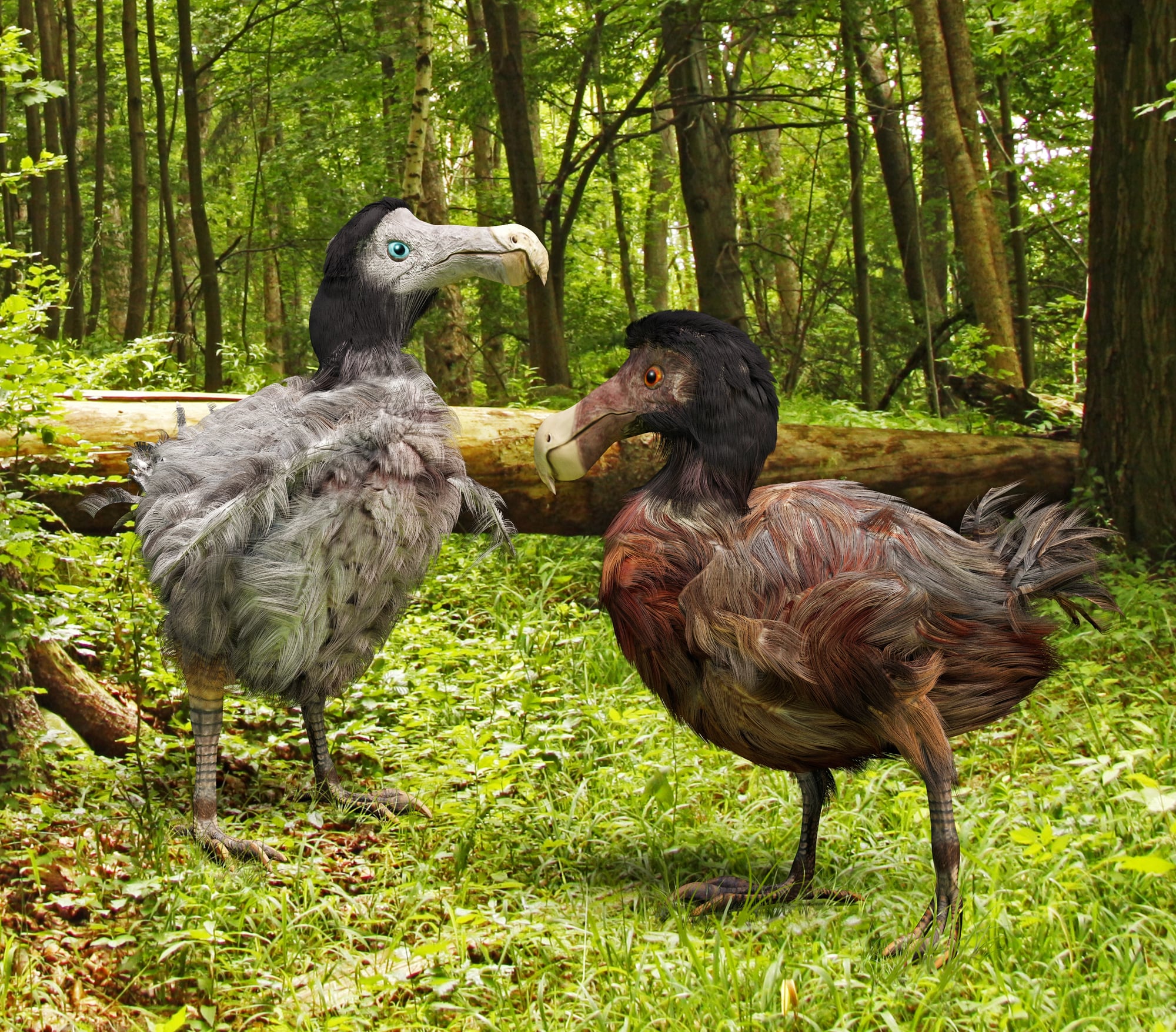
Mauritius chose the extinct dodo as its national bird, embracing a symbol of what the country lost rather than what it currently possesses. The flightless bird, which disappeared in the 1600s due to human activity, serves as a potent environmental reminder.
This unusual choice transforms a cautionary tale into a point of national identity, with the dodo appearing on everything from the national coat of arms to currency.
Mongolia

Mongolia’s national symbol is the soyombo, a geometric figure appearing on their flag that contains fire, sun, moon, earth, water, and the yin-yang symbol.
Each element represents philosophical concepts important to Mongolian culture and Buddhism. The symbol was hidden during communist rule and restored in 1992, making it not just a national emblem but a symbol of freedom from oppression.
Singapore

Singapore adopted the Merlion as its national symbol, a mythical creature with a lion’s head and fish body that existed nowhere outside marketing materials created by the tourism board in 1964. This completely invented creature has since become the city-state’s most recognized icon, with massive statues attracting visitors from around the world.
The strange hybrid represents Singapore’s origins as a fishing village (the fish body) and its original name, Singapura or “lion city” (the head).
New Zealand
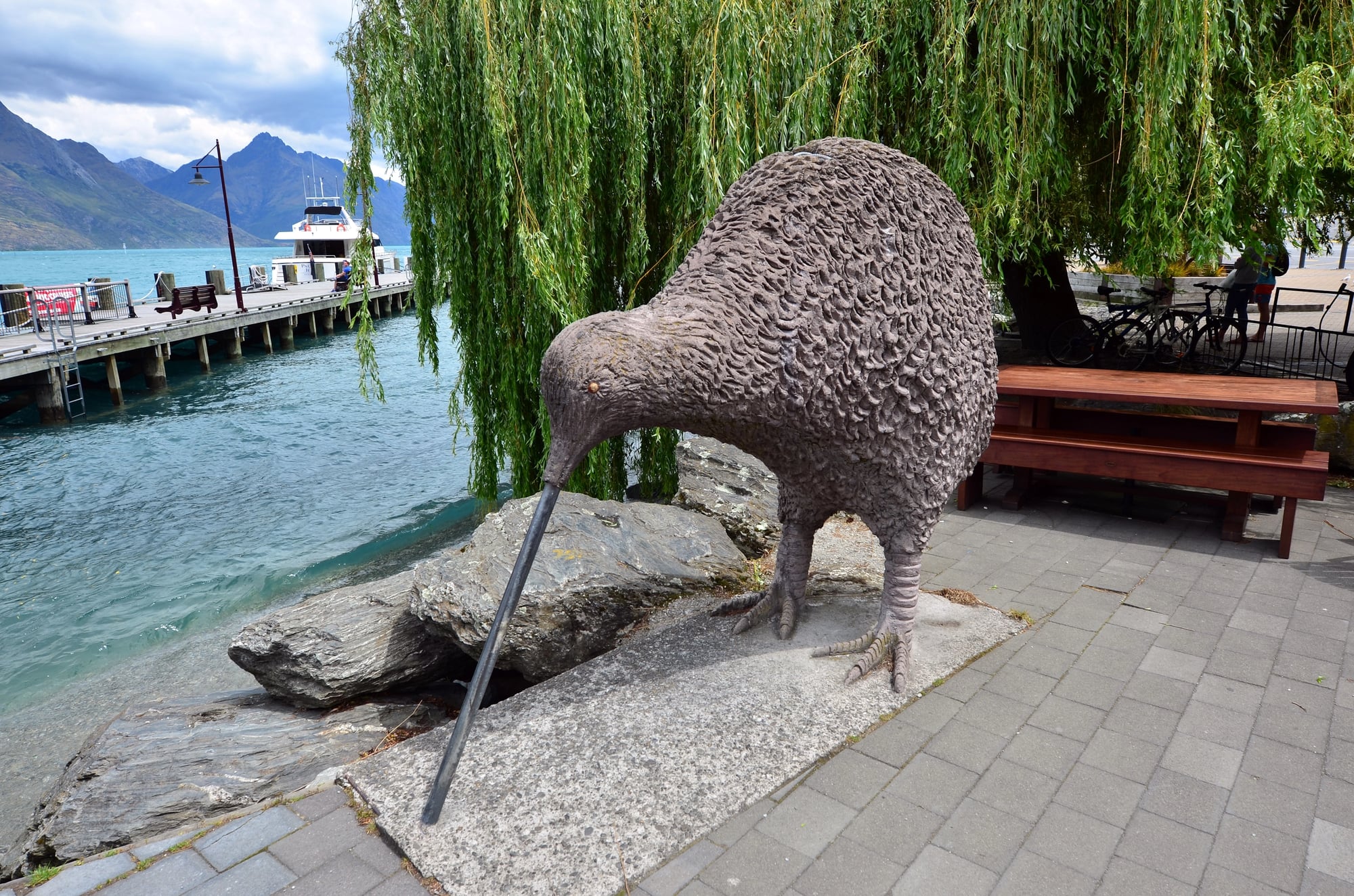
New Zealand embraced the kiwi bird as its national symbol despite the creature being small, flightless, nearly blind, and active primarily at night. These unusual qualities made the kiwi an unlikely national mascot, yet New Zealanders proudly identify themselves as “Kiwis” in reference to the strange, shy bird.
The kiwi’s uniqueness and vulnerability mirror New Zealand’s isolated evolution and ecological distinctiveness.
Finland

Finland’s national animal is the brown bear, which seems conventional until you learn about the Finns’ ancient belief that bears descended from the sky on a golden cradle. Finnish mythology held that speaking the bear’s true name would summon it, so they created over two hundred euphemisms to refer to the animal instead.
This relationship transformed from fearful reverence in ancient times to modern conservation pride, with the bear appearing on their pre-euro currency.
Uganda

Uganda designated the grey crowned crane as its national bird, featuring it prominently on the country’s flag—the only nation to include its national bird on its flag. The crane’s elaborate courtship dance, which includes bowing, jumping, and wing-flapping, has been incorporated into traditional Ugandan dances.
The bird’s golden crown represents the abundant mineral wealth of the nation, creating a walking metaphor for national prosperity.
Ecuador

Ecuador selected the Andean condor as its national bird despite the species being nearly extinct within the country’s borders. With fewer than 150 remaining in Ecuador, this massive vulture appears on currency, soccer jerseys, and government buildings throughout the nation.
The bird’s rarity has transformed it from actual presence to symbolic aspiration, representing freedom and power that soars above the constraints of Ecuador’s challenging political history.
Portugal

Portugal’s national symbol is neither animal nor plant but a mathematical formula embodied in architecture: the Manueline style. Named after King Manuel I, this ornate architectural approach incorporates maritime elements and mathematical principles from the Age of Discovery.
Ropes, coral, spheres, and astronomical tools appear in stone throughout Portuguese monuments, transforming the abstract concepts of navigation and exploration into tangible national identity.
Fiji

Fiji’s national flower is the Tagimaucia, a crimson and white blossom that only grows in the crater lakes of a single mountain on the island of Taveuni. Local legend tells that the flower originated from the tears of a princess forced to marry against her will.
\The flower’s extreme rarity and restricted habitat have paradoxically made it the perfect national symbol, representing the uniqueness of Fijian culture and the isolated development of island identities.
Switzerland

Switzerland’s unofficial national hero is William Tell, a folk character whose historical existence remains unproven. Tell allegedly shot an apple off his son’s head, defying Austrian rulers and sparking a rebellion.
Despite questionable historicity, Tell appears on commemorative coins and in the national psyche as the embodiment of Alpine independence. This elevation of plausible fiction to national symbolism reflects Switzerland’s need to unite its diverse linguistic and cultural regions.
North Macedonia
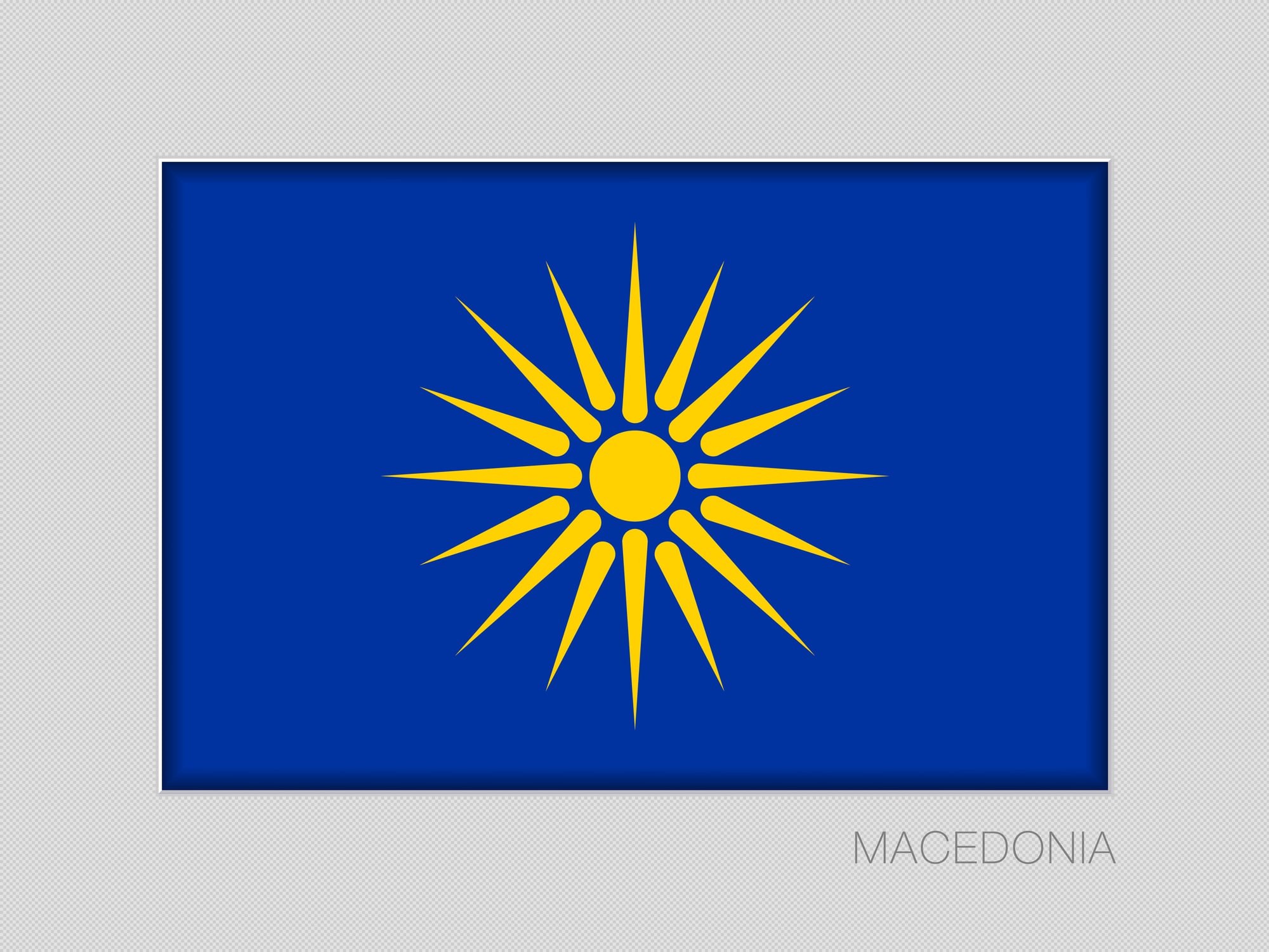
North Macedonia fought internationally for the right to use the Vergina Sun as its national symbol, eventually agreeing to modify the design after pressure from Greece. This ancient sixteen-rayed solar symbol represents the Macedonian royal dynasty of Alexander the Great.
The diplomatic conflict over this symbol lasted decades, making it perhaps the only national emblem that required United Nations mediation and international treaty negotiations to resolve.
Oman

Oman selected the Khanjar dagger as its national symbol, featuring the curved ceremonial blade prominently on its flag and currency. Unlike most weapons chosen as national symbols, the Khanjar is rarely used for violence but instead serves as a male coming-of-age gift and essential formal wear component.
This transformation of a weapon into ceremonial jewelry reflects Oman’s evolution from warrior seafaring nation to modern diplomatic state.
Symbols Beyond Borders

DepositPhotos
These unusual national symbols transcend mere decoration or tradition—they embody complex narratives about how nations view themselves and wish to be perceived by others. From extinct birds to fictional characters, from tiny insects to mythical creatures, these unexpected emblems reflect the richness of global cultural identity.
While conventional symbols promote strength and beauty, these unexpected choices often reveal deeper truths about national character: the value of vulnerability, the importance of mythology, and the power of transforming loss into legacy.
More from Go2Tutors!

- The Romanov Crown Jewels and Their Tragic Fate
- 13 Historical Mysteries That Science Still Can’t Solve
- Famous Hoaxes That Fooled the World for Years
- 15 Child Stars with Tragic Adult Lives
- 16 Famous Jewelry Pieces in History
Like Go2Tutors’s content? Follow us on MSN.



