Terrifying Prehistoric Predators Roaming the Earth
The earth has always been a stage for monsters. Long before humans walked upright, creatures with teeth like sabers and claws like daggers ruled land, sea, and sky.
These weren’t the gentle giants we sometimes imagine when we think of dinosaurs — these were apex predators designed by millions of years of evolution to kill with ruthless efficiency. Some hunted in packs, others stalked alone, but all of them shared one thing: they were very good at turning other creatures into their next meal.
The fossil record reads like a horror novel, each discovery revealing new nightmares that once breathed, hunted, and fed in worlds we can barely comprehend.
Tyrannosaurus Rex
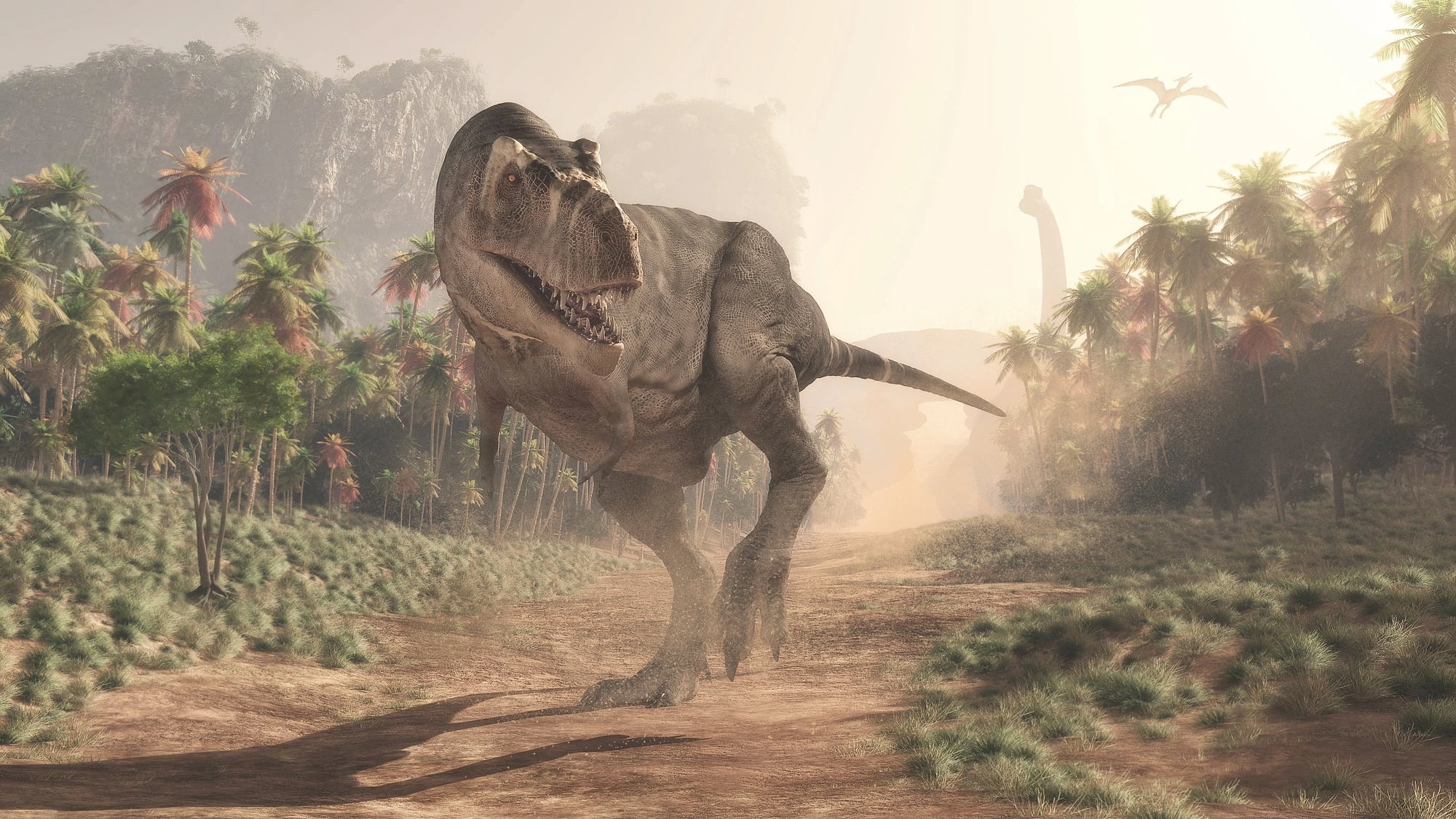
This isn’t just the king of dinosaurs. It’s the king of nightmares.
Thirteen feet tall, forty feet long, with teeth the size of bananas designed to crush bone. Every part of this animal was built for killing, and it was very good at its job.
Spinosaurus
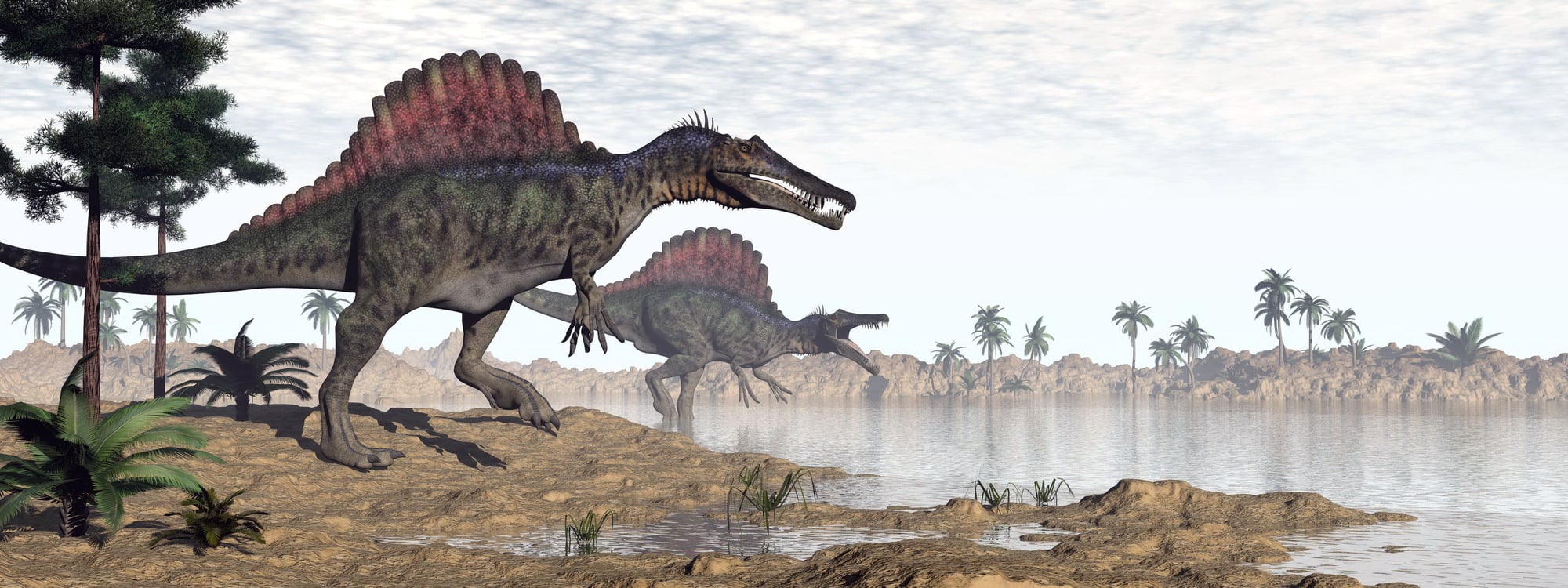
Picture a crocodile that decided to stand up and grow to the size of a city bus, then add a sail on its back that makes it look even more terrifying than physics should allow — and you’re getting close to understanding what Spinosaurus brought to the prehistoric party (though you’re still not quite there, because nothing really prepares you for the reality of a predator that could hunt both on land and in water with equal enthusiasm). This monster wasn’t content to dominate just one environment; it needed both the rivers and the shores, which meant that if you were a fish, you weren’t safe in the water, and if you were a land animal, you weren’t safe at the water’s edge either.
And the teeth — rows of conical, fish-grabbing daggers that could also handle whatever unlucky land creature wandered too close to the wrong riverbank — were just the beginning of the problem. So imagine being a smaller dinosaur, approaching what looks like a peaceful river for a drink.
Wrong move.
Allosaurus
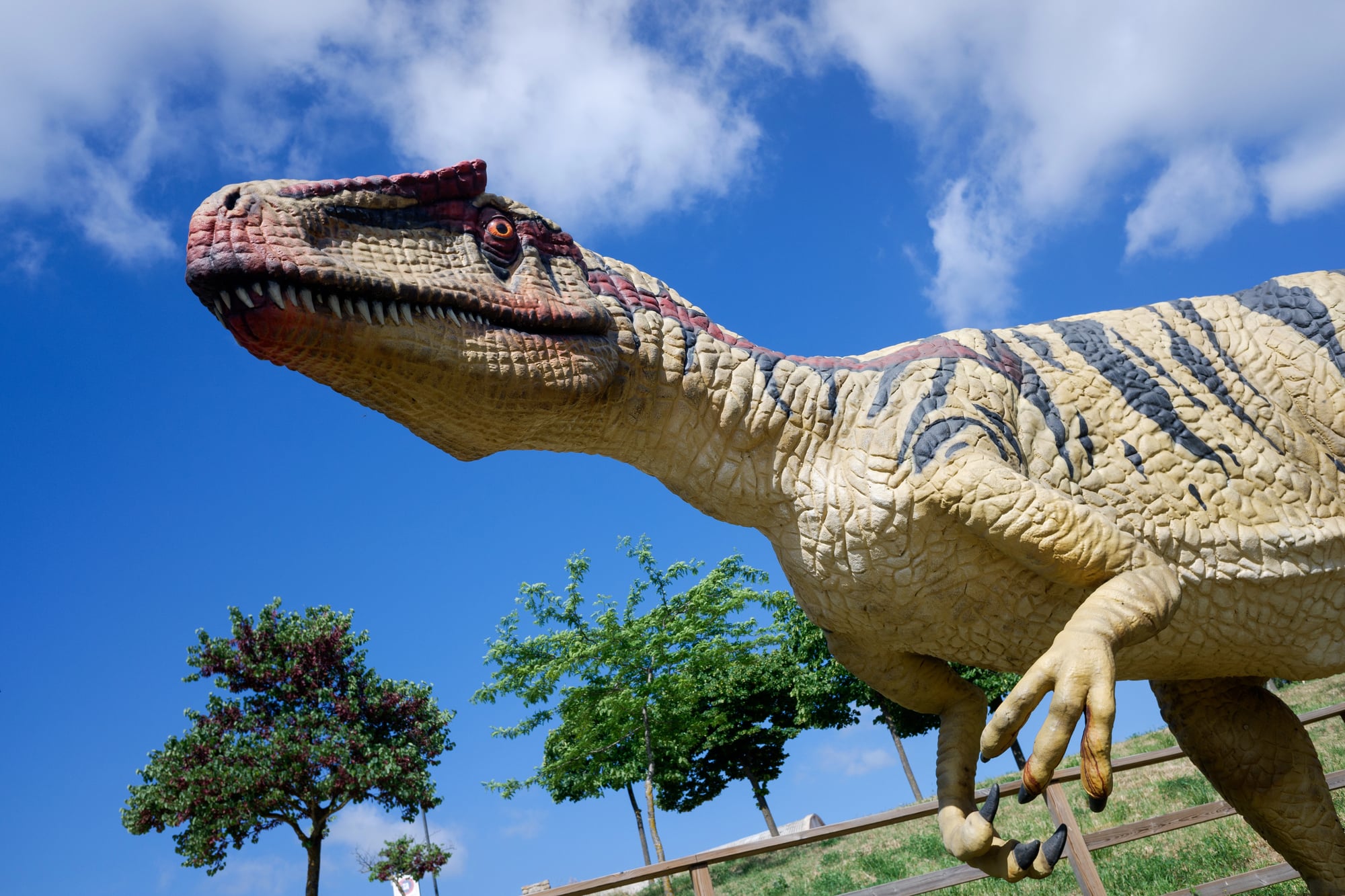
There’s something unsettling about a predator that hunts like a ghost. Allosaurus moved through Jurassic forests the way shadows move across walls — present, persistent, always just out of sight until the moment it wasn’t.
Unlike the brute force approach of later giants, this hunter understood patience. It knew how to read the small signs that prey leaves behind: the broken twig, the disturbed earth, the faint scent trail that leads inevitably to dinner.
The long arms weren’t decorative. They were precision instruments, each ending in claws that could hold struggling prey while those blade-like teeth finished the work.
Carnotaurus
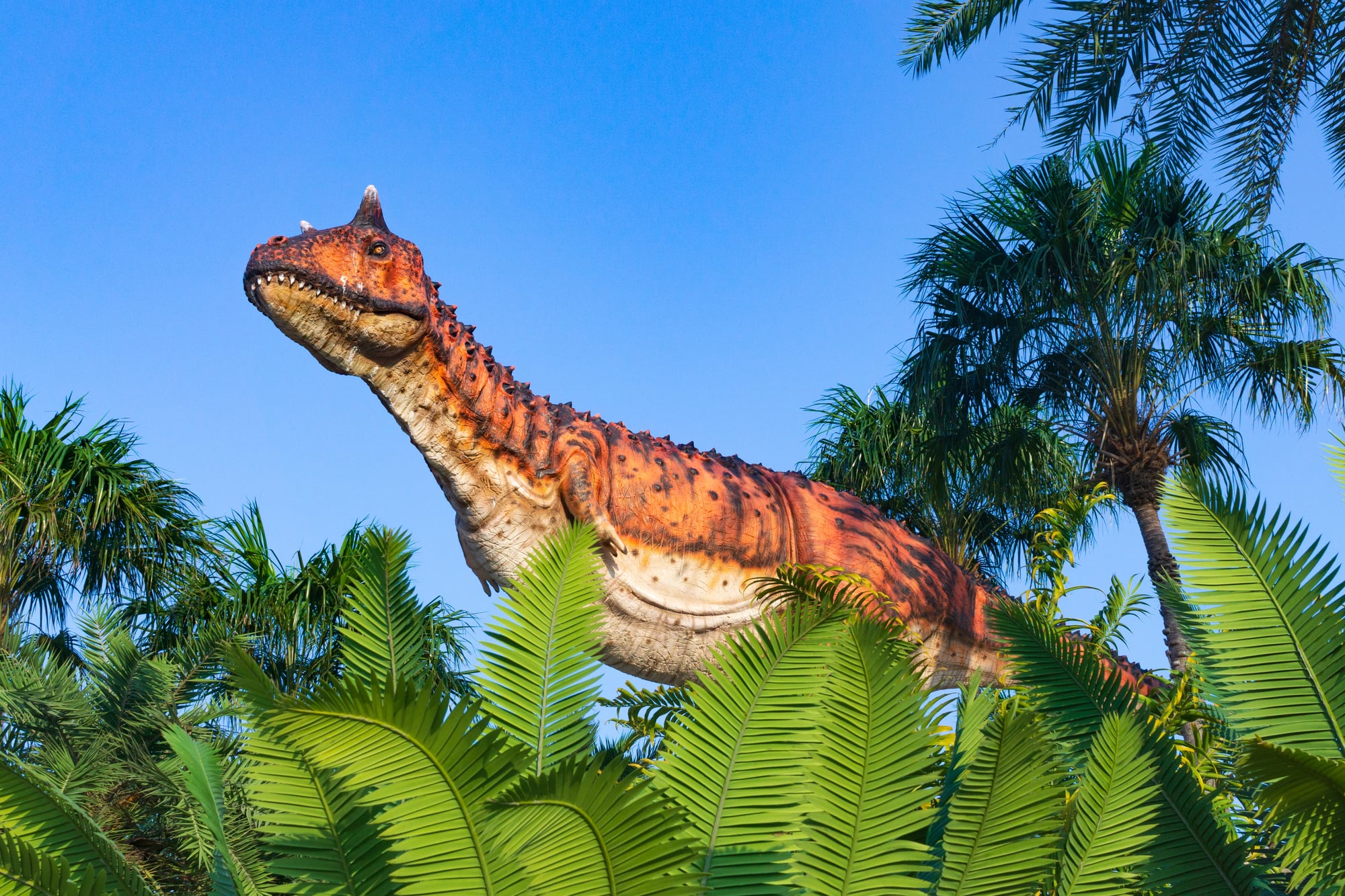
The horned devil earned its name honestly. Two forward-facing horns above the eyes gave this predator a permanently demonic expression, which was fitting given its specialty: running down prey at highway speeds.
Most large predators lumber. Carnotaurus sprinted.
Those tiny arms weren’t even functional — this animal was pure pursuit machine, built for one thing only.
Utahraptor
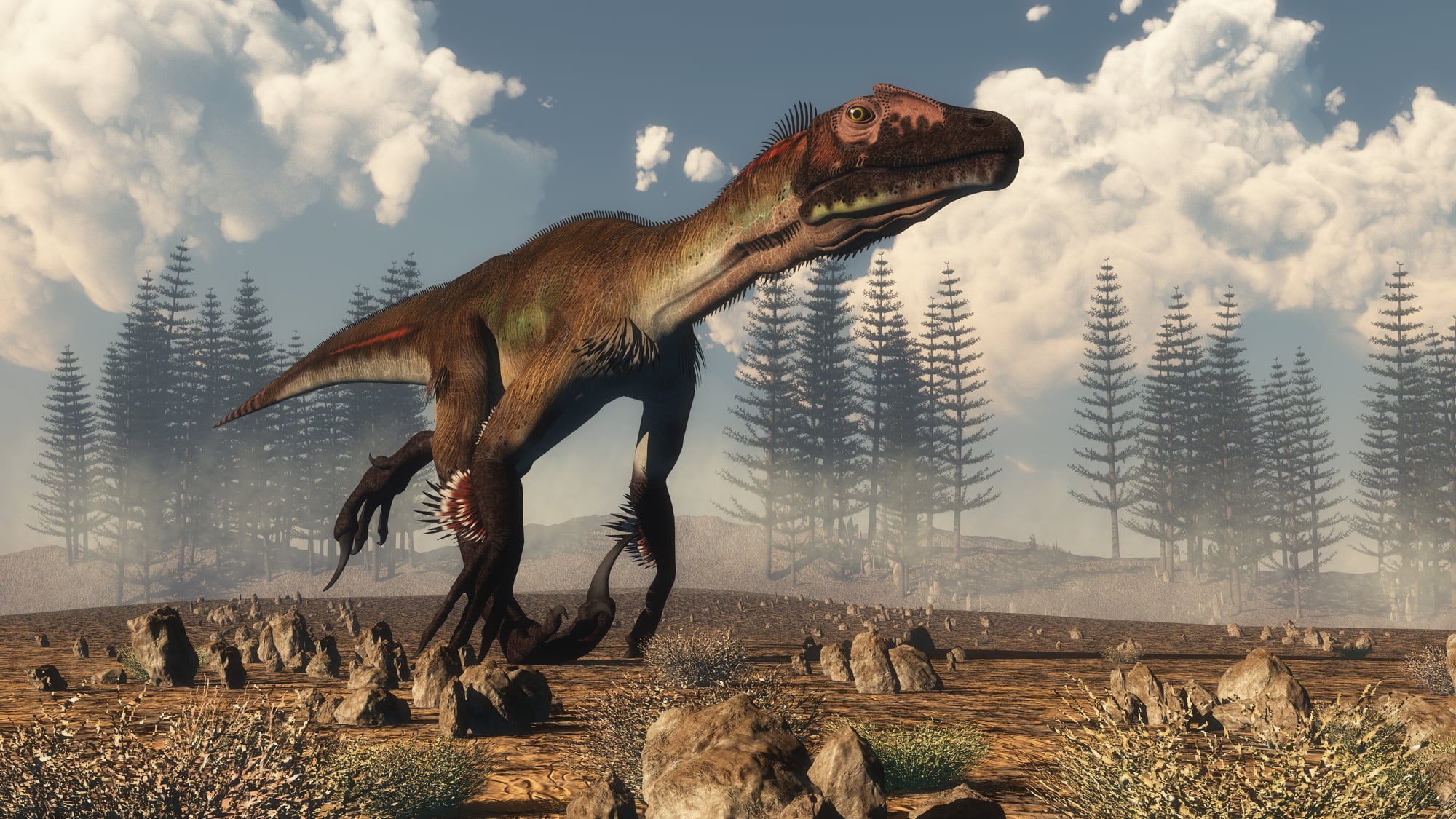
Here’s what paleontologists discovered when they dug up Utahraptor fossils: intelligence can be more terrifying than size (and Utahraptor had plenty of both, which explains why it gives even seasoned scientists the uncomfortable feeling that maybe some extinction events were actually mercies in disguise). Picture a predator with the problem-solving ability of a modern bird of prey, except this bird stood nine feet tall and came equipped with killing claws the length of chef’s knives — and it hunted in coordinated packs that could take down creatures ten times their individual size.
But the real nightmare fuel wasn’t the physical equipment, impressive as it was; it was the brain behind those cold reptilian eyes, a brain capable of strategy, learning, and patience. And pack hunters that learn from their mistakes don’t stay extinct in your nightmares; they evolve into something worse.
So when you imagine Utahraptor, don’t just picture the claws — picture the moment when several pairs of intelligent eyes lock onto you from different directions, and you realize they’ve been planning this for a while.
Giganotosaurus
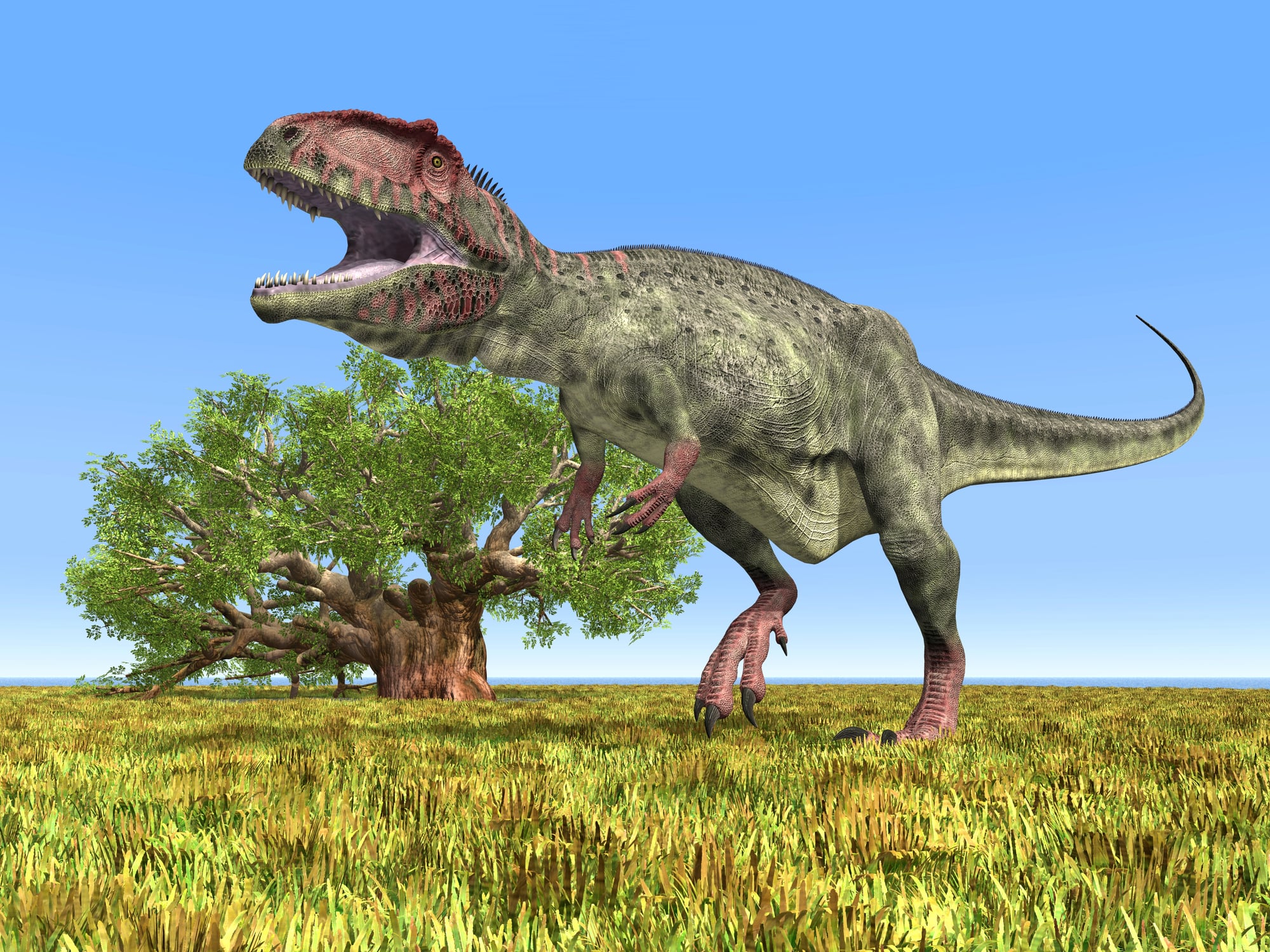
Meet the animal that makes T. rex look modest. This South American monster stretched longer than a school bus and weighed as much as an elephant — but elephants don’t come equipped with serrated steak knives for teeth.
Giganotosaurus specialized in taking down sauropods, which means it regularly hunted animals the size of small apartment buildings. The skull alone measured six feet long, which gives you some idea of the bite radius you’d be dealing with.
That’s not hunting; that’s demolition work.
Megalania
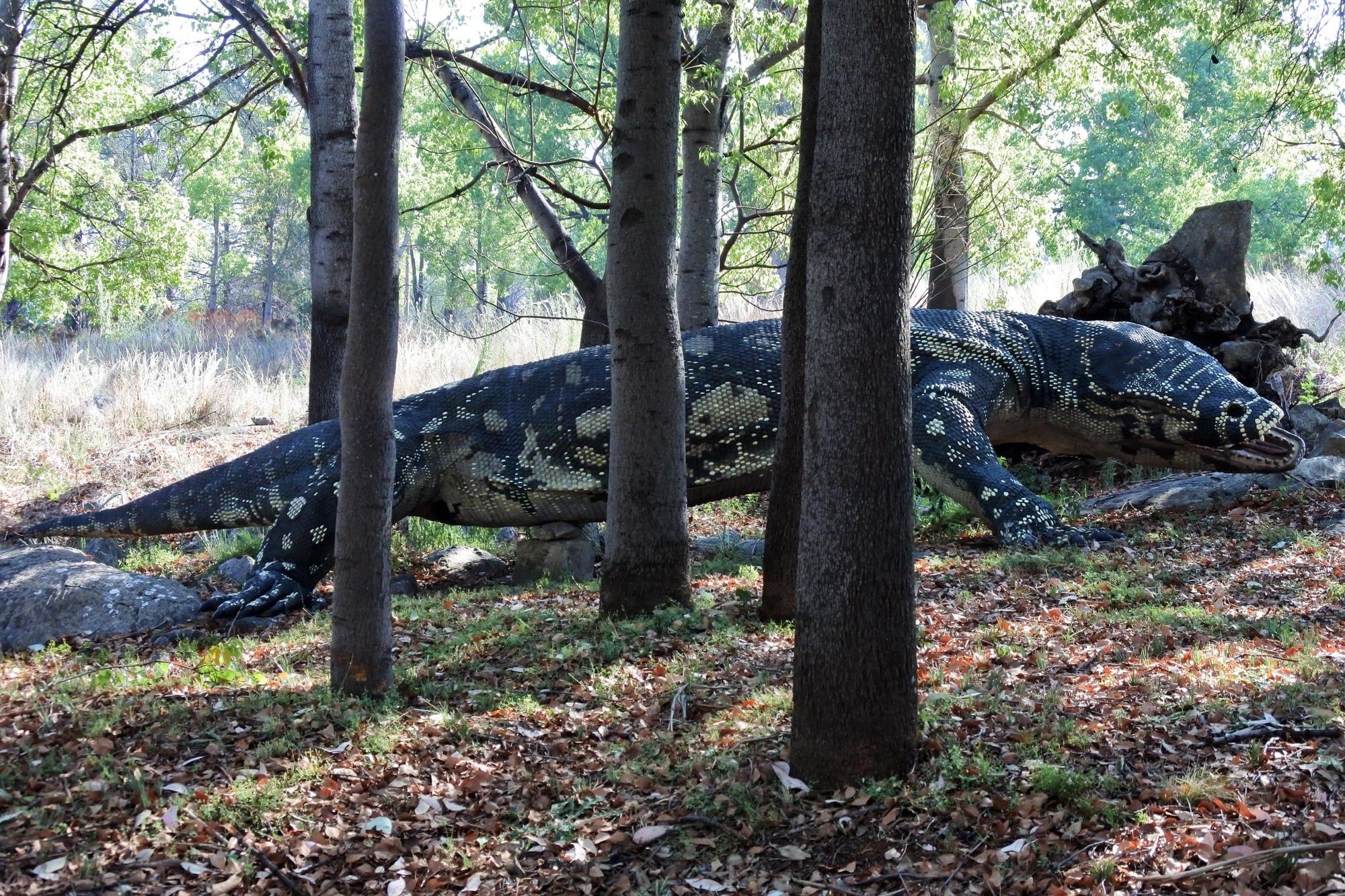
The past has a way of taking familiar horrors and scaling them up beyond reason. Megalania was what happened when evolution looked at a Komodo dragon and decided it wasn’t quite terrifying enough.
Twenty feet of venomous lizard stalked the Australian landscape until surprisingly recently — though it went extinct around 2.5 million years ago, well before anatomically modern humans arrived. Early hominins may have emerged during the tail end of Megalania’s existence, but any overlap remains speculative.
The venom wasn’t just an added bonus; it was precision biological warfare, designed to drop large prey through a combination of blood loss and shock. A single bite could kill something the size of a rhinoceros, and Megalania had the patience to follow wounded prey for miles while the venom did its work.
Mapusaurus
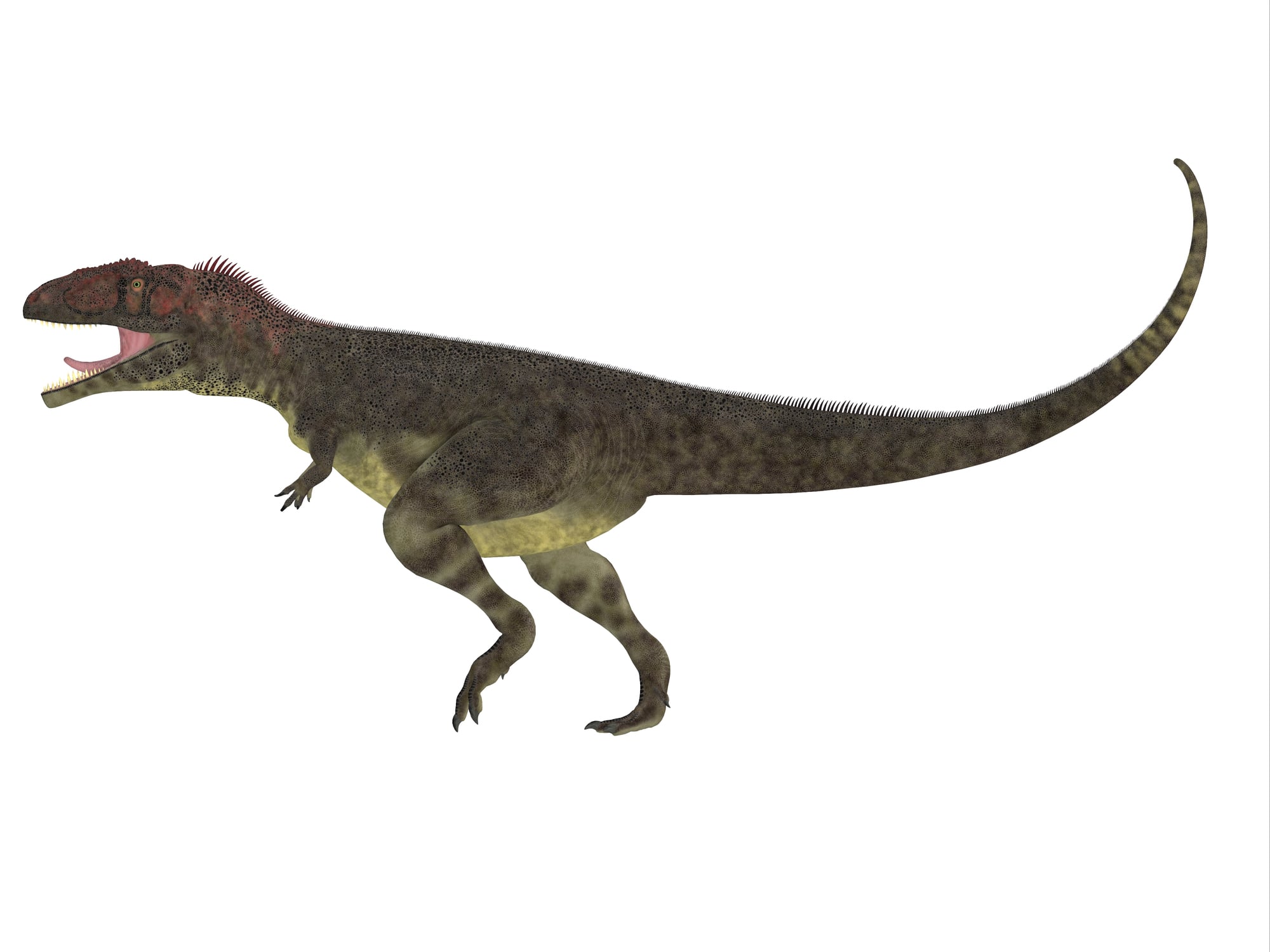
Pack hunters are bad enough when they’re small. When they’re forty feet long and hunting in groups, the math gets terrifying quickly.
Mapusaurus operated in family units, coordinating attacks on massive sauropods with the kind of teamwork that suggests both intelligence and communication. These weren’t mindless killing machines — they were strategic thinkers with teeth like railroad spikes.
Carcharodontosaurus
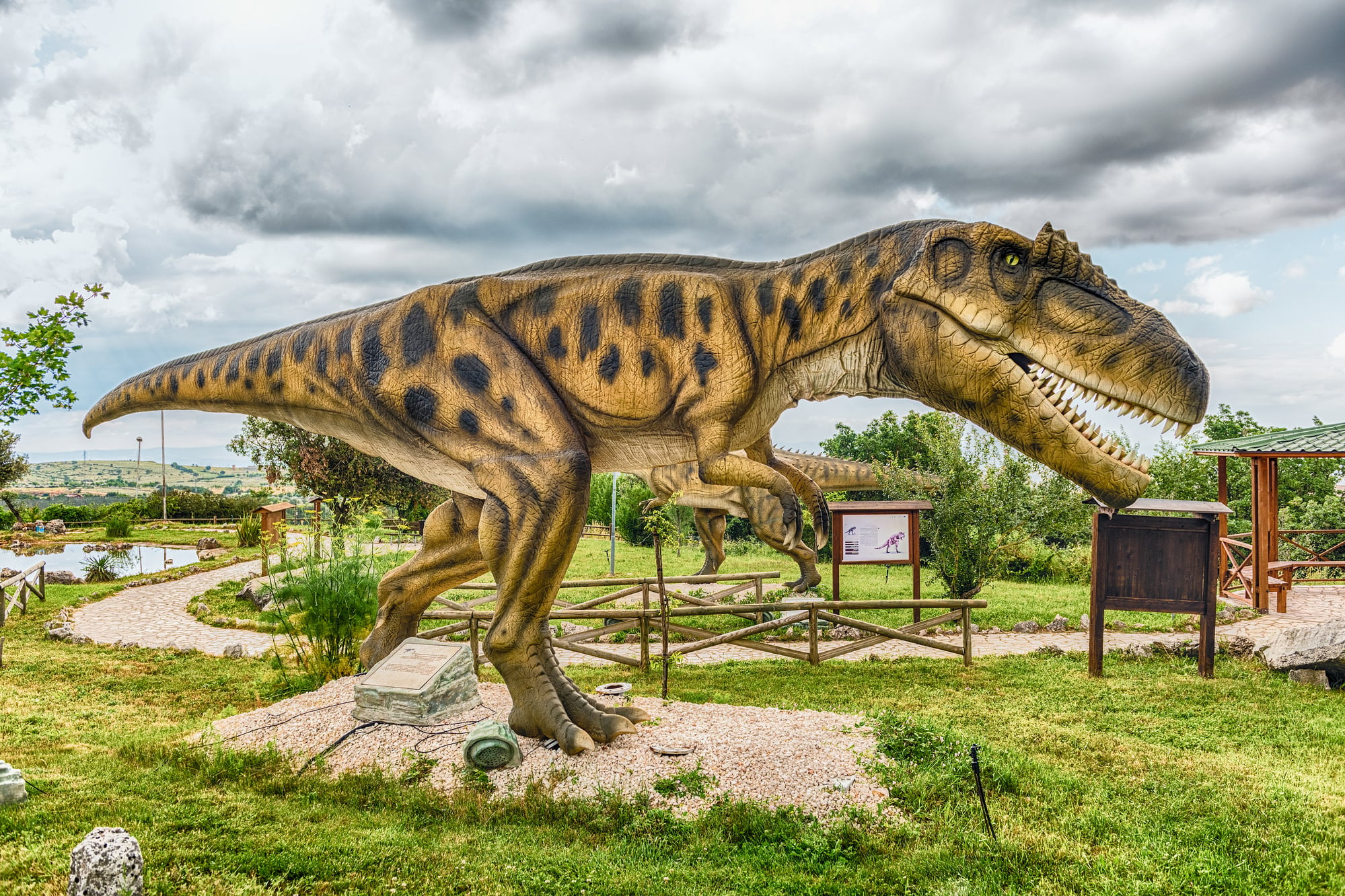
The name translates to “shark-toothed lizard,” which is unsettling enough until you realize the sharks they’re referring to are great whites, and the lizard in question was roughly the size of a freight train.
Those shark teeth weren’t just for show — they were precision instruments designed to slice through flesh and bone with surgical efficiency. Carcharodontosaurus didn’t just bite; it performed high-speed amputations on anything unlucky enough to get within range of those jaws.
Deinonychus
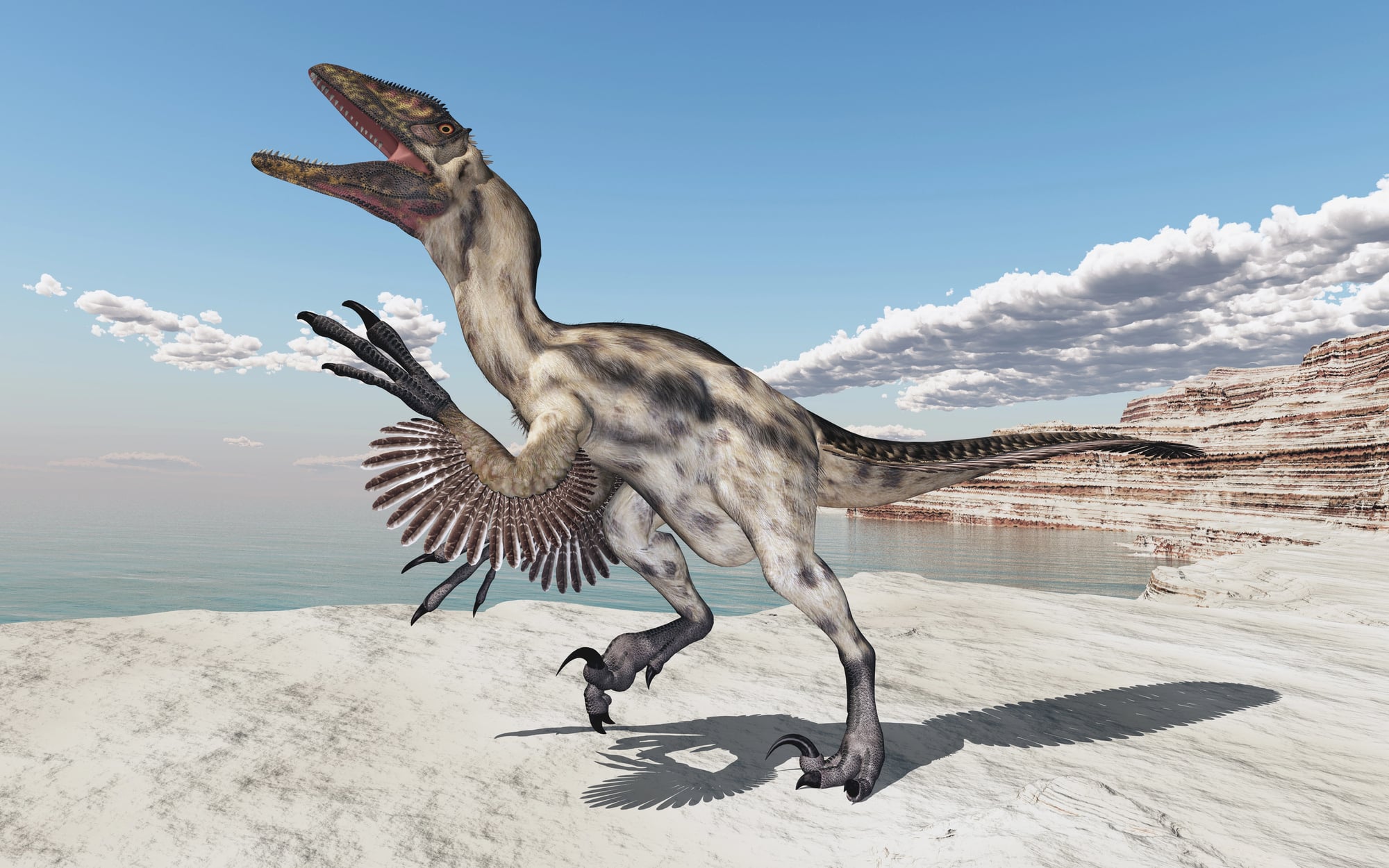
Sometimes the smallest packages contain the worst surprises. Deinonychus was only ten feet long, but it hunted with a tactical precision that larger predators couldn’t match (and when paleontologists first studied the fossilized remains, they found evidence of something that made them fundamentally rethink what they thought they knew about predatory intelligence — pack coordination so sophisticated it resembled military strategy more than animal behavior).
The sickle-shaped killing claw on each foot wasn’t just sharp; it was articulated, meaning this predator could control the angle and depth of each slash with surgical precision, turning every attack into a calculated dissection rather than a wild assault. And the pack behavior wasn’t random; it was organized, with different members taking specific roles during hunts — some driving prey, others cutting off escape routes, others delivering the killing strikes.
But perhaps most disturbing was the evidence that they learned from each hunt, adapting their tactics based on the behavior of different prey species. So you weren’t just dealing with a pack of predators; you were dealing with a pack of predators that got better at killing you every time they tried.
Acrocanthosaurus
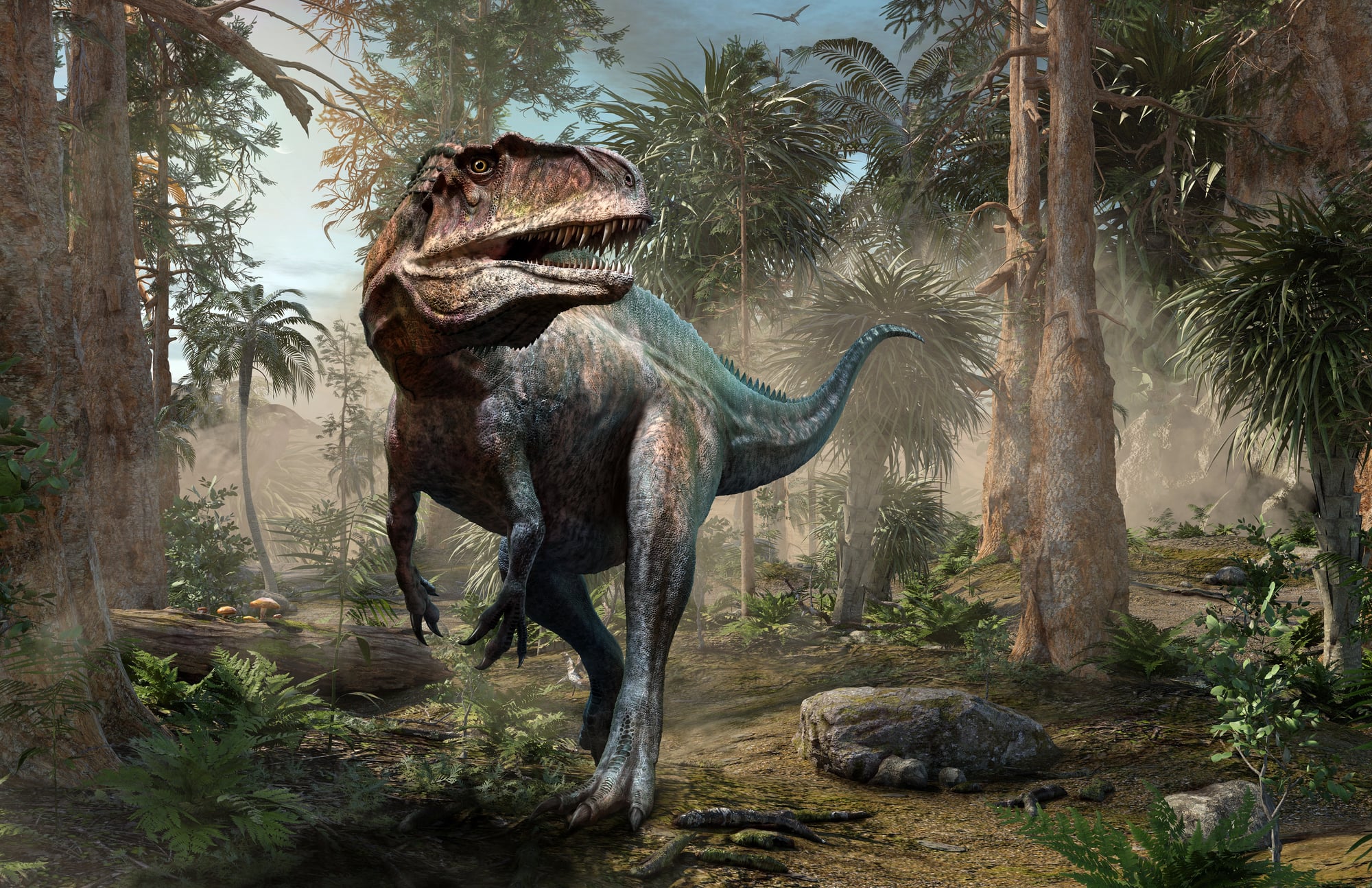
Picture a predator built like a suspension bridge — all cables and tension, designed to handle massive loads without breaking. Acrocanthosaurus carried a ridge of neural spines down its back that gave it the profile of a living mountain range, but this wasn’t decoration.
This was the framework for muscle attachments that allowed a 28–32-foot predator to move with surprising grace and terrible purpose. The name means “high-spined lizard,” but that clinical description doesn’t capture the reality of meeting something that combined considerable size with the killing instincts of a professional assassin.
Yangchuanosaurus
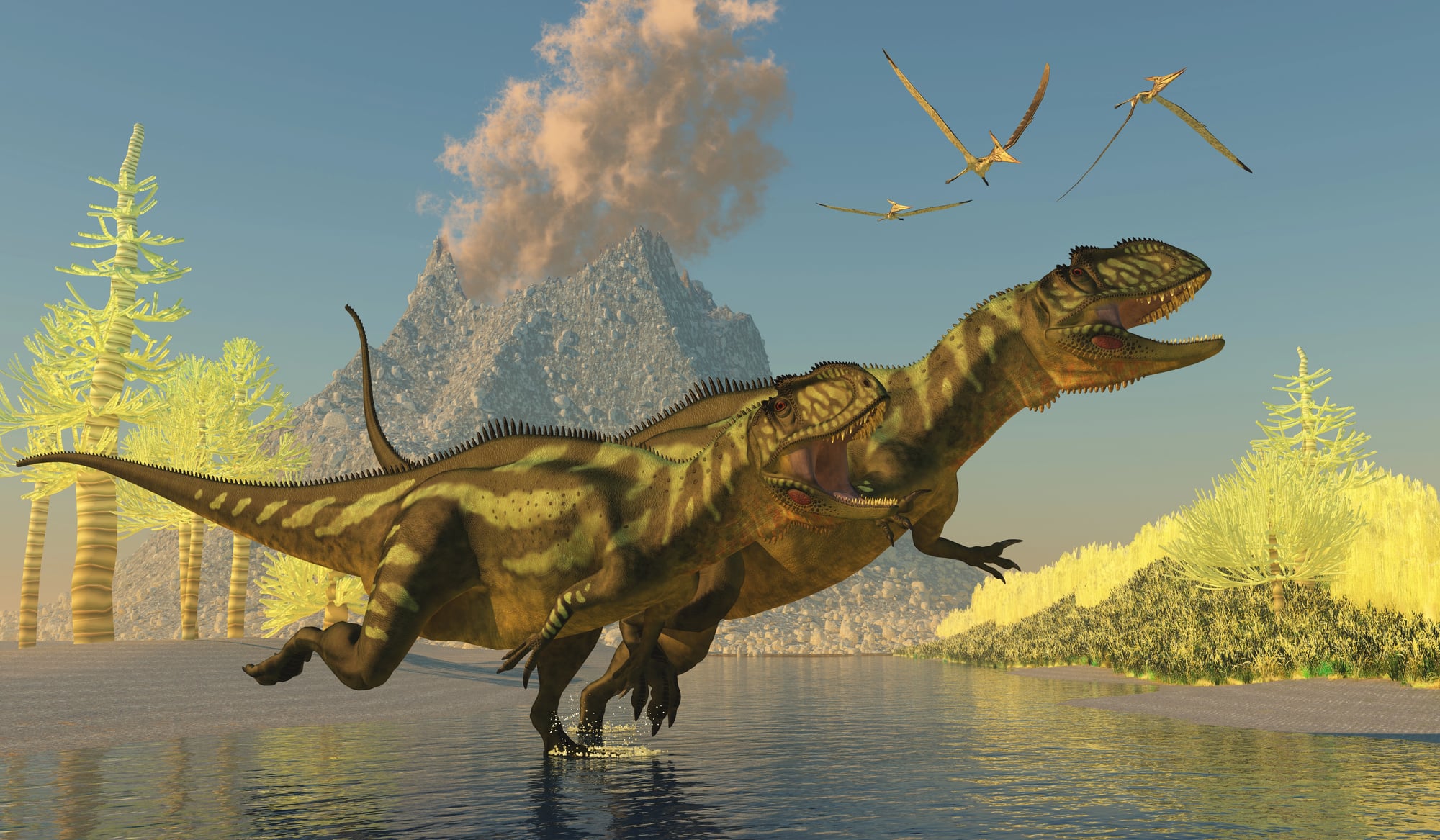
China’s contribution to the prehistoric nightmare collection was a predator that specialized in making other predators nervous. Yangchuanosaurus shared its territory with some of the largest herbivores that ever lived, which meant it had to be exceptionally good at its job to survive.
Those herbivores weren’t defenseless — they came with their own armor, spikes, and attitude problems. A predator that could consistently take down armored prey the size of tanks wasn’t just strong; it was smart enough to find the weak spots that other hunters missed.
Albertosaurus
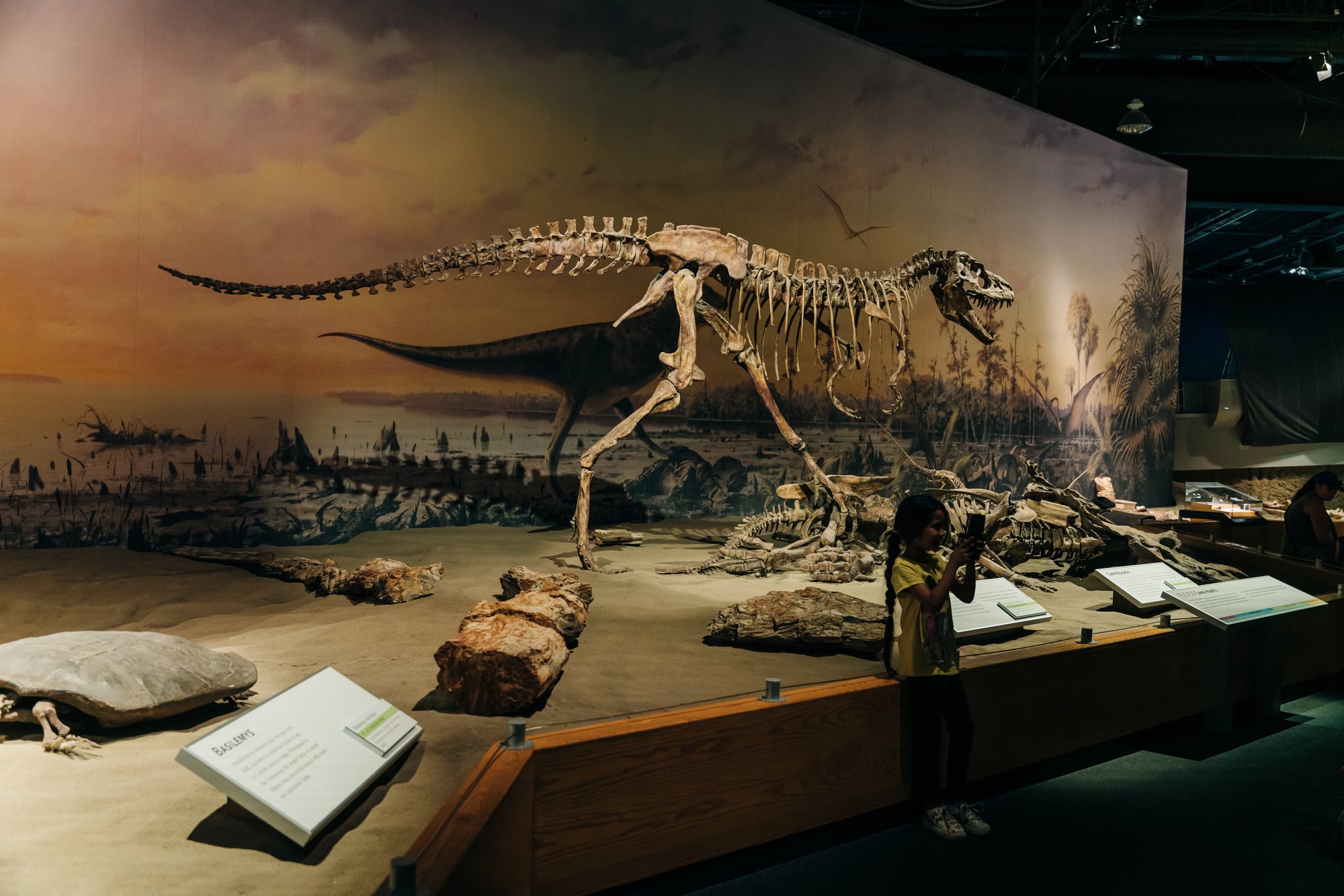
Think of Albertosaurus as T. rex’s smaller, faster, arguably more dangerous cousin (which is saying something, considering T. rex already occupies the top tier of things you never want to meet in a dark alley, or a bright alley, or any alley at all, for that matter). This predator was built for speed and packed enough bite force to crush car engines, but what made it truly terrifying was that it hunted in groups — something its larger relative apparently never figured out.
Pack-hunting tyrannosaurs were bad enough as a concept; pack-hunting tyrannosaurs that could run down their prey at twenty-five miles per hour were the kind of evolutionary development that made being a herbivore in late Cretaceous Canada a very dangerous career choice. And the fossil evidence suggests they were strategic about it, working together to isolate and overwhelm prey that any individual Albertosaurus might struggle with alone.
So you had predators with bone-crushing jaws, surprising speed, and team tactics. Nature really wasn’t fooling around.
Saurophaganax
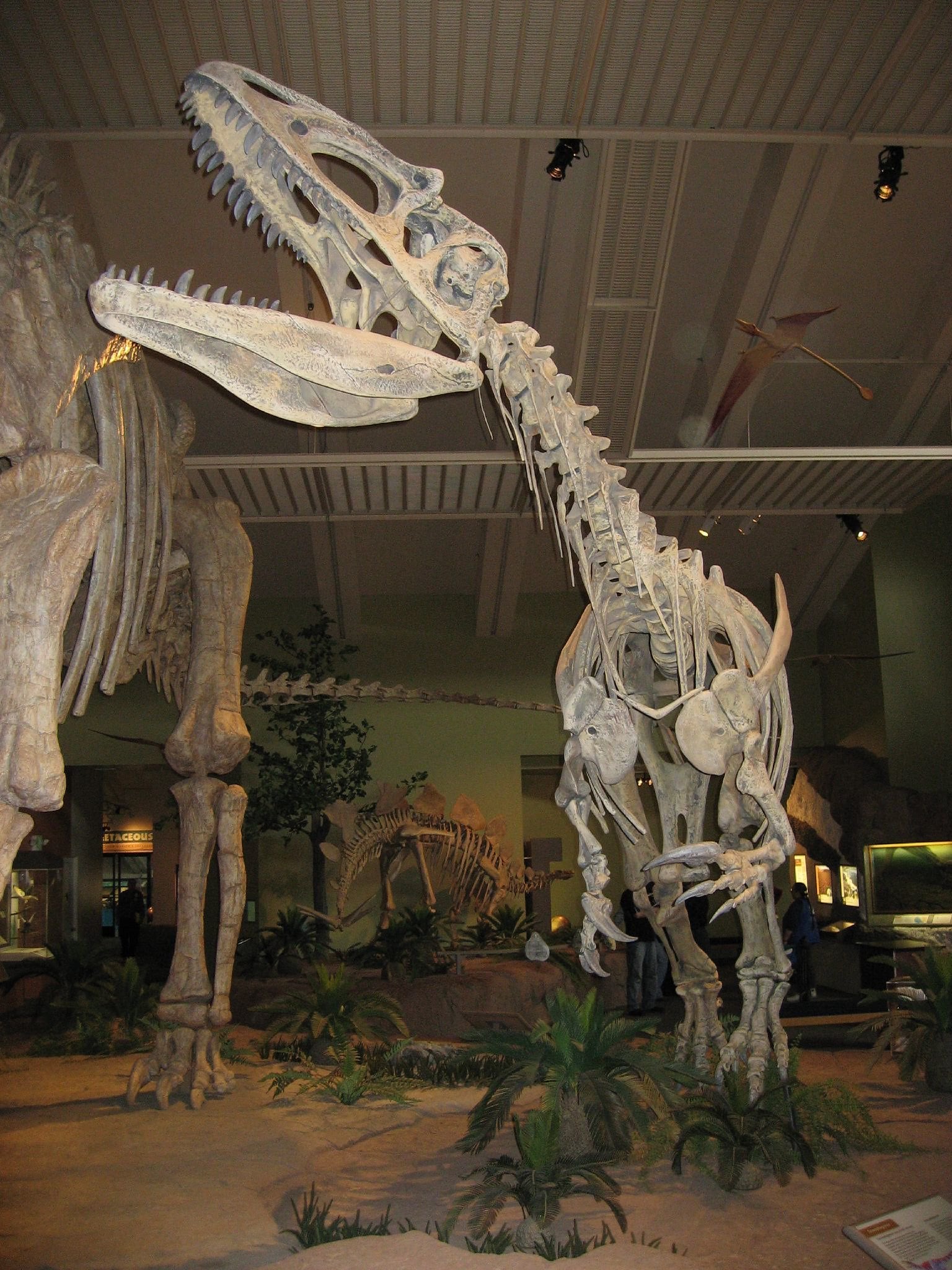
The name means “lizard-eating master,” which undersells the reality of a predator that regularly hunted other predators. Saurophaganax wasn’t content to pick on herbivores — it actively sought out other large carnivores and turned them into meals.
This was a 28–32-foot apex predator that considered other apex predators to be menu items. In the Late Jurassic food web, Saurophaganax sat alone at the top, which tells you everything you need to know about how the other predators felt about sharing territory with it.
Monsters of the Ancient World
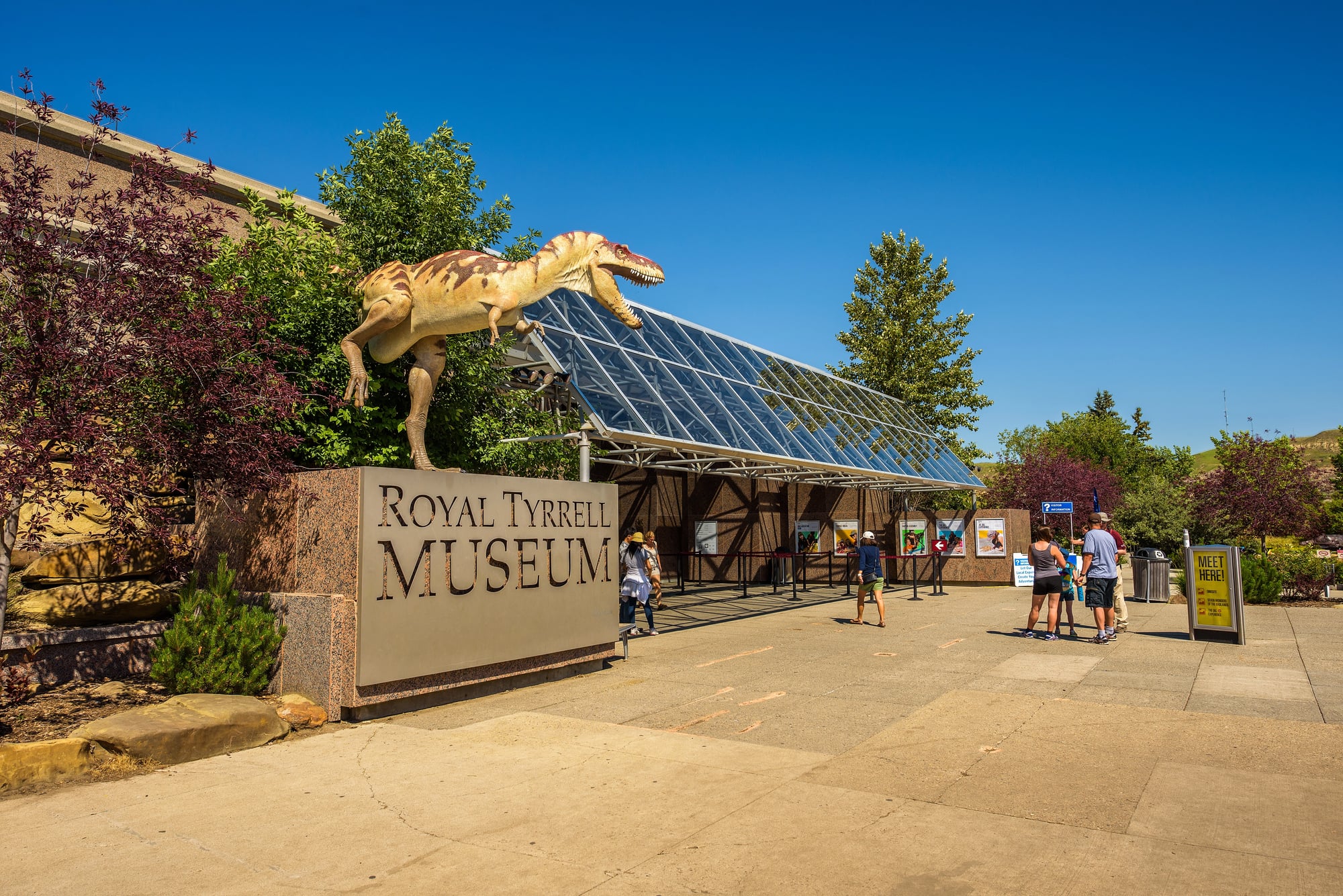
The earth’s long history reads like a catalog of evolutionary experiments in terror, each more refined than the last. These predators didn’t just survive — they dominated their worlds so completely that their prey had to develop armor, spikes, size, and herding behavior just to have a chance.
The fossil record shows us the results of an arms race that lasted millions of years, where predator and prey pushed each other toward extremes we can barely imagine. And yet these creatures weren’t mythical monsters; they were real animals that breathed, hunted, and fed in worlds that were every bit as concrete as ours.
They remind us that the earth has always belonged to its most successful predators, and for most of its history, those predators were very different from anything walking around today.
More from Go2Tutors!

- The Romanov Crown Jewels and Their Tragic Fate
- 13 Historical Mysteries That Science Still Can’t Solve
- Famous Hoaxes That Fooled the World for Years
- 15 Child Stars with Tragic Adult Lives
- 16 Famous Jewelry Pieces in History
Like Go2Tutors’s content? Follow us on MSN.