The 15 Fastest Cars Ever Produced
Speed has always been the ultimate flex in the automotive world. From the early days of racing to today’s high-tech machines, car makers have pushed the limits of what’s possible on four wheels.
These aren’t just fast cars. They’re engineering masterpieces that cost millions, use space-age materials, and make sounds that give people goosebumps.
So what separates a quick car from the absolute fastest? Let’s look at the machines that have earned their place in history.
Bugatti Chiron Super Sport 300+
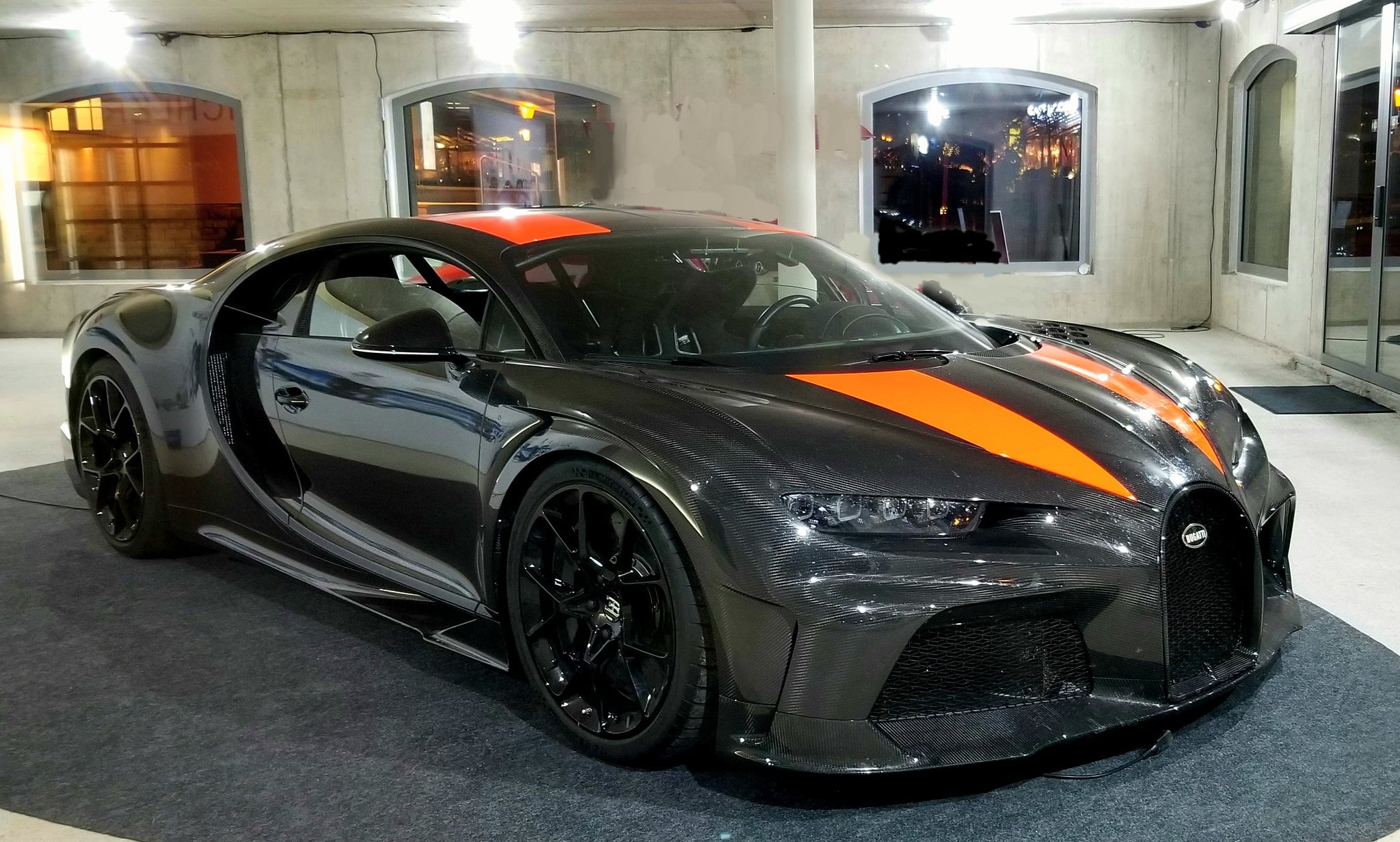
The Chiron Super Sport 300+ made history in 2019 when it became the first production car to break 300 miles per hour. Test driver Andy Wallace hit 304.77 mph at Volkswagen’s test track in Germany, and the automotive world lost its mind.
The car uses an 8.0-liter quad-turbocharged W16 engine that pumps out 1,577 horsepower. Bugatti only made 30 of these beasts, and each one sold for around $5.2 million before they even announced the price publicly.
SSC Tuatara
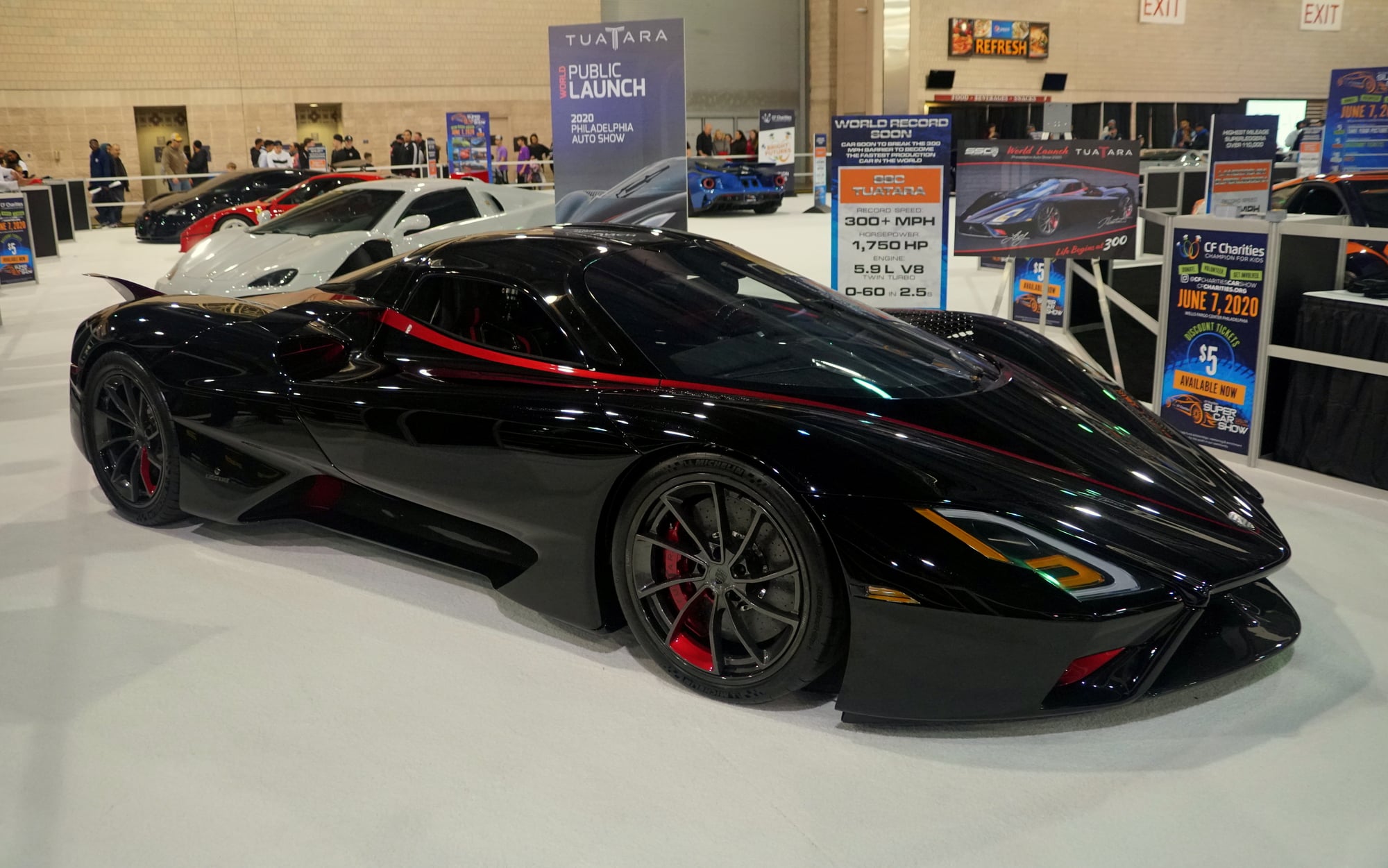
The SSC Tuatara claimed a two-way average speed of 282.9 mph in 2020, though the record sparked some debate in the car community. This American hypercar uses a 5.9-liter twin-turbo V8 that produces 1,750 horsepower on E85 fuel.
The name comes from a New Zealand reptile known for having the fastest molecular evolution of any animal. SSC built the Tuatara with serious aerodynamics in mind, and the carbon fiber body helps it slice through air like a knife through butter.
Hennessey Venom F5
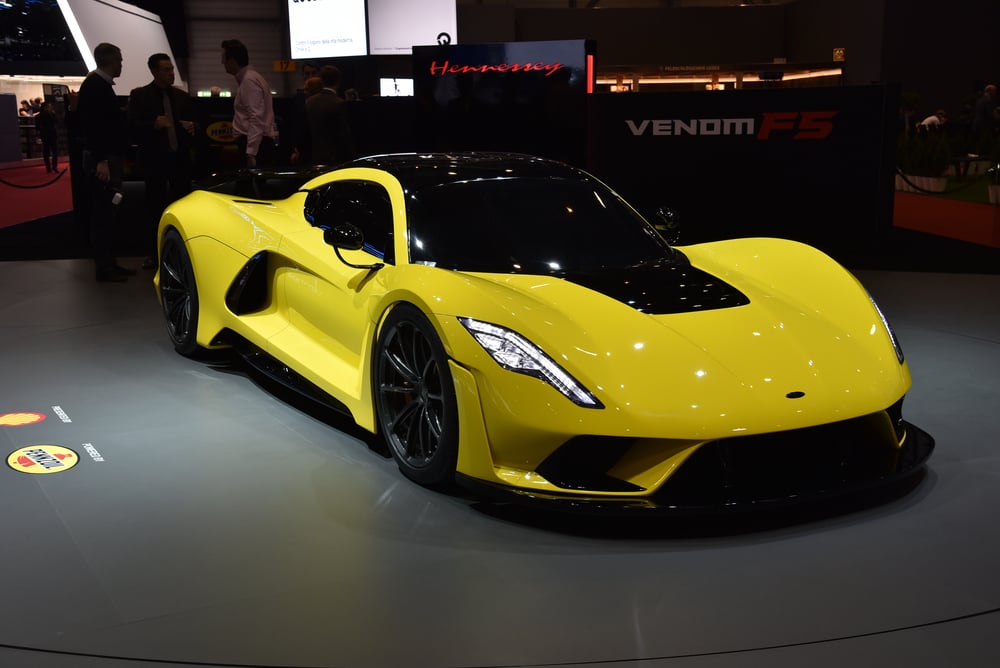
Hennessey Performance Engineering designed the Venom F5 to hit 311 mph, naming it after the most powerful tornado category on the Fujita scale. The car weighs just 2,950 pounds thanks to a carbon fiber chassis and body.
Under the hood sits a 6.6-liter twin-turbo V8 called ‘Fury’ that cranks out 1,817 horsepower. The company claims it can go from zero to 249 mph and back to zero in under 30 seconds, which is absolutely bonkers.
Koenigsegg Jesko Absolut
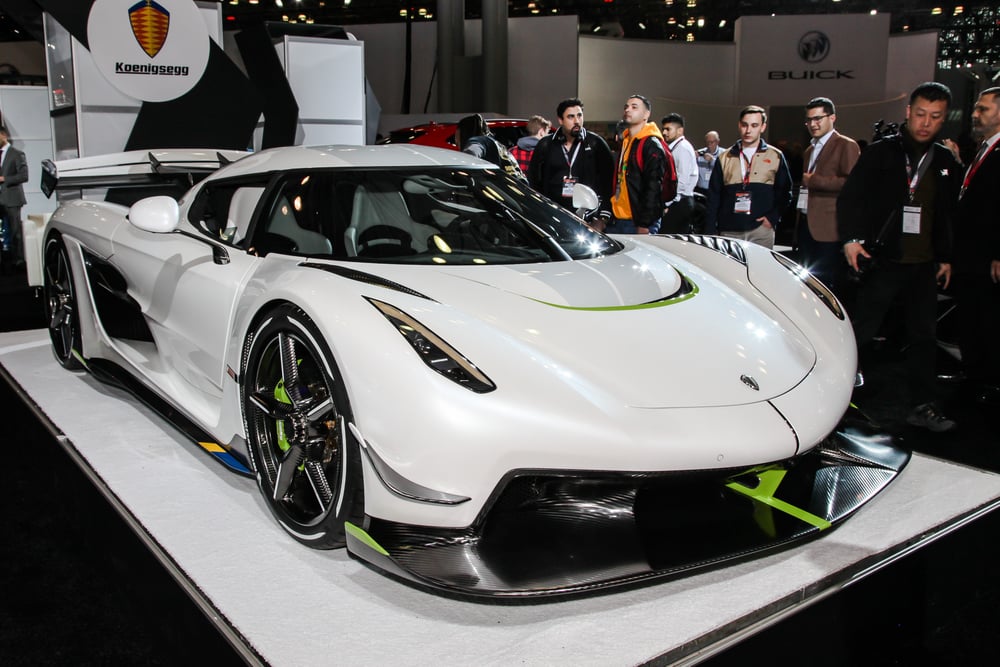
Koenigsegg stripped away the massive rear wing from their track-focused Jesko and created the Absolut, a car built purely for top speed. The Swedish company predicts it could reach 330 mph under the right conditions.
It packs a 5.0-liter twin-turbo V8 that makes 1,600 horsepower on premium gas or 1,280 horsepower on regular fuel. The name ‘Jesko’ honors the founder’s father, and every surface of this car was designed to reduce drag to almost nothing.
Bugatti Veyron Super Sport
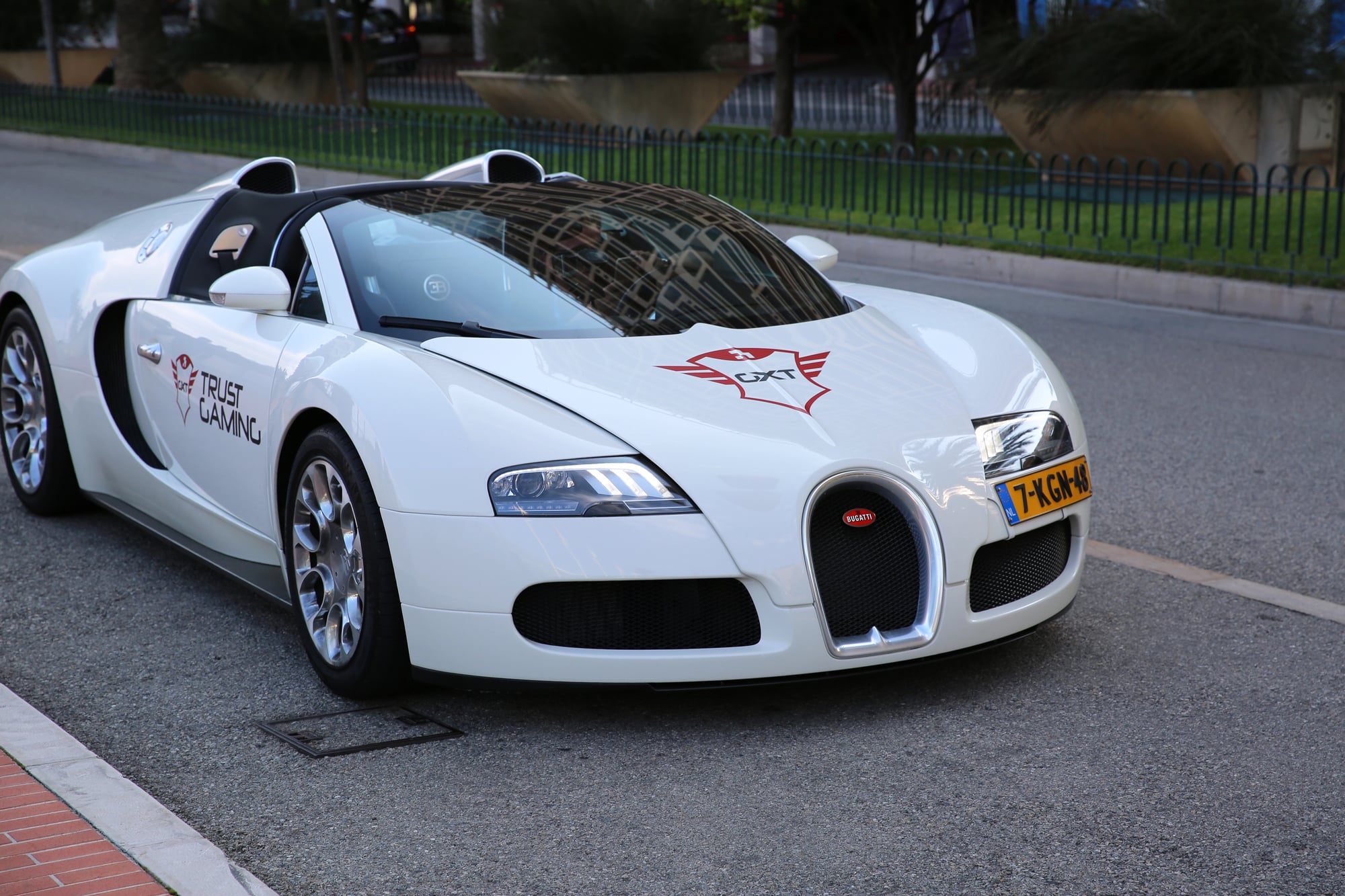
Before the Chiron came along, the Veyron Super Sport held the production car speed record at 267.8 mph. This 2010 achievement stood for years and proved Bugatti wasn’t messing around.
The 8.0-liter W16 engine produces 1,200 horsepower, and the car needs 10 radiators just to keep everything cool. At top speed, the Veyron Super Sport drains its 26-gallon fuel tank in just 12 minutes.
Koenigsegg Agera RS
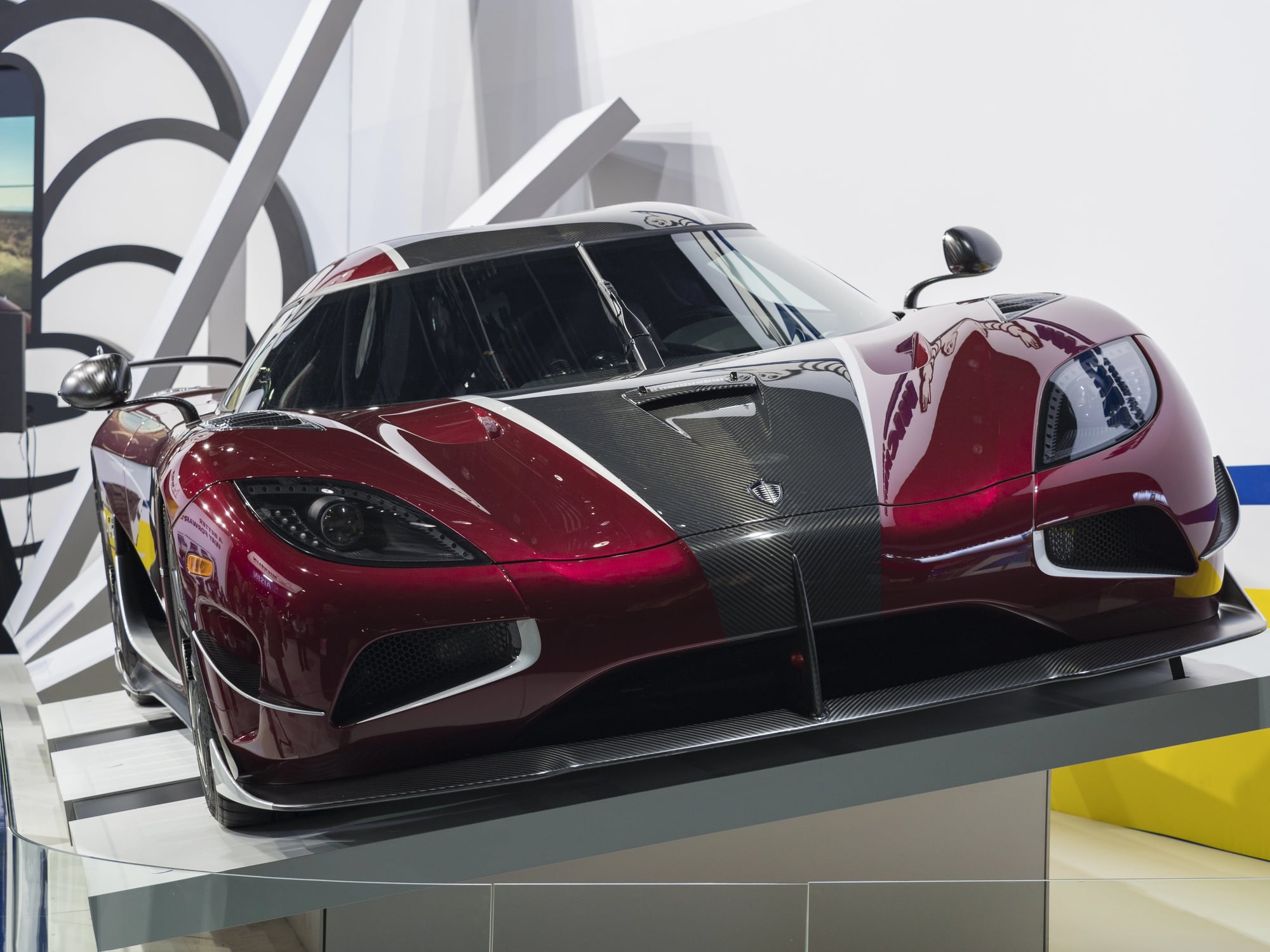
The Agera RS set a verified two-way average of 277.9 mph in Nevada back in 2017, giving Koenigsegg their first official speed record. This Swedish hypercar uses a 5.0-liter twin-turbo V8 that generates 1,360 horsepower and can run on regular pump gas if needed.
The car also set the record for fastest 0-248-0 mph run at 36.44 seconds. Only 25 were built, and collectors jumped on them immediately.
Hennessey Venom GT
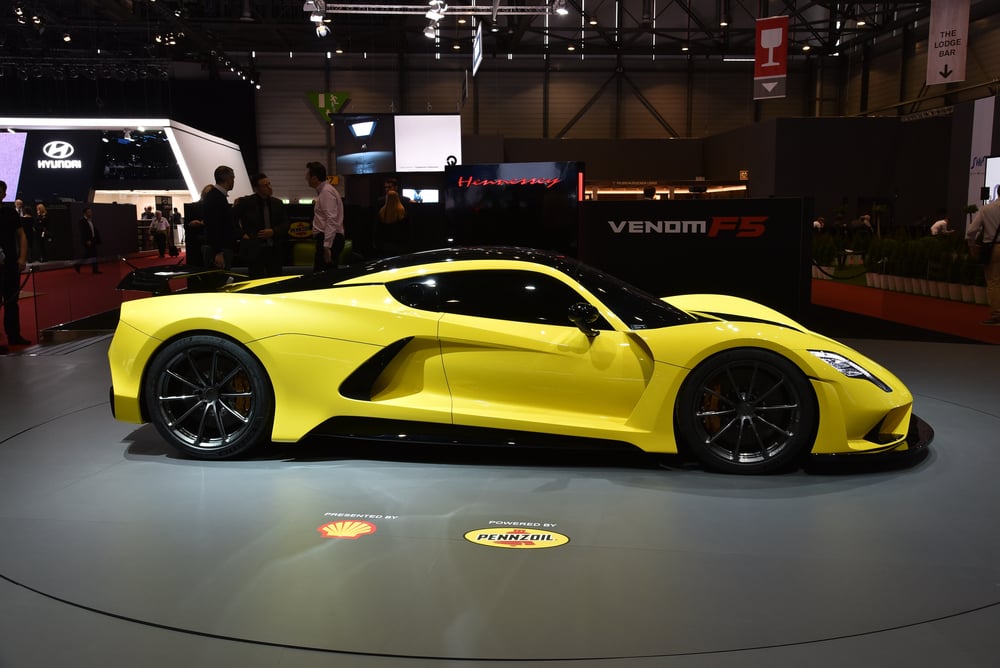
The Venom GT hit 270.49 mph in 2014 at NASA’s Kennedy Space Center runway, though it wasn’t recognized as an official record because they only made one run instead of the required two. Hennessey basically took a Lotus Exige, stretched it, and stuffed a 7.0-liter twin-turbo V8 under the hood that makes 1,244 horsepower.
The whole thing weighs just 2,743 pounds. It held the Guinness World Record for acceleration from 0 to 186 mph for years.
Bugatti Chiron
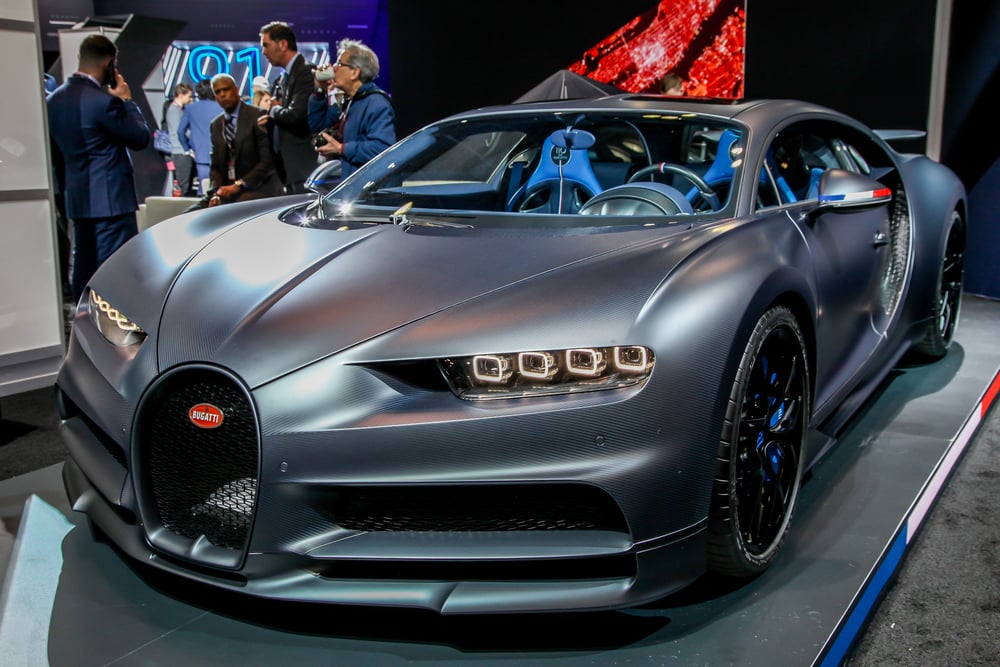
The standard Chiron can reach 261 mph when the electronic limiter is removed, though Bugatti restricts most models to 236 mph for tire safety. This French hypercar costs around $3 million and represents the peak of luxury speed machines.
The interior features the finest leather, precise machining, and materials that wouldn’t look out of place in a luxury yacht. Bugatti has sold hundreds of these despite the eye-watering price tag.
Koenigsegg CCR
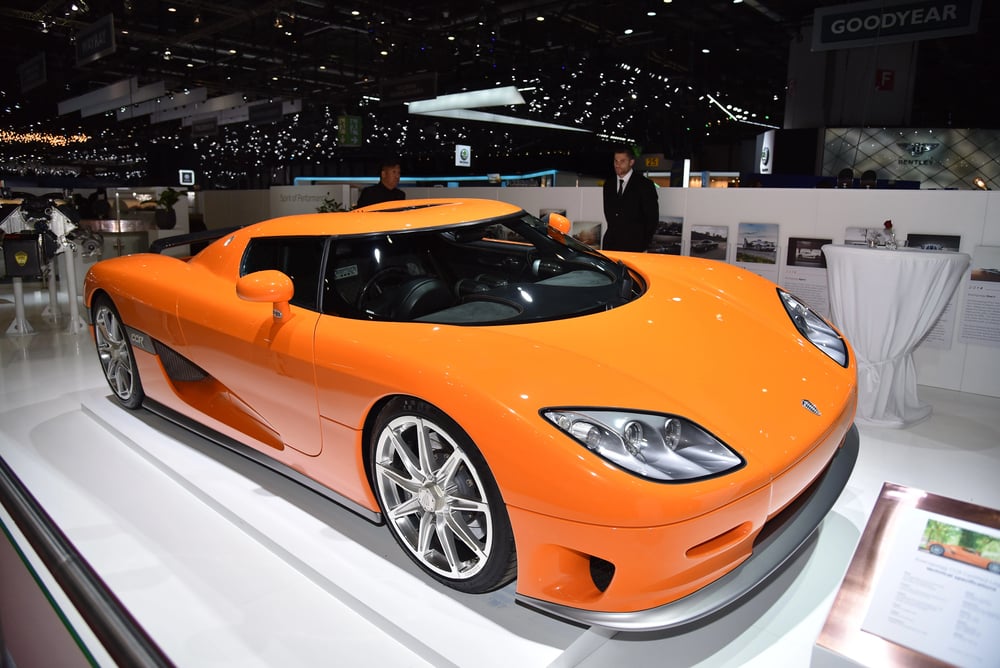
The CCR shocked the world in 2005 when it took the speed record from McLaren with a run of 242.04 mph. This Swedish company came out of nowhere to challenge the established supercar brands.
The 4.7-liter twin-supercharged V8 produces 806 horsepower, which doesn’t sound like much compared to modern hypercars but was incredible for its time. Only 14 CCRs were ever made, making them extremely rare today.
McLaren F1
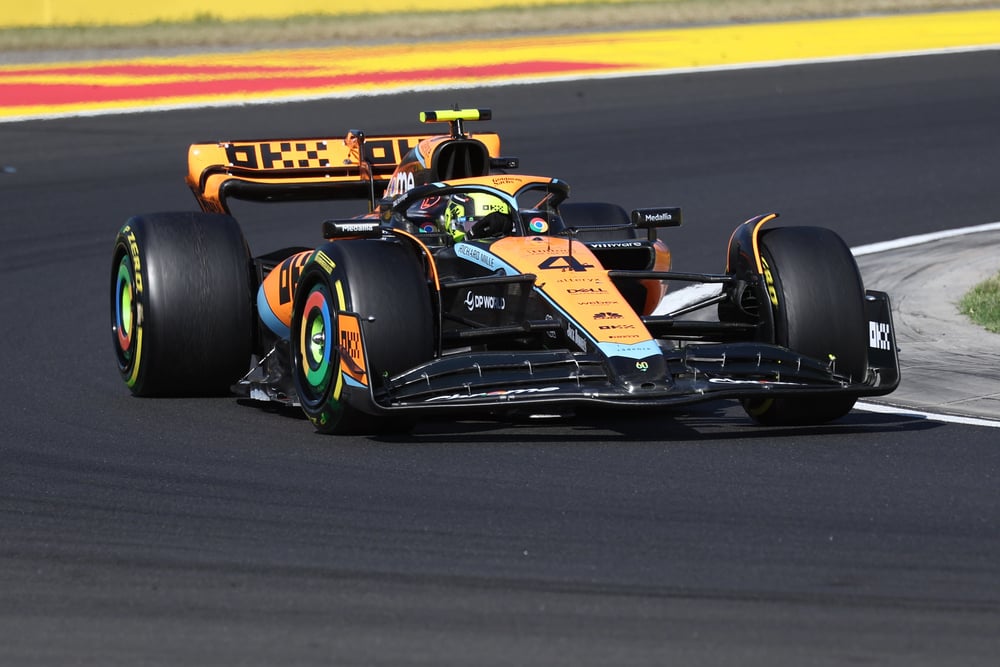
The McLaren F1 was fastest between ’98 and ’05, hitting 240.1 mph – no turbochargers, just raw power from its 6.1L V12 pumping out 627 horses; zero traction control or driver assists helped either. Yet what stands out most? It fits three riders, piloting up front in the middle seat.
Every piece got crafted exactly right by Gordon Murray, like heat-bouncing gold foil underhood plus a special Kenwood stereo built into the dash.
Aston Martin Valkyrie
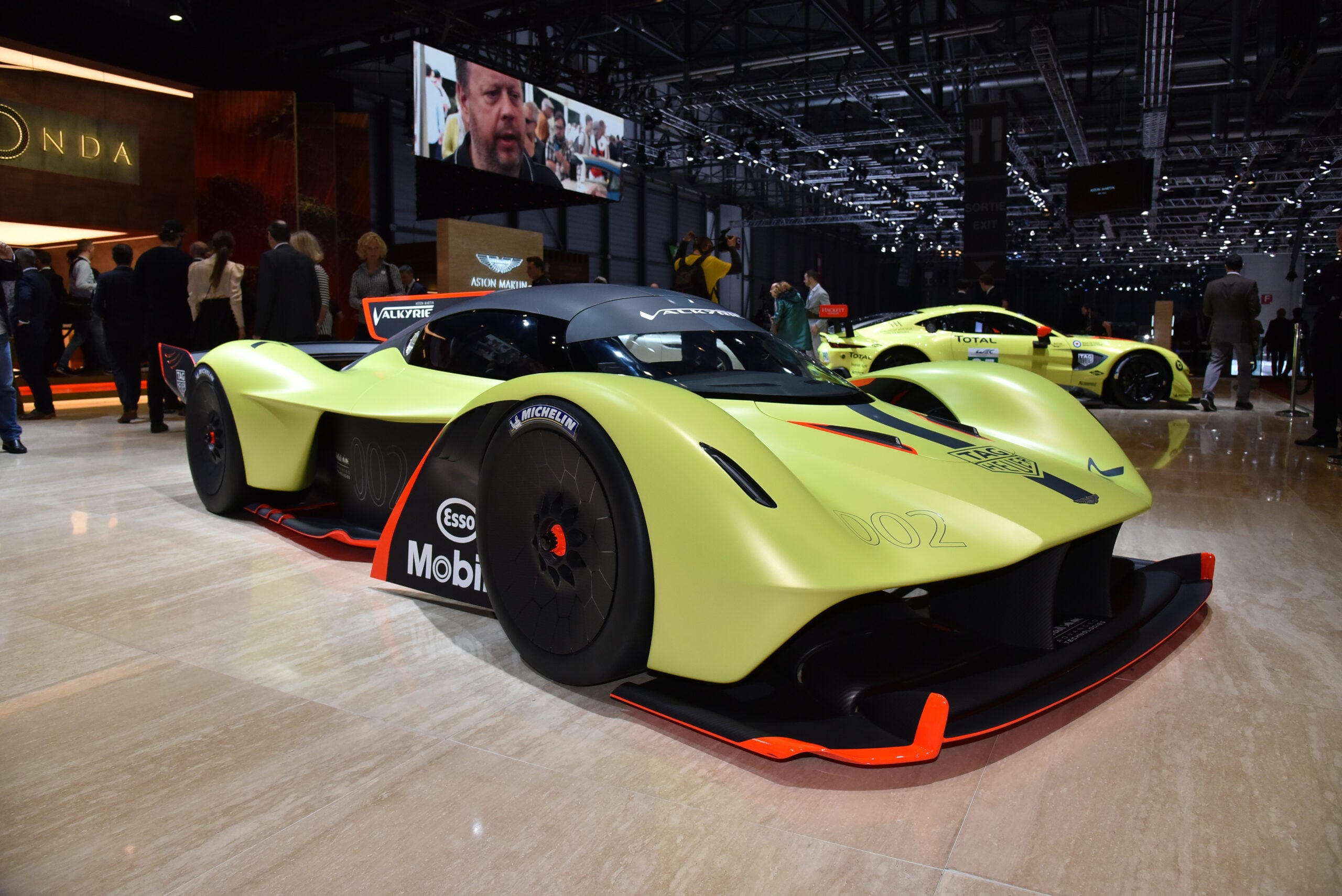
The Valkyrie shows how wild things get when a Formula 1 crew builds a street-legal machine. Built by Red Bull’s Adrian Newey, it appears better suited for circuits than city streets.
Its 6.5-liter V12 screams up to 11,100 rpm, making 1,000 hp while an electric motor chips in with 160 more. Aston Martin says it might reach roughly 250 mph – although no one’s run full tests just yet.
Pagani Huayra BC
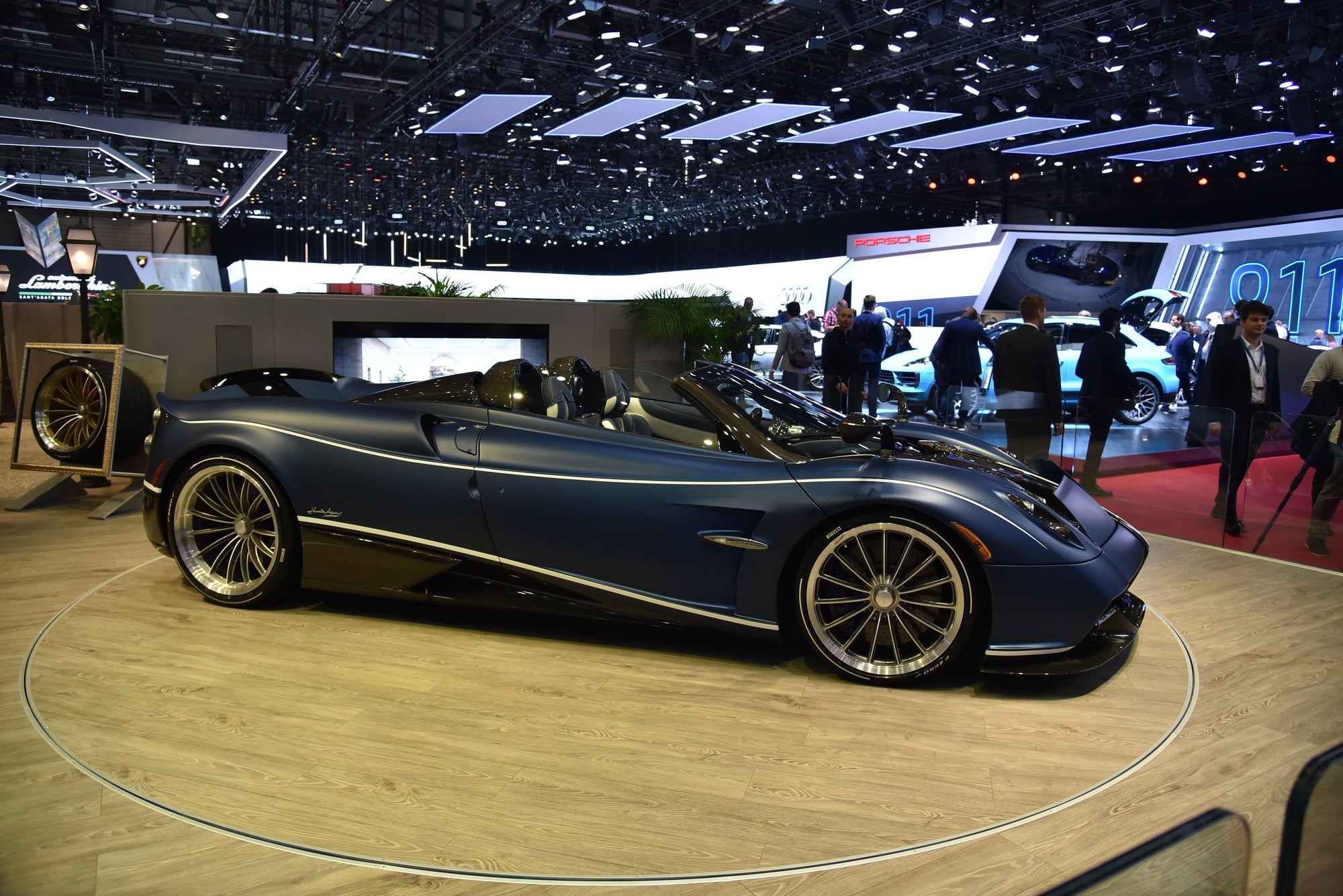
The Huayra BC hits 238 mph because it’s lighter and cuts through air better than the regular model. Named for Benny Caiola – Pagani’s first buyer and a pal of Horacio himself – it carries his legacy.
Power comes from a 6.0L V12 twin-turbo engine by Mercedes-AMG, cranking out 790 horses. Each car feels like moving sculpture, built with unique colors inside and out; extras like these can pile on serious cash fast.
Ferrari LaFerrari
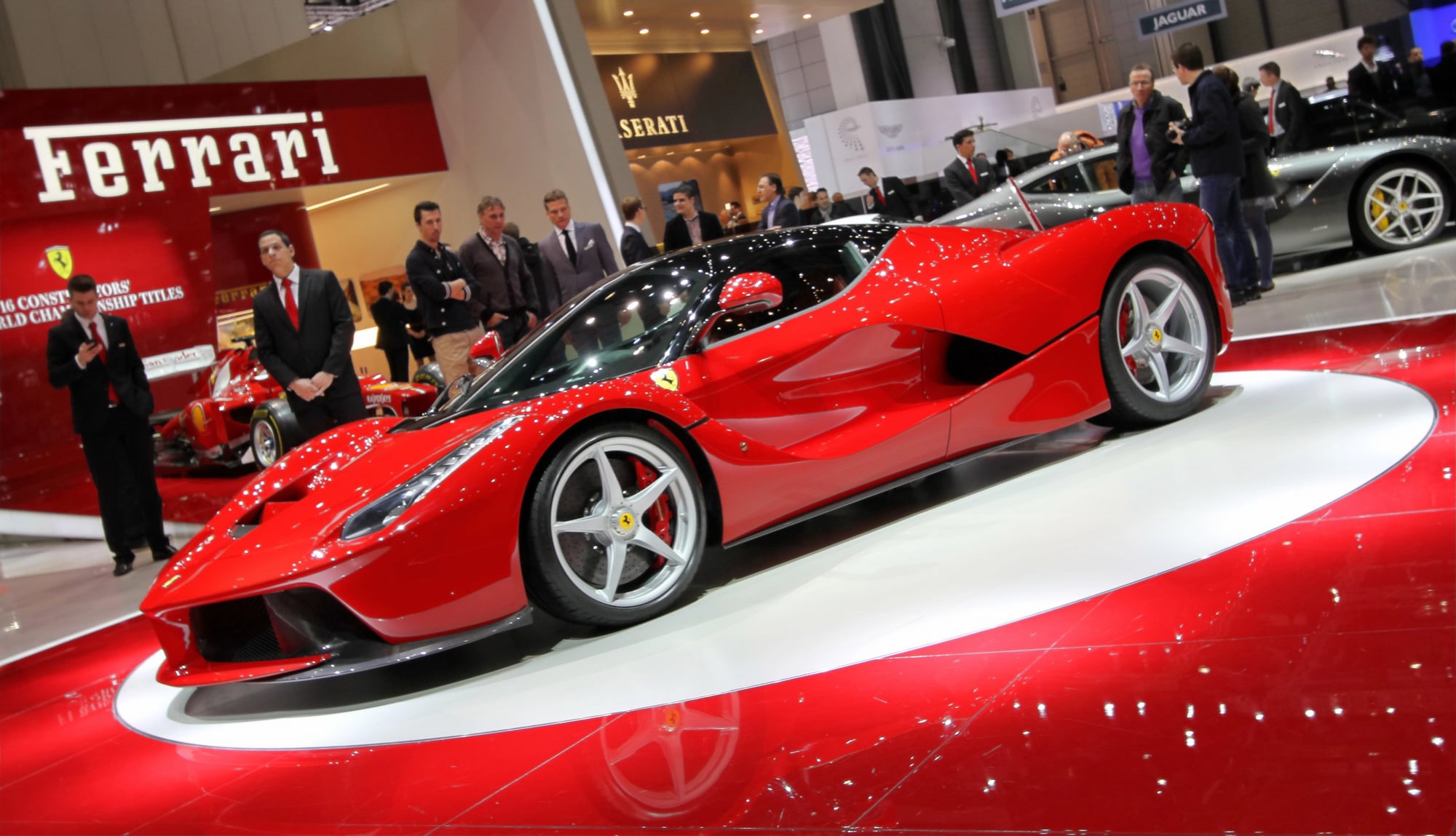
Ferrari’s plug-in supercar pairs a 6.3-liter V12 engine with an electric drive unit, hitting 950 hp total – tops at 217 mph. In Italian, the title translates directly to “The Ferrari,” hinting at its big role inside Maranello.
Just under five hundred found homes, while another two hundred ten open-top LaFerrari Apertas rolled out separately. That electrified setup boosts power more than mileage, sticking true to old-school Prancing Horse logic.
Lamborghini Aventador SVJ
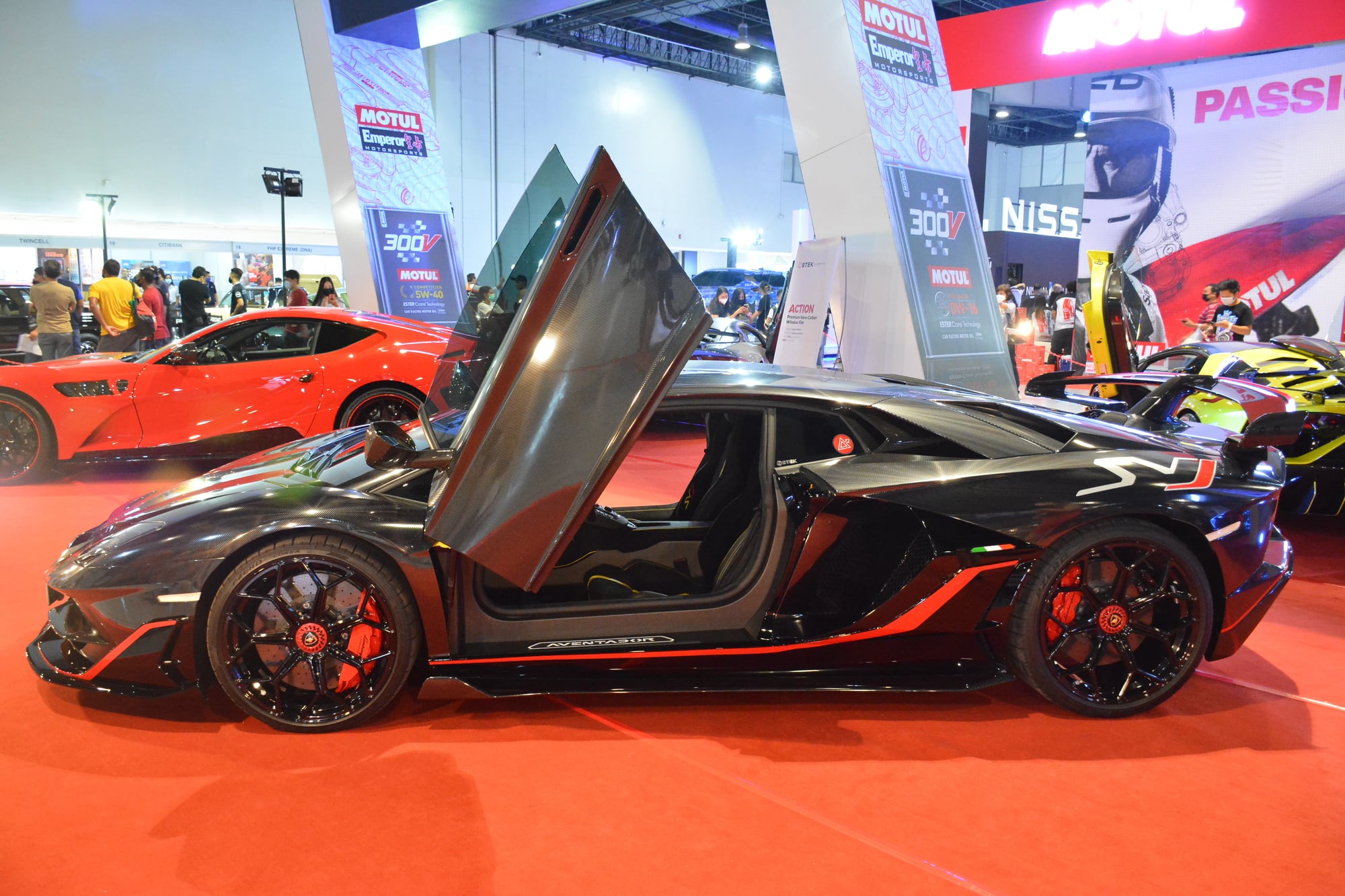
The Aventador SVJ packs a 6.5-liter V12 making 770 horses – top speed hits 217 mph. Instead of hybrids, this was Lambo’s last big move with pure engine power.
It smashed the Nürburgring lap record, holding onto it for ages. As you drive harder, its active wings tweak downforce on the fly.
Porsche 918 Spyder
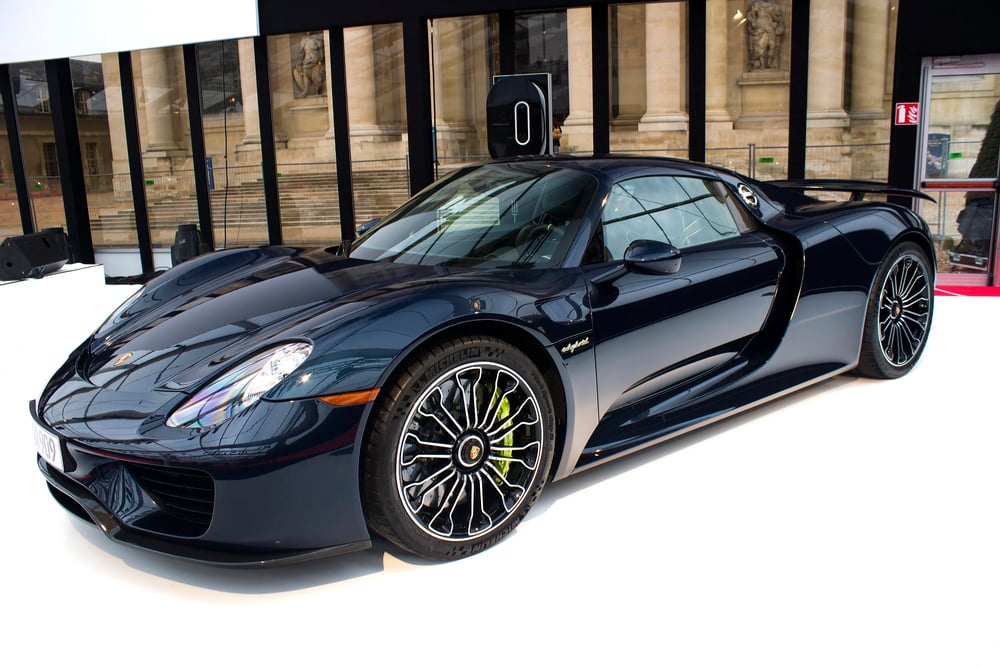
The 918 Spyder showed back in 2017 that mixing electric systems with gas engines might actually work for high-end sports cars. Instead of just relying on fuel, it used a 4.6L V8 along with two e-motors – totaling 887 hp and hitting speeds near 214 mph.
While Porsche made only 918 units, each one now sells way above its starting cost of $845K due to demand from enthusiasts. It ran about 12 miles using electricity by itself – an odd feature at first glance – but still highlighted where performance brands were headed.
The hunt keeps going
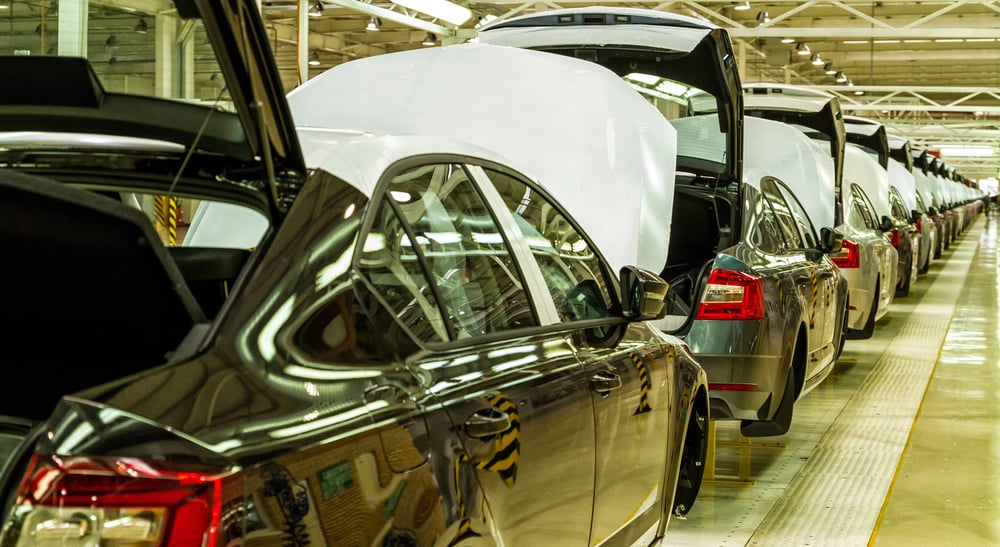
These fast machines come from huge piles of research, endless time testing in wind tunnels, plus top-tier engineering skills. Now and then, somebody makes one even quicker – then it all kicks off once more.
The vehicles here aren’t only chasing big speeds. They’re smashing old limits, showing how new ones keep popping up.
More from Go2Tutors!

- The Romanov Crown Jewels and Their Tragic Fate
- 13 Historical Mysteries That Science Still Can’t Solve
- Famous Hoaxes That Fooled the World for Years
- 15 Child Stars with Tragic Adult Lives
- 16 Famous Jewelry Pieces in History
Like Go2Tutors’s content? Follow us on MSN.