Facts About Inventions Born From Mistakes
Imagine you’re in a lab working on something important, and suddenly everything goes wrong. Your experiment fails, something spills, or you grab the wrong ingredient.
Most people would groan, clean up the mess, and start over. But some people look at their mistakes and see something nobody expected—a chance to create something completely new.
The world’s most useful products often came from moments when things didn’t go according to plan. Scientists forgot to clean their equipment, engineers dropped things, and cooks ran out of ingredients.
Instead of tossing these accidents in the trash, curious minds asked ‘what if’ and changed everyday life forever. Here’s a list of 13 inventions that started as complete mistakes but ended up becoming things we can’t imagine living without.
Penicillin

Alexander Fleming returned from vacation in 1928 to find his lab was a mess. One of his petri dishes had grown mold while he was away, and the bacteria around it had died.
Instead of just throwing it out, Fleming investigated and discovered that the mold produced a substance that killed bacteria. Large-scale production began in the early 1940s during World War II, and penicillin became the world’s first antibiotic, saving countless millions of lives.
The Microwave Oven

Percy Spencer was testing a magnetron for radar equipment in 1945 when he noticed a chocolate bar in his workspace had melted. Most engineers would have been annoyed, but Spencer got curious.
He tried putting popcorn kernels near the magnetron and watched them pop. An egg he placed nearby exploded during testing, confirming that microwaves could heat food rapidly.
Spencer realized he’d stumbled onto a revolutionary cooking method, and Raytheon filed a patent that same year for what would become the microwave oven.
Like Go2Tutors’s content? Follow us on MSN.
Post-it Notes

Spencer Silver was trying to create an incredibly strong adhesive for the aerospace industry in 1968 when he accidentally made the exact opposite—a weak, temporary glue. For years, nobody at 3M could figure out what to do with his useless invention.
Then his colleague Art Fry got frustrated with bookmarks falling out of his church hymnal and realized Silver’s failed adhesive was perfect for creating removable notes. They launched test markets in 1977 as ‘Press ‘n Peel’ and went national in 1980, becoming one of the most essential office supplies ever created.
The Slinky
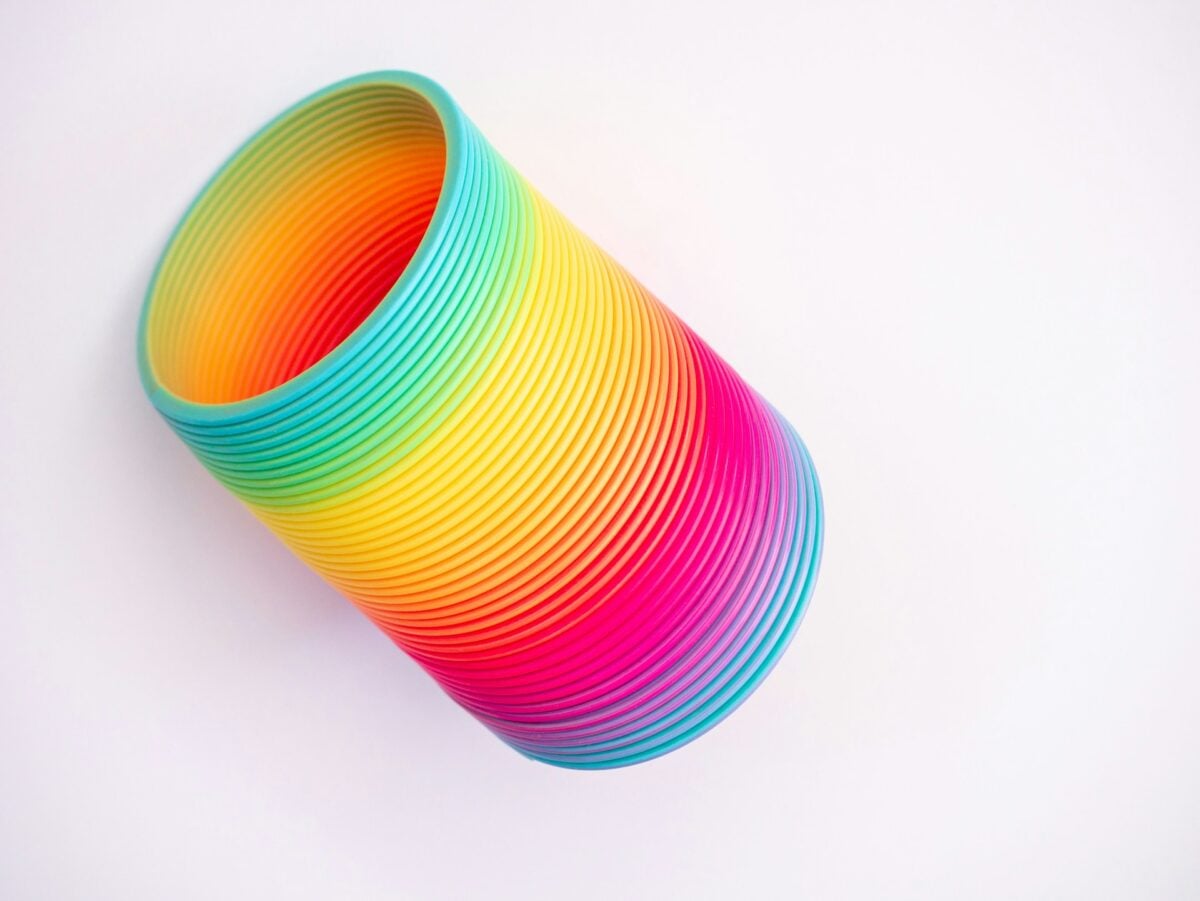
Richard James was developing springs to stabilize sensitive equipment on naval ships in 1943 when he accidentally knocked one off his workbench. Instead of just falling to the floor, the spring walked down in a series of graceful arcs, recoiled itself, and stood upright.
James spent two years perfecting the design, and his wife Betty came up with the name by looking through the dictionary. In November 1945, they demonstrated the toy at Gimbels department store in Philadelphia and sold their first 400 units in 90 minutes.
Popsicles
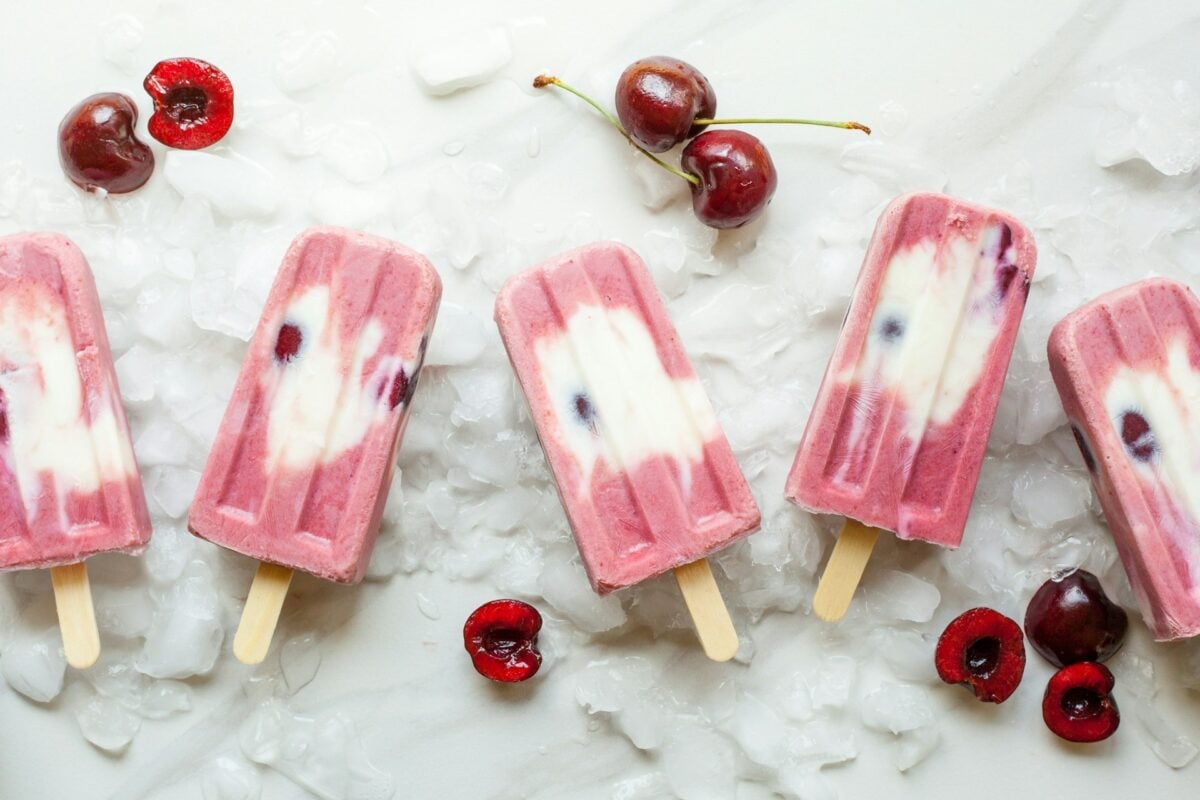
An 11-year-old boy named Frank Epperson left a cup of powdered soda mix and water outside overnight in 1905 with a stirring stick still in it. The mixture froze solid in the cold night air, creating the first frozen treat on a stick.
He didn’t do anything with the idea until nearly 20 years later when he started selling them at a local amusement park. Epperson patented his creation in 1923—his kids called them ‘Pop’s icicles’, which became Popsicles—and later sold the rights to the Joe Lowe Company.
Like Go2Tutors’s content? Follow us on MSN.
Chocolate Chip Cookies

Ruth Wakefield ran the Toll House Inn in Massachusetts and was making chocolate cookies for her guests in 1938 when she ran out of baker’s chocolate. She chopped up a bar of semi-sweet chocolate and tossed it into her dough, expecting the pieces to melt and blend in during baking.
They didn’t. The chocolate chunks stayed intact, creating what became known as Toll House cookies after her inn, one of America’s favorite cookies born purely by accident.
Potato Chips

Chef George Crum was working at a restaurant in Saratoga Springs, New York in 1853 when a customer complained that his fried potatoes were too thick and soggy. Annoyed, Crum decided to teach the picky customer a lesson by slicing potatoes paper-thin, frying them until crispy, and coating them with extra salt.
The customer loved them. Word spread quickly, and what started as a sarcastic response became one of the world’s most popular snacks.
Velcro

Swiss engineer George de Mestral went hiking in 1941 and came home covered in annoying burrs stuck to his clothes and his dog’s fur. Instead of just picking them off, he examined them under a microscope and noticed they had tiny hooks that caught onto fabric loops.
He spent years developing a two-part fastening system that mimicked nature’s design, combining the French words for velvet and hook to create the name Velcro. He patented it in 1955, and after years of commercial development, it revolutionized everything from shoes to space suits.
Like Go2Tutors’s content? Follow us on MSN.
Safety Glass

French chemist Edouard Benedictus dropped a glass flask in his lab in 1903 and braced for shattered glass everywhere. The flask cracked but held its shape instead of exploding into dangerous shards.
Benedictus discovered the flask had recently contained cellulose nitrate, which left a protective coating inside. He recognized the safety potential immediately and patented laminated safety glass in 1909, which became standard in car windshields and countless other applications.
Matches

British pharmacist John Walker was mixing chemicals in his lab in 1826 when he accidentally scraped a stick coated with his experimental mixture across his hearth. The stick burst into flames instantly, giving Walker an idea.
He began selling friction matches at his pharmacy, though he never patented the invention. Other manufacturers like Samuel Jones marketed similar matches as ‘Lucifers’, making them far safer than earlier versions that required crushing glass vials of acid.
Cornflakes

The Kellogg brothers were running a health sanitarium in Michigan and trying to create wholesome vegetarian food for their patients. In 1894, Will Kellogg accidentally left boiled wheat sitting out overnight, and it went stale and flaky.
Instead of throwing it away, they decided to roll it out anyway, and the wheat formed thin, crispy flakes that patients loved. The brothers later switched to corn and developed commercial cornflakes in 1906, creating one of the world’s most popular breakfast cereals.
Like Go2Tutors’s content? Follow us on MSN.
Play-Doh
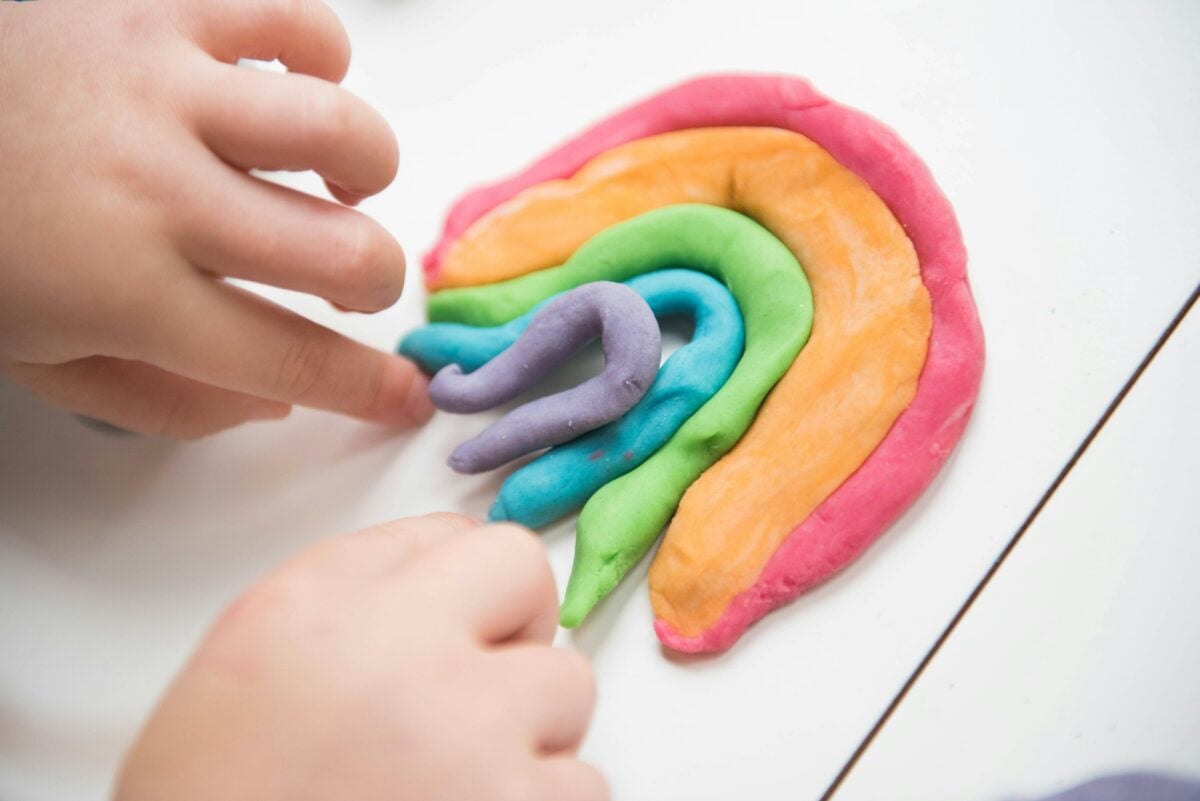
The McVicker family’s company Kutol made wallpaper cleaner in the 1930s, a putty that removed coal soot from walls without damaging paper. By the 1950s, cleaner heating methods meant nobody needed wallpaper cleaner anymore and the company was heading toward bankruptcy.
Then nursery school teacher Kay Zufall, who happened to be related to the McVickers, discovered her students loved playing with the soft, moldable putty. In 1956, the company removed the cleaning chemicals, added colors and scent, and began selling it as a toy under their new Rainbow Crafts subsidiary.
Dynamite

Italian chemist Ascanio Sobrero created nitroglycerin in 1847 by mixing glycerol with acids, producing an explosive far more powerful than gunpowder. The problem was it exploded unpredictably and killed people.
Alfred Nobel saw commercial potential and spent years intentionally testing different materials to stabilize the volatile liquid. In 1867, Nobel discovered that mixing nitroglycerin with kieselguhr, a type of absorbent sedimentary rock, created a stable paste that could be shaped and controlled.
He patented it as dynamite, though the invention’s deadly applications haunted him for the rest of his life.
When Happy Accidents Change Everything

These mistakes prove that failure isn’t always the end of the story. The inventors who created these products shared one crucial trait—they paid attention when things went wrong instead of just moving on.
A melted candy bar became a kitchen appliance, a failed adhesive turned into office supplies, and wallpaper cleaner became a childhood staple. Sometimes the best discoveries happen when you’re not even looking for them, which means your next big idea might be hiding in whatever mess you made today.
More from Go2Tutors!

- 16 Historical Figures Who Were Nothing Like You Think
- 12 Things Sold in the 80s That Are Now Illegal
- 15 VHS Tapes That Could Be Worth Thousands
- 17 Historical “What Ifs” That Would Have Changed Everything
- 18 TV Shows That Vanished Without a Finale
Like Go2Tutors’s content? Follow us on MSN.