17 Times Architects Had to Get Creative in Overcrowded Cities
Urban density presents both challenges and opportunities for architects and designers. As cities worldwide face increasing population pressures, limited buildable land, and sustainability concerns, creative architectural solutions have emerged that transform constraints into opportunities for innovation. These projects demonstrate how thoughtful design can address the complex demands of modern urban living while creating spaces that enhance quality of life despite spatial limitations.
Here is a list of 17 remarkable examples where architects have responded to overcrowding with ingenious solutions that maximize space, functionality, and livability in the world’s most densely populated urban environments.
Tokyo’s Skinny Houses
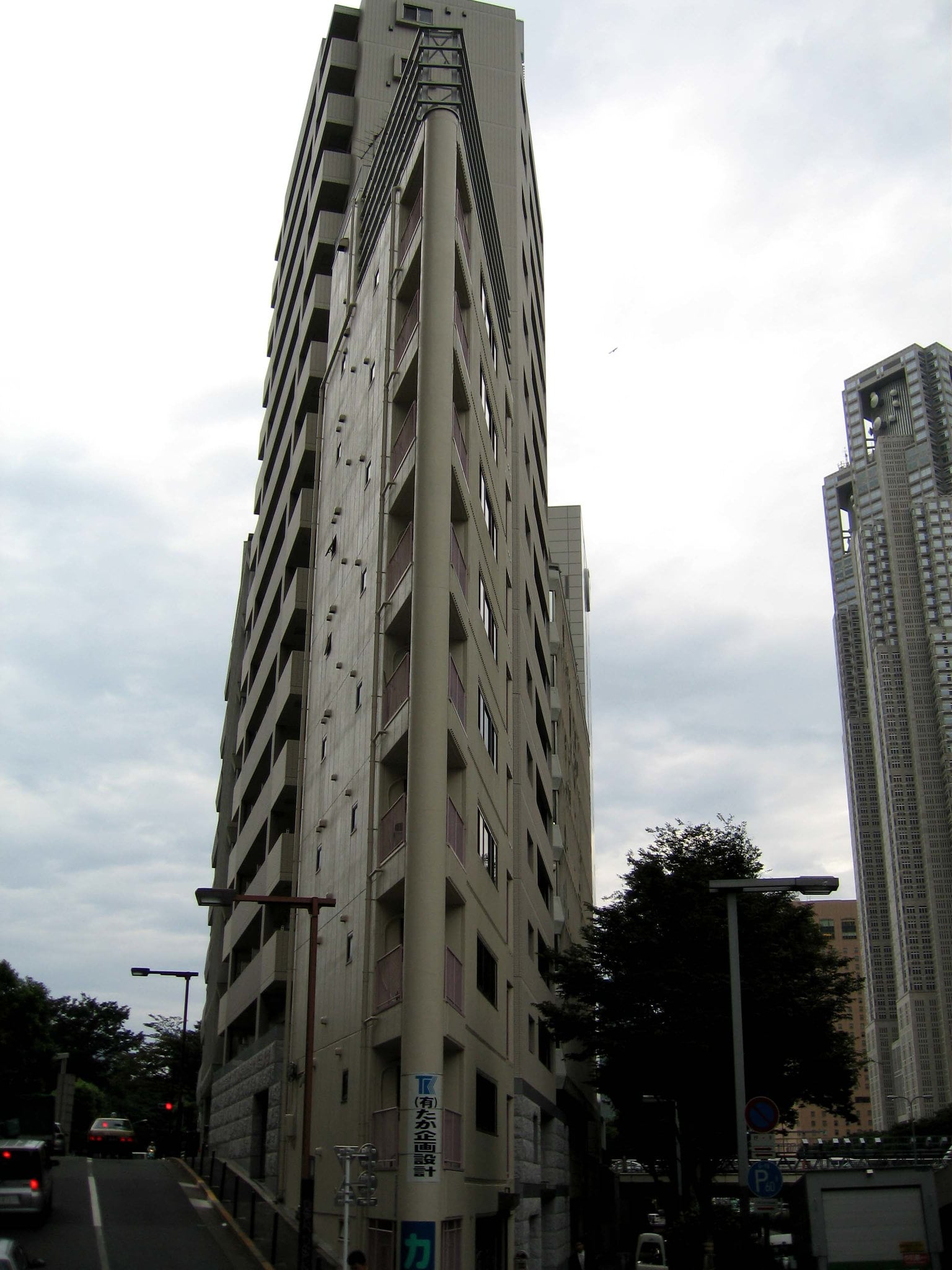
Japan’s capital has spawned an entire architectural category known as ‘skinny houses’ or ‘kyosho jutaku,’ with some residential structures measuring just six feet wide. These pencil-thin homes maximize vertical space with multi-level designs, movable partitions, and built-in storage that transforms with the time of day.
Architects like Sou Fujimoto and Yasuhiro Yamashita have turned these extreme spatial constraints into design advantages, creating homes that feel surprisingly spacious through strategic use of light wells, open-plan layouts, and transparent materials that create visual continuity between compact rooms.
Singapore’s Vertical Gardens
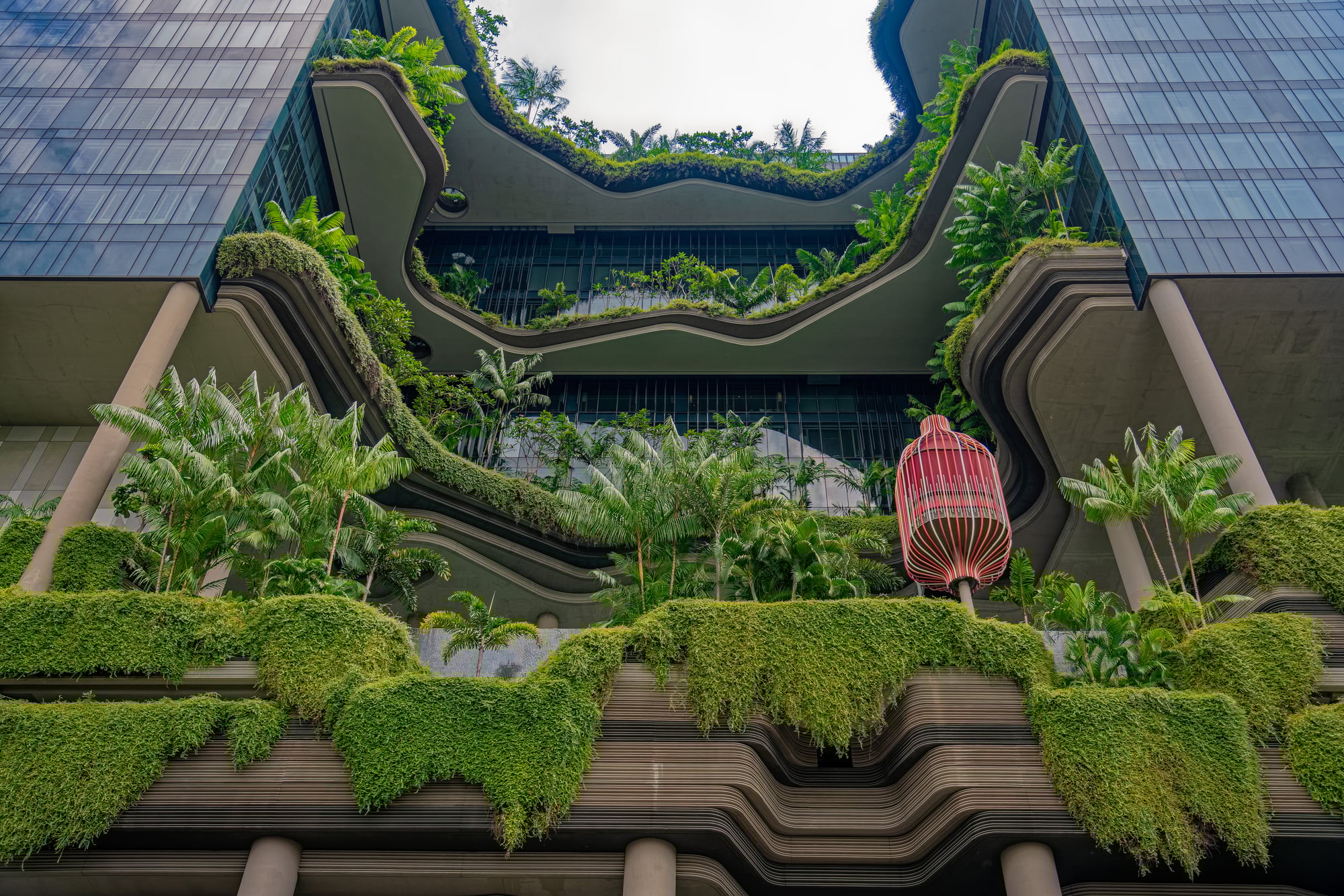
Singapore’s Park Royal Hotel looks less like a building and more like a mountain covered in lush tropical vegetation, with gardens extending upward through the structure on massive cantilevered terraces. This WOHA-designed building incorporates over 15,000 square meters of sky gardens, reflecting pools, and planted terraces—effectively doubling the building’s green footprint compared to the original site.
The vertical gardens not only provide natural cooling and air filtration in the dense urban environment but also create dedicated green spaces for hotel guests and building occupants despite the premium on ground-level real estate.
Like Go2Tutors’s content? Follow us on MSN.
Hong Kong’s Stacked Urban Villages
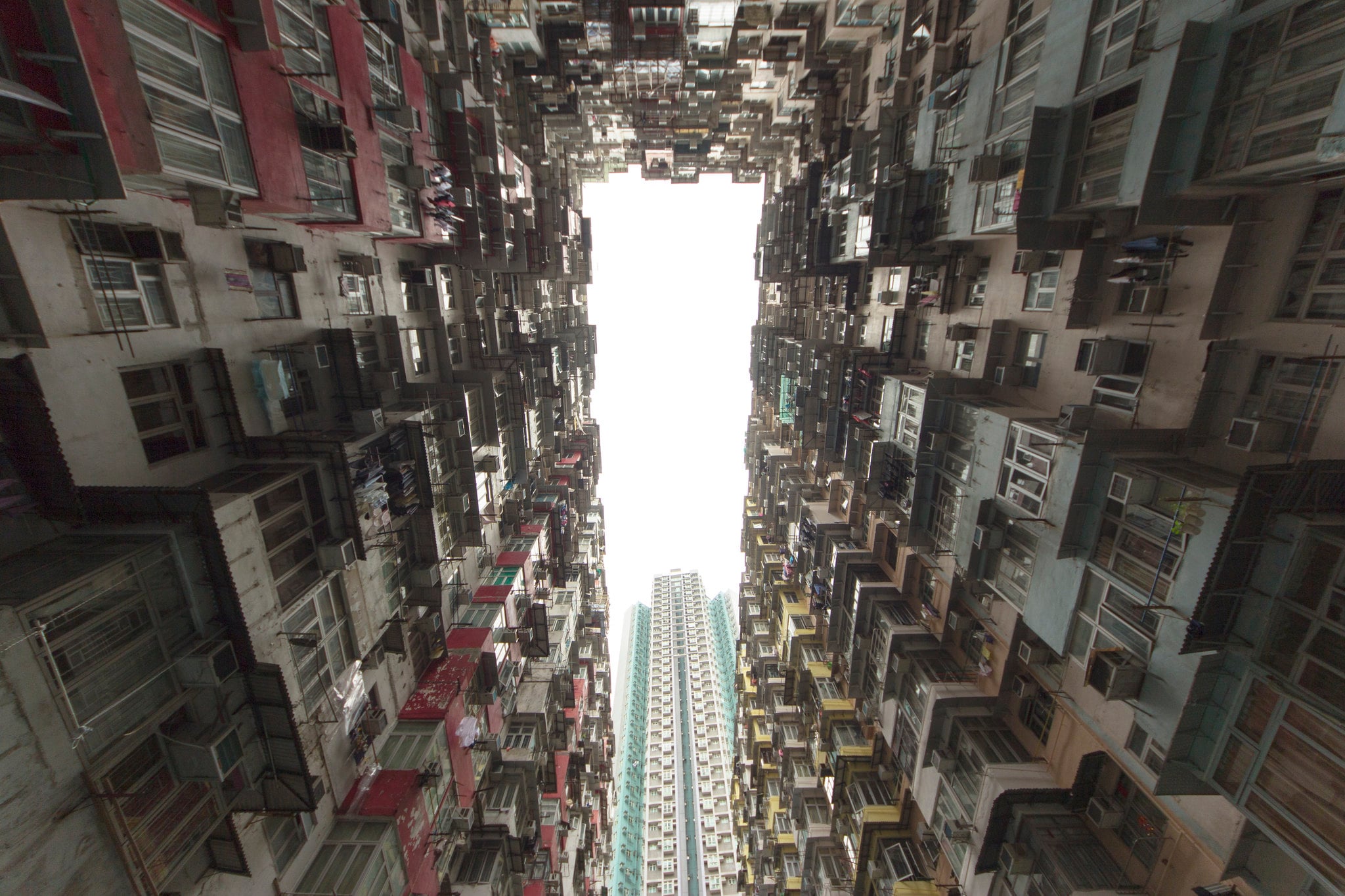
Architects at Urban Rural Framework transformed the traditional village housing typology in Hong Kong by stacking farming, living, and commercial spaces vertically in their New Territories project. This innovative approach preserves agricultural traditions within one of the world’s most densely populated regions, with garden plots and small-scale farming spaces incorporated between residential units and community facilities.
The project demonstrates how traditional rural activities can be integrated into vertical urban development, providing food security and cultural continuity while addressing housing shortages.
Barcelona’s Superblocks
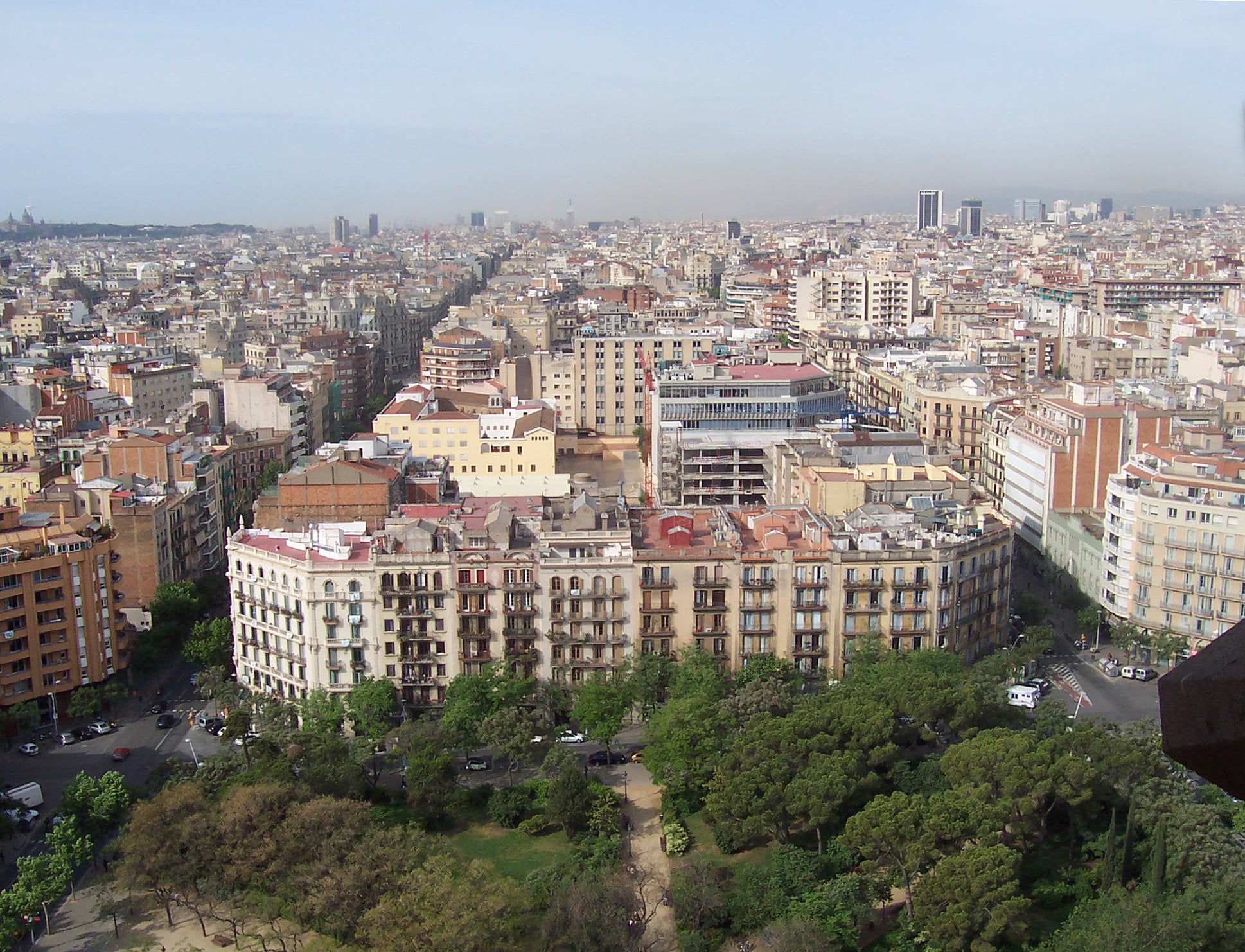
Rather than constructing new buildings, Barcelona’s innovative ‘superblock’ strategy reorganizes the existing urban fabric by transforming nine-block areas into pedestrian-centric zones where through traffic is prohibited. Interior streets become public plazas, playgrounds, and green spaces, effectively creating new public areas without demolishing existing structures.
This urban redesign by architects and planners Salvador Rueda and BCNecologia reclaims approximately 70% of street space previously dominated by vehicles, providing breathing room in densely populated neighborhoods while reducing noise and air pollution.
Milan’s Vertical Forest
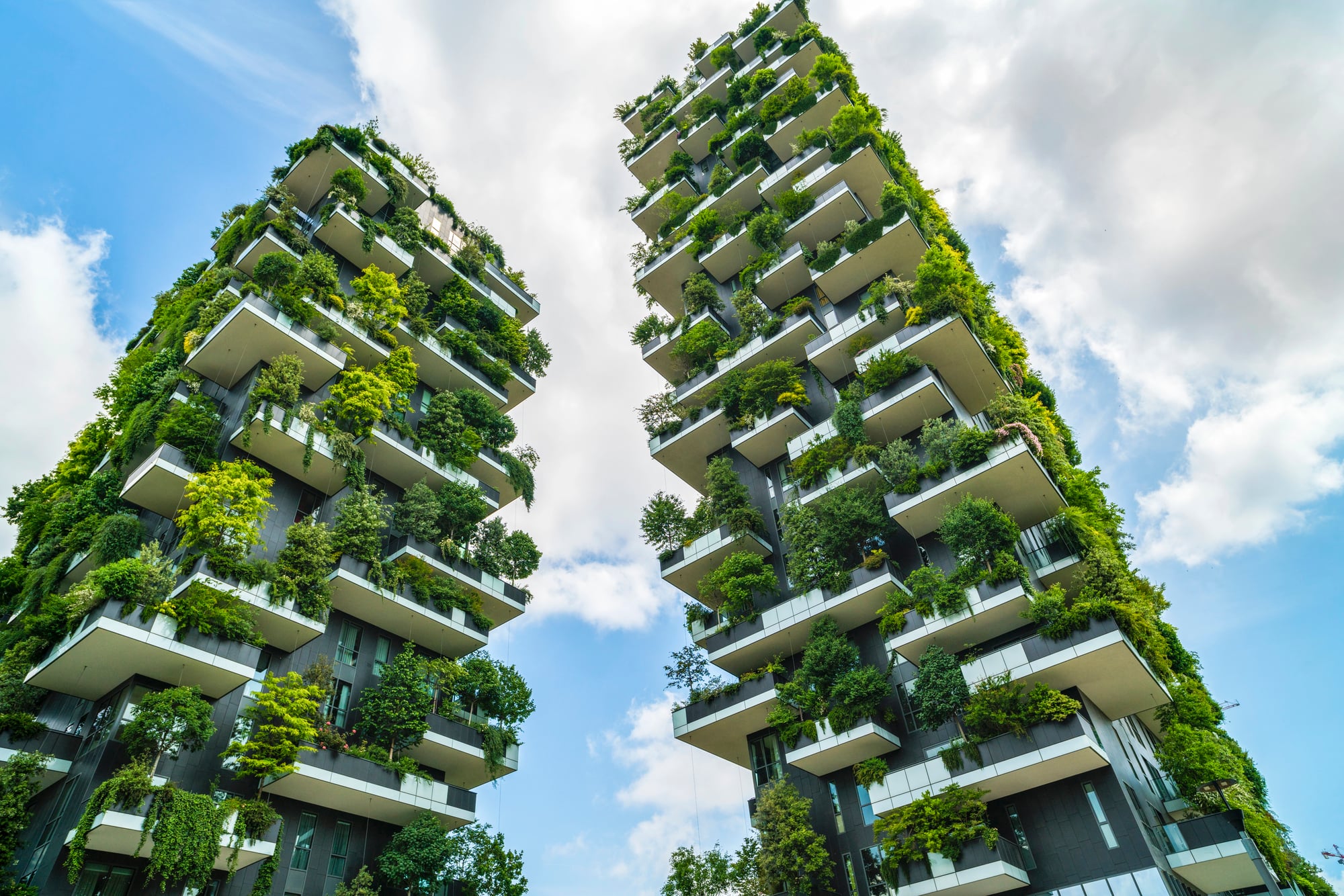
The Bosco Verticale towers, designed by Stefano Boeri, support more than 900 trees and thousands of plants distributed across facade-integrated balconies of this residential high-rise. This living architectural system creates the equivalent of 10,000 square meters of forest while occupying just 3,000 square meters of urban space.
The vegetation provides natural cooling, filters air pollution, and creates habitats for birds and insects in Milan’s dense urban environment, demonstrating how buildings can function as vertical ecosystems that multiply the effective green space within city centers.
Like Go2Tutors’s content? Follow us on MSN.
Seoul’s Sky Gardens
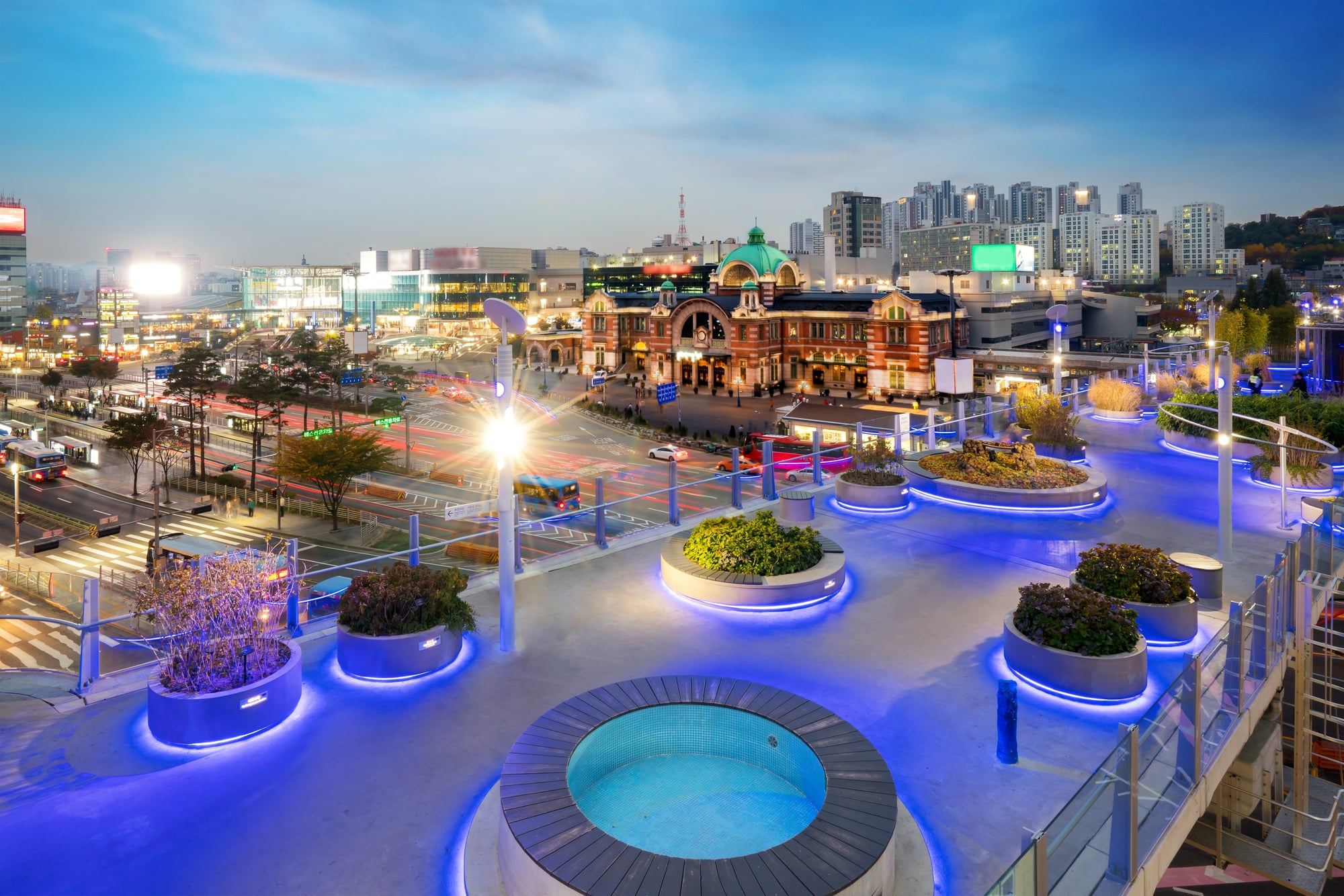
The Seoullo 7017 project transformed an abandoned elevated highway into a linear sky garden stretching over a kilometer through central Seoul. Architecture firm MVRDV reimagined this infrastructure as a public space featuring over 24,000 plants arranged in circular planters that create a series of ‘plant villages’ above the congested streets.
This adaptive reuse project creates new pedestrian connections between previously separated neighborhoods while providing much-needed green space in one of Asia’s most densely populated capital cities.
New York’s Micro-Apartments
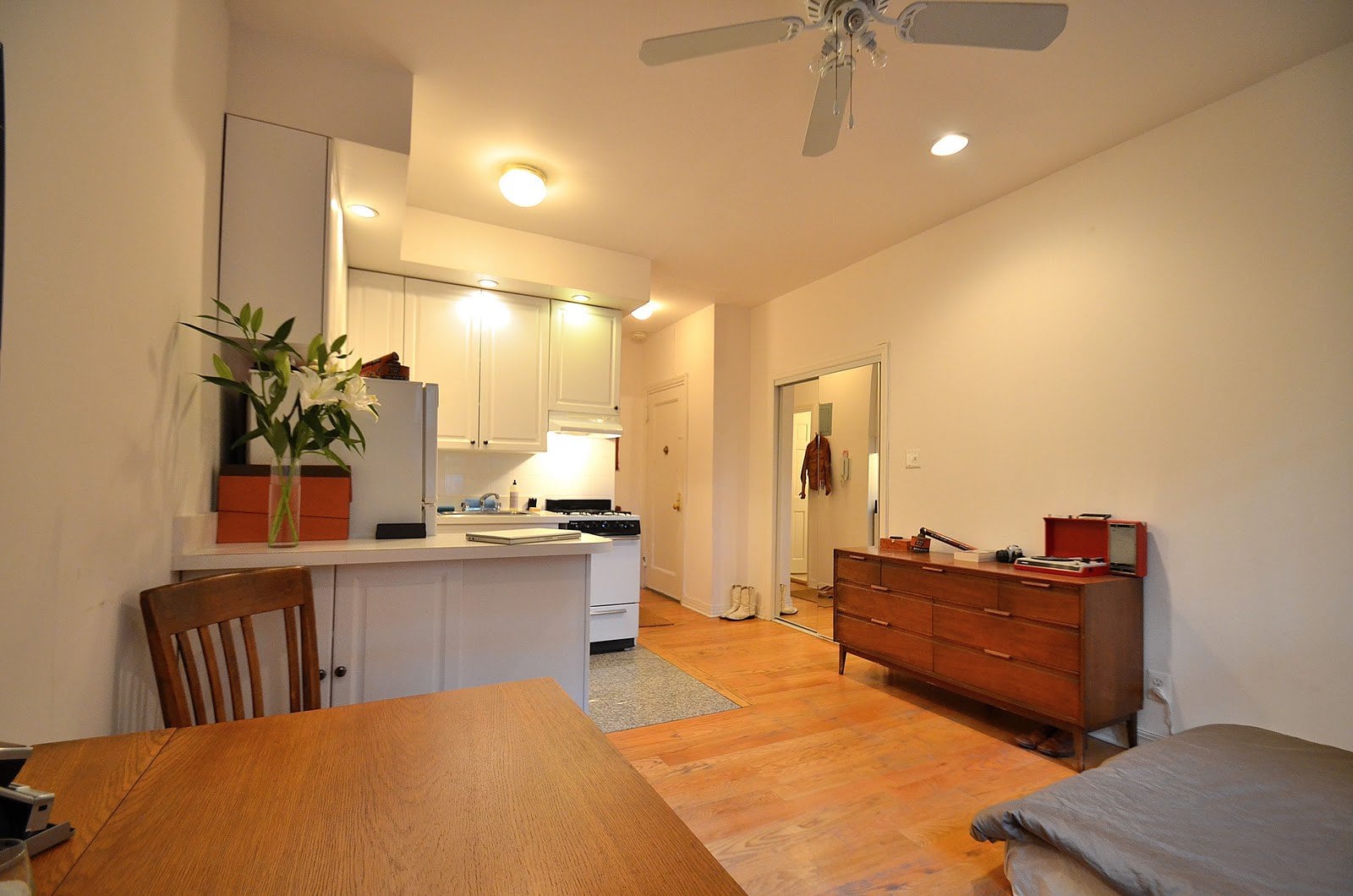
When Mayor Bloomberg launched a competition to design apartments under 400 square feet, nArchitects responded with Carmel Place, a building featuring units as small as 260 square feet that maximize functionality through transformable furniture and integrated storage systems. These micro-apartments incorporate fold-down desks, expandable tables, and murphy beds that convert living rooms to bedrooms as needed throughout the day.
The building demonstrates how thoughtful interior architecture can make extremely small living spaces not just tolerable but genuinely comfortable through spatial efficiency and adaptable layouts.
Vancouver’s Laneway Houses
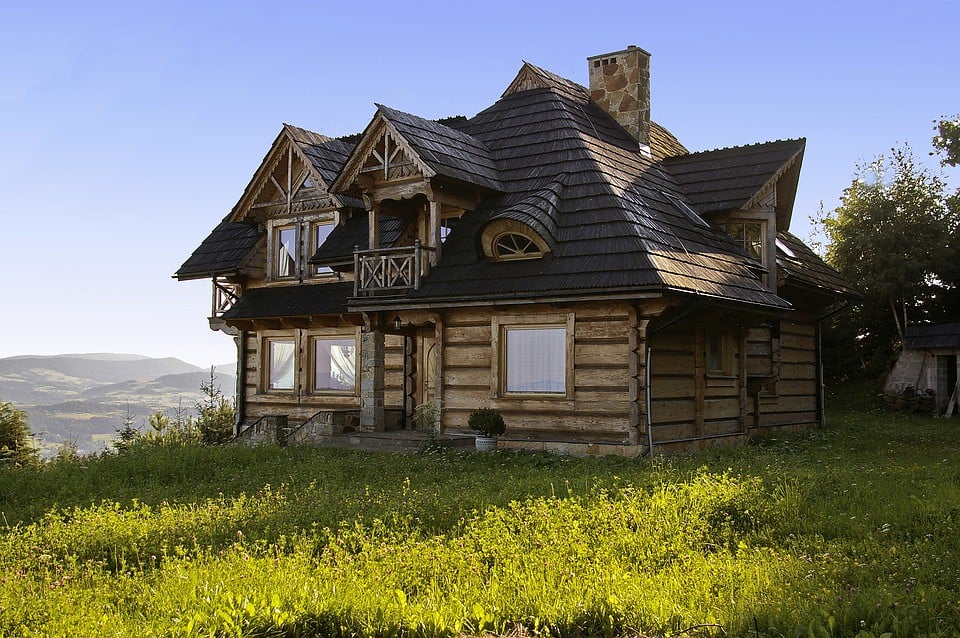
Vancouver addressed housing shortages by changing zoning laws to permit small secondary dwellings along back alleys, transforming underutilized service corridors into residential streets. Architects like Campos Studio and Lanefab have designed these compact homes—typically under 1,000 square feet—to maximize natural light and create connections to small garden spaces despite tight sites.
These laneway developments have added thousands of housing units without altering neighborhood character or requiring new infrastructure, effectively increasing density by utilizing previously overlooked urban spaces.
Like Go2Tutors’s content? Follow us on MSN.
Amsterdam’s Bridge Houses
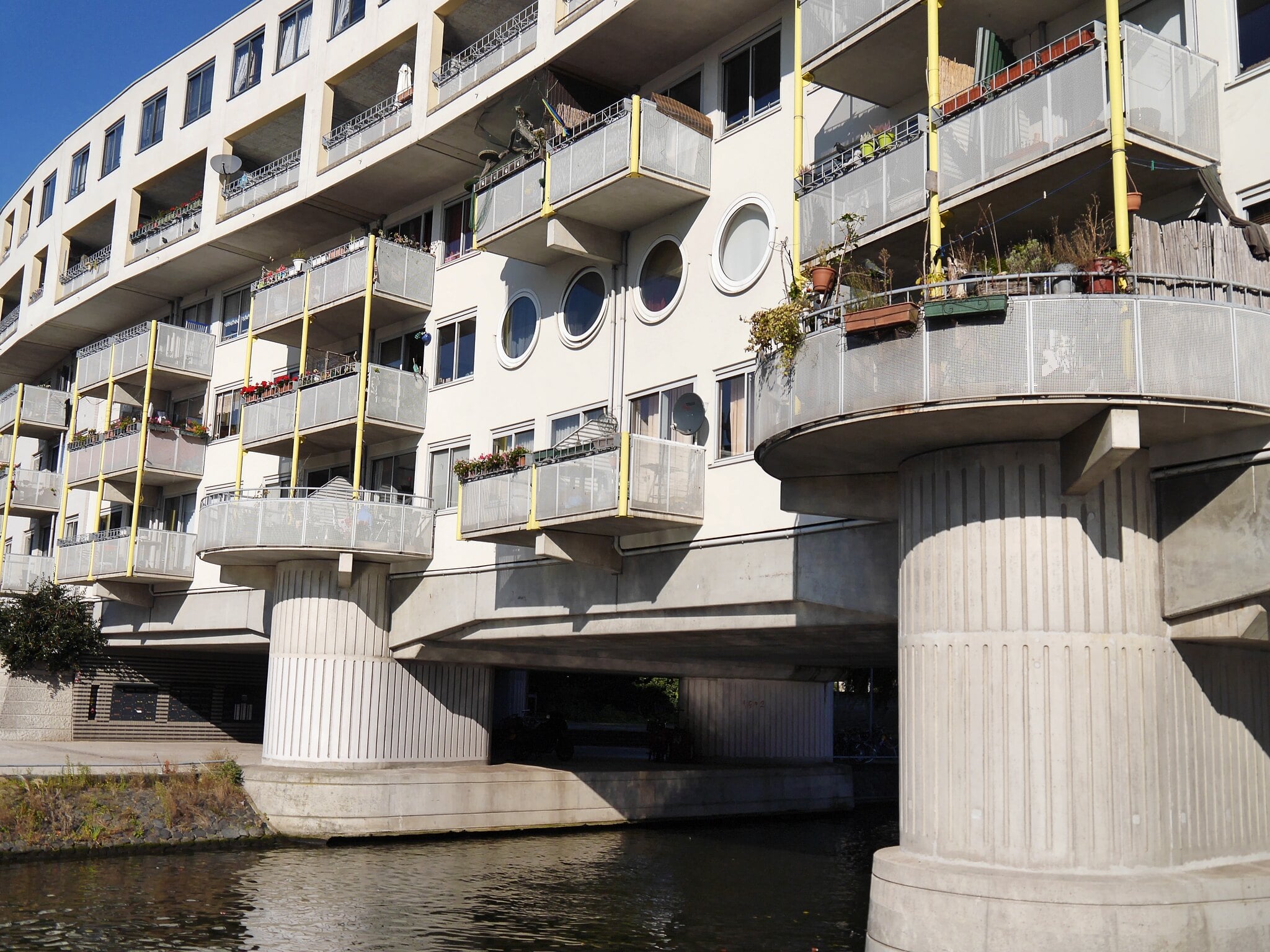
Space & Matter architects transformed Amsterdam’s historic bridge houses—small structures once used by bridge operators—into unique hotel rooms after the bridges were automated. Rather than demolishing these tiny historic structures, the Sweets Hotel project converted 28 bridge houses into micro-hotel rooms ranging from 130 to 650 square feet, preserving their unique architectural character while giving them a new purpose.
The project demonstrates how even the smallest urban structures can be repurposed to address accommodation needs in space-constrained historic cities.
Mexico City’s Void Space

In Mexico City’s incredibly dense Doctores neighborhood, architect Alberto Kalach designed the Torre 13 apartment building around a massive central void space that brings light and air into what would otherwise be dark, cramped units. This hollowed core creates a vertical courtyard surrounded by apartments with dual-aspect exposure, capturing cross-ventilation despite the packed urban context.
The design shows how careful consideration of negative space within architecture can dramatically improve habitability even when available land is severely limited.
Copenhagen’s Harbor Baths

When architect Bjarke Ingels’ firm BIG faced Copenhagen’s dense urban fabric and limited recreational space, they extended the city into the harbor with floating public swimming pools and surrounding deck areas. The Harbor Baths project reclaims industrial waterfront as a public recreation space, creating new social gathering areas without requiring additional land acquisition in the crowded city center.
This approach of extending usable city space onto water has been so successful that additional harbor baths continue to be developed throughout the city.
Like Go2Tutors’s content? Follow us on MSN.
Paris’s Apartment Transformations
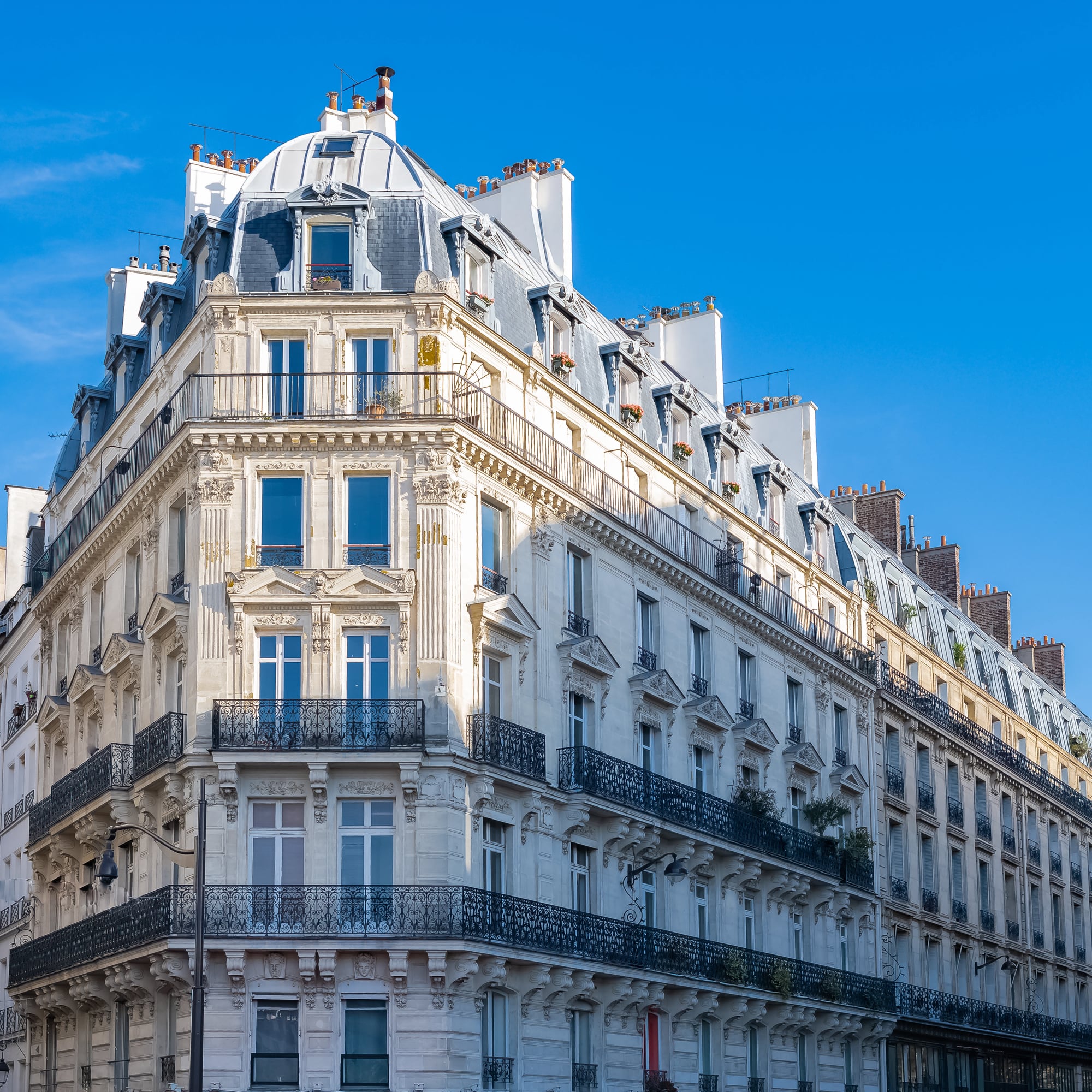
Architect Vincent Parreira specializes in transforming the notoriously tiny chambres de bonne (former servants’ quarters) in Paris’s attic spaces into functional modern apartments, often measuring just 100 square feet. These renovations use custom-built furniture elements that define different functional zones within a single room, with beds elevated above storage units and staircases incorporating drawers and shelving.
The projects demonstrate how thoughtful interior architecture can make even the smallest historical spaces compatible with contemporary living standards.
São Paulo’s Common Spaces

In São Paulo, where apartment buildings typically present blank walls to the street, Triptyque Architecture’s Huma Klabin building inverts this approach by placing common areas and circulation spaces along the perimeter. This design creates a permeable boundary between public and private realms, with gardens, staircases, and community facilities visible from the street level.
The approach maximizes natural ventilation throughout the building while creating social interaction spaces that compensate for limited private square footage within individual apartments.
London’s Railway Arches
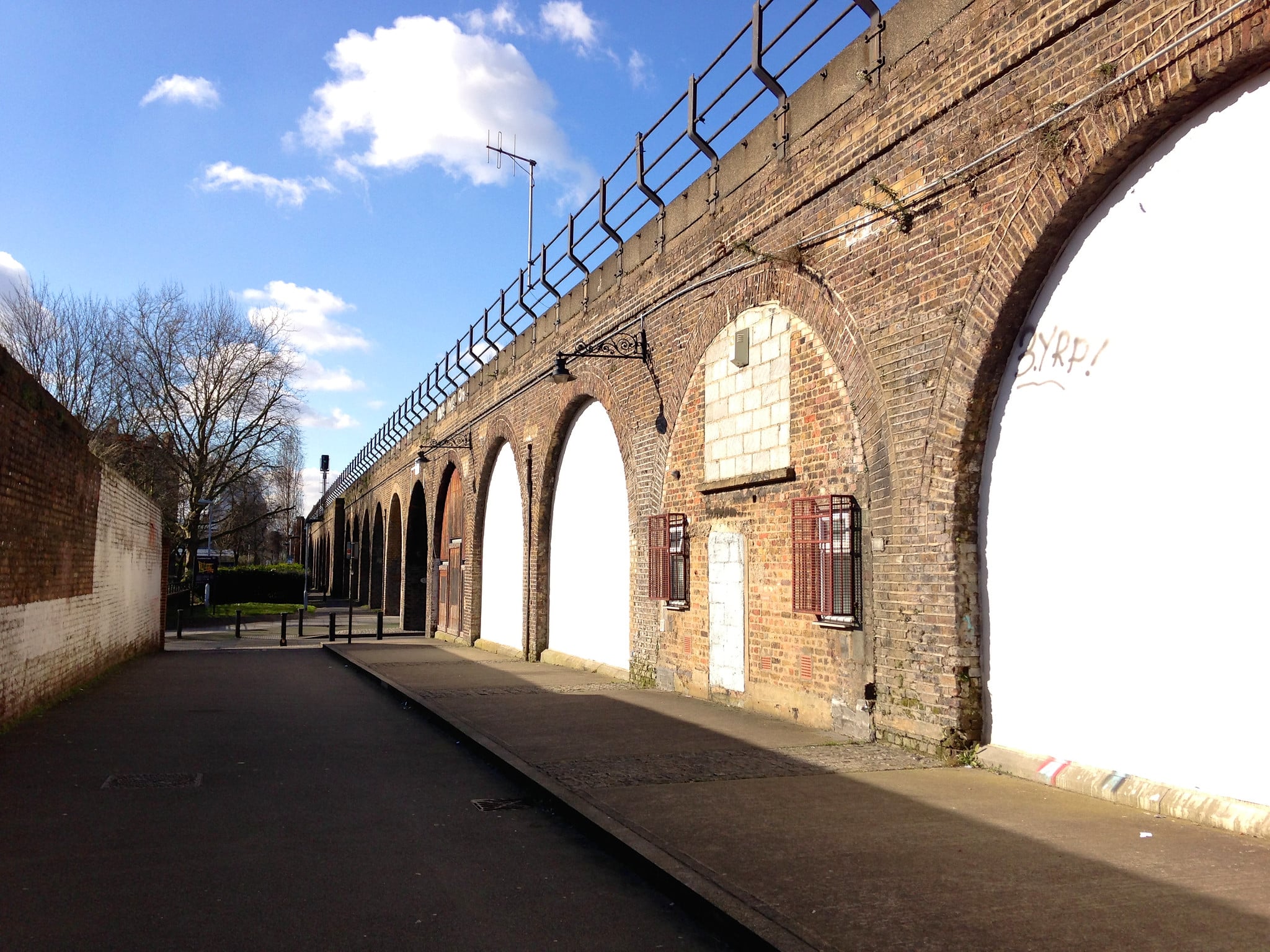
Architecture firm Penson transformed the unused spaces beneath London’s Victorian railway viaducts into vibrant mixed-use developments, converting industrial artifacts into coveted commercial and cultural venues. These adaptive reuse projects take advantage of the dramatic curved brick ceilings while addressing practical challenges such as waterproofing, acoustics, and access.
The approach has revitalized neighborhoods like Bermondsey by activating previously derelict spaces without requiring new construction, demonstrating how overlooked urban infrastructure can provide valuable square footage in land-scarce cities.
Like Go2Tutors’s content? Follow us on MSN.
Mumbai’s Informal Improvements

Rather than razing Mumbai’s Dharavi settlement—one of Asia’s largest informal communities—urbz architects worked with residents to incrementally improve existing structures through strategic interventions that preserve community ties. This “user-generated neighborhood” approach supports local building practices while introducing targeted improvements like light wells, improved ventilation, and structural reinforcements.
The project demonstrates how architectural knowledge can enhance self-built environments without displacing residents or disrupting social networks in extremely dense urban districts.
Oslo’s Compact Waterfront
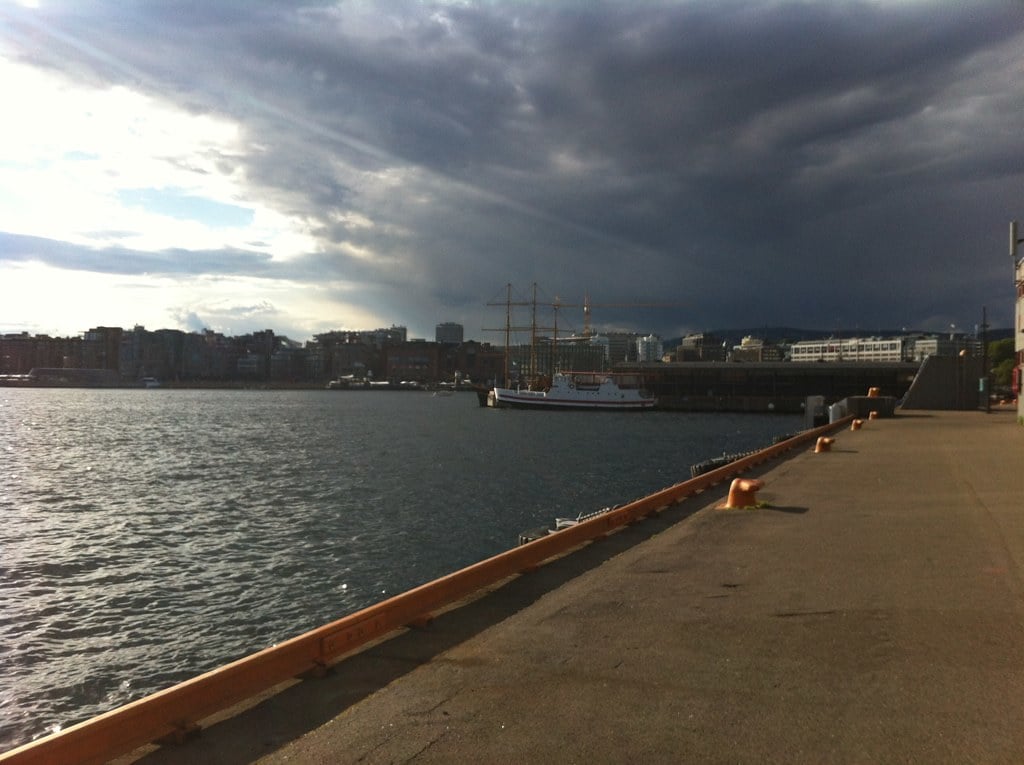
The Oslo Opera House by Snøhetta creates public space by allowing people to walk on and over the building itself, effectively multiplying the usable area of its harbor-front site. This design features an accessible sloping marble roof that serves as an urban plaza extending to the water’s edge, creating the impression of much more public space than actually exists on the constrained site.
The project demonstrates how blurring boundaries between building and landscape can generate expanded civic spaces even in densely developed waterfronts with premium land values.
Chicago’s Adaptive Reuse
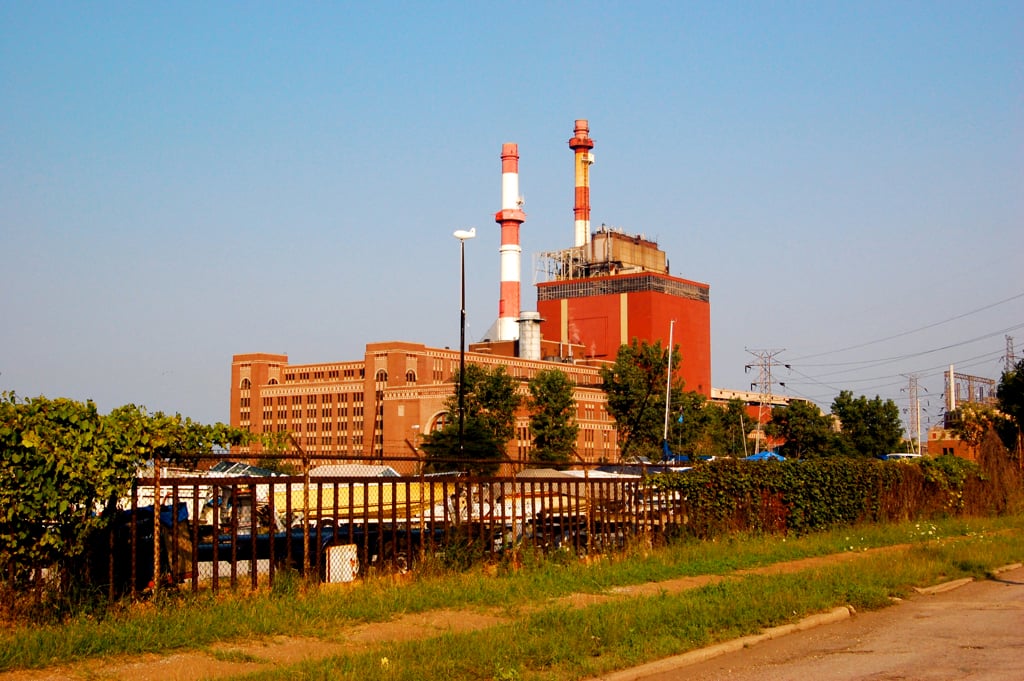
When faced with Chicago’s limited available building sites, Studio Gang transformed a 1929 coal-burning power plant into the Powerhouse Arts Campus, preserving the massive industrial structure while inserting new program elements within its cavernous interior volumes. This adaptive reuse project maintains the building’s historical character while creating contemporary arts facilities that would be impossible to build from scratch in the dense urban context.
The approach demonstrates how repurposing existing structures can provide unique architectural opportunities while addressing sustainability concerns about embodied carbon in new construction.
Like Go2Tutors’s content? Follow us on MSN.
Redefining Urban Possibilities
These examples demonstrate how architectural creativity thrives under the constraints imposed by overcrowded urban environments. Rather than viewing density as an obstacle, innovative architects transform limitations into catalysts for reinventing how buildings and cities function.
From micro-apartments and skinny houses to vertical forests and floating public spaces, these projects reveal that thoughtful design can enhance urban livability even as global cities become increasingly crowded. As urbanization continues worldwide, these approaches provide valuable templates for creating spaces that maximize functionality, sustainability, and quality of life despite spatial constraints—proving that architectural ingenuity can turn our most crowded cities into laboratories for reimagining the potential of urban environments.
More from Go2Tutors!

- 18 Unexpectedly Valuable Collectibles You Might Have Lying Around
- 20 Little-Known Historical Battles That Had Huge Consequences
- 20 Historical Artifacts That Scientists Can’t Explain
- 15 Inventions That Were Immediately Banned After Being Created
- 20 Actors Who Were Almost Cast in Iconic Roles
Like Go2Tutors’s content? Follow us on MSN.