The Activities That Filled Summer Recreation Programs
Every summer, parks and community centers across the country opened their doors to kids with nowhere else to be at ten in the morning. The schedule was usually taped to a folding table, and the equipment fit in a single storage closet.
What happened next depended on a counselor with a whistle and a lot of improvisation.
The best programs ran on cheap supplies and simple rules. A few of the activities were centuries old, and others were invented by a toy company.
Together they made up a summer that smelled like sunscreen, chalk, and wet towels.
Gimp Lanyards
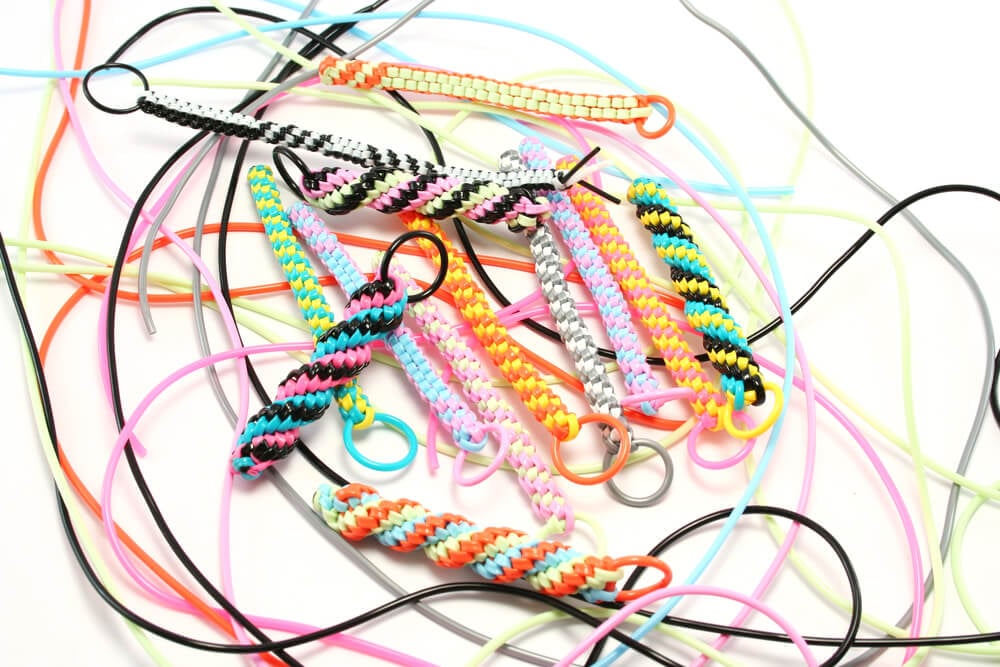
Plastic lacing, called gimp or boondoggle, was braided into keychains and whistle cords at craft tables everywhere. The basic box stitch used four strands, and kids moved on to more complicated patterns with six or eight.
Counselors handed out spools in colors like neon orange and translucent green. A finished lanyard usually ended up holding a house key, a whistle, or nothing at all.
Tie-Dye T-Shirts
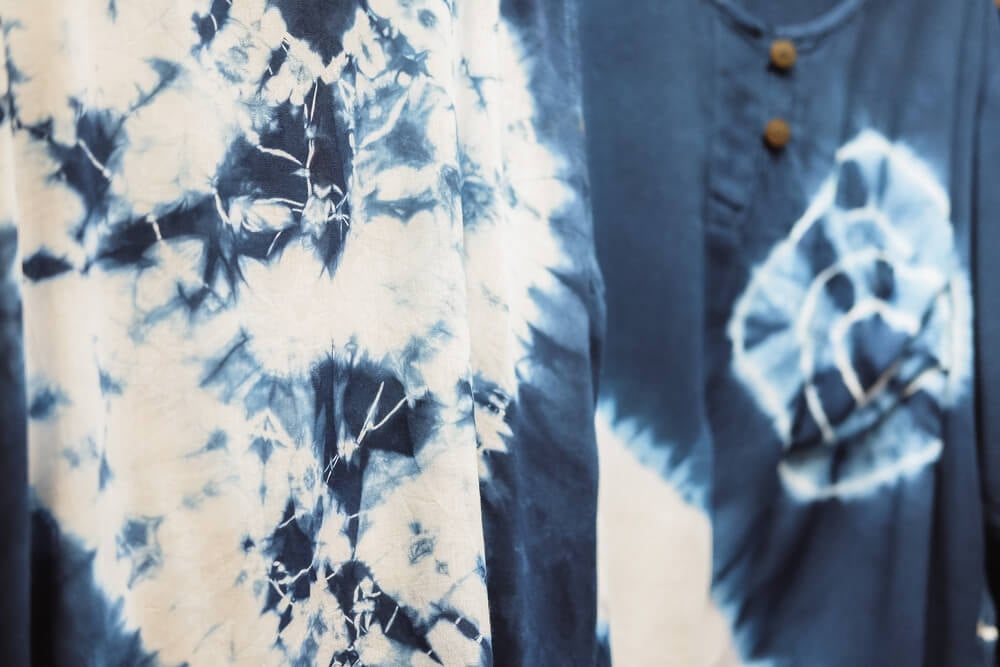
Rubber bands, squeeze bottles, and a plain white cotton shirt were all it took to make a tie-dye project. Kids twisted the fabric into a spiral, banded it into sections, and applied dye in bright stripes.
The shirt had to sit in a plastic bag for several hours before rinsing, which tested everyone’s patience. The result rarely looked like the sample, and that was part of the fun.
Sack Races
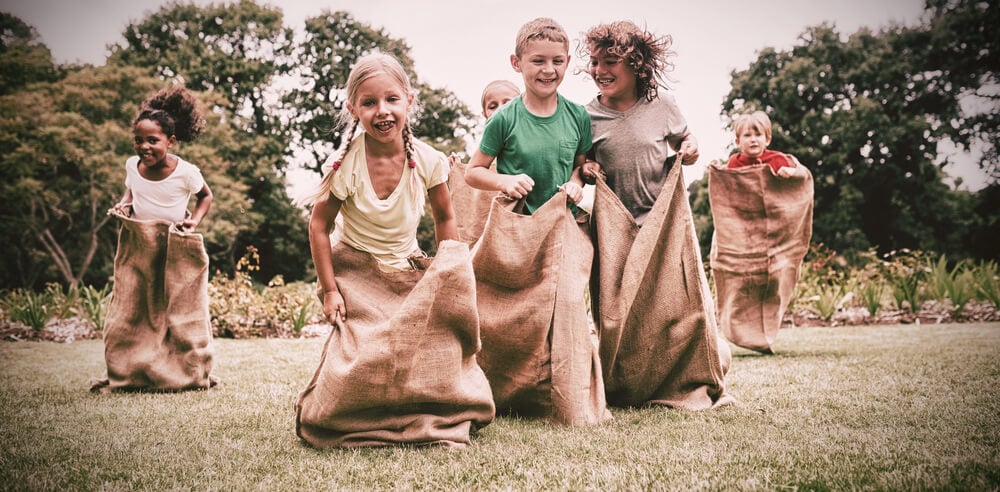
Contestants stepped into burlap or pillowcase sacks, gripped the top edge, and hopped toward a finish line marked with chalk or a garden hose. Falling over was nearly guaranteed, usually within the first ten feet.
Counselors often ran the event in heats so that everyone got a turn. The winner earned bragging rights that lasted until lunch.
Tug of War
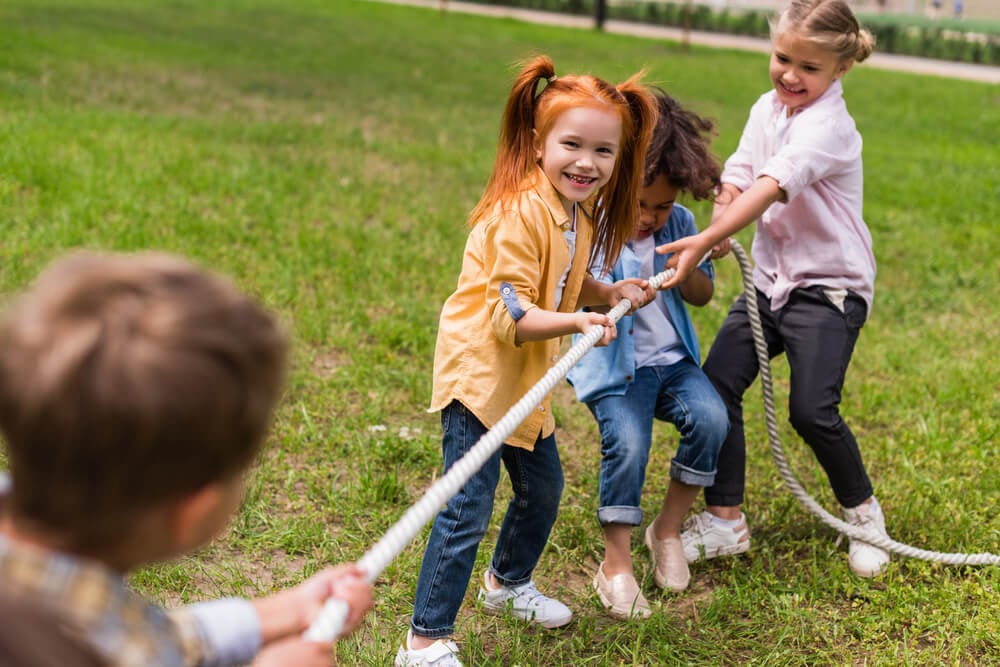
A thick rope, a line scratched in the dirt, and two teams were all this classic required. It was an Olympic event from 1900 through 1920, which means kids pulling on a rope in a park were taking part in an actual Olympic sport.
Counselors placed the strongest kids in the middle and the anchor at the back. The losing team usually ended in a heap, and the winning team did too.
Hula Hoop Contests
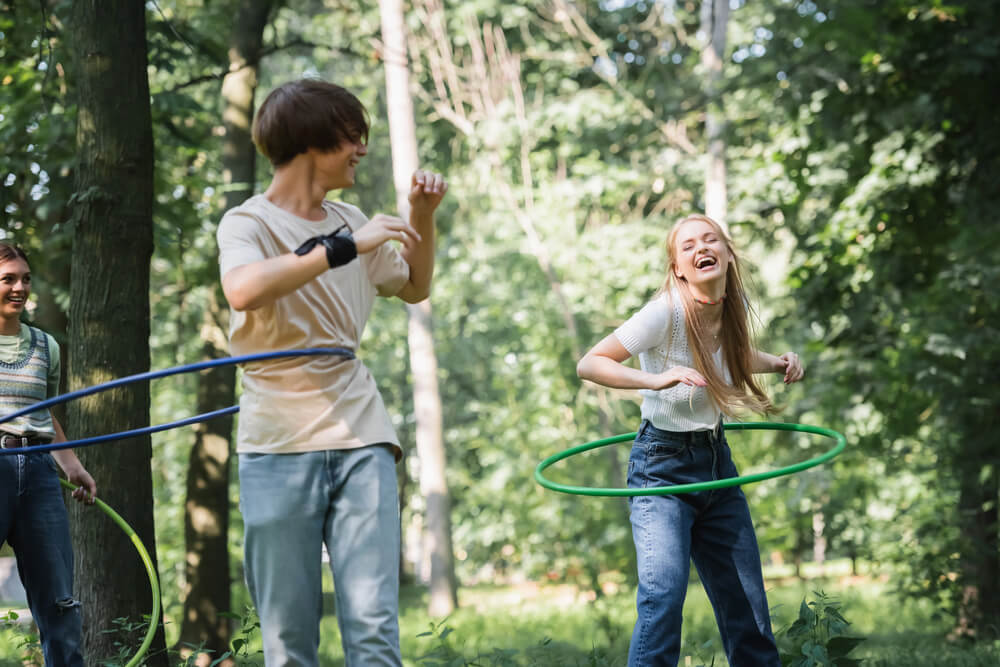
Wham-O released the plastic Hula Hoop in 1958, and recreation programs adopted it as a standard piece of equipment almost immediately. Contests asked kids to keep a hoop spinning around the waist for as long as possible.
Variations included spinning two at once or rotating one around the neck, an arm, or a leg. A single hoop cost very little, so a program could buy enough for everyone in the group.
Parachute Games
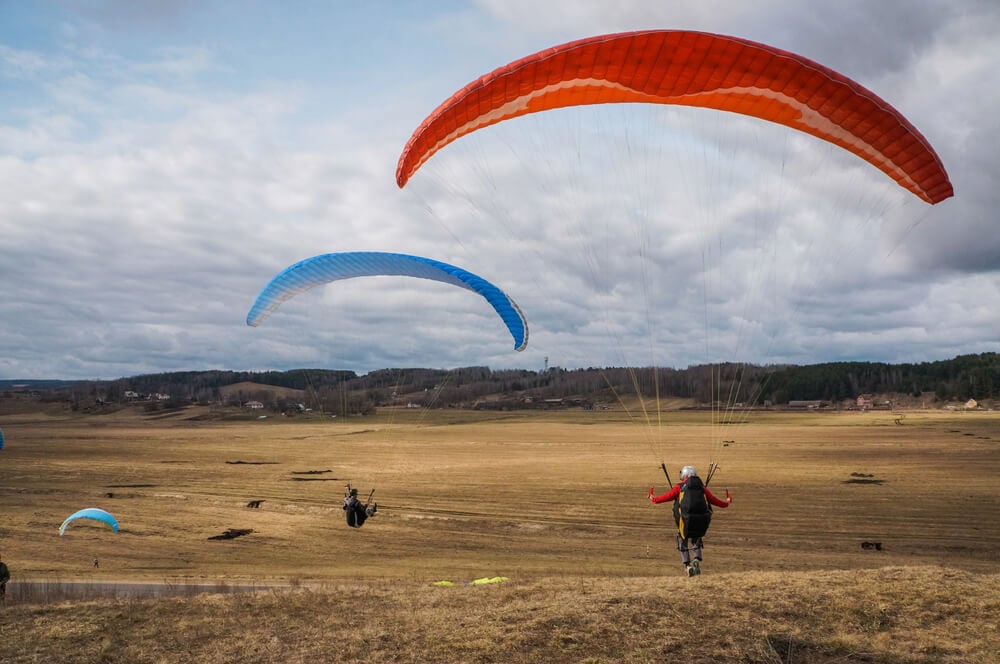
A large, round nylon parachute, usually around twelve feet across, turned a dozen kids into a team. Everyone gripped the edge and raised it overhead together to make a dome, then ran underneath to switch places.
Other versions involved shaking the fabric to bounce stuffed animals or beanbags into the air. The popping sound of the fabric filling with air was the loudest part of the day.
Capture the Flag
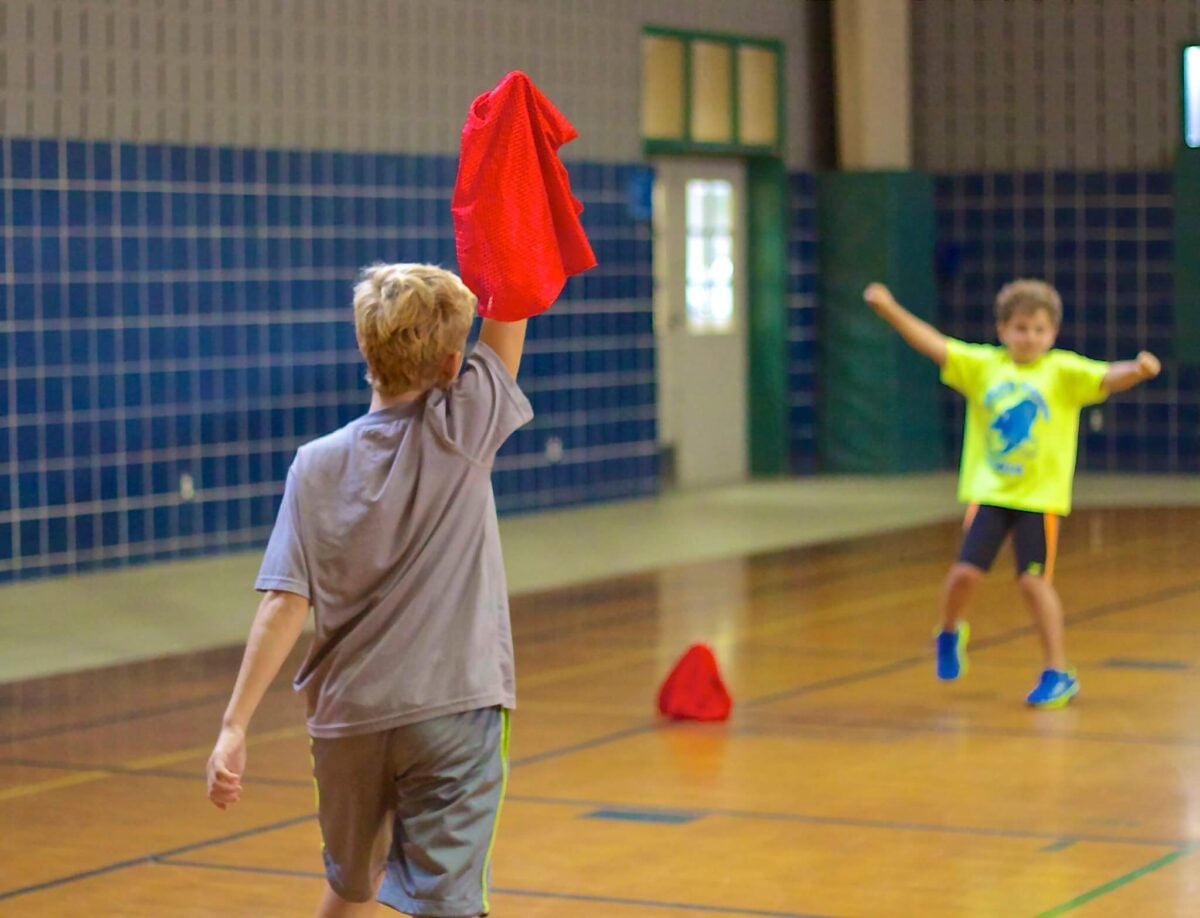
Two teams divided a field in half, hid a flag in their own territory, and tried to snatch the other team’s without being tagged. Anyone who was tagged on the opposing side went to a designated jail until freed by a teammate.
The game rewarded strategy as much as speed, and it often produced loud arguments over boundary lines. A summer program with a large field and enough counselors could run it for an entire afternoon.
Summer Reading Programs

Public libraries have run summer reading challenges for well over a century, and many recreation programs partnered with them to keep kids reading. Participants logged books on a paper chart or a bookmark and earned stickers, coupons, or small prizes.
The rewards were often a ribbon, a coupon, or a day pass to a local pool. Kids who treated the chart as a competition frequently read far more than the minimum.
Swim Lessons
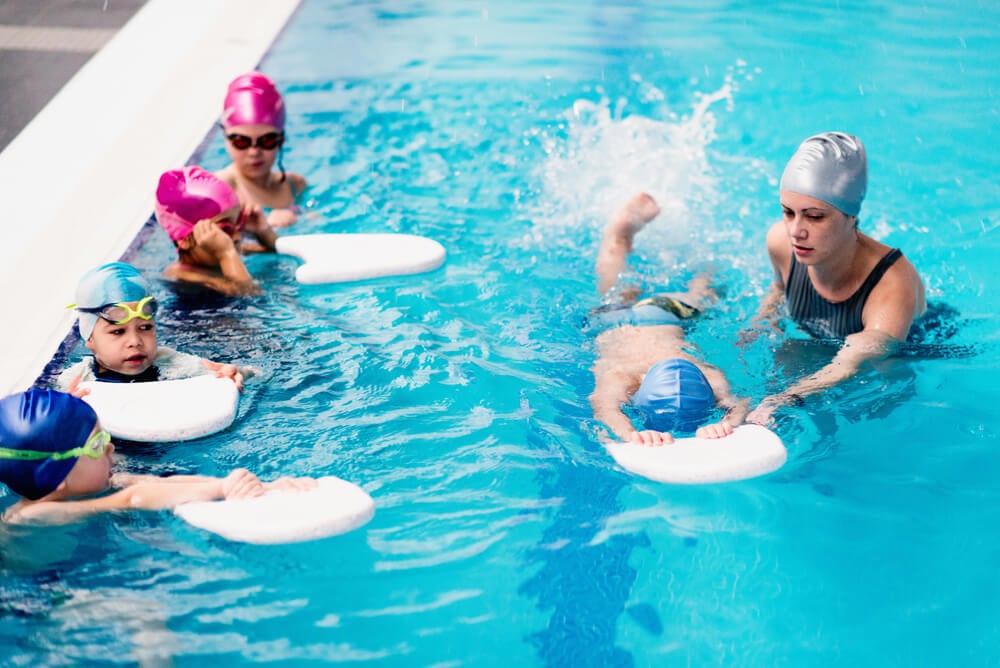
The American Red Cross has taught swimming and water safety for more than a century, and its levels of instruction shaped many municipal pool programs. Kids were sorted by ability, from beginners learning to blow bubbles to older swimmers perfecting a front crawl.
A passing mark meant a certificate and sometimes a patch or card. Early morning lessons in cold water were a rite of passage that nobody forgot.
Double Dutch
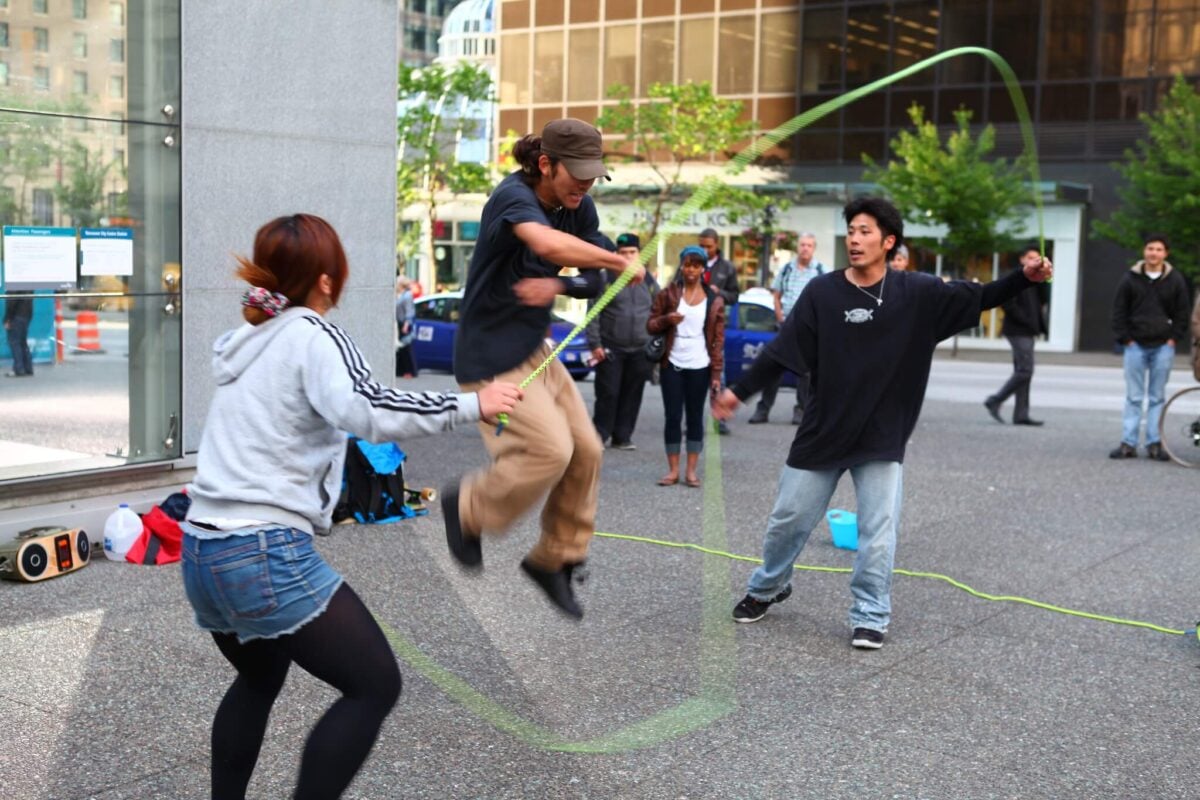
Two long ropes turn in opposite directions while a jumper leaps in and keeps rhythm. The game is traced to Dutch settlers in New York, and in 1973 a pair of New York police officers, David Walker and Ulysses Williams, helped turn it into an organized sport.
Park programs set up ropes at lunchtime, and the best jumpers added spins, clapping, and rhymes. Entering the ropes at the right moment took more nerve than skill.
Hopscotch
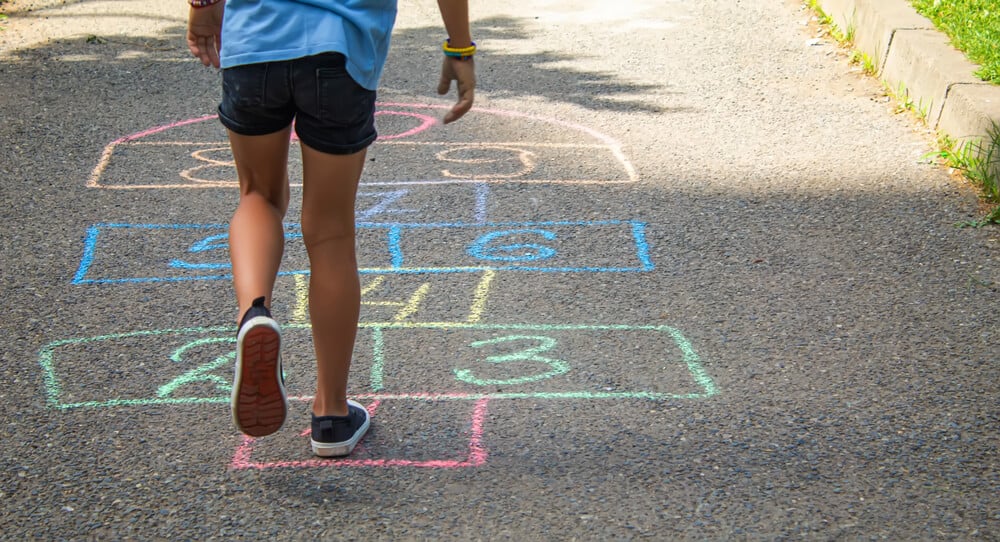
A grid of numbered squares drawn in chalk was one of the easiest ways to fill a quiet hour. Players tossed a stone or beanbag, hopped through the squares on one foot, and picked up the marker on the way back.
The game is often linked to ancient Rome, where soldiers reportedly used longer courses for training. Every neighborhood had its own variation, with names like snail or heaven, and arguments over the rules were a feature rather than a bug.
Limbo Contests
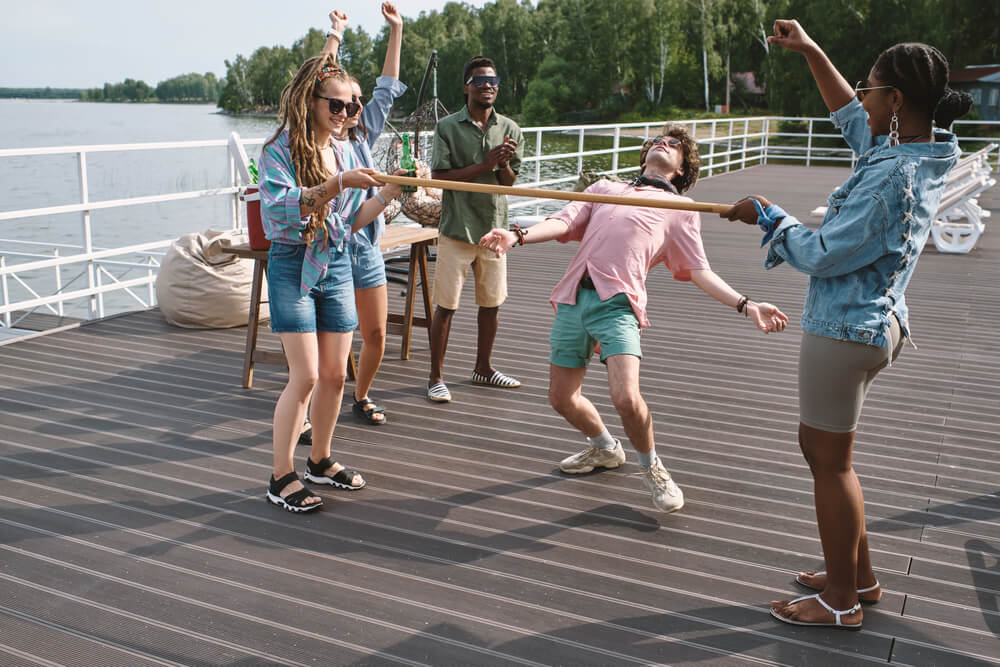
A stick held at shoulder height, then lowered notch by notch, challenged kids to pass underneath while leaning backward. The dance is associated with Trinidad, and it became a popular party game around the world.
Counselors usually played upbeat music and encouraged cheering for every attempt. The last person left standing was typically the smallest kid in the group, which seemed unfair to everyone else.
Talent Shows

Programs often wrapped the season with a talent show, held in a gym or on a makeshift stage of folding tables. Kids performed lip-sync routines, magic tricks, gymnastics routines, and jokes that they had heard from older siblings.
Counselors introduced every act with obvious enthusiasm, and parents filled the folding chairs. Props tended to include flashlights, hairbrushes used as microphones, and a boom box borrowed from the office.
Bike Rodeos
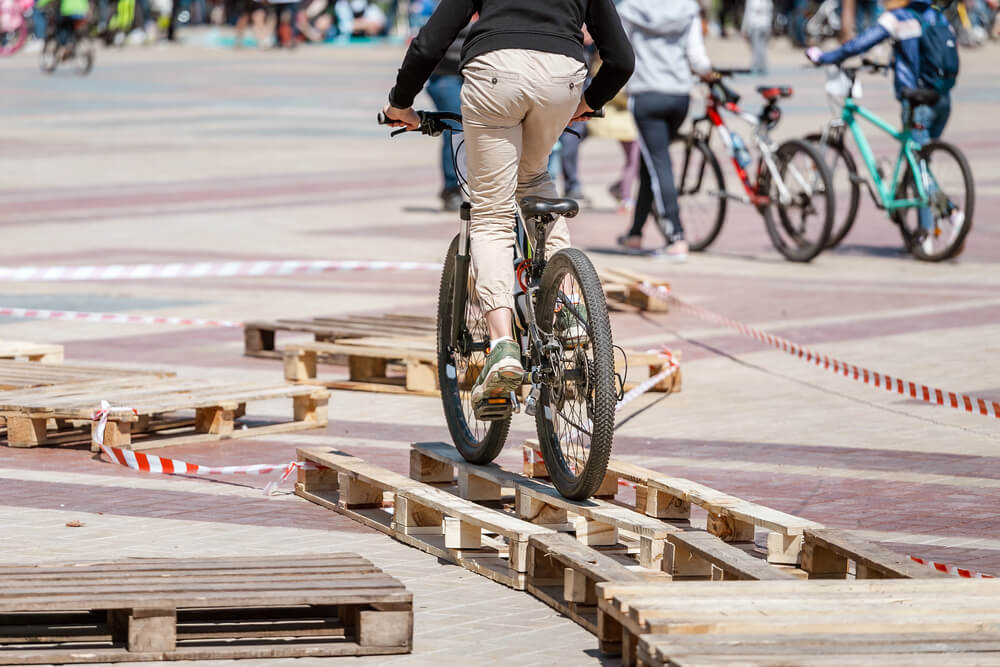
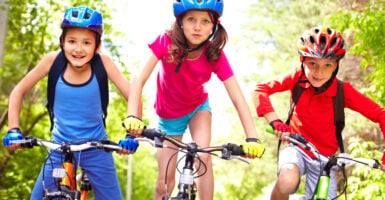
A bike rodeo set up an obstacle course in a parking lot with cones, chalk lines, and a few stop signs. Kids practiced signaling turns, weaving, and braking quickly, usually while wearing helmets.
Local police officers or safety volunteers often supervised and checked that each bike had working brakes and properly inflated tires. A participation sticker was handed out at the end, and nobody minded that it was the same sticker everyone got.
Fishing Derbies
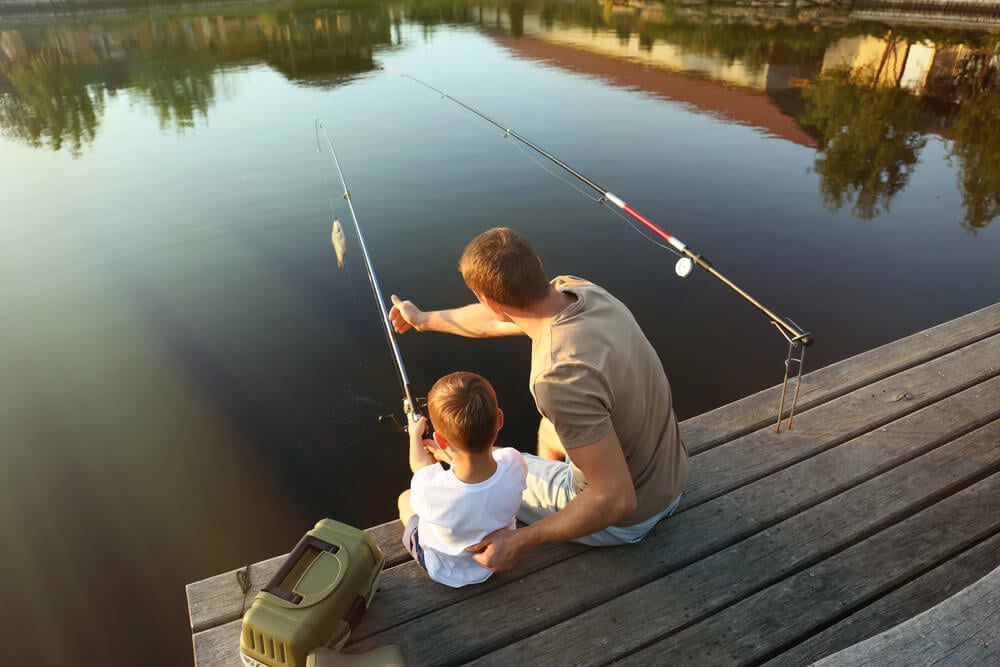
Cane poles, bobbers, and a bucket of worms were the basic equipment at a community pond. Recreation departments often stocked the water with catfish or trout beforehand so that kids had a reasonable chance of catching something.
Prizes were awarded for the biggest fish, the smallest fish, and the first fish caught. Most of the catches were released back into the water, to the relief of at least a few anglers.
Scavenger Hunts
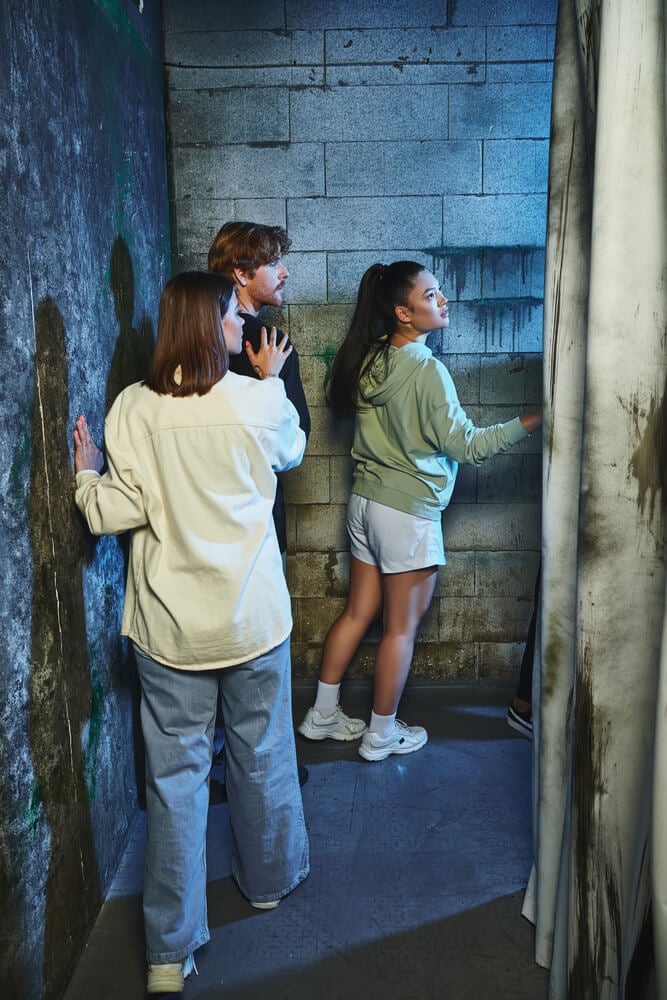
Teams received a list of objects to find, such as a smooth rock, a feather, a pinecone, or something that begins with the letter Q. The modern party version is often credited to the socialite Elsa Maxwell, who popularized it in the 1930s.
Counselors set time limits and checked finds at the end. The most creative teams tended to interpret the rules as loosely as possible.
Kite Flying
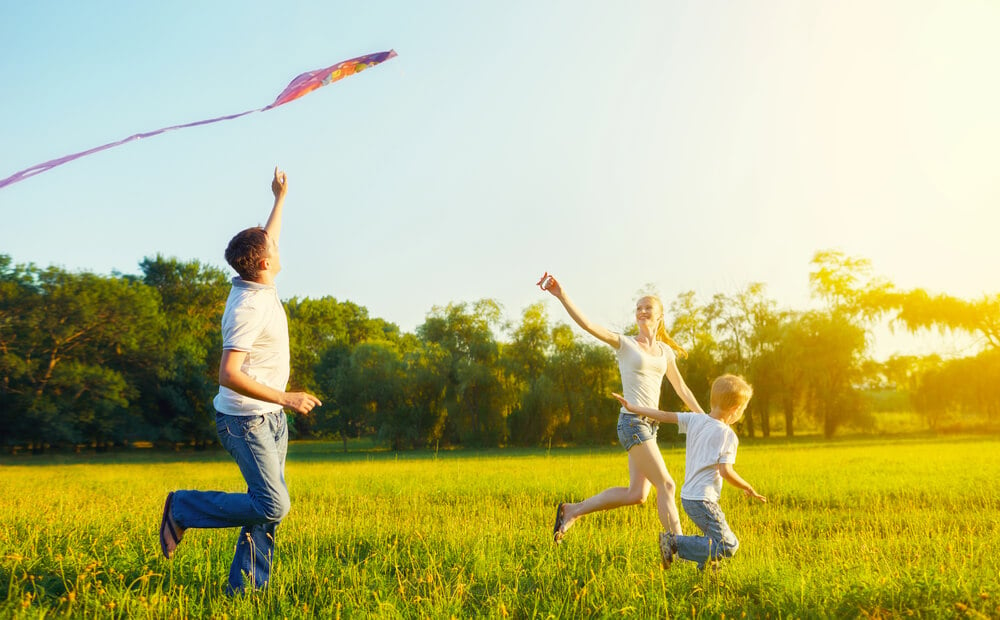
On a breezy day, a park field turned into a sky full of paper diamonds and plastic delta shapes. Kids learned the difference between letting out line and reeling it in, and why running with a kite does not always help.
The practice has famous roots in Benjamin Franklin’s 1752 kite experiment, which counselors liked to mention for safety reasons, usually adding a warning about storms. A tangled string was a regular cause of tears.
Craft Stick Projects
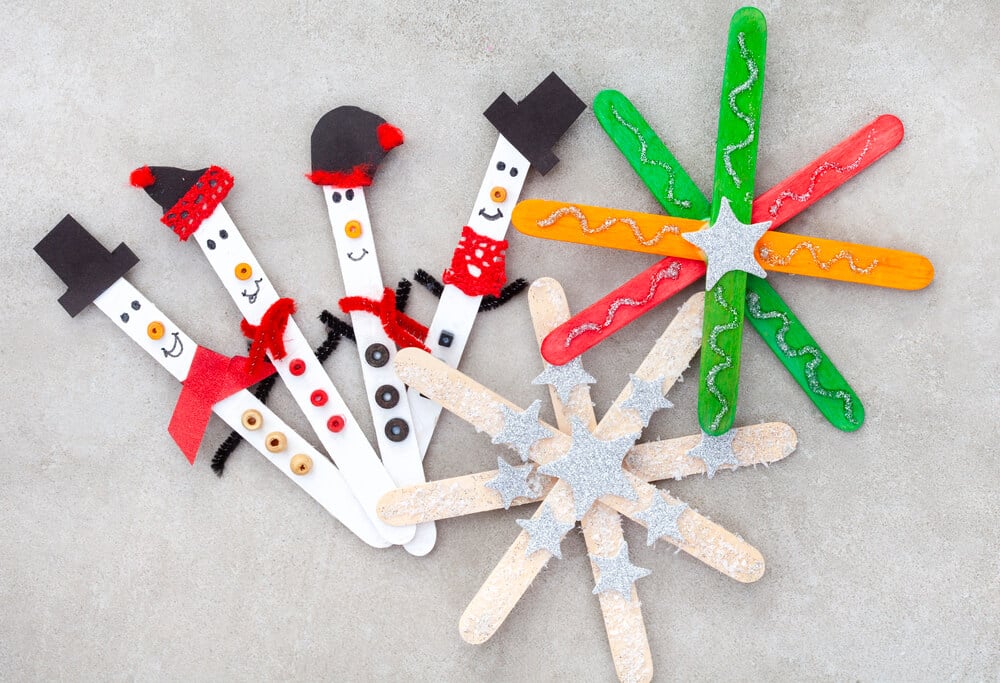
Frank Epperson was eleven years old in 1905 when he reportedly invented the frozen treat that led to the Popsicle, and wooden sticks have been part of childhood ever since. Recreation programs bought them by the thousands.
Kids glued them into picture frames, log cabins, and tiny rafts, sometimes after finishing a frozen treat of their own. A bottle of white glue and a pile of sticks could occupy a rainy afternoon.
Why the Simple Things Lasted
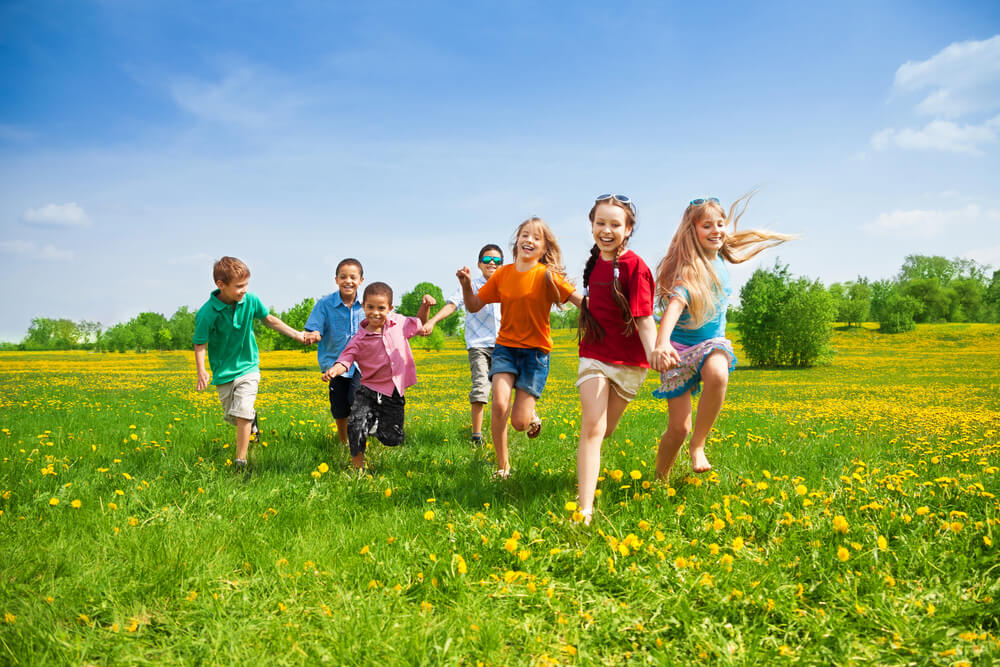
Looking back, the equipment was almost always modest: rope, chalk, glue, dye, a parachute. None of it required batteries, and most of it could be replaced for a few dollars.
What kept kids coming back was the company, since nearly every activity involved other people and a shared sense of making something up as they went.
That is probably why these activities have lasted so long. Each one asks only for space, a few friends, and enough free time to make mistakes.
A summer program can be run on almost no money, and the memories it leaves behind often last far longer than the schedule did.
More from Go2Tutors!

- 27 Silver Dollars and Half Dollars Worth Keeping
- 28 Restaurant Menu Items Nobody Orders Anymore
- 17 Places Built in Seemingly Impossible Spots
- 27 Vintage Rings Worth More Than They Look
- 25 Restricted Sites Tourists Can’t Enter
Like Go2Tutors’s content? Follow us on MSN.