What Families Packed for Cross-Country Moves
A cross-country move forced a family to sort a lifetime of belongings into two groups: what could ride in the car and what had to trust a stranger’s truck. The car got the items that mattered on day one, plus the ones that could not be replaced.
The list below follows the maps, trailers, and odds and ends that rode along on American highways through most of the twentieth century. Most of it fit in a back seat.
A Paper Road Atlas
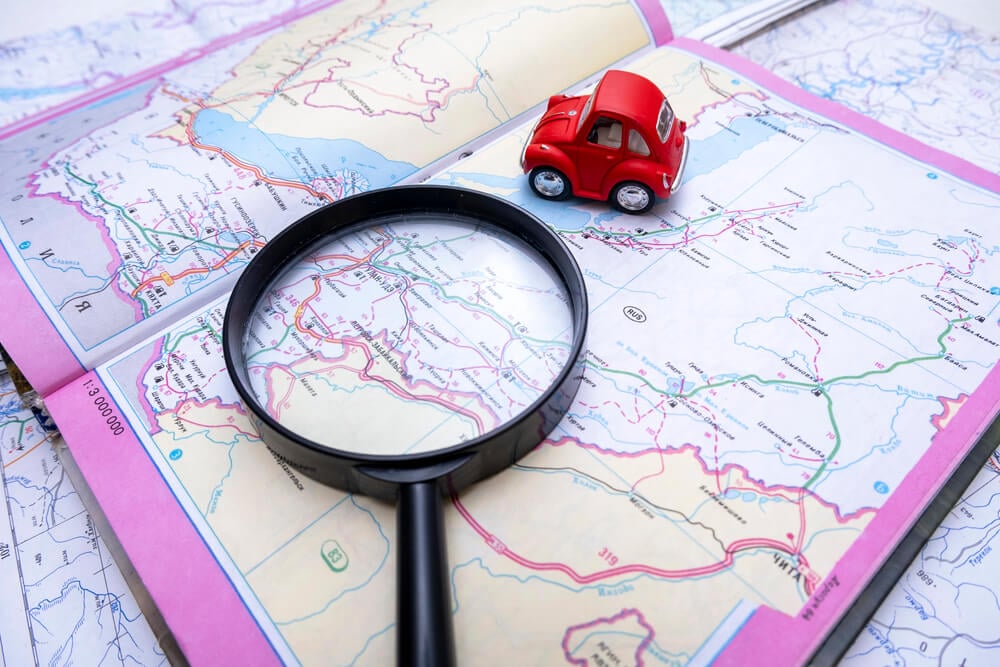
The first Rand McNally Auto Chum was published on April 15, 1924, and later became the Rand McNally Road Atlas. It contained hand-drawn maps and no index, and the interstate highways it would later feature did not yet exist.
A family that planned to cross several states needed one on the front seat.
A TripTik From the Auto Club
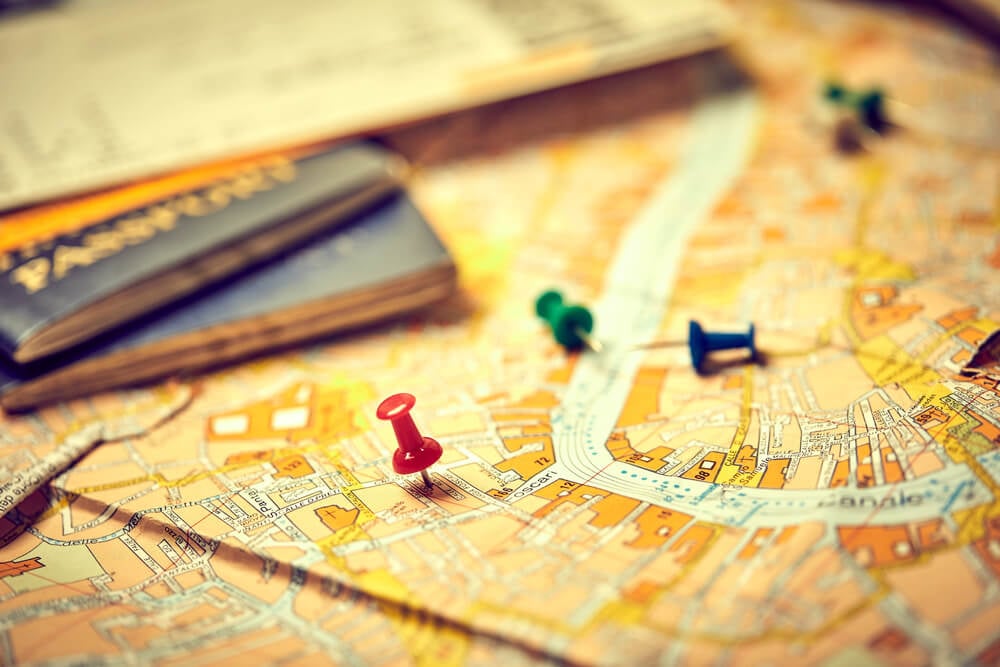
The first AAA TripTik was issued in 1937 and became one of the organization’s most popular guides by the 1950s. An agent marked a route in bright marker across a strip-style booklet, and field staff known as pathfinders gathered information on road conditions.
Families received a custom route without having to read a map.
Free Maps From the Gas Station
In 1920, Rand McNally began publishing road maps for the Gulf Oil Company to be handed out free at service stations. The giveaway ended after the Arab oil embargo of the early 1970s, when the price of fuel changed the economics.
For decades, a fill-up included the route.
The AAA Blue Book
In 1906, the AAA’s Official Automobile Blue Book recast traditional bicycle guides for the motorist. Rand McNally did not publish the first road map to feature numbered highways until 1917, so earlier guides leaned heavily on landmarks.
A traveler who packed one learned to read the scenery as carefully as the page.
A Membership Card for Emergencies
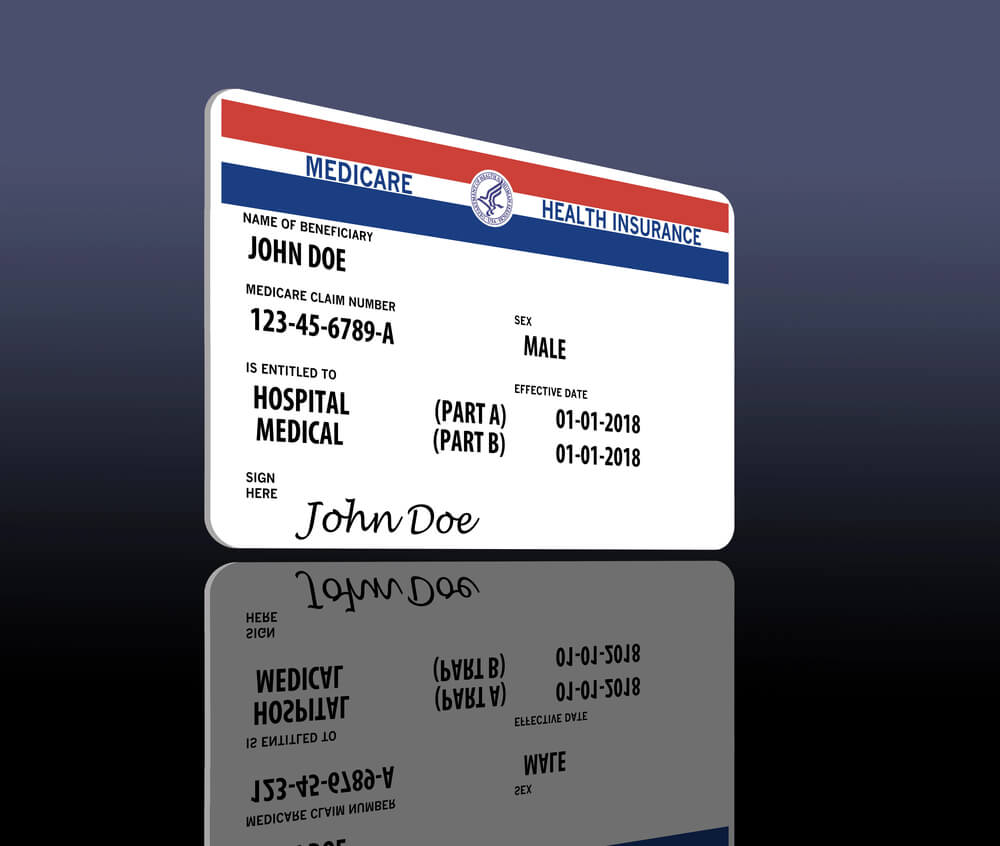
In 1915, the Automobile Club of Missouri offered the first emergency road service for its members, and the idea quickly spread to other AAA affiliates. A family driving across the country packed a membership card as insurance.
It was cheaper than a breakdown in the middle of the desert.
A Glove Compartment Guide
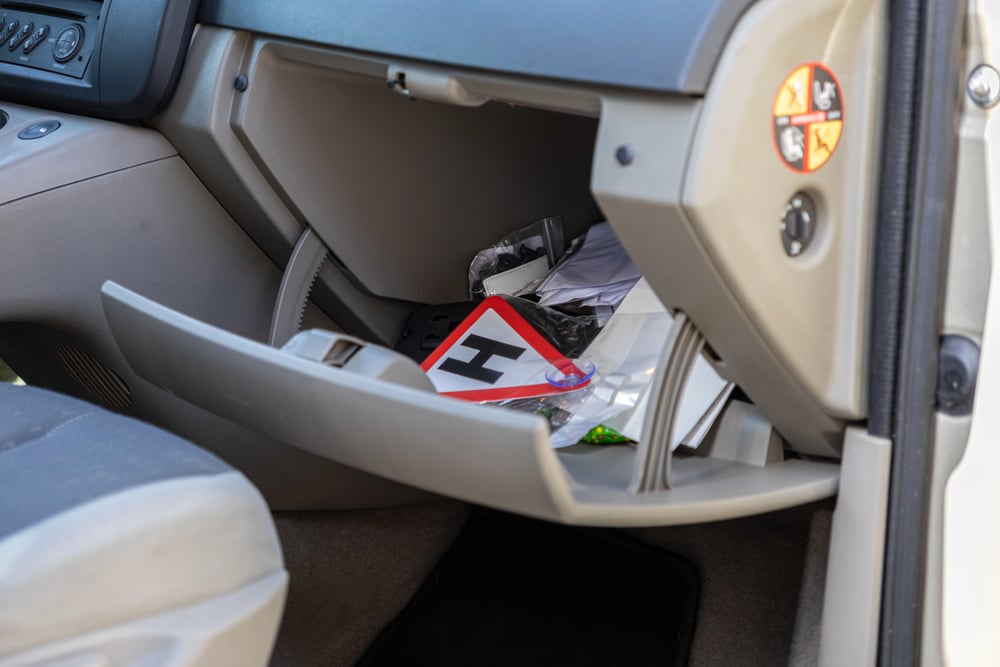
In 1945, the Thomas Bros. company created a travel guide sized to fit in a car’s glove compartment. The format was a bound book of detailed local maps that could be pulled out at a gas station or a motel lobby.
It solved the problem of finding one street in an unfamiliar city.
A Rented Orange Trailer

U-Haul launched in the summer of 1945, and by the end of that year 30 open trailers measuring 4 feet by 7 feet were available on service station lots in Portland, Seattle, and Vancouver, Washington. The trailers were painted bright orange, and early signs advertised rentals at $2 per day.
A family with an ordinary car could now take its furniture along.
A One-Way Rental

The first one-way U-Haul rental ran from Portland to Seattle. By the end of 1949, it was possible to rent a trailer one way from city to city across most of the United States.
That change meant a family could drop the trailer at its destination and never return to the origin.
Dishes Wrapped in Newspaper

Newspaper was the default packing material, and the ink rubbed off on plates and glasses. Unpacking at the other end meant washing every item before it went into a cabinet.
Families who ran short of paper turned to towels and bed linens as padding.
A Cooler Packed With Block Ice
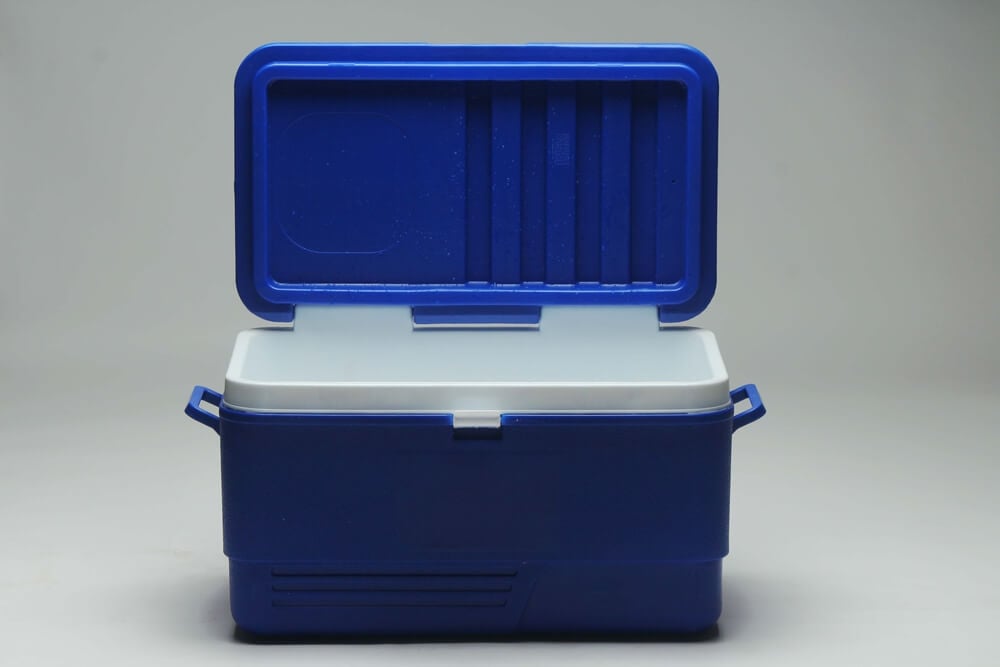
Block ice lasts longer than cubes, which is why picnic coolers were packed with a single slab for a long day on the road. Sandwiches, fruit, and bottled drinks rode inside, and the meltwater drained out the side.
A cooler of this sort meant fewer stops at roadside diners, which stretched the budget.
Houseplants in the Back Seat
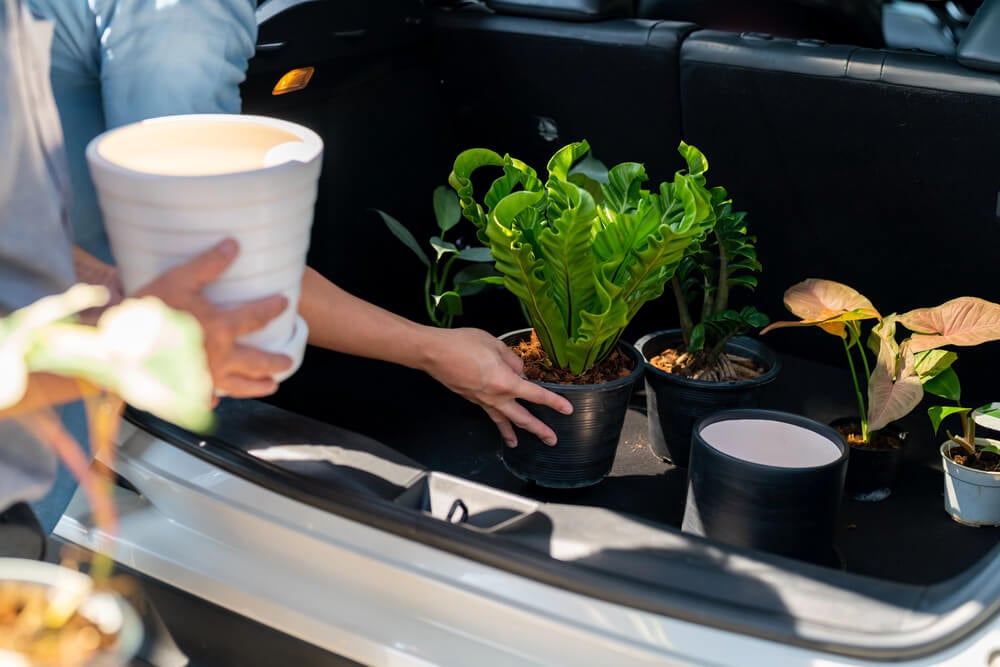
Moving vans can run too hot or too cold for plants, so families often carried their houseplants in the passenger seat or on the floor of the car. A plant on the floor of the back seat survived better than one left in a truck parked in the sun.
The passenger seat was prime real estate, and the fern often had priority over the luggage.
Card Decks and Travel Games

A deck of playing cards needed no batteries and fit in any pocket. Travel versions of board games had pegs or magnetic pieces so the game survived a bumpy ride.
For children in the back seat, they were the difference between a quiet afternoon and a long one.
A Photo Album Nobody Shipped
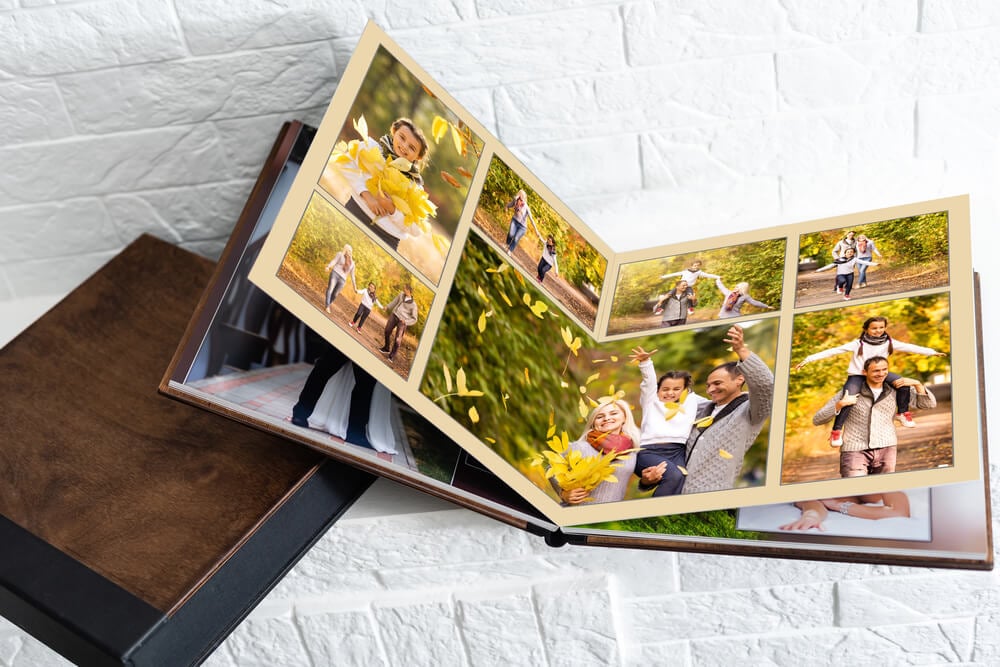
Photo albums rarely went into the moving van, because losing a box of prints meant losing something that could not be reprinted. Families kept them within reach, often in a bag at someone’s feet.
The album that traveled across the country was the one that mattered.
A Suitcase for the First Week
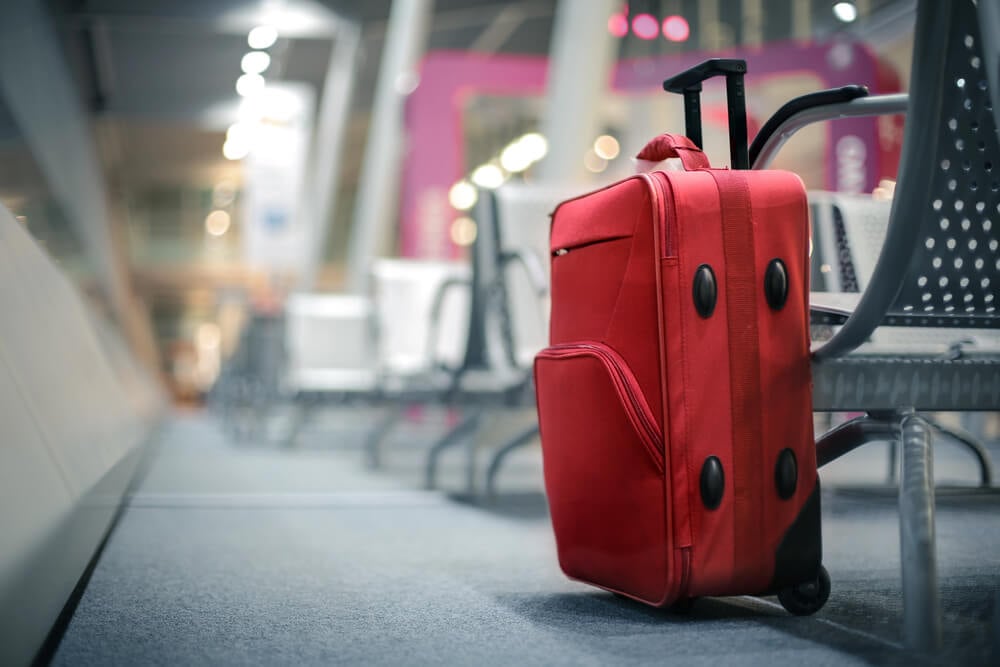
Once the furniture was loaded onto a truck, the family needed clothes for several days before it caught up. A suitcase packed with a week of outfits, pajamas, and toiletries rode along.
The rest of the wardrobe waited at the other end.
The Weight of What Stayed Within Reach
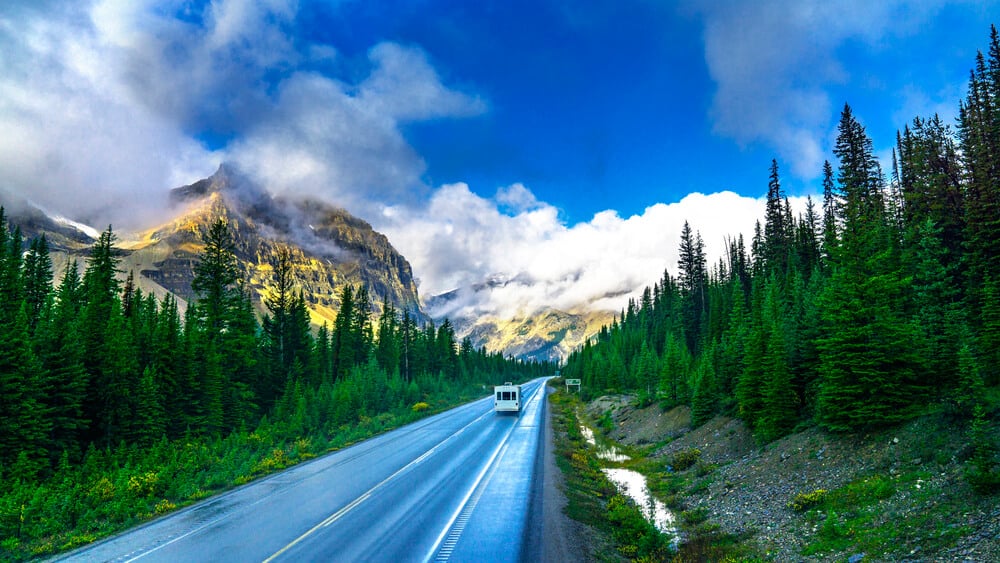
Moving across the country forced families to rank their possessions by importance. Maps, keepsakes, and a few days of clothes beat furniture.
That ranking has not changed much, even though the maps now live on phones. The things that ride in the passenger seat are still the ones that cannot be replaced.
More from Go2Tutors!

- 27 Silver Dollars and Half Dollars Worth Keeping
- 28 Restaurant Menu Items Nobody Orders Anymore
- 17 Places Built in Seemingly Impossible Spots
- 27 Vintage Rings Worth More Than They Look
- 25 Restricted Sites Tourists Can’t Enter
Like Go2Tutors’s content? Follow us on MSN.