The Party Decorations Americans Made by Hand
Before a party aisle could supply a theme in a single trip, decorations came from scissors, paste, and a roll of crepe paper. A hostess with a free afternoon could turn a plain room into something that looked planned.
The projects below range from catalog-era crepe paper to kitchen-table staples. Several of them cost almost nothing, and nearly all of them required an afternoon.
Crepe Paper Streamers Twisted Overhead

Dennison Manufacturing of Framingham, Massachusetts, produced the first crepe paper in the United States and went on to popularize the idea of decorating for every occasion. A roll of it could be twisted, stretched, and looped from corner to corner in minutes.
The company operated from 1844 to 1990, which makes it a bigger part of American party history than its name suggests.
Printed Crepe Paper Made Pattern Easy

Dennison’s 1913 catalog Art and Decoration in Dennison’s Crepe and Tissue Paper advertised crepe in holiday, seasonal, and floral designs. A hostess no longer had to paint or stencil motifs by hand, because the pattern came already printed on the roll.
The catalog described itself as a book of suggestions, and it ran to a 22nd edition.
Crepe Rope and the Berry Wreath
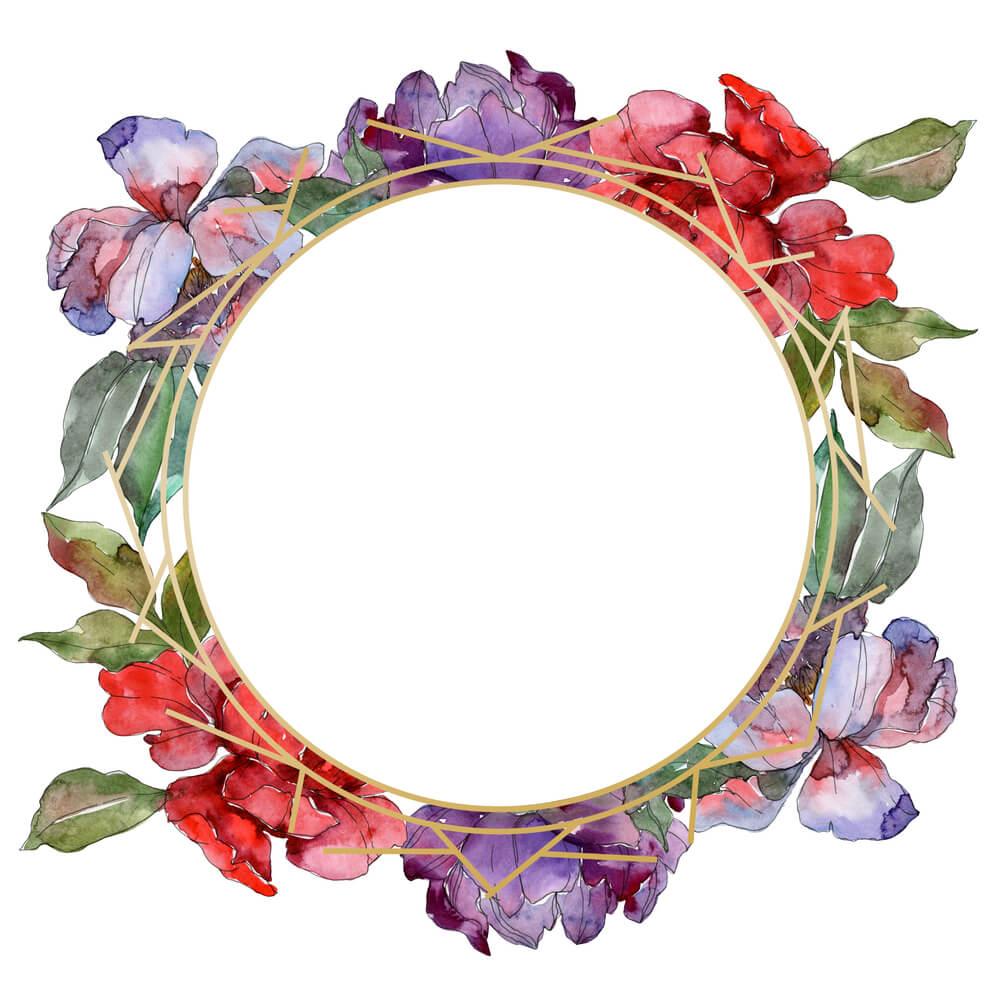
Dennison’s Christmas Book of 1923 showed readers how to wrap padding in green crepe paper and add overlapping petal-shaped strips to form a wreath. Berries were made from red crepe.
The same book featured a rope of crepe paper that could be hung or draped, which was less work than it sounds.
The Fireplace Built From Stuffed Paper
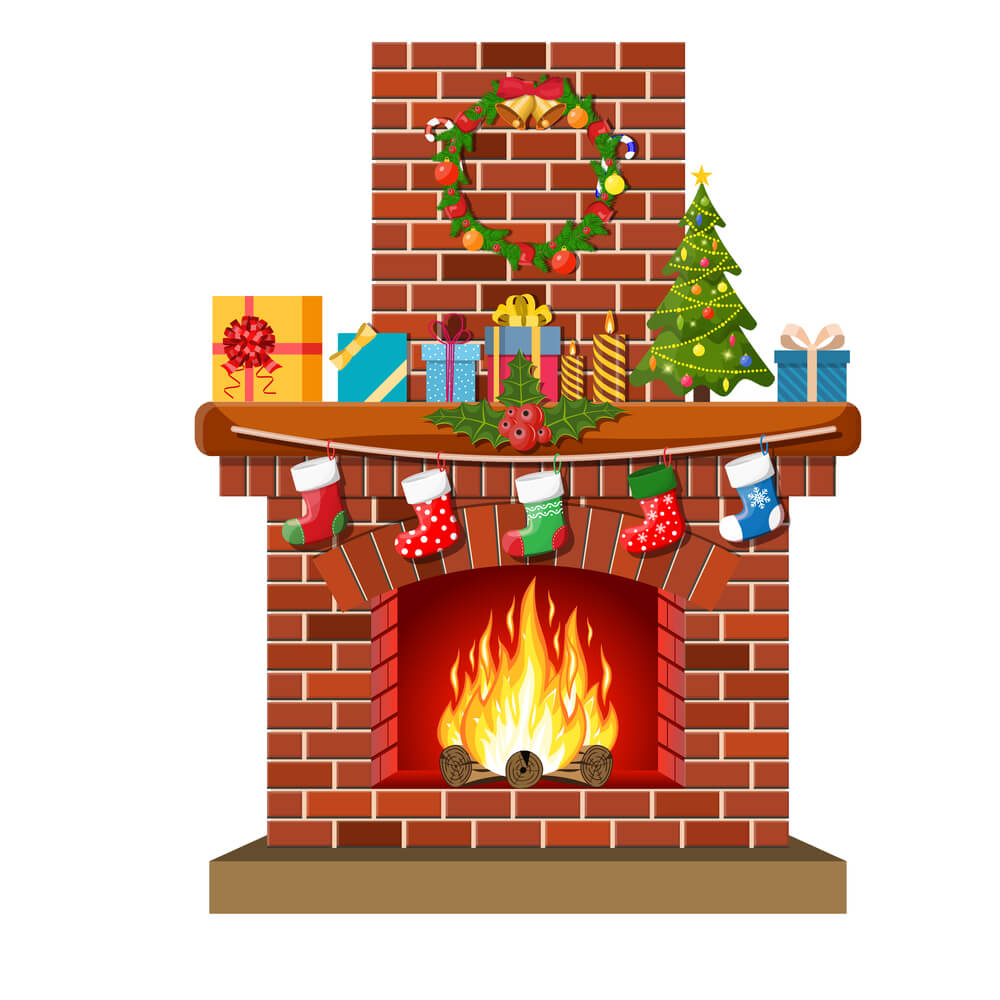
That 1923 Christmas Book also described a fireplace in which the stones were gray crepe paper stuffed into shape. The paper masonry sat beside a crepe paper snowman, and the entire display could be assembled in a room without any real fireplace.
When the party ended, the stones went into the trash.
Crepe Paper Flowers for Every Table

Dennison published a booklet in 1922 titled How to Make Crepe Paper Flowers, aimed at hostesses who wanted blooms without a florist. The petals were cut from crepe, stretched to give them shape, and wired to a stem.
A bouquet that looked fragile could be made entirely from the same material as the streamers.
Costumes Cut From Crepe

A Dennison party book from 1922 told readers how to make Halloween costumes from crepe paper. The material came in the black and orange that suited the holiday, and it could be pleated, fringed, and gathered like cloth.
One rainy evening could produce several outfits, although none of them were built to survive a downpour.
Cups and Baskets Dressed Up in Tissue
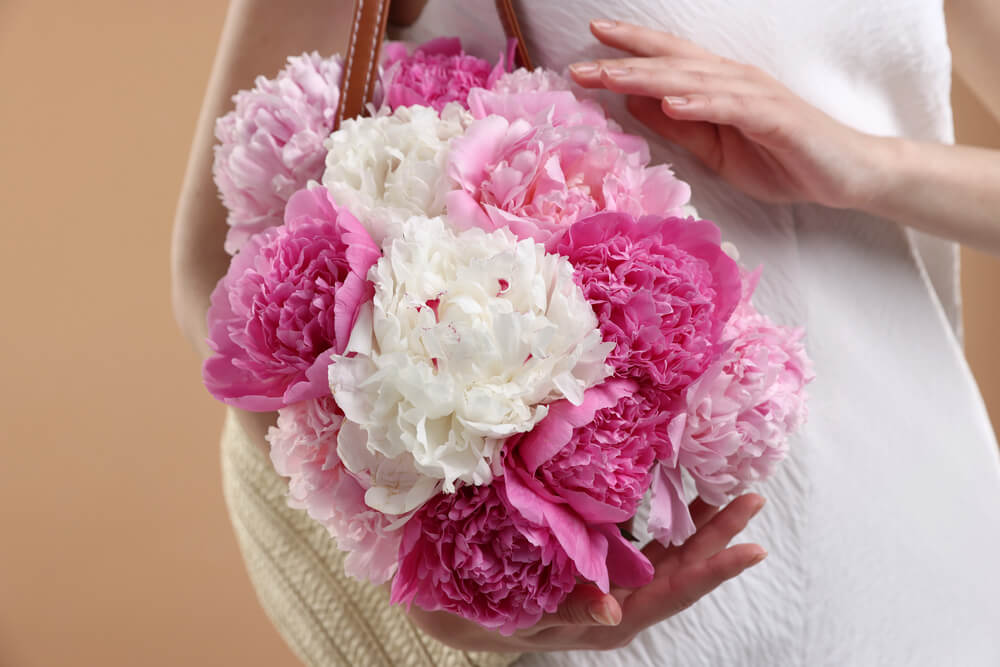
Page 42 of the 1913 Dennison catalog shows serving cups and baskets decorated with crepe and tissue paper. A plain paper cup became a themed container with a ruffled edge.
The trick was that guests carried the decoration to the table and ate from it.
Party Favors Made From Paper
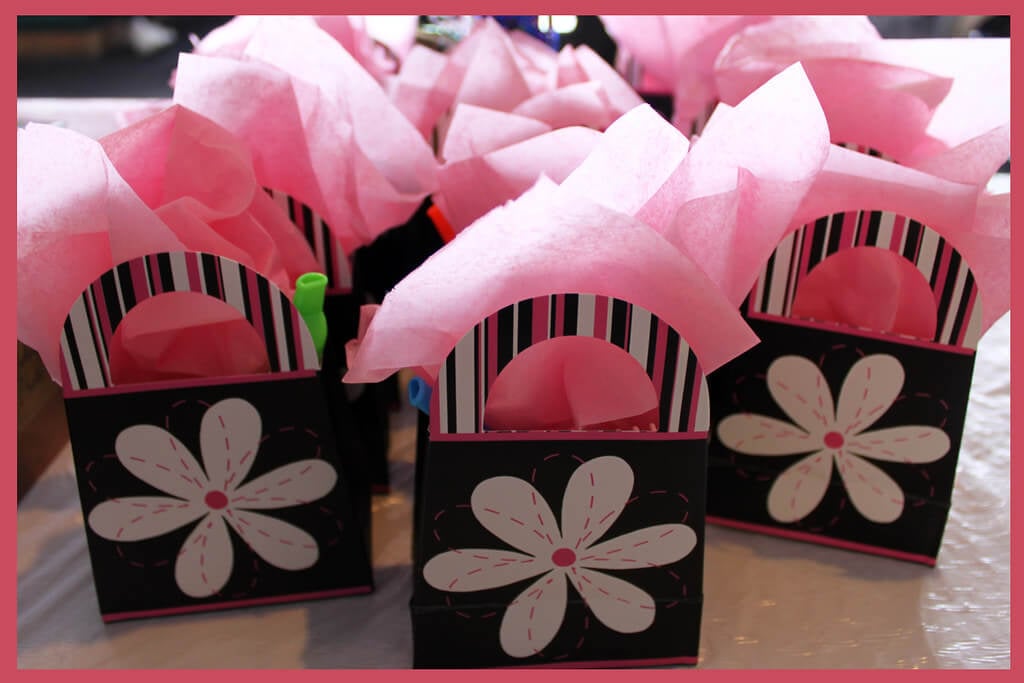
The same catalog devoted pages to party favors made from crepe and tissue paper, including small objects that guests carried home. A favor turned leftover paper into a gift, so the budget stayed low.
Hosts who wanted something fancier simply added more layers of ruffling.
The Patriotic Hall That Cost $15
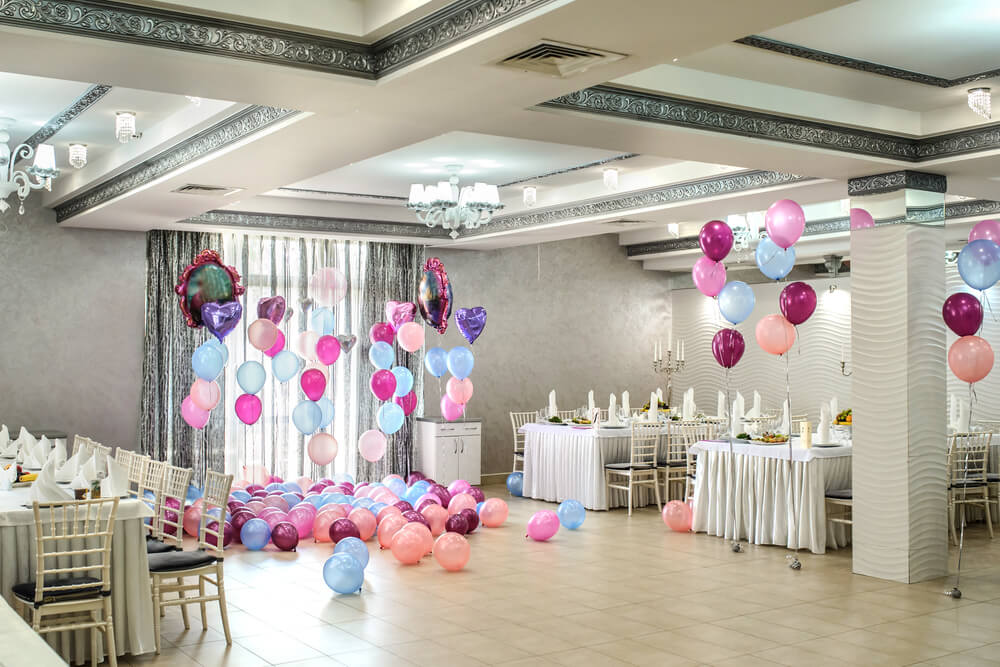
The 1917 Party Book from Dennison Manufacturing included a red, white, and blue hall decoration whose caption said it took about $15 to complete. The scheme relied on crepe paper in the national colors draped across a large room.
For a community gathering, that was a bargain.
Decorated Automobiles for Parades

Dennison published How to Decorate Halls, Booths, and Automobiles in 1927, which treated the family car as another surface for crepe paper. Parade floats and decorated cars were a familiar part of civic celebrations.
A booklet on the subject shows how far the crepe paper habit had spread beyond the living room.
Black and Orange for Halloween
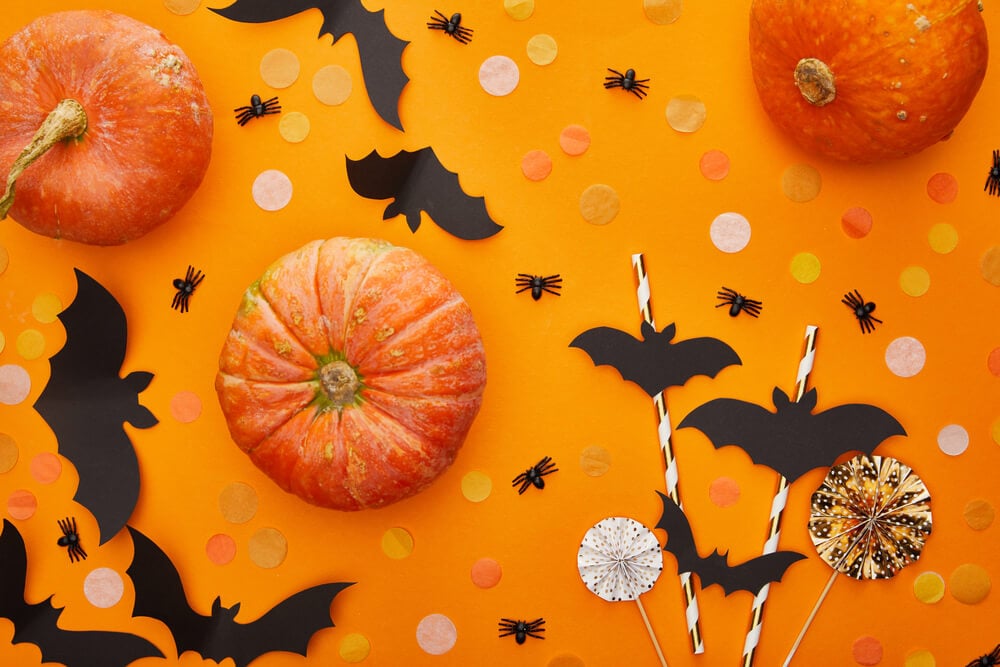
Dennison’s magazine-style Bogie Books introduced hostesses to party menus, games, and decorations built around its products. Black and orange crepe paper became the company’s signature for Halloween.
A modest paper cat or witch silhouette could carry an entire room.
The 1931 Crepe Contest
In 1931, Dennison ran a crepe contest that sought new uses for the material, including flowers, costumes, party favors, and decorations. The company offered 143 prizes totaling $1,500.
A prize pool that large shows how seriously Dennison took the habit of making things by hand.
Paper Chains Glued Link by Link
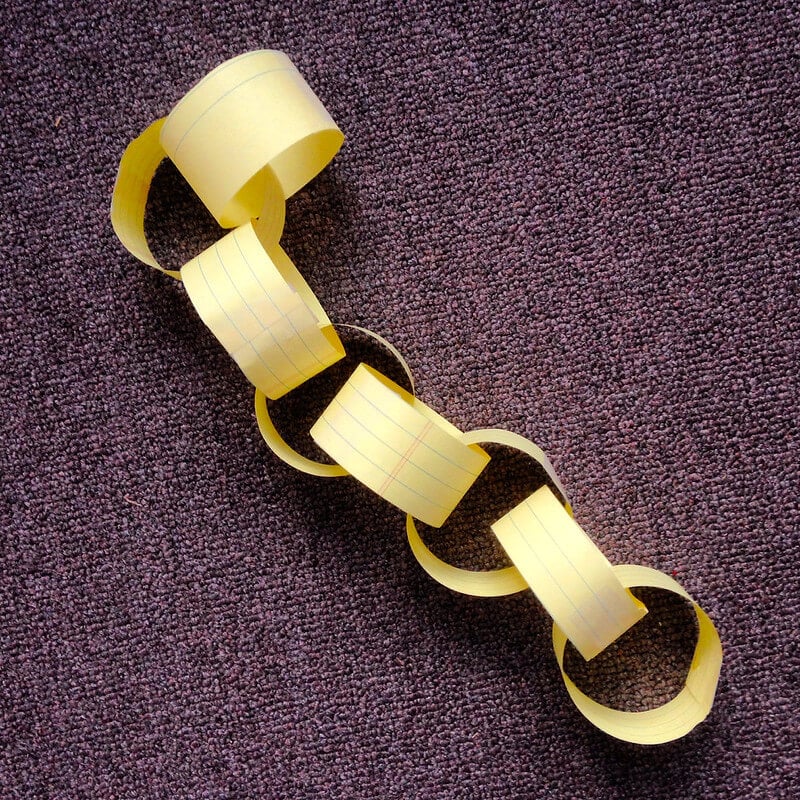
A paper chain begins as strips of colored paper, with each one looped through the last and glued closed. Children could make hundreds of links on a weekend, and the finished garland draped across a ceiling in a way that looked more elaborate than it was.
The only skill required was patience.
Snowflakes Folded in Sixths

Real snowflakes have six-fold symmetry, which is why paper snowflakes are folded into sixths rather than quarters. Folding in a different number produces a pattern that looks wrong even to people who cannot say why.
A window covered in them looked like a storm that stayed politely on the glass.
Popcorn Strings Threaded by Hand

Popcorn garlands were made by pushing a needle and thread through kernels that had popped and then gone slightly stale, since fresh popcorn shatters under the needle. The strands draped over trees and mantels for holiday parties.
They also doubled as a snack, which complicated the decorating schedule.
Tissue Paper Pom-Poms

Several sheets of tissue paper are stacked, folded accordion style, tied in the middle, and fluffed apart layer by layer. The result is a bloom as large as a dinner plate that costs almost nothing.
They hung from ceilings, from chandeliers, and from the backs of chairs.
Hand-Lettered Banners

A birthday banner was often cut from butcher paper or an old bed sheet, with each letter drawn and painted by hand. The uneven spacing was the proof that someone had made it for the occasion.
Banners were reused for years and carried a quiet record of every celebration they had witnessed.
Piñatas From Newspaper and Paste

A homemade piñata is built from strips of newspaper dipped in a flour and water paste and layered over a crumpled form. After the paste dries, the shell is painted and filled before it is hung.
The craft required two days of drying, and a good one survived the first few whacks.
Paper Lanterns Cut and Pulled Open
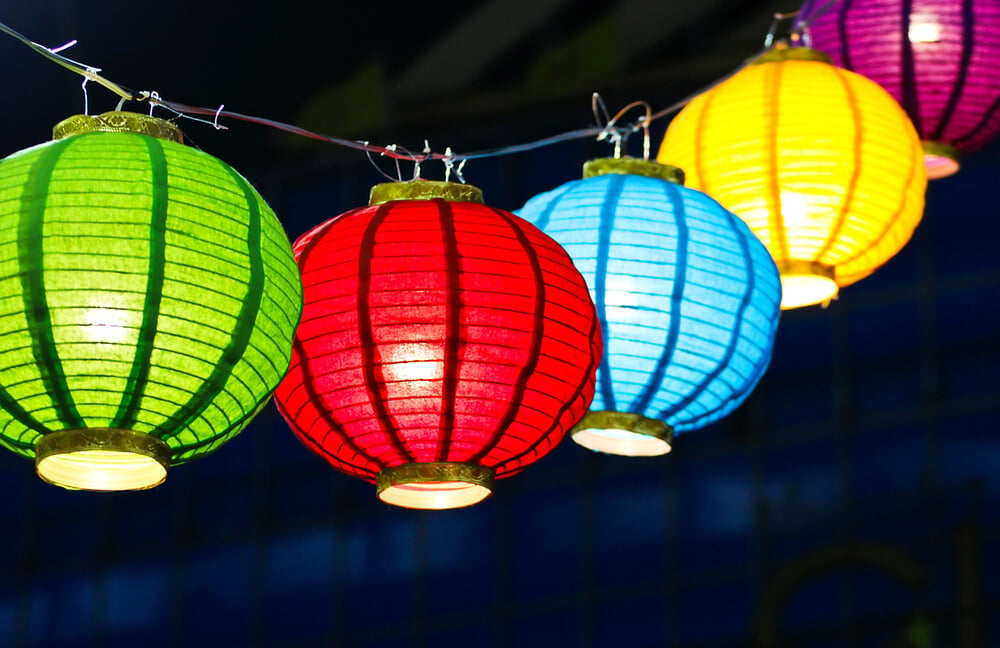
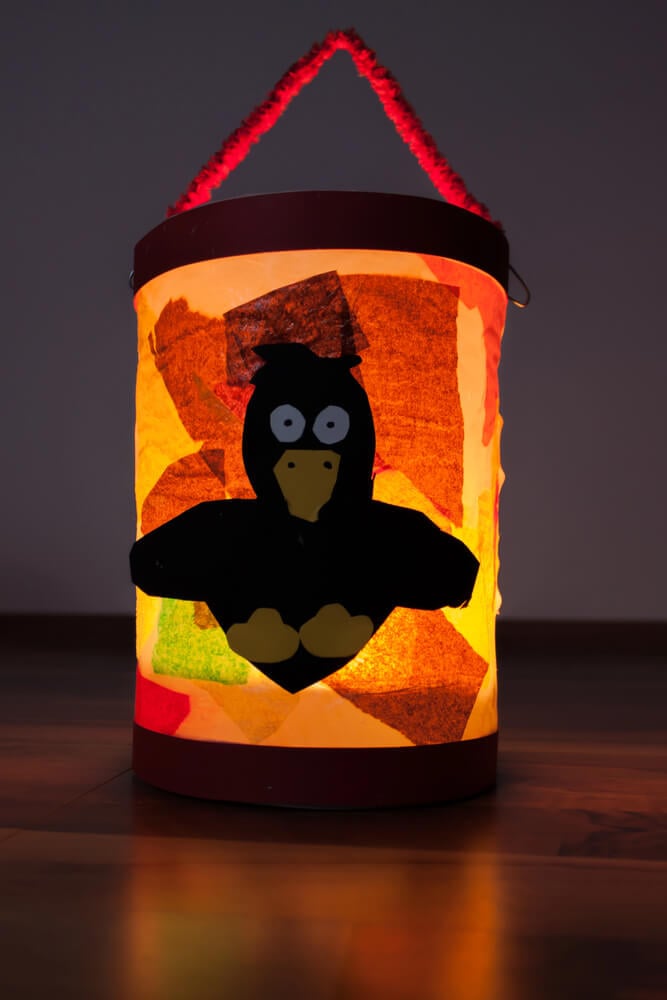
A paper lantern begins as a folded sheet cut with parallel slits from the fold toward the edge, then opened into a cylinder. The structure holds itself together through geometry alone, with nothing but a handle added at the top.
Strung together, a row of them lit the yard without any electricity.
Bunting From Construction Paper

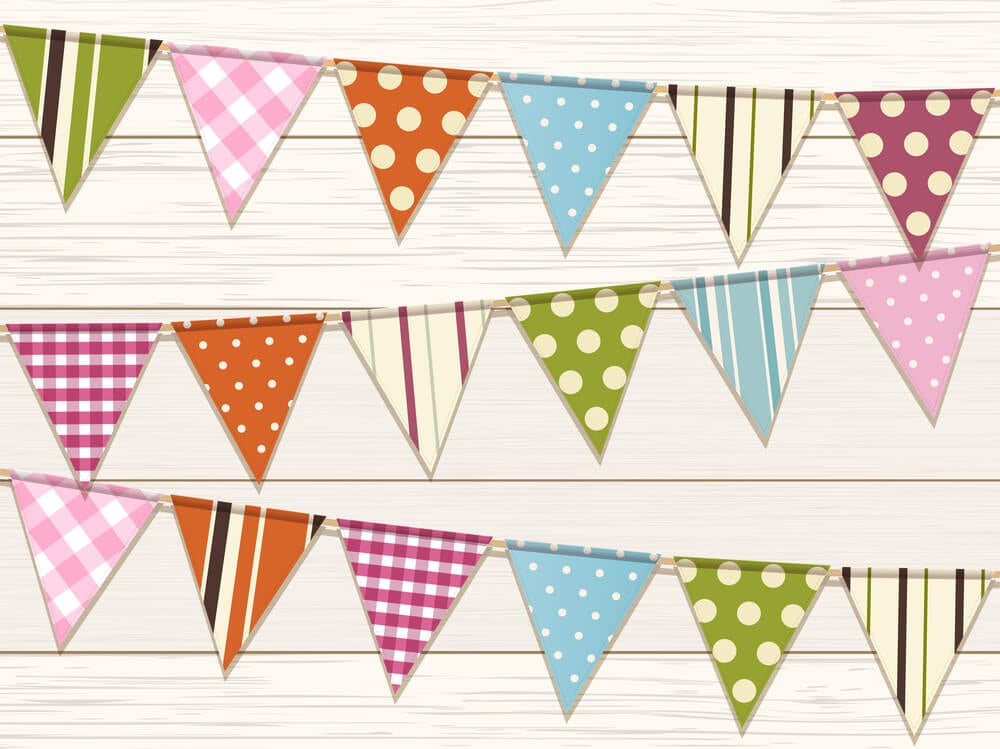
Triangular flags cut from construction paper and glued along a length of string made a pennant garland in under an hour. The flags could be solid colors or decorated with stencils.
They worked equally well at a birthday party and at a neighborhood gathering.
When the Decorations Were the Hobby
For much of the twentieth century, decorating for a party was a creative project in its own right, and companies like Dennison treated it that way. Their catalogs sold ideas as much as paper, and readers followed them closely.
The craft explains why so many of these decorations never lasted. They were designed for a single afternoon, and the people who made them knew it.
More from Go2Tutors!

- 27 Silver Dollars and Half Dollars Worth Keeping
- 28 Restaurant Menu Items Nobody Orders Anymore
- 17 Places Built in Seemingly Impossible Spots
- 27 Vintage Rings Worth More Than They Look
- 25 Restricted Sites Tourists Can’t Enter
Like Go2Tutors’s content? Follow us on MSN.