The Best Fictional Spies, Ranked
Spies have captured our imagination for decades through books, movies, and television shows. These secret agents live dangerous lives filled with missions that could change the world, all while maintaining cover identities and staying one step ahead of their enemies.
From suave gentleman spies to rough and brutal operatives, fictional spies come in all shapes and sizes, each bringing something unique to the world of espionage. The world of fictional espionage has given us some truly unforgettable characters.
Here’s a look at the best spies who’ve entertained us over the years.
James Bond
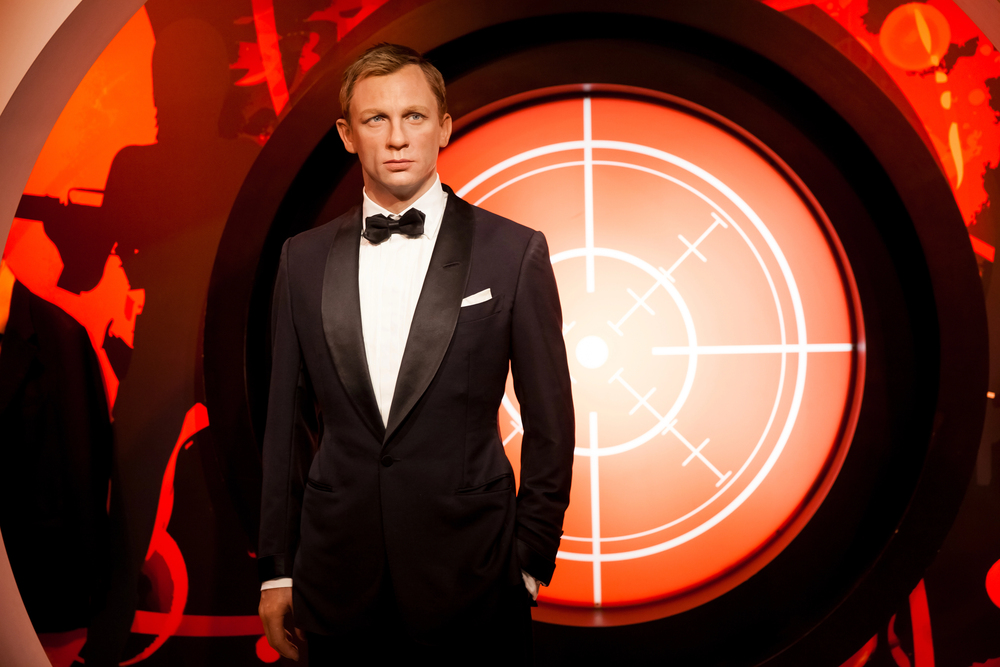
Ian Fleming created the world’s most famous spy back in 1953, and Bond has been thrilling audiences ever since. This British Secret Service agent drinks martinis shaken not stirred, drives expensive cars, and always gets the job done no matter how impossible it seems.
Bond combines style with danger, charming his way through missions while taking down villains who threaten global security. Over two dozen films have featured different actors playing 007, but the character remains instantly recognizable.
His gadgets, his cars, and his cool attitude under pressure have set the standard for what many people think a spy should be.
George Smiley
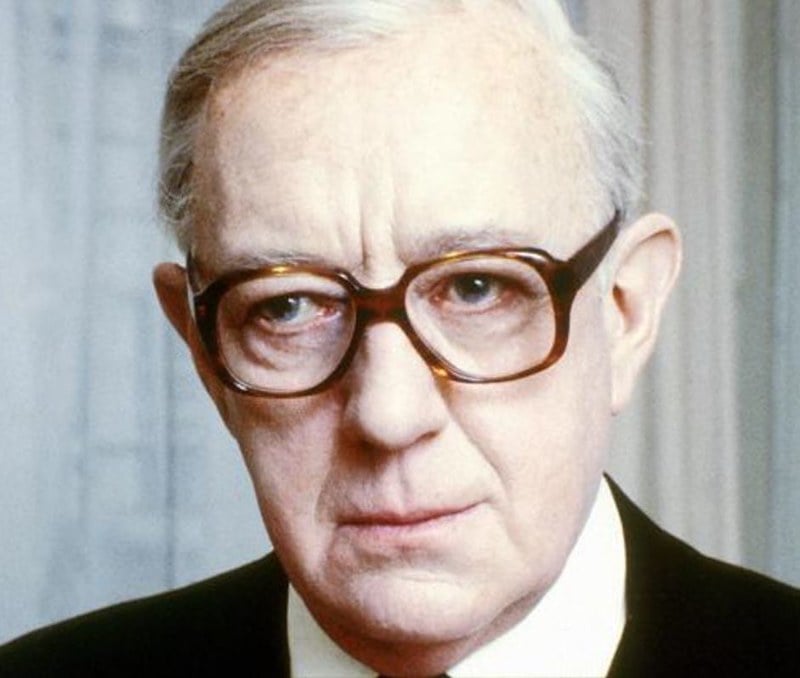
John le Carré gave readers a completely different type of spy with George Smiley, a quiet, thoughtful man who works for British Intelligence during the Cold War. Unlike flashy action heroes, Smiley wins through patience, intelligence, and careful observation of human nature.
He’s overweight, wears thick glasses, and looks more like a university professor than a dangerous operative. His battles happen in offices and through careful analysis rather than shootouts and car chases.
Smiley represents the realistic side of espionage where brains matter more than fists.
Jason Bourne
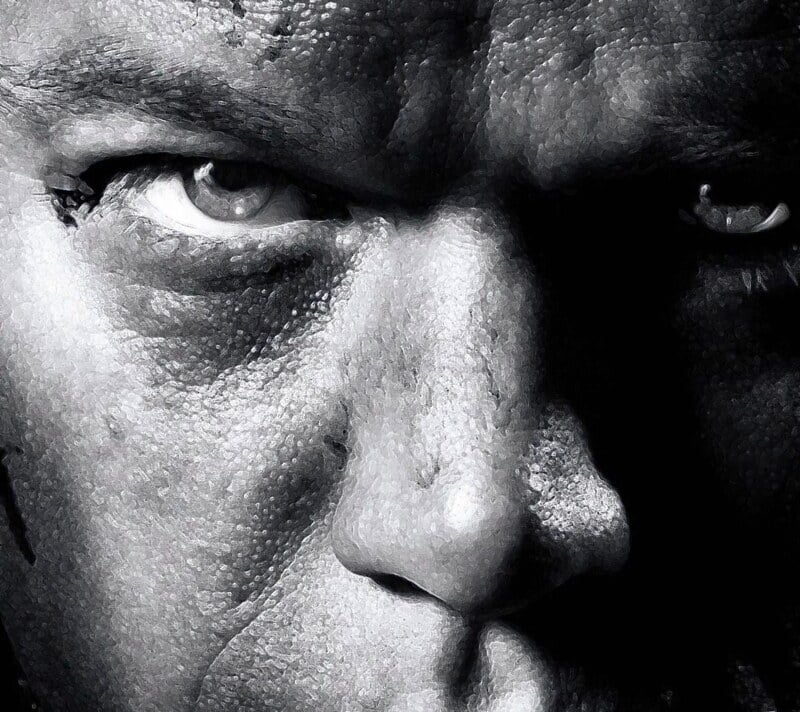
Robert Ludlum created Jason Bourne as an amnesiac assassin trying to figure out who he is while people keep trying to kill him. The character became even more famous through Matt Damon’s film portrayals, which changed how action movies showed spies.
Bourne fights using whatever he can find, turning everyday objects into weapons. His training makes him incredibly dangerous, but he’s also trying to be a good person despite the terrible things he was programmed to do.
The Bourne series showed audiences that spy stories could be gritty and realistic rather than glamorous.
Natasha Romanoff
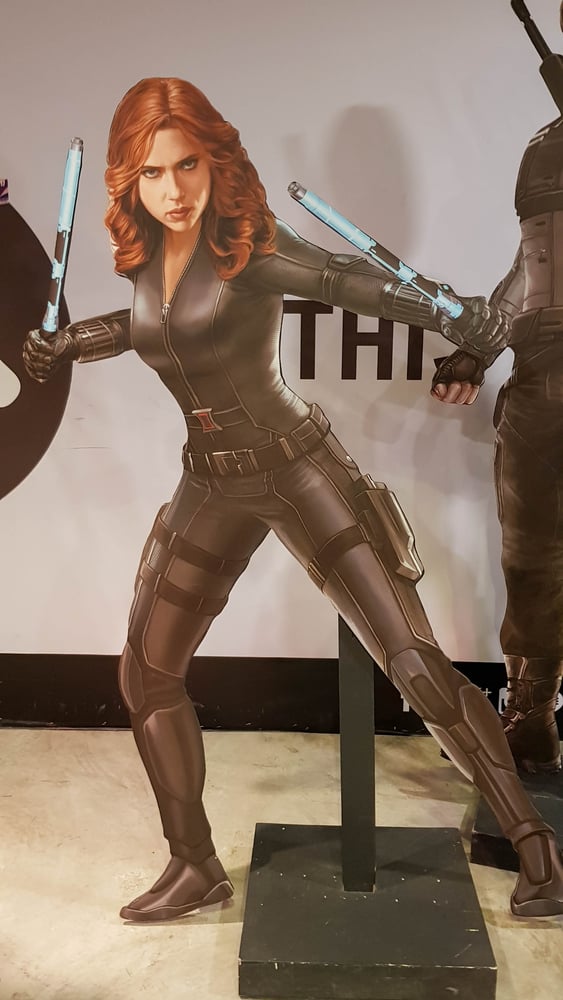
Marvel’s Black Widow brings exceptional skills to the Avengers as a former Russian spy who switched sides. Natasha Romanoff trained in the Red Room program from childhood, learning everything from combat to manipulation.
She doesn’t have superpowers like many of her teammates, just incredible training and determination. Her complicated past gives her depth beyond just being a fighter, as she constantly works to make up for the bad things she did before defecting.
Black Widow proves that spies can hold their own even when surrounded by gods and super soldiers.
Ethan Hunt
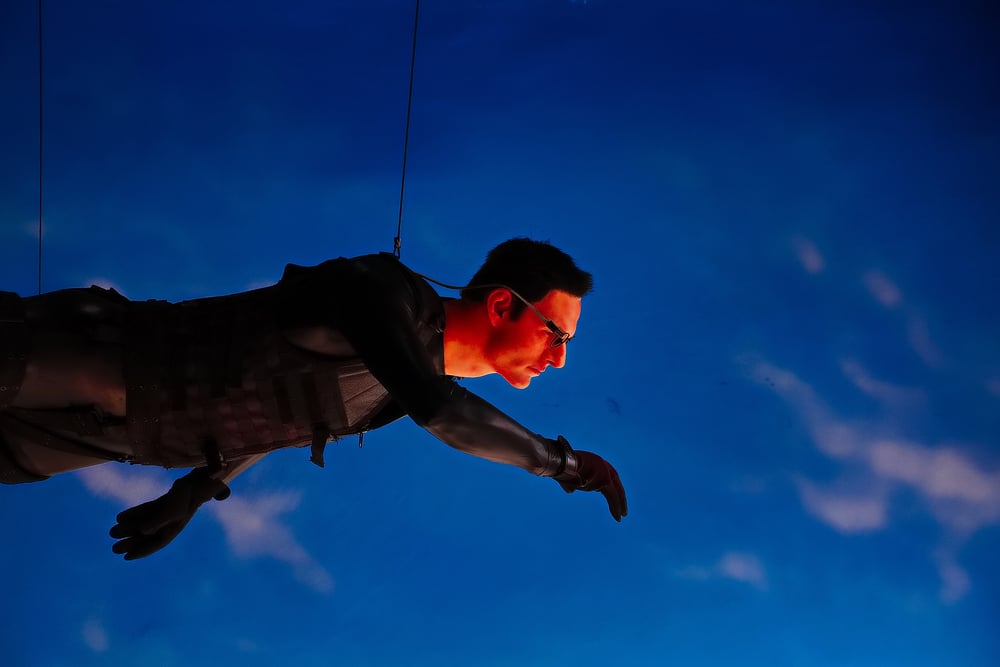
Tom Cruise brought Ethan Hunt to life in the Mission: Impossible franchise as an agent willing to do absolutely anything to complete his missions. Hunt specializes in impossible tasks, whether that means climbing the tallest building in the world or hanging off the side of a plane during takeoff.
His loyalty to his team drives many of his decisions, even when his superiors order him to abandon them. The character works for the Impossible Missions Force, a secretive government agency that handles the jobs nobody else can.
Hunt’s determination and refusal to give up make him incredibly effective despite the ridiculous odds he faces.
Sterling Archer
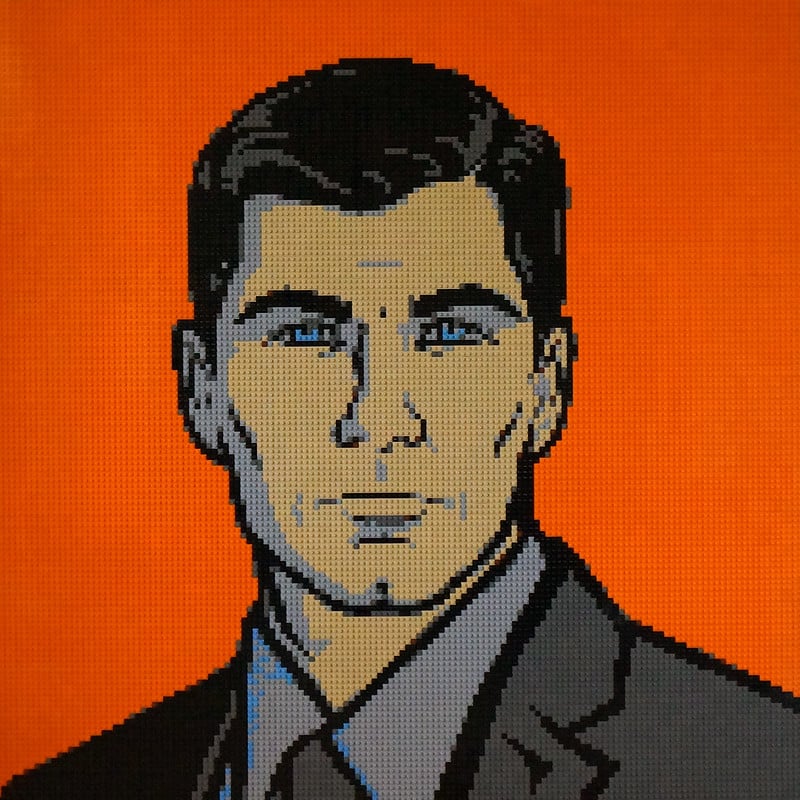
The animated series Archer takes spy fiction and turns it into comedy through its title character, a self centered agent who somehow succeeds despite his many personal flaws. Sterling Archer works for ISIS, a private intelligence agency run by his mother.
He drinks too much, makes terrible decisions in his personal life, and constantly annoys his coworkers with his ego. Yet when missions go bad, Archer usually has the skills to save the day, even if he causes half the problems himself.
The show parodies spy tropes while still delivering genuine espionage action.
Sydney Bristow
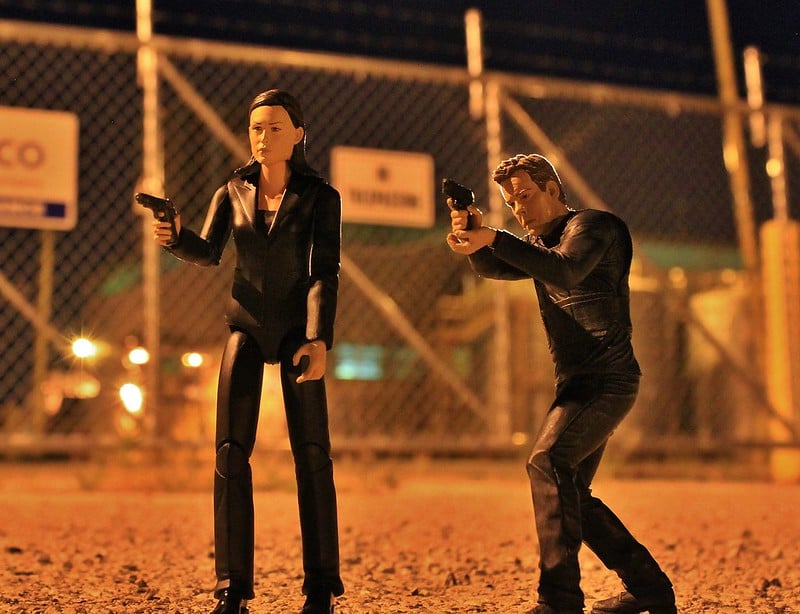
Alias gave television audiences Sydney Bristow, a double agent working to bring down the criminal organization that murdered her fiancé. Jennifer Garner played this young woman who discovers the spy agency she works for is actually evil and starts secretly working for the real CIA.
Sydney masters disguises better than almost any other fictional spy, completely transforming herself for each mission. The show explored how living a double life affects someone psychologically while keeping the action exciting.
Her relationship with her father, also a double agent, added emotional depth to the spy games.
Napoleon Solo and Illya Kuryakin
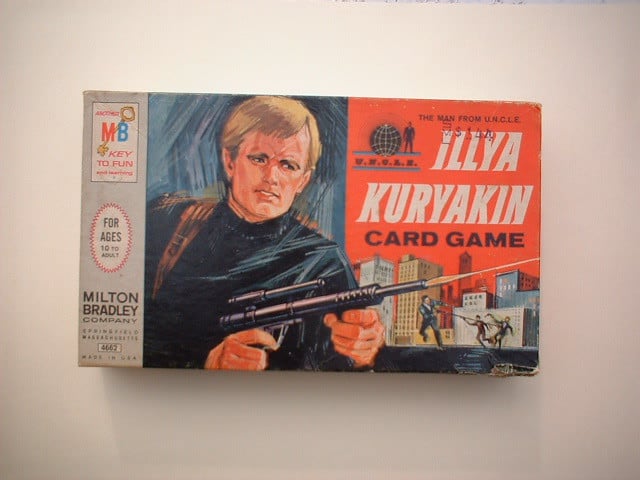
The Man from U.N.C.L.E. gave the 1960s television two spies who represented Cold War cooperation by pairing an American and a Soviet agent. Napoleon Solo brought smooth charm while Illya Kuryakin added intensity and technical knowledge.
Together they worked for U.N.C.L.E., an international intelligence agency fighting criminal organization THRUSH. Their partnership showed that enemies could work together against common threats.
The recent film remake updated these characters for modern audiences while keeping their essential dynamic intact.
Austin Powers
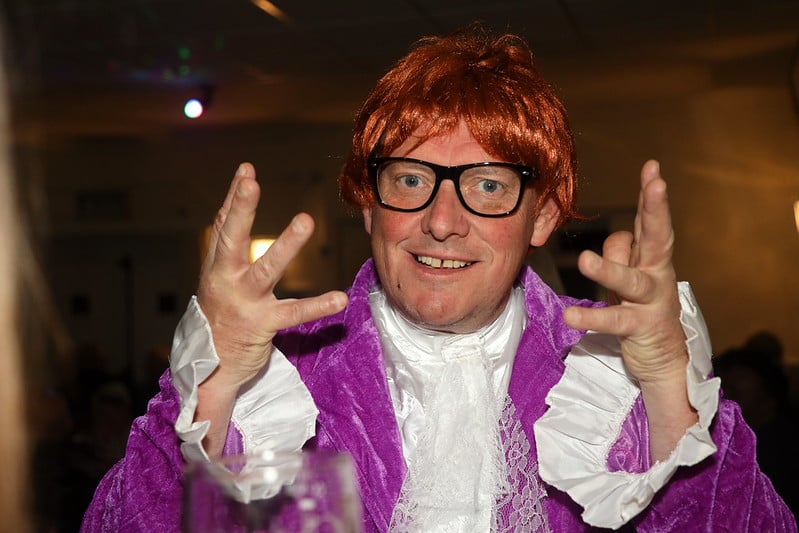
Mike Myers created Austin Powers as a direct parody of James Bond and 1960s spy films, but the character became iconic in his own right. This British spy gets frozen in the 1960s and thawed out in the 1990s, where his outdated attitudes clash hilariously with modern sensibilities.
Powers fights his nemesis Dr. Evil with groovy catchphrases and ridiculous gadgets. The films mock spy movie conventions while celebrating what makes them entertaining.
Despite being a comedy character, Austin Powers influenced how people view the entire spy genre.
Evelyn Salt
Angelina Jolie played Evelyn Salt, a CIA officer accused of being a Russian sleeper agent in the film Salt. The entire movie keeps audiences guessing about whether Salt is actually a traitor or being framed.
She uses expert skills to evade capture while trying to prove her innocence and stop a real plot. The character was originally written for a male actor but changed when Jolie joined the project, proving that gender doesn’t determine spy effectiveness.
Salt’s ambiguous morality and incredible capabilities make her fascinating to watch.
Michael Westen
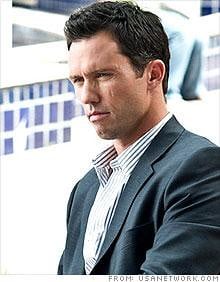
Burn Notice introduced Michael Westen, a spy who gets ‘burned’ and dumped in Miami with no money, no job, and people trying to kill him. Jeffrey Donovan played this resourceful operative who helps people with their problems while investigating who destroyed his career.
Westen narrates the show, explaining spy techniques to viewers as he uses them. His makeshift approach to missions, using whatever materials he can find or afford, shows the practical side of intelligence work.
The character’s vulnerability and determination to clear his name give the show emotional stakes beyond weekly cases.
Carrie Mathison
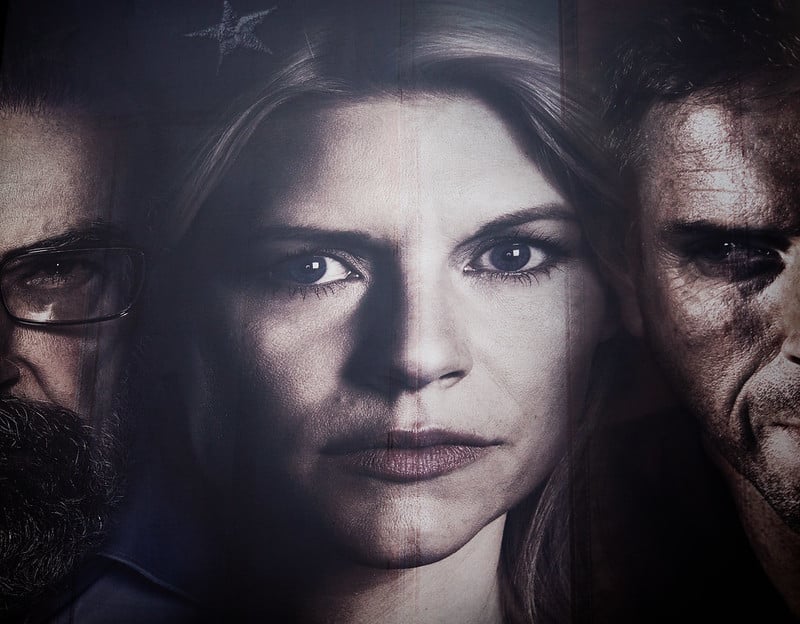
Homeland’s Carrie Mathison brought mental health issues into spy fiction through a CIA officer with bipolar disorder. Claire Danes won multiple awards playing this brilliant analyst whose condition both helps and hinders her work.
Mathison sees patterns others miss but struggles with paranoia and manic episodes that damage her credibility. The show explores how her illness affects her relationships and career while she tries to prevent terrorist attacks.
Her complexity as a character challenged stereotypes about both spies and mental health.
Harry Hart
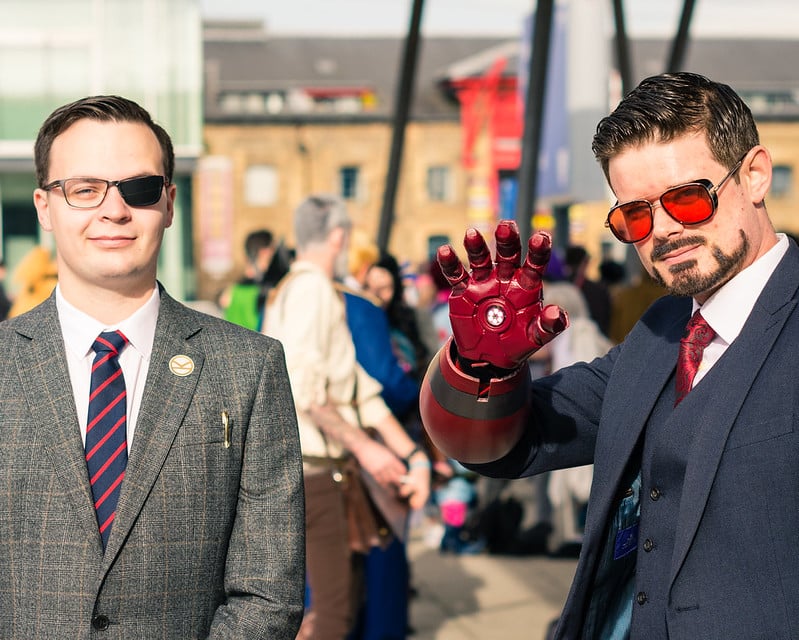
Kingsman: The Secret Service introduced Harry Hart, a gentleman spy working for an independent intelligence agency. Colin Firth played this impeccably dressed agent who follows the motto ‘manners maketh man’ while taking down threats with brutal efficiency.
Hart mentors a young street kid, teaching him that true gentlemen combine courtesy with capability. The Kingsman organization operates outside government control, taking on missions others won’t or can’t handle.
Hart’s old school style mixed with modern action created a fresh take on the gentleman spy archetype.
Kim Possible
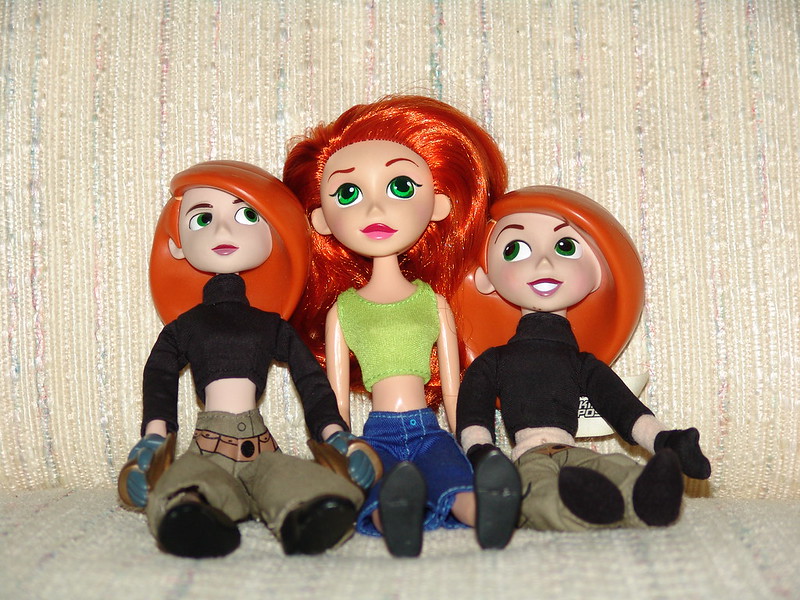
This animated Disney character shows that spies can be teenagers balancing missions with homework. Kim Possible fights villains around the world with her sidekick Ron Stoppable, then makes it home for cheerleading practice.
The show never explains how she got into the spy business or why villains take her seriously despite her age. Her can do attitude and genuine heroism inspired young viewers while entertaining adults with clever writing.
Kim proves that spy stories work in any format when the character is strong enough.
Maxwell Smart
Get Smart gave audiences Maxwell Smart, Agent 86 of CONTROL, who bumbles his way through missions while fighting the evil organization KAOS. Don Adams played this spy who constantly uses gadgets wrong and misunderstands situations but somehow saves the day anyway.
His famous shoe phone and catchphrase ‘missed it by that much’ became part of popular culture. The show parodied spy fiction during the Cold War while being genuinely funny.
Smart’s combination of confidence and incompetence created comedy gold that still holds up today.
Philip and Elizabeth Jennings

The Americans gave viewers something different with Philip and Elizabeth Jennings, Soviet spies posing as an American married couple during the 1980s. These KGB agents gather intelligence while raising kids who don’t know their true identities.
The show explores their conflicting loyalties between their mission, their country, and their family. Unlike most spy fiction where audiences root for Western agents, The Americans makes Soviet spies the protagonists.
Their moral struggles and the toll that constant lying takes on them creates compelling drama beyond typical spy thrills.
Melinda May
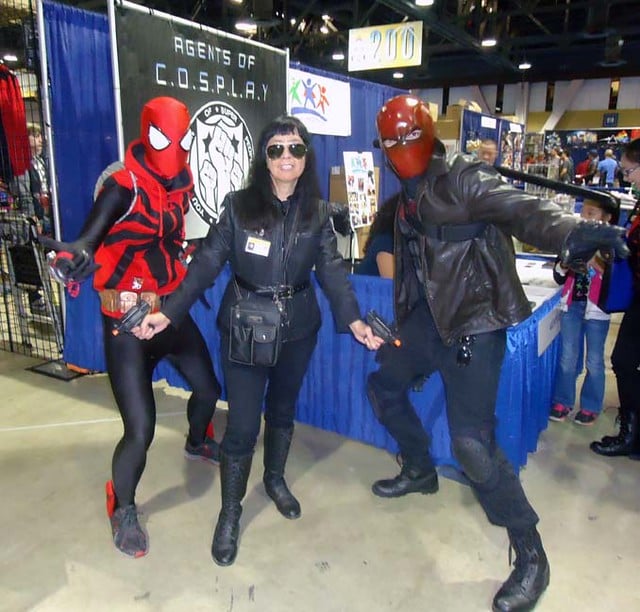
Agents of S.H.I.E.L.D. introduced Melinda May as a legendary agent whose past trauma earned her the nickname ‘The Cavalry’ despite hating it. Ming Na Wen played this skilled pilot and fighter who initially seems cold but reveals deep loyalty to her team.
May’s expertise in combat makes her invaluable during missions, though she prefers to let others take charge. Her complicated relationship with Phil Coulson adds emotional layers to her character.
She represents the experienced operative who’s seen too much but keeps fighting anyway.
From page to screen and back again

Fictional spies continue evolving as storytellers find new angles on espionage and what it means to live a secret life. These characters have shaped how people think about intelligence work, even though the reality is usually far less exciting than the fiction.
Each spy on this list brings something different to the genre, whether that’s humor, realism, action, or emotional depth. The best fictional spies stick with us because they’re more than just their missions, they’re fully realized people dealing with extraordinary circumstances while trying to stay true to themselves.
More from Go2Tutors!

- The Romanov Crown Jewels and Their Tragic Fate
- 13 Historical Mysteries That Science Still Can’t Solve
- Famous Hoaxes That Fooled the World for Years
- 15 Child Stars with Tragic Adult Lives
- 16 Famous Jewelry Pieces in History
Like Go2Tutors’s content? Follow us on MSN.