The Different Physical Sizes of Historical Rulers
When you picture powerful leaders from history, their physical presence often feels as legendary as their achievements. But strip away the royal portraits, the towering statues, and the dramatic retellings, and what remains are ordinary human bodies that carried extraordinary responsibility.
Some rulers commanded empires despite barely reaching average height, while others used their imposing frames to intimidate enemies before battles even began. The gap between myth and reality turns out to be wider than you might expect.
Napoleon Bonaparte
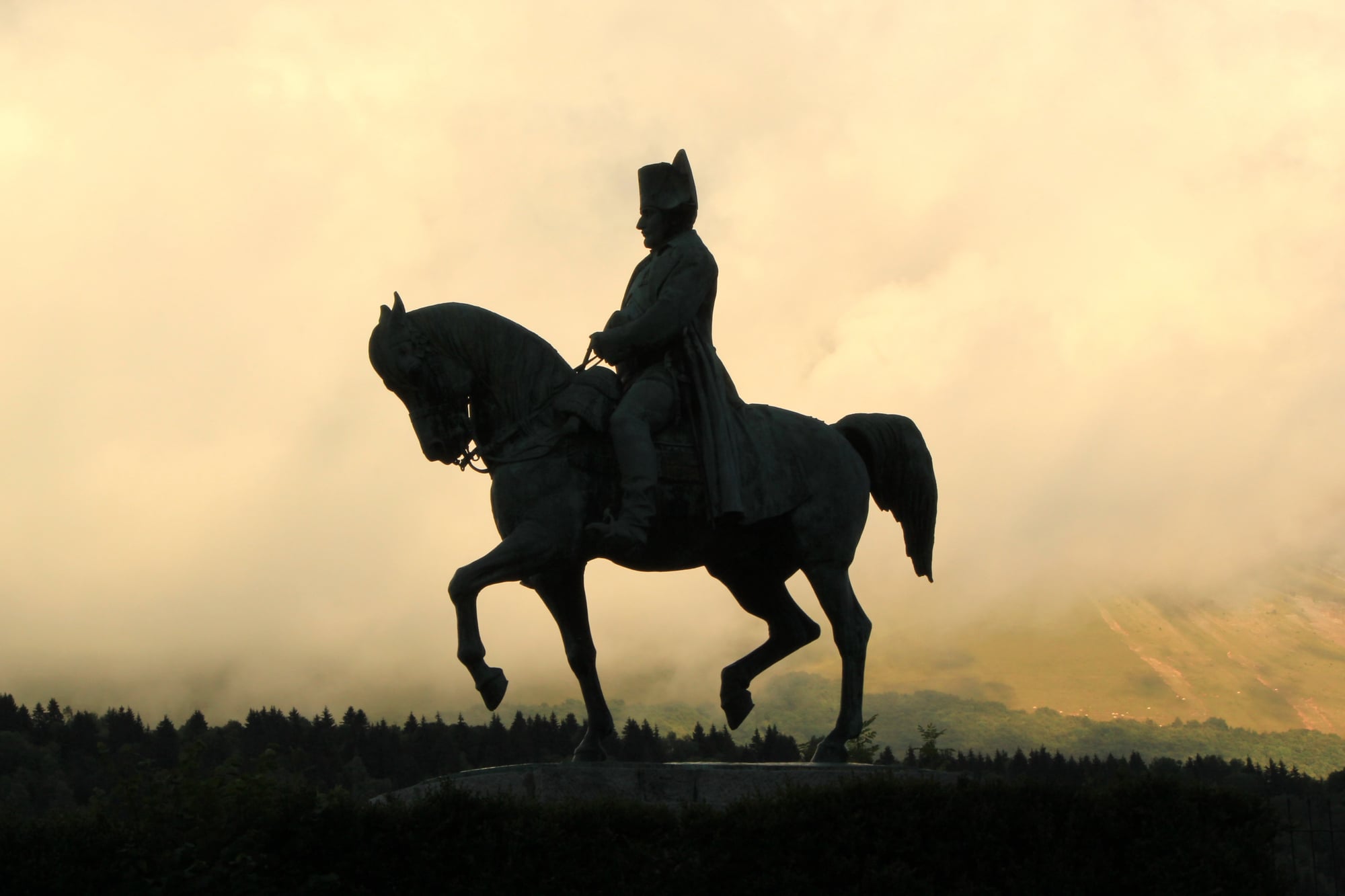
Napoleon wasn’t actually short. The myth persists because British propaganda worked better than anyone imagined, and because the French measurement system differed from the English one at the time of his death.
Alexander the Great
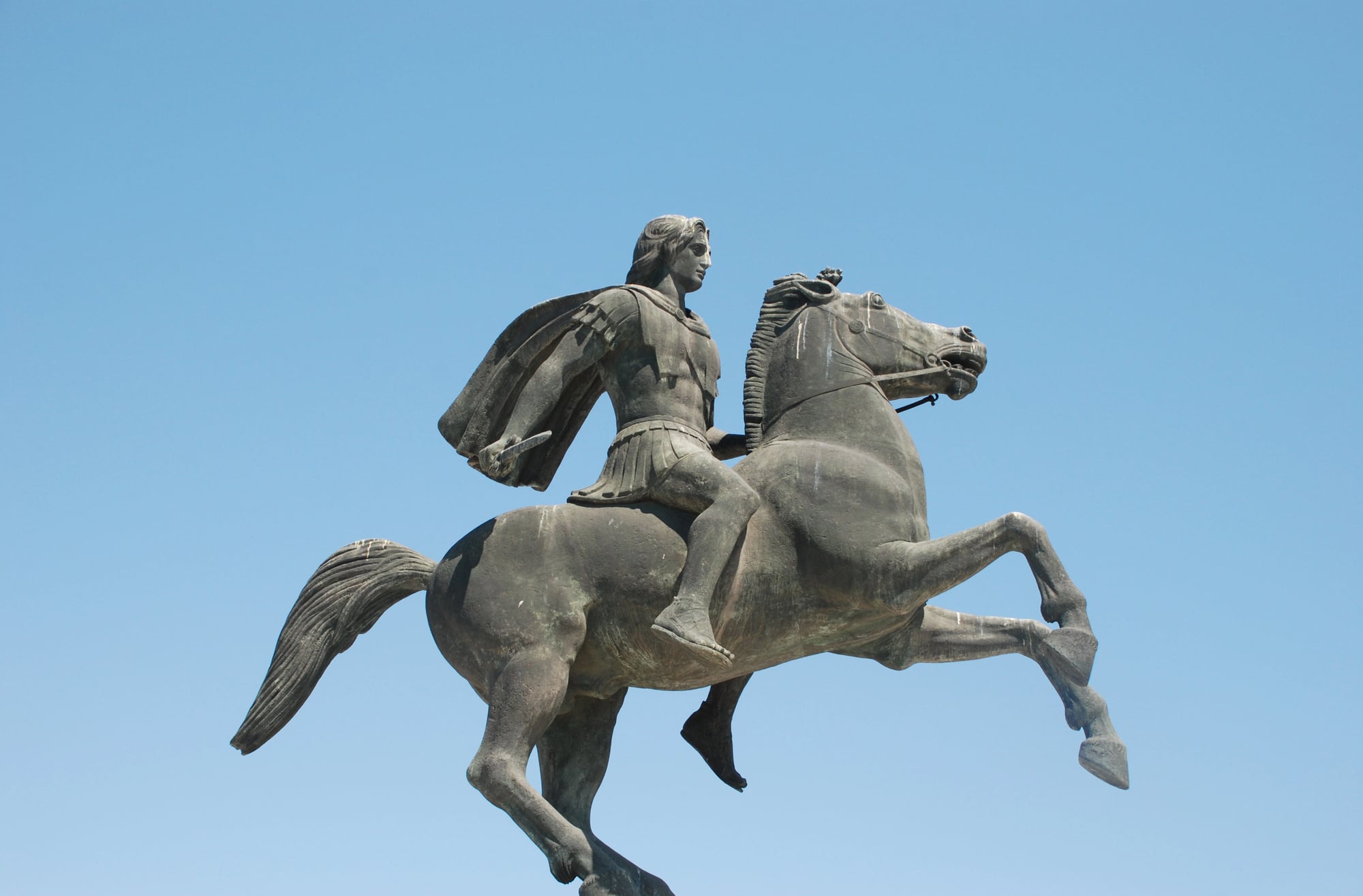
Historical accounts describe Alexander as compact and muscular, probably around 5’6″ — which actually made him fairly typical for ancient Macedonia (where nutrition wasn’t exactly optimized for height, and the gene pool hadn’t yet been influenced by centuries of Northern European mixing that would eventually produce taller populations). But here’s where it gets interesting: Alexander’s supposed physical presence had less to do with his actual measurements and more to do with his completely unhinged confidence, the kind that convinces a 20-year-old that conquering the known world sounds reasonable, and the way he’d apparently stare at people until they either submitted or challenged him to single combat.
Most chose submission.
Cleopatra VII
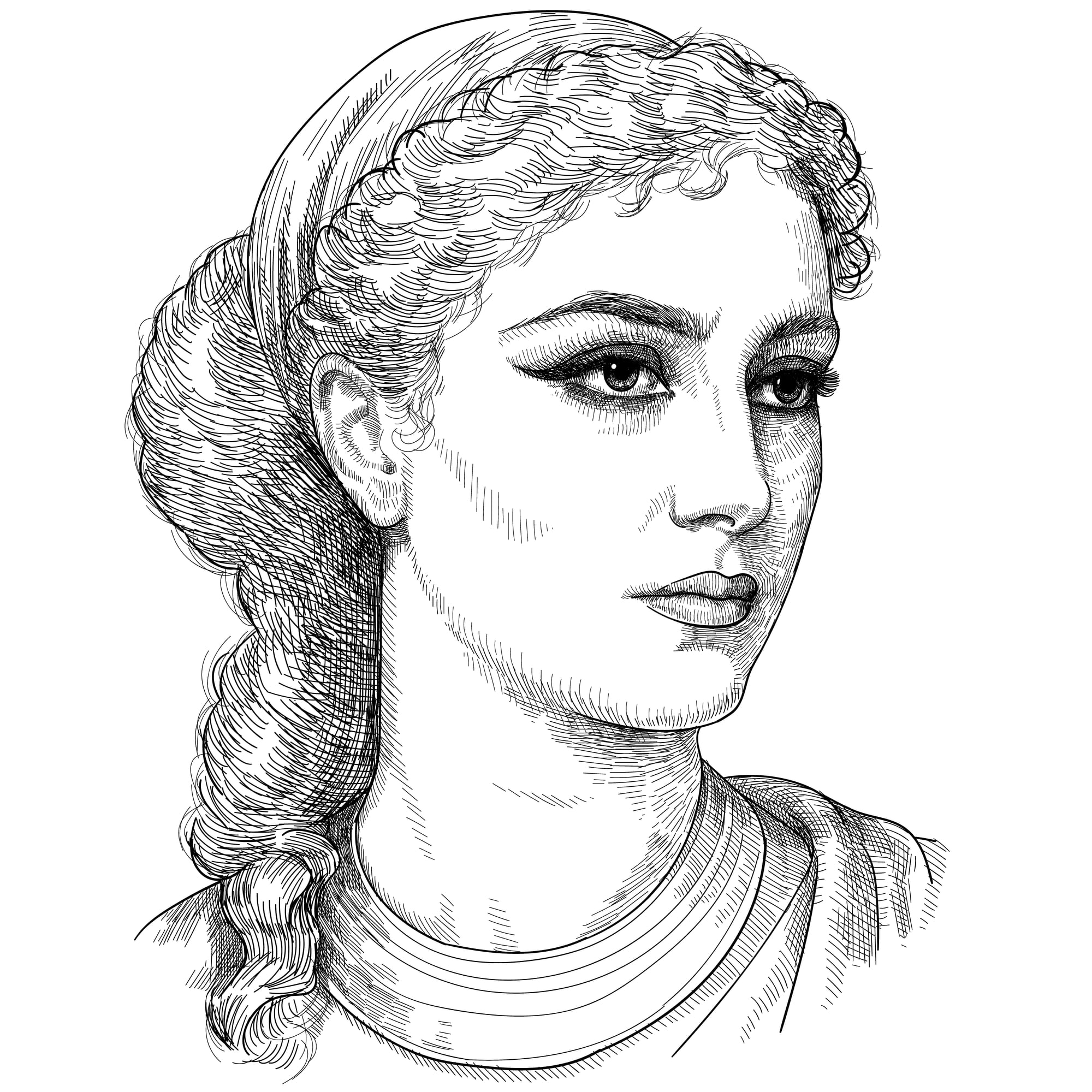
The last pharaoh of Egypt moves through history like a figure caught between lamplight and shadow. Popular imagination drapes her in beauty that stops wars, but the coins minted during her reign tell a different story — they show a woman with a prominent nose and a strong jaw, features chosen not for aesthetic appeal but for the unmistakable mark of authority.
Contemporary accounts suggest she stood around 5’1″, typical for women of her era, but her presence seemed to fill rooms in ways that had nothing to do with physical space. She spoke nine languages fluently and could reportedly shift her voice and mannerisms to match whoever she needed to convince. That’s the kind of adaptability that makes actual height irrelevant — when someone can become exactly what the moment requires, measurements become meaningless.
Julius Caesar
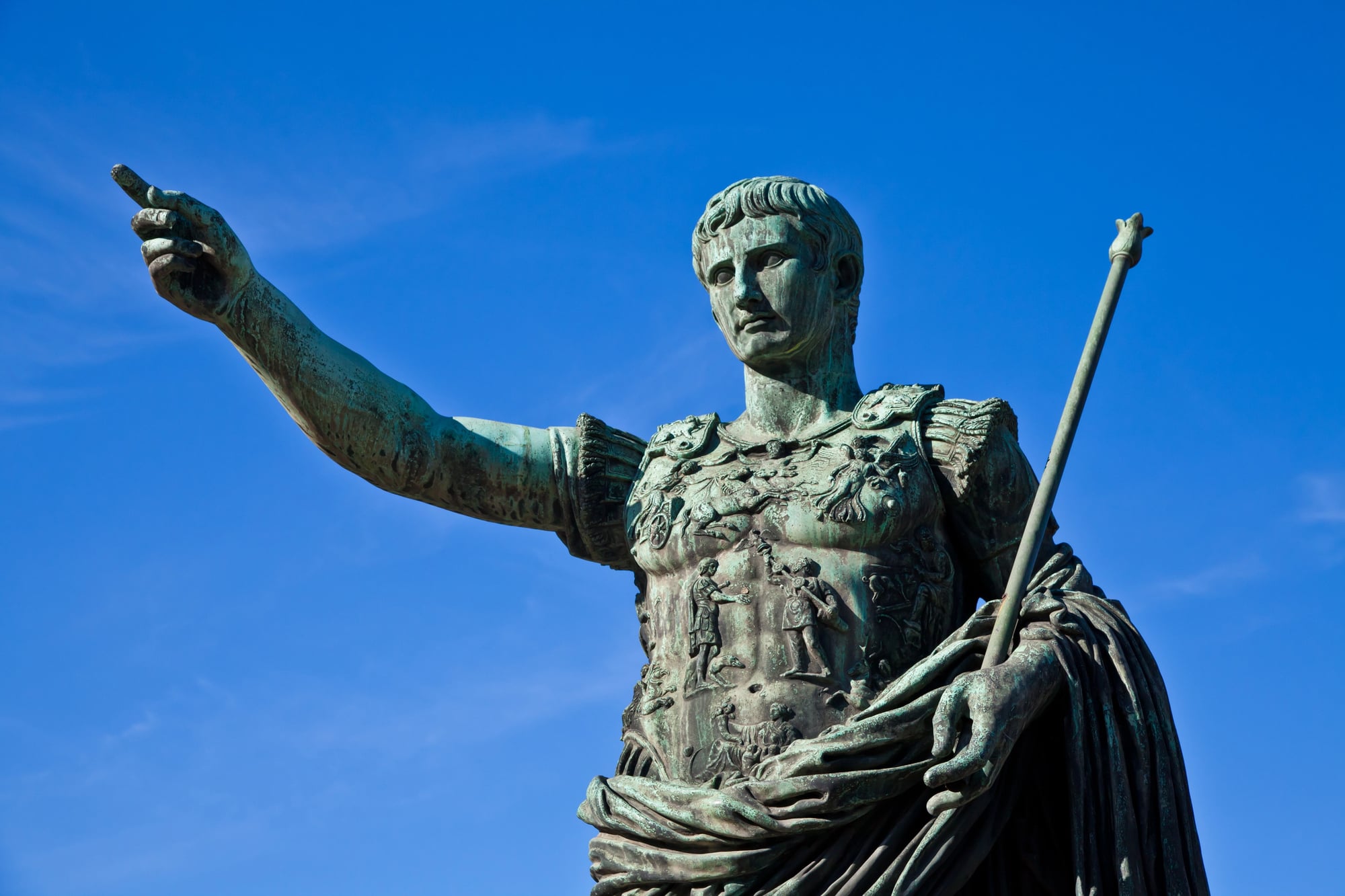
Caesar was tall for his time and he knew it. At roughly 5’10”, he towered over most Romans and used every inch strategically.
Contemporary sources mention his habit of standing just a bit too close during conversations, forcing people to look up at him. He also went bald early and became obsessed with his receding hairline — the laurel crown wasn’t just ceremonial, it covered up what he considered his greatest physical weakness. Vanity runs deep when your image is your political currency.
Charlemagne
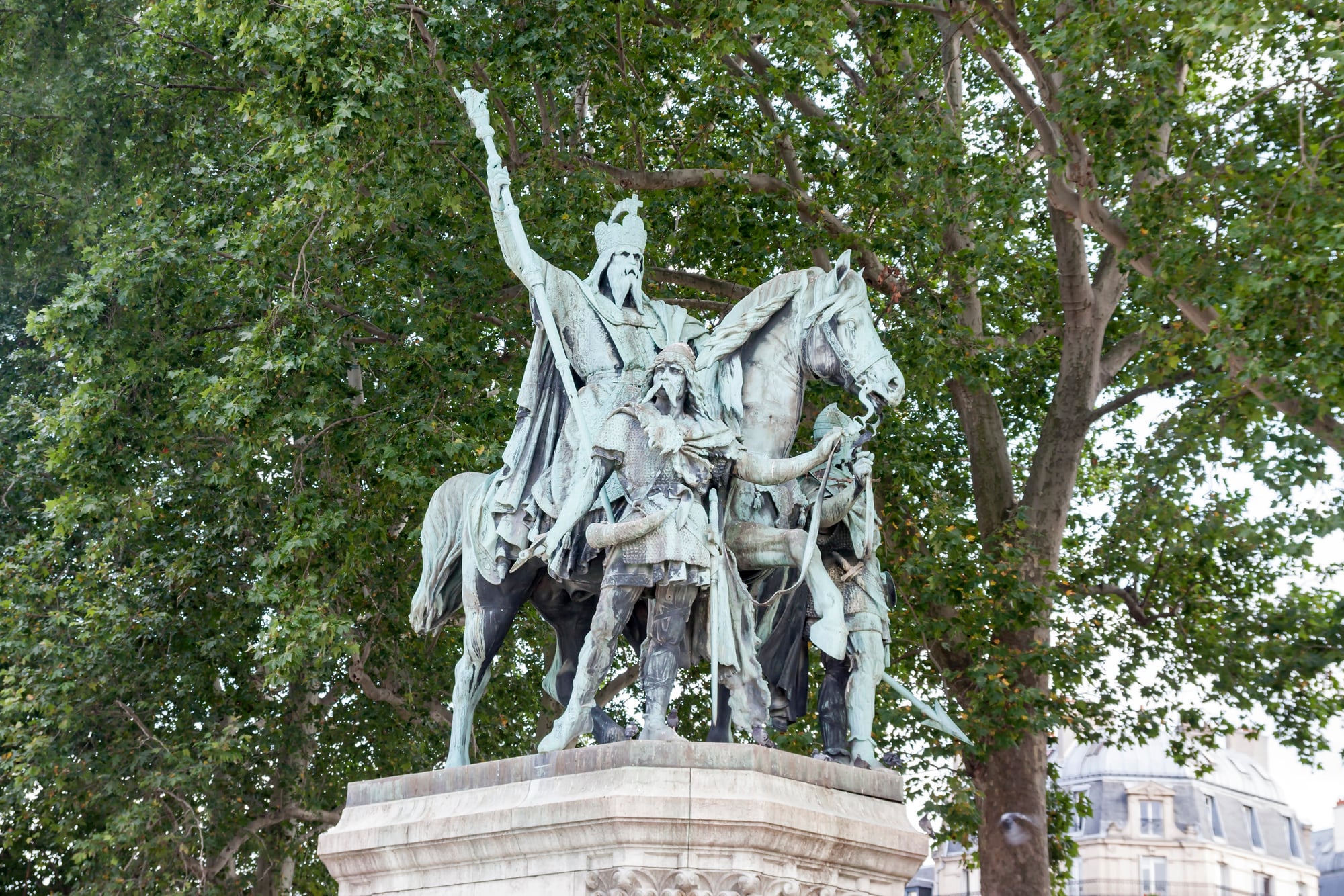
The man who became the first Holy Roman Emperor was genuinely massive for the 8th century, and his skeleton (exhumed in 1861) confirmed what the chroniclers had claimed: Charlemagne stood somewhere between 6’1″ and 6’3″, making him a literal giant among his contemporaries (where average male height hovered closer to 5’4″). But the size advantage wasn’t just about intimidation, though that certainly helped when you’re trying to unite most of Western Europe through a combination of conversion, conquest, and strategic marriages that nobody particularly wanted to refuse.
His physical presence became part of his political mythology — people genuinely believed that God made kings larger than ordinary men, and Charlemagne’s frame seemed to confirm divine approval of his expanding empire, which was exactly the kind of circular reasoning that medieval politics ran on. So when he walked into a room full of tribal chieftains or rival nobles, his height did half the negotiating before he said a word, and since most political conversations in the 8th century ended either in alliance or violence, getting that head start mattered more than modern diplomacy might suggest.
Queen Elizabeth I
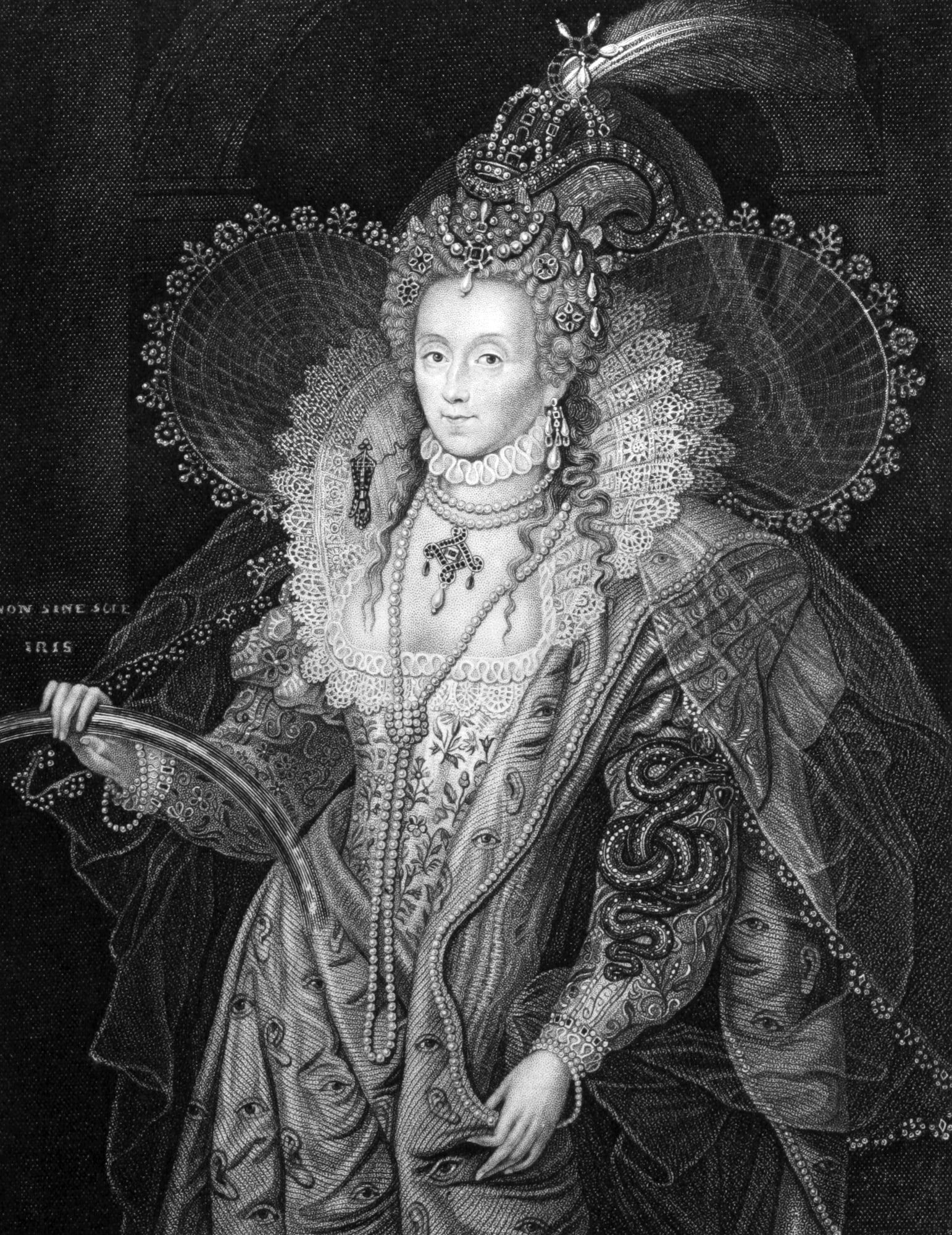
Elizabeth carried herself like someone much taller than her actual 5’4″ frame. She understood that monarchy was theater, and every public appearance became a carefully orchestrated performance designed to project power that transcended physical limitations.
Her elaborate costumes added bulk and height — the ruffs, the structured bodices, the towering wigs that became more extravagant as she aged. She also perfected what courtiers called her “commanding stillness,” a way of holding herself that made rooms organize themselves around her presence. When you can’t rely on natural intimidation, you create artificial intimidation, and Elizabeth turned it into an art form.
Genghis Khan
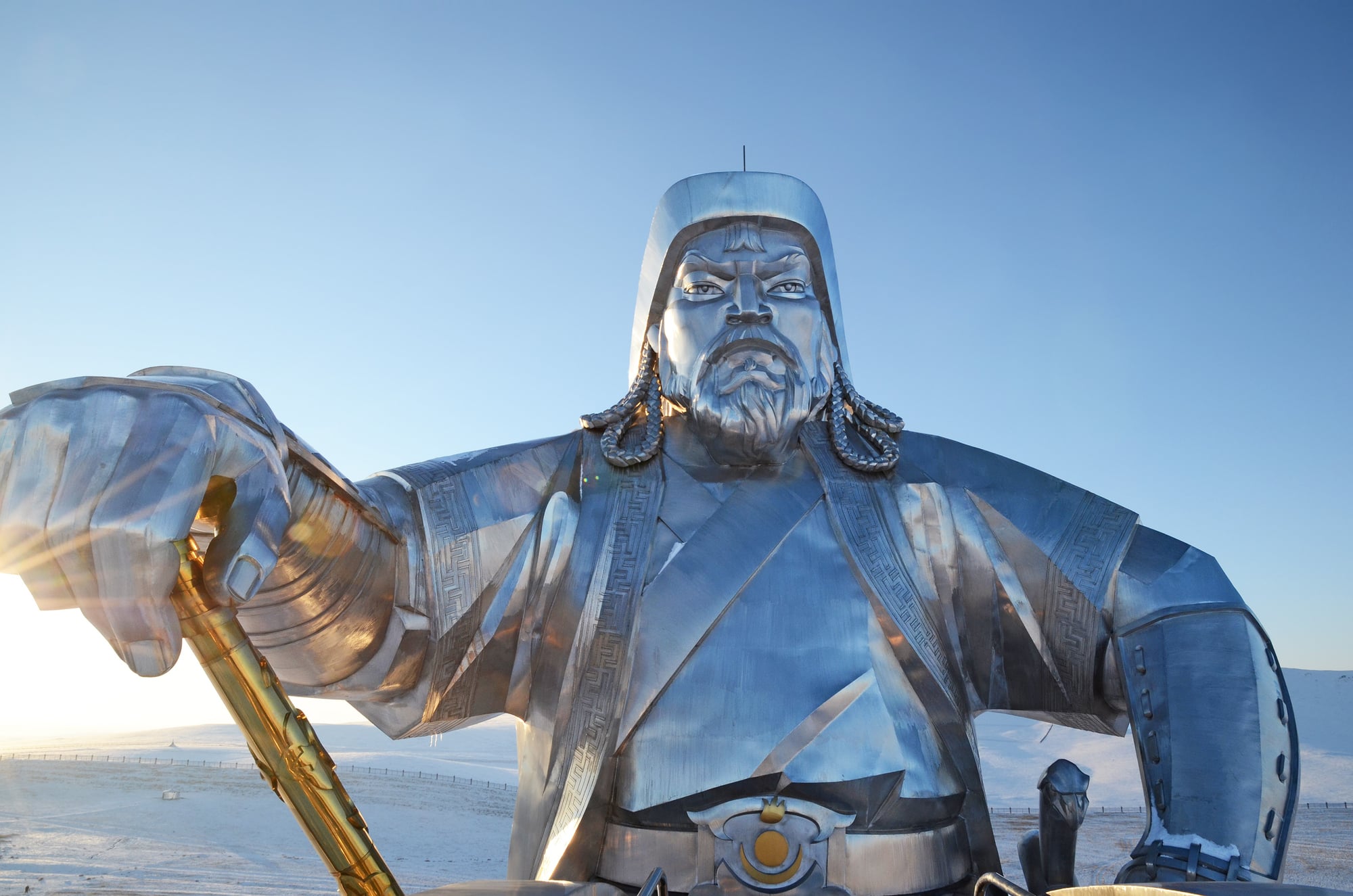
The founder of the Mongol Empire remains frustratingly difficult to pin down physically, since the Mongols didn’t leave behind the kind of detailed records that European courts obsessed over, and most contemporary descriptions of Genghis Khan were written by people who had very good reasons to either flatter him or demonize him depending on which side of his conquests they found themselves on. What seems consistent across various sources is that he was probably around average height for Mongols of his era (somewhere in the 5’6″ to 5’8″ range), but built with the kind of wiry strength that comes from spending your entire life on horseback in conditions that kill weaker people.
The more interesting detail is that multiple accounts describe his hands as unusually large for his frame, which makes sense when your primary tools are a bow, reins, and a sword, and you’ve been using all three since childhood — his grip strength was apparently legendary even among people who made their living through physical violence. And the Mongol approach to leadership meant that Genghis Khan wasn’t just giving orders from a safe distance; he was personally involved in the fighting well into his sixties, which suggests someone whose physical capabilities remained formidable long past the point where most rulers retire to administrative duties.
Catherine the Great

Catherine understood that being a German princess who usurped the Russian throne required some serious physical presence to pull off. At 5’2″, she was unremarkable in height, but she compensated with posture that could intimidate generals twice her size.
She also embraced the Russian love of excess — elaborate court dress, towering powdered wigs, and enough jewelry to fund small armies. Her portraits show someone who looks substantially taller than she actually was, which wasn’t accidental. When your legitimacy comes from a coup rather than bloodline, every visual element has to reinforce your right to rule.
Henry VIII
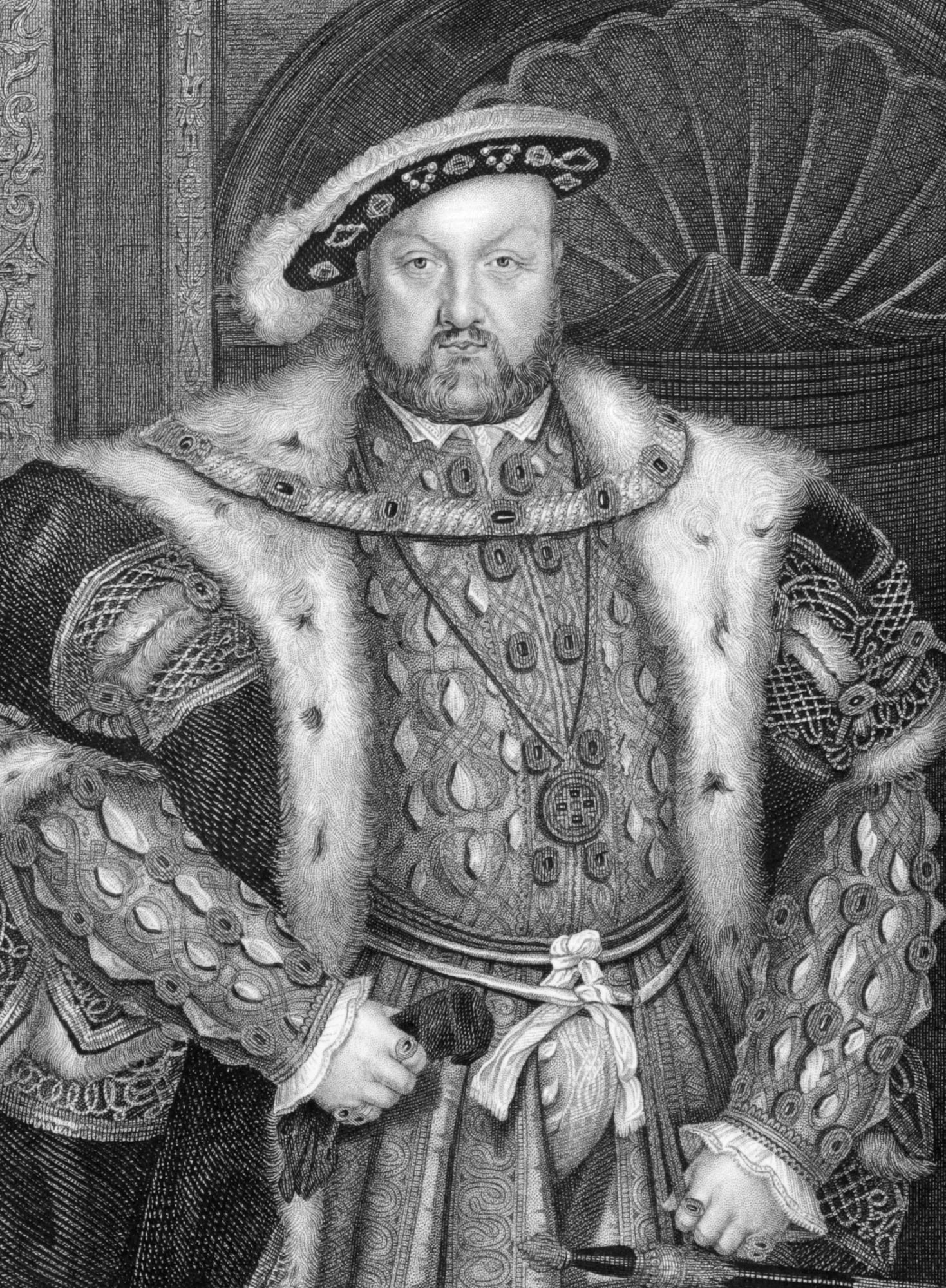
The transformation of Henry VIII reads like a cautionary tale about what absolute power does to self-control. In his youth, he stood 6’2″ and was genuinely athletic — contemporary accounts describe him excelling at tennis, hunting, and jousting with the kind of physical confidence that made him legitimately attractive to the women he’d later execute for failing to produce male heirs.
But by his forties, chronic leg injuries and a court lifestyle built around massive feasts had expanded his waist to legendary proportions. His final suit of armor, preserved at the Tower of London, reveals a chest measurement of 57 inches and a waist of 53 inches — dimensions that required specially widened doorways and reinforced furniture. The man who started as a Renaissance ideal of royal masculinity ended as a cautionary tale about what happens when nobody can tell a king to stop eating.
Louis XIV
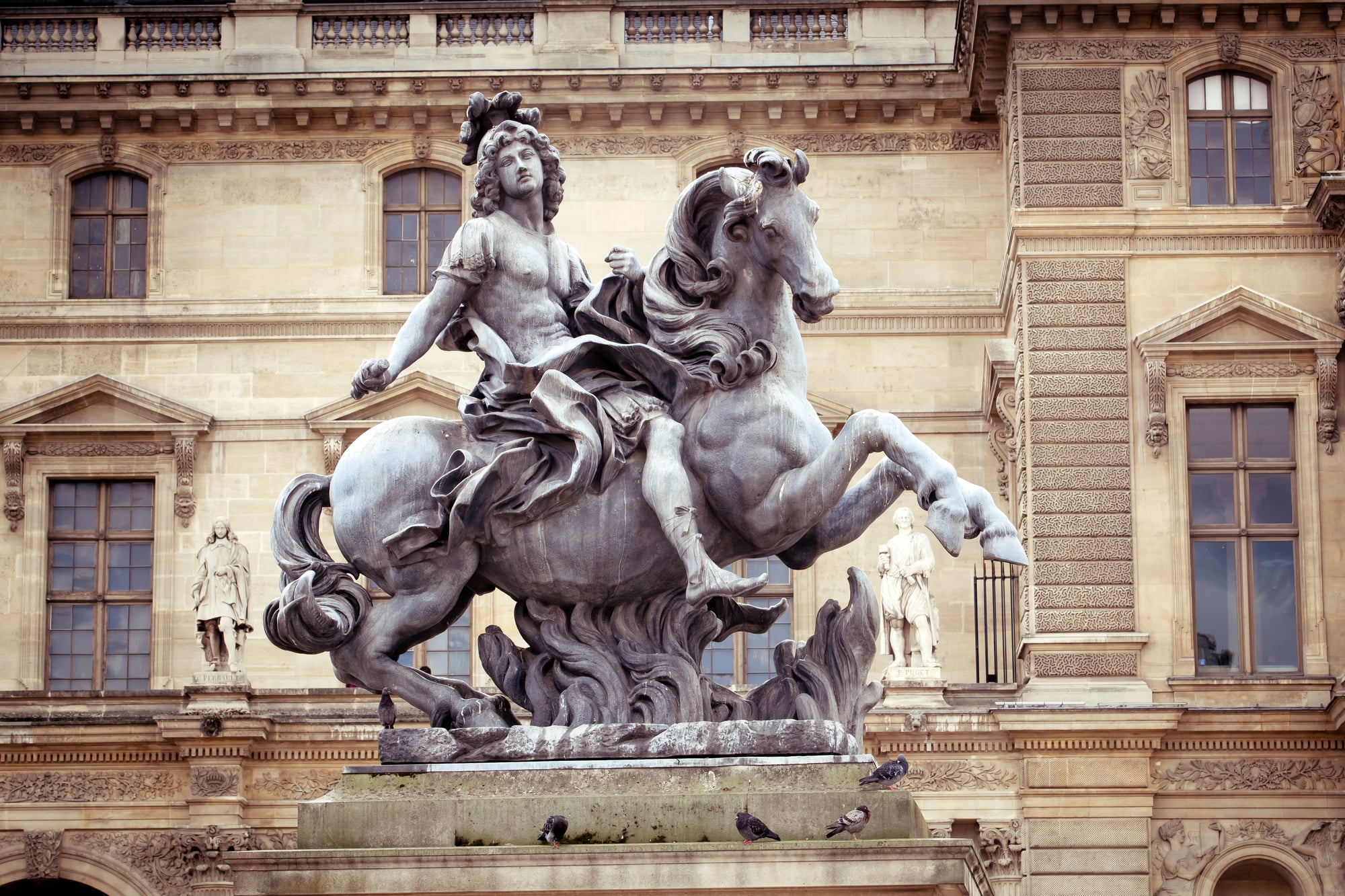
The Sun King was actually quite short at 5’5″, but he transformed this potential weakness into one of history’s most successful exercises in royal theater. His solution was simple: if you can’t be taller than everyone else, make everyone else shorter by forcing them to bow constantly.
Louis perfected the art of strategic shoe design, wearing heels that added crucial inches while maintaining the appearance of elegance rather than desperation. He also choreographed court life so that he was always positioned above his subjects — raised platforms, elevated chairs, and architectural features that literally looked down on visitors. When physical authority doesn’t come naturally, you build it into the environment.
Augustus Caesar
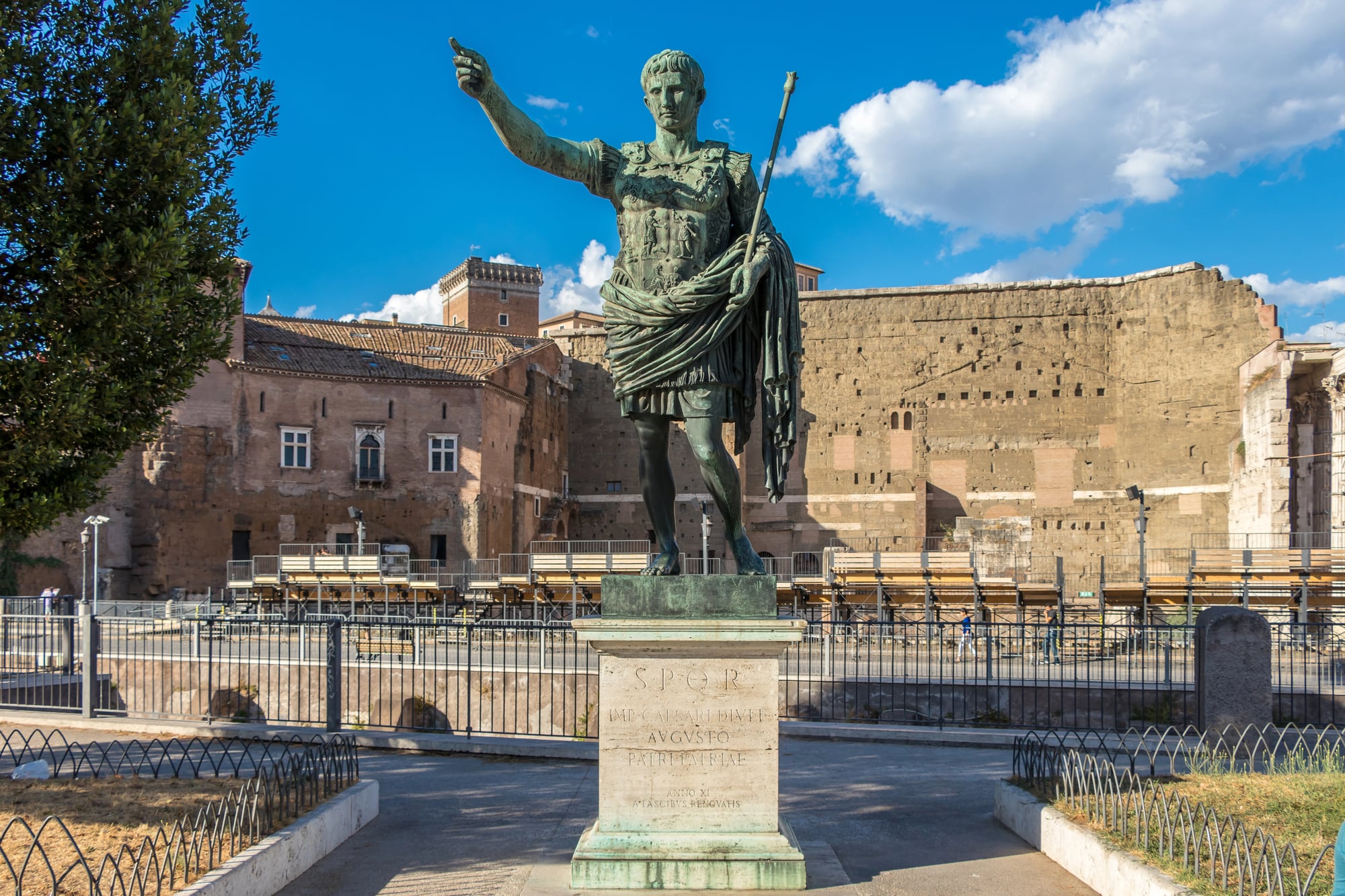
Rome’s first emperor stood about 5’7″, average for his era, but he understood that imperial power required a complete reinvention of how Romans thought about leadership. Unlike the military strongmen who had dominated the late Republic, Augustus projected authority through calculated restraint rather than physical intimidation.
He dressed simply, spoke quietly, and moved with deliberate economy — every gesture designed to suggest that real power didn’t need to announce itself. This was revolutionary in a culture that equated leadership with obvious displays of strength. Augustus proved that sometimes the most effective way to command a room is to make everyone else work harder to hear what you have to say.
Ivan the Terrible
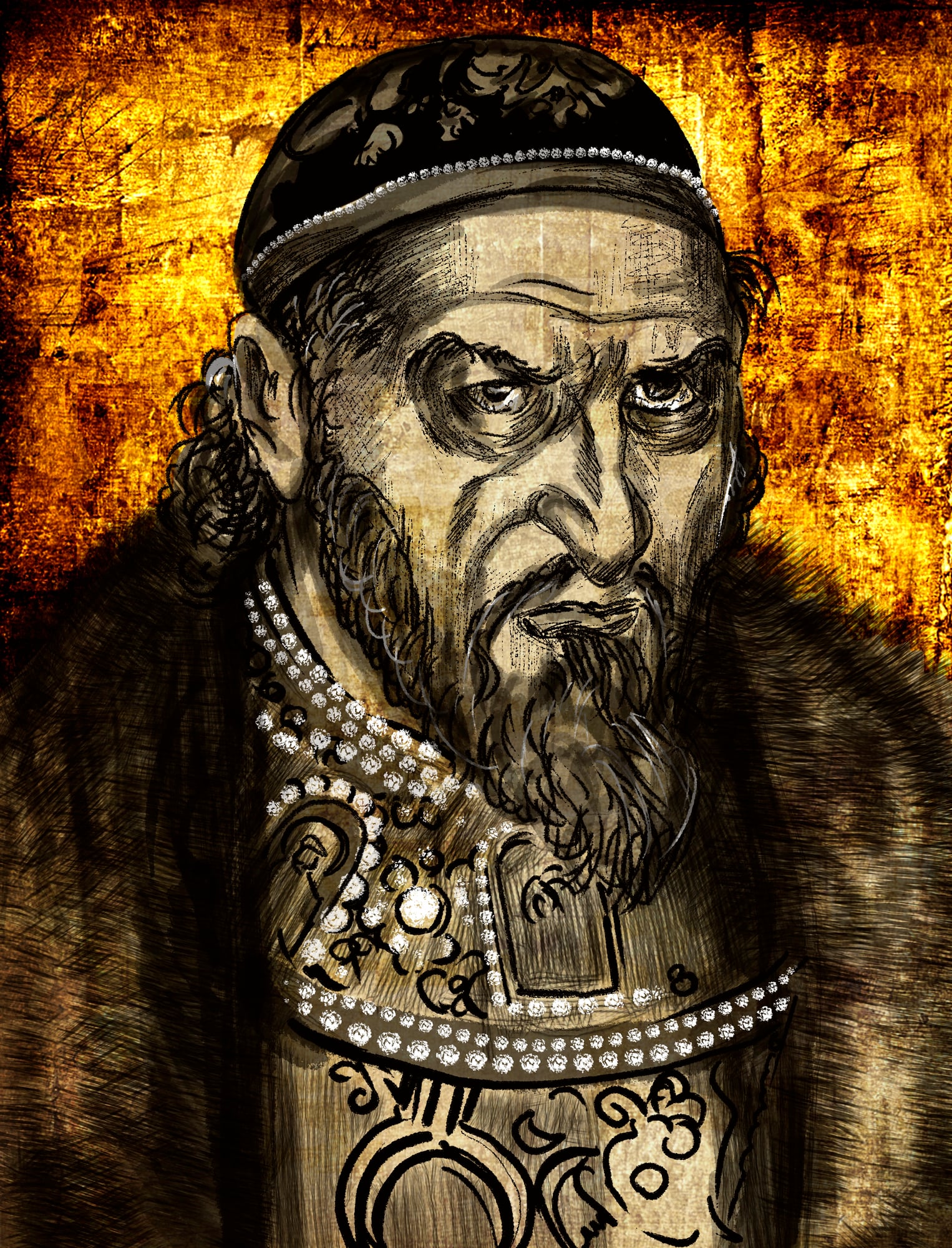
Russia’s first tsar was genuinely terrifying to encounter in person, standing somewhere around 6’0″ in an era when that made him tower over most of his subjects. But his physical presence came from more than just height — contemporary accounts describe wild mood swings that could shift from jovial conversation to explosive violence within minutes.
His autopsy revealed severe spinal arthritis and other conditions that would have caused constant pain, which probably contributed to the erratic behavior that made him legendary for all the wrong reasons. When chronic agony meets absolute power, the results tend to be historically memorable and personally catastrophic for everyone within striking distance.
Wu Zetian
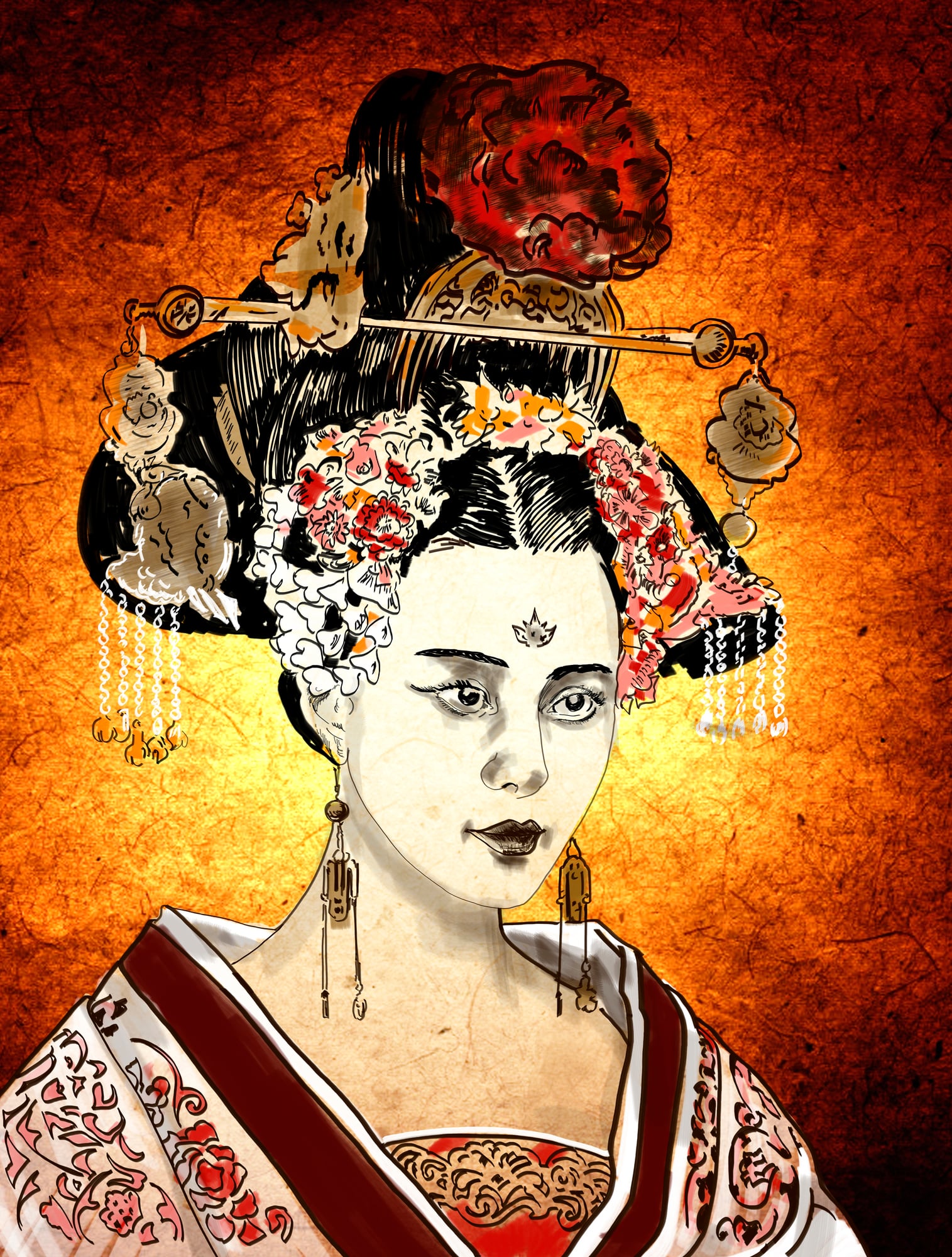
China’s only female emperor in her own right faced the obvious problem of asserting authority in a culture that considered women fundamentally unfit to rule. At average height for Tang Dynasty women (probably around 5’1″), Wu Zetian compensated through psychological intimidation that made physical size irrelevant.
She perfected the art of strategic silence, forcing courtiers to wait through long pauses before she responded to questions or petitions. She also developed an elaborate system of court rituals that required constant prostration, ensuring that everyone spent most of their time in her presence looking up at her from the floor. When you can’t rely on natural physical advantages, you redesign the entire interaction to work in your favor.
The Measure of Power
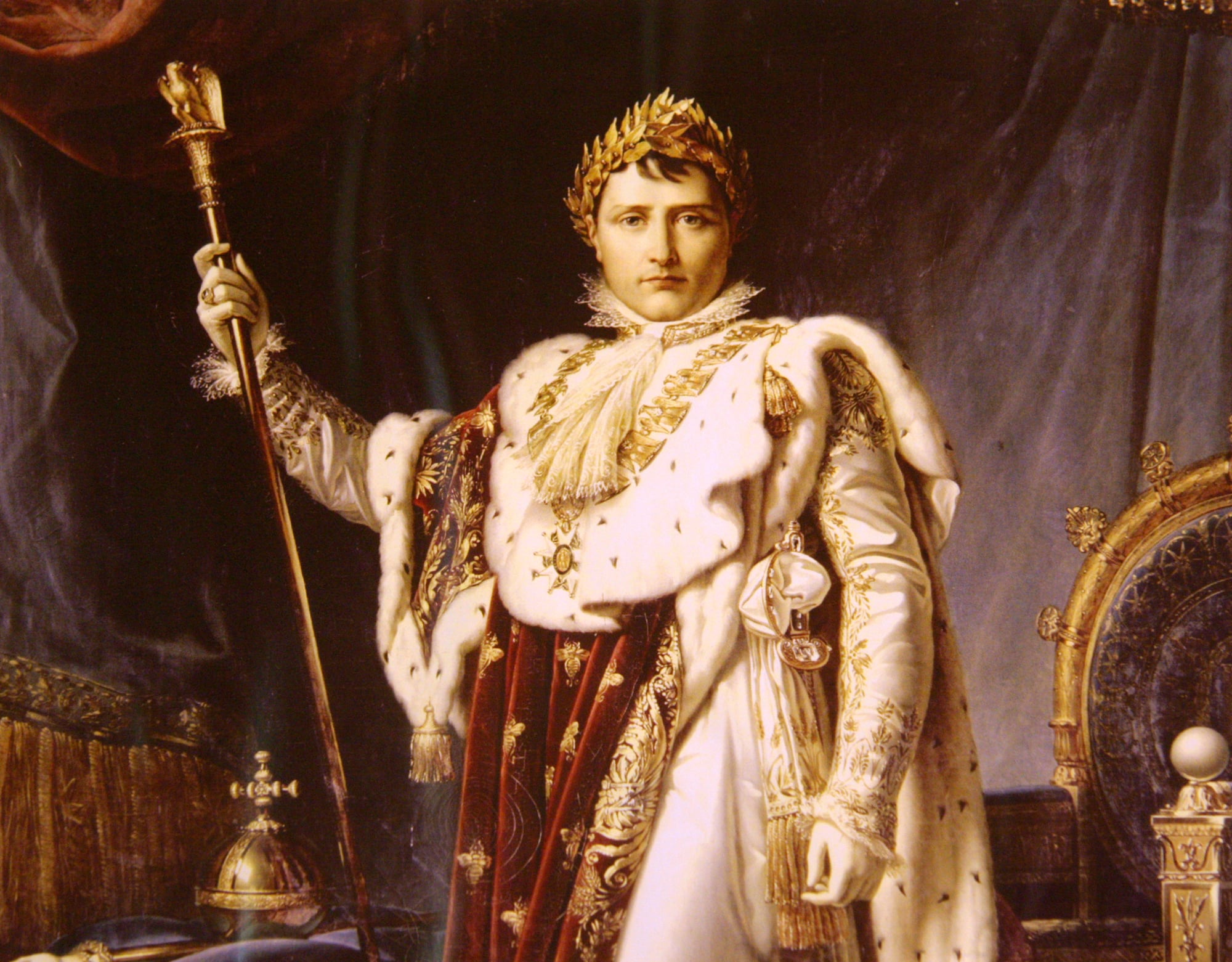
Physical stature turns out to be a poor predictor of historical impact. The rulers who changed the world came in every possible size, and the most successful ones understood that authority comes from presence, not measurements.
They adapted their leadership style to work with whatever body they inherited, proving that power is less about how much space you occupy and more about how effectively you use whatever space you have.
More from Go2Tutors!

- The Romanov Crown Jewels and Their Tragic Fate
- 13 Historical Mysteries That Science Still Can’t Solve
- Famous Hoaxes That Fooled the World for Years
- 15 Child Stars with Tragic Adult Lives
- 16 Famous Jewelry Pieces in History
Like Go2Tutors’s content? Follow us on MSN.



