Latin Artists Who Performed at Major Sports Events
Nowhere was it clearer than during big games – music once played softly now shouted loudly. Shows used to stick to safe tunes, predictable choices fading into the noise of crowds.
Slowly though, things tilted. With borders blurring in sport, sound began traveling too.
Not by accident did rhythms from Spanish-speaking regions rise – not invited as guests but arriving as forces. Stages grew wider, then changed shape entirely when those voices stepped forward.
Not just random gigs, these shows pointed to shifting crowds, wider worldwide presence, one clear sign – Latin sounds had moved past being sidelined into center stage. Appearances by Latin musicians at big athletic spectacles went beyond performance.
A statement formed – belonging mattered, impact grew, the audience’s face widened too. Peering into the past reveals Latin performers who stepped onto big sports stages, shifting how culture is seen.
Their appearances didn’t just entertain – each one nudged tradition off balance. Moments once reserved for athletes became soundscapes of rhythm and voice.
These acts slipped through expected boundaries, landing with quiet force. Not loud proclamations, but steady changes in what felt possible.
A different kind of legacy unfolded mid-game, between cheers. What seemed like brief highlights stretched into lasting influence.
Gloria Estefan
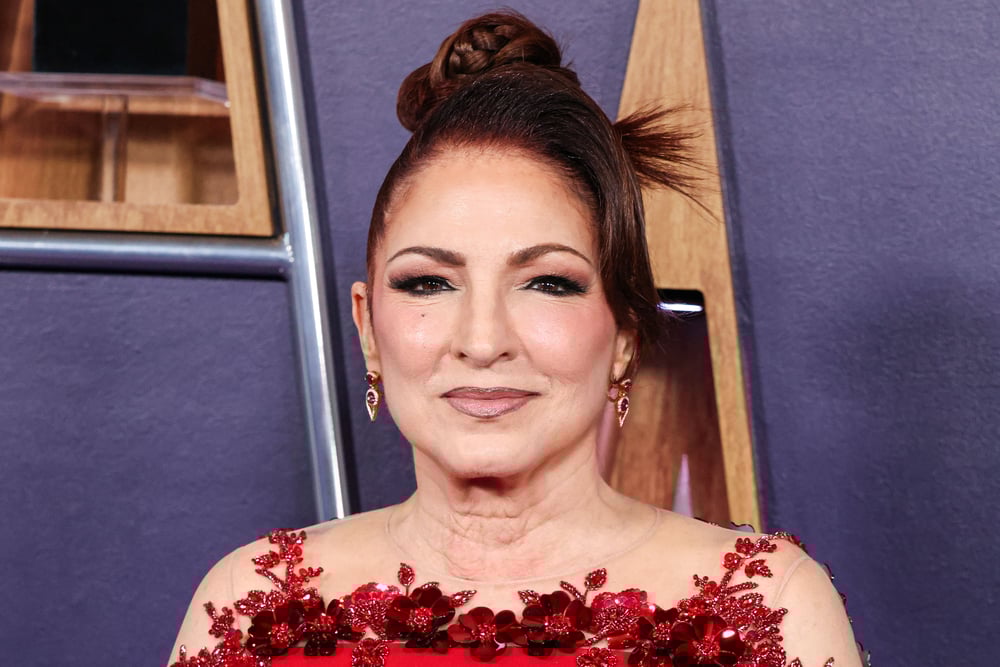
Gloria Estefan was one of the earliest Latin artists to bridge the gap between mainstream American audiences and Latin music on the world’s biggest stages. Her performances at major sporting events in the 1990s came at a time when Latin representation in such spaces was still limited.
Estefan’s presence mattered because it felt natural rather than novelty-driven. Her music already crossed language and cultural lines, making her a safe but meaningful choice for event organizers.
Even so, these performances quietly opened doors. They proved that Latin artists could anchor large, diverse audiences without needing translation or explanation.
Ricky Martin
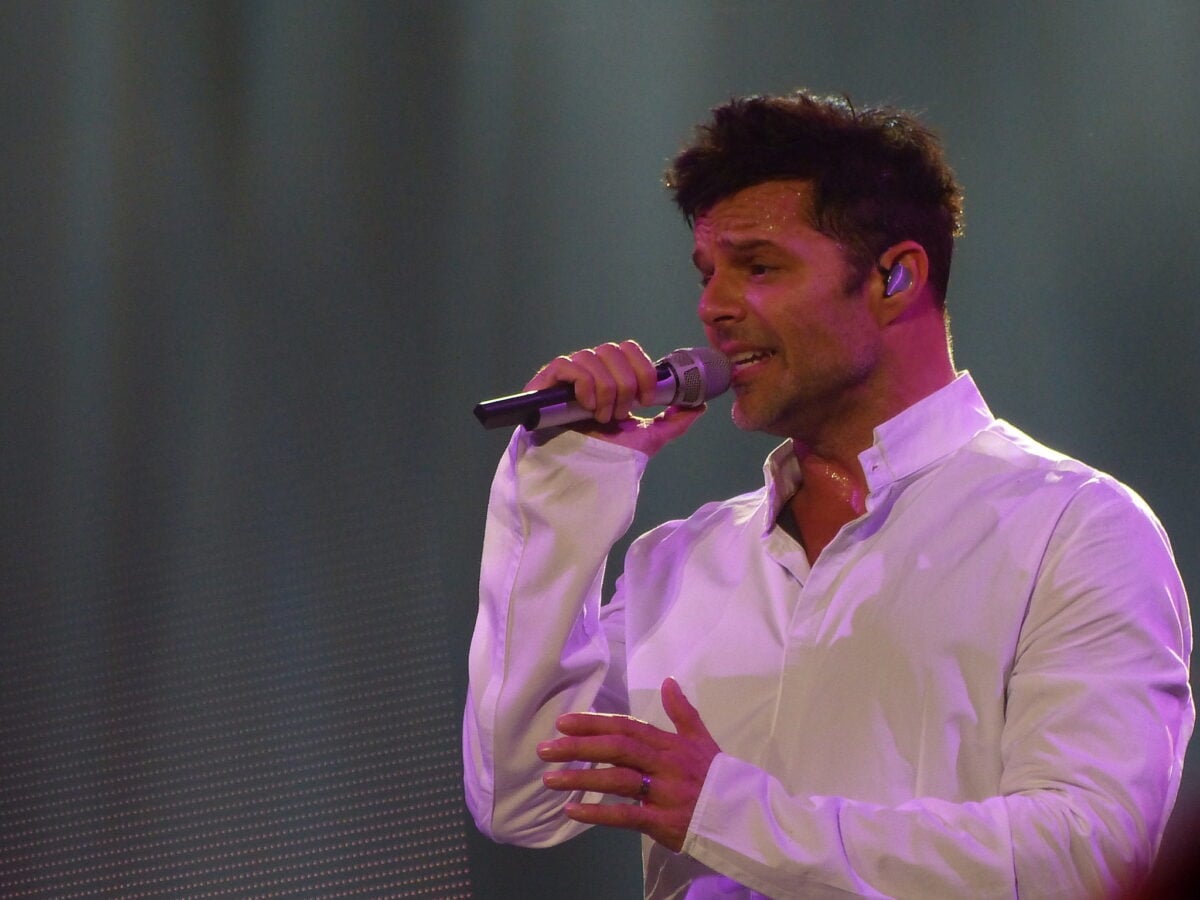
Ricky Martin’s rise coincided with a broader Latin pop explosion, and his performances at major sports events reflected that momentum. When he appeared at global sporting ceremonies in the late 1990s, the energy was unmistakable.
His music carried movement, rhythm, and a sense of celebration that matched the scale of the events themselves. These performances came at a moment when Latin pop was no longer peripheral.
Martin’s presence helped normalize Spanish-language hooks and Latin rhythms in spaces traditionally dominated by English-language acts. That visibility shifted expectations, showing that Latin artists could deliver spectacle without compromising cultural identity.
Shakira
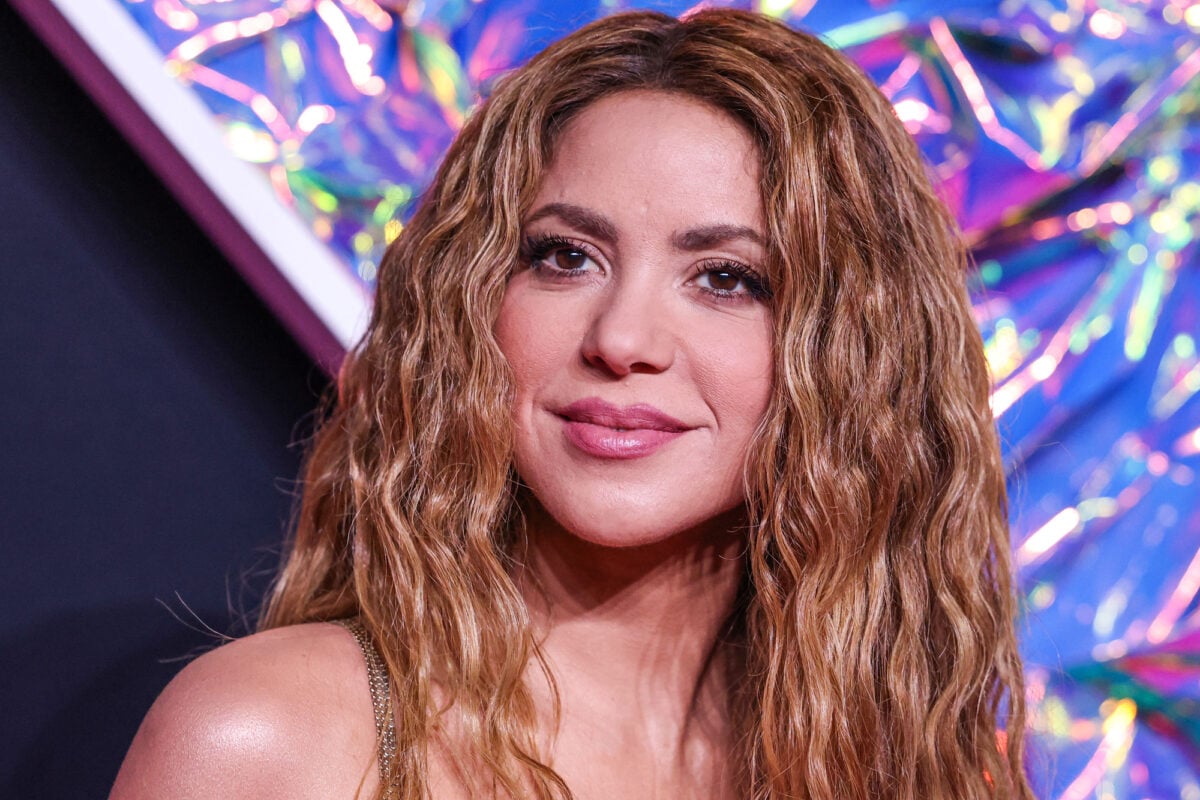
Shakira’s relationship with major sports events is among the most influential of any Latin artist. Her performances at multiple international tournaments cemented her status as a global figure capable of connecting audiences across continents.
What set Shakira apart was adaptability. She blended languages, musical styles, and visual storytelling in a way that felt inclusive rather than diluted.
Her performances became synonymous with celebration, movement, and unity. Over time, she helped establish a blueprint for how Latin artists could headline sports events while staying rooted in their sound.
Jennifer Lopez
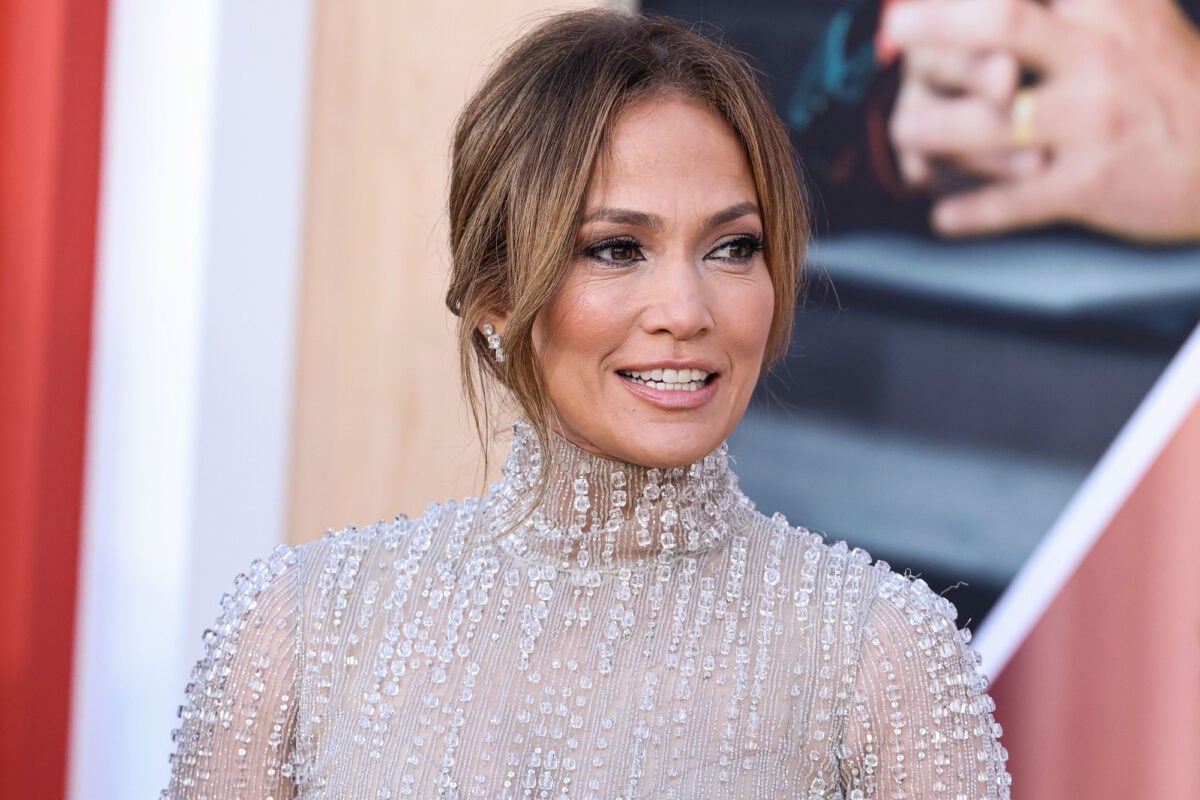
Jennifer Lopez brought a distinctly urban, performance-driven style to major sports stages. Her appearances at high-profile events reflected both her Latin heritage and her crossover appeal, making her an ideal bridge between audiences.
These performances leaned heavily on choreography and visual precision, emphasizing control and confidence. Lopez’s presence reinforced the idea that Latin artists were not guests in these spaces, but architects of the spectacle itself.
Her work helped elevate expectations around production value and performance intensity at sports events.
Marc Anthony
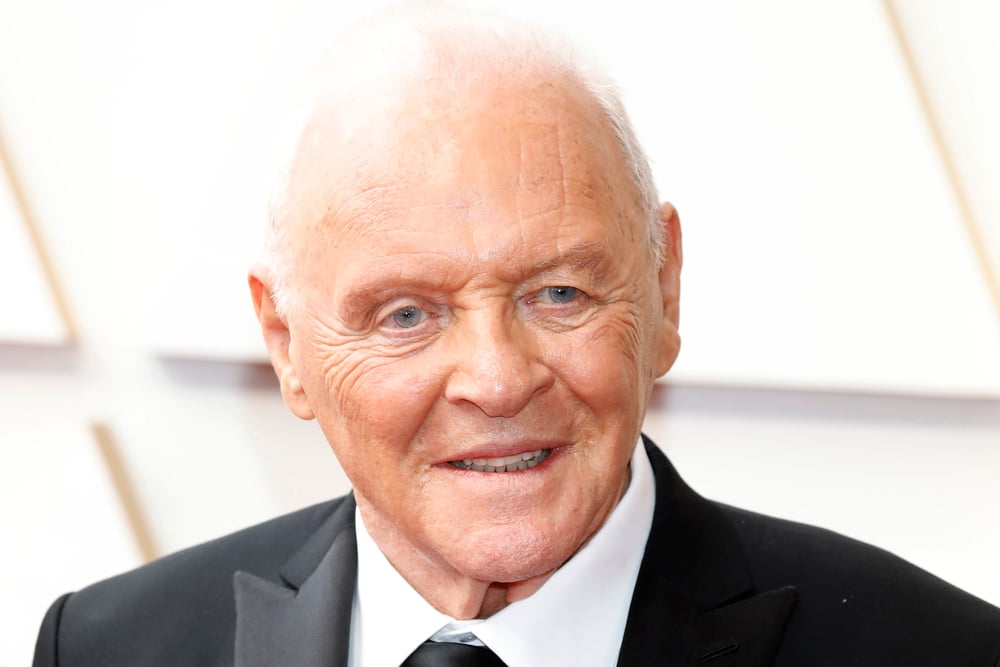
Marc Anthony’s performances at major sports events often leaned toward emotional resonance rather than spectacle. Known for his powerful voice and command of traditional Latin styles, his appearances carried a different tone.
Rather than overwhelming the moment, Anthony’s performances grounded it. He brought a sense of ceremony and cultural continuity, particularly when performing at events tied closely to national or regional identity.
These moments reinforced the idea that Latin music encompasses a wide emotional range, not just high-energy celebration.
Pitbull
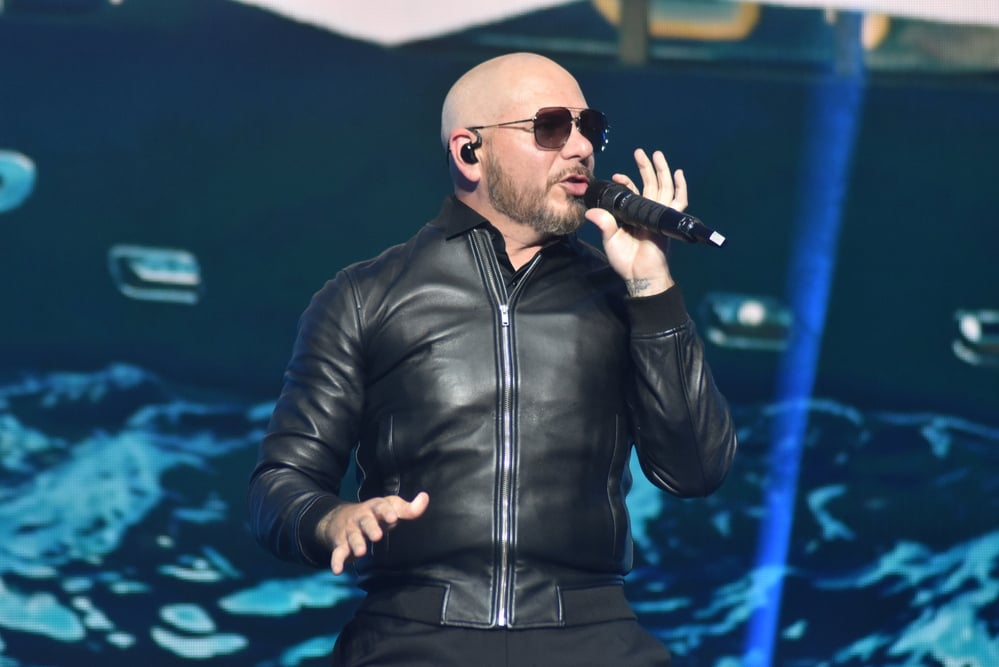
Pitbull’s presence at major sports events reflected a shift toward party-driven, globalized soundscapes. His performances were loud, fast-paced, and deliberately accessible, blending Latin influences with mainstream club energy.
What made Pitbull’s appearances significant was their timing. They arrived during a period when sports events leaned heavily into entertainment as a core feature.
His music matched that ambition, turning performances into shared moments of release. In doing so, he helped cement Latin-infused pop as a reliable anchor for large-scale celebrations.
Bad Bunny
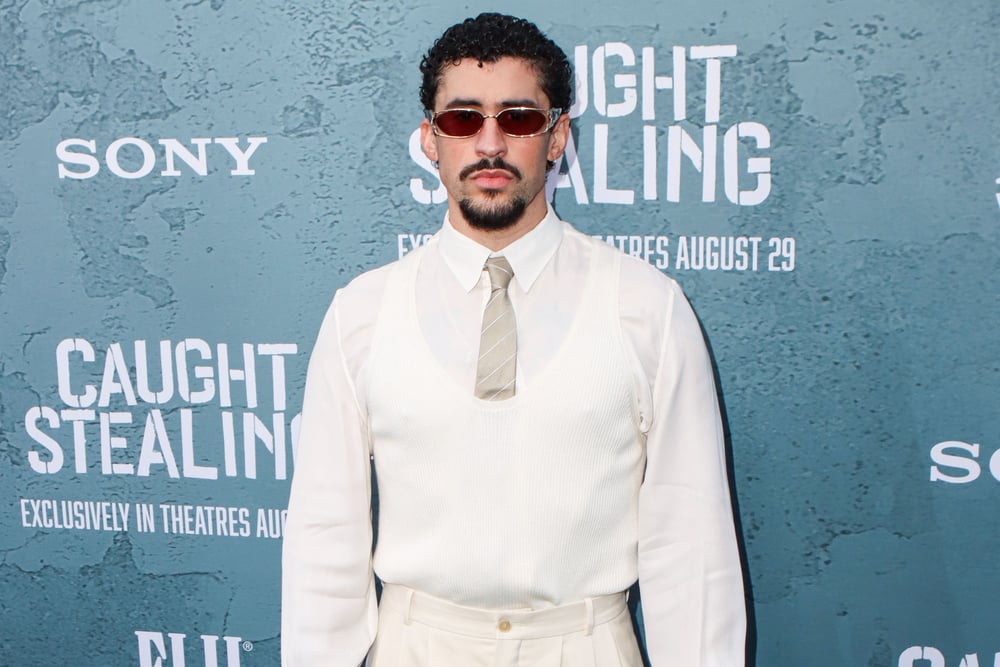
Bad Bunny’s performances at major sports events signaled a generational shift. Unlike earlier Latin artists who often emphasized crossover appeal, Bad Bunny arrived unapologetically rooted in contemporary Latin music.
His presence reflected the reality that global audiences were already fluent in these sounds. There was no need to soften or translate the music.
That confidence marked a turning point, showing that Latin artists could bring their full creative identity to the world’s biggest stages without adjustment.
Karol G

Karol G’s appearances at major sports events highlighted the growing visibility of women in Latin music within global spaces. Her performances carried both scale and personal identity, blending polished production with emotional clarity.
These moments mattered because they expanded representation. Karol G’s success demonstrated that Latin women artists were not limited to supporting roles or shared stages.
They could command attention, shape the atmosphere, and connect with diverse audiences on their own terms.
Anitta
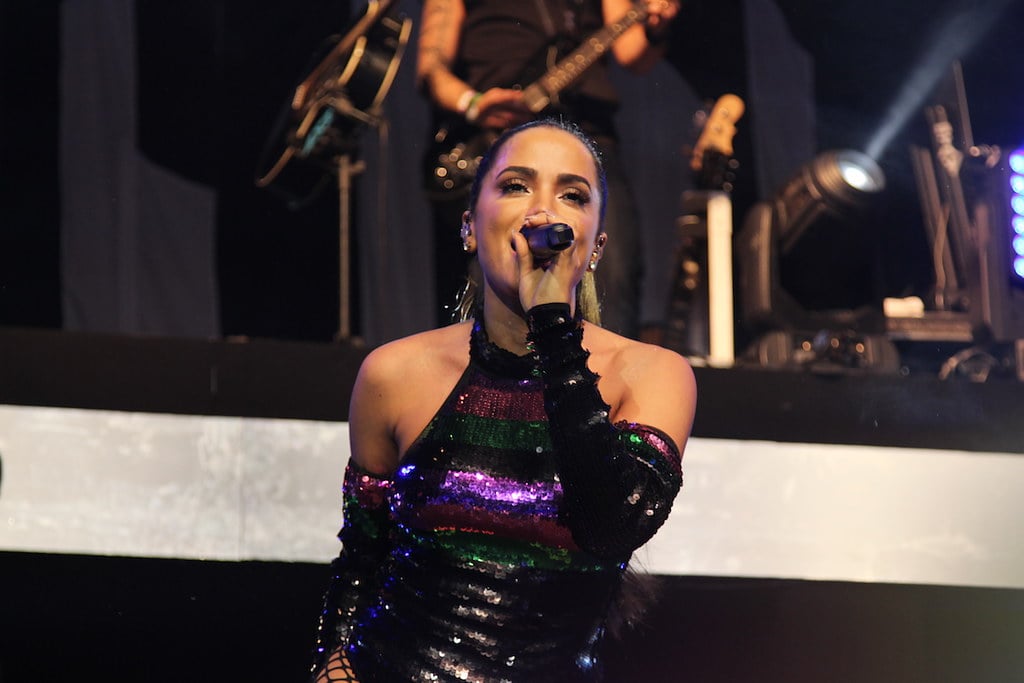
Anitta’s performances brought Brazilian pop and funk influences into major sports arenas, broadening the definition of Latin music presented on these stages. Her style emphasized movement, rhythm, and contemporary production.
These appearances reflected how sports events began embracing a wider spectrum of Latin sounds. Rather than focusing on a single region or style, organizers leaned into diversity.
Anitta’s presence reinforced the idea that Latin music is not monolithic, but richly varied.
Daddy Yankee
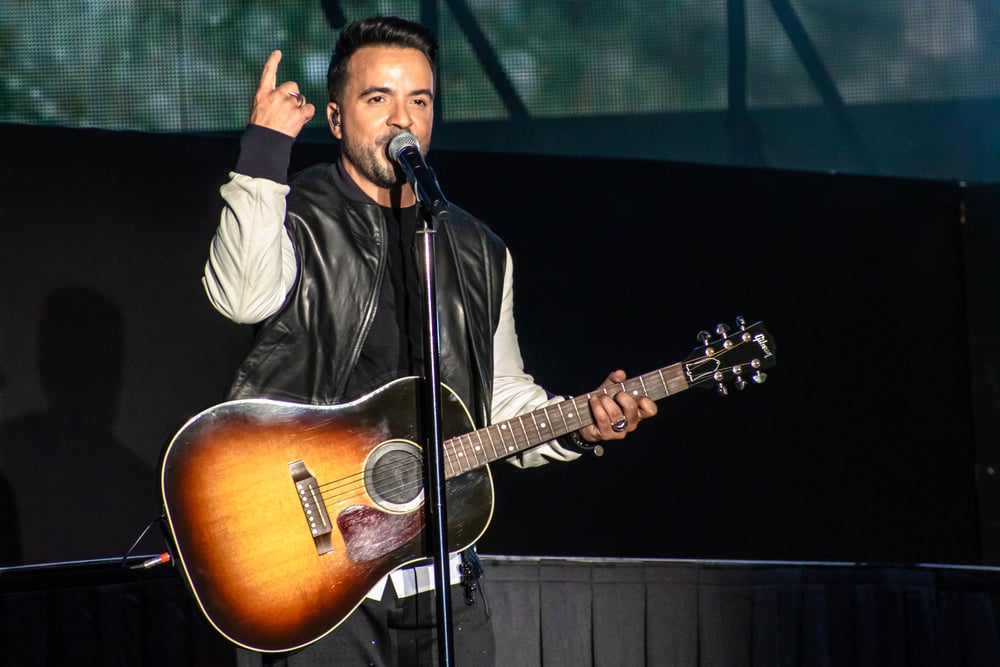
Daddy Yankee’s performances at major sports events marked the arrival of reggaeton as a global force. Once considered niche or regional, the genre became impossible to ignore as his music filled stadiums.
These performances carried cultural weight. They represented years of grassroots growth finally recognized on the largest stages.
Daddy Yankee’s success demonstrated how sports events can act as validation points, signaling when a genre has fully entered the global mainstream.
Luis Fonsi
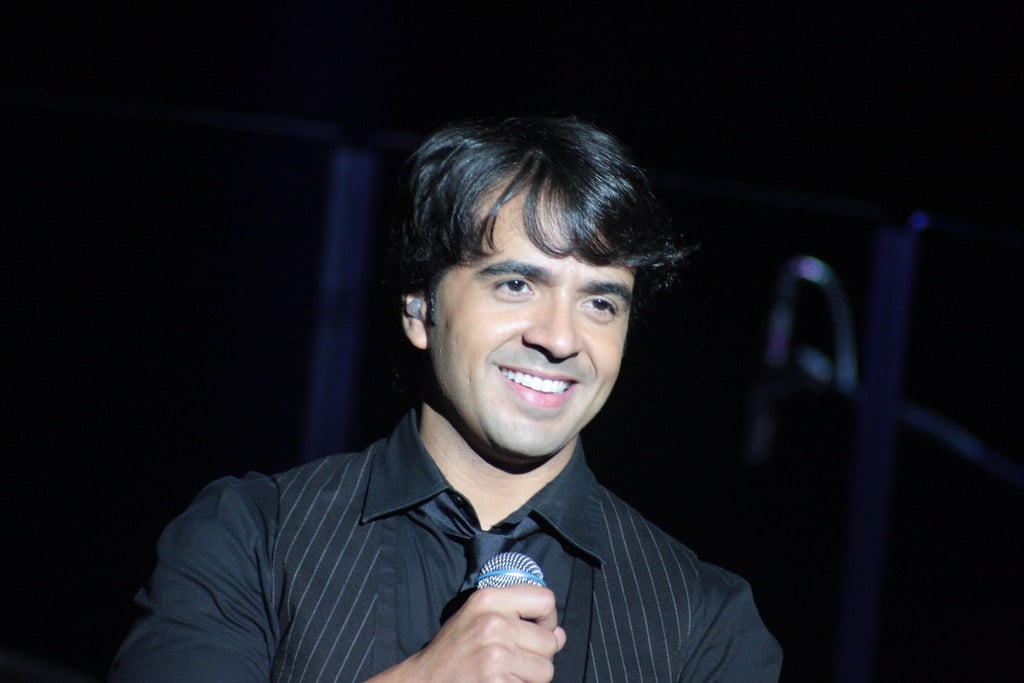
Luis Fonsi’s presence at major sports events reflected the power of melody-driven Latin pop. His performances emphasized singalong moments, turning massive crowds into participants rather than observers.
These moments mattered because they highlighted emotional accessibility. Fonsi’s music crossed language barriers through familiarity and tone, reinforcing why Latin pop works so effectively in shared spaces like stadiums and global broadcasts.
J Balvin
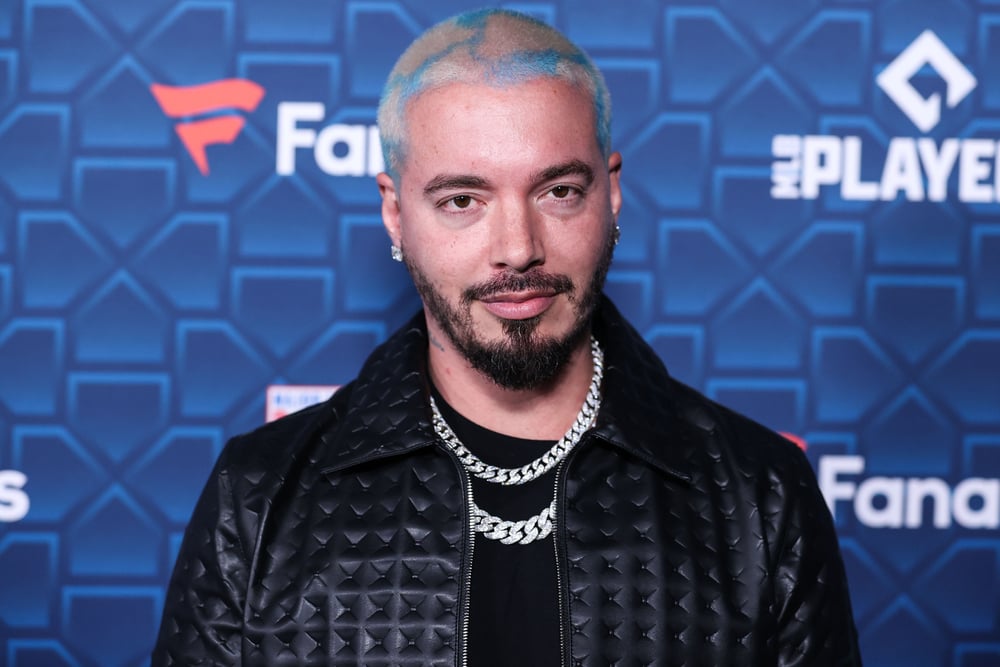
J Balvin’s performances represented a polished, fashion-forward evolution of Latin music on sports stages. His visual approach was as deliberate as the sound, aligning music, branding, and performance into a cohesive experience.
These appearances reflected how sports events increasingly value aesthetics alongside sound.
Balvin’s presence showed how Latin artists were not just participating, but shaping the visual language of modern sports entertainment.
Why These Performances Changed the Landscape

Early sports performances often treated music as secondary. Latin artists helped shift that perception by delivering moments that felt inseparable from the events themselves.
Their performances became reference points, replayed and discussed long after the games ended. These appearances also reshaped expectations around representation.
Latin artists were no longer booked as exceptions or novelties. They became essential contributors to the identity of global sports events, reflecting the audiences watching around the world.
The Lasting Impact on Sports and Music
Nowadays, seeing Latin musicians at big games just seems natural, not like a test run. This everyday feeling? It came after years of shows that showed exactly how far they could go, how much they mattered, their power to move people.
Not just fun, those times shifted something deeper. Who gets the spotlight on worldwide arenas?
That changed too. Through Latin rhythms woven into the pulse of sport, musicians made sure major moments echo like the crowds tuning in – full of difference, full of life.
Sound became a mirror.
More from Go2Tutors!

- The Romanov Crown Jewels and Their Tragic Fate
- 13 Historical Mysteries That Science Still Can’t Solve
- Famous Hoaxes That Fooled the World for Years
- 15 Child Stars with Tragic Adult Lives
- 16 Famous Jewelry Pieces in History
Like Go2Tutors’s content? Follow us on MSN.