The Kitchen Table Used to Be the Most Important Spot in the House
There’s something quietly devastating about walking into a modern home and realizing the kitchen table is gone. Not literally gone — most houses still have one — but functionally gone, demoted to a surface for charging cables and unopened mail.
It used to be the gravitational center of domestic life, the place where everything that mattered actually happened. Meals, arguments, homework, heartbreaks, deals, silences — all of it played out at that table.
Understanding what it once meant says something uncomfortable about what daily life has become.
Meals Were Non-Negotiable Rituals
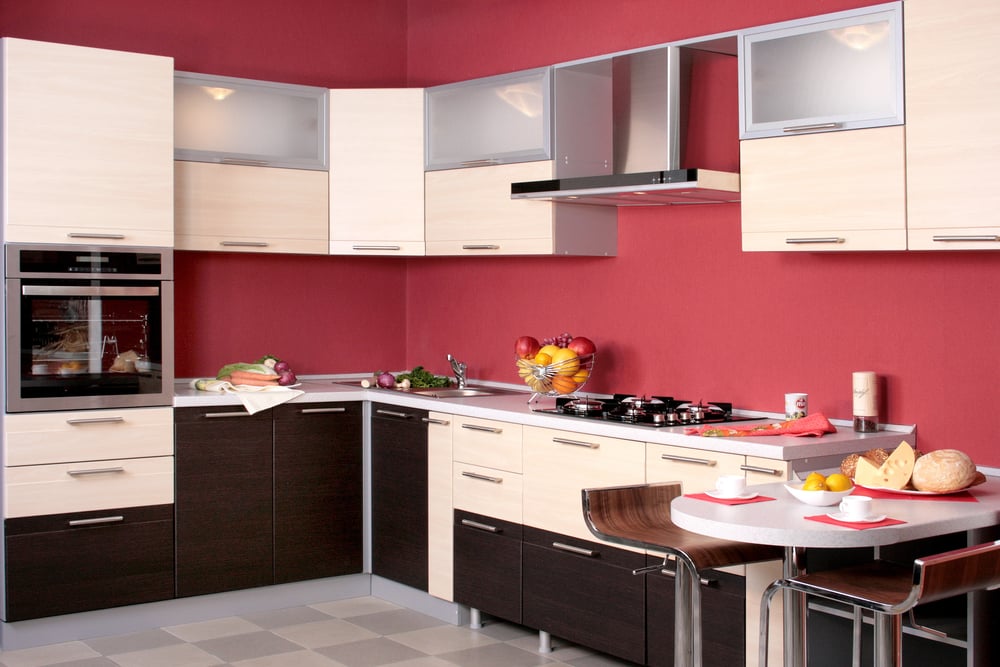
Dinner at the table wasn’t optional. You showed up, you sat down, and you stayed until everyone was finished — no exceptions, no detours to a separate room with a plate.
The meal itself was almost secondary to the act of being present in the same place at the same time.
Homework Got Done There, Not in a Bedroom

The kitchen table was the default workspace for every school-age kid in America for most of the twentieth century, and it worked because someone was always nearby — a parent cooking, a sibling doing their own work, someone who could answer a question or notice when you’d been staring at the same problem for too long. Isolation wasn’t considered a productive study environment; proximity to the household was.
And turns out, that wasn’t wrong.
Arguments Came to a Head at That Table
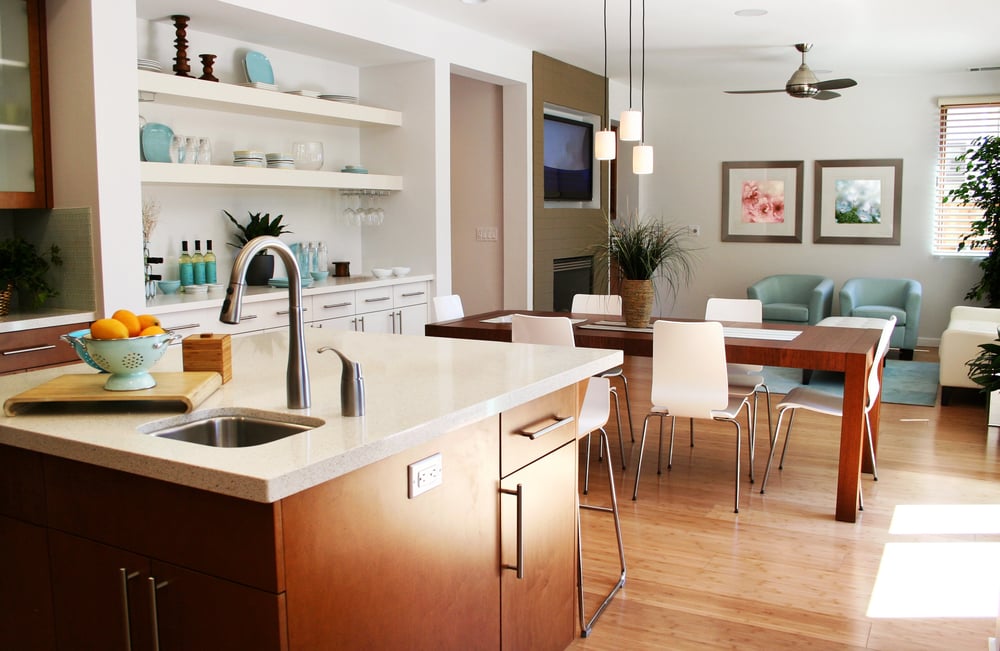
The kitchen table had a way of cornering people, the way a narrow hallway corners two people walking in opposite directions — no exits, no easy escapes, just the confrontation that had been circling the house for days finally arriving somewhere it had to be resolved. Difficult conversations found their footing there: the ones about money, about behavior, about what was going to happen next.
Most families, if they’re honest, can trace their most significant reckonings back to that particular chair, that particular afternoon.
Neighbors Didn’t Sit in the Living Room

When someone came over unannounced — and people used to do that, constantly and without apology — they ended up at the kitchen table, not the sofa. The living room was for formal occasions and people you weren’t sure about yet.
The kitchen table meant you were trusted, which is saying something in a world that moved slower but held its social thresholds tighter.
Coffee Was Always on

The kitchen table without a coffee pot nearby is a historical anomaly. Coffee at the table meant the conversation could keep going — there was always a reason to stay another few minutes, always a reason to refill and sit back down.
It’s a small logistical detail, but it kept people in the same room for longer than they might have otherwise chosen to be.
Big Decisions Got Made There

Buying a house, changing jobs, pulling a kid out of school, deciding whether to move across the country — the kitchen table was where those conversations happened because it was the one place in the house designed for sustained, face-to-face engagement. No television, no distractions built into the furniture itself, nothing to look at but the person sitting across from you.
That forced a kind of attention that’s genuinely rare now.
It Was the First Place You Went in the Morning

The kitchen table acted as a kind of daily reset point — the place you landed before the day scattered you in five different directions, the one moment where the whole household occupied the same physical coordinates before going their separate ways until evening. A cup of coffee, a few minutes of overlap, sometimes barely a word spoken.
But the overlap happened. And that consistency, repeated across thousands of mornings, was the actual architecture of a family’s life together.
Letters and Bills Got Read There

There’s a reason people dealt with correspondence at the kitchen table and not at a desk in another room: the kitchen table was where life’s administration lived. Bills got sorted, letters got read aloud, catalogs got argued over.
It connected the household to the outside world in a way that felt communal rather than private — one person’s news became everyone’s news before the afternoon was out.
Kids Learned to Cook by Watching
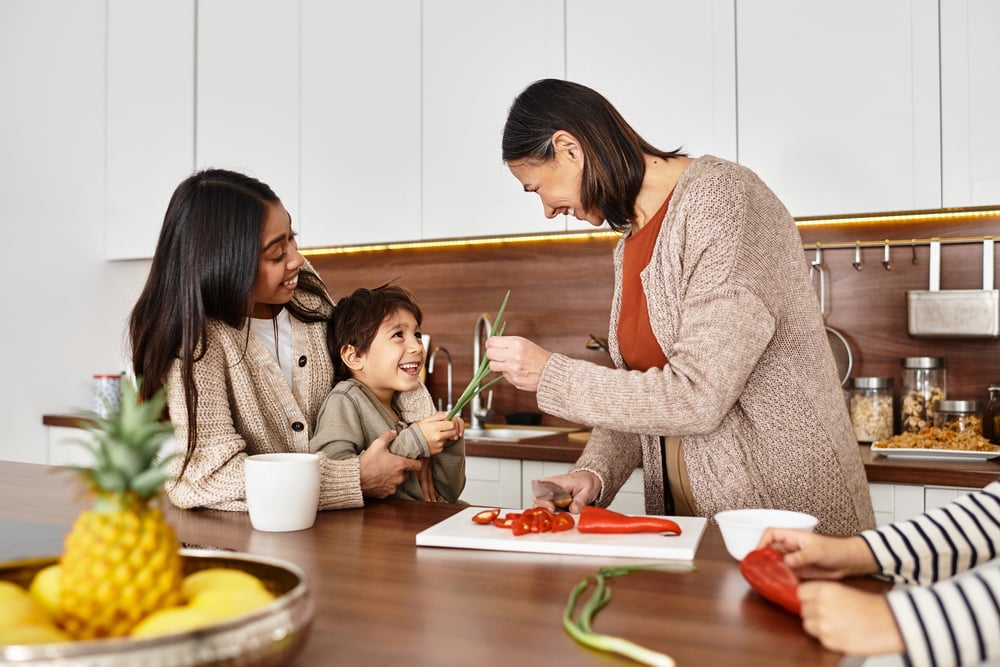
Standing at the stove is a solitary act, but the kitchen table pulled children into the orbit of cooking without requiring their direct participation — they watched from two feet away while someone rolled dough or deboned a chicken, absorbing technique and judgment through sheer proximity rather than instruction. The table made the kitchen a classroom without announcing itself as one.
So the knowledge transferred, quietly and without ceremony, across generations.
Illness Was Managed There

When someone in the house was sick but not sick enough for a bedroom, the kitchen table was where they convalesced — wrapped in a blanket, nursing something warm, close enough to the stove that the whole room held a little extra heat. It kept the sick person near the center of things rather than isolated, which mattered more than any particular remedy.
The table’s geography was, in its own way, a form of care.
Celebrations Defaulted to That Surface

Birthday cakes appeared on the kitchen table. Holiday meals, regardless of how many people were attending, radiated outward from that central surface even when they required folding tables and borrowed chairs pressed into the dining room and hallway.
The kitchen table was always the anchor — the one surface that wasn’t temporary, the one that held the meaning while the others held the overflow.
Silence There Meant Something Different
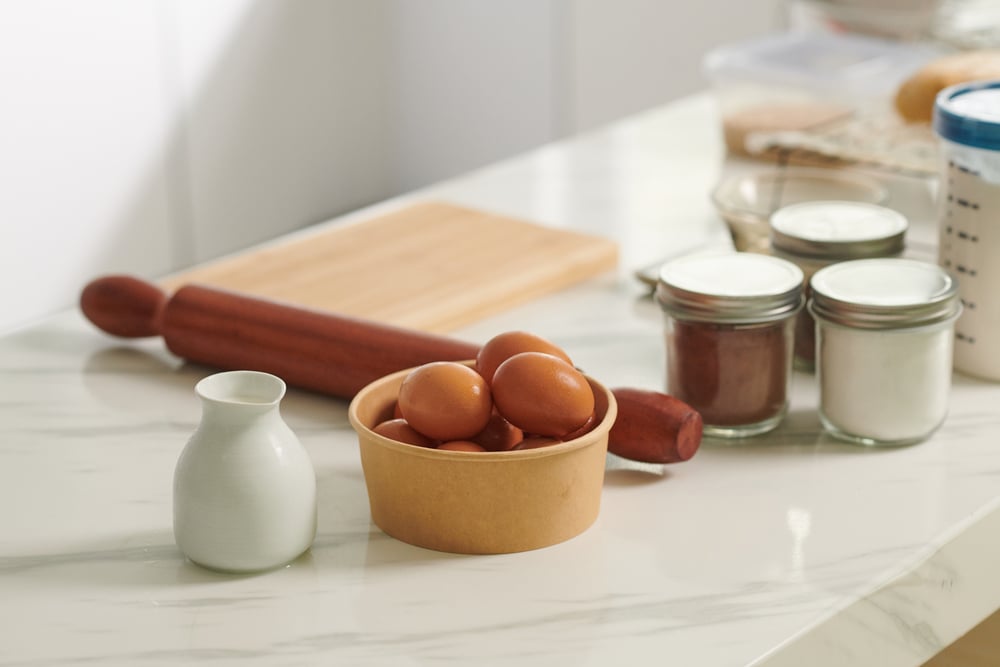
Quiet at the kitchen table didn’t carry the same weight as quiet in other rooms. Two people sitting in the same living room without speaking feels like distance — but two people sitting at the kitchen table in silence, each doing their own thing, reads as comfort.
The table understood companionship without conversation, which is a specific and valuable thing that most furniture doesn’t manage.
It Was Where You Waited
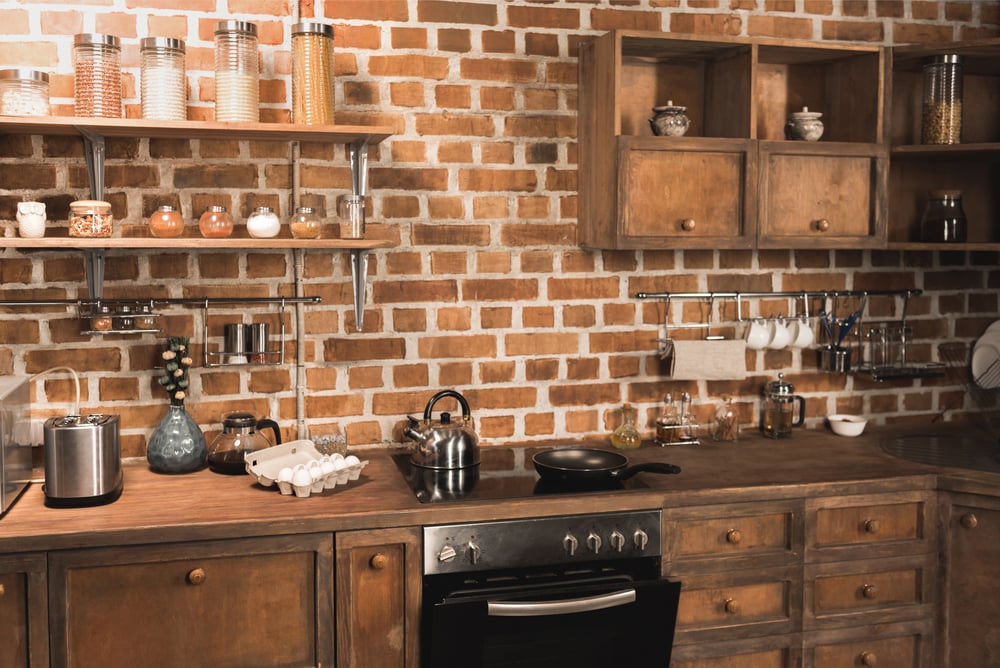
Waiting for news, waiting for someone to come home, waiting for a decision that hadn’t landed yet — people waited at the kitchen table because it was the room closest to the front of the house, closest to the door, closest to whatever was coming. The table absorbed a lot of held breath over the years.
A lot of hands wrapped around cups that had long gone cold.
What the Empty Table Quietly Tells You
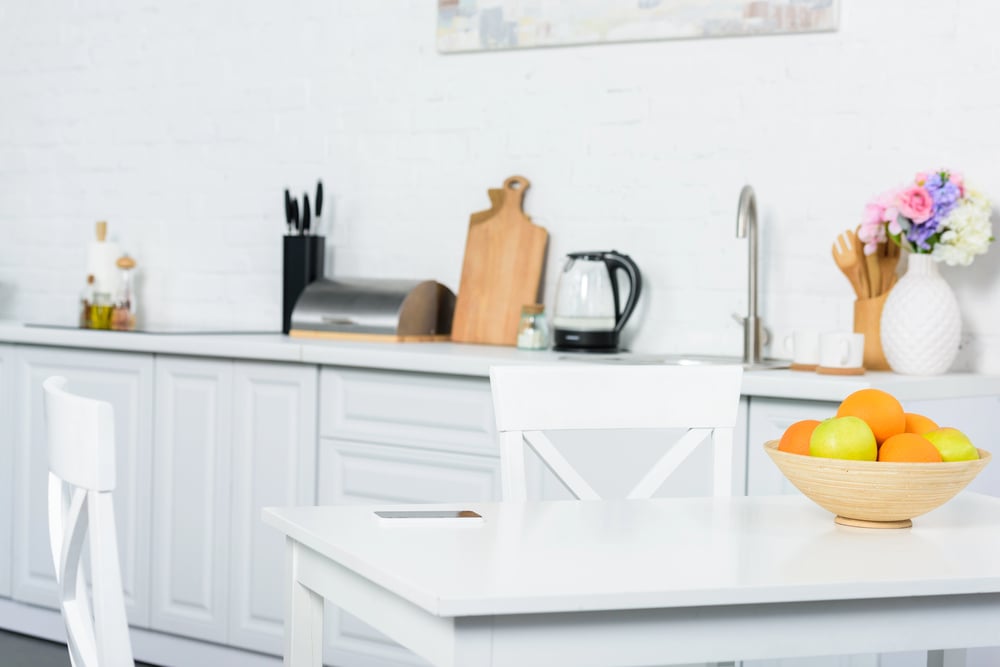
A kitchen table with nothing on it — no clutter, no mismatched chairs, no sticky residue from a meal eaten in a hurry — isn’t a sign of order. It’s a sign of absence.
The mess was never the problem; the mess was proof that people were using the thing, that life was accumulating there the way it’s supposed to. The table that looks untouched is the one that should worry you.
More from Go2Tutors!

- The Romanov Crown Jewels and Their Tragic Fate
- 13 Historical Mysteries That Science Still Can’t Solve
- Famous Hoaxes That Fooled the World for Years
- 15 Child Stars with Tragic Adult Lives
- 16 Famous Jewelry Pieces in History
Like Go2Tutors’s content? Follow us on MSN.



