Countries with the Most Unused Space
When most people think about countries, they picture crowded cities, busy highways, and towns dotting every corner of the map. But the truth is, large parts of our planet remain empty.
Some nations have such vast territories that even with millions of residents, huge stretches of their land see almost no human activity at all. These aren’t just random patches of wilderness either. They’re massive regions where you could travel for days without seeing another person.
Let’s explore which countries have the most unused space and what makes these places so empty.
Russia
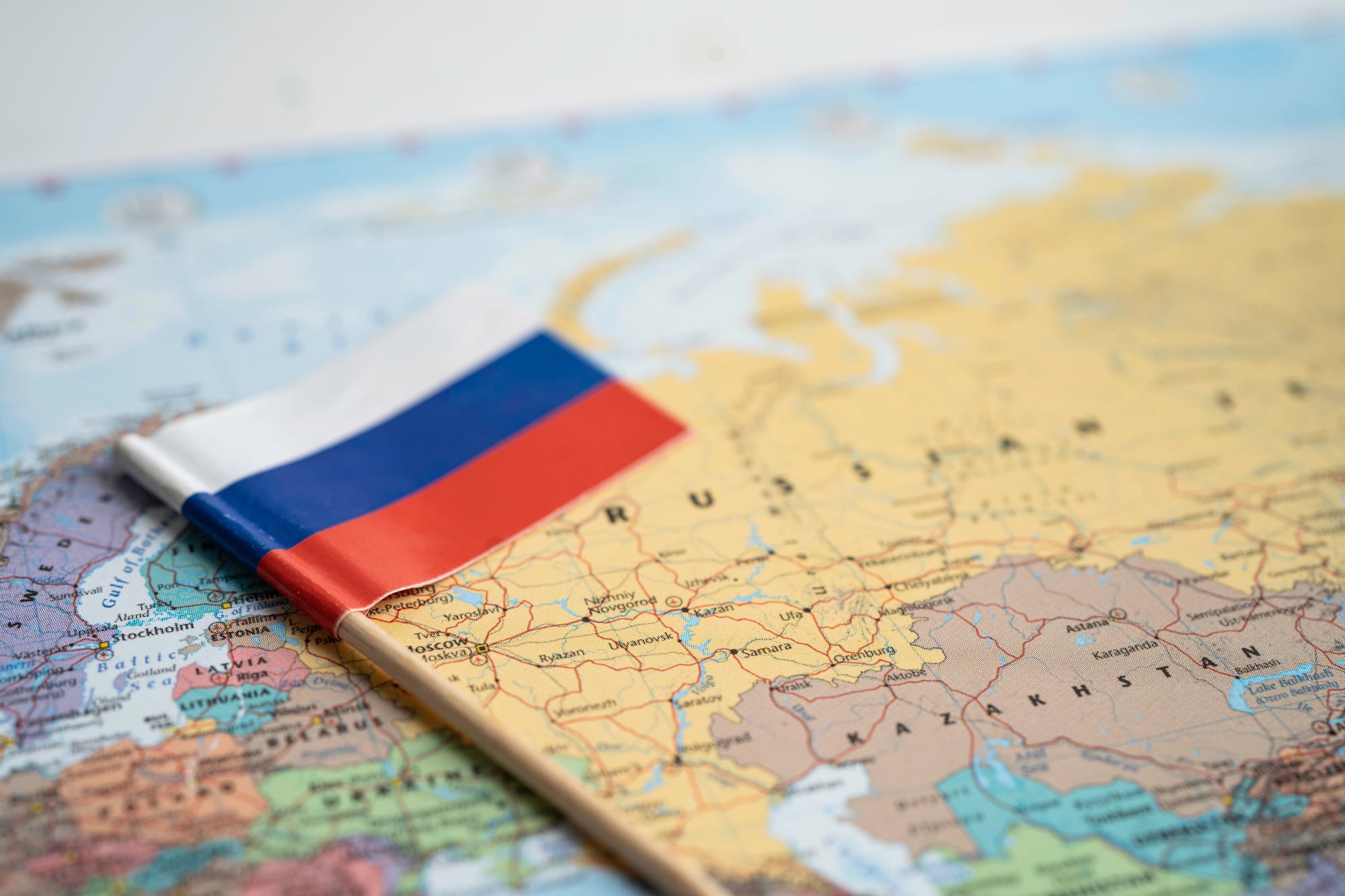
Russia holds the title for having more unused land than any other country on Earth. With over 6.6 million square miles of territory, this nation spans eleven time zones, yet most of its population clusters in the western regions near Europe.
The eastern parts, particularly Siberia, remain largely untouched by development. Temperatures there can drop to minus 90 degrees Fahrenheit in winter, making settlement nearly impossible for most people. Even with all its natural resources like oil, gas, and minerals, the harsh climate keeps Siberia one of the loneliest places on the planet.
Canada

Canada comes in second with enormous stretches of uninhabited territory across its northern regions. The country covers nearly 4 million square miles, but roughly 90 percent of its population lives within 100 miles of the U.S. border.
The Canadian Shield and the Arctic territories remain virtually empty, with some areas having fewer than one person per 40 square miles. Permafrost covers much of this land, making construction difficult and agriculture almost impossible. Indigenous communities dot some of these remote areas, but for the most part, it’s just tundra, forests, and frozen lakes stretching endlessly.
Australia
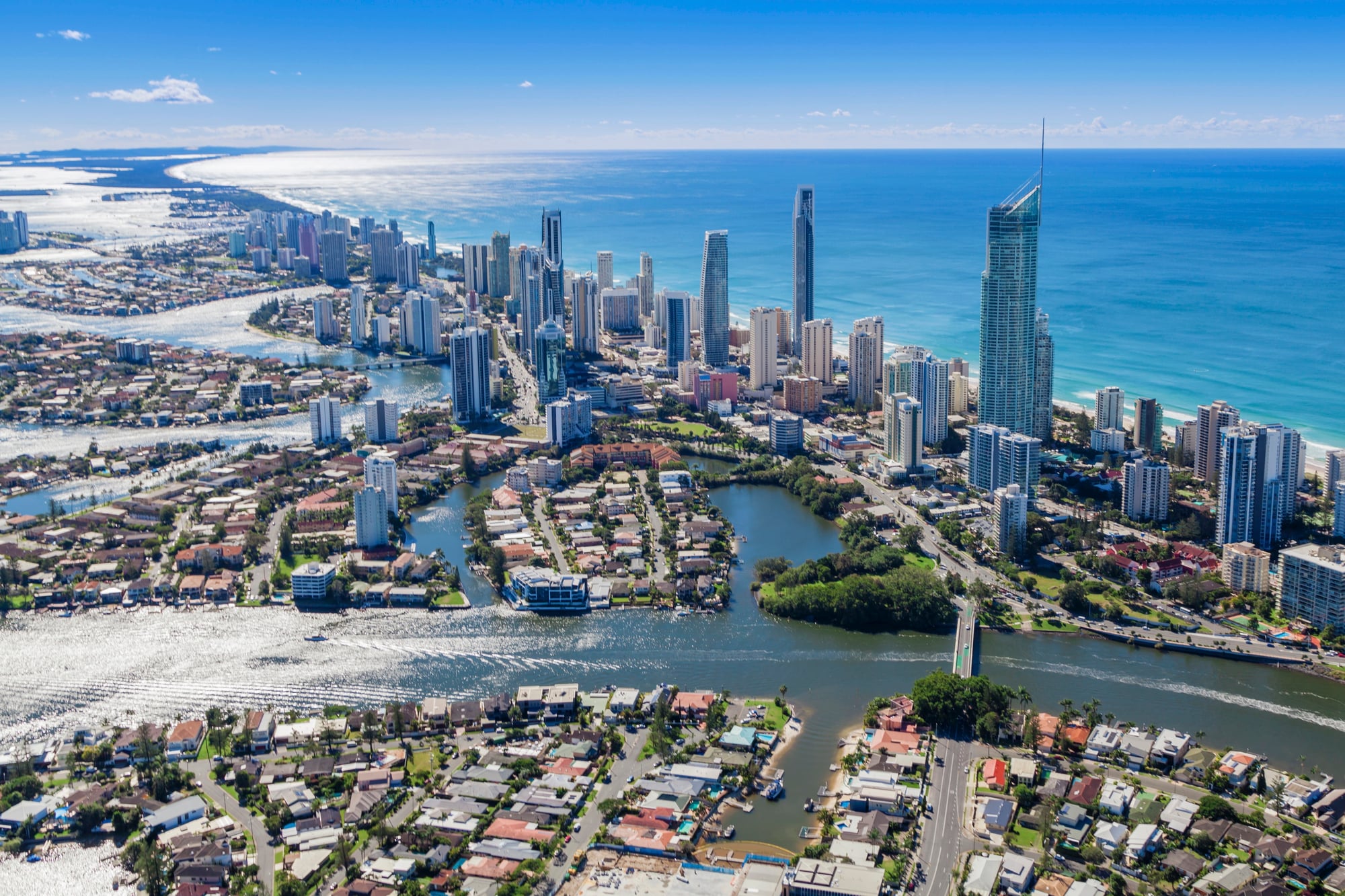
Australia might surprise people because it’s known for its beaches and cities, but the interior tells a different story. The Outback covers most of the continent, and it’s one of the driest, hottest, and most inhospitable places humans have ever tried to live.
About 35 percent of Australia is considered desert, and another large chunk is semi-arid land that can barely support life. Most Australians stick to the coastal cities like Sydney, Melbourne, and Brisbane, leaving the center virtually abandoned. Some cattle stations in the Outback are bigger than entire U.S. states but have only a handful of people managing them.
United States

The United States has plenty of unused space despite being the third most populated country in the world. Alaska alone accounts for much of this emptiness, with vast wilderness areas that remain roadless and uninhabited.
Even in the lower 48 states, places like Nevada, Wyoming, and Montana have huge sections where nobody lives. The Great Basin Desert, parts of the Rocky Mountains, and the Alaskan wilderness create a patchwork of empty zones. Population density in some counties drops below two people per square mile, which means you could stand in one spot and your nearest neighbor might be miles away.
Brazil
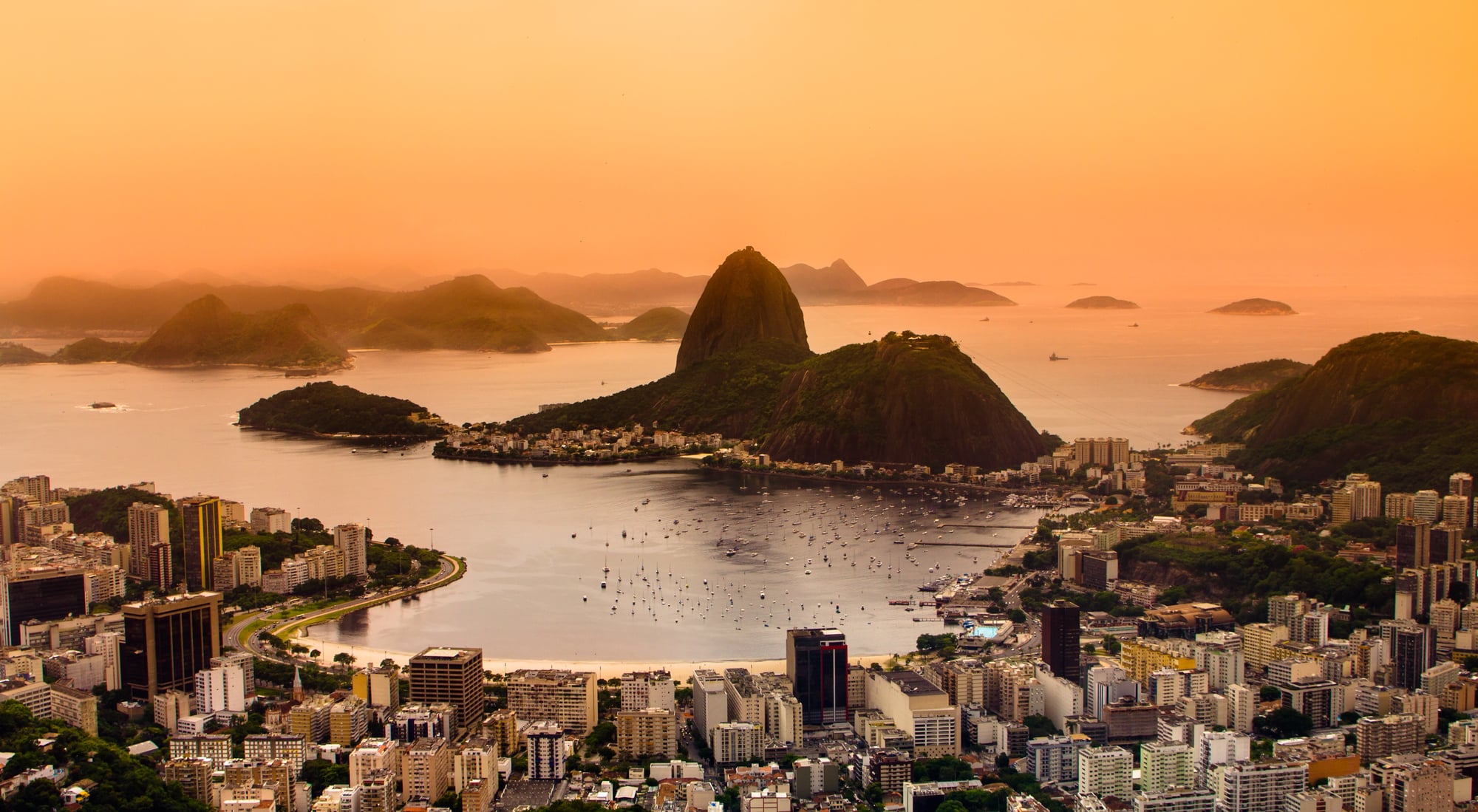
Brazil’s Amazon rainforest creates one of the largest uninhabited zones on Earth. The country spans over 3.2 million square miles, but the jungle remains largely impenetrable and unsettled.
Dense vegetation, extreme humidity, dangerous wildlife, and lack of infrastructure keep most people away from the interior. Indigenous tribes live deep in these forests, but their numbers are small compared to the vastness of the land. Even with deforestation happening in some areas, huge portions remain untouched.
China

China has over 1.4 billion people, yet it still has massive unused territories. The western regions, including the Taklamakan Desert and the Tibetan Plateau, remain sparsely populated despite covering enormous areas.
The Gobi Desert stretches across northern China and into Mongolia, creating another zone where hardly anyone lives. Extreme altitude, harsh weather, and lack of water make these regions unsuitable for most human activity. Most Chinese citizens prefer staying in the eastern provinces where jobs, infrastructure, and milder climates exist.
Argentina
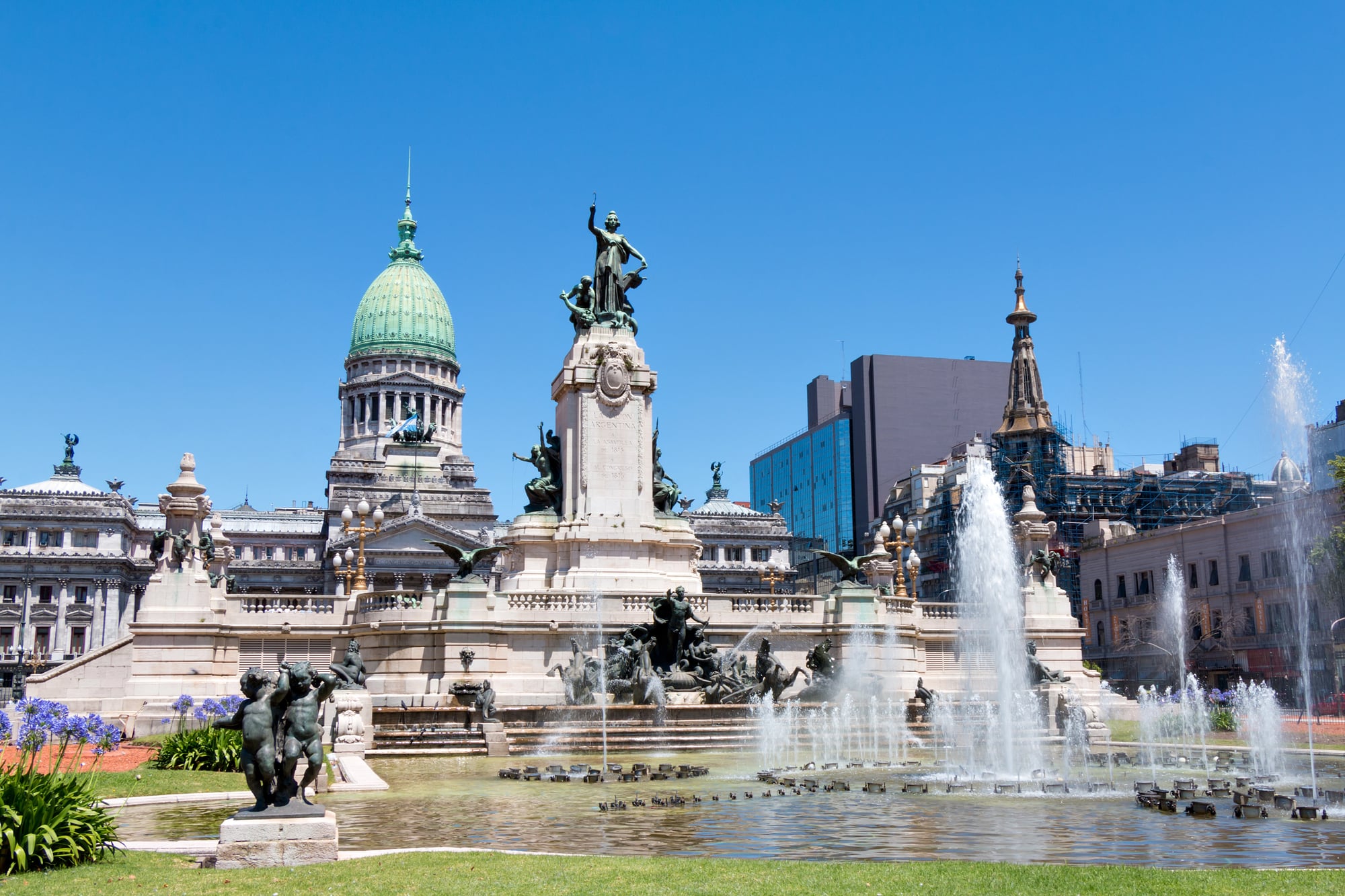
Argentina stretches from tropical regions in the north down to the frozen landscapes of Patagonia in the south. The southern portions of the country remain largely empty, with wind-swept plains, glaciers, and mountains dominating the scenery.
Patagonia covers about 400,000 square miles but has fewer than 2 million residents scattered across it. The region’s isolation, harsh weather, and distance from major cities keep it undeveloped. Sheep farming and tourism bring some people there, but vast sections see almost no human presence at all.
Kazakhstan
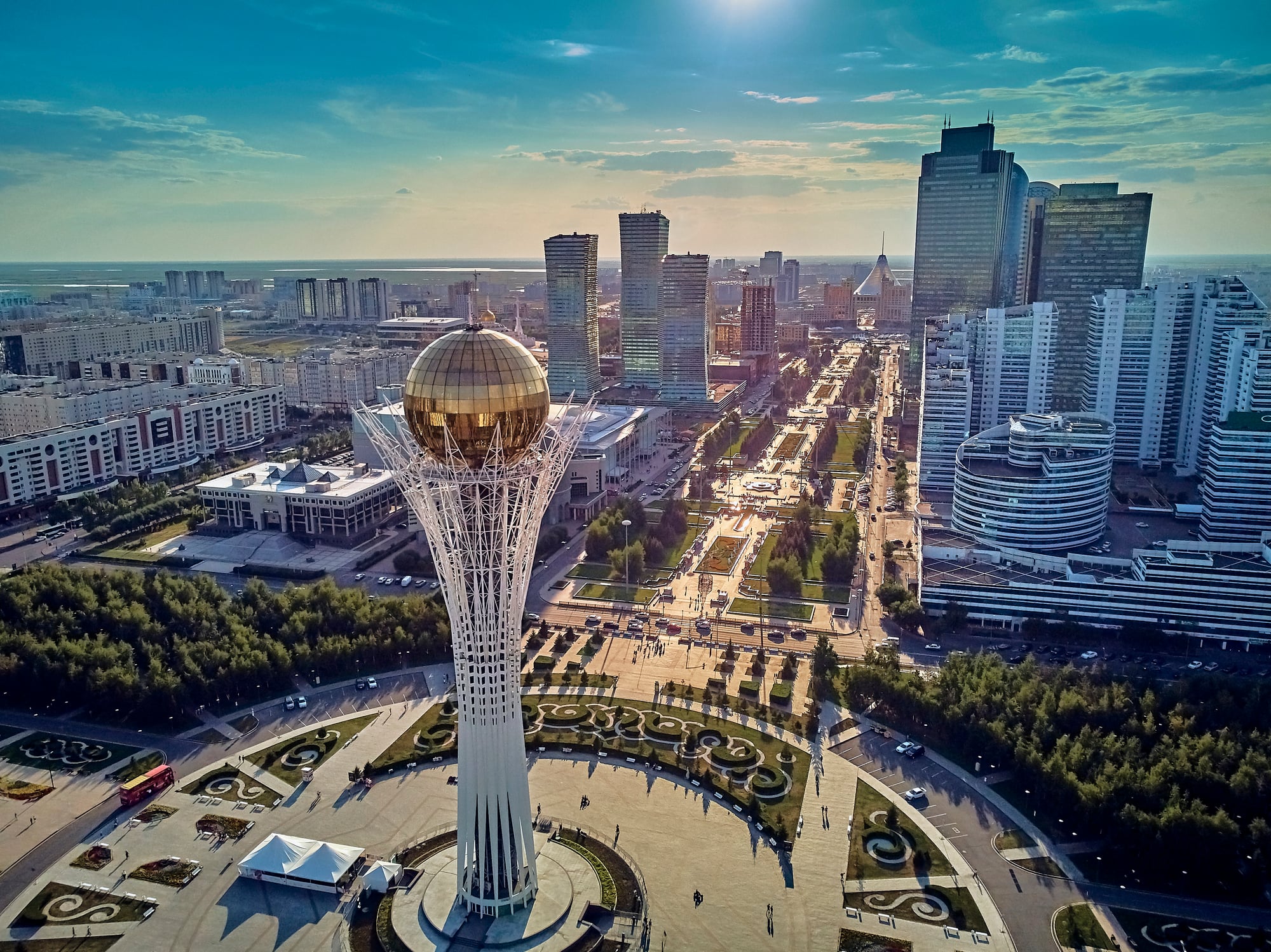
Kazakhstan became the world’s largest landlocked country after the Soviet Union collapsed. It covers over 1 million square miles, but much of it consists of steppe grasslands and deserts that support very few people.
The population concentrates in cities like Almaty and Nur-Sultan, leaving the countryside remarkably empty. The Kazakh Steppe stretches for hundreds of miles with nothing but grass and sky. Soviet-era environmental disasters, like the drying of the Aral Sea, made some regions even less habitable.
Libya
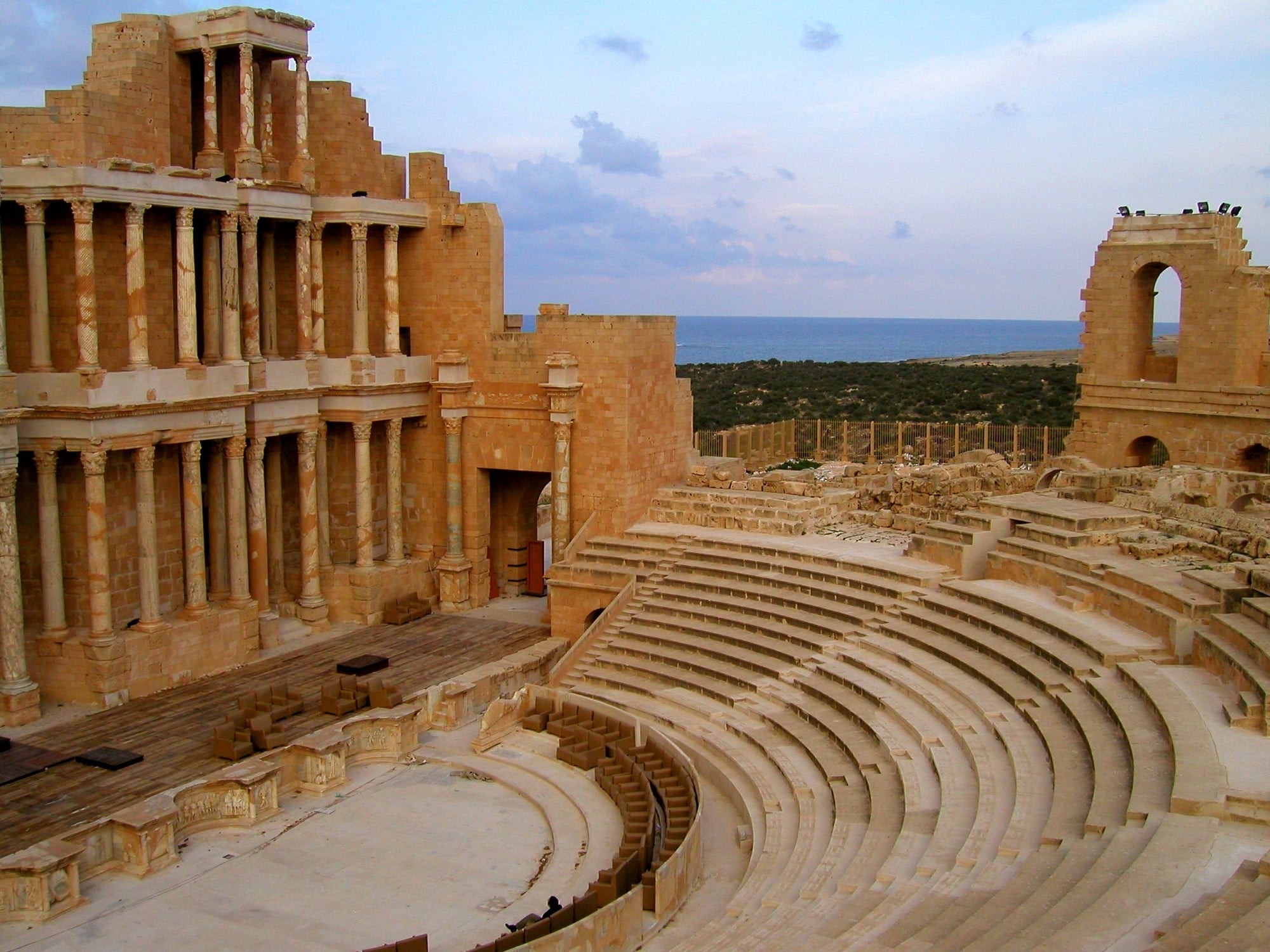
Libya sits in North Africa with about 90 percent of its territory covered by the Sahara Desert. Only a narrow coastal strip along the Mediterranean Sea supports most of the population.
The interior remains one of the emptiest places on Earth, with sand dunes, rocky plateaus, and temperatures that can exceed 130 degrees Fahrenheit. Oil fields bring workers to some desert locations, but these are temporary settlements. The rest remains as empty as it was thousands of years ago.
Mongolia

Mongolia has one of the lowest population densities of any country, with fewer than 5 people per square mile on average. The Gobi Desert covers much of the southern portion, while grasslands dominate the rest.
Nomadic herders still roam these plains with their livestock, but they’re spread so thin that you could travel for hours without seeing anyone. Harsh winters with temperatures dropping to minus 40 degrees keep most people from settling permanently in rural areas.
Greenland

Greenland technically belongs to Denmark but deserves mention for having one of the most extreme cases of unused space. Ice covers about 80 percent of the island, making it uninhabitable.
The population of roughly 56,000 people lives almost entirely along the coast in small settlements. The interior ice sheet reaches thicknesses of over 2 miles in some places, creating a frozen desert where nothing can survive.
Saudi Arabia
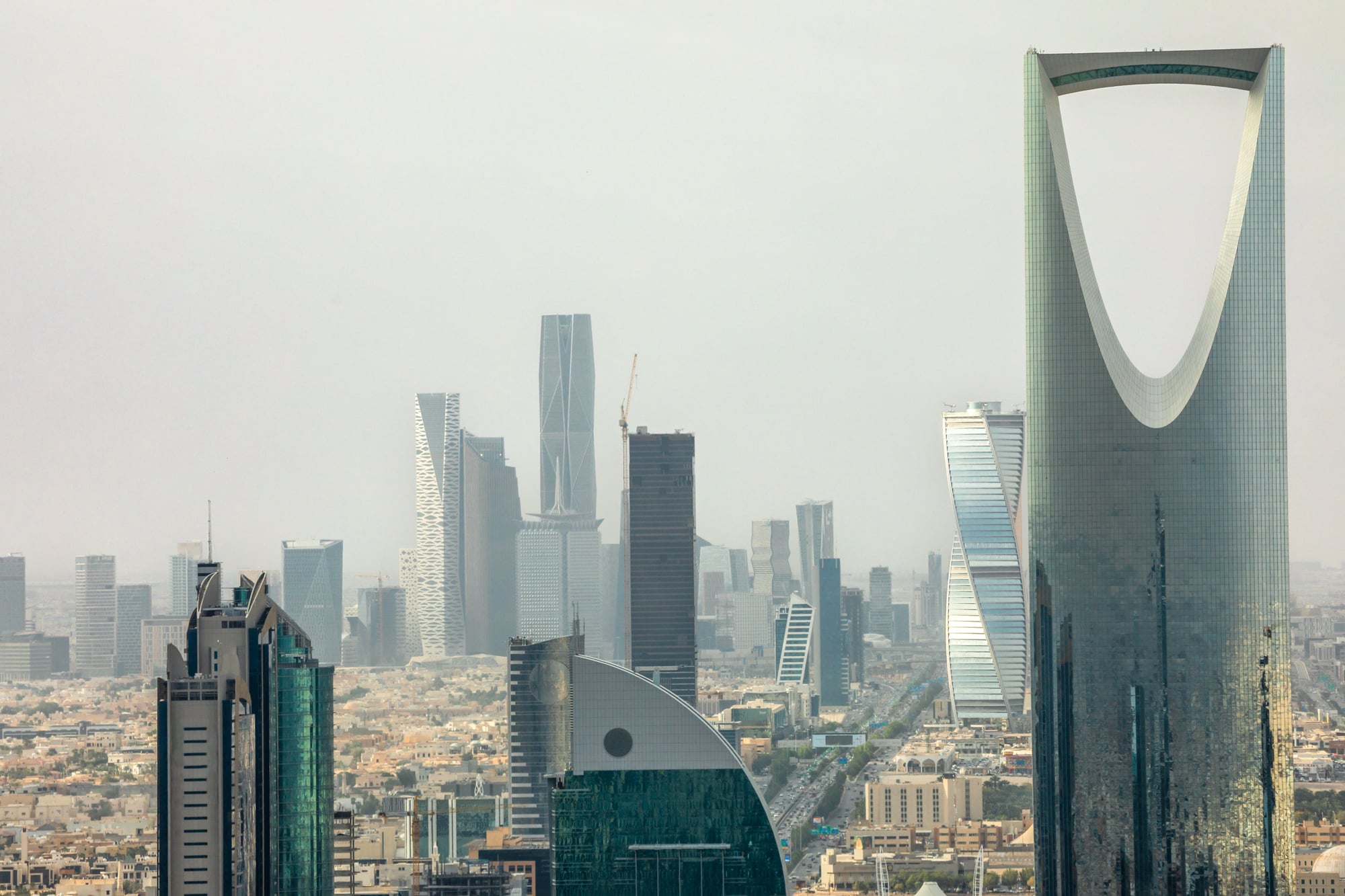
Saudi Arabia combines vast deserts with some of the hottest temperatures on Earth. The Empty Quarter, also called Rub’ al Khali, covers about 250,000 square miles of the country’s southern region.
The population clusters in cities like Riyadh, Jeddah, and Dammam, leaving huge portions of the country completely uninhabited. Oil infrastructure dots the desert, but these facilities operate with minimal human presence.
Namibia
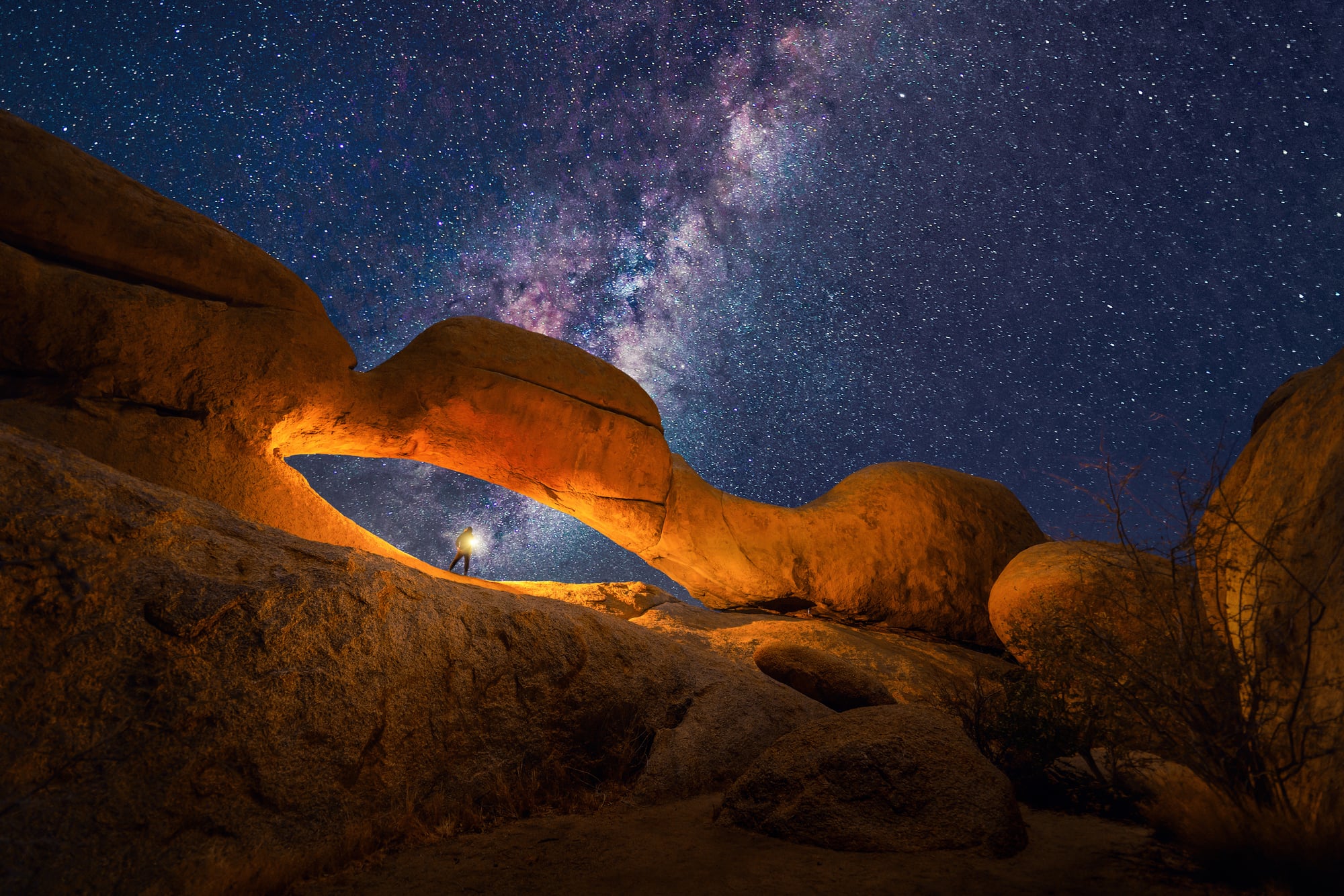
Namibia ranks as one of the least densely populated countries in the world. The Namib Desert runs along the Atlantic coast, creating a strip of land so dry that some areas haven’t seen rain in decades.
With only about 2.5 million people spread across 318,000 square miles, you can drive for hours without seeing another vehicle. Wildlife thrives in some areas, but human settlement remains sparse.
Iceland
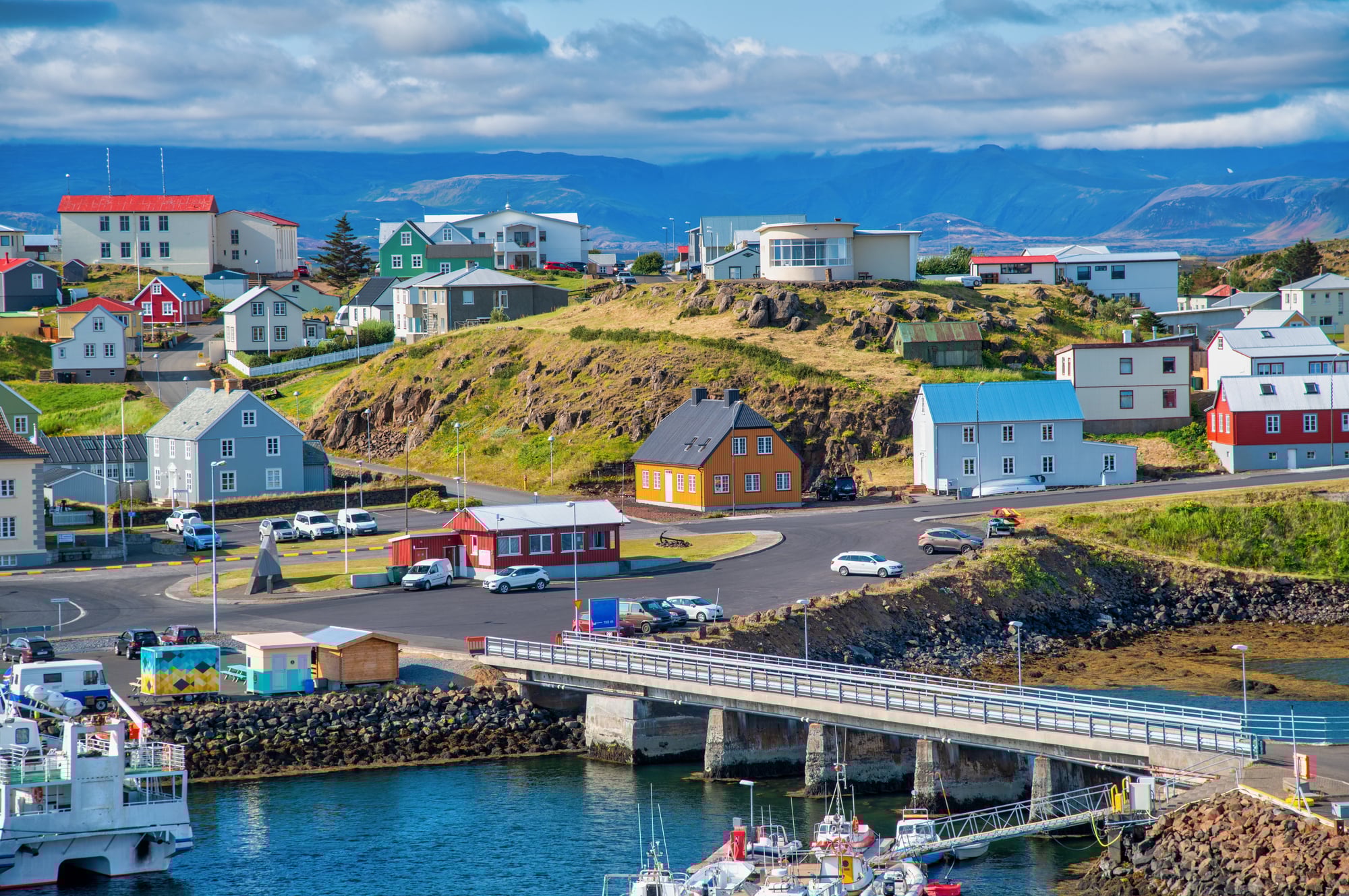
Iceland might seem small compared to other countries on this list, but much of its interior remains unused. Glaciers cover about 11 percent of the island, and volcanic wastelands make up another large portion.
The population of around 370,000 people lives almost entirely along the coast, with the interior being virtually uninhabited. Weather conditions can change rapidly, with snowstorms and high winds making travel dangerous.
Mauritania
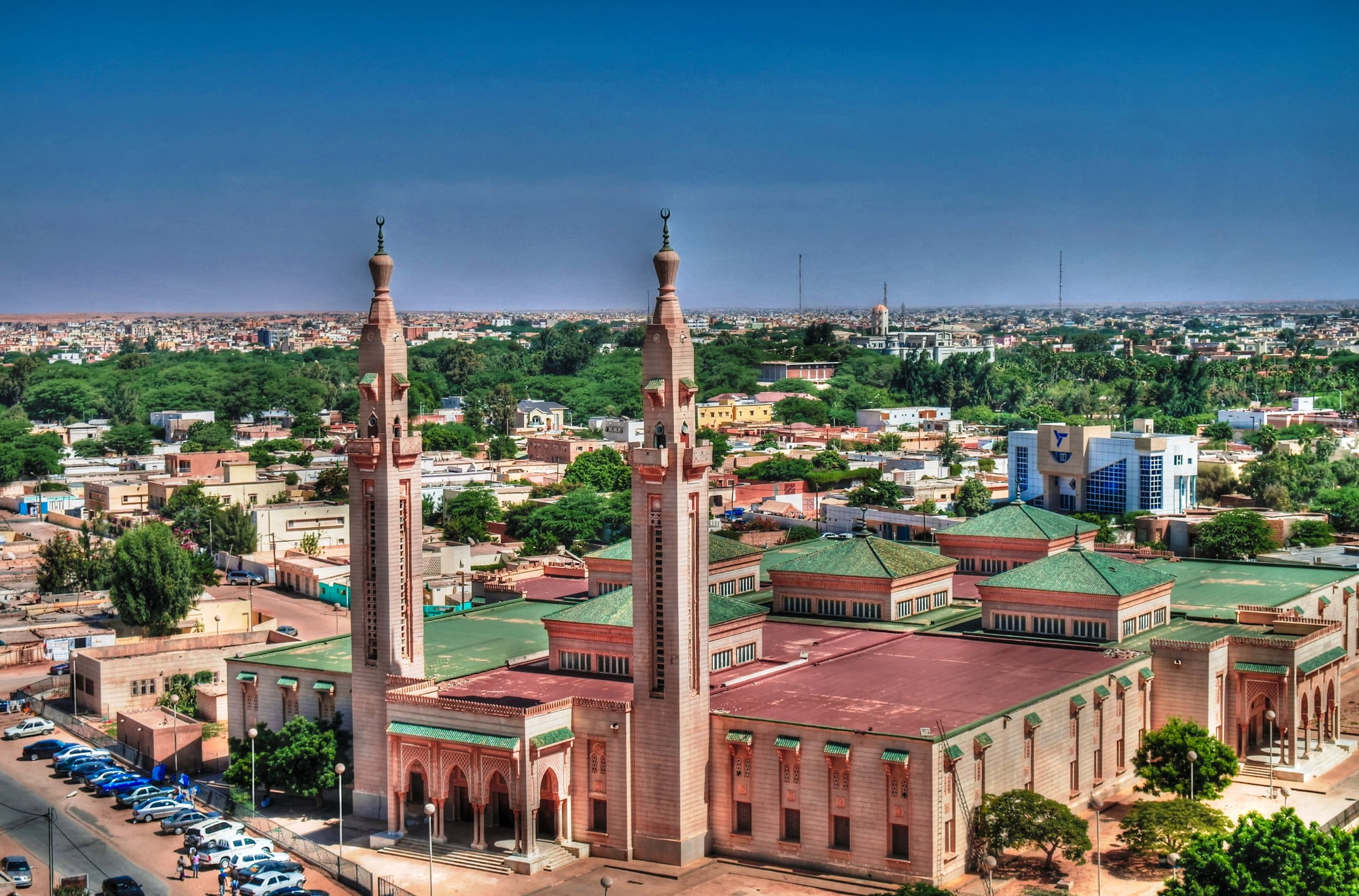
Mauritania lies on Africa’s west side, right by the huge Sahara. Nearly nine out of ten parts here are dry desert land, harsh and wide open.
Most folks stay in Nouakchott, the main city, or near the southern river called Senegal. Away from those spots, it’s just endless stretches of moving sands and scattered stone hills. The desert keeps creeping further south, so places that once supported life are now nearly uninhabitable.
Botswana
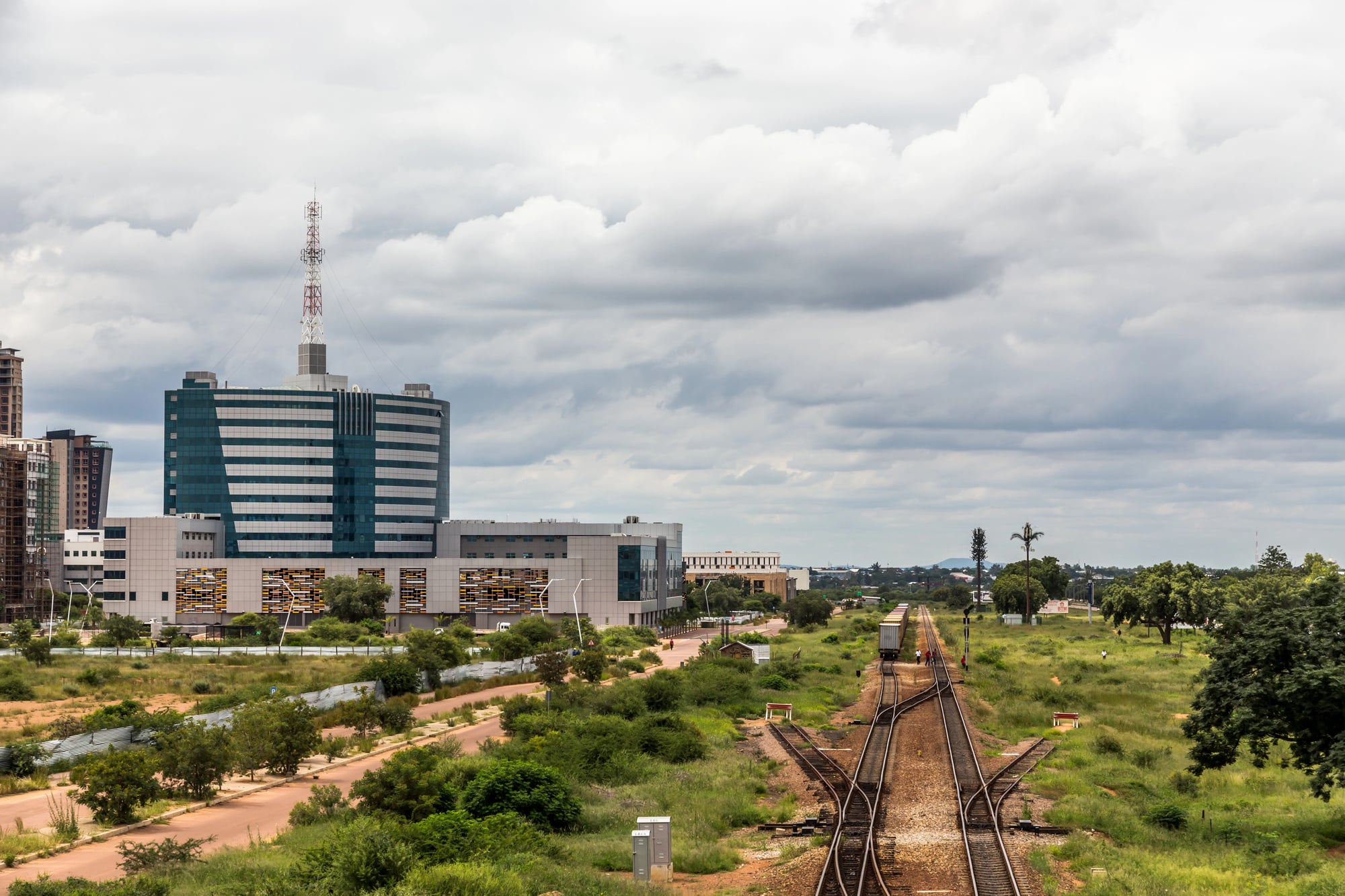
Botswana holds the Kalahari Desert—around 70 percent of the nation is covered by it. Even so, it’s handled its environment more wisely compared to several African countries.
With barely over two million people, most live in the east, while wide stretches stay empty. Wildlife and visitors flood into the Okavango Delta, yet few actually settle there.
Suriname
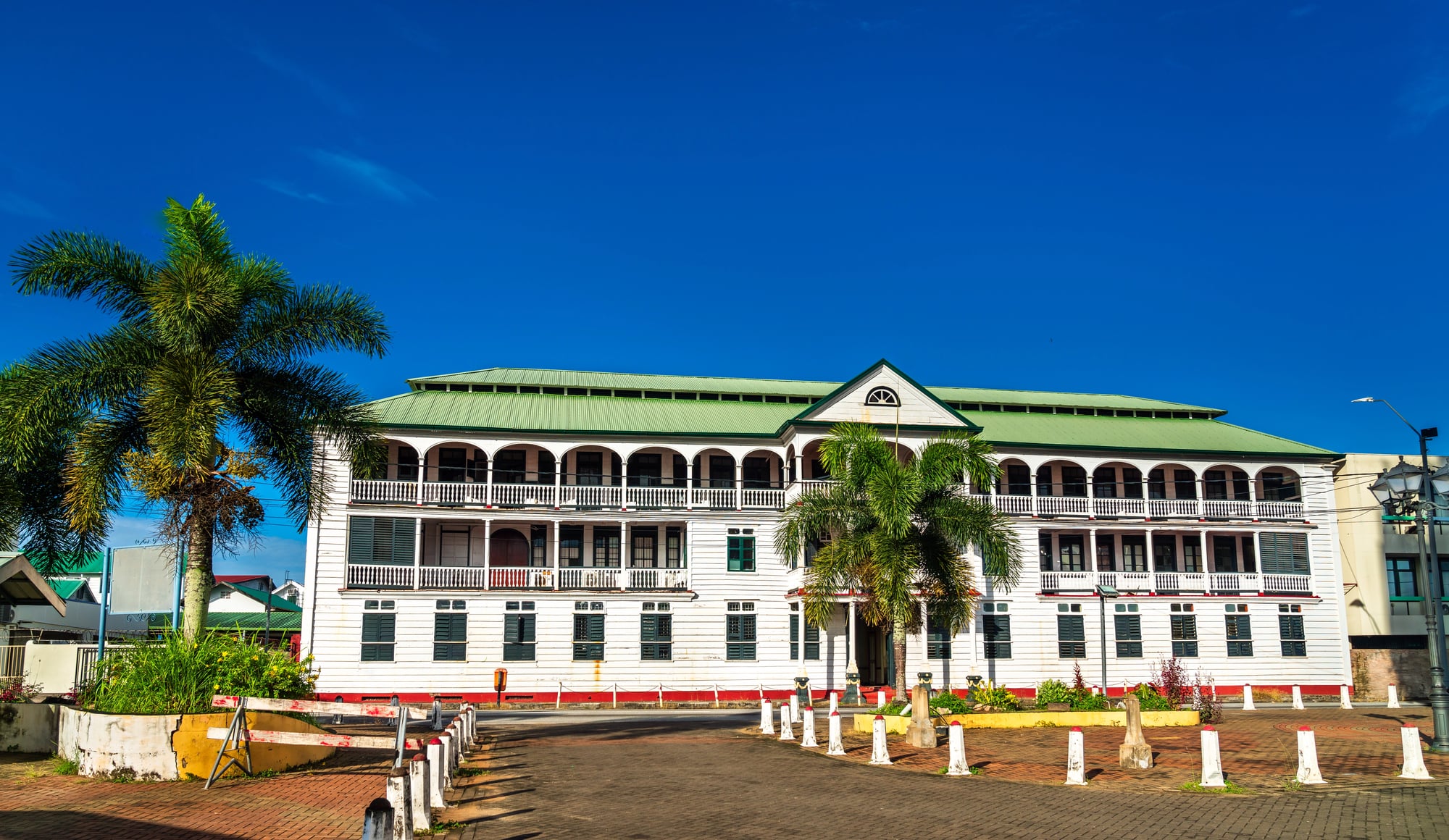
Suriname sits on the northern edge of South America, tucked between the ocean and thick green wilderness. Around 93 percent of this place stays cloaked in lush tropical forest, hardly touched by cities or roads.
Most folks stick to the coastal strip where towns and farms pop up more easily. Head inland, and it’s wild—thick trees, muddy trails, tangled vines block nearly every step. Hidden among the trees are native villages and groups like the Maroons—their populations small and scattered across vast stretches no outsider really knows.
Where Nothing’s Been Filled Yet

Those open spots show something—we’ve got 8 billion folks around, yet we barely use most of the globe’s space.
Where people settle depends on weather, land shape, or what’s underground, which keeps huge zones bare. Better tools and bigger crowds could change some places down the road, but plenty won’t get touched anytime soon. Seeing so much wide-open ground puts into focus how much elbow room Earth holds, while towns keep getting denser.
More from Go2Tutors!

- The Romanov Crown Jewels and Their Tragic Fate
- 13 Historical Mysteries That Science Still Can’t Solve
- Famous Hoaxes That Fooled the World for Years
- 15 Child Stars with Tragic Adult Lives
- 16 Famous Jewelry Pieces in History
Like Go2Tutors’s content? Follow us on MSN.