Origins of Your Favorite Cocktails
Walk into any bar today and the drink menu reads like a novel.
Cocktails have become serious business, with bartenders treating their craft like an art form.
But every drink has a story, and most of them are way more interesting than people realize.
Some were invented by accident, others came from necessity, and a few were born out of pure creativity during wild times in history.
Let’s dive into where some of these classic drinks actually came from.
Margarita

Nobody can agree on who made the first margarita, which makes the story even better.
One popular tale says a bartender in Tijuana created it in 1938 for a showgirl named Marjorie King, who was allergic to most alcohol but could handle tequila.
Another story credits a socialite in Acapulco who mixed it up for her friends at a party in 1948.
The drink probably evolved from earlier tequila cocktails that Mexicans had been enjoying for years.
What everyone does agree on is that tequila, lime, and orange liqueur make a pretty great combination, no matter who thought of it first.
Old Fashioned
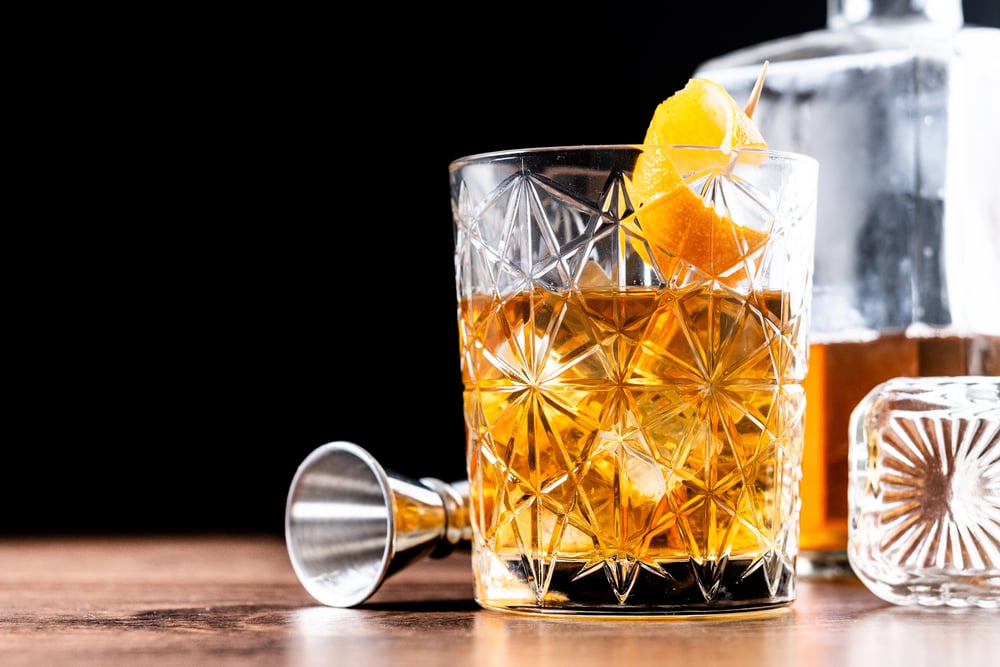
This drink lives up to its name because it’s genuinely old.
Bartenders in Louisville, Kentucky started making it in the 1880s at a private club.
A bartender there supposedly created it for a prominent colonel who wanted something simple and strong.
The recipe was just whiskey, sugar, bitters, and water, which people considered basic even back then.
The drink got its name because customers would ask for a cocktail made the ‘old fashioned’ way, without all the fancy stuff other bartenders were adding.
It became the blueprint for what a real cocktail should taste like.
Mojito

This Cuban classic has roots going back to the 1500s, though it looked pretty different back then.
Pirates and sailors in Havana drank a mixture of aguardiente, sugar, lime, and mint to help with scurvy and upset stomachs.
The modern version showed up in Havana bars during the early 1900s once rum production got better.
Ernest Hemingway loved them and basically made them famous by drinking them constantly at La Bodeguita del Medio.
The bar still has his picture on the wall and tourists pack the place hoping to drink where he did.
Bloody Mary
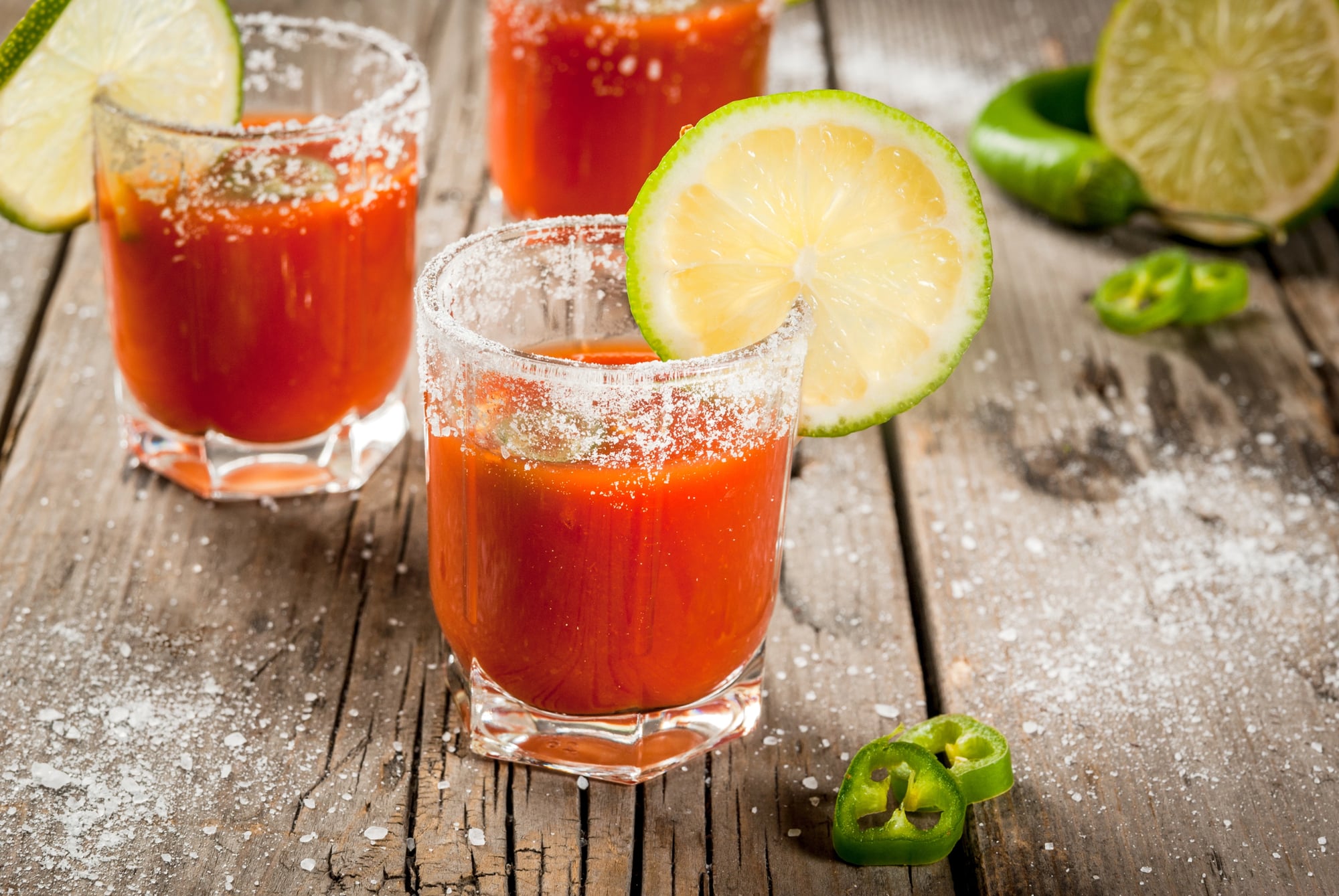
A bartender named Fernand Petiot mixed the first one at Harry’s New York Bar in Paris during the 1920s.
He combined vodka and tomato juice, which sounds weird but apparently people liked it.
When he moved to New York and started working at the St. Regis Hotel, he spiced it up with Worcestershire sauce, lemon, cayenne, and salt.
Some people say he named it after Queen Mary I of England, while others think it came from a girl named Mary who worked at a club in Chicago.
The drink became the go-to hangover cure, probably because all those vegetables and spices shock your system back to life.
Manhattan

This one definitely came from New York, though the exact details get fuzzy.
The most common story says it was created at the Manhattan Club in the 1870s for a party thrown by Winston Churchill’s mother.
That story sounds great but probably isn’t true since she was in England giving birth around that time.
More likely, a bartender at a bar near the club invented it and people just started calling it Manhattan because of where it came from.
The mix of whiskey, sweet vermouth, and bitters became a hit with New York’s upper class and spread from there.
Daiquiri
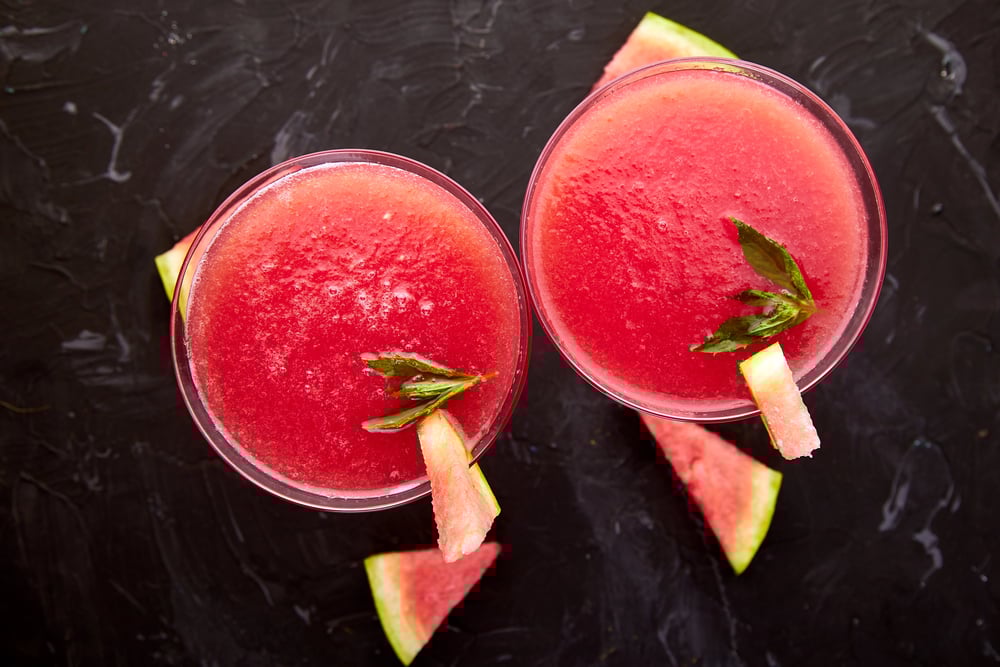
An American mining engineer named Jennings Cox invented this in Cuba around 1898.
He ran out of gin while entertaining guests and had to improvise with the local rum.
He mixed it with lime juice and sugar, and everyone loved it despite the substitution.
Cox named it after the beach near the mines where he worked.
The drink stayed relatively unknown until it hit bars in the United States and became one of President Kennedy’s favorites.
Now it comes in about a million frozen fruit flavors, though purists still prefer the original simple version.
Cosmopolitan

This pink drink became huge in the 1990s thanks to a certain TV show about four women in New York.
But it actually started in the 1970s when a bartender in Provincetown, Massachusetts was messing around with vodka and cranberry juice.
The modern version got refined in Miami and then New York during the 1980s.
It uses vodka, Cointreau, lime juice, and cranberry juice to get that signature color.
The drink became so popular during the late 90s that bartenders got sick of making them, but it helped make vodka the dominant spirit in American bars.
Pina Colada

Puerto Rico’s national drink was born at the Caribe Hilton in San Juan in 1954.
Bartender Ramon ‘Monchito’ Marrero spent months trying to create a signature drink for the hotel.
He finally settled on rum, coconut cream, and pineapple juice blended with ice.
The hotel loved it so much they kept Monchito on staff for another 35 years.
Puerto Rico even passed a law in 1978 declaring it their official drink.
It tastes like vacation in a glass, which explains why tourists order them by the gallon.
Martini
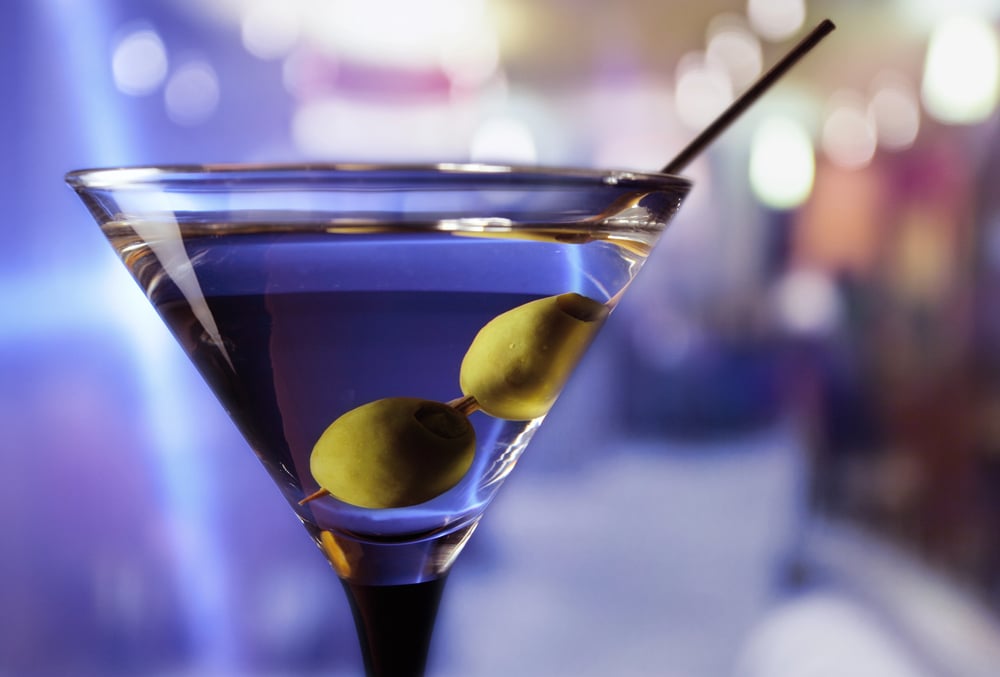
The martini’s origin story is messier than most because several places claim to have invented it.
One theory says it came from Martinez, California during the Gold Rush days.
Another credits a bartender in San Francisco who made it for a miner heading to Martinez.
The drink probably evolved from a cocktail called the Martinez, which used sweet vermouth and gin.
Over time, bartenders made it drier by using less vermouth until some people started just waving the vermouth bottle over the glass.
James Bond made it famous by ordering it ‘shaken, not stirred,’ though bartenders will tell you that’s the wrong way to make it.
Mai Tai

Victor Bergeron, who owned Trader Vic’s restaurant in Oakland, created this in 1944.
He mixed rum, lime juice, orgeat syrup, and orange liqueur for some friends visiting from Tahiti.
One of them tried it and said ‘Mai Tai Roa Ae,’ which means ‘out of this world’ in Tahitian.
The name stuck and so did the drink’s popularity.
Don the Beachcomber, another tiki bar owner, claimed he invented it first, and the two argued about it for years.
Whoever made it first, the Mai Tai became the face of tiki culture in America.
Negroni
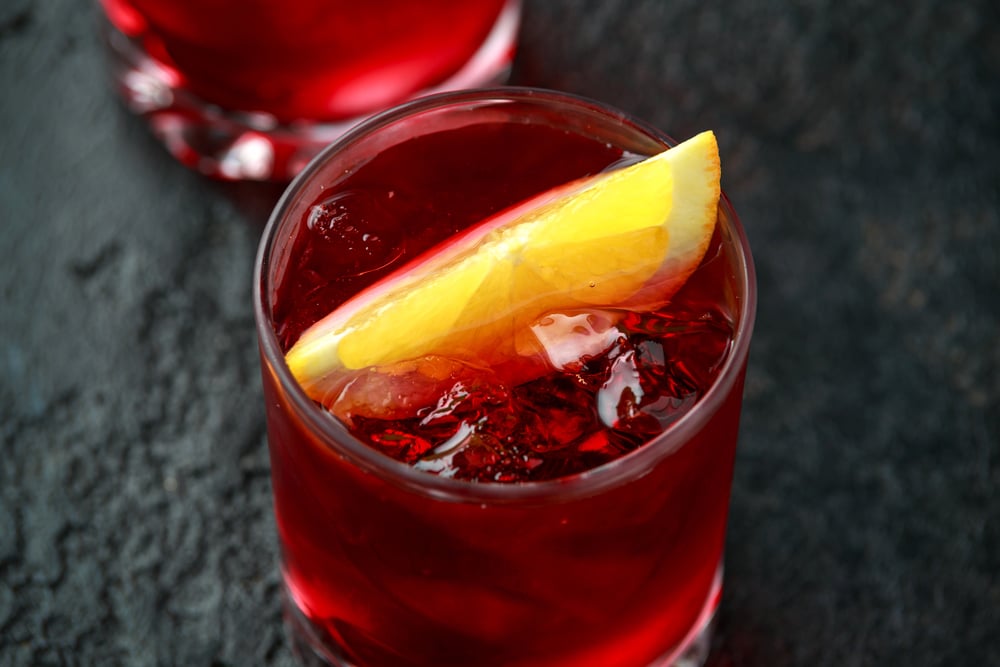
Count Camillo Negroni walked into a bar in Florence, Italy in 1919 and asked the bartender to make his usual Americano stronger.
The bartender swapped out the soda water for gin and added an orange peel instead of lemon.
The count loved it and started ordering it regularly.
Other customers noticed and started asking for a ‘Negroni’ too.
The drink is basically equal parts gin, Campari, and sweet vermouth, which sounds simple but creates a perfectly balanced bitter cocktail.
It’s become trendy again in recent years, with bars dedicating entire menus to Negroni variations.
Mint Julep

This Southern classic dates back to the late 1700s, making it one of America’s oldest cocktails.
People in Virginia and Kentucky started drinking it as a morning pick-me-up, which says something about life back then.
The recipe is straightforward: bourbon, sugar, water, crushed ice, and lots of fresh mint.
It became the official drink of the Kentucky Derby in 1938, and now they serve about 120,000 of them during Derby weekend.
The drink has to be served in a silver or pewter cup to be authentic, and the cup gets so cold it frosts over in the humid Southern heat.
Whiskey Sour

This one showed up in Wisconsin in 1870, created by a bartender named Elliott Stubb.
He published the recipe in his bartending guide and it spread quickly through American bars.
The combination of whiskey, lemon juice, and sugar is simple but effective.
Some bars add egg white to make it frothy, which makes the drink look fancier and taste smoother.
Sailors used to drink similar mixtures to prevent scurvy during long voyages, though they probably weren’t worried about the presentation.
The drink works with almost any type of whiskey, which makes it easy for bartenders to customize.
Aperol Spritz

This bright orange drink came from Italy in the early 1900s, though it didn’t look quite the same back then.
The Barbieri brothers created Aperol liqueur in 1919, and people started mixing it with wine and soda water.
The modern version with Prosecco became popular in the 1950s around Venice and northern Italy.
It’s lighter than most cocktails and meant for sipping in the afternoon.
The drink invaded the United States during the 2010s and became the unofficial drink of brunch culture.
You can spot them from across the room because of that distinctive neon orange color.
Moscow Mule
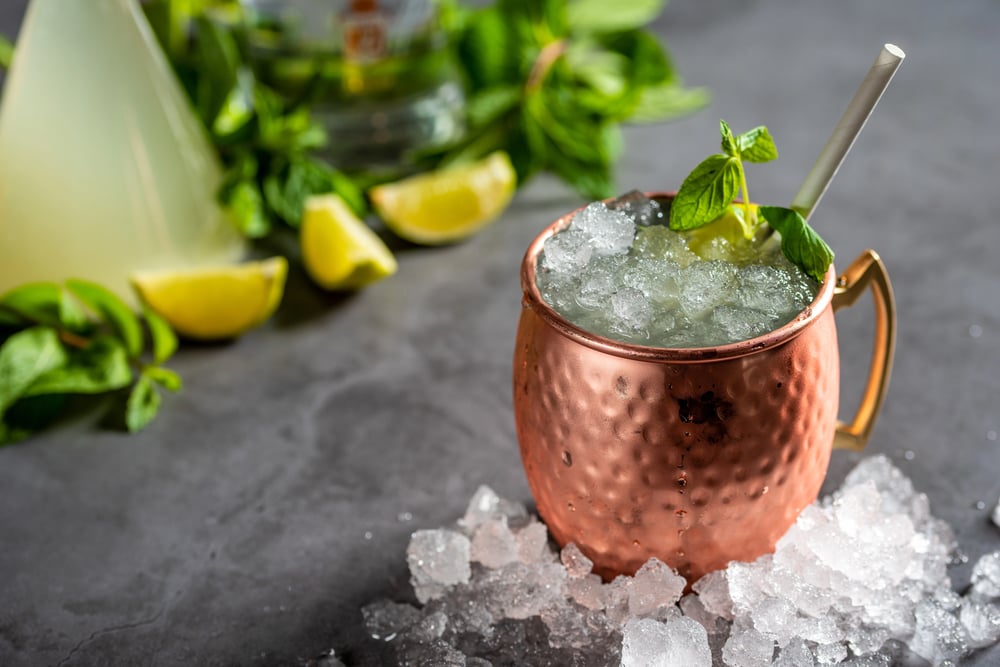
Three guys with business problems created this drink in 1941 at the Chatham Hotel in Los Angeles.
One owned a vodka company that wasn’t selling well, another had a warehouse full of ginger beer nobody wanted, and the third had ordered too many copper mugs.
They combined their problems into one solution and the Moscow Mule was born.
The copper mug became essential to the drink’s identity and helped it stand out.
Vodka wasn’t popular in America at the time, but this drink helped change that and kicked off the vodka craze.
Caipirinha
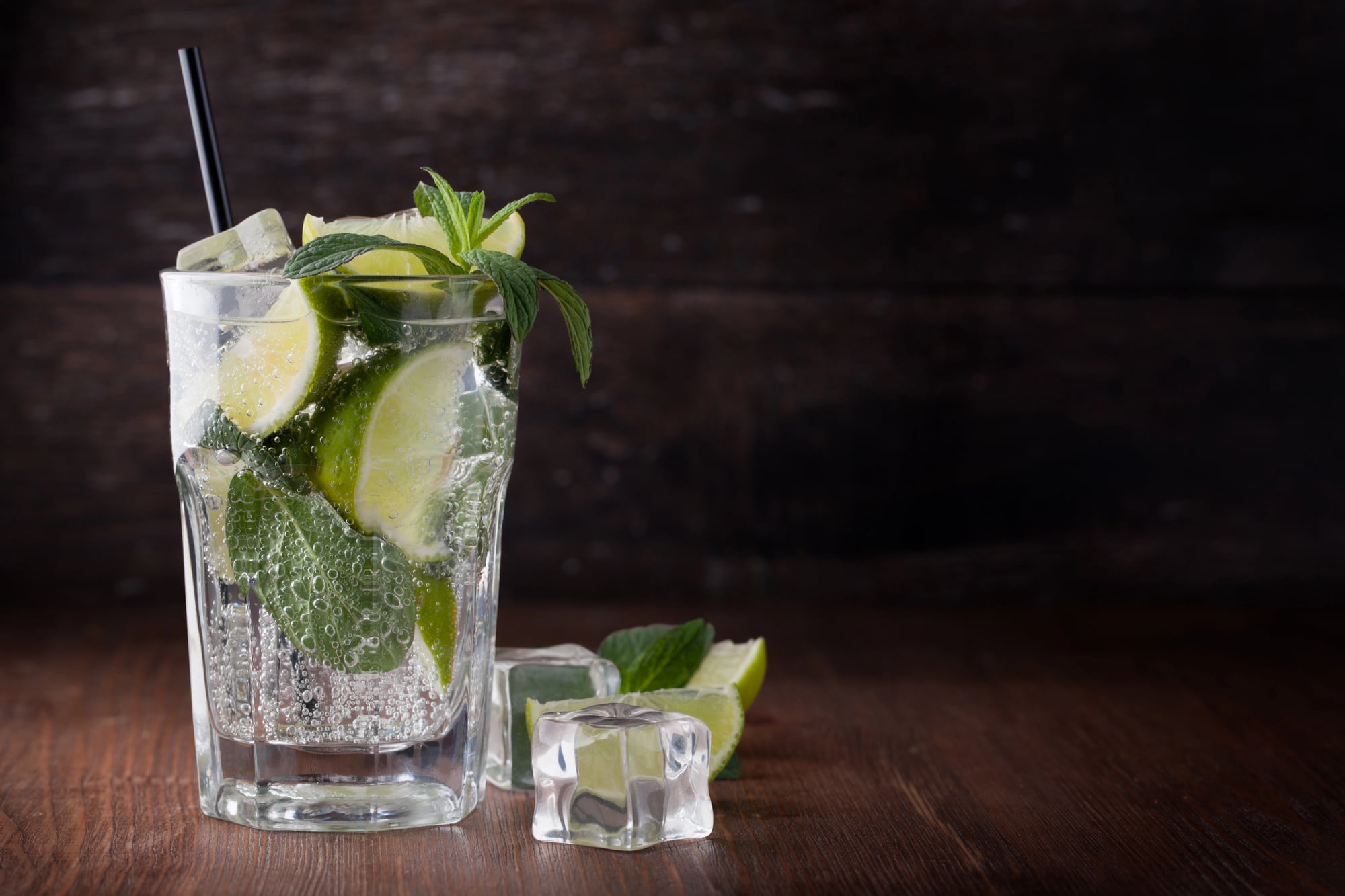
Brazil’s national cocktail uses cachaca, which is a spirit made from fermented sugarcane juice.
Farmers in Sao Paulo started drinking it in the early 1900s, originally as a remedy for the flu.
They would mix cachaca with lime, honey, and garlic, which sounds terrible but supposedly helped people feel better.
Someone eventually realized it tasted way better with sugar instead of honey and without the garlic.
The name comes from the word ‘caipira,’ which refers to someone from the countryside.
The drink stayed mostly local until Brazil started promoting it to tourists, and now you can find it at bars worldwide.
Tom Collins
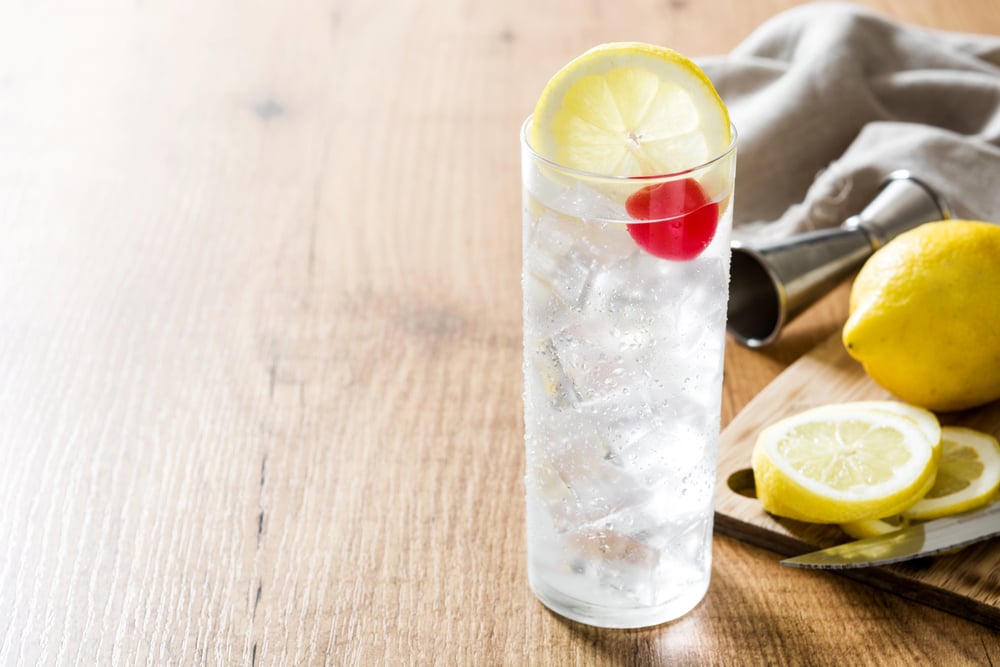
A bartender named John Collins created this at a hotel in London during the 1800s.
He originally made it with Old Tom gin, which was sweeter than the gin people drink today.
The combination of gin, lemon juice, sugar, and soda water became a hit with hotel guests.
Americans changed the name to Tom Collins to match the Tom they used in the recipe.
A weird hoax in 1874 made the drink even more famous when people would tell their friends ‘Tom Collins is talking about you at the bar down the street,’ sending them on a wild goose chase.
The prank got so popular that bars started making the drink just to have something to offer confused customers looking for this Tom Collins guy.
Irish Coffee
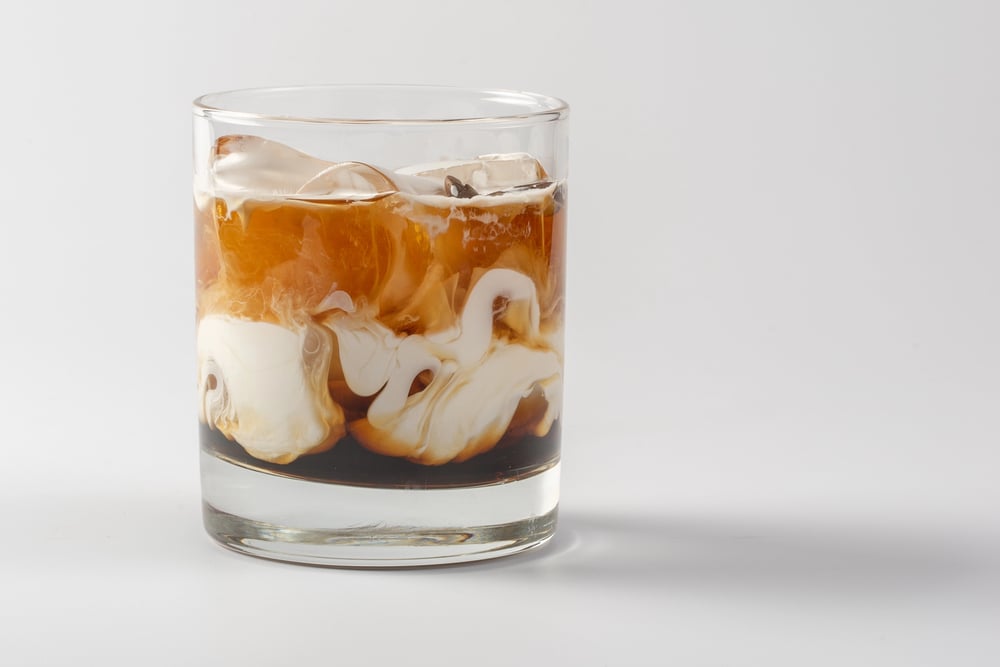
This one has a clear origin story that actually makes sense.
Joe Sheridan worked at an airport restaurant in Ireland during the 1940s.
A flight to America had to turn back because of bad weather, and the cold, disappointed passengers needed something to warm them up.
Sheridan added whiskey to their coffee and topped it with cream.
When someone asked if it was Brazilian coffee, he said ‘No, that’s Irish coffee.’
A travel writer tried it, loved it, and brought the recipe back to San Francisco’s Buena Vista Cafe in 1952.
They’ve been making them the same way ever since, going through about 2,000 glasses a day.
From then to now
These drinks survived because they hit that sweet spot of being simple enough to remember but interesting enough to keep people coming back.
Bartenders today still use these recipes as starting points for new creations.
The stories behind them remind us that sometimes the best inventions come from happy accidents, limited resources, or someone just trying to fix a problem.
Next time you order one of these classics, you’ll know it comes with a lot more history than most people realize when they’re just trying to unwind after work.
More from Go2Tutors!

- The Romanov Crown Jewels and Their Tragic Fate
- 13 Historical Mysteries That Science Still Can’t Solve
- Famous Hoaxes That Fooled the World for Years
- 15 Child Stars with Tragic Adult Lives
- 16 Famous Jewelry Pieces in History
Like Go2Tutors’s content? Follow us on MSN.