28 Board Games That Caused More Family Arguments Than Any Holiday Dinner
There’s a particular kind of silence that falls over a living room right before a board game turns ugly. Someone’s counting spaces a little too carefully.
Someone else is staring at a stack of cards like it personally betrayed them. Every family has at least one game that gets pulled out every year with cheerful intentions and somehow still ends with someone storming off to “get some air.”
These are the games that do it best.
Monopoly
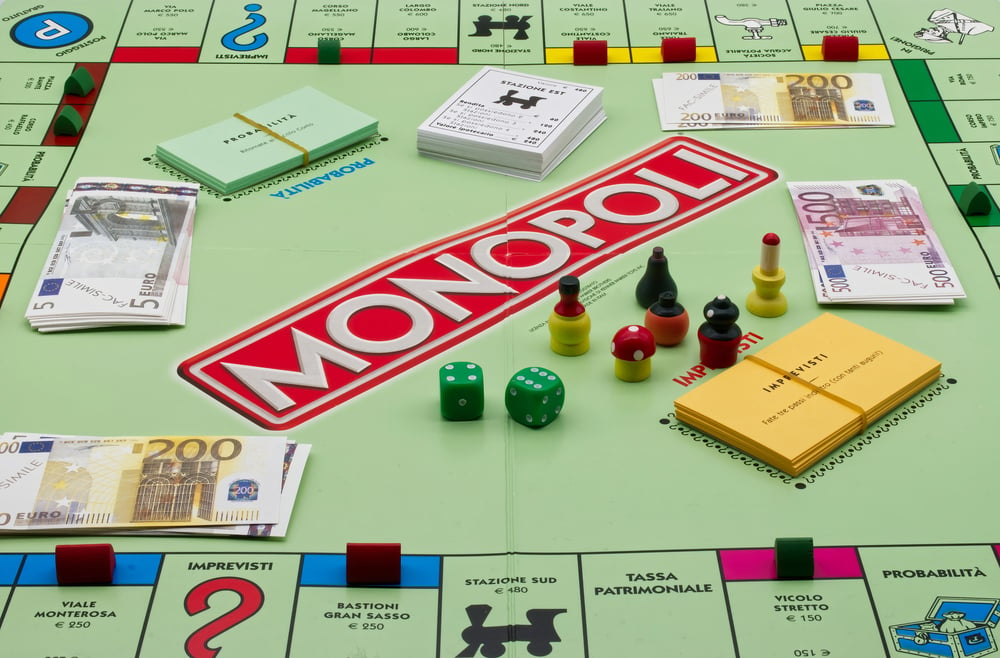
Monopoly turns siblings into enemies within twenty minutes. Someone always accuses someone else of stealing from the bank.
The game does not end so much as it gets abandoned mid-fight.
Risk
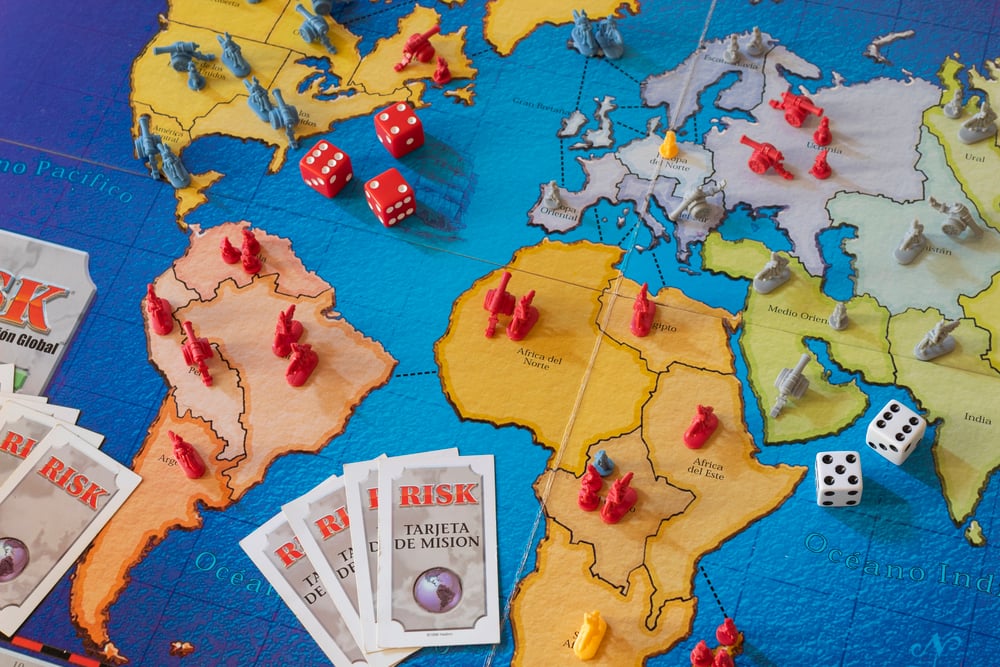
Risk turns a living room into a battlefield where alliances get made over snacks and broken before dessert arrives, and nobody remembers who started the betrayal in the first place (though everyone insists it wasn’t them). But that’s the game: world domination dressed up as a family activity, which is a strange thing to hand a group of people who already share a kitchen table — because sharing dishes is hard enough.
So the arguments aren’t really about territory in Kamchatka; they’re about trust, and trust doesn’t reset just because the board gets packed away.
Sorry!
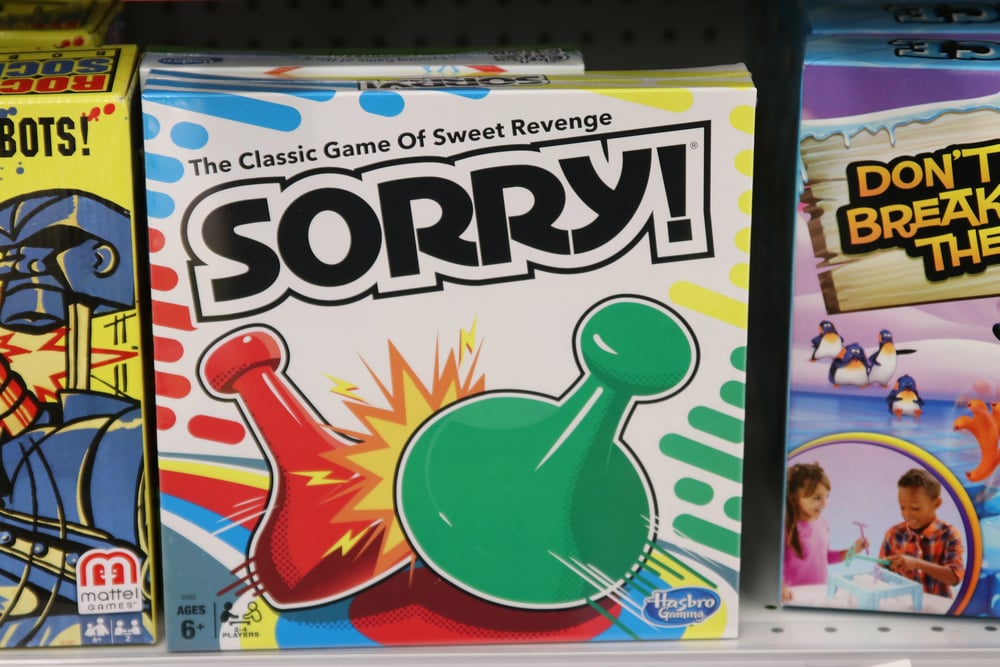
Sorry! is a small, deceptively cheerful trap dressed up in primary colors, the kind of game that smiles right before it sends your piece back to start. There’s something almost cruel about a board that apologizes while it ruins your progress, like a friend who says “no offense” right before saying something offensive.
Kids learn early that the title is decorative, not sincere. By the third slide, the apology stops meaning anything at all.
Catan
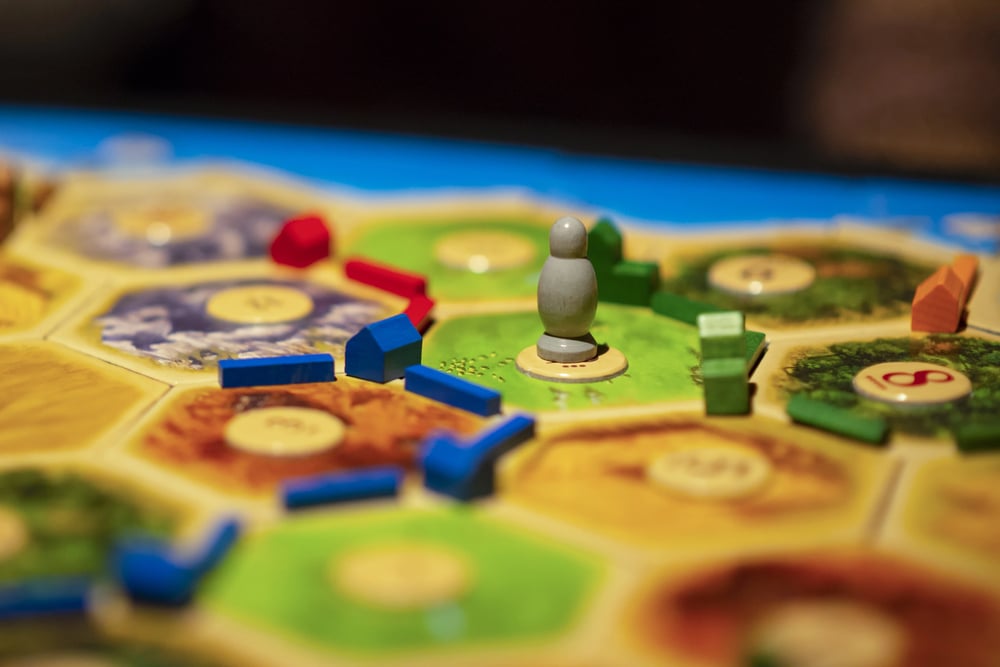
Catan ruins friendships faster than almost any other game on a shelf, and that’s saying something. The trading phase is where decency goes to die — everyone smiles while quietly starving their neighbor of brick.
Nobody needs sheep that badly, and yet grown adults will lie about their hand like it’s a courtroom trial. To be fair, the game was built for this; it just never warns you in the instructions.
Trivial Pursuit
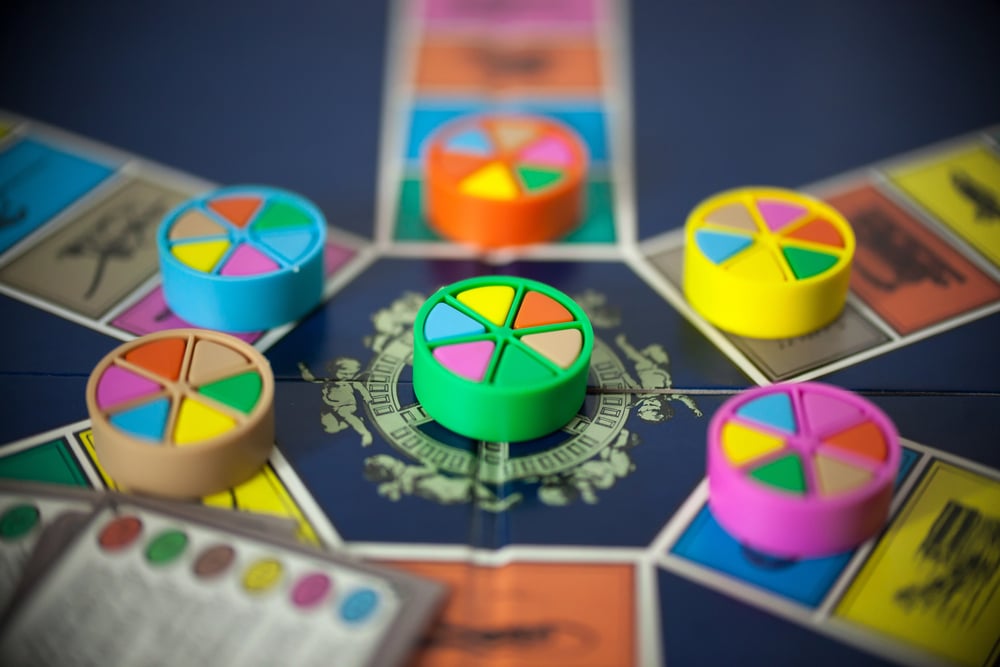
Trivial Pursuit exposes people. Someone always insists their wrong answer was technically right.
The rulebook gets pulled out, tempers flare, and somehow it’s always the geography questions that start it.
Uno
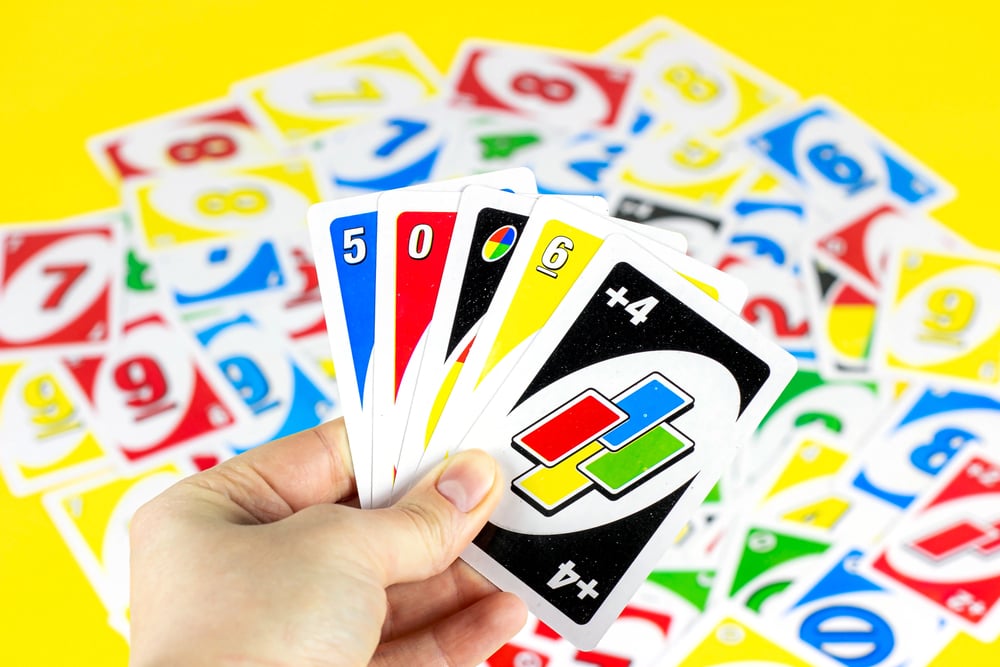
Uno looks harmless — a stack of colorful cards for kids — until someone plays a Draw Four out of nowhere and the room goes quiet in that specific way rooms go quiet before an argument starts. And the stacking rules: nobody agrees on them, every family has its own version, and that disagreement alone has ended more game nights than the actual gameplay.
So it’s less a card game than a referendum on whose household rules are correct, which turns out to be nobody’s business but somehow everybody’s fight.
The Game Of Life
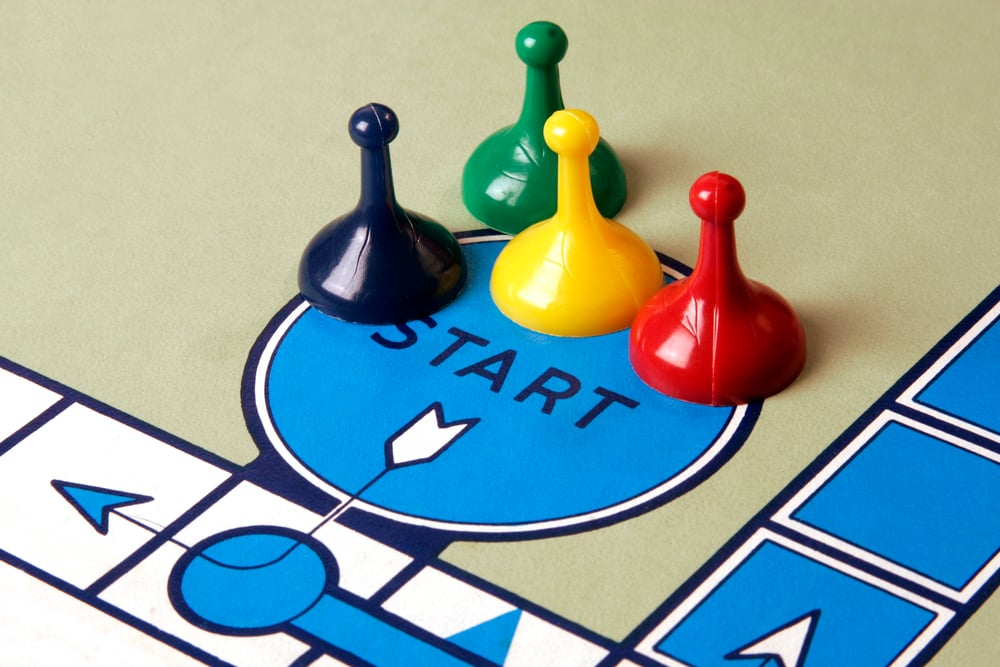
The Game of Life hands you a plastic car and a fistful of pretend decisions, then quietly punishes you for choosing college over a shortcut to a paycheck. There’s something oddly honest about a board that pits debt against detours, even if it dresses the whole thing up in pastel money and a spinning wheel.
Watching a ten-year-old land on “bankruptcy” feels less like a game mechanic and more like a small, spinning lesson in consequence. It corrects you before life gets the chance to.
Clue
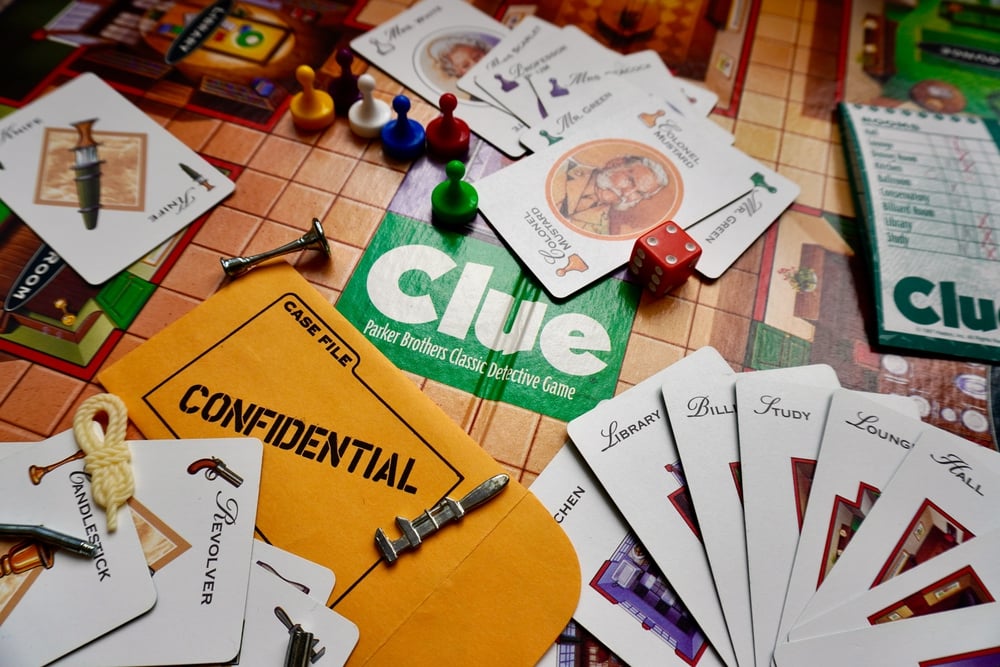
Clue turns detectives out of people who can barely keep track of their own car keys, and somehow that’s the appeal. Everyone accuses everyone else of holding the wrong card just to throw them off, which is basically lying with extra steps.
The real mystery isn’t who did it in the study with the candlestick — it’s why grown adults take a guessing game this personally. Turns out, nobody likes being wrong in front of family.
Pictionary
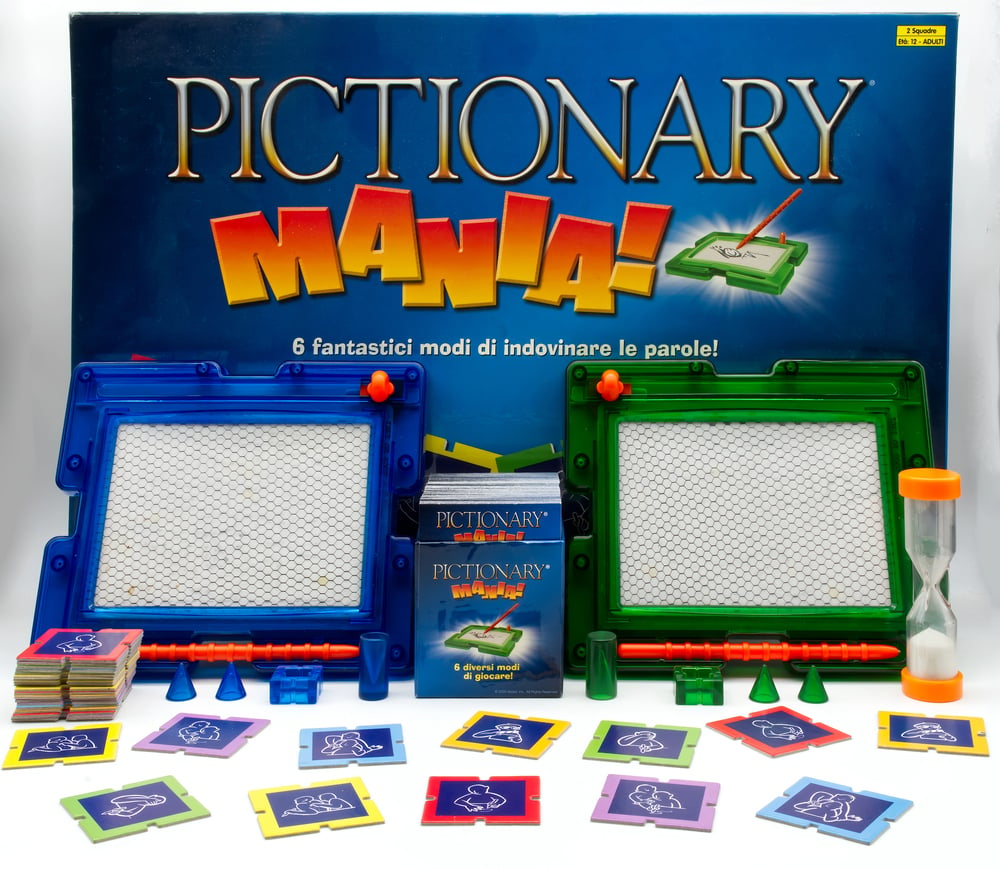
Pictionary reveals who can’t draw. It reveals who can’t guess, either.
Someone always yells the answer a beat too late, and someone always insists their stick figure was obvious.
Scrabble
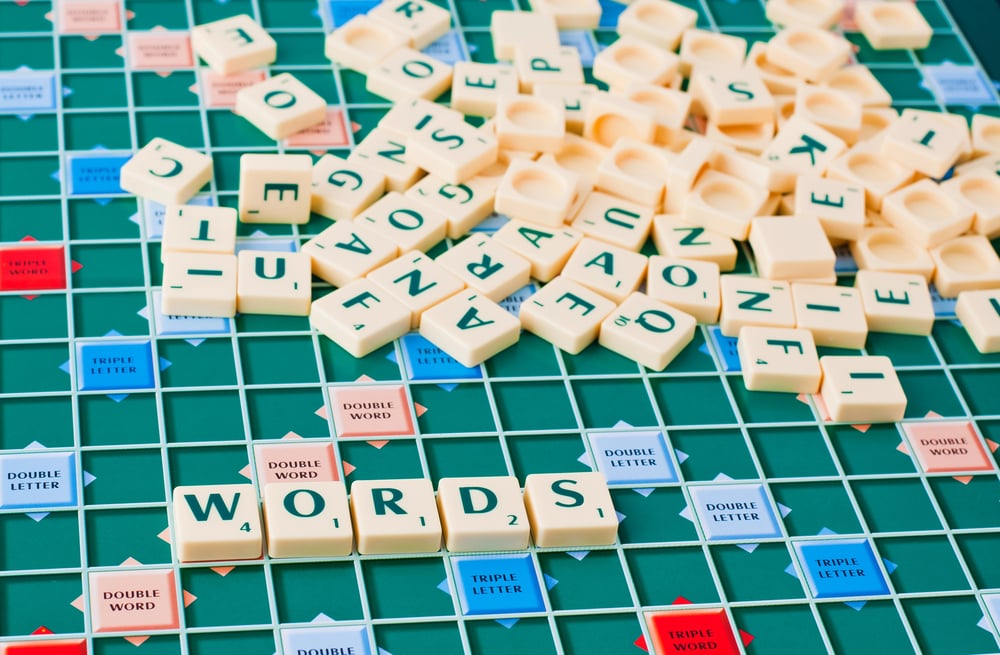
Scrabble seems quiet and civilized, right up until someone plays a word nobody’s heard of and reaches for the dictionary like it’s a weapon — which, in that moment, it kind of is. And the triple word score arguments: who saw it first, who blocked it on purpose, whether “qi” counts as a real word or just a desperate excuse, these debates can outlast the actual game.
So the tile bag becomes less a source of letters and more a source of grudges, one vowel at a time.
Diplomacy
Diplomacy doesn’t just allow betrayal, it depends on it, the way a bonfire depends on something being burned. Friends sit across from each other making promises they both already know are temporary, and somehow everyone agrees to play anyway.
The game ends, but the silence in the car ride home tells you it isn’t really over. Some board games test luck; this one tests exactly how much you trust the people you love.
Ticket To Ride
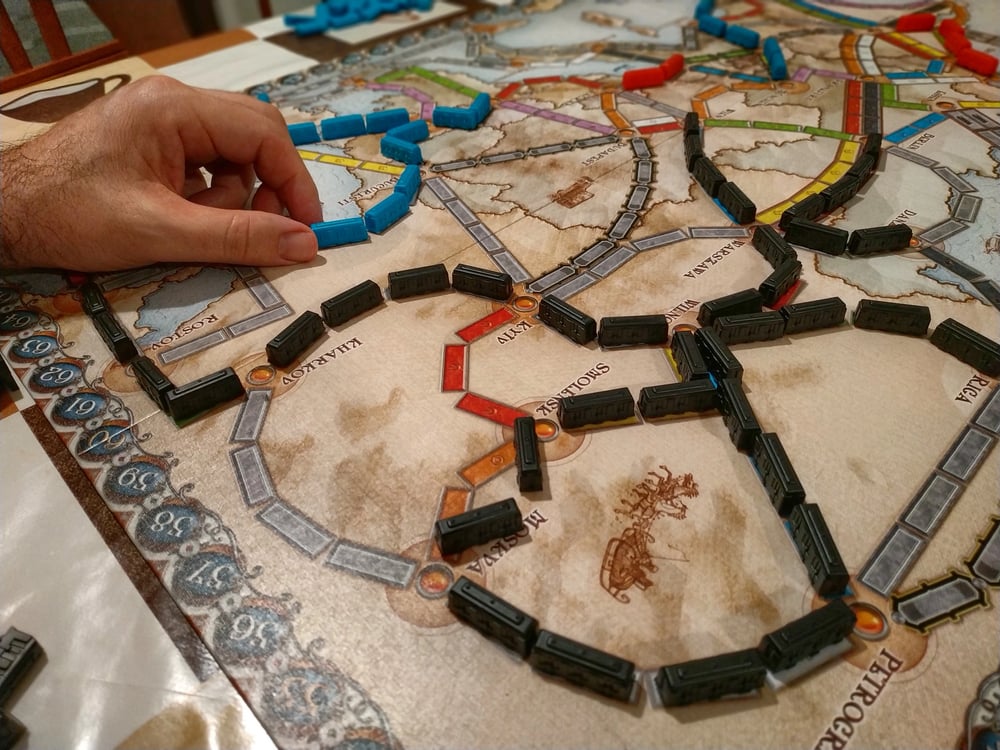
Ticket to Ride pretends to be peaceful, and that’s the trick of it. Everyone’s quietly hoarding train cars while smiling and asking about someone’s week, and then someone snatches the exact route another player spent three turns building toward.
There’s no yelling in this one, which somehow makes it worse — the resentment just simmers instead of erupting. It’s the most passive-aggressive board game ever printed, which is impressive for something themed around trains.
Jenga

Jenga builds tension one block at a time. Hands shake, breath gets held, and someone always blames the table for wobbling.
The collapse never feels like an accident to the person who caused it.
Twister
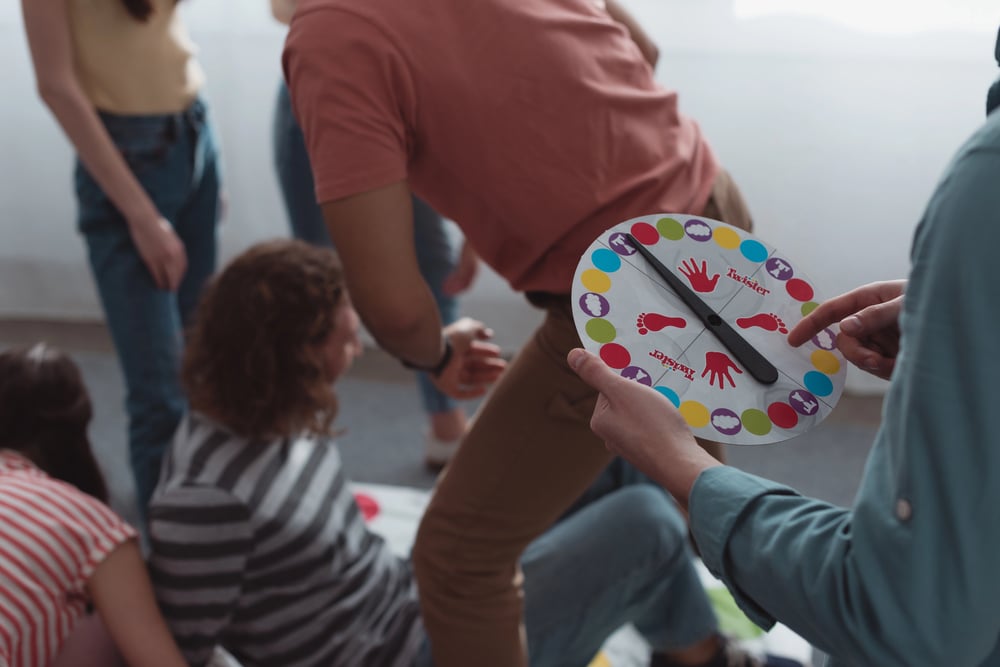
Twister starts as a party game and ends as a referendum on whose limb goes where — and somewhere in the middle of all that stretching, dignity quietly excuses itself from the room. And the spinner: someone’s always convinced it’s rigged, landing on the same colors again and again until the accusations start flying faster than the actual moves.
So what looks like a lighthearted mat covered in circles turns into a full-body argument about fairness, which is a strange thing to get from a game with no scoring system at all.
Battleship
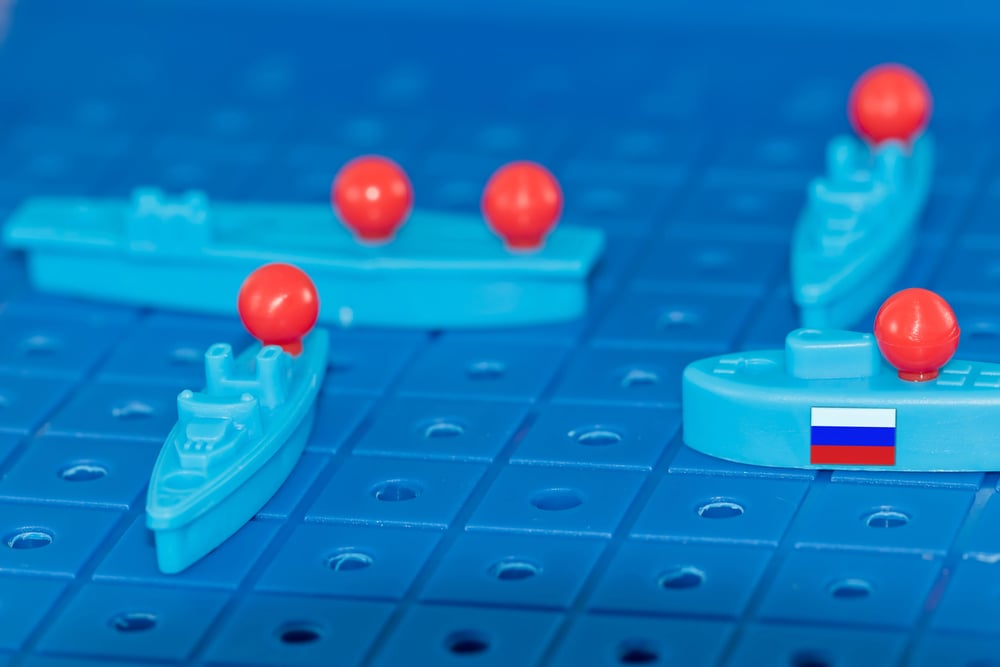
Battleship is quiet warfare, two people hunched behind plastic screens, guessing at a grid the way someone might guess at a person’s mood. There’s a particular kind of satisfaction in hearing “hit,” and a particular kind of sting in hearing “miss” for the fifth time in a row, the frustration building the way static builds before a storm.
Kids take it personally in a way that feels almost sweet, like the ocean itself has wronged them. Nobody sinks a battleship gracefully.
Yahtzee
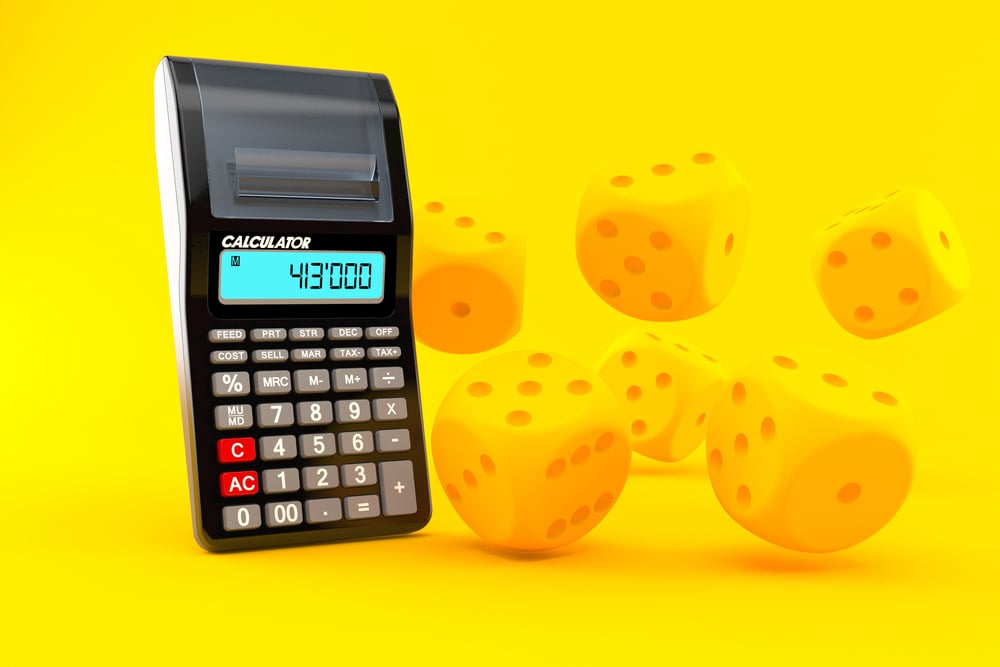
Yahtzee turns dice rolling into a legal dispute, which nobody expects going in. Someone always questions whether a die that landed against the wall of the box actually counts, and that debate can last longer than the round itself.
Scorecards get scrutinized like tax documents, especially the “bonus” line, which half the table forgets exists until it matters. It’s a simple game that somehow requires a rules lawyer at every table.
Taboo
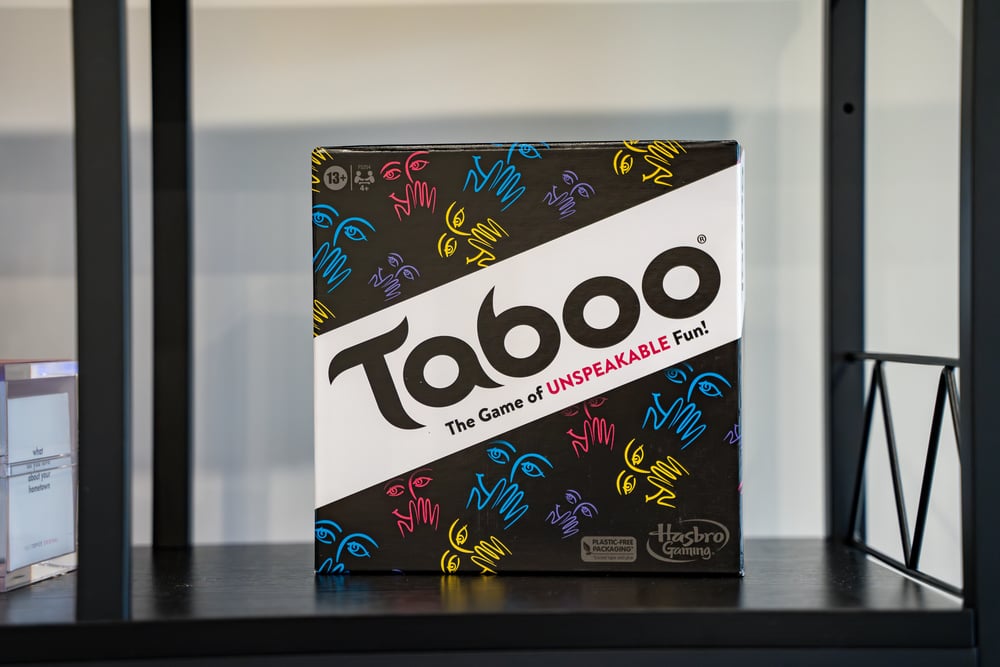
Taboo punishes people for knowing too much. The buzzer goes off, tempers flare, and someone insists they weren’t going to say the banned word anyway.
Teams stop being teams the moment the timer starts.
Balderdash

Balderdash rewards confidence more than knowledge, and that’s exactly the problem — the person who lies the smoothest usually wins, not the person who actually knows the answer. And when someone’s fake definition gets picked over the real one, the outrage is immediate, loud, and completely disproportionate to a parlor game about obscure words.
So it becomes less a trivia game and more a study in who at the table can bluff their way through anything, which some people find charming and others find infuriating.
Codenames
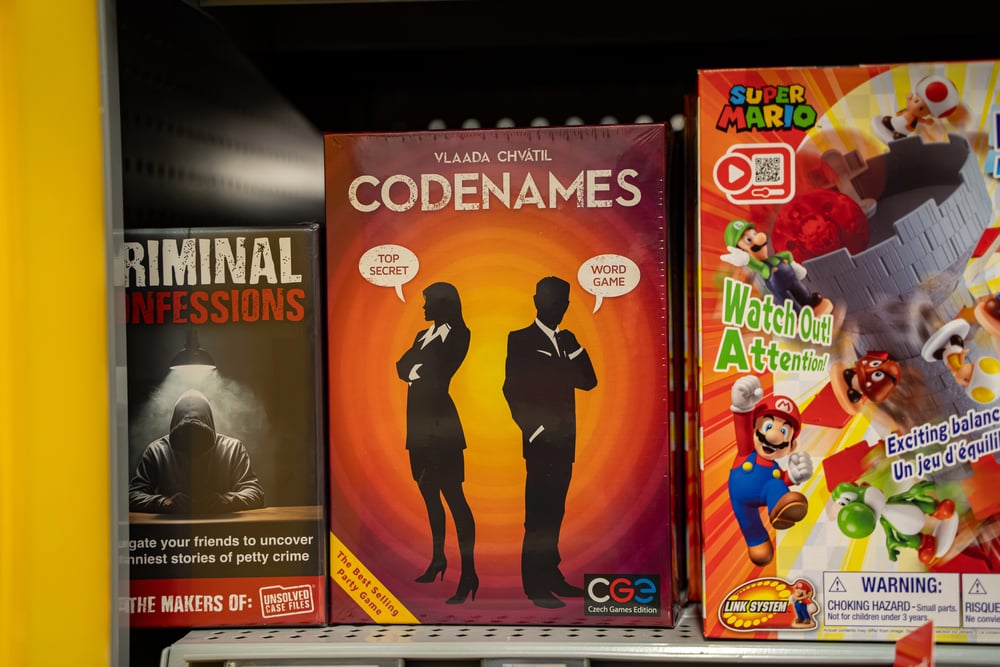
Codenames turns language into a minefield, one word standing in for a dozen possible meanings, and the wrong clue can detonate an entire round in an instant. There’s something almost tender about watching two teammates try to think exactly alike, the way old couples finish each other’s sentences, right up until the moment they clearly don’t.
A single misjudged hint — too clever, too obscure — can lose the whole game and half the trust in the room. Words were never meant to carry this much weight.
Exploding Kittens
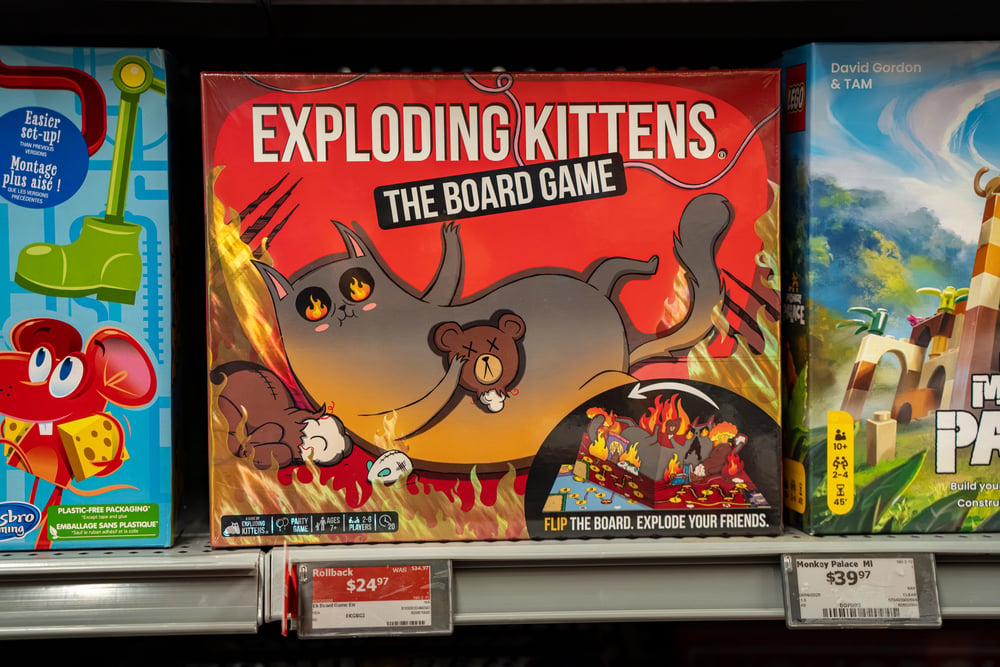
Exploding Kittens is chaos with a cute cover, and that combination fools nobody after the first round. Kids find it hilarious right up until they draw the card that ends their game, and then the tears show up fast.
Adults aren’t much better about it, honestly, given how competitive a card game about avoiding explosions has no business being. It’s proof that cute artwork can disguise a genuinely vicious game.
Cards Against Humanity
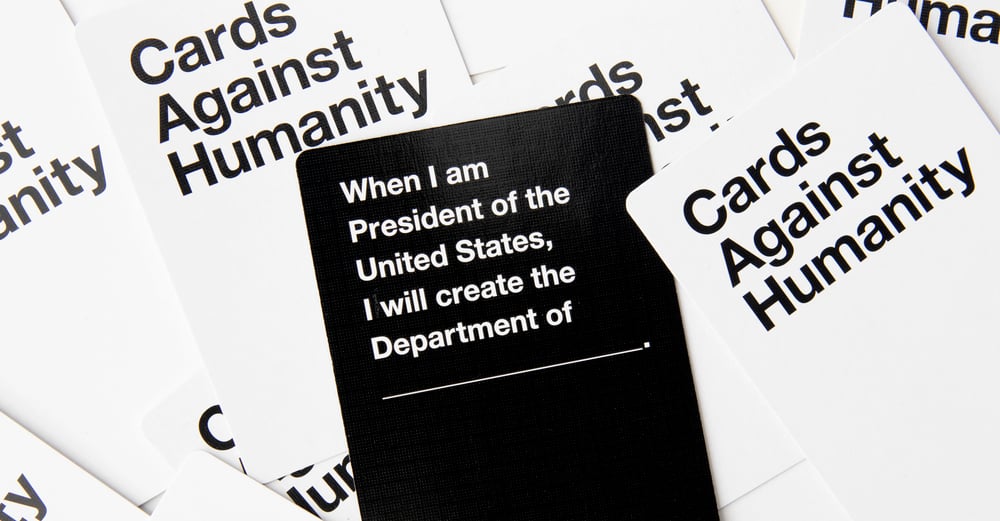
Cards Against Humanity crosses lines on purpose. Someone always gets offended, and someone always claims they were joking.
Family gatherings are not the safest place for this game, and everyone finds that out eventually.
Pandemic
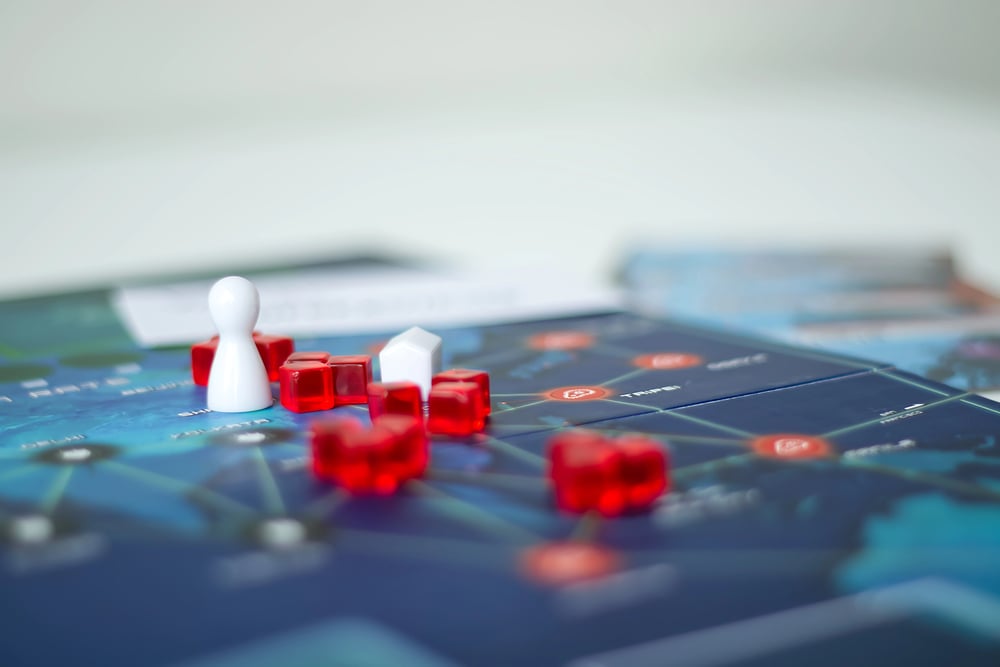
Pandemic is supposed to be cooperative, everyone working together against the board instead of each other, and yet somehow it still finds a way to produce arguments — usually about whose turn it was to build the research station nobody remembers agreeing to build. And the “quarterback” problem: one person telling everyone else exactly what to do, turn after turn, until the game stops feeling like teamwork and starts feeling like a lecture.
So a game designed to bring people together ends up exposing, with real precision, who in the group can’t stand not being in charge.
Munchkin
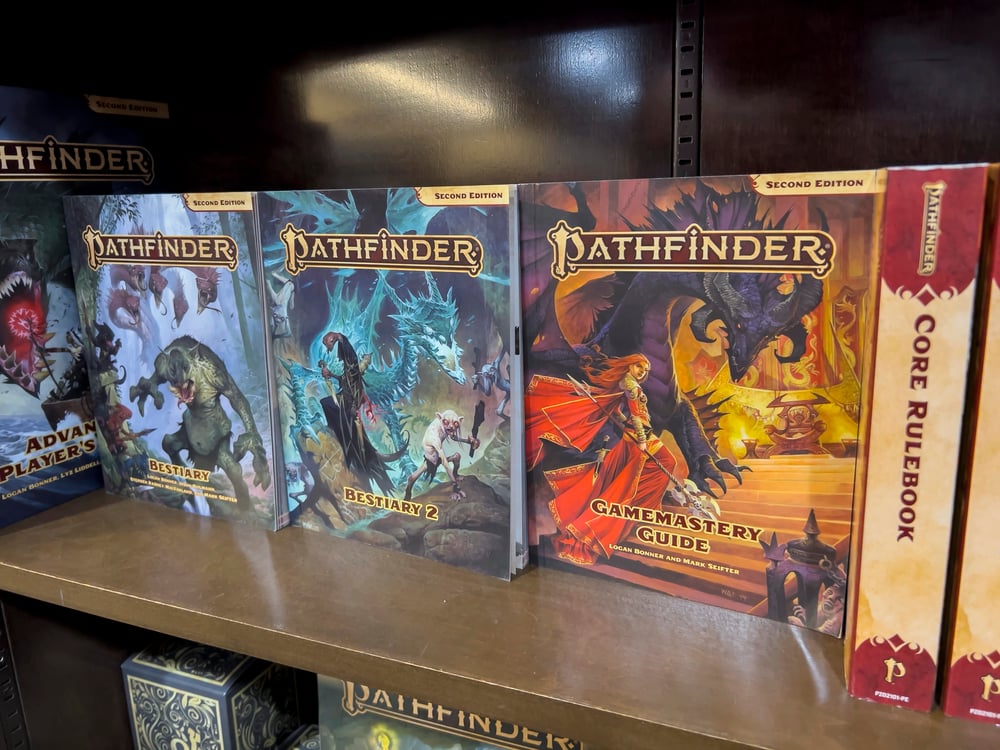
Munchkin turns friendship into currency, every alliance temporary, every favor owed the moment it’s given. Players help each other defeat monsters and then, without warning, turn around and sabotage the exact person they just saved, the way weather shifts without asking permission.
It’s a game built entirely on backstabbing dressed up as cartoon fantasy, and somehow that makes the betrayal sting a little less — or a little more, depending on the player. Nobody trusts the person sitting across the table by round three.
Sequence
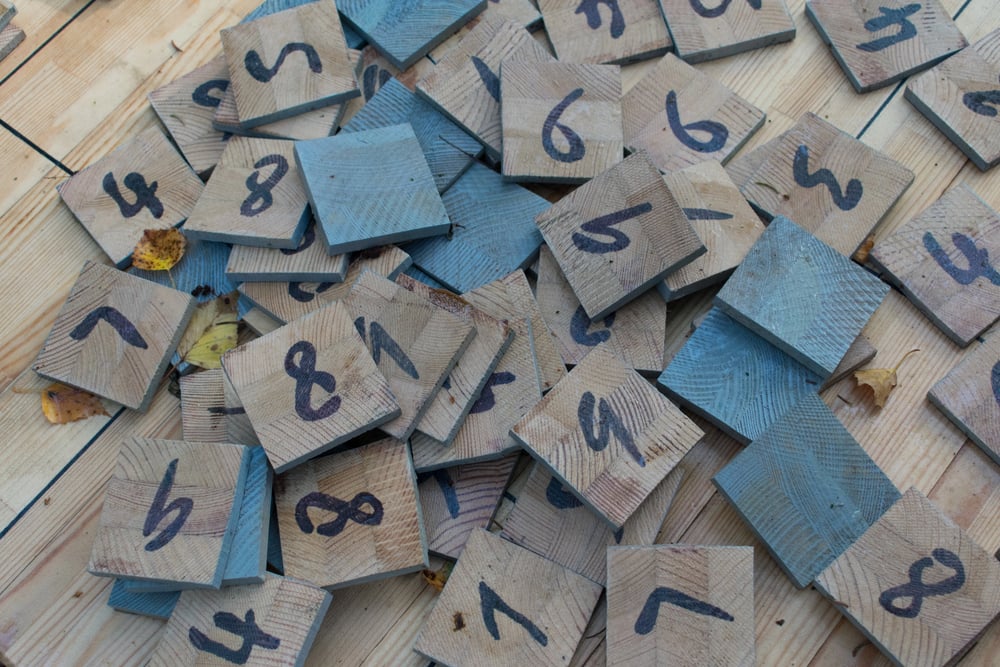
Sequence looks simple, which is exactly why it gets so personal. One well-placed card can undo three turns of careful setup, and the player on the receiving end never takes it well.
Teams form and dissolve fast, especially once someone realizes their partner keeps blocking the wrong chip. It’s a card and board hybrid that somehow manages to combine the worst arguments of both formats.
Chess
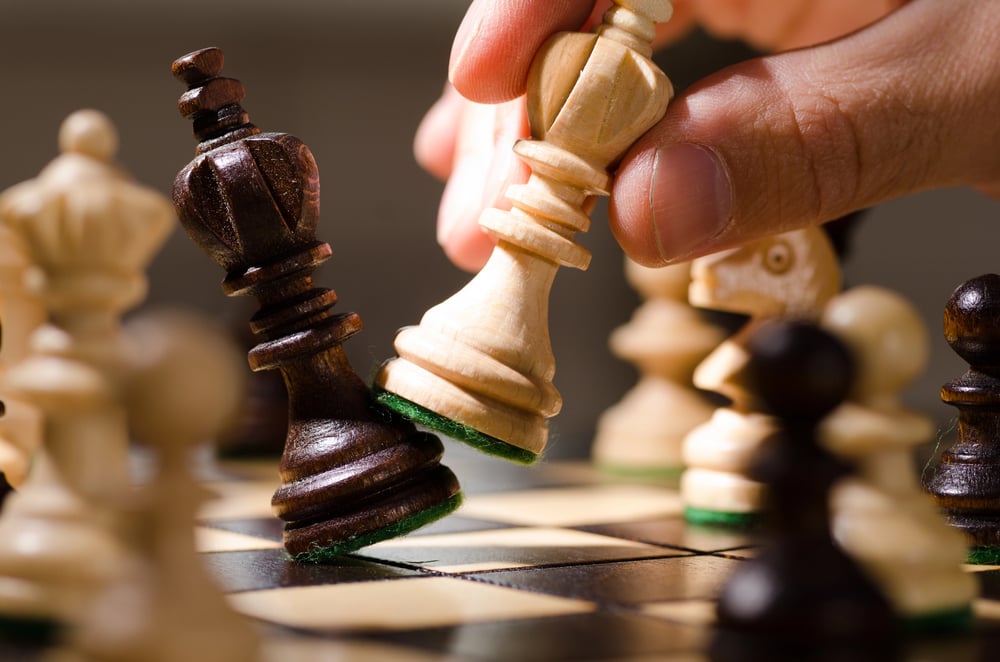
Chess doesn’t need luck to start a fight. Someone always insists on a move they’ve already released.
Silence at a chessboard can feel louder than yelling, and just as tense.
Axis & Allies
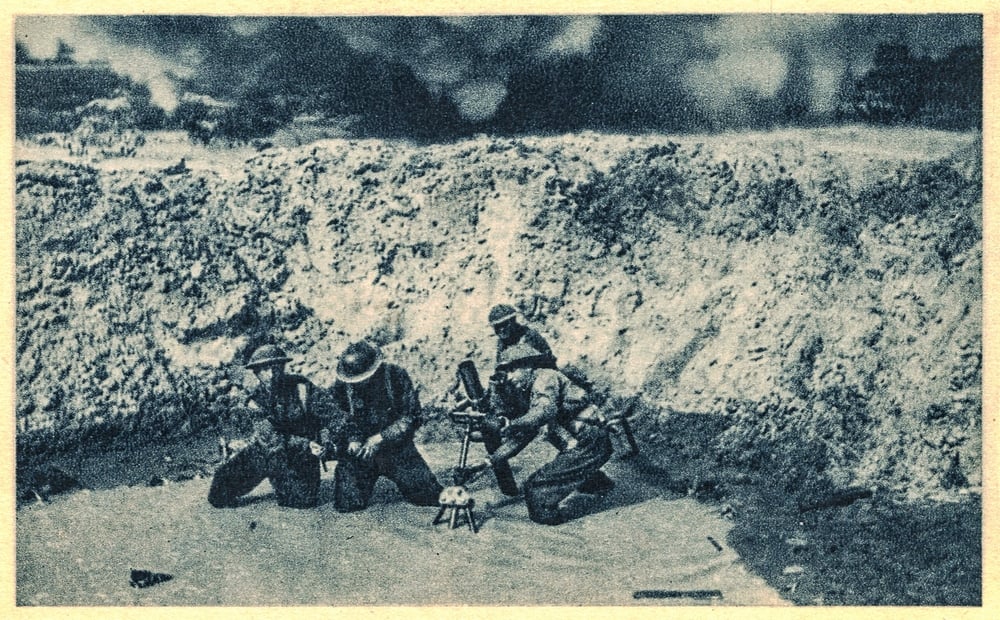
Axis & Allies takes hours, sometimes an entire afternoon, and that length alone is enough to strain patience before the actual disputes even begin — dice rolls get questioned, unit counts get recounted, and someone always suspects the rulebook is being interpreted a little too conveniently by whoever’s winning. And because the game rewards long-term strategy, a single rushed or careless move early on can doom a player for hours, which breeds a very specific, slow-burning kind of resentment.
So what starts as a friendly war game turns into an actual war of attrition, fought less over territory and more over whose afternoon just got wasted.
Dominion
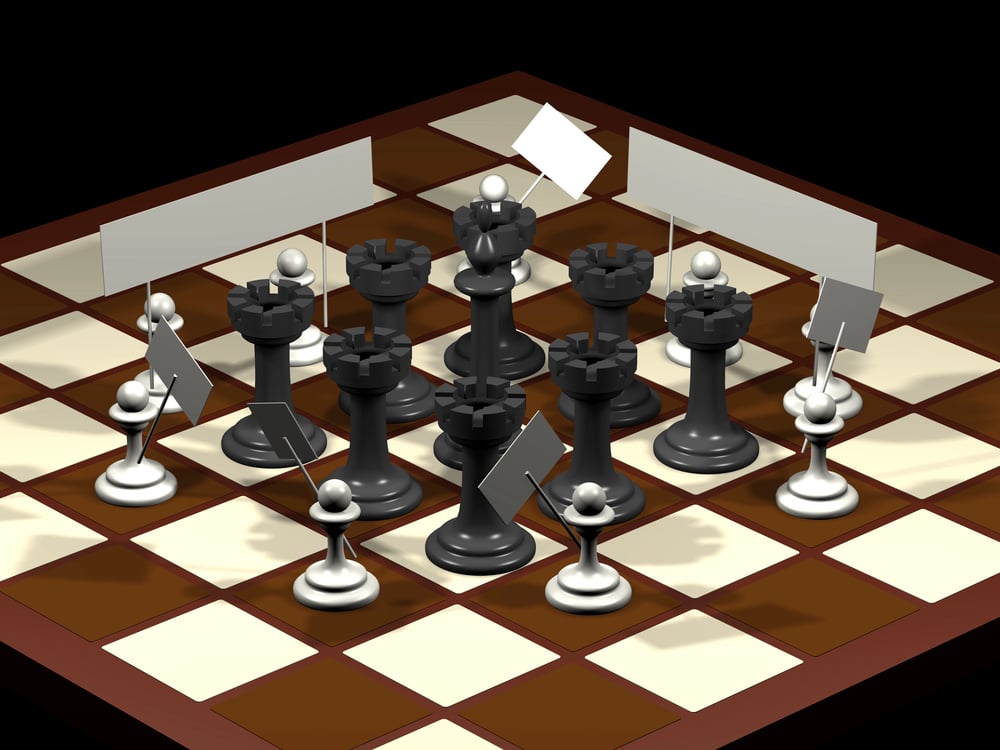
Dominion moves quietly, card by card, each purchase a small decision that barely seems to matter until, three turns later, it clearly does. There’s a stillness to it that other games don’t have, more chess than shouting match, and yet the tension still finds its way in — the way weather finds a crack in a window.
Watching someone’s deck click into place while yours stalls out feels less like bad luck and more like a quiet verdict on your choices. The frustration doesn’t shout in this one.
It just sits there.
Telestrations
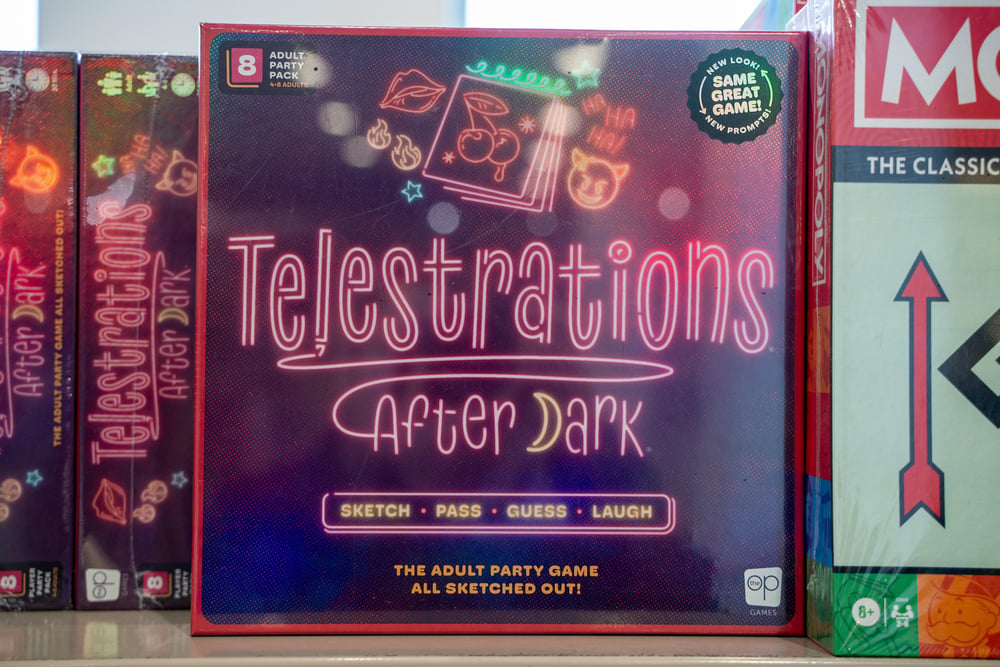
Telestrations is the funniest game on this list, and also somehow the most insulting. Watching your carefully drawn masterpiece turn into an unrecognizable blob by round three is humbling in a way few games manage.
Someone always takes their drawing skills far too seriously, and someone always takes the resulting mockery a little too personally. It’s proof that the best arguments don’t need real stakes — just a whiteboard marker and too much confidence.
The Box Goes Back On The Shelf, But The Grudge Doesn’t
Every one of these games gets pulled out again eventually, usually with someone insisting this time will be different. It never is.
The pieces get set up, the rules get half-remembered and half-argued over, and somewhere around the second round, the same old tension finds its way back to the table like it never left. Maybe that’s the point nobody wants to admit out loud: the games aren’t really the problem, they’re just the excuse.
Families were always going to argue about something. At least this way, there’s a scoreboard.
More from Go2Tutors!

- The Romanov Crown Jewels and Their Tragic Fate
- 13 Historical Mysteries That Science Still Can’t Solve
- Famous Hoaxes That Fooled the World for Years
- 15 Child Stars with Tragic Adult Lives
- 16 Famous Jewelry Pieces in History
Like Go2Tutors’s content? Follow us on MSN.