13 Bizarre Traditions from Around the World
Human culture is wonderfully diverse, with rituals and customs that can seem perfectly normal to locals yet utterly bewildering to outsiders. Every corner of our planet houses traditions that have evolved over centuries, some practical, others symbolic, and many simply mysterious to those unfamiliar with their origins.
Here is a list of 13 genuinely unusual traditions practiced around the world that showcase just how creatively diverse human customs can be.
Baby Jumping in Spain

New parents bring their children to take part in El Colacho, a tradition going back to the 1620s, in the little Spanish town of Castrillo de Murcia. Men dressed as devils actually leap across rows of newborns laid on street mattresses.
The babies are supposed to be cleansed of original sin and shielded from disease and evil spirits by this bold ceremony. During this centerpiece of the village’s yearly Corpus Christi celebration, the ‘devil jumpers’ gently leap over the newborns while local onlookers applaud.
Monkey Buffet Festival in Thailand
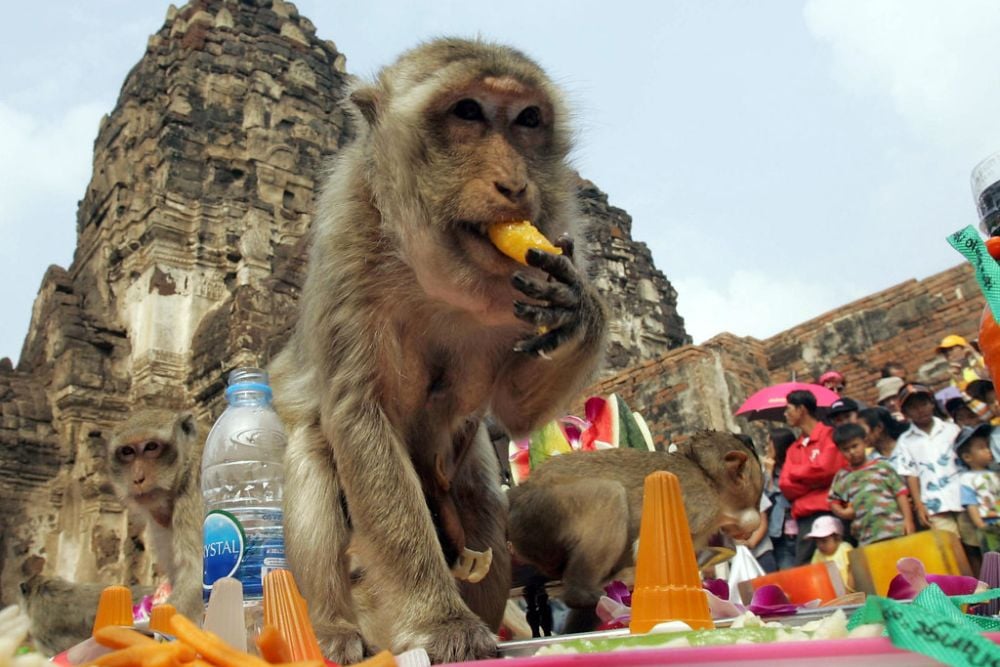
The residents of Lopburi, Thailand, host an annual feast where the guests of honor aren’t human at all. Each November, over 2 tons of fruits, vegetables, and candies are artfully arranged on tables throughout the town for the local monkey population to enjoy.
This peculiar tradition began in the late 1980s as a tourism initiative but has deep roots in Thai folklore, where monkeys are considered descendants of a monkey warrior god. Locals believe feeding these macaques brings good fortune and prosperity to the community.
Cheese Rolling in England

Cooper’s Hill in Gloucestershire becomes the site of organized chaos each spring when contestants chase a 9-pound round of Double Gloucester cheese down an extremely steep slope. Participants risk injury as they tumble and roll down the 200-yard hill in pursuit of the cheese wheel, which can reach speeds up to 70 miles per hour.
The first person to cross the finish line wins the coveted cheese. Despite numerous injuries every year, this centuries-old tradition continues to attract daredevils from around the world willing to risk broken bones for dairy glory.
Finger Cutting in Papua New Guinea
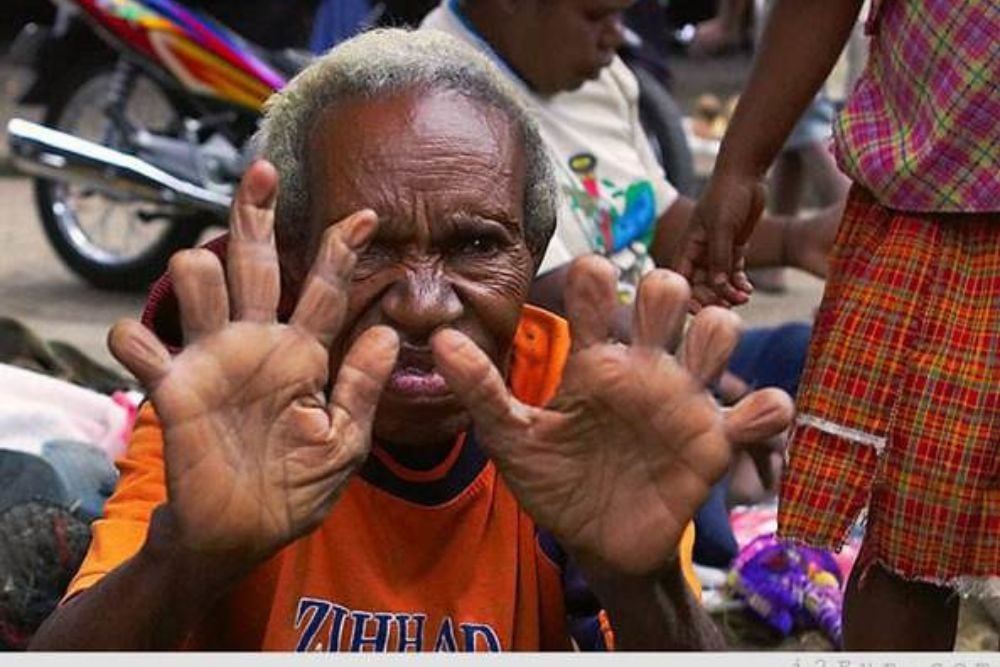
The Dani tribe of Papua New Guinea practices one of the world’s most painful mourning rituals. When a loved one dies, women of the tribe traditionally cut off segments of their fingers using stone axes.
This amputation symbolizes the pain of loss and is believed to both appease ancestral ghosts and represent the declining wholeness of the tribe with each death. While this practice has decreased with modernization and government intervention, older generations of Dani women can often be seen with multiple finger segments missing.
Night of the Radishes in Mexico
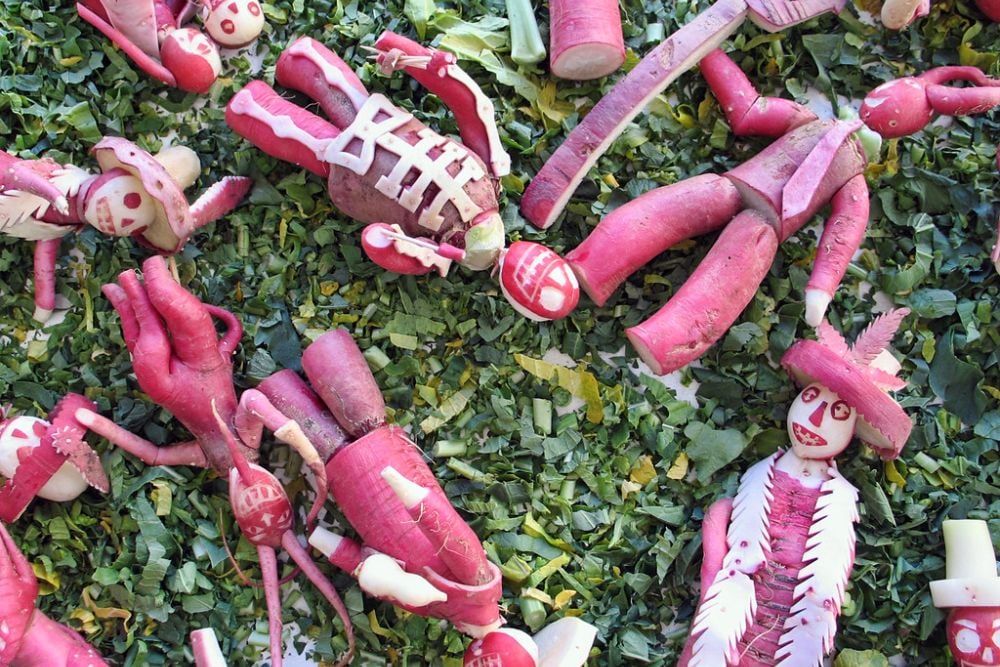
Every December 23rd, Oaxaca hosts the Noche de Rábanos, a competition among artists to produce the most striking sculptures carved exclusively from radishes. These are unique large kinds cultivated especially for this use, not little garden radishes.
The ritual started in 1897 when farmers at the Christmas market cut radishes to draw clients. Thousands of people visit complex scenarios depicting the nativity, local folklore, and architectural sites today to marvel at these ephemeral creations that will start to wither in hours.
Wife Carrying in Finland
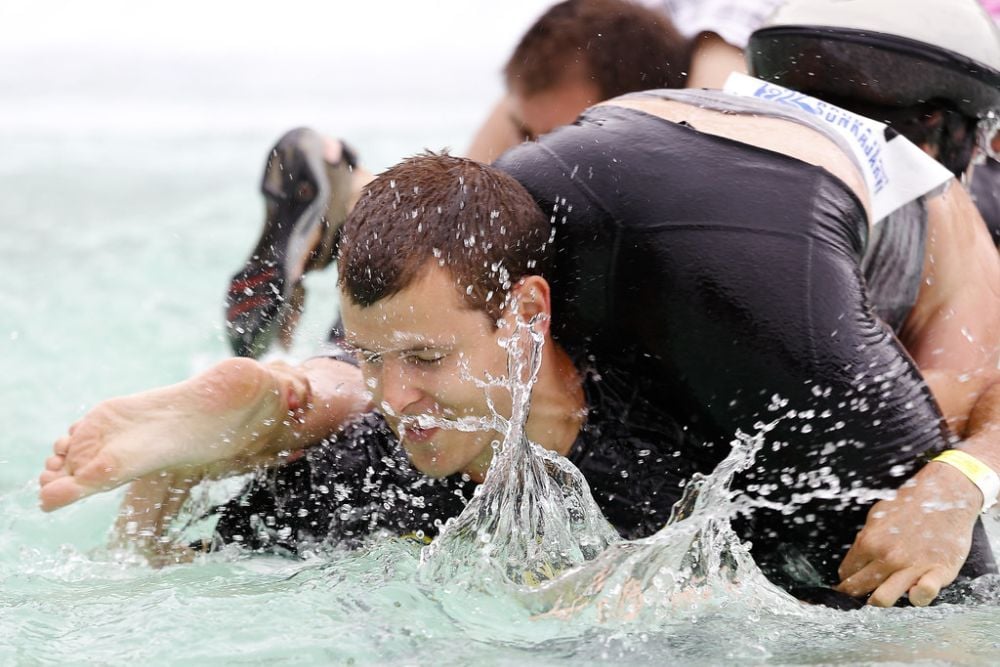
The small Finnish town of Sonkajärvi hosts the Wife Carrying World Championships, where men race through an obstacle course while carrying their wives upside-down with their legs wrapped around the man’s neck. The winner receives his partner’s weight in beer.
This unusual competition has roots in the legend of Ronkainen the Robber, who allegedly tested his gang members by having them carry heavy sacks—or occasionally, kidnapped women from neighboring villages. Today, it’s a lighthearted event that draws participants from dozens of countries.
Tooth Tossing Worldwide

Many cultures have unique ways of disposing of children’s baby teeth. In Japan, lower teeth are thrown upward toward the ceiling, and upper teeth are thrown downward toward the floor.
Greek children traditionally throw their teeth onto the roof for good luck. In Turkey, parents bury teeth in places that might shape their child’s future—near a hospital to encourage a medical career, for instance.
These customs reflect universal hopes for healthy adult teeth and proper development, expressed through surprisingly different practices depending on geography.
La Tomatina in Spain
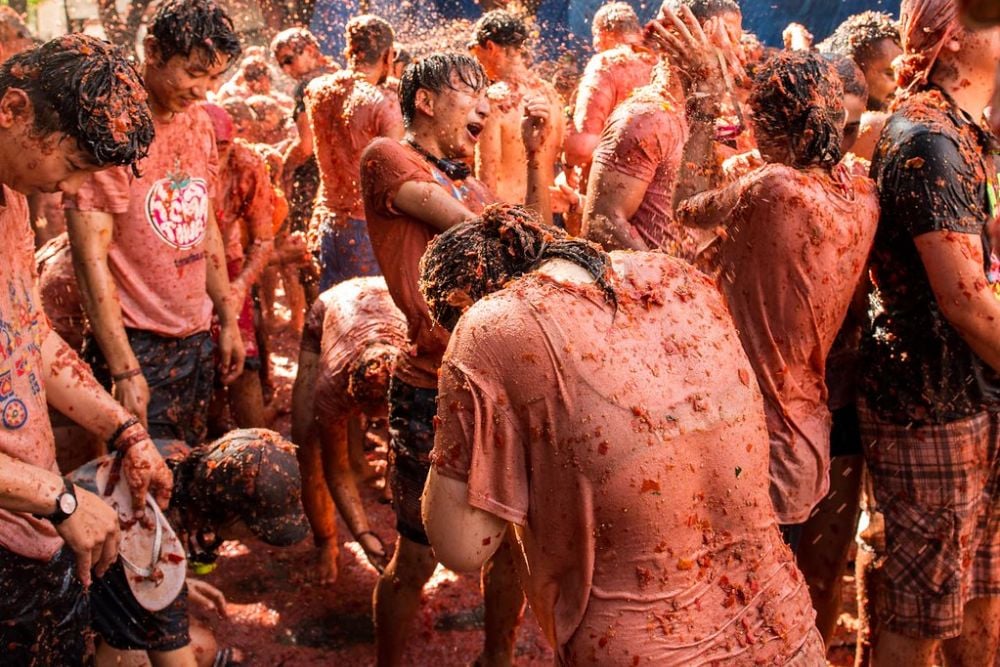
The streets of Buñol, Spain, transform into rivers of red pulp every August during the world’s largest tomato fight. Participants hurl more than 150,000 tomatoes at each other in a massive food battle that lasts exactly one hour.
The tradition reportedly began in 1945 when a local parade erupted into a spontaneous produce-throwing altercation. Now strictly regulated for safety, La Tomatina draws over 20,000 participants annually who leave the town square completely covered in tomato paste before fire trucks wash everything down with water from a Roman aqueduct.
Krampusnacht in Alpine Europe

While American children fear coal in their stockings, Alpine youngsters dread Krampus, the demonic counterpart to St. Nicholas. During Krampusnacht on December 5th, men don terrifying horned masks and furry costumes, roaming streets with chains and bells to frighten naughty children.
This pre-Christian tradition represents the balance between reward and punishment during the winter solstice season. The ritual has experienced a major revival in recent years, with elaborate Krampus parades now drawing tourists to Austria, southern Germany, and parts of Northern Italy.
Famadihana in Madagascar

The Malagasy people practice a funerary tradition called Famadihana, or ‘turning of the bones,’ where families periodically exhume their ancestors’ remains from family crypts. The wrapped bodies are sprayed with perfume or wine before family members dance with the remains to live music.
This celebration, occurring every five to seven years, allows younger generations to introduce themselves to ancestors they never met in life. Far from macabre, it’s considered a joyous reunion that maintains connections between the living and the dead.
Blackening in Scotland

Scottish brides and grooms endure a pre-wedding ritual called ‘blackening,’ where friends capture them and cover them in a mixture of treacle, ash, flour, feathers and other messy substances before parading them through town. This tradition supposedly began as a way to ward off evil spirits, but now serves as a communal hazing that tests the couple’s ability to face humiliation together.
Regional variations exist throughout Scotland, with fishing communities sometimes using fish guts instead of treacle, making the experience even more memorably pungent.
Crying Sumo in Japan
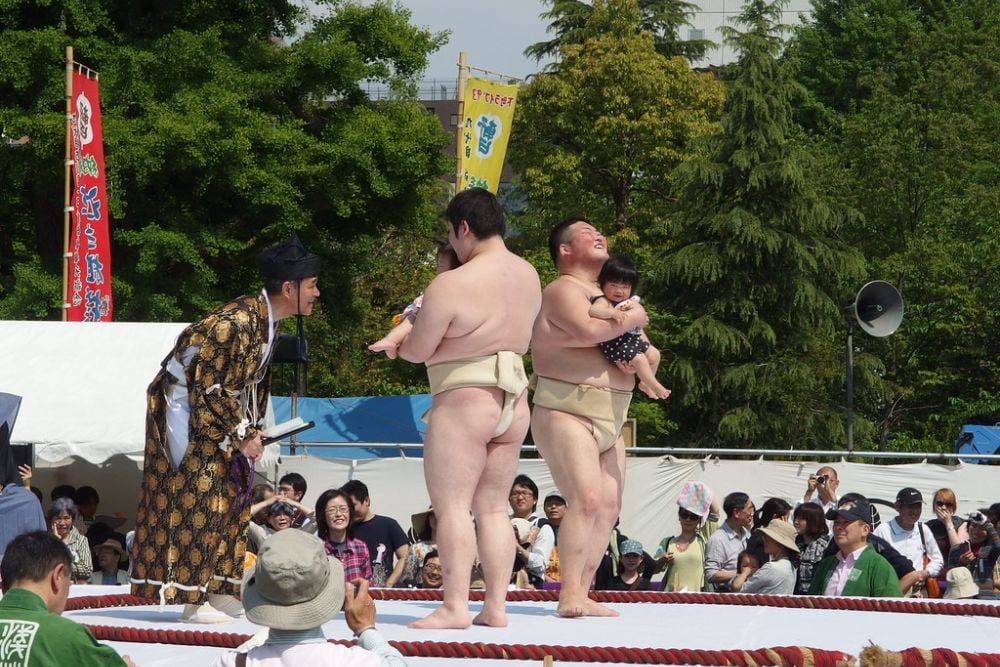
Japan’s Nakizumo Festival features sumo wrestlers holding babies and trying to make them cry. Two wrestlers face off, each holding a baby, while a referee makes scary faces and shouts to induce tears.
The baby who cries first or loudest is declared the winner. This 400-year-old tradition stems from the belief that a baby’s wails ward off evil spirits and ensure good health.
Parents eagerly volunteer their infants for this honor, believing the louder the cries, the more blessed the child’s future.
Cinnamon Sprinkling in Denmark
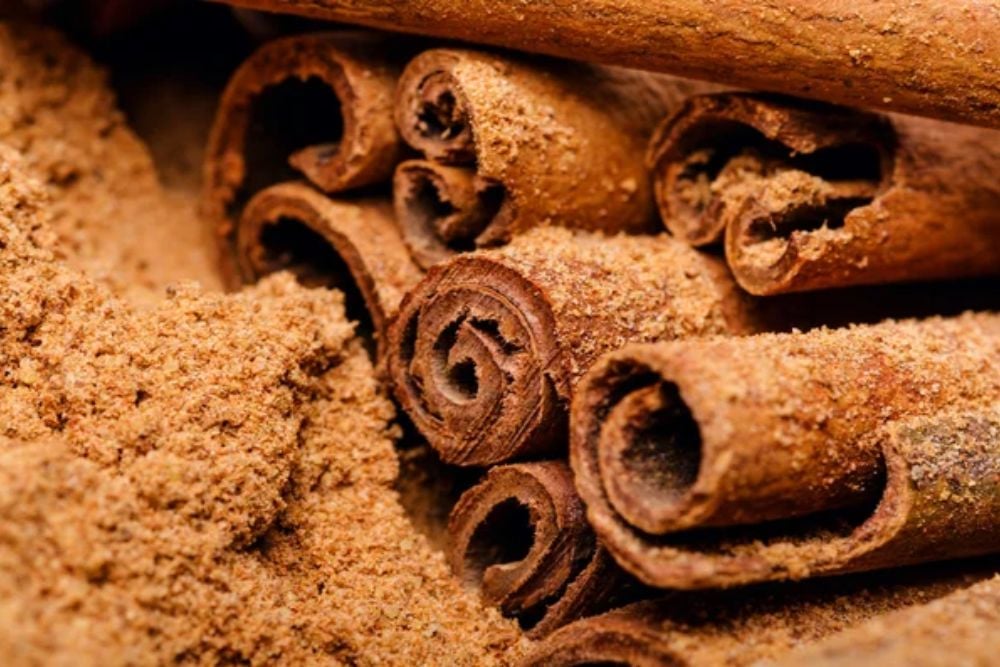
Unmarried people in Denmark who reach 25 years of age become targets for a thorough cinnamon sprinkling by their friends and family. Those who remain single at 30 receive the upgraded pepper treatment.
This tradition originated from medieval spice sellers who traveled extensively and often remained bachelors. Danish youth now gather around unmarried 25-year-olds on their birthdays, dousing them with ground cinnamon and sometimes creating human-shaped outlines filled with spice.
The good-natured ritual serves as both teasing and a reminder of social expectations.
Our Wonderfully Weird World
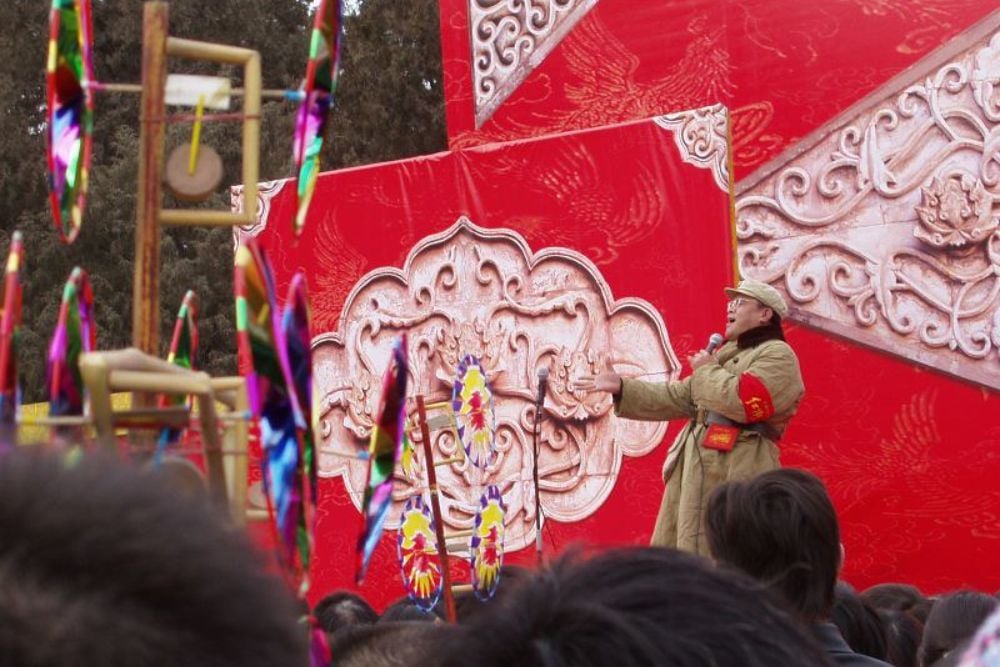
These unusual customs remind us that human ingenuity and cultural evolution take remarkably different paths across our planet. What seems absurd in one context represents profound meaning, historical significance, or simply good fun in another.
Understanding these traditions helps us appreciate the rich tapestry of human expression that makes our world such a fascinating place to explore. The next time something seems strange in another culture, remember that outsiders probably find some of your own traditions equally bizarre.
More from Go2Tutors!

- The Romanov Crown Jewels and Their Tragic Fate
- 13 Historical Mysteries That Science Still Can’t Solve
- Famous Hoaxes That Fooled the World for Years
- 15 Child Stars with Tragic Adult Lives
- 16 Famous Jewelry Pieces in History
Like Go2Tutors’s content? Follow us on MSN.