The Most Expensive Liquids on Earth
Most people think of gold or diamonds when they picture expensive things. But liquids—substances you can pour, drip, or measure in milliliters—often cost far more than precious metals by weight.
The prices might seem absurd until you understand what goes into producing them. Some require dangerous extraction methods.
Others demand years of research and complex chemistry. A few are just naturally rare.
Scorpion Venom Takes the Top Spot

A single gallon of scorpion venom costs around $39 million. That makes it the most expensive liquid on the planet by volume.
The deathstalker scorpion produces the priciest variety, and researchers need it for potential treatments for cancer, multiple sclerosis, and brain tumors.
The milking process explains part of the cost. Each scorpion produces only tiny amounts of venom, and the collection requires careful handling by trained professionals.
You need thousands of scorpions and countless hours to gather even small quantities. The medical research potential justifies the astronomical price.
King Cobra Venom Commands Serious Money

King cobra venom sells for about $153,000 per gallon. Researchers study it for developing antivenoms and investigating pain management therapies.
The venom contains proteins that could help create new medications, particularly for treating chronic pain.
Extracting venom from one of the world’s most dangerous snakes requires expertise and nerve. The process involves specialized equipment and trained handlers who risk their lives for each collection session.
The limited supply and high demand from pharmaceutical companies keep prices elevated.
LSD Reaches Unexpected Heights
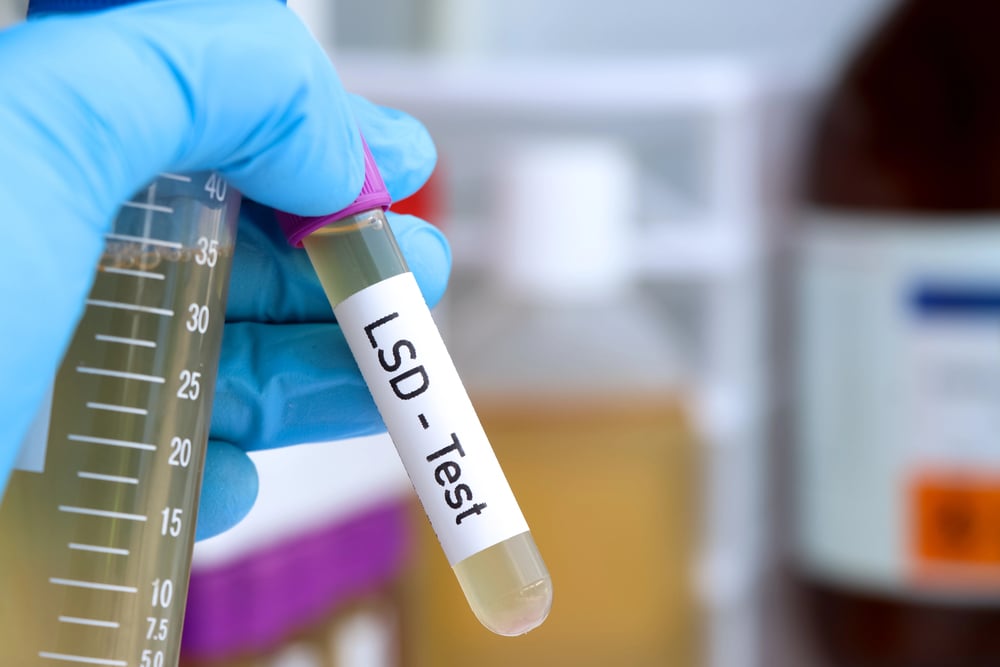
Lysergic acid diethylamide, better known as LSD, costs approximately $123,000 per gallon on the pharmaceutical research market. Scientists study it for treating depression, anxiety, and PTSD.
Recent clinical trials have renewed interest in psychedelic compounds for mental health treatment.
The synthesis requires specific precursor chemicals and laboratory expertise. Legal restrictions limit production to licensed facilities, creating scarcity.
The medical research community pays premium prices for pure, pharmaceutical-grade material.
Horseshoe Crab Blood Saves Lives

The blue blood of horseshoe crabs sells for about $60,000 per gallon. Pharmaceutical companies use it to test for bacterial contamination in vaccines and medical equipment.
The blood contains a substance called Limulus Amebocyte Lysate (LAL), which reacts to even trace amounts of bacterial toxins.
Every vaccine you’ve ever received was tested using this blood. The crabs are captured, some of their blood is drawn, and then they’re returned to the ocean.
Most survive the process. But the medical industry’s dependence on this ancient creature raises conservation concerns.
Chanel No. 5 Represents Liquid Luxury
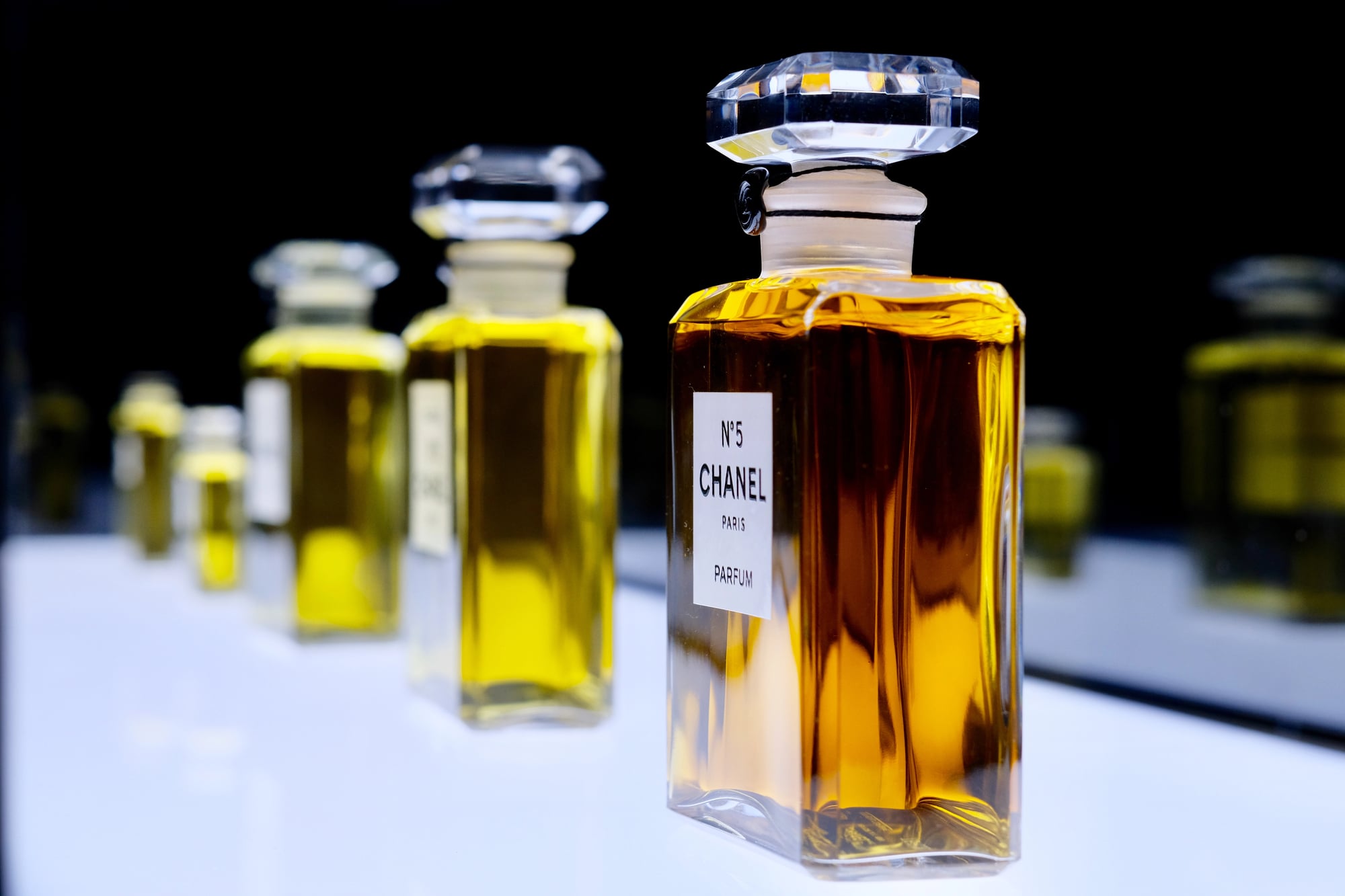
High-end perfume like Chanel No. 5 costs around $26,000 per gallon when you break down the retail price. The formula uses rare ingredients including jasmine from Grasse, France, and ylang-ylang from the Comoros Islands.
Master perfumers spend years perfecting each scent.
The price reflects more than just ingredients. You’re paying for brand heritage, marketing, and the expertise of perfume creators who train for decades.
The bottle, packaging, and retail experience add to the cost. But the liquid itself contains some genuinely expensive natural extracts.
Insulin Pricing Sparks Controversy
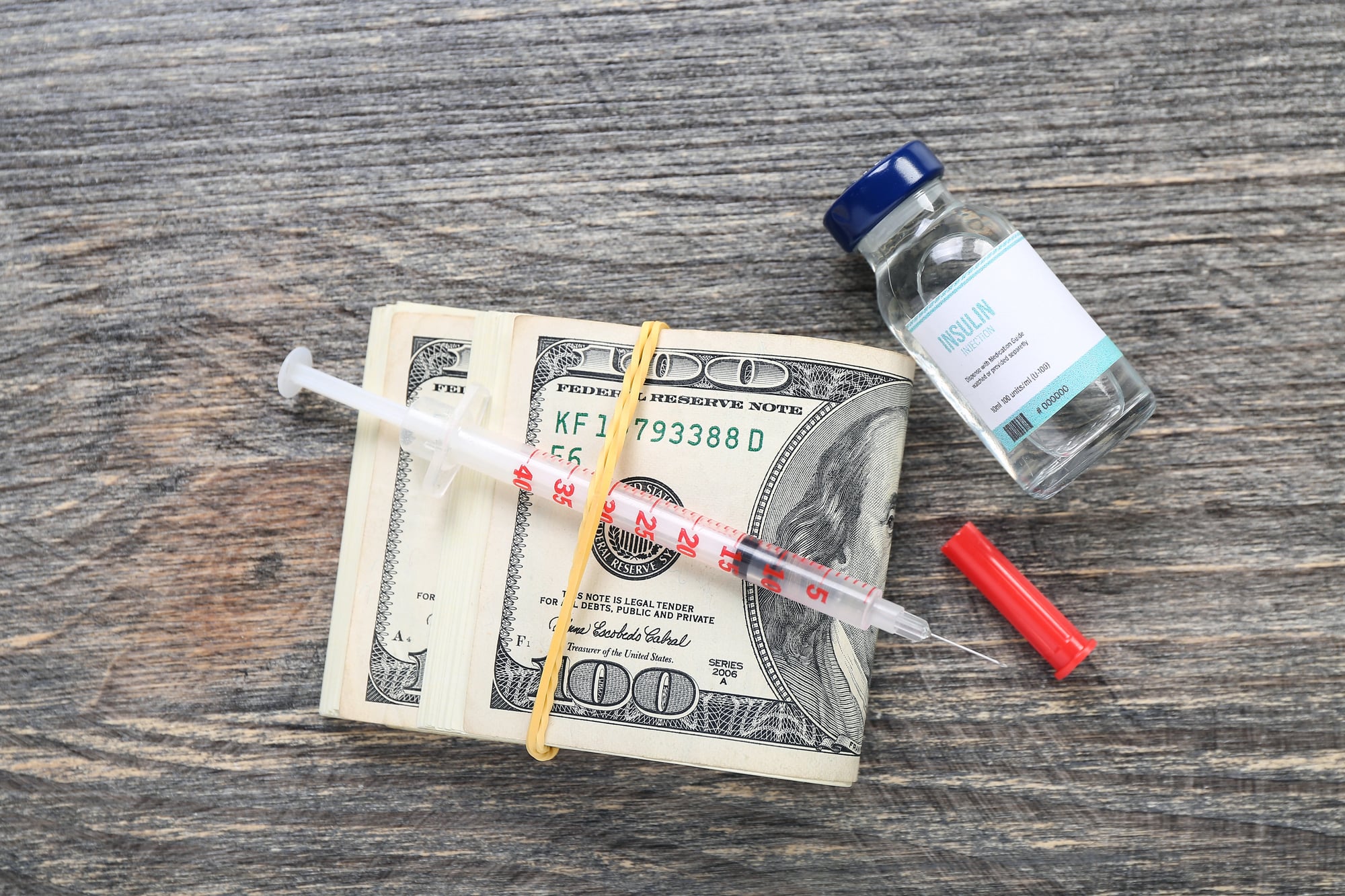
Insulin costs vary wildly, but some formulations reach $9,000 per gallon in the United States. People with diabetes need this hormone to survive, making the high prices particularly troubling.
The same insulin costs far less in other countries, raising questions about pharmaceutical pricing practices.
Manufacturing modern insulin requires sophisticated biotech processes. Companies use genetically modified bacteria or yeast to produce human insulin.
The research, development, and regulatory approval process costs billions. But critics argue that profits, not production costs, drive the current pricing.
Mercury’s Industrial Value
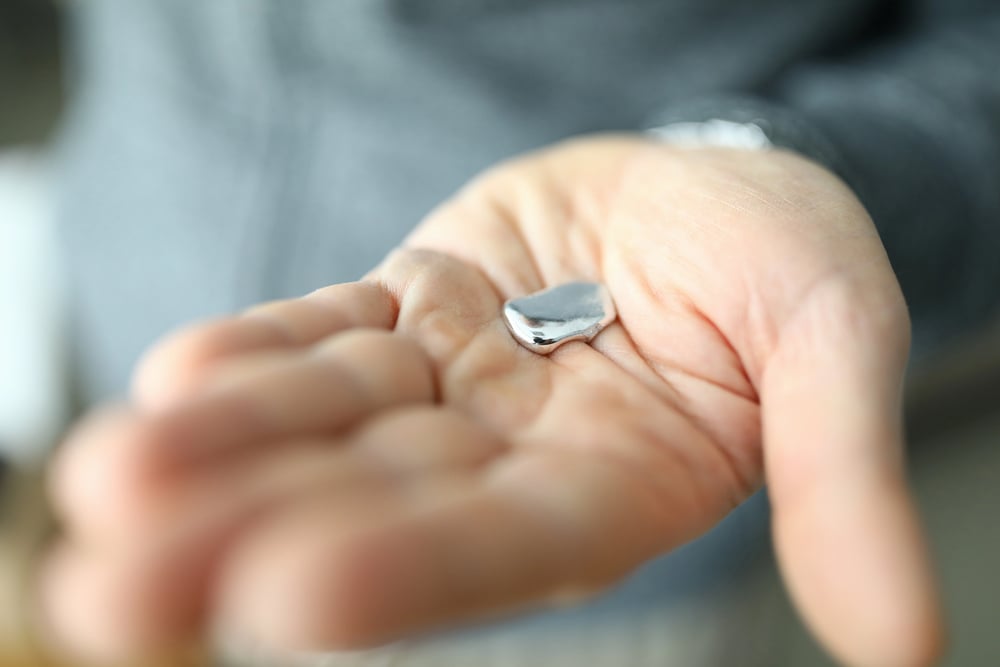
Pure mercury costs about $3,400 per gallon. Industries use it in dental amalgams, fluorescent lights, and some industrial processes.
The silvery liquid metal has unique properties that make it essential for certain applications, though environmental concerns have reduced its use.
Mining mercury involves heating cinnabar ore to release the elemental metal. Environmental regulations have made production more expensive.
The cleanup costs from mercury contamination also factor into the price. Many countries now restrict mercury use, but demand persists for specific applications.
Black Printer Ink Defies Logic
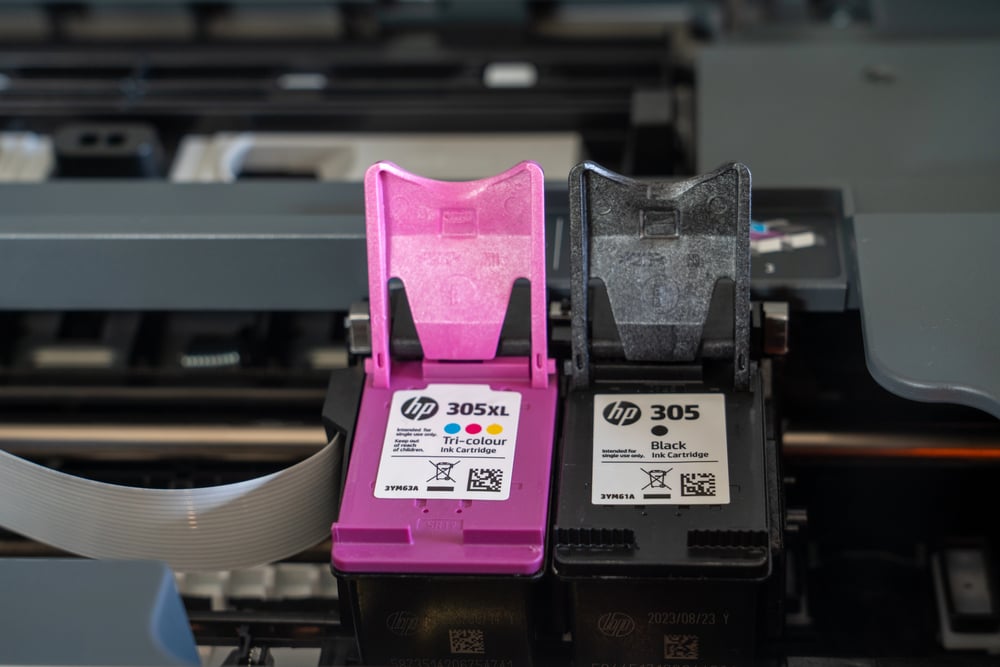
Standard printer ink costs more than $2,700 per gallon at retail prices. That makes it more expensive per ounce than many vintage wines or luxury perfumes.
The pricing makes no sense from a production standpoint—the raw materials cost very little.
Printer manufacturers use the razor-and-blades business model. They sell printers cheaply and make profits on ink cartridges.
The cartridges include chips that prevent refilling, forcing you to buy new ones. The actual liquid inside costs pennies to produce, but you pay for proprietary technology and vendor lock-in.
Gamma Hydroxybutyric Acid for Medical Use
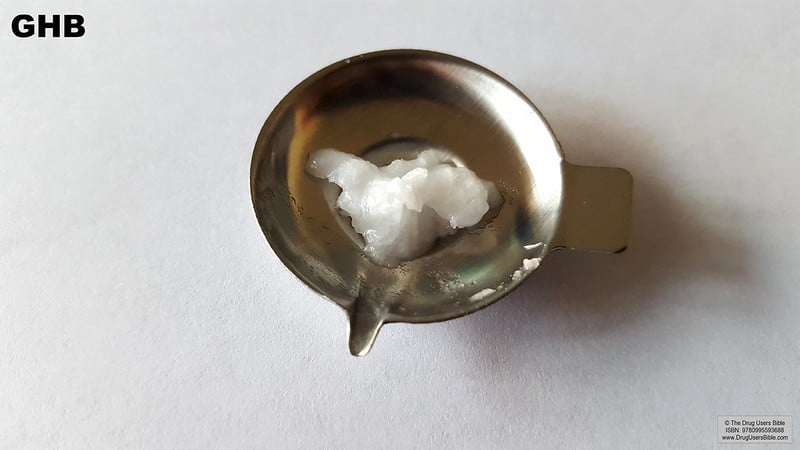
Pharmaceutical-grade GHB sells for about $2,210 per gallon. Doctors prescribe it under the brand name Xyrem for treating narcolepsy.
The compound helps patients maintain better sleep patterns and reduces cataplexy episodes.
The medical version requires strict controls due to the substance’s history of misuse. Manufacturers must follow extensive regulations and security measures.
Patients receive the medication through a single centralized pharmacy that monitors prescriptions carefully. The restricted distribution and regulatory requirements drive up costs.
Human Blood Has Medical Value

A gallon of human blood components can cost around $1,500 when processed and stored for medical use. Blood banks collect, test, separate, and store blood products.
The price covers screening for diseases, processing into components like plasma and platelets, and maintaining cold storage.
You can’t synthesize blood. Every unit comes from a human donor.
The collection, testing, and distribution infrastructure requires significant investment. While donors give blood freely, the medical system needs to cover processing costs to ensure safety.
Patchouli Oil Commands Premium Prices
Pure patchouli essential oil costs approximately $1,200 per gallon. Perfumers value it as a base note that adds depth and longevity to fragrances.
The oil comes from the leaves of the patchouli plant, which grows in tropical regions.
Steam distillation produces the oil, but the process requires large quantities of plant material. The aging process improves the scent—older patchouli oil smells better and costs more.
High-end perfumes and aromatherapy products drive steady demand.
Saffron-Infused Oil Brings Ancient Luxury
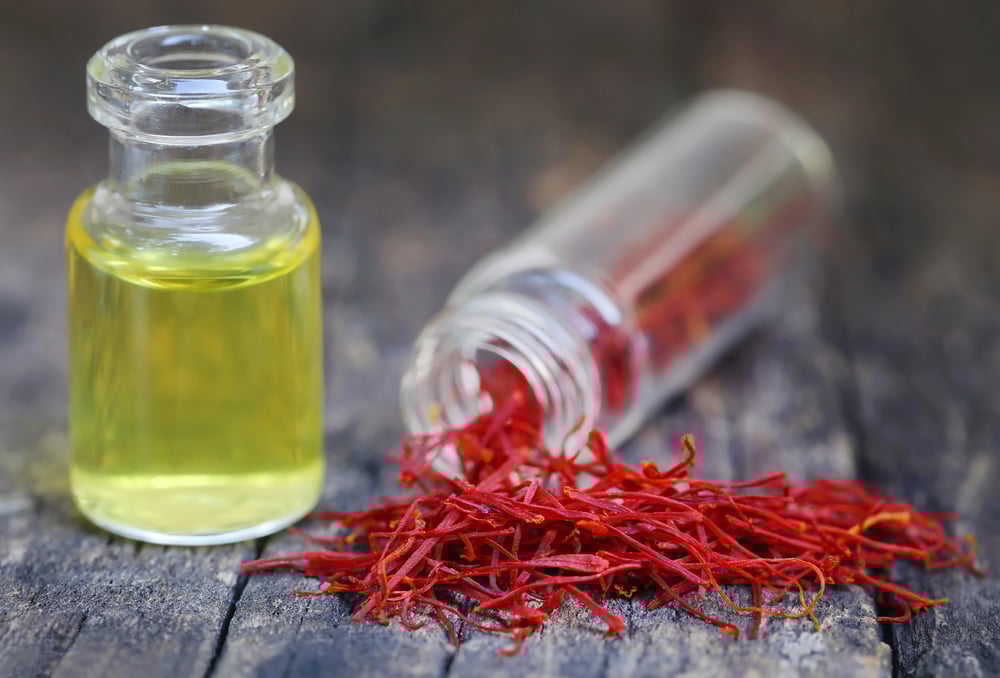
Oil infused with pure saffron can cost over $1,100 per gallon. Saffron itself costs more than gold by weight.
Each crocus flower produces only three stigmas, and harvesters must pick them by hand. You need thousands of flowers to produce one ounce of saffron.
The labor-intensive harvest happens once a year and requires perfect timing. The stigmas must be picked during a brief window when the flowers open.
Workers process them immediately to preserve quality. This ancient spice has held its value for millennia.
Nasal Spray Medications Add Up

Certain nose sprays run about $800 a gallon once you break down what each squirt really costs. They’re used for stuff like hay fever or ongoing sinus issues.
Even though the bottle seems tiny, that doesn’t mean the liquid inside is cheap.
Funding of new drugs hits hundreds of millions. So firms spend ages running trials to show they work and won’t harm people.
While raw materials are cheap, turning them into pills – plus checks and red tape – jacks up what patients pay. Because patents block copies, rivals can’t jump in right away.
Where Value Meets Necessity

The priciest fluids often have something in common. While some need tricky processes to pull out or build, others arrive from hard-to-find spots – or risky animals.
Where medical use is key and options are thin, prices jump. Because market control lets firms set high rates, a handful cost big just for that reason.
The cost shows what really matters to us. For something like scorpion venom – maybe a cancer fix – we’ll drop millions.
Printer ink? Way overpriced, yet we keep buying it. Meanwhile, folks stretch their insulin because it’s too expensive, even though they need it daily.
Every fluid here speaks of shortage, urgency, new ideas – or just raw profit chasing.
Staring at price tags shifts how you see everyday liquids. A splash of cologne? It’s more than a smell – it’s crafted scent science.
That tiny medical dose took ages to develop, trial after trial. The goop in your printer tank, crazy markup or not, runs on smart design tricks.
Worth doesn’t shout; it hides quietly inside the fluid stuff we use.
More from Go2Tutors!

- The Romanov Crown Jewels and Their Tragic Fate
- 13 Historical Mysteries That Science Still Can’t Solve
- Famous Hoaxes That Fooled the World for Years
- 15 Child Stars with Tragic Adult Lives
- 16 Famous Jewelry Pieces in History
Like Go2Tutors’s content? Follow us on MSN.



