The Most Iconic World Cup Moments in History
There’s something about the World Cup that strips football back to its bare bones. Every four years, the whole planet stops.
Strangers hug in the streets. Grown adults cry in front of their televisions.
And sometimes — not often, but sometimes — something happens on the pitch that nobody ever forgets. These aren’t just football moments.
They’re history. Here are the images burned into the memory of anyone who’s ever watched the beautiful game.
The Boy Who Made Brazil Weep — Pelé, 1958
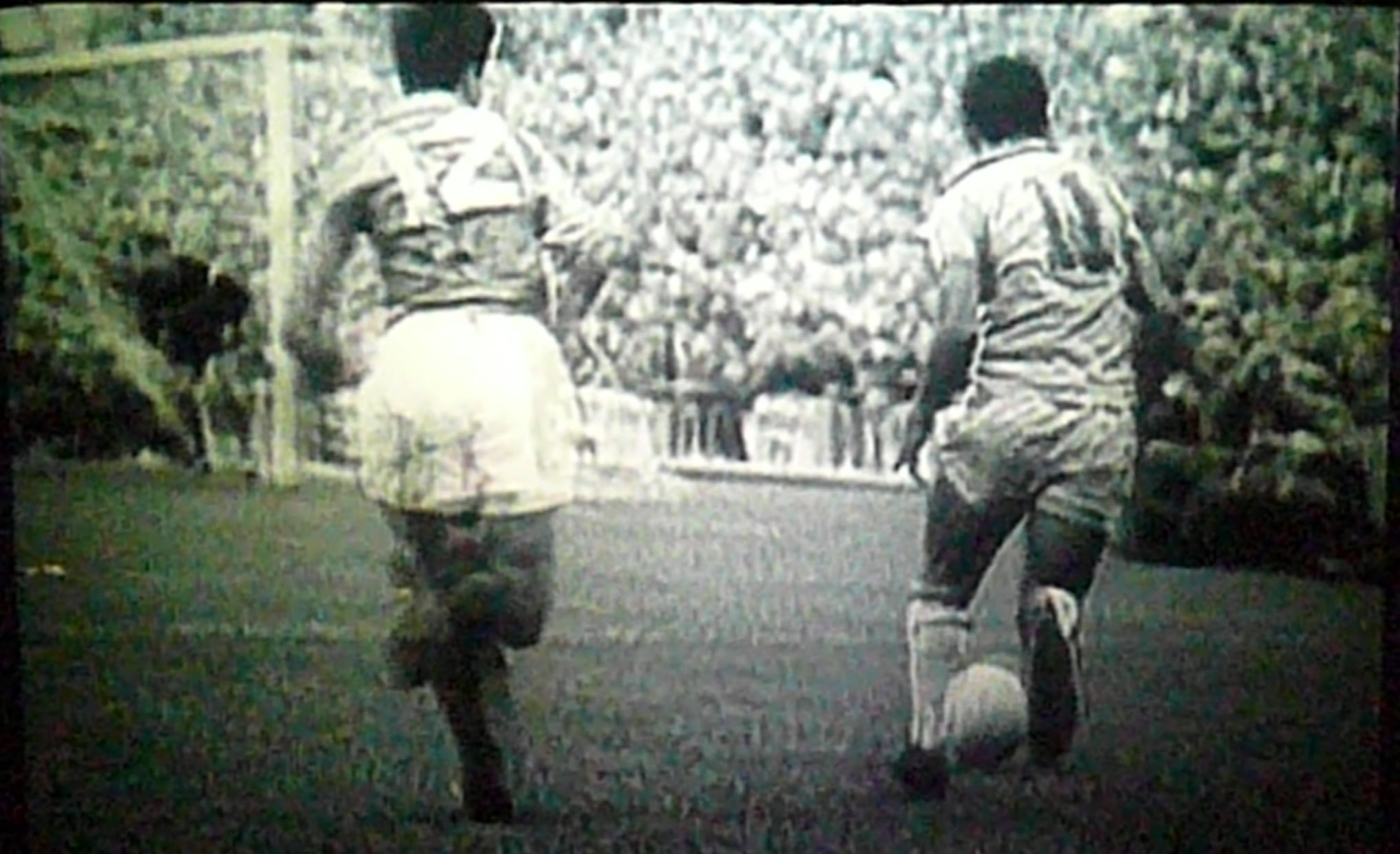
Pelé was 17 years old in the 1958 World Cup Final in Sweden. Seventeen.
He scored twice against the host nation, and during one of those goals he burst into tears on the pitch — completely overwhelmed. His teammates had to hold him up.
That image — a teenager sobbing with joy while the world watched — told you everything about what the World Cup means. Brazil won 5–2.
A legend was born.
Geoff Hurst’s Hat-Trick and That Famous Commentary

England’s only World Cup triumph, 1966, produced one of the most replayed moments in football history. Geoff Hurst’s third goal — a fierce drive into the top corner in extra time at Wembley — was met with the commentary line that still echoes today.
The stadium erupted. England won 4–2 against West Germany.
Whether the orb crossed the line for his second goal is still debated in pubs. But his third?
Nobody argues about that one.
The Save of the Century — Gordon Banks, 1970
Pelé headed the orb downward with everything he had. His face already showed celebration.
It was going in. Gordon Banks got down impossibly fast, scooped the orb up from below the turf and flung it over the bar.
Pelé stood with his hands on his head. He later called it the greatest save he ever saw.
Nobody has argued with him since.
The Cruyff Turn — Johan Cruyff, 1974
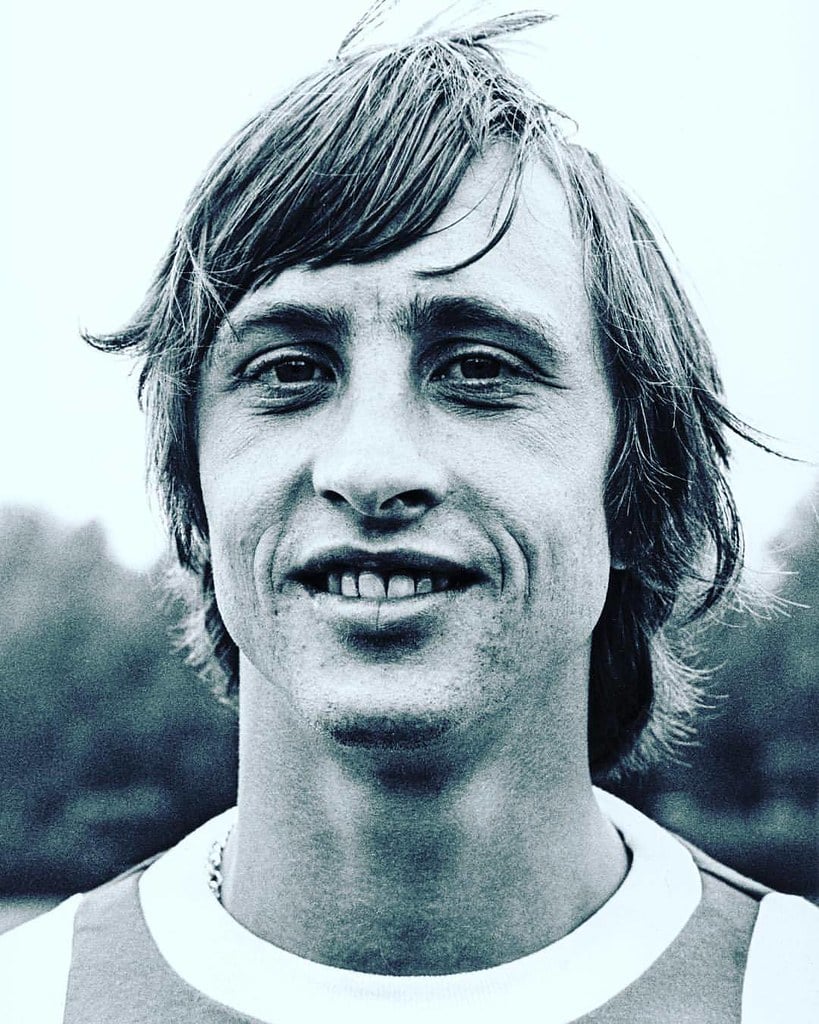
It was one movement. A feint, a drag-back with the inside of the foot, a sudden change of direction that left the Swedish defender looking at an empty space where a man used to be.
Johan Cruyff invented a move in that moment — or at least made it famous — that every youth footballer in the world still learns today. The “Cruyff Turn” is named after him.
That’s how permanent one second of the 1974 World Cup became.
Archie Gemmill’s Stunning Solo Goal — 1978
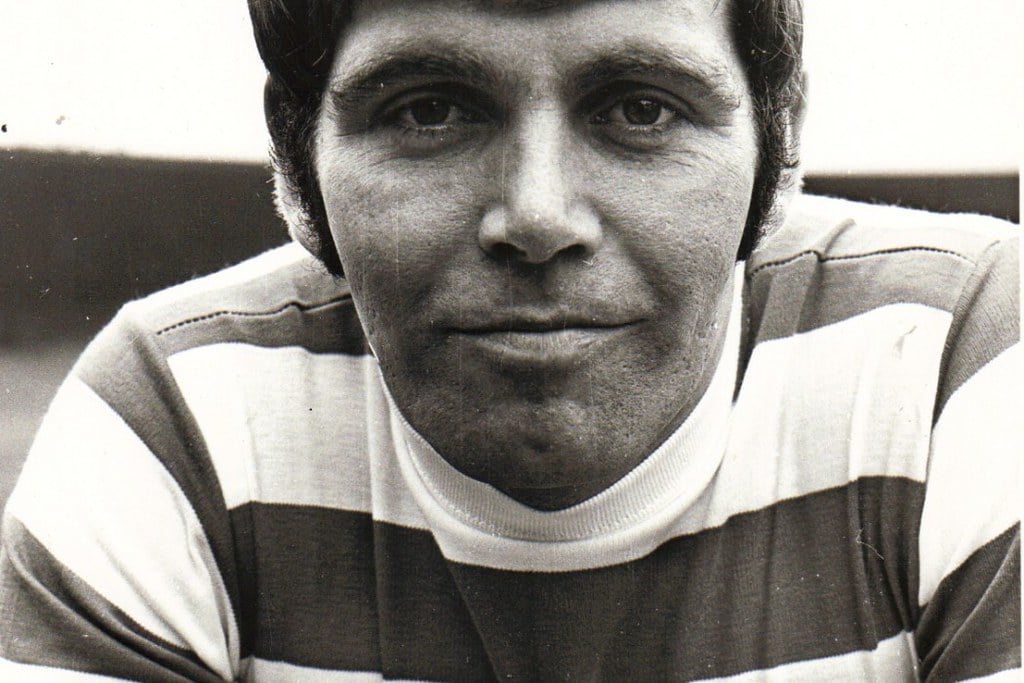
Scotland rarely get much credit in World Cup history. But in 1978 against the Netherlands, Archie Gemmill produced a goal of such individual brilliance that it belongs in any conversation about the greatest ever scored at a World Cup.
He weaved through three defenders, pushed it past the goalkeeper, and scored with calm precision. Scotland still went out.
But that goal lived on.
Tardelli’s Scream — Italy, 1982
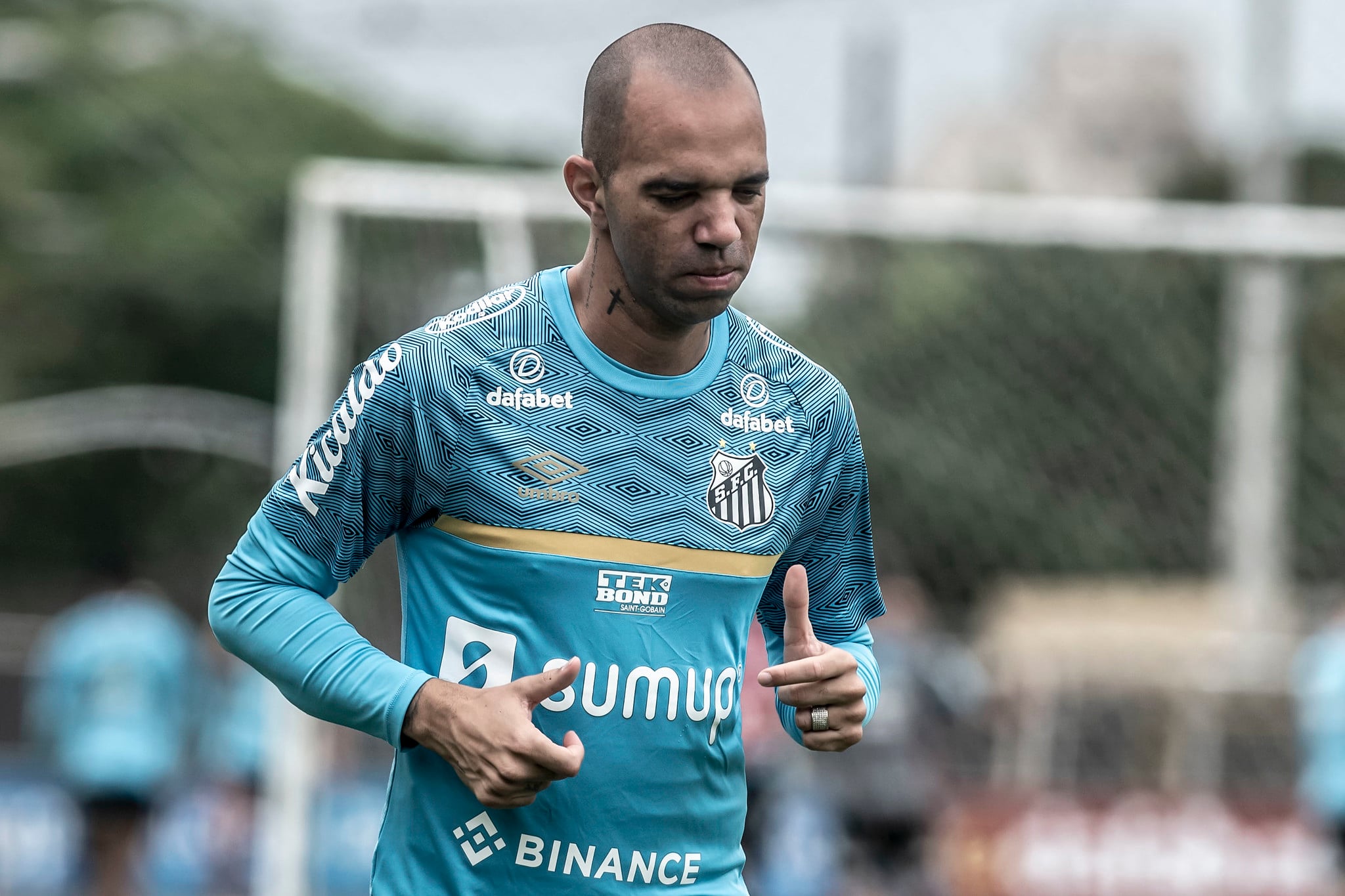
Marco Tardelli scored in the 1982 World Cup Final against West Germany and then ran. He ran with his fists clenched, his mouth wide open, screaming at nothing and everything at once.
It became a photograph that defines raw emotion in sport. Italy won 3–1.
Tardelli’s face became the face of what it feels like to score in a World Cup Final.
The Hand of God — Maradona, 1986
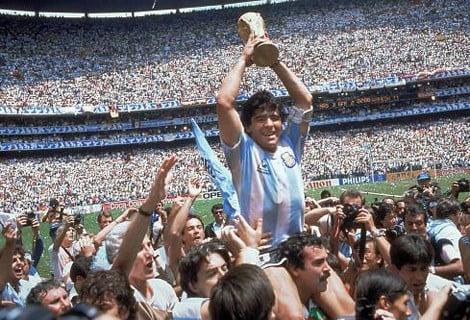
Diego Maradona punched the orb into the net with his left hand in the 1986 quarter-final against England. The referee didn’t see it.
The goal stood. Afterwards, Maradona said it was scored “a little with the head of Maradona and a little with the hand of God.”
It’s one of the most controversial moments in sporting history. And just four minutes later, he scored one of the greatest goals ever.
The Goal of the Century — Maradona Again, 1986

From inside his own half, Maradona collected the orb, turned, and ran. He went past one player.
Then another. Then another.
He covered 60 metres, beat five England outfield players and the goalkeeper, and slid the orb into the net. The commentary — “What a goal! What a goal! Diego! Diego! Diego Armando Maradona!” — became as famous as the goal itself.
It’s routinely voted the greatest goal in World Cup history. And it was scored by the same man, in the same game, just minutes after using his hand to score the other one.
Roger Milla’s Corner Flag Dance — Cameroon, 1990
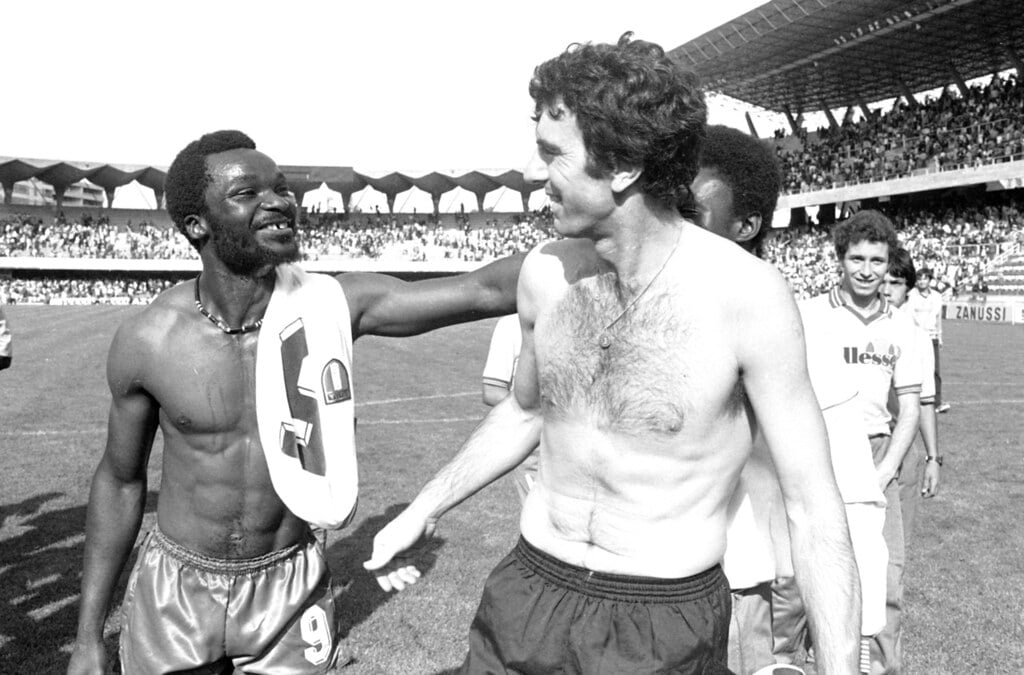
Every time Roger Milla scored at the 1990 World Cup, he ran to the corner flag and danced. He was 38 years old.
He’d come out of retirement to play. And he was the tournament’s breakout star.
Cameroon reached the quarter-finals and captured the hearts of supporters who’d never heard of them before. Milla’s celebrations became the symbol of a tournament that showed Africa belonged on football’s biggest stage.
Baggio’s Penalty — Italy, 1994

The 1994 World Cup Final between Italy and Brazil went to a penalty shoot-out. Roberto Baggio, Italy’s best player, stepped up last.
His team needed him to score. He sent the orb over the bar.
Brazil won. Baggio stood there, head bowed, hands on knees, ponytail hanging down.
The image travelled everywhere. He later said it was the lowest moment of his career.
It’s one of those photographs that captures heartbreak so completely, it almost hurts to look at.
Zinedine Zidane’s Headbutt — 2006
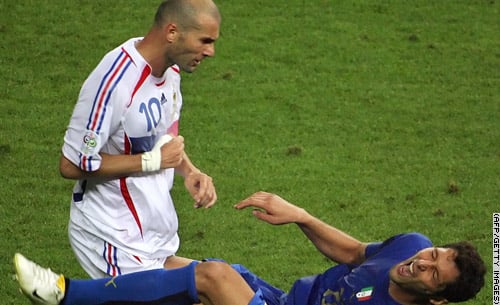
The 2006 World Cup Final in Germany. Extra time.
France and Italy are level. Zinedine Zidane, in the final match of his entire career, walked up to Italian defender Marco Materazzi and headbutted him in the chest.
Red card. Off the pitch.
France lost on penalties. Whatever Materazzi said to provoke him remains the subject of debate and lip-reading analysis to this day.
But the image of Zidane walking past the World Cup trophy on his way off the field — the golden trophy right there, just out of reach — is devastating.
Iker Casillas Lifts the Trophy — South Africa, 2010
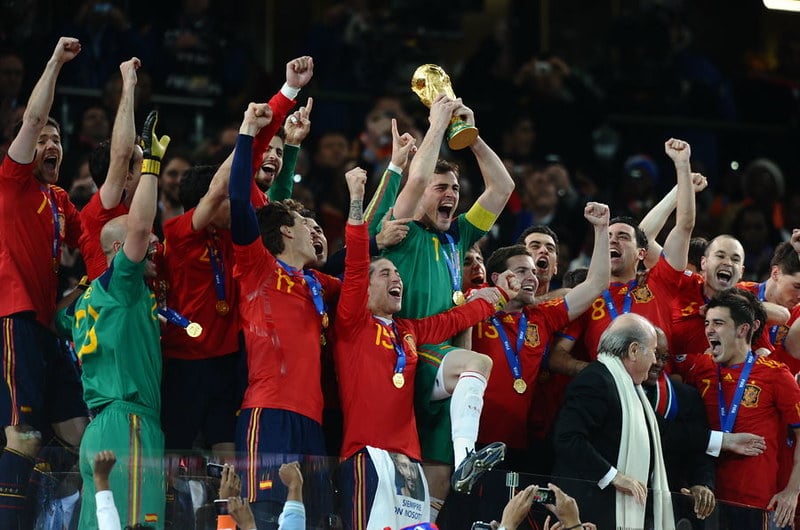
Spain won their first World Cup in 2010 in Johannesburg. Goalkeeper Iker Casillas lifted the trophy, and goalkeeper Iker Casillas was also the one who had kissed his partner, a reporter, live on television immediately after the final whistle.
The vuvuzelas. The golden trophy.
The night sky over Johannesburg. Spain had brought total football to its logical conclusion, and their captain holding the cup became one of the defining images of that tournament.
James Rodríguez’s Volley — Colombia, 2014
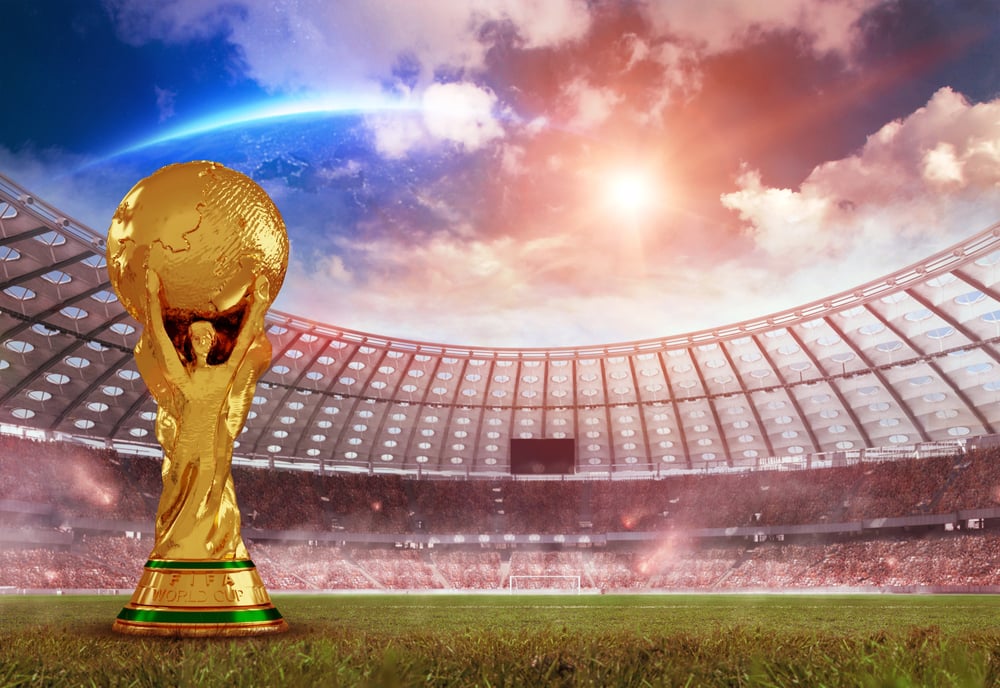
In the 2014 World Cup in Brazil, Colombia’s James Rodríguez controlled a long pass on his chest, let it drop, and hit it on the volley from outside the area against Uruguay. The orb flew into the top corner.
He went on to win the tournament’s Golden Boot. That volley became the defining image of a young player announcing himself to the world on the biggest stage imaginable.
Götze in Extra Time — Germany, 2014

Mario Götze came on as a substitute in the 2014 World Cup Final against Argentina. In the 113th minute, he controlled André Schürrle’s cross with his chest and volleyed it into the net.
Germany won their fourth World Cup. The image of Götze wheeling away in the Maracanã — arms out, teammates sprinting toward him — is the last great moment of the Brazil tournament.
Mbappé at 19 — Russia, 2018
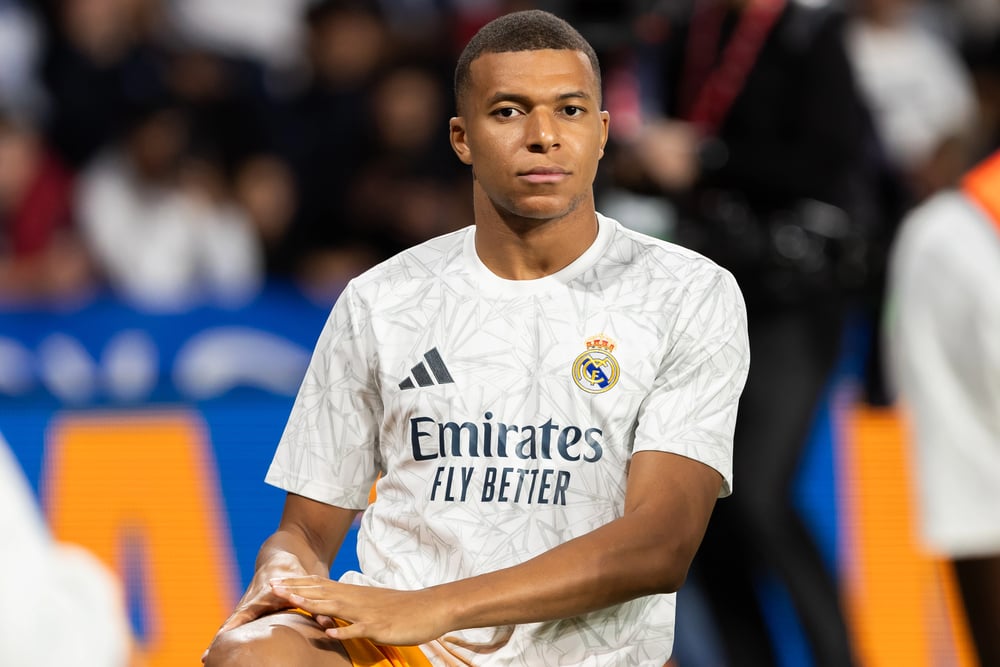
Kylian Mbappé scored twice in the 2018 World Cup Final against Croatia. He became only the second teenager in history, after Pelé, to score in a World Cup Final.
France won 4–2. Mbappé celebrated each goal with his arms crossed over his chest — a gesture that’s become as recognisable as any goal celebration in modern football.
He was 19.
Messi’s Long Wait Finally Ending — Qatar, 2022
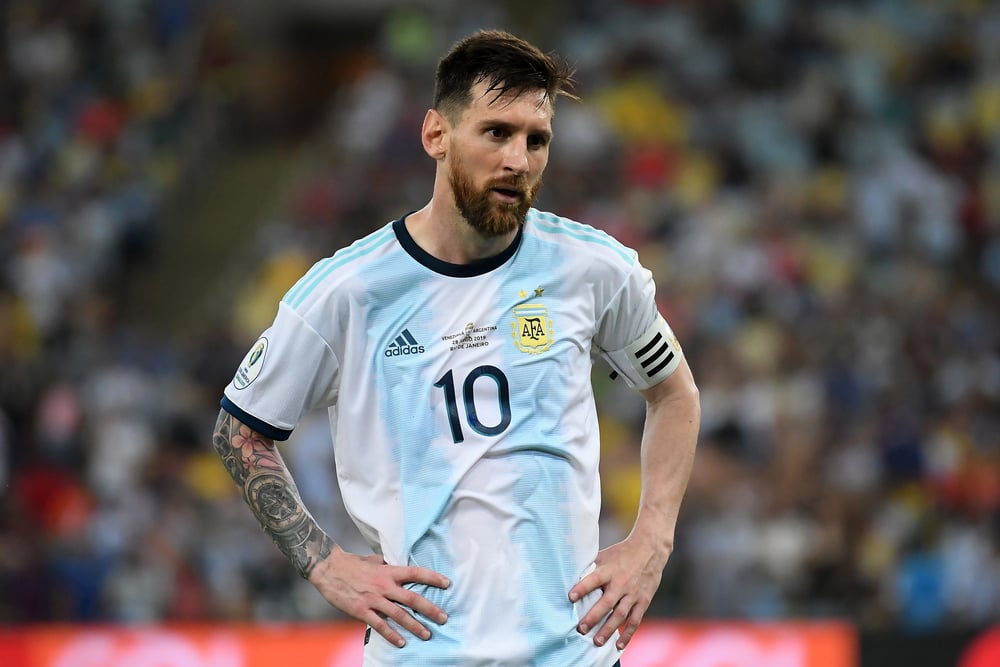
Argentina versus France in the 2022 World Cup Final was the greatest final most people have ever seen. It had everything — a comfortable lead, a collapse, two Mbappé goals in two minutes, extra time, a penalty shoot-out.
Lionel Messi lifted the trophy in Lusail Stadium. He’d won everything else in football.
The one thing missing was the World Cup. And the image of him finally holding it — draped in a bisht, surrounded by teammates who’d waited years for this with him — closed a chapter in football history that had been open for a long, long time.
When the Moment Becomes the Memory

Not every great World Cup moment ends in a winner’s medal. Baggio’s bowed head.
Zidane’s red card walk. The missed saves, the disallowed goals, the players who came so close and didn’t make it.
The World Cup does something sport rarely does anywhere else — it takes ordinary human moments, the joy and the collapse and the sheer disbelief, and puts them on a stage so enormous that they become permanent. You don’t just watch these moments.
You carry them.
More from Go2Tutors!

- The Romanov Crown Jewels and Their Tragic Fate
- 13 Historical Mysteries That Science Still Can’t Solve
- Famous Hoaxes That Fooled the World for Years
- 15 Child Stars with Tragic Adult Lives
- 16 Famous Jewelry Pieces in History
Like Go2Tutors’s content? Follow us on MSN.