The Most Sparsely Populated Countries
Many people immediately think of large nations like the United States or China when it comes to population. But there are countries that cover huge areas with very few people living there.
These countries are known for their vast open spaces, quiet landscapes, and unique environments. They’re interesting because they show what parts of the world look like when human activity is minimal.
Now, let’s take a look at these quiet corners of the world and find out what makes them so empty and special.
Mongolia
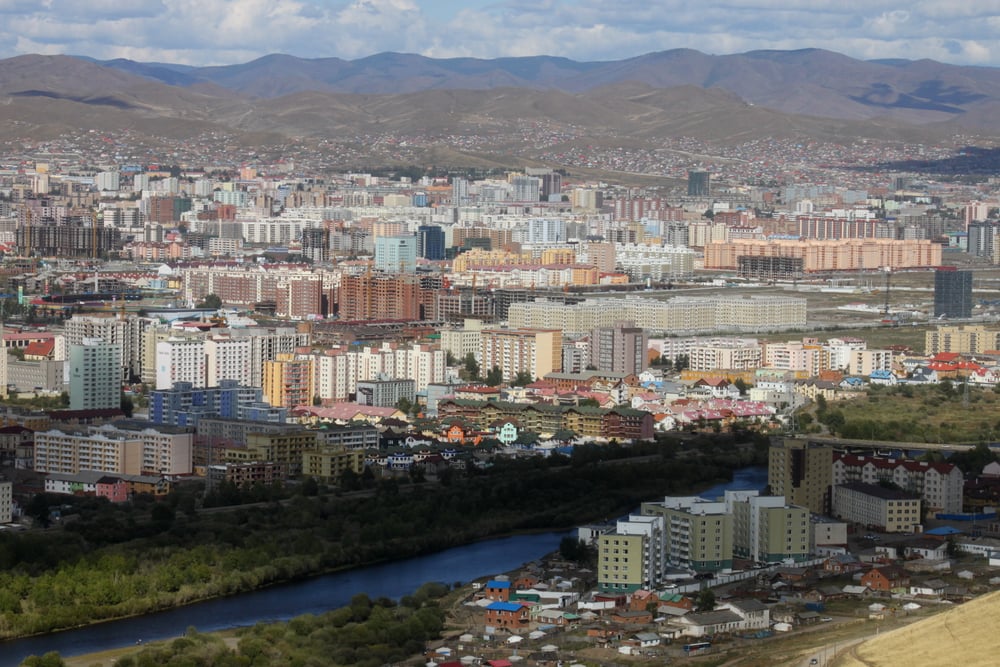
Mongolia takes up a big part of Central Asia but has only about 3 million residents. Most live in the capital, Ulaanbaatar, which is a cultural and economic hub.
The rest of the country is mostly desert and grasslands, making it hard for large groups to settle. Nomads still roam with their herds, living off the land and holding onto old traditions.
The country’s huge open spaces and low population density make it truly unique.
Namibia
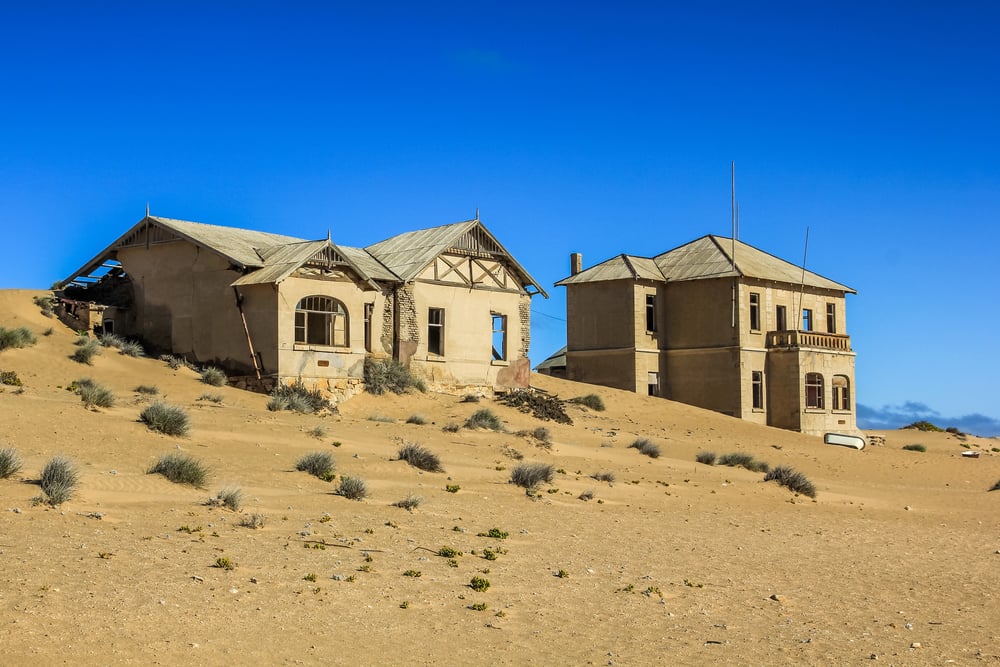
Known for deserts and abundant wildlife, Namibia covers a large area with about 2.5 million people. Towns are small and far apart, with Windhoek as the main city.
The Namib Desert, one of the oldest in the world, dominates the landscape. This harsh environment limits how many people can live comfortably.
Still, Namibia’s natural beauty draws visitors for safaris and outdoor adventures.
Like Go2Tutors’s content? Follow us on MSN.
Iceland
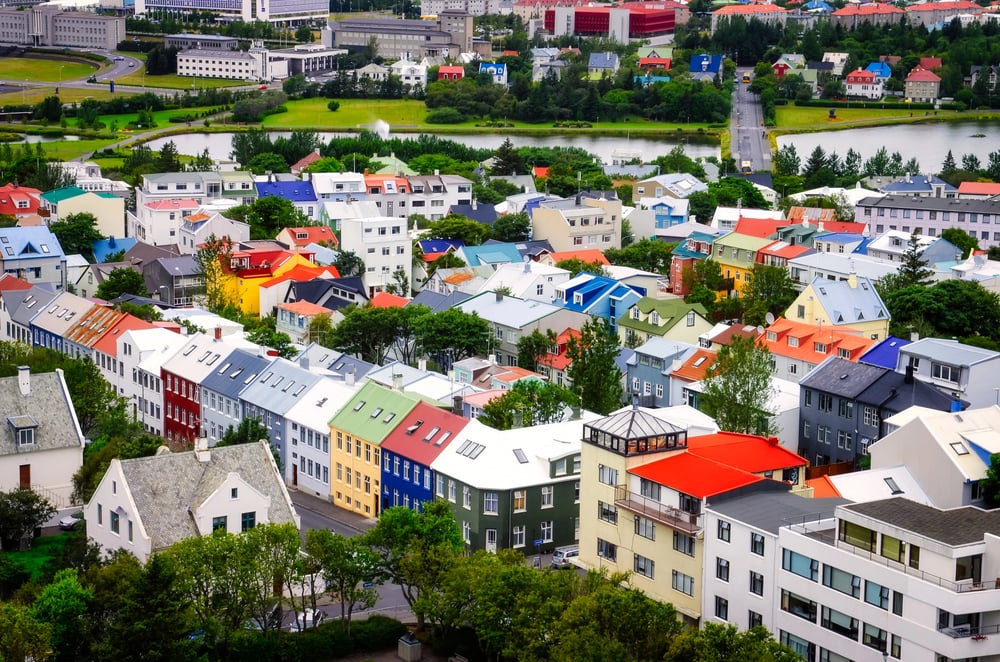
Iceland is famous for its volcanoes, geysers, and glaciers, yet only about 370,000 people live there. Most reside in Reykjavik and nearby towns, where most jobs and services are.
The rest of the island remains wild, with mountains and lava fields. The cold climate and volcanic activity make it hard for large populations to spread out.
Despite this, Iceland’s scenery attracts many, and its people enjoy a peaceful, nature-focused life.
Suriname

Suriname, in South America, is mostly covered by dense rainforest. Its population is about 600,000, mainly living in the coastal capital, Paramaribo.
The jungle interior remains largely untouched and difficult to access. Indigenous communities still live in the forest, preserving their traditional lifestyles.
The low population density reflects the challenging environment but offers rich biodiversity and cultural diversity.
Greenland

Greenland is the world’s biggest island, yet it has only around 56,000 residents. Most live in small coastal towns, especially Nuuk, the capital.
The interior is mostly ice, making it impossible for many to live there. Cold weather and icy terrain limit settlements.
Greenland’s dramatic landscapes include fjords, glaciers, and polar bears, making it one of Earth’s most remote places.
Like Go2Tutors’s content? Follow us on MSN.
Falkland Islands
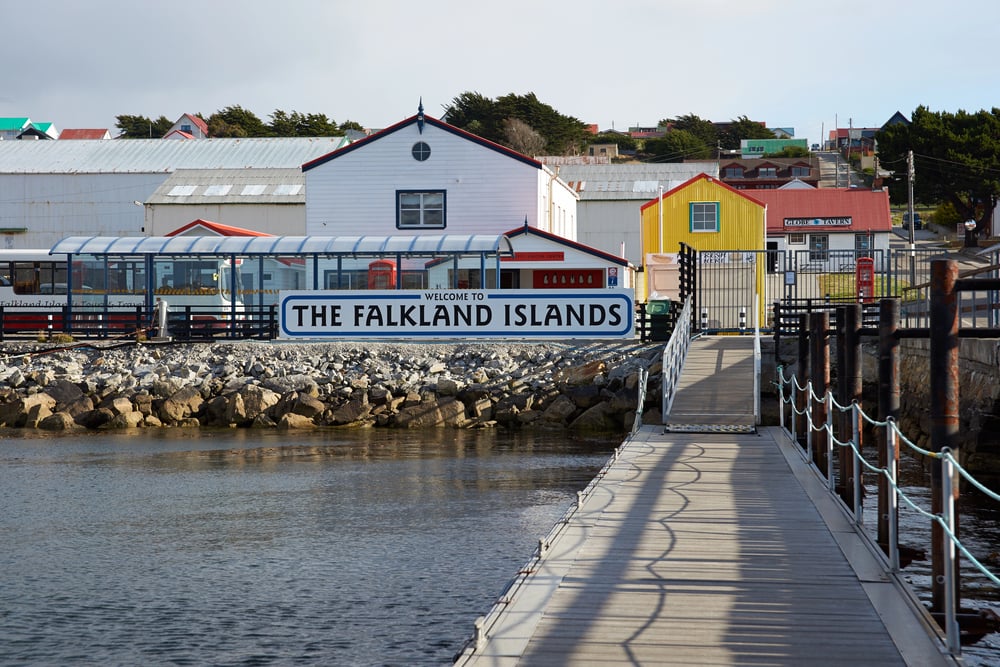
The Falkland Islands, a British territory in the South Atlantic, have about 3,400 residents mostly living in Stanley, the capital. The rest of the islands are open land with grass, hills, and wildlife.
The islands are remote, with little economic activity besides tourism and fishing. Despite the small population, they’re rich in birdlife and marine creatures, offering a peaceful, vibrant environment.
Tuvalu

Tuvalu is a tiny island nation in the Pacific Ocean with about 11,000 residents. Its small size limits how many people can live there comfortably.
Most live on Funafuti, the main island, where schools, shops, and government offices are. The islands are low-lying and vulnerable to rising sea levels, making life challenging.
Still, the community is close and resilient.
Nauru
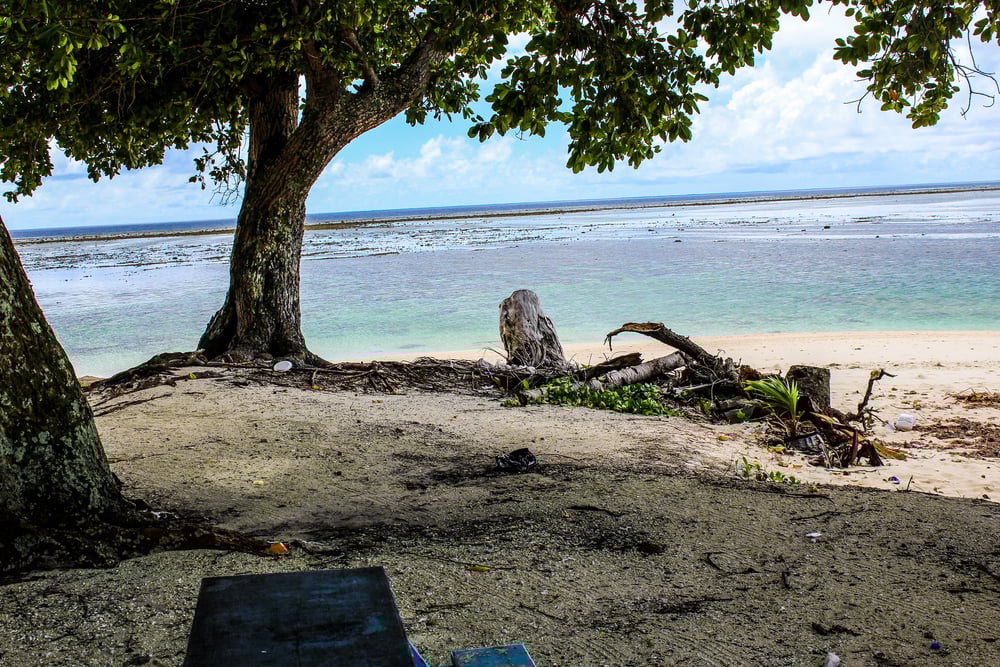
Nauru is another tiny Pacific island country with about 10,000 residents. The island itself is roughly 8 square miles, with most people living in a few towns.
Once wealthy from phosphate mining, much of the land is now mined out. Its small size and limited resources keep the population low, but the locals are proud of their unique home.
Like Go2Tutors’s content? Follow us on MSN.
Svalbard
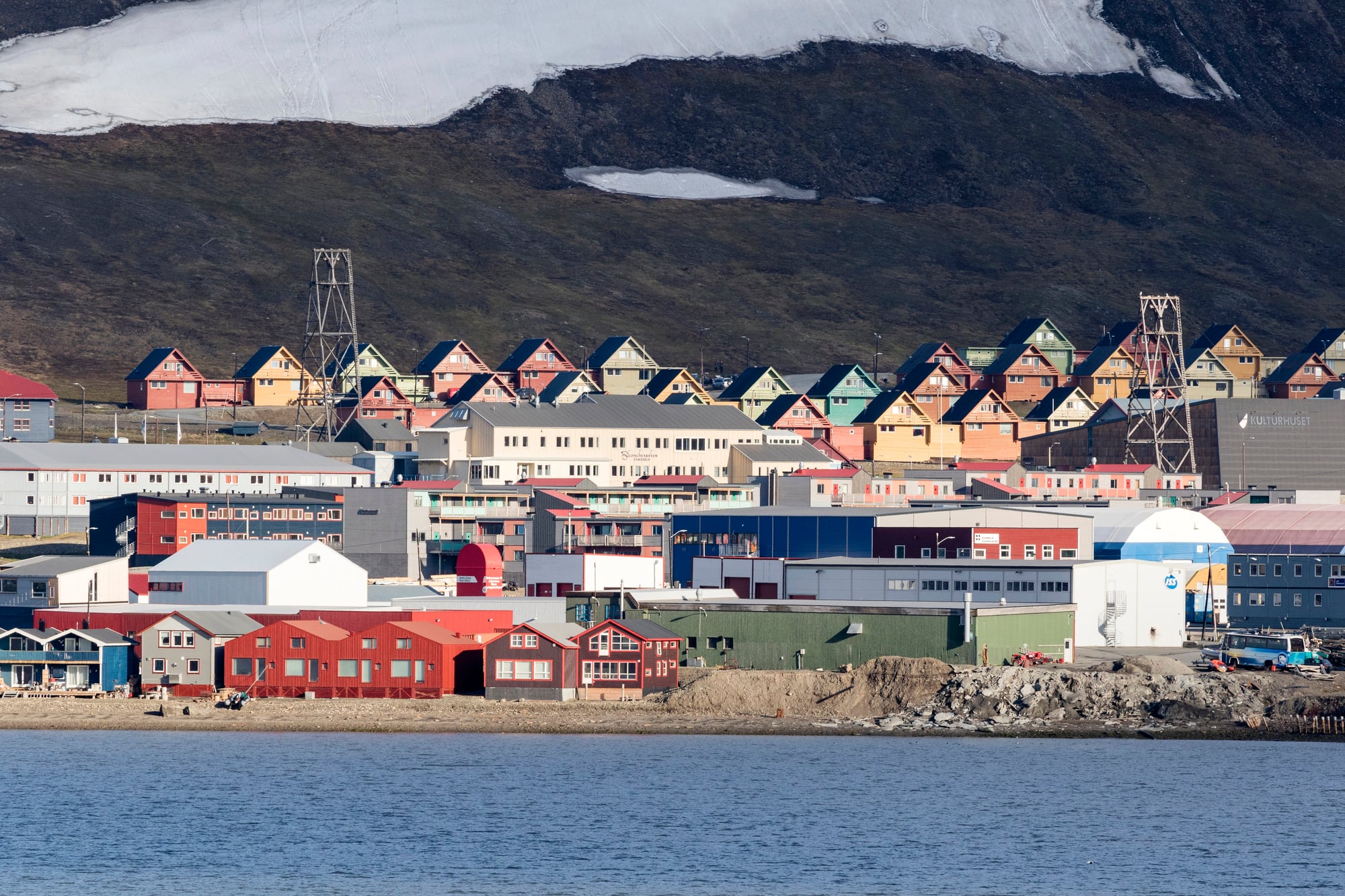
Svalbard, a group of islands owned by Norway, lies above the Arctic Circle. It has a tiny population of around 2,500 people.
Most work in research, tourism, or government roles. Snow and ice cover the land most of the year, with polar bears roaming freely.
There are no native residents, and most stay temporarily for work or study.
Palau

Palau is an island country in the Pacific with about 18,000 residents. Its small size and remote location keep population density low.
Most people live on Koror, the main island, working in tourism, fishing, or the government. Palau’s coral reefs and clear waters attract travelers.
Though small, it’s rich in natural beauty.
Saint Kitts and Nevis

This Caribbean nation has just over 50,000 residents. Though small, it’s a popular tourist spot with beaches and lush scenery.
Its size keeps the population low, but it has a rich culture and history. Most people live in towns and villages, enjoying peaceful life surrounded by nature.
Like Go2Tutors’s content? Follow us on MSN.
The Maldives

Made up of over 1,000 islands in the Indian Ocean, the Maldives has roughly 500,000 residents. Most live on a few main islands where homes and resorts are found.
Many islands remain uninhabited or are reserved for tourism. The nation faces challenges from climate change but maintains a close and resilient community.
Antarctica

Not a country, but Antarctica is the least populated place on Earth. It has no permanent residents.
Scientists and researchers stay temporarily at research stations for months or years. The land is icy and harsh, mostly unlivable for people.
This unique environment remains a quiet, untouched place vital for science and learning about our planet.
Bhutan
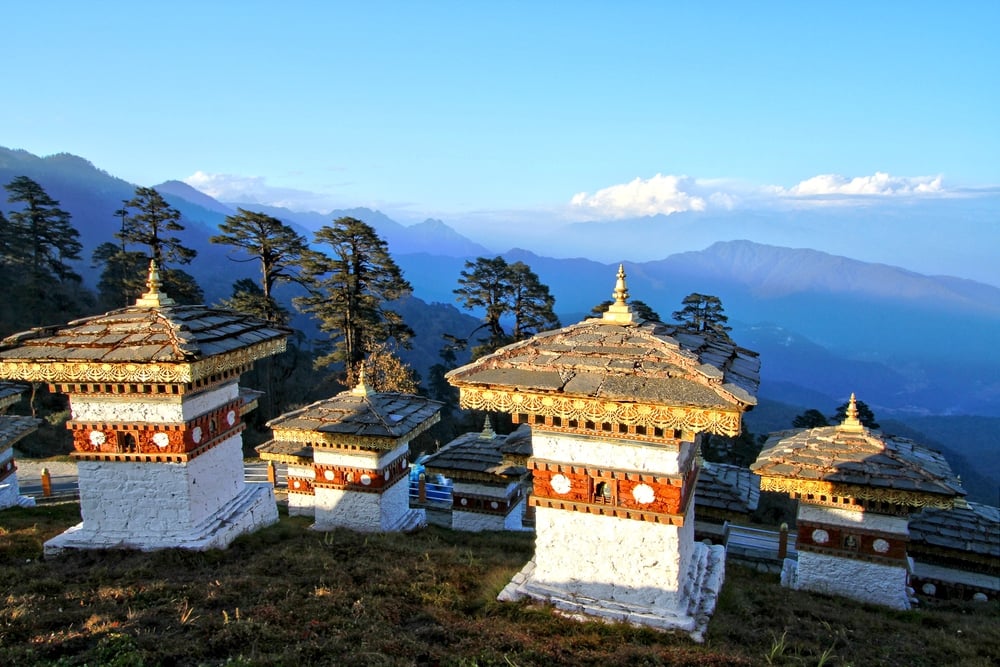
Bhutan is a small Himalayan kingdom with fewer than 800,000 residents. Its rugged mountains and remote valleys make large settlements difficult.
Much of the country is wild and untouched. The people maintain strong cultural traditions, living closely with nature.
Like Go2Tutors’s content? Follow us on MSN.
Guyana
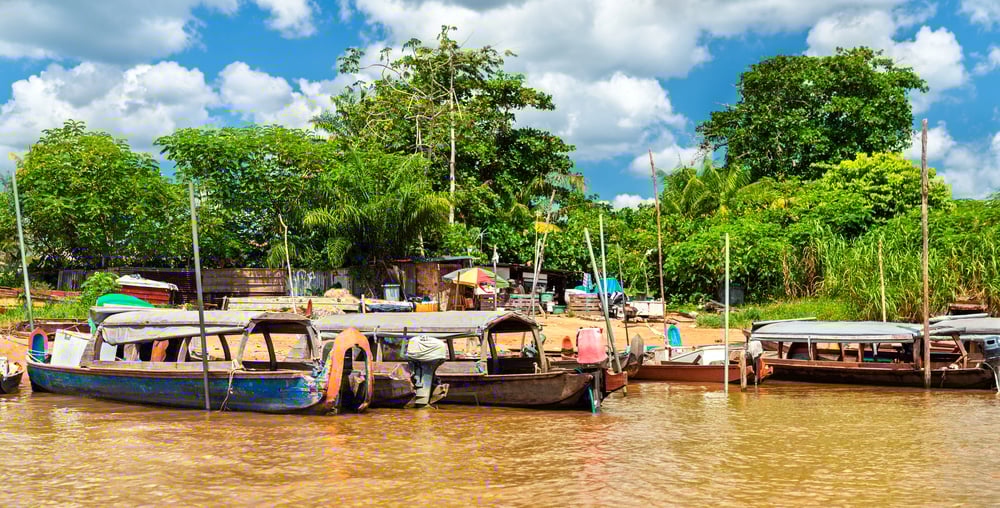
Guyana has fewer than 800,000 residents spread across dense rainforests and rivers. Much of the country is hard to reach, so population centers are mostly along the coast and riverbanks.
Its low population density preserves a rich natural environment.
Space shapes life

Looking at these countries shows how geography, climate, and culture shape where people settle. Deserts, icy lands, or dense jungles make it hard for large populations to grow.
Some places are naturally tough to live in, while others stay quiet for political or historical reasons. These countries remind us that population numbers don’t tell the whole story—how people connect with their land defines their way of life.
In their wide-open spaces and small communities, there’s a special kind of richness that only sparsely populated places can offer.
More from Go2Tutors!

- 16 Historical Figures Who Were Nothing Like You Think
- 12 Things Sold in the 80s That Are Now Illegal
- 15 VHS Tapes That Could Be Worth Thousands
- 17 Historical “What Ifs” That Would Have Changed Everything
- 18 TV Shows That Vanished Without a Finale
Like Go2Tutors’s content? Follow us on MSN.



