The Real Reason Some Historical Figures Were Quietly Erased From Textbooks
History has always been a negotiation — not just between the past and the present, but between whoever holds the pen and whoever gets written about. Most people grow up trusting that the figures in their textbooks were selected because they mattered most, because their contributions were the clearest, the most significant, the most worth remembering.
But that’s a generous reading of how these decisions actually get made. The truth is messier, more political, and considerably less flattering to the institutions responsible for it.
Some people vanished from the historical record not because their stories were minor, but because their stories were inconvenient — to a government, an industry, a dominant culture, or a set of beliefs that preferred a cleaner version of events. What follows is a closer look at the real forces that put certain names in the margins and kept them there.
Political Inconvenience
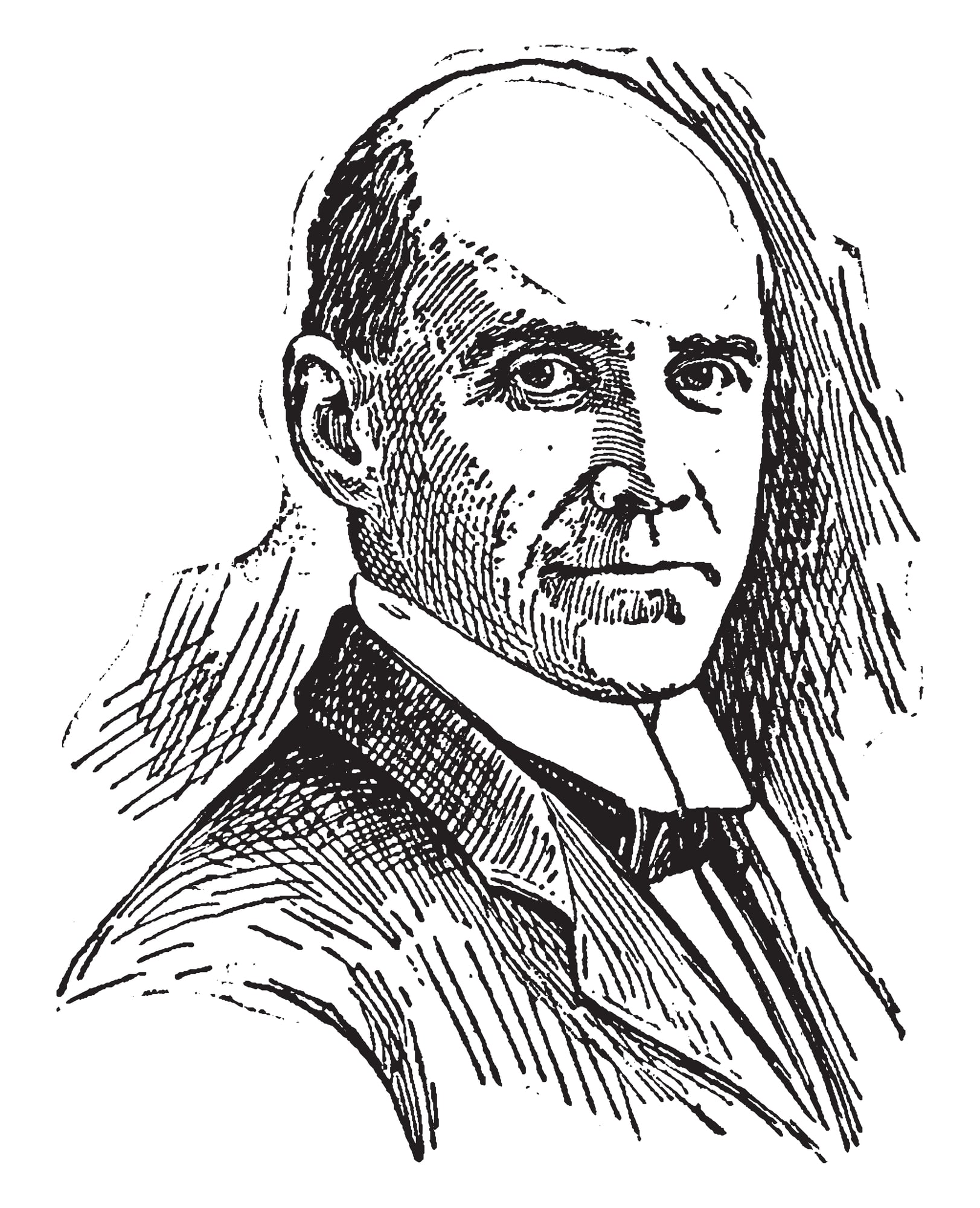
Governments have always had a complicated relationship with people who challenged them — and an even more complicated relationship with how to explain those people to future generations. Figures who organized labor strikes, led independence movements, or publicly defied official policy often got quietly downgraded in curricula, their accomplishments reframed as troublemaking rather than principle.
Eugene V. Debs, who ran for president five times and received nearly a million votes from a federal prison cell, barely registers in most American high school textbooks. The story of a man imprisoned for opposing a war is a harder story to tell in a civics class built around national pride.
Race and Systemic Exclusion
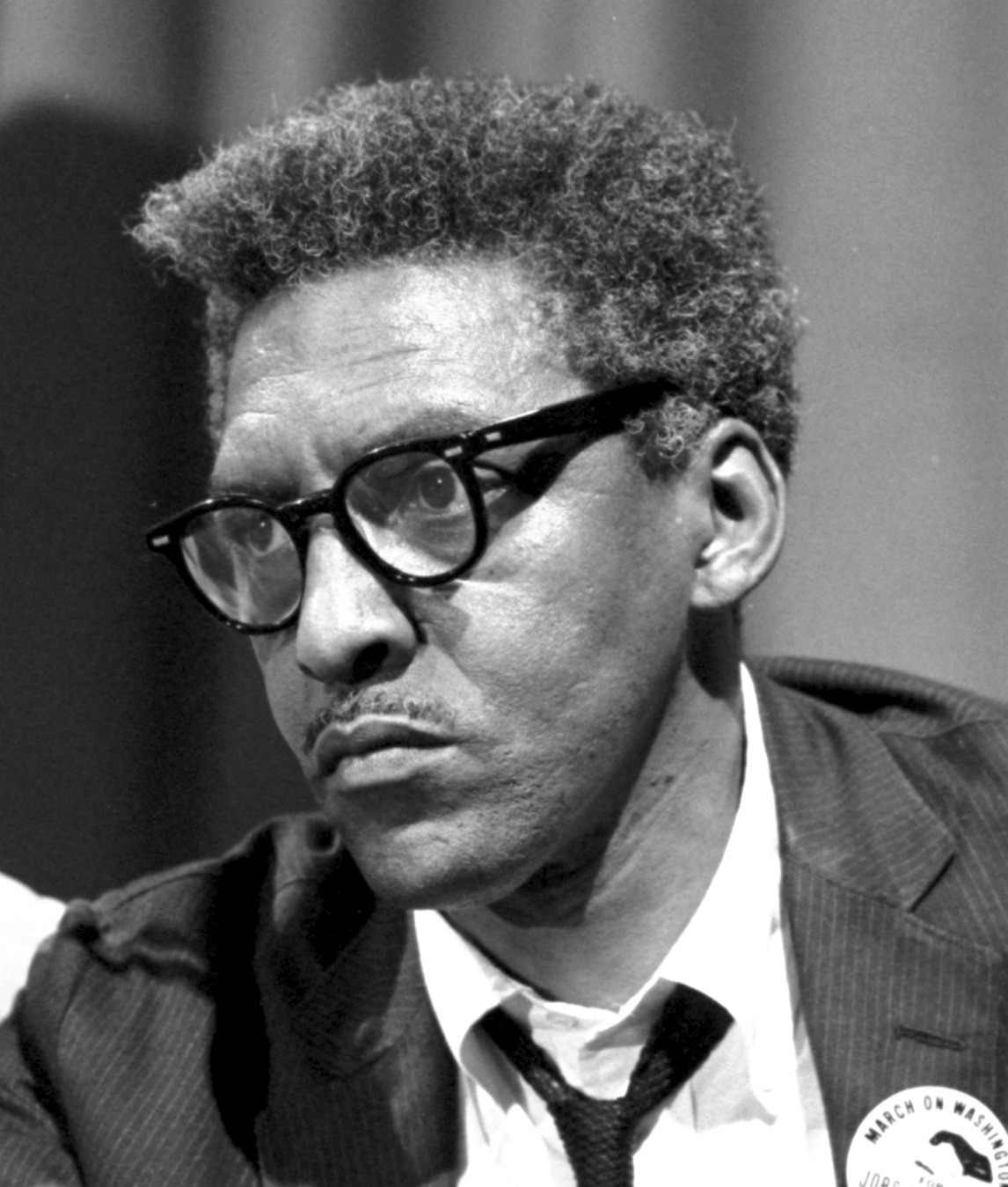
The erasure of Black, Indigenous, and other non-white figures from American textbooks wasn’t accidental — it was structural. For most of the twentieth century, textbook adoption committees were dominated by white educators operating inside a system that treated white achievement as the default subject of history.
Figures like Bayard Rustin, a chief organizer of the 1963 March on Washington, were sidelined — Rustin because he was both Black and gay, which made him doubly inconvenient for a narrative that preferred its heroes uncomplicated. The result is that generations of students learned a version of the civil rights movement with the difficult edges smoothed off.
Gender and the Myth of the Lone Male Genius

History textbooks have a stubborn habit of crediting breakthroughs to individual men while quietly absorbing the women who made those breakthroughs possible into the background. Rosalind Franklin’s X-ray crystallography work was essential to Watson and Crick’s discovery of DNA’s double helix structure — that’s not a contested claim, it’s documented — and yet for decades, Franklin’s name appeared in footnotes while Watson and Crick occupied the main text.
The lone genius mythology (which turns out to require several uncredited people working behind it) has always been more about the story institutions want to tell than the one that actually happened.
Religious and Moral Judgment

There’s a particular kind of erasure that happens when a historical figure’s personal life conflicts with the moral framework of whoever is writing the curriculum. Alan Turing cracked the Enigma code, shortened World War II by a credible estimate of two years, and then was prosecuted by the British government for being gay — and for decades, American textbooks covered his wartime contributions in the thinnest possible terms, as if the man himself were too complicated to explain.
The story became cleaner when the person inside it was kept vague. That’s a pattern, not a coincidence.
Economic Threats to Powerful Interests

Some figures were erased not by governments but by industries — quieted through the slow, grinding mechanisms of funding, lobbying, and institutional pressure on what gets taught. Alice Hamilton, the first woman appointed to the faculty of Harvard Medical School, spent decades documenting the deadly effects of industrial lead poisoning on workers and was consistently dismissed, defunded, and ignored by industries whose profits depended on lead remaining in paint and gasoline.
She eventually won — lead was banned — but Hamilton herself remains largely absent from standard American history curricula, which is exactly what happens when the people you fought against still write the checks.
Inconvenient Complexity
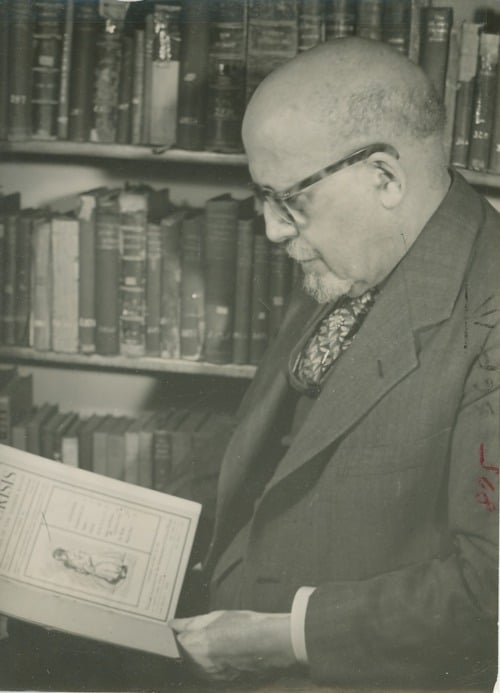
Textbooks, by design, prefer simplicity: heroes and villains, progress and setbacks, clear moral arcs. Figures who resist easy categorization tend to get dropped rather than explained.
W.E.B. Du Bois was one of the most important American intellectuals of the twentieth century and also a committed socialist who eventually renounced his American citizenship and moved to Ghana — a set of facts that makes him genuinely difficult to fit into a tidy national narrative, so for much of the mid-twentieth century, the solution was to barely mention him at all. History isn’t actually tidy; the textbook version just pretends it is.
Cold War Paranoia
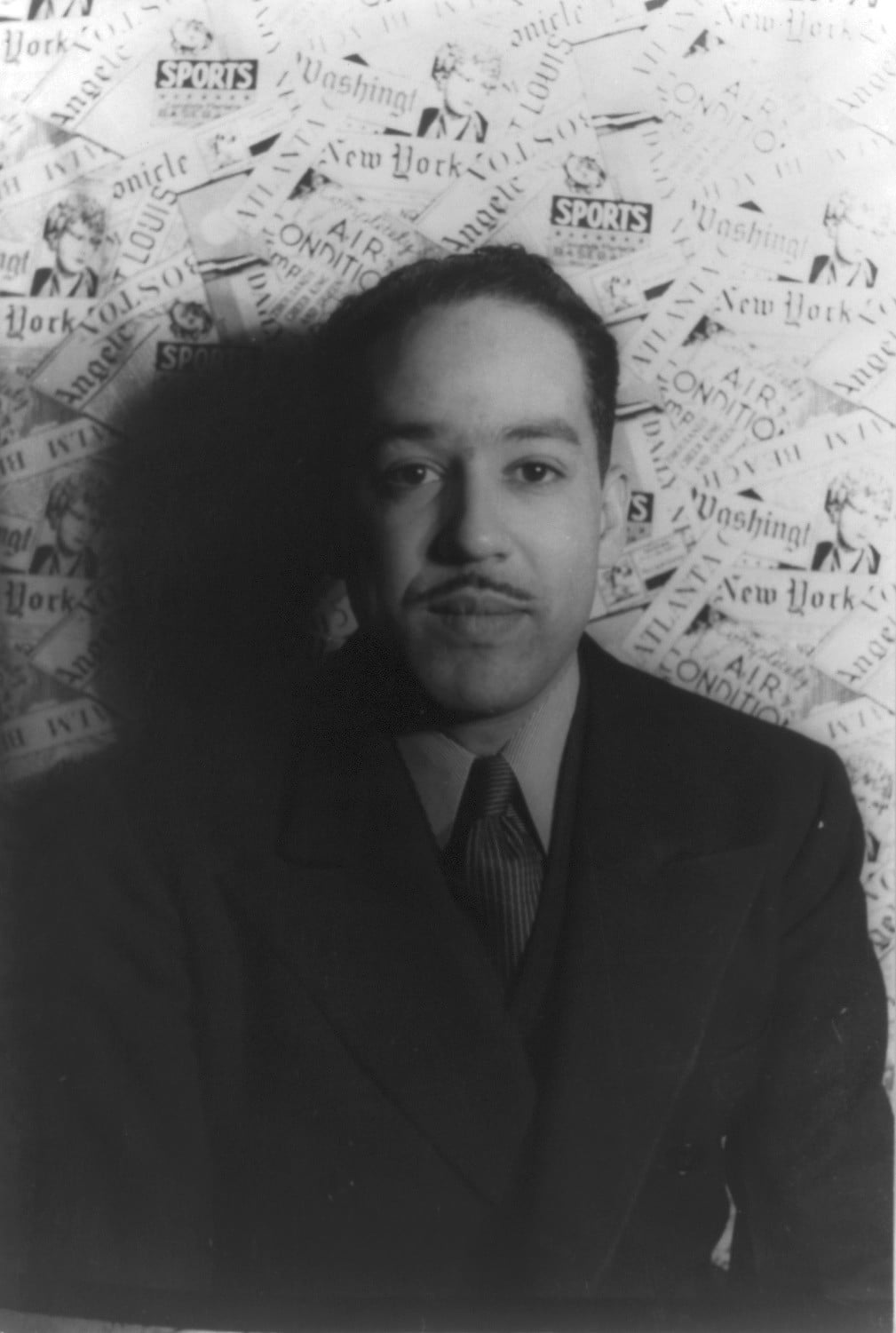
The decades following World War II produced a specific brand of historical erasure tied to anti-communist anxiety — one that swept across academia, textbook publishing, and public education with unusual thoroughness. Figures with documented ties to socialist or communist organizations, regardless of their broader contributions, were quietly removed from curricula or mentioned only in contexts that framed their politics as disqualifying.
Langston Hughes, whose poetry helped define the Harlem Renaissance, faced this kind of institutional cold shoulder in part because of his leftist politics; school boards in multiple states pushed to have his work removed from reading lists during the 1950s. The fear wasn’t really of the person — it was of what the person’s ideas might lead students to think.
State-Level Textbook Politics
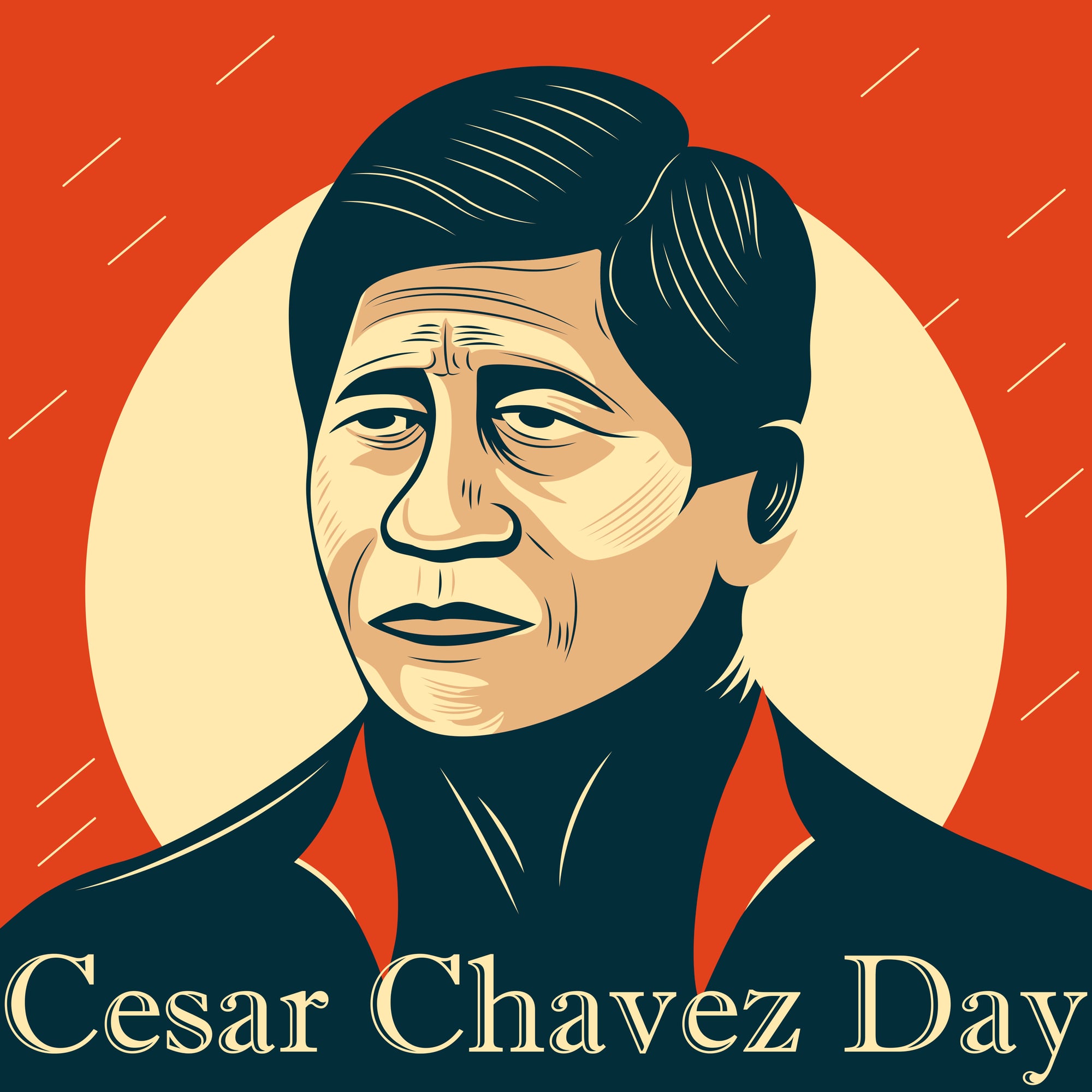
Textbook content in America has never been a purely academic question — it has always been a political one, shaped significantly by the fact that Texas and California, as the two largest textbook markets, effectively set standards for the entire country. For decades, Texas’s State Board of Education leaned hard on publishers to minimize or remove figures whose stories didn’t align with a particular ideological vision of American history — figures like César Chávez, whose labor organizing on behalf of farmworkers was periodically downgraded or cut from state standards.
What gets taught in American classrooms is downstream of purchasing power, which is a strange way to decide what history matters.
Colonial Framing of Indigenous Figures
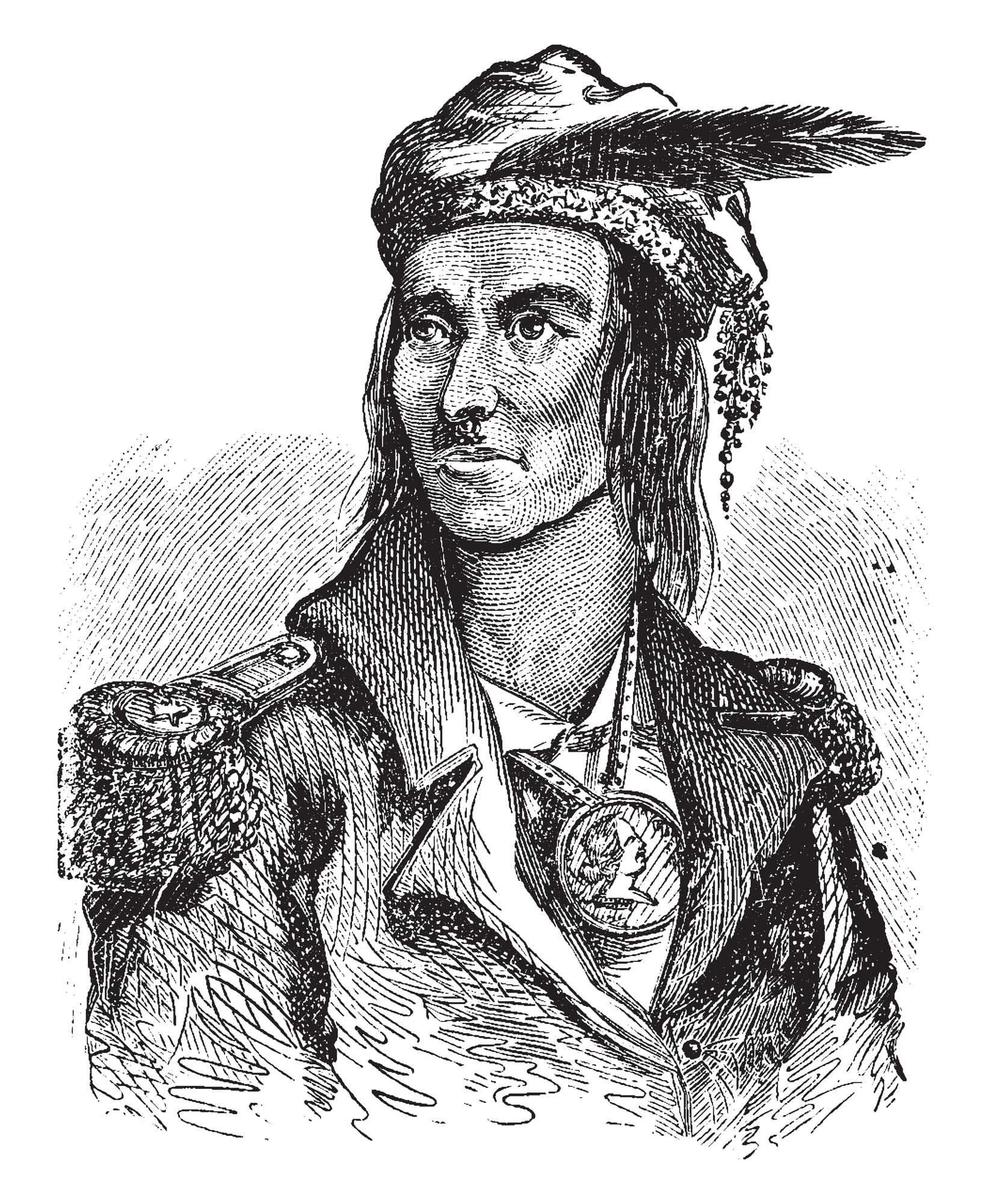
Indigenous leaders and intellectuals have been systematically excluded from American textbooks not through neglect but through a colonial logic that frames Native people as subjects of history rather than makers of it. Figures like Tecumseh — a Shawnee leader who built one of the most sophisticated pan-tribal coalitions in North American history — appear in textbooks primarily as obstacles to westward expansion rather than as strategists, diplomats, and thinkers in their own right.
The framing is everything: the same person described as a military leader resisting invasion looks completely different from the same person described as a threat to American progress.
Immigration and National Identity Anxiety
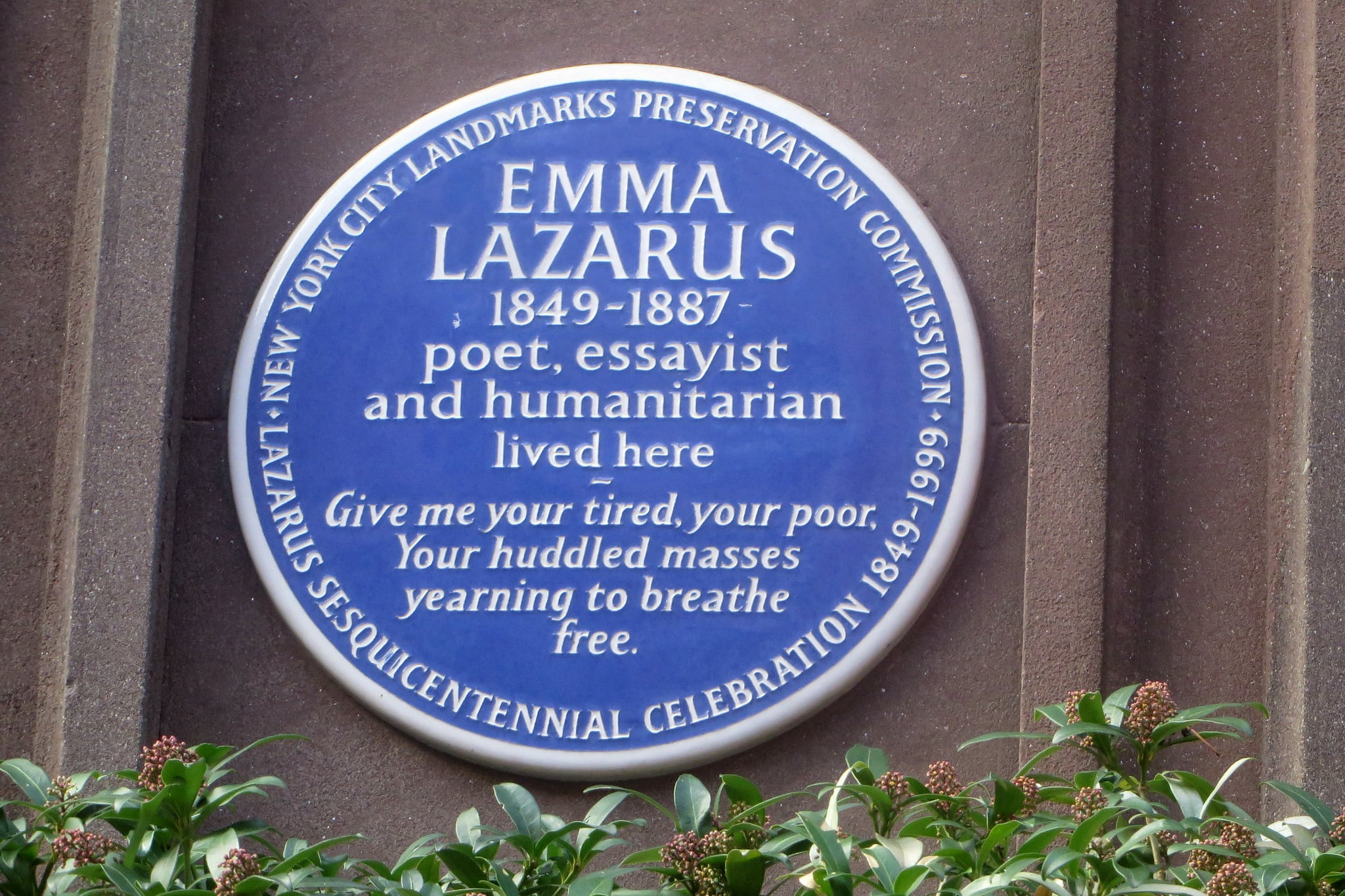
People who complicated the official story of American identity — particularly immigrants, refugees, and people caught between cultures — tended to fall out of textbooks in proportion to how uncomfortable their stories made the dominant narrative. Emma Lazarus, whose poem is literally engraved on the Statue of Liberty, spent much of her life advocating for Jewish refugees and immigrant rights in ways that went well beyond poetry, and almost none of that advocacy appears in standard curricula.
It’s easier to quote her on a monument than to explain what she was actually fighting for, apparently.
Scientific Findings That Challenged Power
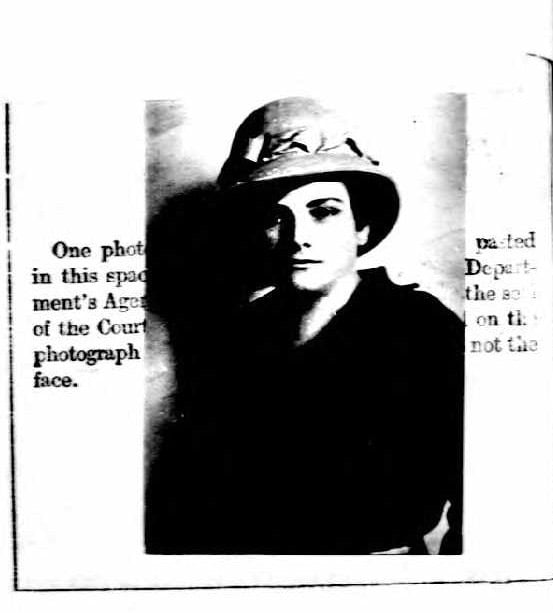
Scientists whose discoveries threatened profitable industries or required powerful institutions to change course have a long history of being minimized, discredited, or simply left out of the educational record. Harriet Chalmers Adams was one of the most accomplished geographic explorers of the early twentieth century, traveled more than 100,000 miles through Latin America, and was denied membership in the National Geographic Society because she was a woman — her extensive documented contributions to the field remain largely unknown because the gatekeepers of knowledge at the time decided she didn’t count.
The gatekeepers rarely announce that decision. They just stop mentioning the name.
Labor Organizers and the Working Class
American history textbooks have always been more comfortable with industrialists than with the workers who organized against them — which is a revealing imbalance, given that labor organizing directly shaped the forty-hour workweek, child labor laws, and workplace safety standards that most Americans take for granted. Mother Jones, who organized miners and led a march of child laborers to President Theodore Roosevelt’s doorstep in 1903, appears in passing in some curricula and not at all in others, despite being one of the most consequential labor figures in American history.
The textbook version of the American economy is one where prosperity just sort of happened, which requires ignoring most of the people who fought for it.
Figures Who Criticized American Foreign Policy
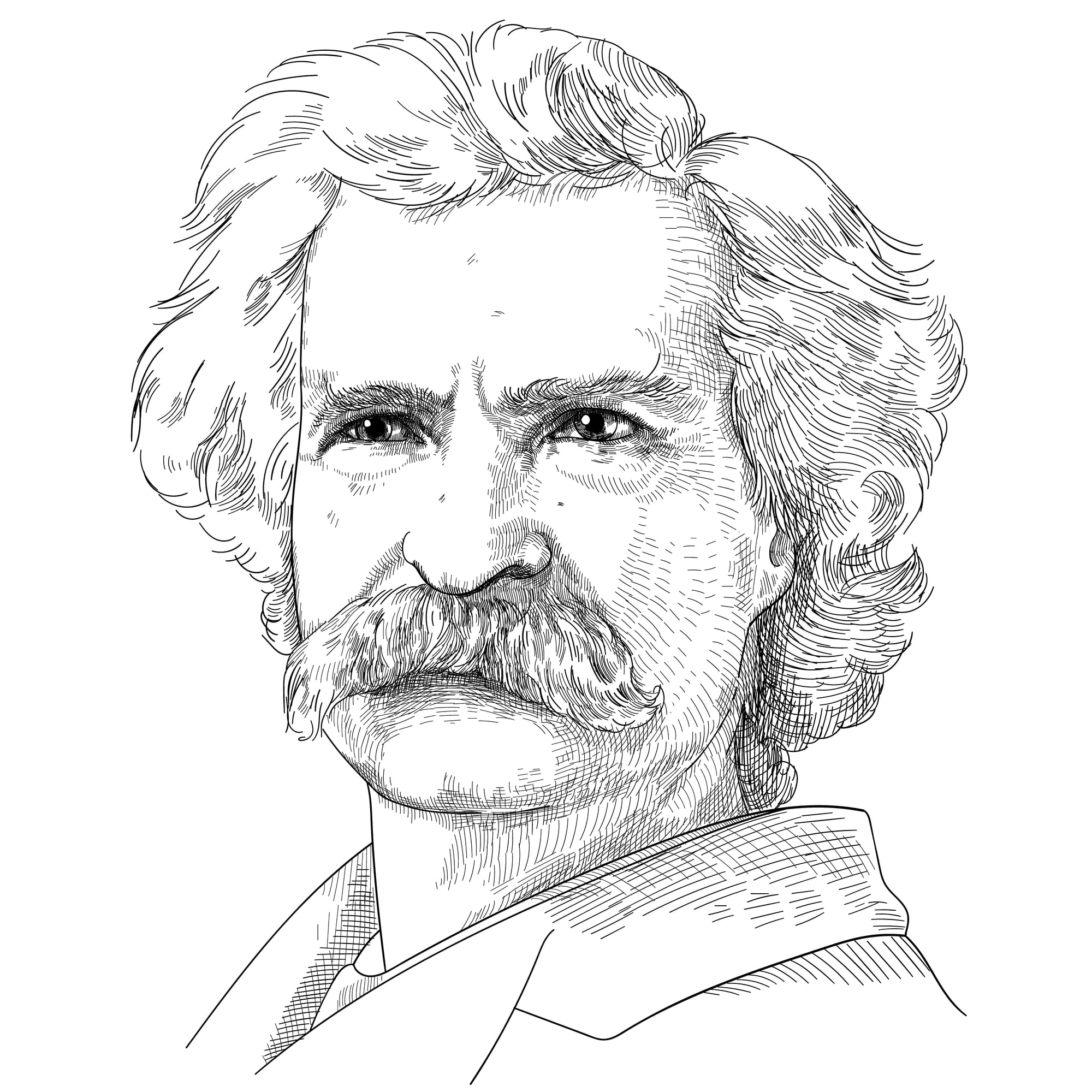
There is a specific category of American historical figure who gets quietly minimized the moment their criticism turns outward — toward American imperialism, military intervention, or foreign policy conduct. Mark Twain was a fierce anti-imperialist who wrote extensively against the Philippine-American War, called out the hypocrisy of American democracy, and used his platform with genuine confrontational intent; most students encounter him exclusively as the author of Tom Sawyer and nothing more.
The Twain who entertained is safe. The Twain who challenged is inconvenient, and textbooks have known that distinction for a long time.
Women Scientists Absorbed by Male Colleagues

There is a phenomenon so common in the history of science that it has a name: the Matilda Effect, coined by science historian Margaret Rossiter, describes the systematic under-crediting of women scientists whose work was routinely attributed to their male colleagues or collaborators. Nettie Stevens discovered chromosomes in 1905, establishing that biological identity is determined by the X and Y chromosome system, a finding of enormous scientific importance — and her work was largely credited to Edmund Beecher Wilson in the years following publication.
Stevens died of cancer in 1912, before she could push back. History moved on without correcting the ledger for several more decades.
The Deliberate Simplification of Complicated Heroes
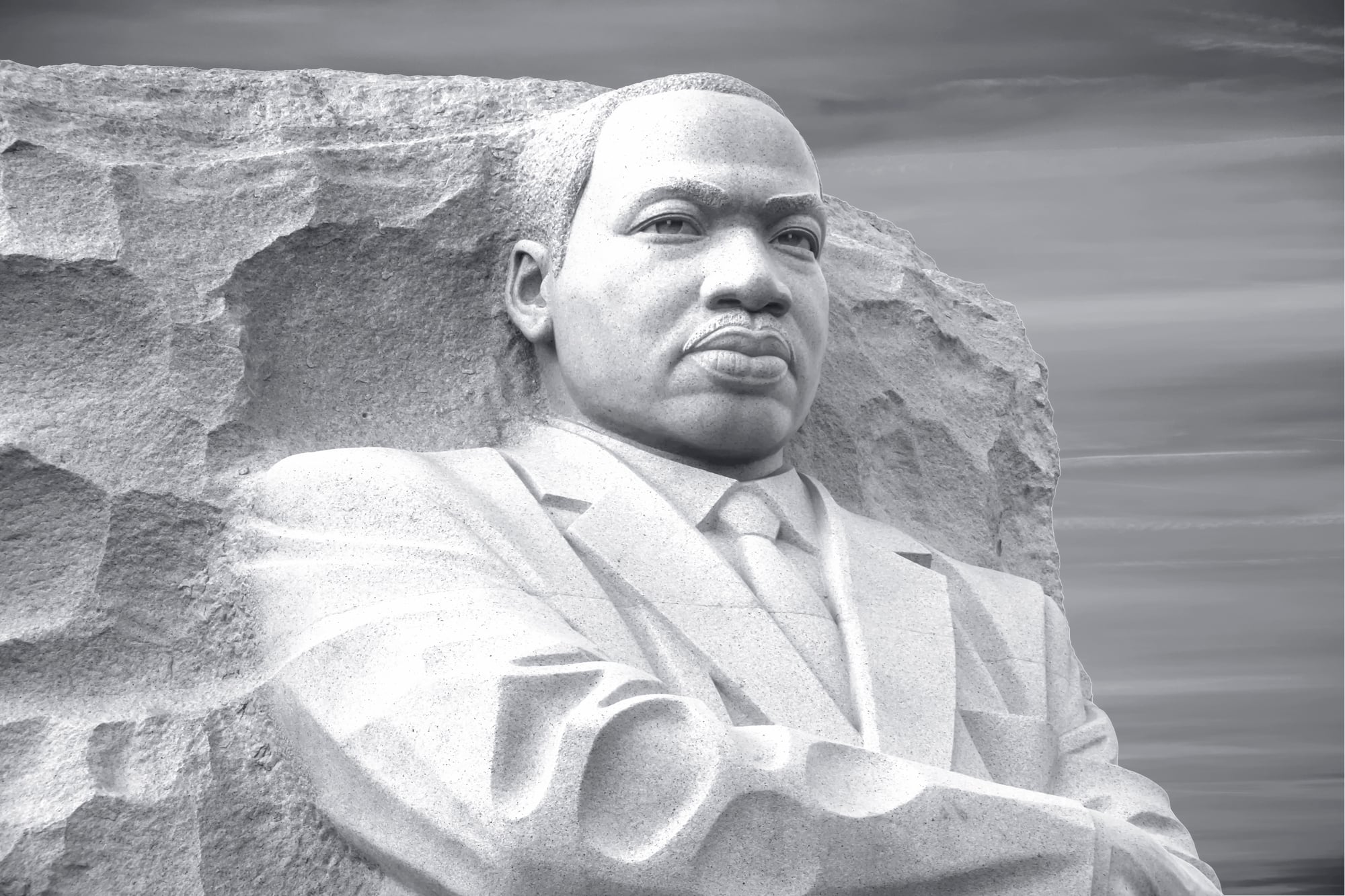
Sometimes erasure isn’t total — it’s selective. A figure stays in the textbook but gets hollowed out, reduced to a single safe moment or a sanitized version of their beliefs, until the person who remains barely resembles the one who actually lived.
Martin Luther King Jr. is taught in virtually every American school, but frequently in a version that strips out his opposition to the Vietnam War, his critique of economic inequality, and his pointed criticisms of white moderates — leaving a figure so non-threatening that the actual Martin Luther King Jr. would likely find the portrait unrecognizable. The name survives. The substance gets quietly removed.
What Gets Left Out Tells You Everything
The shape of what’s missing from a history curriculum is not random — it has a logic, and that logic tells you exactly what the people who built that curriculum were most afraid of. Every labor organizer who got cut, every woman scientist absorbed into a male colleague’s legacy, every indigenous leader reframed as an obstacle — they all describe, in negative space, the kind of history that whoever held the pen preferred not to tell.
The encouraging thing is that recovered histories don’t stay recovered: Bayard Rustin got a posthumous Presidential Medal of Freedom in 2013, Rosalind Franklin’s name is increasingly taught alongside Watson and Crick, and state curricula are slowly, imperfectly, being revised. History doesn’t erase permanently. It just delays.
More from Go2Tutors!

- The Romanov Crown Jewels and Their Tragic Fate
- 13 Historical Mysteries That Science Still Can’t Solve
- Famous Hoaxes That Fooled the World for Years
- 15 Child Stars with Tragic Adult Lives
- 16 Famous Jewelry Pieces in History
Like Go2Tutors’s content? Follow us on MSN.