The real story behind the Stonewall riots
Have you ever wondered what really happened on that sweltering night in Greenwich Village back in 1969? The story you’ve heard about Stonewall might be more complex than you think.
The Stonewall riots weren’t just about police versus protesters — they were about marginalized people finally saying ‘enough is enough’ to a system that pushed them into the shadows. The events that unfolded over six days in late June changed American civil rights forever, yet many of the real facts remain buried beneath decades of mythology and oversimplification.
Here’s a list of 16 real facts about the Stonewall riots that reveal the true story behind this pivotal moment in history.
The Stonewall Inn Was Mafia-Owned
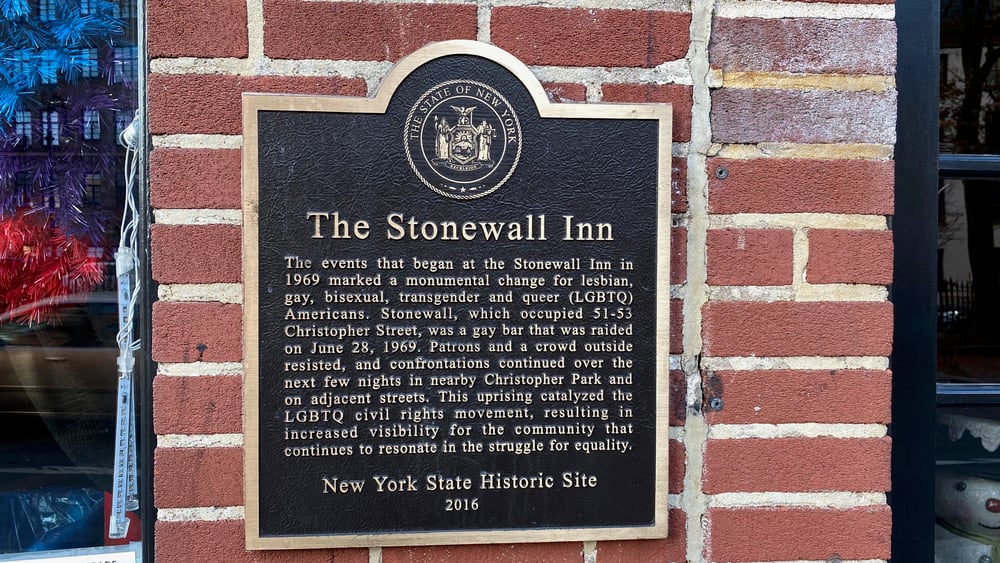
The Stonewall Inn was secretly owned by the Genovese crime family, specifically operated by mafiosos who invested $3,500 in 1966 to turn it from a straight restaurant into a gay bar. Matthew ‘Matty the Horse’ Ianiello, a high-level caporegime in the Genovese family, was the actual owner behind the scenes.
The mob saw huge profit potential in serving a community that had nowhere else to go, though they had little regard for their patrons’ safety or dignity.
Police Were Paid Off Weekly

Once a week, a police officer would collect envelopes of cash as a payoff known as ‘gayola,’ and the monthly payoff of $1,200 to the 6th Precinct allowed the Stonewall to operate without a liquor license. This corrupt arrangement meant the bar could stay open despite operating illegally.
However, the mob would sometimes allow ‘show raids’ to appease neighborhood complaints, sacrificing their own patrons in the process.
The Bar Conditions Were Deplorable
The Stonewall had no running water behind the bar, so dirty glasses were run through tubs of water and immediately reused, with no fire exits and toilets that overran consistently. Many gay rights groups blamed the Stonewall for a 1969 outbreak of hepatitis among its patrons due to the unsanitary conditions.
Yet people kept coming because it was one of the few places that welcomed drag queens and allowed dancing.
It Wasn’t the First LGBTQ+ Uprising
The events were not the first instances of gay men and lesbians fighting back against police in New York City and elsewhere, with previous riots at Compton’s Cafeteria in 1966 and another riot at Los Angeles’ Black Cat Tavern in 1967. Historians have noted that the shift in activism was primarily for white cisgender people, as people of color and gender non-conforming people never truly had the benefit of concealing their marginalized identities.
Stonewall became famous largely due to media coverage and its strategic location.
The Raid Targeted Cross-Dressing Laws
In accordance with a New York criminal statute that authorized the arrest of anyone not wearing at least three articles of gender-appropriate clothing, police took several people into custody. These archaic laws meant that transgender individuals and drag queens faced automatic arrest simply for their appearance.
The enforcement of these discriminatory laws was one of the sparks that ignited the crowd’s anger that night.
A Lesbian’s Cry Started the Riot
According to multiple accounts, a lesbian who was fighting attempts to haul her into a squad car cried out, ‘Why don’t you guys do something!’ This moment of defiance galvanized the crowd of onlookers who had been watching silently as people were arrested and roughed up.
Her call to action transformed passive observers into active resisters.
The Police Barricaded Themselves Inside
Accustomed to more passive behavior from gay groups, the policemen called for reinforcements and barricaded themselves inside the bar while some 400 people rioted. The officers found themselves completely outnumbered and overwhelmed by the crowd’s unexpected resistance.
This reversal of power dynamics was shocking to both the police and the community itself.
Sylvia Rivera’s Presence Is Disputed
There are several statements from highly credible witnesses about Rivera not having been at the uprising, with Marsha Johnson telling multiple witnesses that Sylvia was ‘asleep after taking heroin uptown’ on that first night. Historian David Carter wrote that activist Bob Kohler, who was present at the riots, told him Rivera was not at Stonewall.
However, Rivera’s contributions to the broader movement through STAR and subsequent activism remain undeniable.
Activists Immediately Targeted the Mafia
Within days of the Stonewall riots, activists were handing out leaflets condemning ‘the Mafia monopoly,’ and graffiti on the boarded-up windows read: ‘GAY PROHIBITION CORRUPT$ COP$ FEED$ MAFIA.’ Two of the main gay-rights organizations that came out of the riots, the Gay Activists Alliance and Gay Liberation Front, actively championed getting organized crime out of gay bars.
The uprising was as much about ending mob exploitation as it was about police harassment.
The Bar Closed Within Months
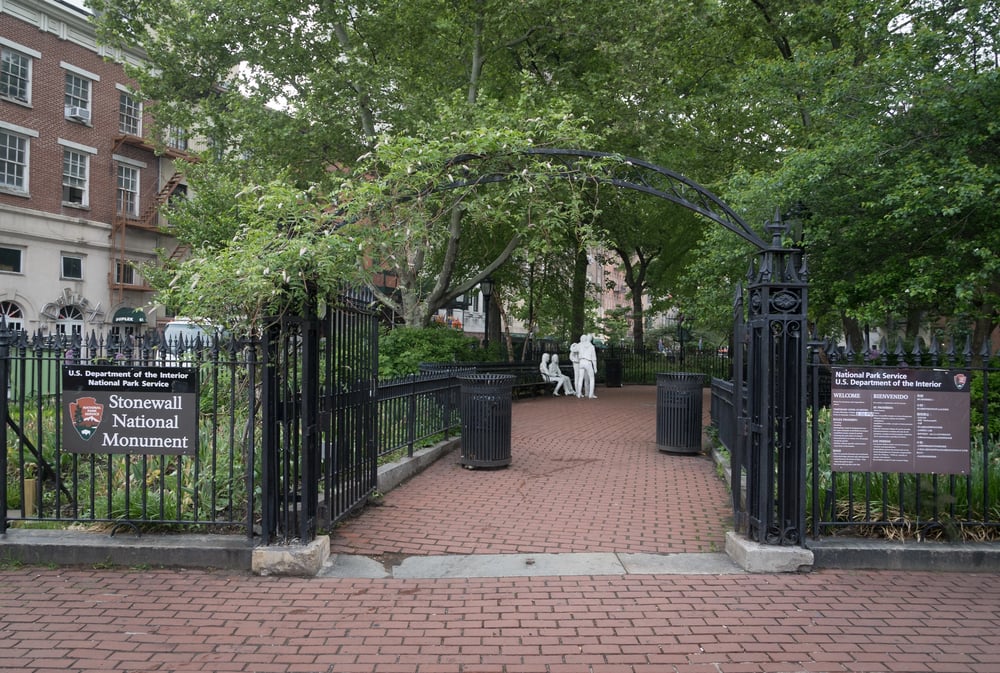
The Stonewall Inn lasted only a few weeks after the riot, and by October 1969 it was up for rent. Village residents surmised it was too notorious a location and Rodwell’s boycott discouraged business.
The original establishment that sparked the movement couldn’t survive the attention and scrutiny that came with its newfound notoriety.
It Created the First Pride March
Christopher Street Liberation Day, on June 28, 1970, marked the first anniversary of the Stonewall riots with an assembly on Christopher Street; with simultaneous Gay Pride marches in Los Angeles and Chicago, these were the first Gay Pride marches in US history. The first U.S. Gay Pride Week and March was meant to commemorate the Christopher Street Uprisings and demonstrate against ‘centuries of abuse from government hostility to employment and housing discrimination, Mafia control of Gay bars, and anti-Homosexual laws.’
This annual tradition continues today in cities worldwide.
The Movement Had Already Been Growing
America’s first lesbian rights organization, The Daughters of Bilitis, was formed in San Francisco in 1955, and in 1966, members of The Mattachine Society staged a ‘sip-in’ where they openly declared their identity at taverns. While Stonewall became well known due to the media coverage, it was a culmination of years of LGBTQ+ activism.
The riots didn’t create the movement from nothing — they provided the spark that ignited years of growing frustration into explosive action.
When Courage Meets Crisis
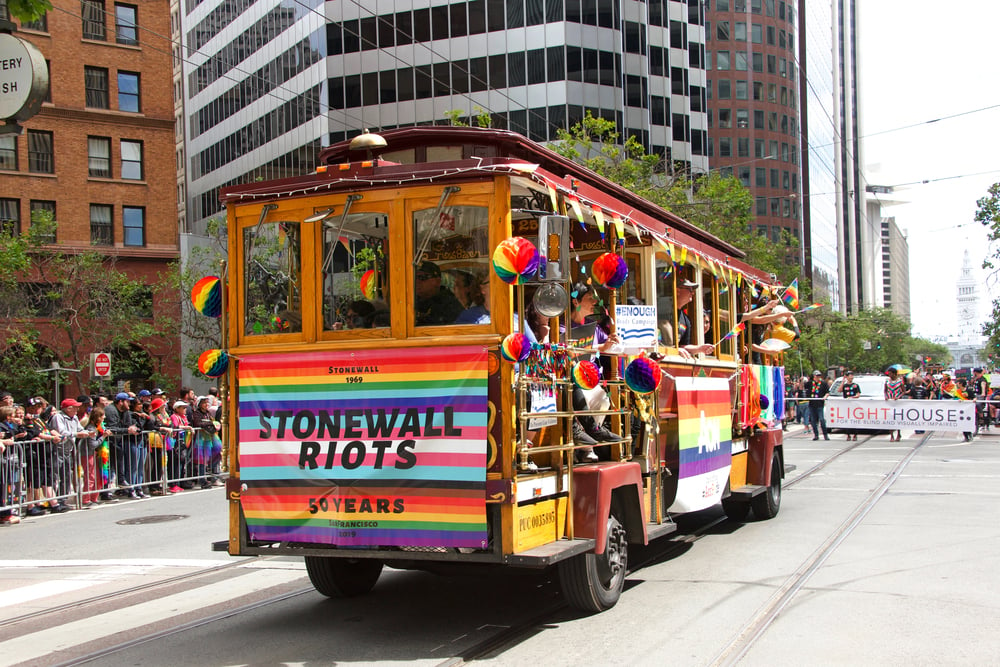
The real story of Stonewall reveals how a perfect storm of exploitation, corruption, and oppression finally met its match in a community that had endured enough. From the mob-controlled bars of the 1960s to today’s marriage equality, the path from those six nights in Greenwich Village shows what happens when people refuse to accept injustice as inevitable.
Understanding this history helps us recognize that progress isn’t just about the famous moments we celebrate — it’s about the countless acts of everyday resistance that build toward those breakthrough moments when everything changes.
More from Go2Tutors!

- The Romanov Crown Jewels and Their Tragic Fate
- 13 Historical Mysteries That Science Still Can’t Solve
- Famous Hoaxes That Fooled the World for Years
- 15 Child Stars with Tragic Adult Lives
- 16 Famous Jewelry Pieces in History
Like Go2Tutors’s content? Follow us on MSN.