The Role of Jazz Clubs in American Social History
Walk into a smoky basement club in 1920s Harlem, and you’d find something remarkable—Black musicians playing for white audiences, bootleg liquor flowing freely, and social barriers crumbling one jazz riff at a time. But Harlem wasn’t where this story began.
New Orleans’ Storyville district birthed jazz in its dance halls and brothels before closing in 1917, scattering musicians northward. Chicago’s South Side clubs absorbed many of those transplanted players in the 1920s, creating the next chapter before Harlem took center stage.
Jazz clubs weren’t just places to hear music—they were laboratories where America experimented with integration decades before the civil rights movement, where women tested new freedoms, and where entire communities found their voice. The story of jazz clubs is messy and contradictory, filled with both progress and exploitation.
Some clubs enforced strict segregation while showcasing Black talent, others quietly integrated their audiences long before it was legal, and most operated in the gray area between the two extremes. Here is a list of 13 ways jazz clubs shaped American social history.
Prohibition Spread the Sound
When the 18th Amendment outlawed alcohol in 1920, it spread jazz nationally through the speakeasy network. While jazz had already developed in New Orleans and Chicago, Prohibition created thousands of illegal venues across the country that needed entertainment to attract customers willing to risk arrest for a drink.
Gangsters like Al Capone in Chicago and Owney Madden in New York ran these clubs, using jazz musicians as the draw while selling bootleg liquor. The underground nature of speakeasies meant traditional social rules didn’t always apply, creating spaces where experimentation—musical and social—could happen in cities that had never heard live jazz before.
The Cotton Club Paradox
The Cotton Club in Harlem became the most famous jazz venue of the 1920s and 1930s despite embodying a troubling contradiction. Owned by white mobster Owney Madden starting in 1923, the club featured exclusively Black performers but only admitted white customers.
Duke Ellington’s orchestra served as the house band from 1927, developing the jungle style that made him famous. The club later launched the career of singer Lena Horne in the 1930s, along with Cab Calloway and Ethel Waters.
This paradox—Black artists gaining fame and decent pay while being denied entry as patrons—captured the complexity of racial progress in America.
Like Go2Tutors’s content? Follow us on MSN.
Women Found Freedom

Jazz clubs gave women unprecedented social freedom during the 1920s. Flappers—young women with bobbed hair and short skirts—could drink, dance, and socialize without male chaperones in these venues.
This represented a dramatic shift from Victorian-era restrictions that had confined women to chaperoned events and rigid social roles. The passage of the 19th Amendment in 1920 gave women voting rights, but jazz clubs gave them something equally important: public spaces where they could express themselves freely.
Performers like Ethel Waters and Josephine Baker became powerful figures, showing that women could command stages and audiences on their own terms.
Class Barriers Softened
Jazz clubs brought together people from different economic backgrounds in ways few other spaces did. Working-class folks could afford the cover charges at most clubs, while wealthy patrons also attended seeking the thrill of slumming or genuine appreciation for the music.
The Savoy Ballroom in Harlem welcomed integrated, cross-class audiences who came to dance. This mixing wasn’t entirely free of tension or prejudice, but it created social interactions that traditional society strictly forbade, planting seeds for broader acceptance of class mobility.
Civil Rights Organizing Happened
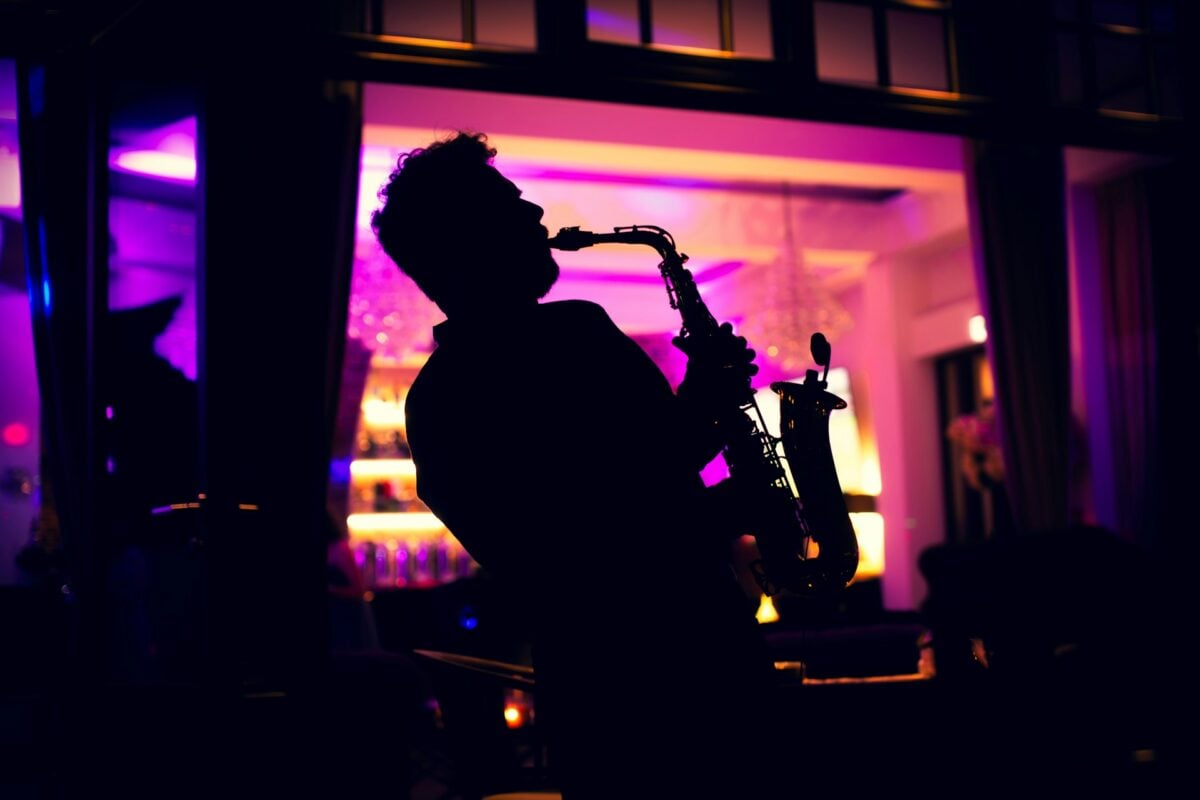
Jazz clubs served as informal spaces for civil rights activities, hosting benefits and fundraisers that supported the movement. Artists like Nina Simone performed at events raising money for activist organizations, using their platforms to advance the cause.
The intimate setting of clubs allowed for personal conversations and community building away from public scrutiny. Musicians themselves often became activists, with figures like Billie Holiday using songs like ‘Strange Fruit’ to protest lynching.
These venues gave the movement both funding and a cultural voice that amplified its message.
Like Go2Tutors’s content? Follow us on MSN.
Careers Launched Overnight
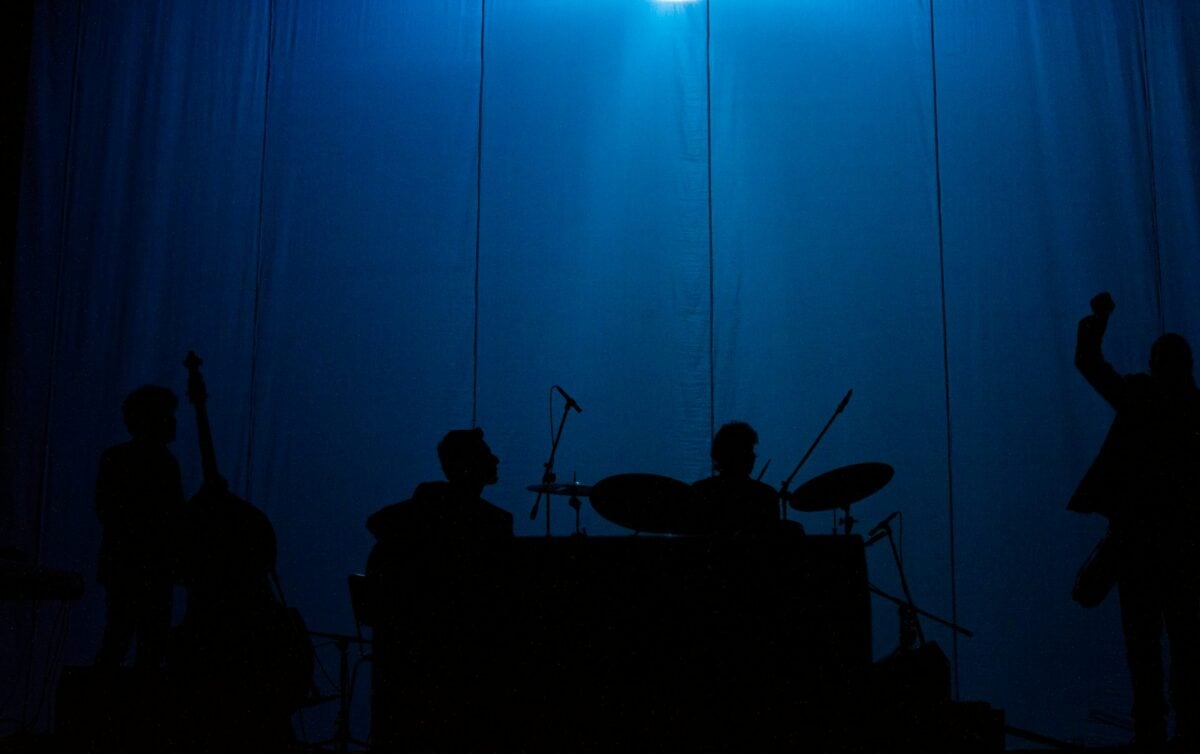
Jazz clubs could transform unknown musicians into stars with a single performance. Ella Fitzgerald got her start at age 17 by winning amateur night at the Apollo Theatre in Harlem in 1934, initially planning to dance but singing instead when nerves struck.
The audience demanded three encores, and she won the 25 dollar prize. Charlie Parker, Duke Ellington, and countless others used club residencies to develop their sound and build followings.
Unlike today’s slow climb through social media, clubs offered immediate exposure to large audiences who could spread word-of-mouth recommendations quickly.
Radio Broadcasts Expanded Reach
Live radio broadcasts from clubs brought jazz into homes across America through national radio networks. Duke Ellington’s orchestra broadcasting from the Cotton Club in the late 1920s reached audiences from coast to coast who would never visit Harlem.
These network broadcasts were crucial for spreading jazz beyond urban centers, introducing rural and suburban Americans to the music. The combination of live performance energy and mass media reach created stars and made jazz a truly national phenomenon rather than just an urban curiosity.
Bebop Changed Everything
When bebop emerged in Harlem clubs like Minton’s Playhouse and Monroe’s Uptown House in the 1940s, jazz clubs had to adapt from dance venues to listening rooms. Musicians like Dizzy Gillespie and Charlie Parker played complex, fast-tempo music meant for attentive listening rather than dancing.
Clubs like Birdland responded by creating listening areas separate from bars, with audiences expected to focus on the music rather than socialize. This shift elevated jazz from popular entertainment to serious art form, though it also made the music less accessible to casual fans.
Like Go2Tutors’s content? Follow us on MSN.
Southern Clubs Took Bigger Risks

Preservation Hall in New Orleans, which opened in 1961, quietly defied Jim Crow laws by hosting racially integrated bands and audiences. In a state where interracial marriage was illegal and schools were forcibly segregated, the Jaffe family risked arrest and violence to keep the music alive.
Southern jazz clubs faced harsher consequences for integration than Northern venues, making their efforts more dangerous and arguably more significant. These clubs demonstrated that not all resistance to segregation came from organized protests—some came from people simply refusing to enforce unjust rules in their own spaces.
Economic Power Shifted

Jazz clubs created economic opportunities for Black musicians at a time when most professions remained closed to them. While pay varied widely and exploitation was common, successful club performers could earn substantially more than the average Black worker.
Louis Armstrong earned sometimes dozens of dollars per night at upscale venues by the mid-1920s, compared to the one or two dollars musicians made in early New Orleans dance halls. This economic mobility wasn’t available to most Black Americans, making music one of the few paths to middle-class status or beyond.
Mob Control Had Consequences
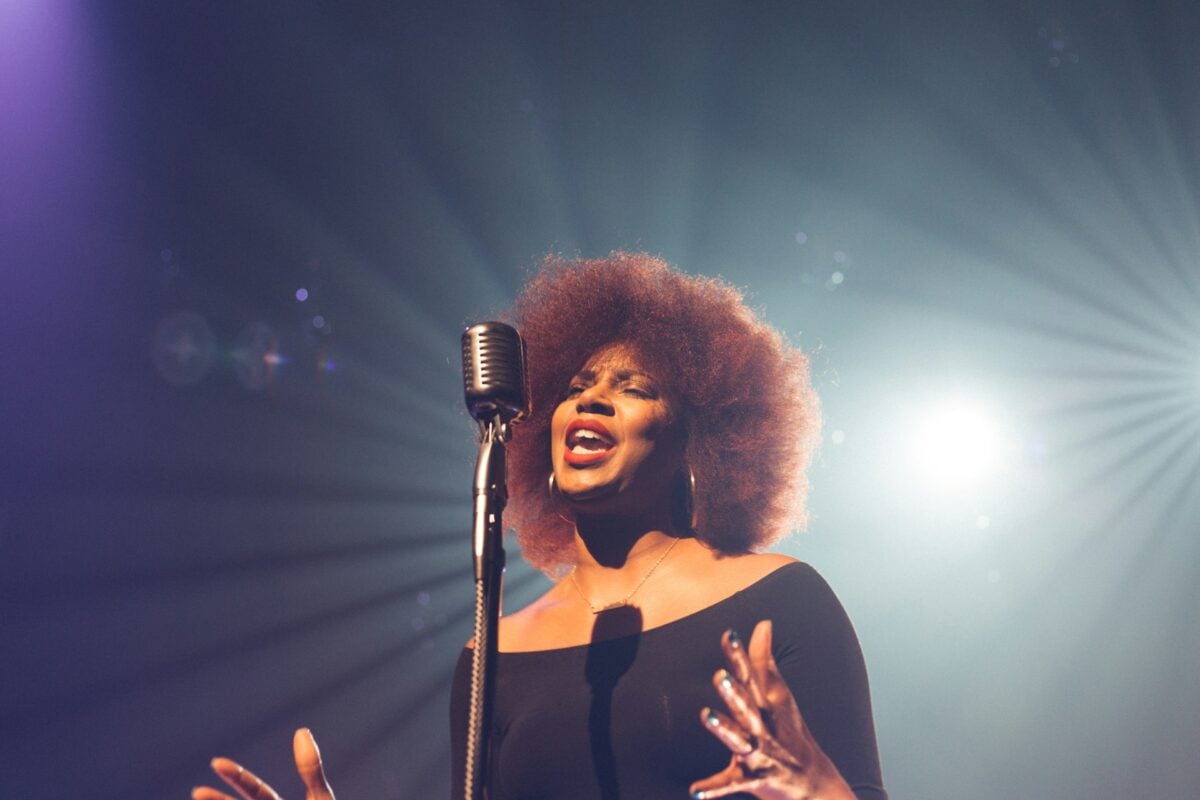
Organized crime’s control of many jazz clubs created both opportunities and exploitation. Mobsters like Morris Levy who owned Birdland, which opened in 1949, often used threats and intimidation to control musicians, extorting money or forcing unfavorable contracts.
Charlie Parker, despite inspiring the club’s name, struggled to get steady bookings there because his drug use and reputation for unreliability made him difficult to work with. The mob’s involvement meant musicians had to navigate dangerous relationships, but it also meant clubs stayed open despite police raids since mobsters had political connections.
Like Go2Tutors’s content? Follow us on MSN.
Late Night Culture Emerged
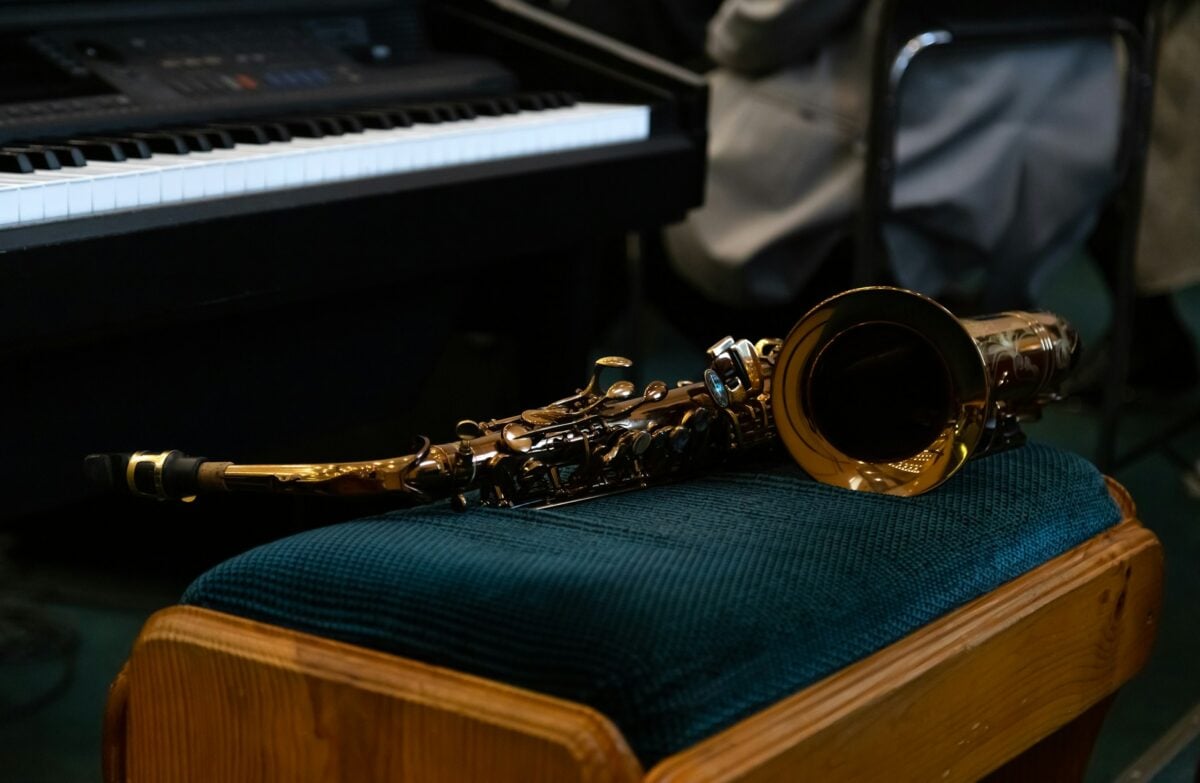
Jazz clubs established the template for modern nightlife by normalizing late-night entertainment. Before jazz clubs, most respectable venues closed early.
Bop City in San Francisco operated from midnight to 6 AM, creating a sanctuary for musicians and night owls. These hours accommodated musicians who played early shows elsewhere, but they also created a counterculture that valued nocturnal life.
The association between creativity, rebellion, and late nights that we take for granted today largely started in jazz clubs.
Women Musicians Gained Ground

Despite widespread discrimination, jazz clubs provided rare opportunities for women musicians beyond singing. Piano players like Lil Hardin Armstrong and Mary Lou Williams performed regularly at major venues during the 1920s and 1930s.
During World War II in the 1940s, all-girl bands like the International Sweethearts of Rhythm gained popularity as wartime alternatives when male musicians enlisted. While women instrumentalists received less recognition than male counterparts and often faced questions about their appearance rather than their ability, clubs still offered them paying work in a field they loved.
This created a foundation, however limited, for future generations of women in jazz and rock music.
The Template Stuck
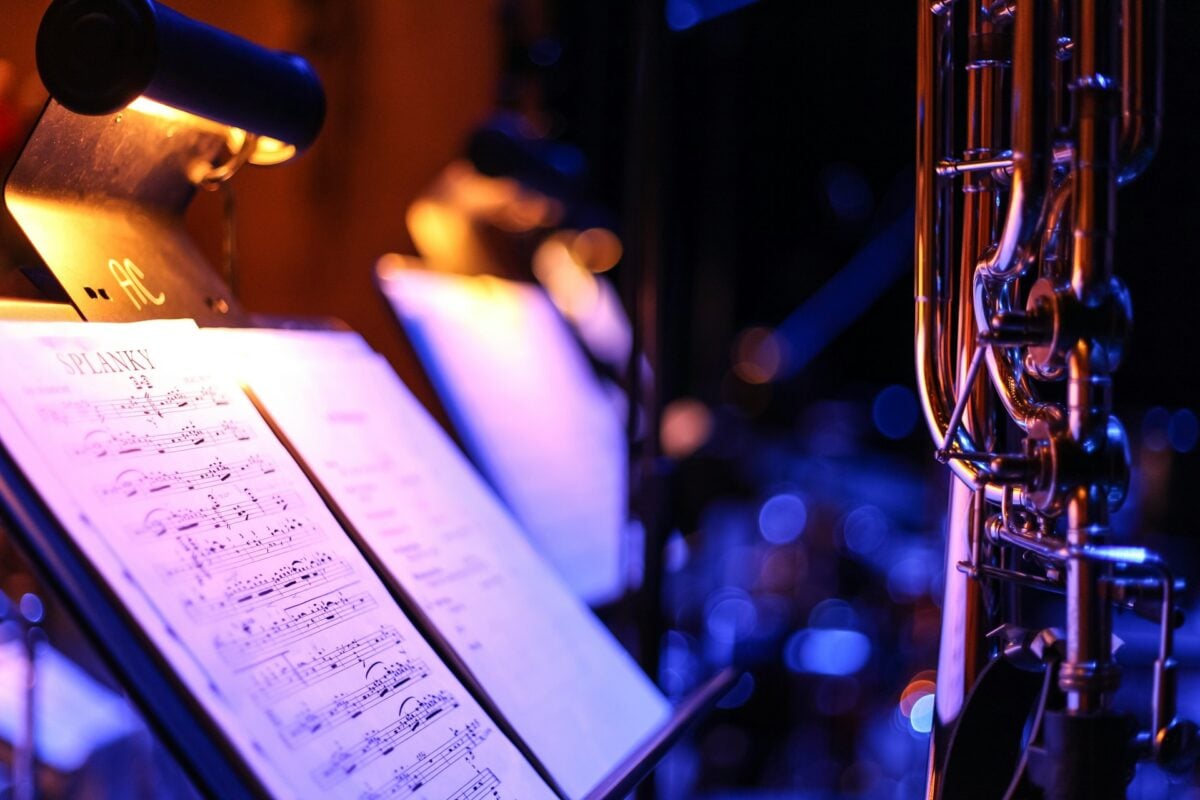
The jazz club model—intimate venues with live music, alcohol, and late hours—became the blueprint for modern music clubs across all genres. Rock clubs, comedy clubs, and blues venues all borrowed the basic structure jazz clubs established.
The idea that you could build a cultural scene around small venues featuring emerging and established artists, supported by drink sales and cover charges, traces directly back to jazz clubs of the 1920s through 1950s. Even though traditional jazz clubs declined as jazz became less popular, the infrastructure they created supports live music worldwide today.
Walk into any small music venue and you’re experiencing an echo of those original jazz clubs that changed American culture one set at a time.
More from Go2Tutors!

- 16 Historical Figures Who Were Nothing Like You Think
- 12 Things Sold in the 80s That Are Now Illegal
- 15 VHS Tapes That Could Be Worth Thousands
- 17 Historical “What Ifs” That Would Have Changed Everything
- 18 TV Shows That Vanished Without a Finale
Like Go2Tutors’s content? Follow us on MSN.